Author: Widia Utari Utama

  • Pest Control Rules and Regulations Explained Clearly

    Pest Control Rules and Regulations Explained Clearly

    Pest control rules and regulations exist to protect public health, property, and the environment. They are not written only for large pest control companies, but also affect homeowners, tenants, business owners, property managers, and anyone involved in applying or arranging pest control treatments. Understanding how these rules work, who they apply to, and where the legal boundaries are is essential to avoid safety risks, legal trouble, and costly compliance mistakes.

    This article explains pest control rules and regulations in a practical and clear way. It covers who the regulations apply to, the difference between residential and commercial responsibilities, where DIY treatment is legally allowed and where licensed professionals are required, why state and local regulations matter, safety and environmental compliance requirements, documentation and record-keeping obligations, a practical compliance checklist, the consequences of non-compliance, and common myths that often lead people to unintentionally break the rules.

    Who pest control rules and regulations apply to

    Pest control rules and regulations apply to more people than many assume. They are not limited to licensed pest control companies alone. In practice, several groups are affected, each with different levels of responsibility.

    These groups include:

    • Homeowners performing pest control on their own property
    • Tenants living in rented residential units
    • Landlords and property owners
    • Commercial property managers
    • Business owners, especially in food-related industries
    • Licensed pest control professionals and companies

    The key difference between these groups is the scope of what they are legally allowed to do and what level of responsibility they carry if something goes wrong.

    Residential versus commercial pest control responsibilities

    One of the most important distinctions in pest control rules and regulations is the difference between residential and commercial properties.

    Residential properties

    In residential settings, such as private homes or individual apartments, limited DIY pest control is often allowed. This usually includes:

    • Using store-bought household insecticides approved for consumer use
    • Applying treatments strictly according to the product label
    • Treating only the user’s own living space

    However, residential DIY treatment has clear limits. Homeowners and tenants are generally not allowed to:

    • Use restricted-use or professional-grade pesticides
    • Treat shared building areas without permission
    • Apply chemicals in ways not specified on the label
    • Perform treatments that may affect neighboring units

    Once treatment goes beyond these limits, licensed professionals are legally required.

    Commercial properties

    Commercial properties are subject to stricter pest control rules and regulations. This includes restaurants, cafes, hotels, offices, warehouses, schools, healthcare facilities, and retail spaces.

    In most cases, commercial pest control:

    • Must be handled by licensed pest control professionals
    • Requires documented treatment plans
    • Is subject to inspection by regulatory authorities
    • Must meet workplace safety and environmental standards

    DIY pest control by unlicensed staff in commercial settings is often restricted or completely prohibited, especially in food-handling or healthcare environments.

    The legal boundary between DIY treatment and licensed professionals

    A common source of confusion in pest control rules and regulations is where DIY treatment legally ends and professional work begins.

    In general, DIY pest control is legally limited to:

    • Low-toxicity, consumer-approved products
    • Small-scale, localized application
    • Personal residential use only

    Licensed professionals are legally required when:

    • Restricted-use pesticides are involved
    • Treatment affects shared or public areas
    • The infestation is widespread or structural
    • The property is commercial or public-facing
    • Regulations require formal documentation and reporting

    Crossing this boundary without proper licensing can lead to serious penalties, even if the intent was simply to solve a pest problem quickly.

    Why state and local regulatory requirements matter

    Pest control rules and regulations are enforced at both state and local levels. These regulations exist to ensure that pest control activities do not endanger people, animals, or the environment.

    Key regulatory areas include:

    • Licensing requirements for pest control operators
    • Approval and restriction of pesticide products
    • Rules on how and where chemicals may be applied
    • Notification requirements for occupants or neighbors
    • Inspection and enforcement procedures

    Even if a product is legally sold, it may not be legal to use it in every setting or in every way. Regulations determine who can apply it, where, and under what conditions.

    Licensing obligations and restricted-use pesticides

    One of the most important aspects of pest control rules and regulations is licensing.

    Licensed pest control professionals must:

    • Complete approved training programs
    • Pass regulatory examinations
    • Maintain ongoing education requirements
    • Renew licenses periodically

    Restricted-use pesticides are chemicals that pose higher risks if misused. These products:

    • Are not available to the general public
    • Require specialized knowledge to apply safely
    • Must be used according to strict guidelines

    Using restricted-use pesticides without proper licensing is a serious violation of pest control rules and regulations.

    Notification rules for tenants and neighboring properties

    Many pest control rules and regulations require notification before treatment takes place, especially in multi-unit buildings or commercial properties.

    Notification rules may include:

    • Informing tenants before treatment
    • Posting notices in common areas
    • Providing information about chemicals used
    • Specifying re-entry times after treatment

    These rules exist to protect vulnerable individuals, such as children, elderly residents, and people with respiratory conditions.

    Safety and environmental compliance requirements

    Safety is a central focus of pest control rules and regulations. Improper pesticide use can cause serious health and environmental harm.

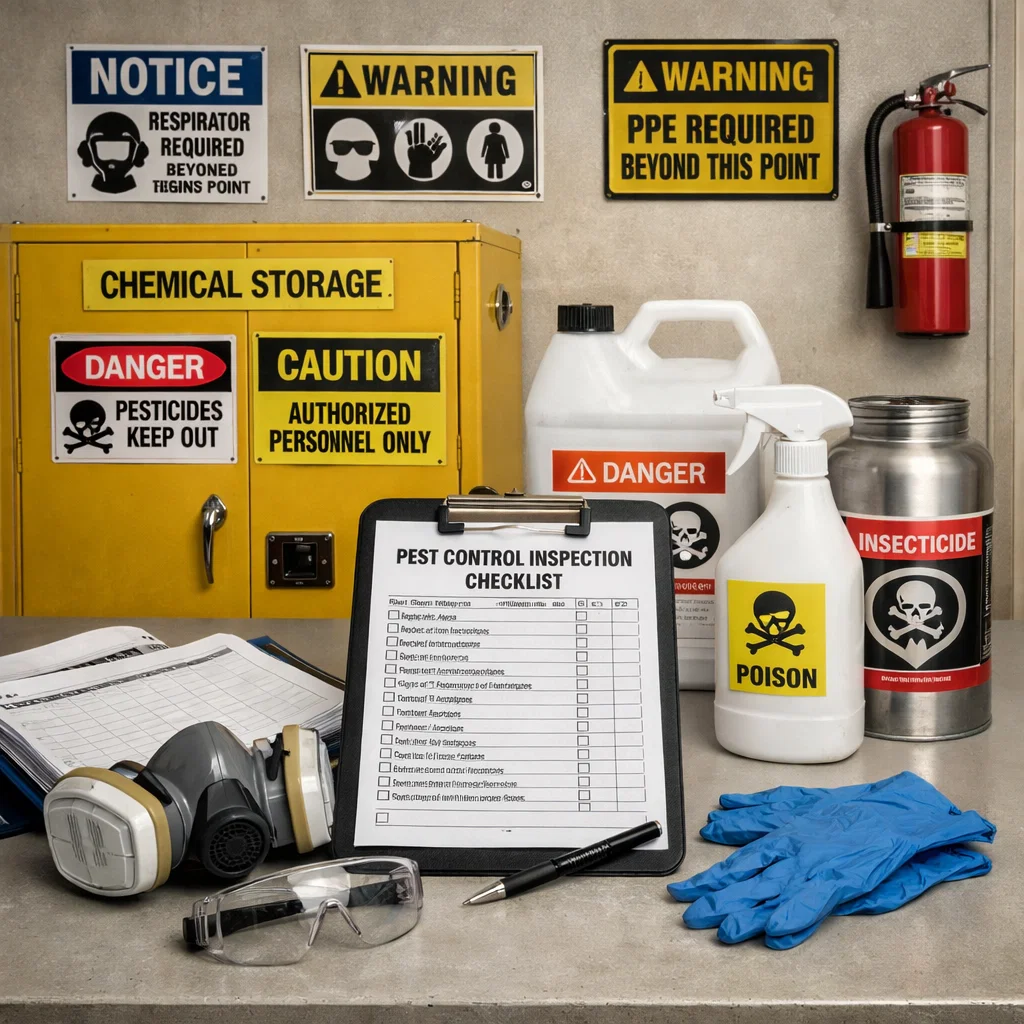
    Personal protective equipment

    Licensed professionals are required to use appropriate personal protective equipment, such as gloves, masks, and protective clothing, depending on the treatment.

    Chemical storage and disposal

    Regulations require that pest control chemicals:

    • Be stored in secure, labeled containers
    • Be kept away from food and living areas
    • Be disposed of according to environmental laws

    Improper storage or disposal is a common compliance violation.

    Protection of pollinators and ecosystems

    Pest control rules and regulations increasingly focus on protecting pollinators, wildlife, and surrounding ecosystems.

    This includes:

    • Restrictions on outdoor spraying
    • Timing treatments to avoid pollinator activity
    • Using targeted application instead of broad spraying

    Documentation and record-keeping responsibilities

    Documentation is a critical but often overlooked part of pest control rules and regulations.

    Licensed operators are typically required to record:

    • Date and location of treatment
    • Pest type identified
    • Products and quantities used
    • Application method
    • Technician name and license number

    These records must often be retained for a specific period, such as one to several years, and made available for inspections or audits.

    Why record-keeping matters for inspections and audits

    Regulatory inspections rely heavily on documentation. Missing or incomplete records can lead to penalties even if the treatment itself was performed correctly.

    Proper records help:

    • Demonstrate compliance
    • Track recurring pest issues
    • Support follow-up treatment decisions
    • Protect businesses during audits

    Practical pest control compliance checklist

    The following checklist can help assess basic compliance with pest control rules and regulations:

    • Are treatments performed by licensed professionals when required?
    • Are only approved products being used?
    • Are chemicals applied according to label instructions?
    • Are tenants or occupants notified when required?
    • Are safety precautions clearly communicated?
    • Are treatment records properly maintained?
    • Is chemical storage secure and compliant?
    • Are environmental protections considered?

    Consequences of non-compliance

    Ignoring pest control rules and regulations can lead to serious consequences.

    Common penalties include:

    • Fines and financial penalties
    • Stop-work orders
    • License suspension or revocation
    • Legal liability for health or environmental damage
    • Reputational damage for businesses

    In severe cases, non-compliance can result in long-term business disruption or legal action.

    Common myths about pest control regulations

    Misunderstandings about pest control rules and regulations are common and often costly.

    Some frequent myths include:

    • “If I buy it in a store, I can use it anywhere”
    • “DIY is always legal in commercial spaces”
    • “One-time spraying solves compliance issues”
    • “No one checks pest control records”

    Believing these myths often leads to violations that could have been avoided with proper information.

    Why professional pest control supports compliance

    Professional pest control services are structured to follow pest control rules and regulations by design. Licensing, training, documentation, and safety protocols are part of standard operations.

    For property owners and businesses, using professional services reduces compliance risk and provides peace of mind that treatments meet legal and safety requirements.

    Conclusion

    Pest control rules and regulations exist to protect people, property, and the environment. Understanding who they apply to, where DIY ends, what documentation is required, and what happens when rules are ignored helps prevent costly mistakes. By following proper procedures and using licensed professionals when required, pest control can be carried out safely, legally, and effectively.
  • Monthly Pest Control Cost Explained for Homes and Businesses

    Monthly Pest Control Cost Explained for Homes and Businesses

    Pest problems rarely appear as a single event. In many homes and businesses, pest activity develops gradually and becomes more noticeable over time. This is why many property owners start looking into monthly pest control cost when they realize that one-time treatments are not enough to keep pests away in the long run. Understanding how monthly pest control pricing works, what it usually includes, and why it often provides better value than reactive treatments can help you make a more informed decision.

    This article provides a clear and practical explanation of monthly pest control cost, including typical service tiers, key pricing factors, the difference between DIY and professional services, warning signs to avoid in pest control contracts, what to expect from warranties or follow-up visits, and why ongoing pest control is often more cost-effective than dealing with repeated infestations.

    A quick overview of monthly pest control service tiers

    Monthly pest control services are usually structured into service tiers. These tiers are designed to match different property sizes, risk levels, and pest pressures. While exact pricing varies by region and provider, the structure is often similar.

    At a high level, monthly pest control cost typically falls into the following tiers:

    • Basic monthly service: Focuses on common pests such as cockroaches, ants, flies, and mosquitoes. It usually includes inspection, targeted treatment, and basic prevention advice.
    • Standard monthly service: Covers a wider range of pests, includes more frequent monitoring, and may involve outdoor treatment or baiting systems.
    • Comprehensive monthly service: Designed for high-risk environments or commercial properties, including detailed inspections, multiple treatment methods, and scheduled follow-ups.

    In residential settings, basic monthly pest control cost is often lower and focuses on maintaining control after an initial treatment. For commercial properties, monthly services are usually more comprehensive due to hygiene, safety, and compliance requirements.

    What is usually included in monthly pest control cost

    One of the main advantages of monthly pest control is consistency. Instead of reacting to problems as they appear, the service focuses on prevention and early detection.

    Most monthly pest control plans include:

    • Regular inspection of key pest-prone areas
    • Monitoring for new pest activity
    • Targeted treatment when activity is detected
    • Preventive measures to reduce attraction and entry points
    • Basic reporting or feedback after each visit

    Depending on the provider, monthly pest control cost may also cover follow-up visits at no additional charge if pest activity continues within the service scope.

    Main factors that influence monthly pest control cost

    There is no single flat rate for monthly pest control. Several factors influence how much you pay and what level of service you receive.

    Property size and layout

    Larger properties require more time, materials, and coverage. A small apartment typically has a lower monthly pest control cost compared to a villa, warehouse, or multi-floor commercial space.

    Pest type

    Different pests require different control strategies. Monthly pest control for insects such as cockroaches and ants is usually less complex than ongoing control for rodents, termites, or mosquitoes.

    Treatment frequency

    Some properties require monthly visits, while others may need bi-weekly or even weekly attention during high-risk periods. Increased frequency raises the monthly pest control cost but also improves effectiveness.

    Local conditions and environment

    Climate, surrounding buildings, waste areas, and nearby construction all affect pest pressure. Properties in high-risk environments often require more intensive monitoring and treatment.

    Residential versus commercial use

    Commercial properties often face stricter hygiene standards and higher pest risks. As a result, their monthly pest control cost is usually higher than residential services.

    Typical monthly pest control cost ranges

    While prices vary by region and provider, monthly pest control cost often falls within predictable ranges when averaged over time.

    For residential properties, monthly pest control cost commonly ranges from the equivalent of:

    • Small apartments: low to mid monthly fees focused on maintenance
    • Medium to large homes: moderate monthly fees reflecting wider coverage
    • Villas or compounds: higher monthly fees due to outdoor and structural exposure

    For commercial properties, monthly pest control cost is usually calculated based on:

    • Total floor area
    • Business type (restaurant, office, warehouse, healthcare)
    • Risk level and compliance requirements
    • Frequency of service visits

    Although monthly fees may appear higher at first glance, they often reduce overall spending by preventing repeated infestations and emergency treatments.

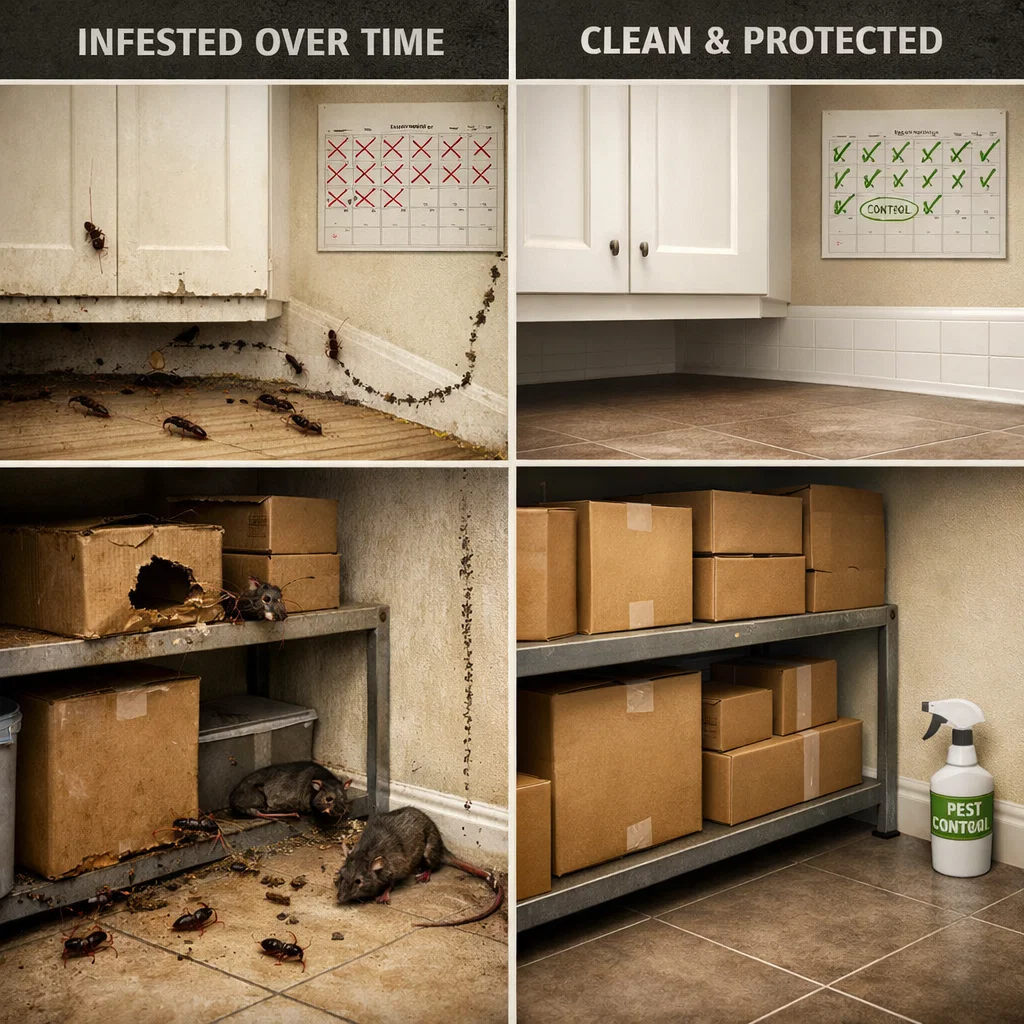
    Why monthly pest control often provides better value than one-time treatments

    One-time pest control treatments are reactive. They address the problem only after pests are already present. Monthly pest control, on the other hand, focuses on prevention and early intervention.

    Monthly pest control cost often provides better value because:

    • Pests are detected early before infestations grow
    • Less chemical use is needed over time
    • Damage to property is minimized
    • Emergency call-outs are reduced
    • Long-term hygiene and comfort are maintained

    In many cases, the total annual cost of monthly service is lower than the combined cost of multiple one-time treatments.

    DIY expenses versus professional monthly pest control

    DIY pest control often seems cheaper at the beginning. Store-bought sprays, traps, and repellents are easy to access and appear affordable.

    However, DIY expenses add up over time:

    • Repeated purchase of ineffective products
    • Time spent applying treatments and cleaning
    • Health risks from improper chemical use
    • Damage caused by untreated infestations

    Professional monthly pest control cost includes expertise, monitoring, and prevention. While the upfront cost may be higher than DIY, the long-term cost is often lower due to improved effectiveness and reduced recurrence.

    Effectiveness and time considerations

    DIY pest control relies heavily on trial and error. Professional monthly pest control uses structured methods based on pest behavior and environmental conditions.

    With professional service:

    • Less time is spent dealing with pests
    • Treatments are targeted and efficient
    • Results are monitored consistently
    • Problems are addressed before becoming severe

    This efficiency is a major factor in the value of monthly pest control cost.

    Common industry red flags to watch out for

    Not all pest control providers offer the same level of transparency or quality. Being aware of common red flags can help you avoid unnecessary costs.

    Unclear contracts

    Monthly pest control agreements should clearly state what is included, how often visits occur, and how cancellations work. Vague terms often lead to disputes.

    Misleading free inspections

    Some providers advertise free inspections but then pressure customers into immediate contracts without proper explanation. A legitimate inspection should provide clear findings and options.

    Weak or unrealistic guarantees

    Promises of permanent pest elimination without maintenance are unrealistic. Effective pest control focuses on management and prevention.

    Hidden charges

    Monthly pest control cost should be transparent. Unexpected fees for follow-ups or basic services are a warning sign.

    What to expect from warranties and follow-up visits

    Professional monthly pest control services usually include some form of follow-up support.

    Reasonable expectations include:

    • Re-inspection if pest activity continues
    • Additional treatment within the service scope
    • Clear explanation of limitations
    • Optional upgrades for higher-risk situations

    Warranties typically cover specific pests and conditions, rather than unlimited protection.

    Regional and environmental cost differences

    Monthly pest control cost varies by region due to climate, pest pressure, and regulatory requirements. Areas with warmer temperatures or dense urban environments often experience higher pest activity and may require more frequent service.

    Local building structures, waste management practices, and surrounding land use also influence pricing.

    The cost of inaction

    Delaying pest control often leads to higher expenses over time. Small infestations grow, pests spread to new areas, and damage becomes more severe.

    The cost of inaction may include:

    • Structural repairs from termites or rodents
    • Health-related expenses
    • Food contamination and waste
    • Business disruption or loss of reputation

    Compared to these risks, monthly pest control cost is often a predictable and manageable expense.

    Why regular monthly pest control is a long-term solution

    Regular monthly pest control creates a protective system rather than a temporary fix. It helps maintain a pest-free environment, reduces stress, and protects both property and health.

    By investing in consistent service, property owners gain:

    • Peace of mind
    • Stable long-term costs
    • Early detection of new issues
    • Reduced reliance on emergency treatments

    Conclusion

    Monthly pest control cost should be viewed as an investment rather than an expense. By understanding service tiers, pricing factors, and the true cost of repeated infestations, it becomes clear why ongoing pest control often delivers better value. Regular monthly service helps prevent larger, more expensive problems, protects health and property, and provides a practical and effective approach to pest management over time.

  • Pest Control Is It Safe for Families and Pets

    Pest Control Is It Safe for Families and Pets

    Pest problems raise an important and very natural question for many households and businesses: pest control is it safe. This concern usually comes from a good place—people want to protect their children, pets, plants, and living environment while also dealing with pests that threaten hygiene, health, and property. Understanding how pest control works in real-world conditions helps separate fear from facts and allows informed decisions to be made with confidence.

    This article explains safety in pest control from a practical perspective. It covers how treatments are made safe through correct application, drying time, and protective measures; the difference between chemical toxicity and real-world exposure risk; the health and property risks of leaving pest problems untreated; how DIY methods compare with professional pest control from a safety standpoint; and clear, actionable safety guidance before and after treatment. The goal is not to oversimplify, but to give reassurance based on how pest control is actually practiced.

    Why the question “pest control is it safe” comes up so often

    Pest control involves substances designed to affect insects or rodents, so it is reasonable for people to worry about safety. Parents think about children crawling on floors, pet owners worry about cats and dogs, and plant lovers worry about gardens and indoor greenery. These concerns are amplified by stories about chemical exposure, misuse of insecticides, or unsafe DIY applications.

    What is often missing from these conversations is context. Safety in pest control is not just about what substance is used, but how it is used, where it is applied, in what amount, and under what controls. Modern pest control focuses on minimizing exposure while maximizing effectiveness.

    Chemical toxicity versus real-world risk

    One of the most misunderstood aspects of pest control safety is the difference between chemical toxicity and real-world risk. Toxicity describes the inherent ability of a substance to cause harm under certain conditions. Risk, on the other hand, depends on exposure—how much of the substance comes into contact with people, pets, or plants, and for how long.

    Professional pest control reduces real-world risk by controlling exposure in several ways:

    • Using the lowest effective dose rather than excessive application
    • Applying products only in targeted areas where pests are active
    • Avoiding open spraying in living or sleeping spaces
    • Following strict dilution and application guidelines
    • Allowing adequate drying time before re-entry

    This is why a substance that sounds concerning on a label may pose very little real-world risk when used correctly by trained professionals.

    How professional pest control is designed to be safe

    Professional pest control is not random spraying. It follows controlled procedures designed to protect occupants while addressing pest activity effectively.

    Key safety-focused practices include:

    • Targeted application: Products are applied only where pests live, travel, or nest, such as cracks, crevices, and hidden voids.
    • Dry application methods: Many treatments are designed to dry quickly, reducing contact risk.
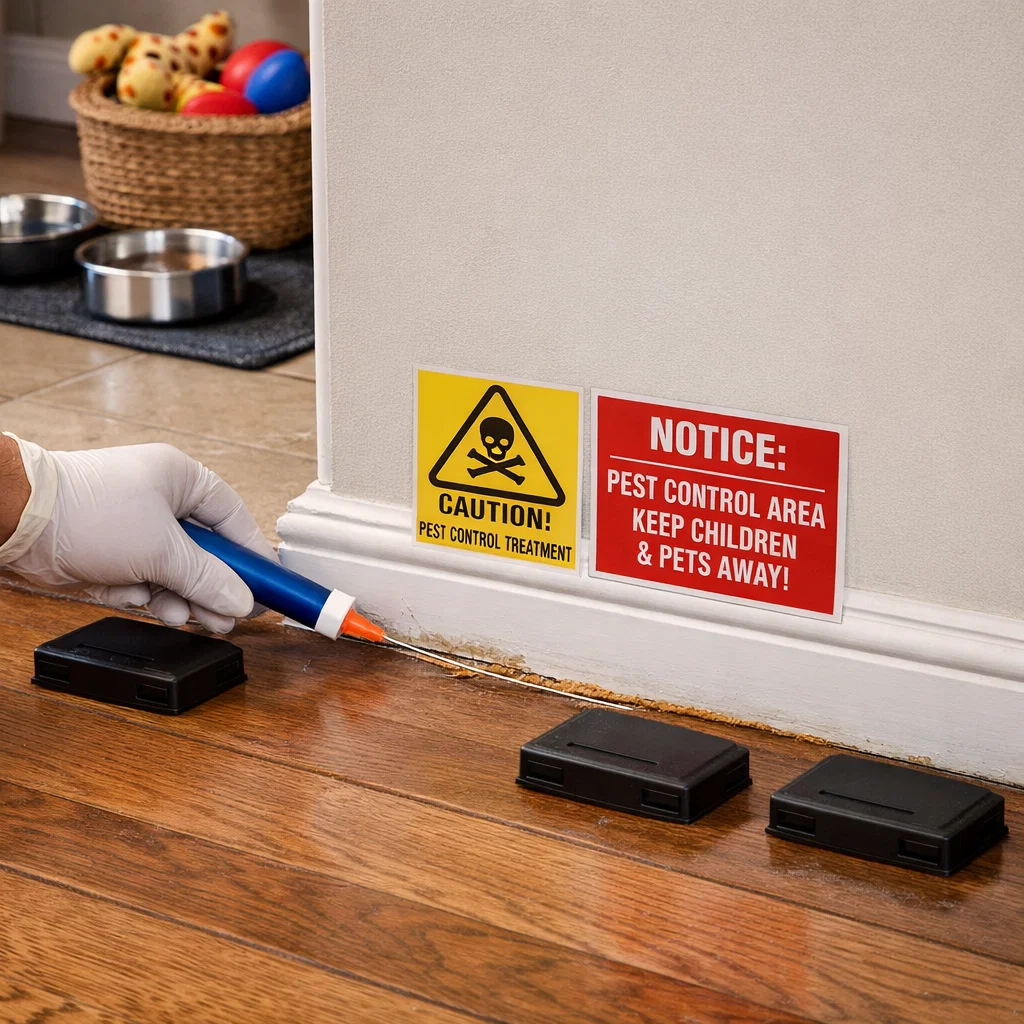
    • Protective barriers: Baits and traps are often placed inside tamper-resistant stations.
    • Label compliance: All applications follow manufacturer safety instructions.
    • Post-treatment guidance: Clear instructions are provided on when and how spaces can be used again.

    These controls significantly reduce the likelihood of accidental exposure.

    Safety for children in pest control treatments

    Children are naturally more sensitive to environmental factors because they spend time closer to floors, touch surfaces frequently, and may put objects in their mouths. This makes child safety a priority in pest control planning.

    Professional treatments account for this by:

    • Applying treatments to inaccessible areas such as behind appliances or inside wall voids
    • Using crack-and-crevice methods instead of open-area spraying
    • Recommending temporary removal of toys or items from treated areas
    • Advising waiting periods before children re-enter treated rooms

    When these steps are followed, pest control is considered safe for households with children.

    Safety for pets: dogs, cats, and small animals

    Pets have different behaviors than humans. Dogs may sniff treated areas, cats may groom themselves after walking on surfaces, and small animals may be closer to floors and corners. This makes pet safety an important part of any pest control plan.

    Professional pest control addresses pet safety by:

    • Using pet-safe application zones and avoiding feeding areas
    • Installing tamper-resistant bait stations that pets cannot access
    • Providing clear instructions on temporary pet relocation if needed
    • Allowing treatments to dry fully before pets return

    In many cases, pets can safely remain in the home as long as guidance is followed.

    Are plants and gardens affected by pest control

    Another common concern linked to “pest control is it safe” is the effect on plants, gardens, and landscaping. The answer depends on how and where treatment is applied.

    Professional services protect plants by:

    • Avoiding unnecessary application on foliage
    • Using targeted soil or perimeter treatments when required
    • Selecting products suitable for outdoor use near vegetation
    • Adjusting treatment methods for edible plants or gardens

    When pest control is applied responsibly, damage to plants is uncommon.

    The risks of leaving pest problems untreated

    Safety discussions around pest control often focus on treatment risks while overlooking the risks of doing nothing. Untreated pest problems can create serious health and property issues over time.

    Health risks of untreated pest infestations include:

    • Spread of bacteria and pathogens
    • Allergic reactions and asthma triggers
    • Bites and skin irritation
    • Contamination of food and surfaces

    Property risks include:

    • Damage to wiring and fire hazards from rodents
    • Structural damage from termites
    • Contaminated insulation and storage areas
    • Higher long-term repair costs

    When viewed in this context, professional pest control is often the safer option compared to allowing infestations to grow.

    DIY pest control versus professional pest control: safety comparison

    DIY pest control is often perceived as safer because it feels more controlled. In reality, DIY approaches can introduce significant safety risks if not handled correctly.

    Common safety risks with DIY pest control

    • Over-application of products
    • Mixing incompatible chemicals
    • Improper storage of insecticides
    • Lack of protective equipment
    • Treating visible pests instead of hidden sources

    These mistakes increase exposure risk for occupants and pets.

    How professional pest control reduces these risks

    Professionals use integrated pest management principles, which focus on inspection, monitoring, targeted treatment, and prevention rather than repeated chemical use.

    This approach emphasizes:

    • Correct product selection
    • Minimal effective application
    • Environmental controls such as sealing entry points
    • Education on prevention

    From a safety perspective, professional pest control is often safer than repeated DIY attempts.

    Pre-treatment safety checklist

    Following simple preparation steps helps ensure safe and effective treatment:

    • Store food and utensils properly
    • Cover or remove exposed items
    • Move pets or pet items if advised
    • Follow technician instructions carefully
    • Ask questions if anything is unclear

    Post-treatment safety checklist

    After treatment, safety is maintained by:

    • Allowing treated areas to dry fully
    • Ventilating rooms if recommended
    • Cleaning only where advised, not immediately everywhere
    • Monitoring pets and children as they return
    • Following follow-up instructions

    Typical waiting times before re-entry

    Waiting times depend on the treatment method used. In many cases, re-entry is possible once treated surfaces are dry. Some treatments may require a few hours of waiting, especially in enclosed spaces.

    Professionals always provide clear guidance on re-entry times to ensure safety.

    Traditional versus eco-friendly pest control methods

    Eco-friendly pest control focuses on reducing chemical use while maintaining effectiveness.

    Traditional Methods Eco-Friendly Methods
    May use broader-spectrum products Uses targeted and reduced-toxicity products
    Effective for heavy infestations Effective for prevention and sensitive environments
    Requires controlled application Focuses on exclusion and monitoring

    Both approaches can be safe when applied correctly. The choice depends on pest type, infestation level, and occupant needs.

    Short answers to common safety questions

    Is pest control safe for babies?
    Yes, when treatments are applied professionally and re-entry guidance is followed.

    Is pest control safe for pets?
    Yes, especially when tamper-resistant stations and proper drying times are used.

    Is it safer to avoid pest control completely?
    No. Untreated infestations often pose greater health and safety risks.

    Can eco-friendly pest control still work?
    Yes, especially when combined with prevention and monitoring.

    Making a safe and informed decision

    The question “pest control is it safe” does not have a simple yes or no answer. Safety depends on how pest control is done, who does it, and whether instructions are followed. Professional pest control focuses on minimizing exposure, protecting occupants, and addressing pest problems at their source.

    When pests are active, delaying action often increases risk rather than reducing it. A calm discussion with a professional service helps clarify which methods are appropriate, what precautions are needed, and how safety will be maintained throughout the process.

    Conclusion

    Pest control, when done correctly, is designed to protect health and property rather than threaten it. Understanding the difference between toxicity and exposure, following preparation and aftercare guidance, and choosing professional treatment over repeated DIY attempts allows pest problems to be handled safely and effectively.

  • Protect Pest Control for Long Term Prevention

    Protect Pest Control for Long Term Prevention

    Pest problems often develop gradually, making them easy to underestimate in the early stages. What begins as a few insects, small noises, or subtle signs of activity can slowly turn into health risks, property damage, and costly repairs. This is why many homeowners and business operators look for ways to protect pest control efforts long before an infestation becomes obvious. Effective protection is not about reacting once pests are visible, but about understanding risks, closing vulnerabilities, and knowing when professional support is needed.

    The concept behind protect pest control is simple: reduce the chances of pests entering, surviving, and spreading in a property, while having a clear plan in place if activity is detected. This article explains how to identify and assess pest risks based on season and environment, the hidden damage pests can cause, layered protection strategies that combine sanitation and exclusion, practical tools such as vulnerability checklists and seasonal pest awareness, long-term maintenance planning, eco-friendly and safety considerations, and clear guidance on when professional pest control support becomes necessary.

    Understanding pest risks by season and environment

    Pest activity is influenced heavily by environmental conditions and seasonal changes. Even in regions where temperatures remain relatively warm throughout the year, pest behavior still shifts based on moisture levels, food availability, and shelter conditions.

    Seasonal and environmental factors that affect pest risk include:

    • Warmer periods that accelerate insect breeding cycles
    • Rainy or humid conditions that attract moisture-loving pests
    • Dry seasons that push pests indoors in search of water
    • Construction or renovation that disturbs nests
    • Changes in waste management or food storage habits

    Understanding these patterns helps property owners anticipate problems rather than react to them. A protect pest control mindset focuses on prevention during high-risk periods instead of emergency treatment after damage occurs.

    Identifying early signs and hidden pest damage

    One of the biggest challenges with pest issues is that damage often occurs out of sight. Many pests remain hidden in walls, ceilings, crawl spaces, or storage areas, causing harm long before they are noticed.

    Hidden or indirect signs of pest activity include:

    • Droppings in corners, cabinets, or behind appliances
    • Unexplained musty or oily odors
    • Scratching or movement sounds at night
    • Warped wood, hollow sounds, or damaged furniture
    • Frequent allergic reactions or respiratory irritation

    Ignoring these signs allows pests to multiply and increases the cost and complexity of future treatment. Protect pest control strategies aim to detect and address these risks before visible infestation occurs.

    The hidden structural and health risks pests can cause

    Pests are more than a nuisance. Over time, they can create serious structural and health problems that extend far beyond the initial infestation.

    Common risks include:

    • Damage to electrical wiring, increasing fire hazards
    • Weakening of wooden structures through termite activity
    • Contamination of food and surfaces
    • Spread of bacteria and allergens
    • Worsening of asthma and respiratory conditions

    These risks highlight why a long-term protection approach is often more cost-effective than repeated reactive treatments.

    Layered protection strategies for effective pest prevention

    Effective pest protection rarely relies on a single method. Instead, it combines multiple layers that work together to reduce risk and maintain control.

    Sanitation as the first line of defense

    Cleanliness plays a critical role in pest prevention. Pests are attracted to food, moisture, and clutter.

    Key sanitation practices include:

    • Storing food in sealed containers
    • Cleaning spills and crumbs promptly
    • Managing waste with sealed bins
    • Reducing clutter in storage areas
    • Regularly cleaning drains and sinks

    While sanitation alone does not eliminate pests, it significantly reduces attraction and supports other control measures.

    Physical exclusion and structural protection

    Physical barriers are a core part of protect pest control strategies. Closing entry points prevents pests from accessing indoor spaces.

    Effective exclusion measures include:

    • Sealing cracks and gaps around doors and windows
    • Repairing damaged screens and vents
    • Fixing leaks that create moisture buildup
    • Ensuring proper drainage around the property
    • Maintaining roofs, walls, and foundations

    These measures reduce reliance on chemical treatments and provide long-term protection.

    The limits of DIY pest control methods

    DIY pest control methods can be useful for minor or early-stage issues, but they have clear limitations. Most household sprays and traps focus on visible pests rather than the source of the problem.

    DIY approaches are generally suitable when:

    • Pest activity is minimal and recently noticed
    • The source is obvious and easily addressed
    • No sensitive occupants are affected

    However, DIY methods often fail when infestations are established, hidden, or recurring. Overuse or misuse of products can also pose health risks.

    When professional pest control becomes necessary

    Professional support is essential when pests persist despite preventive efforts or when the risk level increases.

    Clear indicators that professional help is needed include:

    • Repeated pest sightings after DIY treatment
    • Pests appearing during daylight hours
    • Evidence of nesting or breeding
    • Structural or electrical damage
    • Health symptoms linked to pest exposure

    At this stage, professional pest control provides inspection, targeted treatment, and guidance that DIY methods cannot achieve.

    Using practical tools to assess vulnerability

    Simple tools can help property owners evaluate their risk level and prioritize prevention.

    Home and workplace vulnerability checklist

    • Are food and waste stored securely?
    • Are there visible gaps or cracks in walls or doors?
    • Is there standing water or moisture buildup?
    • Are storage areas cluttered or poorly ventilated?
    • Have pests been seen recently or repeatedly?

    Regularly reviewing this checklist helps identify weaknesses before pests take advantage of them.

    Seasonal pest awareness planning

    Different pests become more active during certain times of the year. Planning inspections and preventive measures around these periods reduces risk and cost.

    Seasonal planning may include:

    • Pre-summer checks for insects and mosquitoes
    • Pre-rainy season moisture inspections
    • Routine monitoring in food-handling areas

    Ongoing maintenance and prevention planning

    Pest protection is not a one-time task. Conditions change over time as buildings age, usage patterns shift, and environments evolve.

    Ongoing maintenance planning helps ensure:

    • Early detection of new risks
    • Reduced need for emergency treatments
    • Lower long-term costs
    • Consistent safety for occupants

    Regular inspections and preventive treatments are often more economical than repeated reactive services.

    Eco-friendly and safety considerations

    Modern protect pest control strategies prioritize safety and environmental responsibility. Eco-friendly and low-toxicity options reduce health risks while maintaining effectiveness.

    These approaches may include:

    • Targeted application instead of broad spraying
    • Use of approved low-toxicity products
    • Integrated pest management techniques
    • Emphasis on exclusion and sanitation

    Such methods are especially important in homes with children and pets, as well as workplaces with employees and customers.

    Understanding pricing considerations and long-term value

    Professional pest control pricing varies based on property size, pest type, infestation severity, and treatment scope. While costs may seem higher than DIY products initially, professional services often provide better long-term value.

    Early professional intervention typically results in:

    • Less extensive treatment
    • Lower risk of property damage
    • Reduced repeat service costs
    • Improved safety and peace of mind

    Viewing pest control as an investment in protection rather than a one-time expense helps property owners make more informed decisions.

    A practical approach to long-term pest protection

    Pest problems rarely resolve without a plan. Left untreated, they can escalate, causing health concerns, property damage, and rising costs. A protect pest control approach focuses on early detection, layered prevention, and timely professional support.

    First Station Pest Control Services supports long-term pest protection through inspection-led treatment, preventive planning, and responsible methods. For those unsure whether professional assistance is needed yet, using the WhatsApp or Call option allows a calm discussion to assess risks, understand options, and decide on the most appropriate next step.

    Conclusion

    Effective pest protection is about awareness, preparation, and informed action. By understanding risks, applying layered prevention strategies, respecting the limits of DIY methods, and engaging professional support when needed, homes and businesses can reduce pest activity and protect health and property over time.

  • Best Pest Control Products for Home Use

    Best Pest Control Products for Home Use

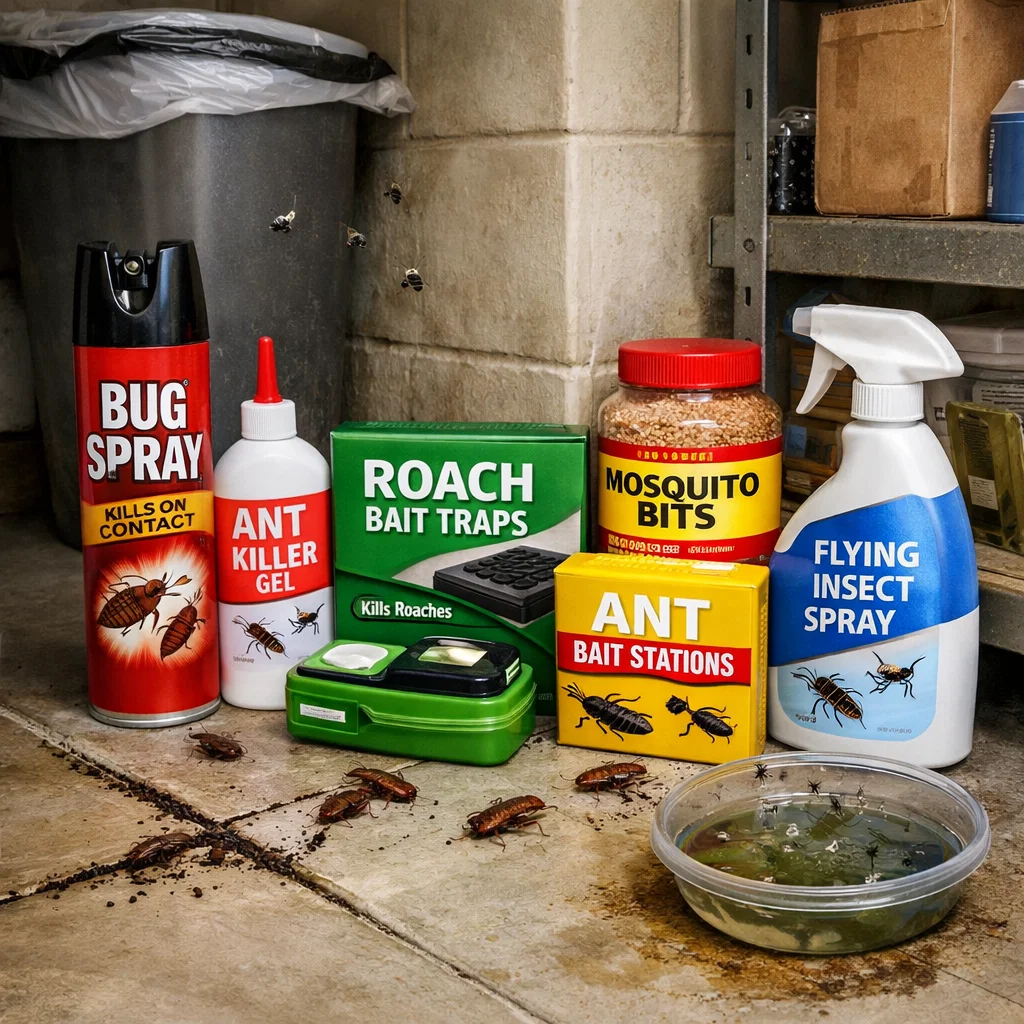
    Choosing the best pest control products is not only about effectiveness. Safety, correct application, timing, and understanding the level of infestation all play a major role in whether a product actually works or creates new problems. Many pest issues get worse not because the wrong product was chosen, but because it was used incorrectly, applied in the wrong area, or relied on when professional treatment was already needed.

    This guide explains how to approach pest control products in a practical and responsible way. It starts with safety considerations, then breaks down product choices by infestation level, explains correct application methods, sets realistic expectations about results, and highlights when professional intervention is the safer option. It also covers seasonal and regional factors, basic pest identification, and how to compare products without relying on marketing claims alone.

    Safety comes first when using pest control products

    Before effectiveness, safety must always be the first consideration. Pest control products are designed to affect living organisms, which means misuse can pose risks to humans and animals if precautions are ignored.

    When evaluating the best pest control products, always check:

    • Pet safety: Whether the product is labeled as pet-safe once dry, or requires pets to be removed during and after application
    • Child safety: Whether it can be used in homes with children and what re-entry time is required
    • Indoor or outdoor use: Many products are designed strictly for indoor cracks and crevices or outdoor perimeter use
    • Ventilation requirements: Especially important for sprays and foggers
    • Protective equipment: Basic PPE such as gloves, masks, or eye protection

    Even products marketed as “safe” or “low toxicity” still require careful handling. Labels and instructions should never be skipped.

    Eco-friendly and natural alternatives: what they can and cannot do

    Eco-friendly or natural pest control products appeal to households concerned about chemical exposure. These products often use plant-based ingredients, essential oils, or mechanical methods.

    Common eco-friendly options include:

    • Essential oil-based sprays
    • Diatomaceous earth
    • Sticky traps and glue boards
    • Physical barriers and sealing products

    While these alternatives can be useful for light pest activity or preventive control, they usually have limitations. Their effectiveness may be shorter, require more frequent application, and work best when combined with good hygiene and exclusion measures.

    Choosing products based on infestation level

    One of the biggest mistakes people make when selecting pest control products is treating all infestations the same. The best pest control products depend heavily on whether the problem is occasional, active, or severe.

    Occasional sightings or early-stage activity

    This level usually involves:

    • Seeing a pest once in a while
    • No clear signs of nesting or breeding
    • No visible damage or droppings

    At this stage, lighter products are often sufficient, such as:

    • Residual sprays for cracks and crevices
    • Ant or cockroach bait stations
    • Preventive perimeter sprays

    These products work best when combined with cleaning, sealing entry points, and removing attractants.

    Active infestations

    An active infestation usually shows clear signs such as frequent sightings, droppings, odor, or pest activity during daylight hours.

    Products commonly used at this level include:

    • Bait systems designed to target nests or colonies
    • Gel baits applied in hidden areas
    • Residual insecticides with longer effectiveness duration

    At this stage, users should expect results to take time. Baits often cause increased pest activity initially as pests carry the product back to the nest.

    Severe infestations or recurring problems

    When infestations persist despite repeated product use, or when pests spread across multiple rooms or units, consumer-grade products are often no longer sufficient.

    This is where professional treatment becomes the safer and more effective choice, especially for:

    • Bed bugs
    • Termites
    • Rodents
    • Large-scale cockroach infestations

    Continuing to rely on DIY products in these situations can increase health risks, property damage, and overall cost.

    Correct application matters more than product choice

    Even the best pest control products will fail if applied incorrectly. Many infestations worsen because products are sprayed in visible areas rather than where pests actually travel or nest.

    Key treatment areas typically include:

    • Cracks and crevices near walls and floors
    • Behind appliances such as refrigerators and ovens
    • Under sinks and around plumbing access points
    • Entry points such as door frames and window gaps
    • Outdoor perimeters near foundations and drainage

    Spraying open surfaces or directly onto visible pests often provides short-term relief but does not address the source.

    Managing expectations: how long results actually take

    Pest control products rarely deliver instant results, especially when using baits or residual treatments.

    Common timelines include:

    • Immediate knockdown for direct-contact sprays
    • Several days to weeks for bait-based products
    • Gradual reduction rather than overnight elimination

    It is normal to see increased pest movement after baiting. This usually indicates that the product is working, not failing.

    Understanding common reactions after treatment

    After applying pest control products, users may notice:

    • Increased pest activity
    • Pests appearing in unusual locations
    • Dead insects near treated areas

    These reactions are common and often temporary. Reapplying products too quickly or mixing different products can reduce effectiveness and increase risk.

    Comparing pest control products without relying on brand claims

    When comparing the best pest control products, it helps to focus on function rather than branding.

    Key comparison factors include:

    • Product purpose: Bait, repellent, residual spray, or mechanical trap
    • Safety level: Indoor-safe, pet-safe once dry, or restricted-use
    • Effectiveness duration: Short-term knockdown vs long-lasting residual
    • Application complexity: Ready-to-use vs professional-level application
    • General price range: Entry-level consumer products vs higher-grade solutions

    Higher price does not always mean better results, especially if the product is not suited to the infestation type.

    Regional and climate factors that affect product performance

    Climate plays a significant role in how pest control products perform. Heat, humidity, and rainfall can reduce residual effectiveness and increase pest activity.

    In warm climates:

    • Residual sprays may break down faster
    • Pests reproduce more quickly
    • Outdoor treatments may need more frequent reapplication

    Seasonal timing also matters. Preventive treatments are often more effective when applied before peak pest activity rather than after infestations are established.

    Basic pest identification helps avoid wrong product use

    Using the wrong product for the wrong pest is a common reason for failure.

    Basic identification tips include:

    • Cockroaches prefer moisture and darkness
    • Ants follow visible trails to food sources
    • Bed bugs hide near sleeping areas
    • Rodents leave droppings and gnaw marks
    • Mosquitoes breed near standing water

    Correct identification allows users to choose products designed for that specific pest.

    When pest control products are no longer enough

    There is a point where even the best pest control products are no longer the right solution. This usually happens when infestations become structural, widespread, or involve health risks.

    Professional treatment becomes the smarter option when:

    • Pests return despite repeated product use
    • Multiple rooms or units are affected
    • There is damage to wiring, furniture, or structures
    • Health symptoms appear
    • Compliance or hygiene standards are required

    Professionals use controlled application methods, higher-grade products, and inspection-led strategies that are not available in retail products.

    A balanced approach to pest control

    The most effective pest management approach often combines responsible product use, good hygiene, exclusion measures, and professional support when needed. Pest control products are tools, not complete solutions on their own.

    Understanding safety, infestation level, application technique, and realistic outcomes helps users make better decisions and avoid unnecessary risks or costs.

    Conclusion

    The best pest control products are those used correctly, at the right time, and for the right level of infestation. By prioritizing safety, understanding product limitations, considering environmental factors, and knowing when professional treatment is necessary, pest problems can be managed more effectively and responsibly.

  • Pest Control Services List for Homes and Businesses

    Pest Control Services List for Homes and Businesses

    Choosing the right pest control provider can feel overwhelming, especially when multiple services appear similar at first glance. A clear pest control services list helps homeowners and business owners understand what each service actually covers, who it is best suited for, and when professional intervention is necessary. Instead of focusing on brand promises or marketing claims, the goal is to compare services based on specialization, response speed, safety approach, and practical suitability for real situations.

    This guide presents a structured pest control services list designed for quick selection and informed decision-making. It highlights common service categories, explains which pests are typically addressed, shows how to match services to family or commercial needs, outlines red flags to avoid, and clarifies when DIY steps are enough versus when professional treatment is the safer choice.

    Why a structured pest control services list matters

    Pest problems are rarely identical. A service that works well for a small apartment with occasional insects may not be suitable for a restaurant, warehouse, or family home with children and pets. Without a clear pest control services list, many people choose based on proximity or price alone, which often leads to repeat infestations or unnecessary risks.

    A structured list allows you to:

    • Quickly identify services based on your specific pest issue
    • Understand which providers specialize in certain infestations
    • Compare safety approaches without technical jargon
    • Decide whether emergency response is needed
    • Avoid services that rely on pressure tactics or unclear terms

    Localized pest context and seasonal patterns

    Pest activity varies depending on climate, building design, and surrounding environment. In urban and suburban areas with warm temperatures, pests are active year-round, while certain infestations peak during specific periods.

    Common patterns include:

    • Cockroaches: Active throughout the year, especially in kitchens and bathrooms
    • Ants: More visible during warmer months and after rainfall
    • Mosquitoes: Increase near standing water and during humid periods
    • Flies: Peak around waste areas and food-handling zones
    • Rodents: Often increase during construction, renovation, or colder transitions
    • Bed bugs: Spread through travel, furniture movement, and shared accommodations
    • Termites: Remain hidden year-round, with damage discovered later

    Understanding which pests are common in your area helps narrow down the most relevant services from a pest control services list.

    Core categories in a pest control services list

    General insect control services

    Best for: Apartments, villas, offices, and small businesses with common crawling or flying insects.

    These services usually cover cockroaches, ants, flies, mosquitoes, and similar pests. They focus on inspection, targeted treatment, and basic prevention guidance.

    Safety approach: Controlled application using approved products, with precautions for food areas and occupants.

    Emergency availability: Often available for urgent infestations, especially in residential settings.

    Pricing range: Typically based on unit size or area coverage rather than pest count.

    Bed bug control services

    Best for: Homes, shared accommodations, hotels, and furnished rentals.

    Bed bug services require specialized inspection and treatment methods. DIY approaches often fail because bed bugs hide in furniture, fabrics, and wall gaps.

    Safety approach: Targeted treatment with clear preparation instructions to protect occupants.

    Emergency availability: Often prioritized due to discomfort and spread risk.

    Pricing range: Based on number of rooms and infestation severity.

    Rodent control services

    Best for: Villas, ground-floor units, warehouses, restaurants, and older buildings.

    Rodent services focus on trapping, baiting, exclusion, and monitoring. They address health risks, contamination, and structural damage.

    Safety approach: Secure bait placement and controlled methods to protect people and pets.

    Emergency availability: Often available for active sightings or noises.

    Pricing range: Based on property size, access points, and monitoring needs.

    Termite control services

    Best for: Properties with wooden structures, furniture damage, or suspected hidden infestation.

    Termite services are inspection-driven and may involve soil treatment, wood treatment, or localized control depending on the situation.

    Safety approach: Applied carefully due to structural implications.

    Emergency availability: Inspection prioritized, treatment scheduled based on findings.

    Pricing range: Usually assessed individually after inspection.

    Mosquito and outdoor pest control

    Best for: Gardens, outdoor seating areas, villas, and recreational spaces.

    These services focus on reducing breeding sites and controlling adult populations to improve comfort.

    Safety approach: Targeted outdoor application with attention to plants and water sources.

    Emergency availability: Seasonal demand may affect scheduling.

    Pricing range: Typically based on outdoor area size.

    Commercial and industrial pest control

    Best for: Restaurants, hotels, warehouses, offices, schools, and healthcare facilities.

    Commercial services prioritize compliance, documentation, and ongoing monitoring. They are designed to meet hygiene and safety standards.

    Safety approach: Low-toxicity or controlled methods suitable for public spaces.

    Emergency availability: Often available with service-level agreements.

    Pricing range: Based on area size, risk level, and service frequency.

    Quick selection: best-for comparison guide

    To simplify selection from a pest control services list, consider these best-for categories:

    • Best for families: Services emphasizing low-toxicity treatments, clear preparation steps, and child- and pet-safe methods.
    • Best for fast response needs: Providers offering same-day inspection or emergency visits.
    • Best for recurring issues: Services that include follow-ups or maintenance options.
    • Best for commercial properties: Providers experienced with inspections, compliance, and documentation.
    • Best for hidden infestations: Services that prioritize thorough inspection over immediate spraying.

    Red-flag checklist when reviewing a pest control services list

    Not all services are equal. A reliable pest control services list should help you avoid risky providers.

    Be cautious if a service shows these red flags:

    • No clear licensing or approval information
    • Refusal to inspect before quoting
    • Vague explanations of treatment methods
    • Pressure to sign long-term contracts immediately
    • Guarantees that promise permanent results without conditions

    Professional providers focus on transparency, not urgency-driven sales.

    Understanding safety approaches across services

    Safety is a major factor when comparing a pest control services list. Different services use different approaches depending on the pest and environment.

    Common safety practices include:

    • Targeted application instead of broad spraying
    • Use of approved products with controlled dosage
    • Clear preparation and re-entry instructions
    • Special precautions for children and pets
    • Aftercare guidance to maintain safety

    Eco-friendly or low-toxicity options are increasingly common and suitable for sensitive environments.

    DIY versus professional services: when each is appropriate

    Not every pest situation requires immediate professional treatment. Understanding when DIY steps are sufficient helps avoid unnecessary costs.

    DIY may be enough when:

    • Pest activity is minimal and recent
    • The source is obvious and removable
    • No health risks are present

    Professional services are necessary when:

    • Pests return repeatedly
    • Multiple rooms or units are affected
    • Hidden nests or breeding sites are suspected
    • Health, hygiene, or compliance risks exist

    A pest control services list helps identify which professional option matches the situation.

    Follow-ups and realistic expectations

    Effective pest control is rarely a one-time action. Follow-ups help confirm results and address lingering activity.

    Realistic expectations include:

    • Explanation of normal post-treatment activity
    • Guidance on monitoring after service
    • Optional follow-up visits for persistent pests
    • Maintenance plans for high-risk properties

    Using a pest control services list to make a confident choice

    A well-structured pest control services list allows you to compare options based on real needs rather than assumptions. By focusing on specialization, response speed, safety approach, and transparency, you can narrow down providers that align with your situation.

    When pest activity continues despite basic measures, professional services provide inspection-led treatment, safer application methods, and clearer long-term control. Choosing wisely at this stage helps protect health, property, and peace of mind.

    Conclusion

    A clear pest control services list is a practical tool for navigating pest problems effectively. By understanding service categories, recognizing red flags, considering local pest patterns, and knowing when professional help is necessary, homeowners and businesses can respond confidently and reduce the risk of recurring infestations.

  • Pest Control in Room for Safe Sleeping and Living

    Pest Control in Room for Safe Sleeping and Living

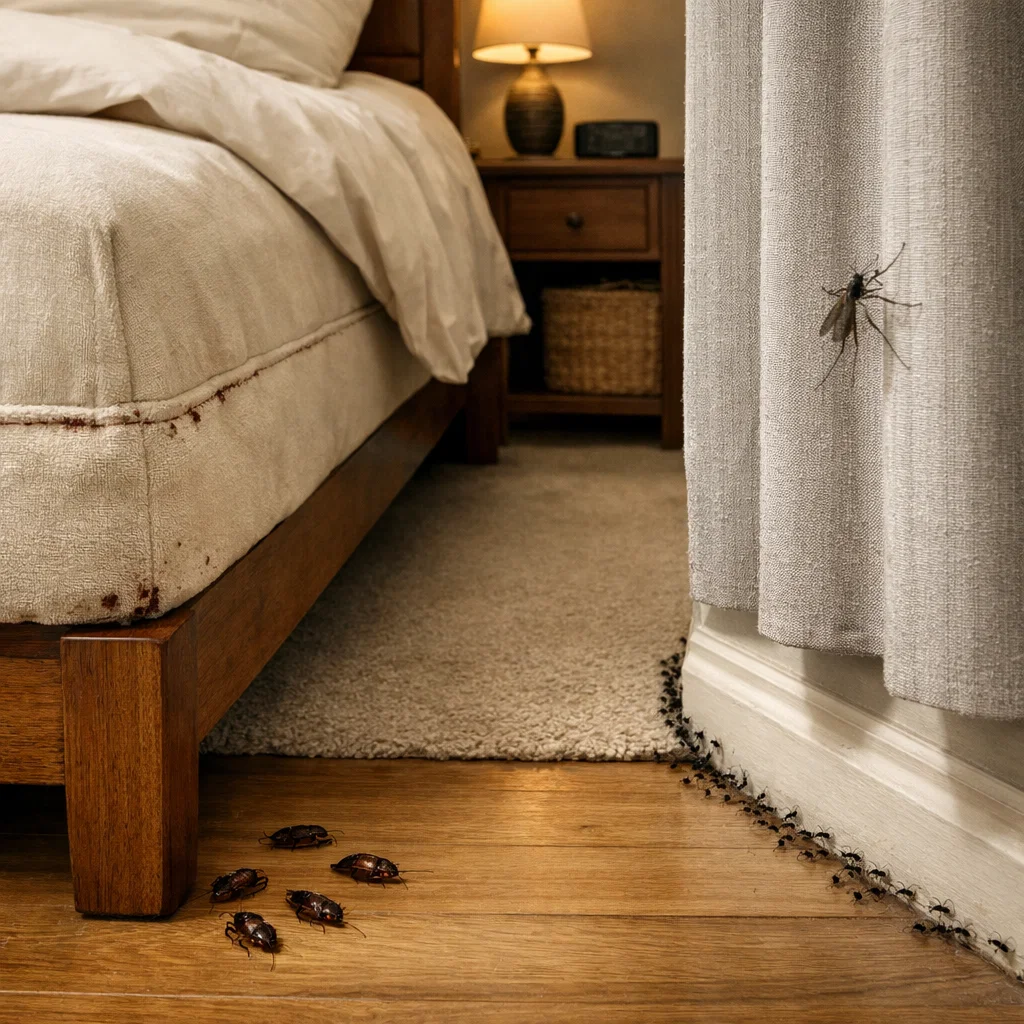
    Finding a pest inside a bedroom or living space can be unsettling. A room is where people rest, sleep, and spend quiet time, so even a small pest issue can quickly cause stress and discomfort. When this happens, many people look for pest control in room solutions that can calm the situation immediately while also preventing the problem from returning. The key is to respond in a controlled and informed way rather than reacting with panic or unsafe methods.

    This guide explains what to do in the first minutes after discovering a pest in a room, how to identify common room pests, practical room-specific pest control strategies, safe sleeping-zone setups, non-toxic and low-fume options suitable for living and sleeping areas, prevention and exclusion habits, general pricing considerations, and how to decide between DIY action and professional pest control. The goal is to help you take confident, safe steps toward keeping your room pest-free.

    First minutes after finding a pest in a room

    The first reaction to seeing a pest in a room is often fear or frustration. Acting calmly in the first few minutes helps prevent the situation from becoming worse.

    Immediate relief actions:

    • Take a moment to stay calm and avoid scattering items around the room
    • Do not crush insects on bedding or furniture if they may spread bacteria or stains
    • Limit movement between rooms to avoid spreading pests
    • Turn on lights to clearly observe the pest and its movement
    • If safe, isolate the area by closing doors or blocking gaps under doors

    These initial steps help contain the issue while you assess what you are dealing with.

    Basic identification of common room pests

    Correct identification is essential for effective pest control in room situations. Different pests require different responses, and misidentification often leads to ineffective treatment.

    Bed bugs

    Bed bugs are small, flat, and reddish-brown. They hide in mattresses, bed frames, headboards, and upholstery. Signs include bites, small blood spots on sheets, and dark specks along seams.

    Cockroaches

    Cockroaches may appear in bedrooms if there is nearby food, moisture, or clutter. They often hide behind furniture, inside drawers, and along wall edges.

    Ants

    Ants usually enter rooms following scent trails. They are commonly found near windows, electrical outlets, or areas where food or drinks were previously present.

    Mosquitoes

    Mosquitoes are often noticed at night due to bites or buzzing sounds. They may enter through windows, doors, or gaps and are attracted to light and body heat.

    Spiders

    Spiders are often solitary and may enter rooms accidentally. While most are harmless, their presence can indicate other insects nearby.

    Dust mites

    Dust mites are invisible to the naked eye but affect sleeping areas. Symptoms include allergies, sneezing, and itching rather than visible insects.

    Quick checklist for the first hour

    This simple checklist helps you regain control during the first hour:

    • Change bedding if it may be affected
    • Vacuum floors, mattress edges, and furniture seams
    • Seal bedding and affected fabrics in bags temporarily
    • Remove food or drinks from the room
    • Inspect nearby furniture and wall edges

    These steps provide short-term relief while you plan next actions.

    Room-specific pest control strategies

    Effective pest control in room areas focuses on places where pests hide, rest, or reproduce. Treating only visible surfaces is rarely enough.

    Beds and mattresses

    Beds are a priority because they are used daily and closely connected to personal comfort and health.

    • Inspect mattress seams, labels, and corners
    • Check bed frames, joints, and headboards
    • Use mattress encasements designed to block pests
    • Keep bedding minimal and easy to wash

    Furniture and upholstery

    Upholstered furniture provides hiding spots for many pests.

    • Vacuum seams, folds, and undersides regularly
    • Avoid moving infested furniture to other rooms
    • Use covers where possible to reduce hiding spots

    Closets and storage

    Cluttered storage areas often attract pests.

    • Store items in sealed containers
    • Reduce unnecessary items under beds and in closets
    • Inspect stored fabrics periodically

    Creating a safe sleeping zone during treatment

    When pests are present, creating a safe sleeping zone helps reduce stress while treatment is ongoing.

    Steps to create a safer sleeping area include:

    • Move the bed slightly away from walls
    • Keep bedding from touching the floor
    • Use clean sheets and wash regularly
    • Limit items placed on the bed
    • Maintain consistent cleaning routines

    These measures help minimize contact with pests while longer-term control is arranged.

    Non-toxic and low-fume options for living and sleeping areas

    Many people prefer low-fume or non-toxic approaches for pest control in room spaces, especially when children or pets are present.

    Low-risk options

    • Vacuuming and steam cleaning
    • Sealing cracks and entry points
    • Using mattress and pillow encasements
    • Maintaining dry, well-ventilated rooms

    Natural solutions that can help

    Some natural methods may help reduce pest activity when used correctly:

    • Essential oil repellents for temporary relief
    • Heat treatment through washing and drying fabrics
    • Diatomaceous earth in limited, safe applications

    Common myths to avoid

    • Strong scents alone eliminate infestations
    • Over-the-counter sprays solve hidden pest problems
    • Natural methods always mean zero risk

    Natural does not always mean harmless, especially when misused.

    Safety for children and pets

    Safety is critical when managing pests in rooms used for sleeping or play.

    Basic safety practices include:

    • Keeping treatments out of reach of children
    • Following label instructions carefully
    • Allowing proper ventilation
    • Monitoring pets during and after treatment

    Exclusion and prevention practices

    Preventing re-infestation is a key part of long-term pest control in room environments.

    Entry point checks

    • Seal gaps around windows and doors
    • Repair damaged screens
    • Close gaps around electrical outlets and pipes

    Clutter versus cleanliness

    Cleanliness helps, but clutter reduction is equally important.

    • Limit items stored under beds
    • Organize shelves and drawers
    • Avoid piling clothes or fabrics

    Daily habits that help

    • Make beds daily to spot early signs
    • Vacuum regularly
    • Air out rooms when possible

    General pricing considerations

    The cost of pest control in room situations depends on several factors. Pricing varies based on pest type, room size, infestation severity, and treatment method.

    Common factors that influence cost include:

    • Type of pest involved
    • Number of rooms affected
    • Level of infestation
    • Type of treatment required
    • Need for follow-up visits

    Room-only treatment is often more affordable than whole-property treatment, but delays can increase overall cost if pests spread.

    DIY approaches versus professional intervention

    DIY methods can help at an early stage, but they have clear limits.

    DIY advantages

    • Immediate action
    • Lower upfront cost
    • Helpful for minor issues

    DIY limitations

    • Hidden infestations are often missed
    • Incorrect product use increases risk
    • Repeated attempts can worsen the problem

    Professional intervention benefits

    • Accurate identification
    • Targeted and safer treatment
    • Clear prevention guidance
    • Follow-up if needed

    Professional help becomes the safer option when pests return repeatedly, affect sleep, or spread beyond one room.

    Simple step-by-step action plan

    1. Identify the pest and affected areas
    2. Contain the room and reduce movement
    3. Clean and vacuum thoroughly
    4. Apply safe, appropriate measures
    5. Monitor activity for changes
    6. Seek professional help if activity continues

    Maintaining a pest-free room long term

    Long-term success comes from consistent habits, early detection, and proper treatment. Rooms that are regularly cleaned, decluttered, and inspected are less likely to experience serious infestations.

    Conclusion

    Pest control in room spaces requires calm action, correct identification, safe methods, and realistic expectations. Immediate steps can provide relief, but long-term control often depends on prevention and, when necessary, professional support. By following structured guidance and knowing when to seek expert help, you can restore comfort and maintain a safe, pest-free room.

  • Pest Control Termite Treatment Cost Explained

    Pest Control Termite Treatment Cost Explained

    Termite problems are often discovered later than other pests because they work silently behind walls, floors, and wooden structures. By the time visible damage appears, the infestation may already be widespread. This is why many property owners search for pest control termite treatment cost early—to understand what treatment might involve, how much it usually costs, and whether professional intervention is worth it compared to the potential damage termites can cause.

    This article provides a clear and practical explanation of pest control termite treatment cost, including real pricing numbers, how termite treatment pricing is calculated, why costs vary, and how one-time treatments differ from long-term protection plans. It also explains inspection fees, follow-up visits, warranties, and the real financial risk of delaying treatment. To help readers assess their situation, scannable summaries and clear explanations are included, along with an honest discussion of DIY limitations versus professional termite control.

    Why understanding pest control termite treatment cost matters early

    Unlike cockroaches or ants, termites do not usually appear out in the open. They feed on wood from the inside out, which means damage can progress for months or even years before it becomes visible. Because of this, termite control is not just about eliminating insects—it is about protecting the structure and long-term value of a property.

    Understanding pest control termite treatment cost early helps property owners:

    • Set realistic budget expectations
    • Decide when professional inspection is necessary
    • Compare treatment cost versus repair cost
    • Avoid delaying action due to uncertainty

    In many cases, the cost of treatment is far lower than the cost of repairing termite-damaged structures.

    Clear price overview for termite treatment

    One of the most common questions is how much termite treatment actually costs. While termite control pricing depends on several factors, having a clear starting reference helps remove uncertainty.

    For residential apartments, professional termite treatment pricing commonly follows a unit-based structure:

    • 1-bedroom apartment: AED 300
    • 2-bedroom apartment: AED 550
    • 3-bedroom apartment: AED 800
    • 4-bedroom apartment: AED 1050
    • 5-bedroom apartment: AED 1300
    • 6-bedroom apartment: AED 1550

    For residential plots or villas, termite treatment pricing may be calculated by area:

    • Less than 30 sqm (300 sqft): AED 100
    • More than 30 sqm: AED 100 + AED 3 for each additional 10 sqm

    Commercial termite treatment pricing is typically calculated individually. A technical inspection is required to assess building size, construction type, infestation severity, and treatment complexity before a final cost is confirmed.

    All prices above represent basic termite treatment. Final pricing is always determined after inspection.

    How pest control termite treatment cost is calculated

    Termite treatment pricing is not random. It is calculated based on measurable and practical factors that directly affect treatment scope, time, and materials.

    Common pricing calculation methods include:

    Treatment type

    Different termite treatments require different methods. Some infestations can be managed with localized treatment, while others require full perimeter or structural treatment. More complex treatment types increase labor time and material use.

    Property size

    Larger properties require more treatment coverage. This includes longer treatment lines, more drilling points, or wider application areas, all of which increase cost.

    Linear measurement or area coverage

    In some cases, pricing is calculated based on linear meters (such as wall bases or foundations) or square meters of affected area. This approach ensures pricing reflects actual treatment scope.

    Infestation severity

    A light, early-stage infestation requires less intensive treatment than a widespread infestation that has reached multiple structural elements.

    Why termite treatment costs vary so much

    Many people are surprised by the variation in pest control termite treatment cost. This variation exists because termite infestations are not uniform.

    Key reasons for cost differences include:

    • Type of termite species involved
    • Depth and spread of infestation
    • Accessibility of affected areas
    • Construction materials used in the building
    • Need for preventive versus corrective treatment

    For example, termites that are limited to one area may require targeted treatment, while infestations that reach foundations or multiple floors require broader intervention.

    One-time termite treatment versus long-term protection plans

    Not all termite treatments are the same. Understanding the difference between one-time treatment and long-term protection helps clarify pricing and value.

    One-time termite treatment

    A one-time treatment focuses on eliminating the current infestation. It is suitable when:

    • The infestation is detected early
    • Structural damage is limited
    • There is no history of repeated termite activity

    One-time treatments usually fall within the basic pricing ranges listed earlier.

    Long-term protection plans

    Long-term plans focus on prevention as well as elimination. These plans may include:

    • Initial treatment
    • Scheduled follow-up inspections
    • Preventive barrier maintenance
    • Warranty or service guarantee

    While long-term plans may cost more upfront, they often reduce the risk of future infestations and expensive repairs.

    Inspection fees and why inspection matters

    Professional termite control begins with inspection. In many cases, inspection is included in the service or adjusted if treatment proceeds.

    Inspection is critical because it:

    • Identifies the termite species
    • Determines infestation boundaries
    • Prevents under-treatment or over-treatment
    • Ensures pricing matches actual conditions

    Skipping inspection often leads to ineffective treatment and higher long-term costs.

    Follow-up visits, warranties, and service guarantees

    Professional termite control does not end on treatment day. Follow-ups and warranties add significant value.

    Depending on service scope, termite control may include:

    • Post-treatment inspections
    • Additional treatment if activity persists
    • Limited warranties for treated areas
    • Maintenance recommendations

    These elements help ensure that treatment remains effective and that any remaining termite activity is addressed early.

    The real cost of leaving termites untreated

    One of the most overlooked aspects of pest control termite treatment cost is the cost of inaction.

    If termites are left untreated, property owners may face:

    • Structural weakening of beams and frames
    • Damage to doors, flooring, and furniture
    • Electrical and safety risks
    • Reduced property value
    • High repair and renovation costs

    Repair costs often exceed treatment costs by a wide margin, especially when structural elements are affected.

    Common signs that indicate termite infestation

    Recognizing early signs helps reduce overall pest control termite treatment cost.

    Common indicators include:

    • Hollow-sounding wood
    • Cracked or bubbling paint
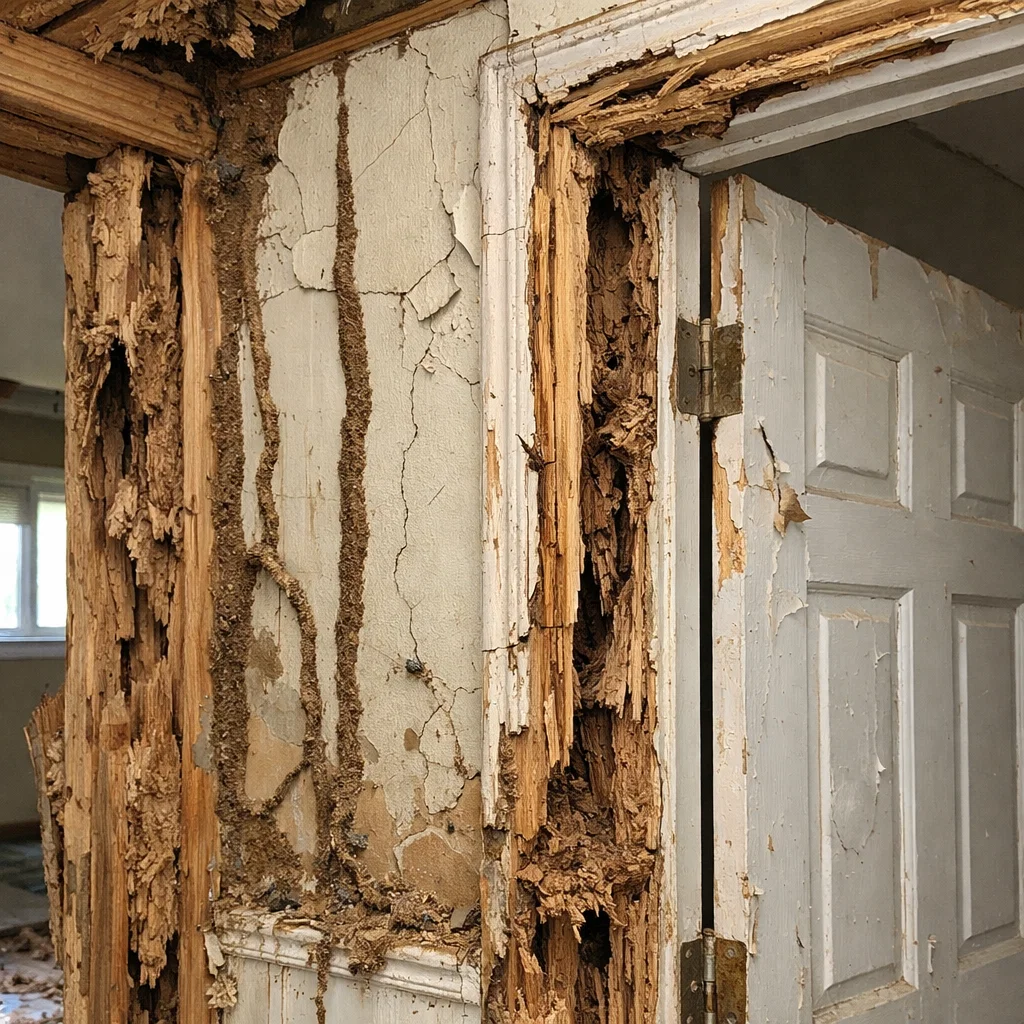
    • Thin mud tubes along walls or foundations
    • Discarded wings near windows or doors
    • Doors or windows becoming difficult to open

    DIY termite treatment: risks and limitations

    DIY termite treatments are widely available, but they come with serious limitations.

    DIY methods often fail because:

    • They do not reach hidden nests
    • They treat symptoms, not the source
    • Incorrect application can spread termites further
    • No warranty or long-term protection is provided

    While DIY methods may seem cheaper initially, they often increase total cost when professional treatment becomes unavoidable later.

    Why professional termite control offers better long-term value

    Professional termite control combines inspection, targeted treatment, and prevention. This integrated approach reduces repeat infestations and protects property value.

    Professional services provide:

    • Accurate assessment of infestation scope
    • Proper treatment methods based on termite type
    • Safer application using approved products
    • Clear pricing and documented service
    • Follow-ups and warranties when applicable

    Safety considerations for occupants and pets

    Professional termite treatments are designed with safety in mind. Approved methods minimize exposure risks when instructions are followed.

    Safety measures typically include:

    • Pre-treatment preparation guidance
    • Protection of living areas
    • Clear re-entry timelines
    • Pet-specific precautions

    A practical next step when termite risk is suspected

    Termite damage rarely stops on its own. The longer treatment is delayed, the higher the risk to structural integrity and repair cost.

    First Station Pest Control Services approaches termite issues through inspection-led treatment, transparent pricing, and structured follow-up. For those unsure about infestation severity or pest control termite treatment cost, using the WhatsApp or Call button allows a calm discussion with specialists to assess risk and understand the most appropriate solution before damage increases.

    Conclusion

    Pest control termite treatment cost should be viewed as an investment in property protection rather than an expense. By understanding pricing structures, treatment types, and the risks of delay, property owners can make informed decisions that prevent serious damage and higher costs in the future.

  • Pest Control With Cats Safety Guide for Pet Owners

    Pest Control With Cats Safety Guide for Pet Owners

    Living with cats brings unique responsibilities, especially when pest problems appear inside the home. Many pet owners worry that pest control treatments may harm their cats, while others assume their cat’s presence alone is enough to keep pests away. In reality, pest control with cats requires careful planning, clear communication, and an understanding of how different treatment methods interact with feline behavior and health.

    This article explains how pest control with cats can be done safely, what protocols are important in cat-friendly homes, the difference between wet and dry treatments, how pet-safe approaches actually work, why cats are not reliable pest controllers, and what cat owners should ask professional pest control providers before any treatment begins. It also covers post-treatment vigilance, common warning signs to watch for, and practical steps to reduce risks while maintaining effective pest control.

    Why pest control with cats needs special attention

    Cats are not just small dogs with different personalities. Their biology and behavior make them more sensitive to environmental changes, including pest control treatments. Cats groom themselves frequently, walk close to the floor, and often explore hidden or tight spaces where treatments may be applied.

    These traits increase risk because:

    • Cats lick their fur and paws, increasing ingestion exposure
    • They sit or sleep on floors, rugs, and baseboards
    • They explore corners, cabinets, and under furniture
    • Their liver processes chemicals differently than other animals

    Because of this, pest control with cats must always consider both direct and indirect exposure.

    Understanding wet treatments versus dry treatments

    One of the most important distinctions in pest control with cats is the difference between wet and dry treatments. Knowing this helps pet owners understand when isolation is required and how long precautions should remain in place.

    Wet treatments

    Wet treatments involve liquid applications such as sprays or solutions applied to surfaces like floors, baseboards, cracks, or entry points. These treatments require drying time before the area is safe for pets.

    Key considerations for wet treatments:

    • Cats must be removed from treated areas until fully dry
    • Drying time can vary depending on ventilation and humidity
    • Wet residues are the highest risk for grooming exposure
    • Access to treated zones must be physically blocked

    For pest control with cats, wet treatments require strict adherence to re-entry guidelines provided by the pest control professional.

    Dry treatments

    Dry treatments include methods such as gels, baits, dusts placed inside wall voids, or enclosed bait stations. These methods generally pose lower surface exposure risk when applied correctly.

    Important points about dry treatments:

    • They are usually placed in inaccessible locations
    • They reduce contact risk when cats roam freely
    • They are often preferred in homes with pets
    • Proper placement is critical to safety

    Dry treatments are often favored for pest control with cats, but they still require professional handling to ensure safe placement.

    What “pet-safe” really means in pest control

    The term “pet-safe” can be misleading if not explained clearly. Pet-safe does not mean harmless or edible. It means that when products are applied correctly, allowed to dry, and used according to guidelines, they present minimal risk to pets.

    In pest control with cats, pet-safe practices usually involve:

    • Targeted application instead of broad spraying
    • Controlled dosages appropriate for indoor use
    • Use of formulations designed for residential environments
    • Clear isolation and re-entry instructions

    No pest control method is safe if misused, overapplied, or accessed directly by a cat.

    How to prepare your cat before pest control treatment

    Preparation is one of the most effective ways to reduce risk during pest control with cats. A calm, planned approach helps avoid accidental exposure.

    Before treatment, pet owners should:

    • Move cats to a separate room or carrier
    • Remove food bowls, water bowls, and toys
    • Clean litter boxes and relocate them temporarily
    • Seal off treated rooms if possible

    Using a quiet, familiar space helps reduce stress for cats during treatment.

    Why cats are not reliable pest controllers

    There is a common belief that cats naturally control pests such as rodents or insects. While cats may occasionally catch small prey, this behavior does not eliminate infestations.

    Relying on cats for pest control is risky because:

    • Pests reproduce faster than cats can hunt
    • Rodents and insects often remain hidden
    • Cats can be exposed to parasites and diseases
    • Ingesting pests can cause illness or poisoning

    In pest control with cats, the cat’s presence rarely addresses the root cause of the infestation and may increase health risks.

    Health risks when cats interact with pests

    Allowing cats to interact with pests exposes them to additional dangers beyond chemicals.

    Health risks include:

    • Parasites carried by rodents or insects
    • Bacterial infections from bites or scratches
    • Secondary poisoning from consuming treated pests
    • Allergic reactions to insect remains

    This is another reason professional pest control with cats must focus on safe elimination rather than relying on hunting behavior.

    Comparing pest control methods by risk and effectiveness

    Different pest control approaches carry different levels of risk for cats.

    General comparison:

    • Surface sprays: Effective but higher exposure risk if not dried fully
    • Gels and baits: Effective with lower surface exposure when placed correctly
    • Dusts in wall voids: Low contact risk when professionally applied
    • Traps and physical barriers: No chemical exposure but limited effectiveness alone

    The safest pest control with cats usually combines targeted treatments with prevention and exclusion strategies.

    Protecting cats during and after treatment

    Isolation during treatment is essential, but protection does not end once technicians leave.

    After treatment, pet owners should:

    • Wait for full drying before allowing access
    • Ventilate treated areas
    • Wipe exposed surfaces if advised
    • Monitor cat behavior closely

    Gradual reintroduction to treated areas helps reduce stress and risk.

    Post-treatment vigilance and warning signs

    Because cats groom themselves, they are more vulnerable after treatment if residues remain accessible.

    Possible warning signs of exposure include:

    • Excessive drooling
    • Vomiting or diarrhea
    • Lethargy or weakness
    • Tremors or unusual behavior

    If any of these symptoms appear, immediate veterinary attention is critical.

    Why grooming behavior increases risk

    Unlike many pets, cats spend a significant portion of their day grooming. Any substance on their fur or paws can be ingested.

    This is why pest control with cats emphasizes:

    • Dry-only access to treated areas
    • Avoiding overapplication
    • Professional placement of products

    What to ask pest control providers if you have cats

    Clear communication with pest control professionals is essential.

    Cat owners should ask:

    • Which treatment methods will be used
    • Whether treatments are wet or dry
    • How long cats must be isolated
    • What preparation is required
    • What follow-up care is recommended

    General pricing expectations for pet-safe pest control

    Pest control with cats does not usually require entirely different pricing, but it may involve more careful planning and targeted methods.

    Pricing expectations typically depend on:

    • Type of pest
    • Size of the home
    • Severity of infestation
    • Number of visits required
    • Follow-up and monitoring needs

    Professional providers explain costs clearly after inspection, especially when additional precautions are needed for pet safety.

    Prevention strategies for long-term safety

    Prevention plays a major role in pest control with cats.

    Helpful prevention steps include:

    • Sealing cracks and entry points
    • Keeping food sealed and surfaces clean
    • Managing moisture and leaks
    • Scheduling periodic inspections

    Preventive care reduces the need for repeated treatments and lowers exposure risks.

    A practical next step for cat owners

    Pest problems rarely disappear without proper control, and cats should never be used as the primary solution. With the right planning, pest control with cats can be done safely and effectively.

    Professional pest control services that understand cat behavior, treatment methods, and safety protocols help ensure both pest elimination and pet well-being. If there is uncertainty about treatment safety, preparation, or post-care, discussing these details in advance allows cat owners to make informed decisions and protect their pets.

    Conclusion

    Pest control with cats requires a balance between effective pest elimination and careful protection of feline health. By understanding treatment types, asking the right questions, preparing properly, and monitoring cats after treatment, pet owners can maintain a safe home while addressing pest problems responsibly.

  • Pest Control Schools and Training for Safe Environments

    Pest Control Schools and Training for Safe Environments

    pest control schools play a critical role in shaping how pest control is carried out in sensitive environments, especially schools, childcare centers, and other facilities where children and staff spend long hours every day. Pest control in school environments is not the same as pest control in ordinary residential or commercial spaces. The health risks, legal responsibilities, and safety expectations are significantly higher, which is why proper education, training, and certification matter.

    This article explains why pest control in school environments carries higher stakes, what pest control schools typically teach, how different training paths compare, what practical learning elements are essential, and how pest control education is evolving to meet modern safety, environmental, and reporting standards.

    Why pest control in school environments has higher stakes

    Schools are unique environments. They are occupied by children of different ages, teachers, administrative staff, and sometimes visitors, all of whom may be exposed to pest control activities if they are not handled correctly. Unlike many workplaces, children are more vulnerable to health risks due to their developing immune systems and behaviors such as touching surfaces and putting hands in their mouths.

    This is why pest control schools emphasize that school environments carry higher health, safety, and legal responsibilities. A single mistake in pest treatment can have consequences far beyond temporary discomfort.

    Key reasons why pest control in schools requires special attention include:

    • Children are more sensitive to chemical exposure
    • Classrooms, cafeterias, and playgrounds are high-contact areas
    • Schools must comply with strict local and national regulations
    • Parents expect transparency and accountability
    • Incidents can lead to legal action or reputational damage

    Because of these factors, pest control schools stress that school pest control is not about quick elimination but about safe, documented, and well-planned control.

    Health and safety responsibilities in school pest control

    One of the main topics covered in pest control schools is the responsibility pest control professionals carry when working in educational environments. Treatments must be designed to minimize exposure while still controlling pest activity effectively.

    Health and safety considerations commonly discussed include:

    • Timing treatments outside school hours
    • Using low-toxicity or non-chemical control methods when possible
    • Restricting access to treated areas until safe
    • Proper ventilation after treatment
    • Clear communication with school administrators

    Pest control schools teach that safety planning is not optional in schools; it is a fundamental requirement.

    Legal and regulatory compliance for pest control in schools

    Schools are often subject to stricter regulations than other facilities. Pest control schools emphasize the importance of understanding and following these rules to avoid violations.

    Regulatory compliance topics typically include:

    • Approved pesticide lists for school environments
    • Restrictions on application methods
    • Notification requirements for parents and staff
    • Documentation and record-keeping standards
    • Inspection and audit readiness

    Failure to comply with these requirements can result in fines, service bans, or loss of professional licensing.

    The role of training and certification for pest control professionals

    Pest control schools exist to ensure that professionals understand not only how to control pests, but how to do so responsibly. Certification and structured training help ensure consistency, accountability, and safety across the industry.

    Well-trained professionals are expected to:

    • Identify pests accurately before choosing a treatment
    • Understand pest behavior and life cycles
    • Select appropriate control methods for sensitive environments
    • Communicate clearly with school administrators
    • Maintain proper records and reports

    Pest control schools reinforce that training is not a one-time requirement but an ongoing process.

    What pest control schools typically teach

    Although programs vary, most pest control schools cover a core set of topics designed to prepare professionals for real-world scenarios.

    Pest biology and identification

    Accurate identification is the foundation of effective pest control. Pest control schools teach students how to recognize common school-related pests such as cockroaches, ants, rodents, flies, mosquitoes, termites, and stored-product pests.

    Training includes:

    • Understanding pest life cycles
    • Recognizing signs of infestation
    • Differentiating similar species
    • Identifying nesting and breeding areas

    Integrated Pest Management (IPM) principles

    IPM is a central concept in modern pest control education. Pest control schools emphasize IPM because it focuses on prevention, monitoring, and minimal chemical use.

    IPM principles include:

    • Regular inspections and monitoring
    • Sanitation and exclusion measures
    • Physical and mechanical controls
    • Targeted chemical use only when necessary

    For schools, IPM helps reduce exposure risks while maintaining effective pest control.

    Chemical safety and sensitive-environment regulations

    When chemicals are used, they must be applied correctly and legally. Pest control schools teach proper handling, storage, and application of pesticides, with special focus on sensitive environments like schools.

    Topics often include:

    • Reading and following product labels
    • Understanding toxicity levels
    • Personal protective equipment (PPE)
    • Safe disposal procedures
    • Emergency response protocols

    Inspection procedures and risk assessment

    Pest control schools train students to conduct thorough inspections before recommending treatment. In schools, inspections must be systematic and minimally disruptive.

    Inspection training may cover:

    • Classrooms and offices
    • Cafeterias and food storage areas
    • Playgrounds and outdoor spaces
    • Waste management zones
    • Building entry points and structural gaps

    Documentation and reporting skills

    Documentation is especially important in school pest control. Pest control schools teach how to maintain clear, accurate, and compliant records.

    Documentation skills include:

    • Inspection reports
    • Treatment logs
    • Chemical usage records
    • Follow-up recommendations
    • Compliance documentation

    Communication and professional conduct

    In school settings, pest control professionals interact with administrators, teachers, and sometimes parents. Pest control schools often include training on professional communication.

    This may involve:

    • Explaining pest risks clearly
    • Discussing treatment plans transparently
    • Answering safety-related questions
    • Providing reassurance without making unrealistic promises

    Comparing different pest control education and training paths

    There is no single path into pest control education. Pest control schools exist in various forms, each with its own strengths.

    Certification programs

    Certification programs are often required to legally practice pest control. These programs focus on regulations, safety, and core technical knowledge. Duration is usually short to medium term, and costs are generally moderate.

    Institutional or vocational courses

    Some institutions offer formal courses in pest management. These programs may be longer and more comprehensive, covering theory, science, and practical skills. They often involve higher time and cost commitments.

    Industry-led training programs

    Industry-led training is often provided by pest control companies or suppliers. These programs focus on practical application, real equipment, and field-tested methods.

    Hands-on mentorship and apprenticeships

    Mentorship-based learning pairs new technicians with experienced professionals. Pest control schools often emphasize that this hands-on exposure is invaluable, especially for school environments.

    The importance of practical and interactive learning

    The most effective pest control schools go beyond lectures. Practical learning helps students apply knowledge safely and confidently.

    Interactive elements may include:

    • Pest identification exercises
    • Mock inspections
    • Case studies of school infestations
    • Use of visual tools and monitoring devices
    • Simulated reporting and documentation tasks

    These elements prepare professionals for real-world decision-making.

    Cost and duration expectations for pest control education

    Pest control schools vary widely in duration and cost depending on the training path chosen. Short certification programs may take weeks, while comprehensive courses or apprenticeships may take months.

    Costs also vary based on:

    • Program depth and accreditation
    • Inclusion of practical training
    • Materials and examination fees
    • Ongoing certification requirements

    While exact pricing differs, pest control schools emphasize that investing in proper training reduces long-term risk and improves professional credibility.

    Future trends in school pest control education

    Pest control education continues to evolve. Pest control schools are increasingly adapting to new technologies and expectations.

    Emerging trends include:

    • Greater focus on eco-friendly and low-toxicity methods
    • Use of smart monitoring and digital traps
    • Data-driven inspection and reporting tools
    • Stronger emphasis on transparency and documentation
    • Ongoing professional development requirements

    These trends aim to improve safety, accountability, and effectiveness, especially in school environments.

    Why proper education matters for long-term safety

    Pest control in schools is not just about eliminating pests; it is about protecting children, staff, and institutions. Pest control schools play a crucial role in ensuring that professionals understand their responsibilities and are equipped to meet high standards.

    Well-trained professionals help schools:

    • Reduce health risks
    • Maintain regulatory compliance
    • Prevent recurring infestations
    • Build trust with parents and staff

    Conclusion

    pest control schools are essential to maintaining safe and effective pest control in educational environments. By focusing on proper training, certification, practical learning, and evolving best practices, these schools help ensure that pest control in schools is carried out responsibly, safely, and with long-term effectiveness in mind.

  • Fast Pest Control for Urgent Pest Situations

    Fast Pest Control for Urgent Pest Situations

    Fast pest control situations usually happen when a pest problem suddenly feels out of control. You may have just seen cockroaches running during the day, heard noises in the ceiling at night, discovered bites on your skin, or noticed pests in areas that affect food, hygiene, or safety. In moments like this, stress is high and decisions are often rushed. The goal of fast pest control is not only speed, but also protecting people, pets, and property while stopping the problem from getting worse.

    This guide is written to help you act calmly and effectively during urgent pest situations. It explains what to do immediately, how to tell the difference between quick fixes and lasting solutions, how to identify common pests under pressure, how to prevent pests from returning, and how to evaluate professional help based on trust, availability, and realistic expectations.

    What to do right now in a fast pest control situation

    When pests are active, the first priority is safety. Panic responses, such as spraying random chemicals or moving items without a plan, often make the situation worse.

    Immediate safety checklist

    • Keep children and pets away from the affected area
    • Avoid spraying household chemicals near food, toys, or bedding
    • Do not touch pests directly, especially rodents or insects that may bite
    • Close doors to limit pest movement between rooms
    • Ventilate the area if there is a strong odor or visible contamination

    These steps help reduce immediate risk while you assess the situation more clearly.

    Quick assessment to reduce stress and confusion

    Fast pest control does not mean acting blindly. Taking a few minutes to observe can make a big difference in choosing the right response.

    Ask yourself these questions

    • Where did the pest appear first?
    • Is the activity happening during the day or night?
    • Is food or water nearby?
    • Is this a one-time sighting or repeated activity?
    • Are there signs such as droppings, nests, or damage?

    Even basic observations help determine whether the problem is likely minor or already established.

    Speed versus effectiveness: understanding the difference

    One of the biggest misunderstandings in fast pest control is assuming that the fastest action is always the best action. In reality, speed without strategy often leads to repeat infestations.

    Quick DIY actions that help in the short term

    • Removing visible food sources
    • Cleaning spills and crumbs immediately
    • Temporarily sealing obvious gaps
    • Using physical traps in controlled areas

    These actions may reduce visible activity but rarely eliminate the source.

    Why fast professional pest control works differently

    • Inspection identifies the root cause, not just symptoms
    • Treatments are targeted to specific pests
    • Products are applied safely and correctly
    • Entry points and breeding areas are addressed
    • Follow-up prevents rebound infestations

    The goal is rapid control that also lasts beyond the first few days.

    Common pests that trigger fast pest control calls

    Certain pests are more likely to cause urgent concern due to health risks, rapid spread, or distressing behavior.

    Visual identification cues

    Pest Common Signs Why It Feels Urgent
    Cockroaches Daytime movement, kitchen or bathroom activity Health risk, rapid reproduction
    Bed bugs Bites, blood spots on bedding Spreads quickly, affects sleep
    Rats or mice Noises, droppings, gnaw marks Health risk, wiring damage
    Ants Trails leading to food Hidden colony, fast spread
    Mosquitoes Bites, buzzing, standing water nearby Comfort and health concerns

    Identifying the pest helps reduce uncertainty and guides the next step.

    Managing expectations during urgent pest situations

    Fast pest control does not always mean pests disappear instantly. Understanding realistic timelines helps reduce frustration.

    What usually happens after treatment

    • Increased pest activity shortly after treatment is normal
    • Some pests may appear before dying or retreating
    • Egg cycles may require follow-up treatment
    • Environmental factors influence speed of results

    Professional methods aim for rapid control, but complete resolution often takes a short, planned period rather than minutes.

    Preventing pests from returning after fast pest control

    Stopping pests quickly is only half the solution. Preventing their return is what protects your space long term.

    Securing common entry points

    • Seal gaps around doors and windows
    • Fix cracks near plumbing and electrical lines
    • Repair damaged screens and vents
    • Close openings in ceilings and storage areas

    Correcting common misconceptions about cleanliness

    • Clean homes can still have pests
    • Moisture attracts pests more than dirt
    • Pests often enter from neighboring units
    • One missed food source is enough for survival

    Prevention focuses on access and conditions, not just surface cleanliness.

    Trust signals to look for in fast pest control services

    Urgency makes it easy to choose the wrong provider. Trust signals help reduce risk.

    Indicators of reliable fast pest control

    • Clear availability and response options
    • Local knowledge of common pests
    • Willingness to explain steps calmly
    • Inspection before treatment
    • Transparent communication about next steps

    A reliable service focuses on control, not fear.

    Emergency response options and service availability

    Fast pest control often requires flexible scheduling. Emergency or same-day options are useful, but should still follow proper procedures.

    Emergency response typically includes:

    • Initial phone or message assessment
    • Rapid on-site inspection when necessary
    • Immediate containment measures
    • Planned follow-up if needed

    Understanding pricing during urgent pest control situations

    Pricing during fast pest control situations depends on several factors. While urgency matters, costs are usually based on the scope of work rather than speed alone.

    Common pricing factors include:

    • Type of pest involved
    • Size of the affected area
    • Severity of infestation
    • Indoor versus outdoor treatment
    • Need for follow-up visits

    Professional services explain costs clearly before starting work and confirm scope to avoid surprises. Emergency response does not automatically mean uncontrolled pricing.

    Choosing the right next step under pressure

    Fast pest control situations are stressful, but acting with clarity protects both safety and results.

    Choose professional help when:

    • Pests appear repeatedly or in multiple areas
    • Health or hygiene is at risk
    • Children or pets are involved
    • DIY actions do not reduce activity

    A calm way forward when pests feel urgent

    Fast pest control is about responding quickly without creating new risks. Immediate safety steps, basic assessment, and informed decisions help control the situation effectively.

    First Station Pest Control Services provides fast pest control support through inspection-led response, emergency availability, and clear communication. When the situation feels urgent, using the WhatsApp or Call button allows you to explain what is happening, understand the next step, and act without unnecessary panic.

    Conclusion

    Fast pest control works best when speed is combined with strategy. By prioritizing safety, understanding the difference between quick fixes and lasting solutions, identifying pests accurately, securing entry points, and choosing reliable professional support, urgent pest situations can be controlled calmly and effectively.

  • Does Pest Control Kill Mosquitoes and How Effective Is It

    Does Pest Control Kill Mosquitoes and How Effective Is It

    Many people ask does pest control kill mosquitoes when mosquito activity becomes constant and disruptive. Mosquitoes are not only annoying, but they can also affect sleep quality, outdoor comfort, and overall well-being. The honest answer is that professional pest control can significantly reduce and control mosquito populations, but it does not eliminate mosquitoes permanently or completely. Understanding how mosquito control actually works helps set realistic expectations and allows you to choose the safest and most effective approach.

    This article explains in clear terms does pest control kill mosquitoes, how professional mosquito control works, why results are not 100 percent permanent, how treatments interrupt the mosquito life cycle, what safety and environmental considerations matter most, how long results usually last, and how professional services compare in value to DIY mosquito control methods. Pricing considerations and practical FAQs are also included to help you make informed decisions.

    Does pest control kill mosquitoes or just reduce them

    The short and accurate explanation to does pest control kill mosquitoes is that professional pest control kills and reduces mosquitoes, but it does not permanently eliminate all mosquitoes from an area. Mosquito control focuses on population reduction and ongoing management rather than total eradication.

    Professional mosquito control works in two main ways:

    • Immediate knockdown: Adult mosquitoes present at the time of treatment are killed or repelled
    • Residual control: Treated surfaces continue to affect mosquitoes that land or rest later

    This approach significantly lowers the number of biting mosquitoes and improves comfort, especially in outdoor areas such as gardens, balconies, and entry points.

    How professional mosquito pest control works

    To understand does pest control kill mosquitoes effectively, it is important to know how professionals apply treatments. Mosquito control is not random spraying. It follows a targeted process based on mosquito behavior.

    Professional mosquito pest control typically includes:

    • Inspection of outdoor and indoor areas
    • Identification of mosquito resting zones
    • Detection of breeding sources such as standing water
    • Targeted application of approved treatment products
    • Advice on prevention and maintenance

    Adult mosquitoes often rest on shaded surfaces such as bushes, fences, walls, under furniture, and near entrances. Treatments are applied to these areas rather than open air, which improves effectiveness and reduces unnecessary exposure.

    Immediate knockdown and residual effects explained

    One reason people ask does pest control kill mosquitoes is because they expect instant results. Professional mosquito control does provide immediate knockdown of adult mosquitoes present during treatment.

    In addition to immediate effects, professional products leave a residual layer on treated surfaces. This means:

    • Mosquitoes that land later are affected
    • Population reduction continues for days or weeks
    • Biting activity decreases noticeably

    Residual effectiveness depends on factors such as weather, surface type, and surrounding conditions.

    Breaking the mosquito life cycle

    One of the most important aspects of mosquito control is life cycle interruption. Simply killing adult mosquitoes is not enough, which is why people often feel DIY solutions fail.

    Professional pest control addresses mosquito breeding by:

    • Identifying standing water sources
    • Recommending removal or drainage where possible
    • Applying growth regulators to water that cannot be removed
    • Preventing larvae from developing into biting adults

    By targeting both adults and larvae, mosquito populations are reduced more effectively over time.

    Why mosquito control is not 100 percent permanent

    It is important to be honest when answering does pest control kill mosquitoes permanently. No mosquito control method offers 100 percent permanent elimination.

    Several factors affect long-term results:

    • Neighboring properties: Mosquitoes can fly in from nearby untreated areas
    • Weather conditions: Rain and humidity reduce residual effectiveness
    • New breeding sites: Standing water can reappear quickly
    • Environmental factors: Vegetation growth provides new resting zones

    This is why mosquito control is best viewed as an ongoing management process rather than a one-time fix.

    How long mosquito control results usually last

    After professional treatment, many people notice reduced mosquito activity within hours. Typical results last:

    • 2 to 4 weeks for standard treatments
    • Shorter duration during heavy rain seasons
    • Longer results with scheduled maintenance treatments

    Regular follow-up treatments help maintain control, especially in high-risk areas.

    Safety and environmental considerations

    Safety is a major concern when asking does pest control kill mosquitoes. Professional mosquito control uses approved products and controlled application methods to minimize risk.

    Safety practices include:

    • Targeted treatment of resting areas only
    • Avoidance of flowering plants to protect beneficial insects
    • Clear instructions for re-entry if required
    • Pet and child safety precautions

    When applied correctly, mosquito control treatments are designed to reduce exposure while maintaining effectiveness.

    Eco-friendly and low-toxicity mosquito control options

    Many professional services offer eco-friendly or low-toxicity options where suitable. These methods focus on:

    • Targeted application instead of broad spraying
    • Use of growth regulators instead of adulticides only
    • Reducing impact on beneficial insects
    • Integrated pest management techniques

    These options are especially useful in homes with children, pets, or sensitive occupants.

    Pricing considerations for mosquito pest control

    Another common concern related to does pest control kill mosquitoes is cost. Professional mosquito control pricing depends on area size, infestation level, and treatment type.

    Typical residential mosquito pest control pricing includes:

    • Apartment mosquito treatment starting from AED 119 for studio units
    • 1-bedroom apartment: AED 139
    • 2-bedroom apartment: AED 179
    • 3-bedroom apartment: AED 211
    • 4-bedroom apartment: AED 238
    • 5-bedroom apartment: AED 287

    For outdoor garden mosquito control, pricing typically starts from:

    • Up to 1,000 sqft: AED 150
    • Up to 2,000 sqft: AED 200
    • Up to 3,000 sqft: AED 230
    • Up to 4,000 sqft: AED 260
    • Up to 5,000 sqft: AED 290

    All prices represent basic mosquito control treatment. Final pricing is confirmed after inspection based on site conditions, mosquito activity, and treatment requirements.

    Professional mosquito control vs DIY methods

    DIY mosquito control methods such as sprays, coils, candles, and electronic devices often provide temporary relief. While they may reduce bites briefly, they rarely address the root cause.

    Professional mosquito control offers better value because:

    • It targets both adult mosquitoes and larvae
    • It covers hidden resting areas
    • It provides residual protection
    • It reduces repeated spending on ineffective DIY products

    DIY methods can support professional treatment but are rarely sufficient on their own.

    Common questions about mosquito control

    Does pest control kill mosquitoes immediately

    Yes, professional treatments kill or repel adult mosquitoes present at the time of application, providing immediate relief.

    Will mosquitoes come back after treatment

    Some mosquitoes may return due to environmental factors, but overall activity is significantly reduced.

    Is mosquito pest control safe for pets

    Yes, when applied correctly and following preparation instructions, treatments are designed to be safe for pets.

    How often should mosquito control be done

    Many properties benefit from monthly or seasonal treatments depending on mosquito activity and weather conditions.

    When professional mosquito control is the smarter choice

    Professional intervention is recommended when mosquito activity affects daily life, sleep, or outdoor use. Repeated DIY attempts often cost more over time without delivering lasting results.

    Early professional treatment helps:

    • Reduce biting pressure quickly
    • Interrupt breeding cycles
    • Improve comfort and quality of life
    • Prevent mosquito population buildup

    A practical next step if mosquitoes persist

    Mosquito problems rarely resolve on their own. Without proper control, populations rebound quickly, especially in warm climates. While DIY measures may help temporarily, ongoing issues usually require professional attention.

    First Station Pest Control Services provides professional mosquito control using inspection-led treatment, approved products, and clear safety guidance. For those unsure whether mosquito control is needed or how much treatment may cost, using the WhatsApp or Call button allows a direct discussion with the team to understand options and take preventive action early.

    Conclusion

    So, does pest control kill mosquitoes? The honest answer is yes, pest control kills and controls mosquitoes effectively, but long-term success depends on proper application, life cycle management, and ongoing prevention. Understanding how treatments work, what results to expect, and how pricing and safety are handled helps ensure mosquito problems are managed responsibly and effectively.