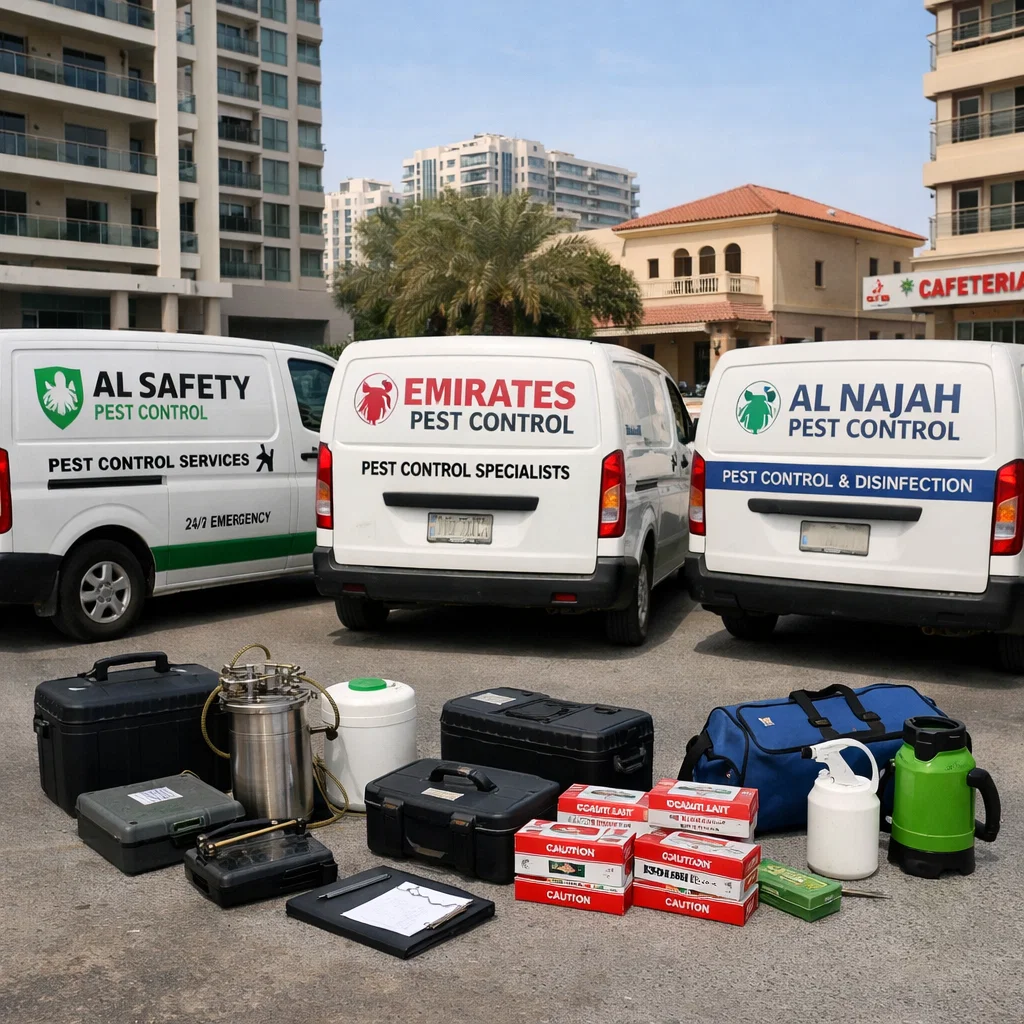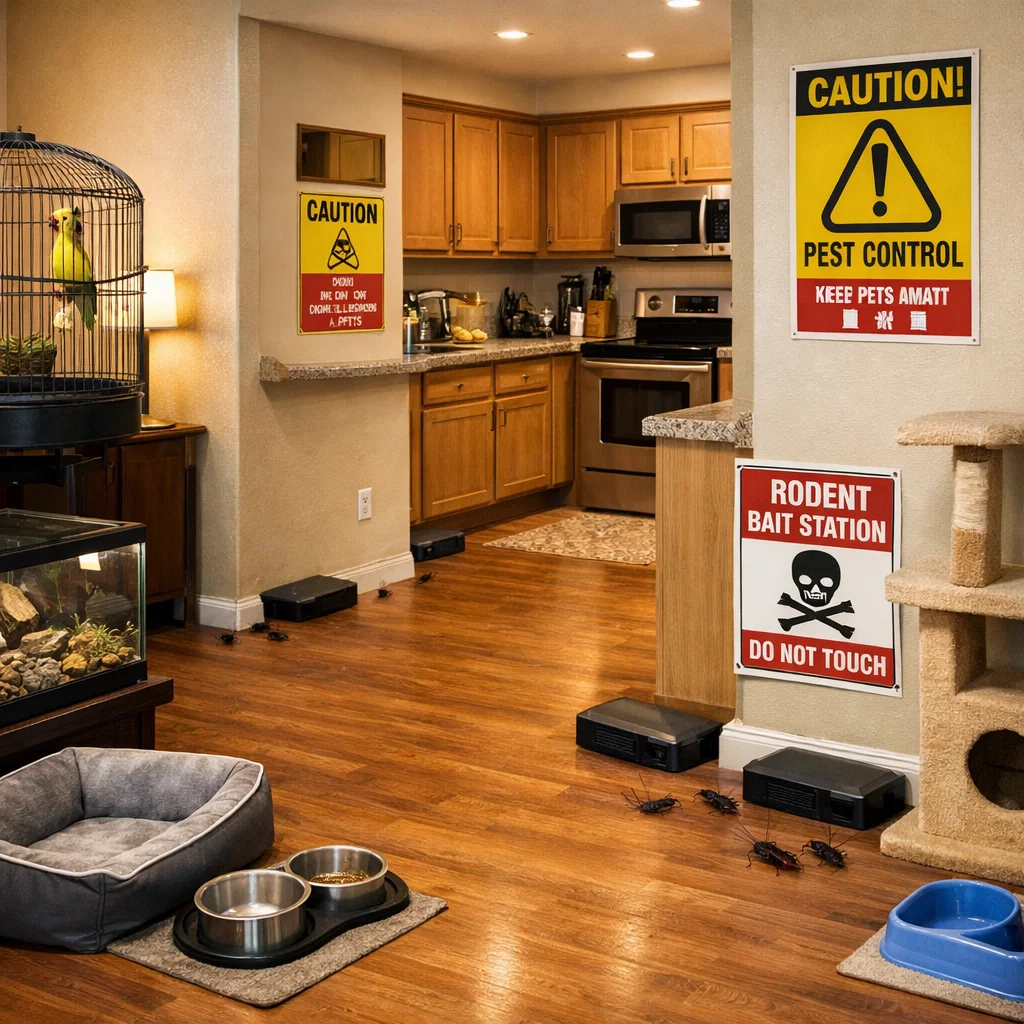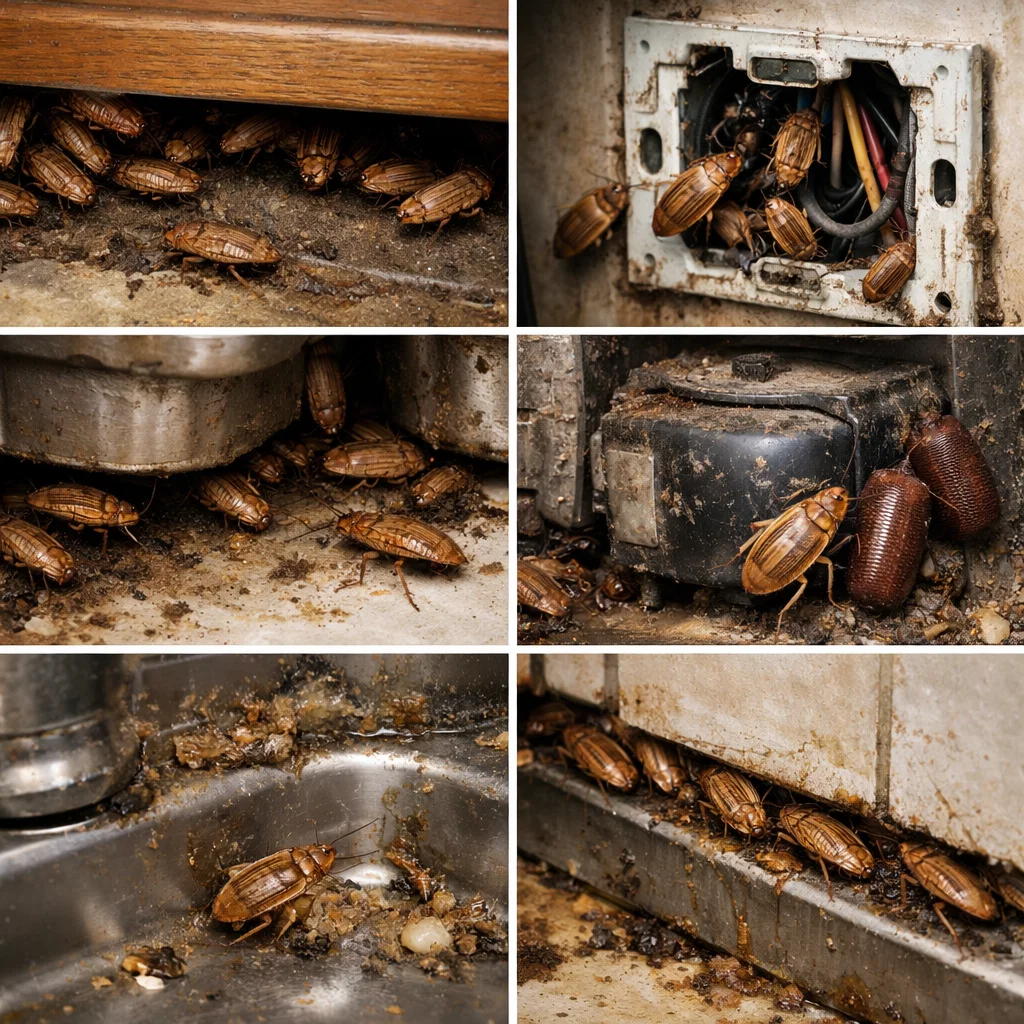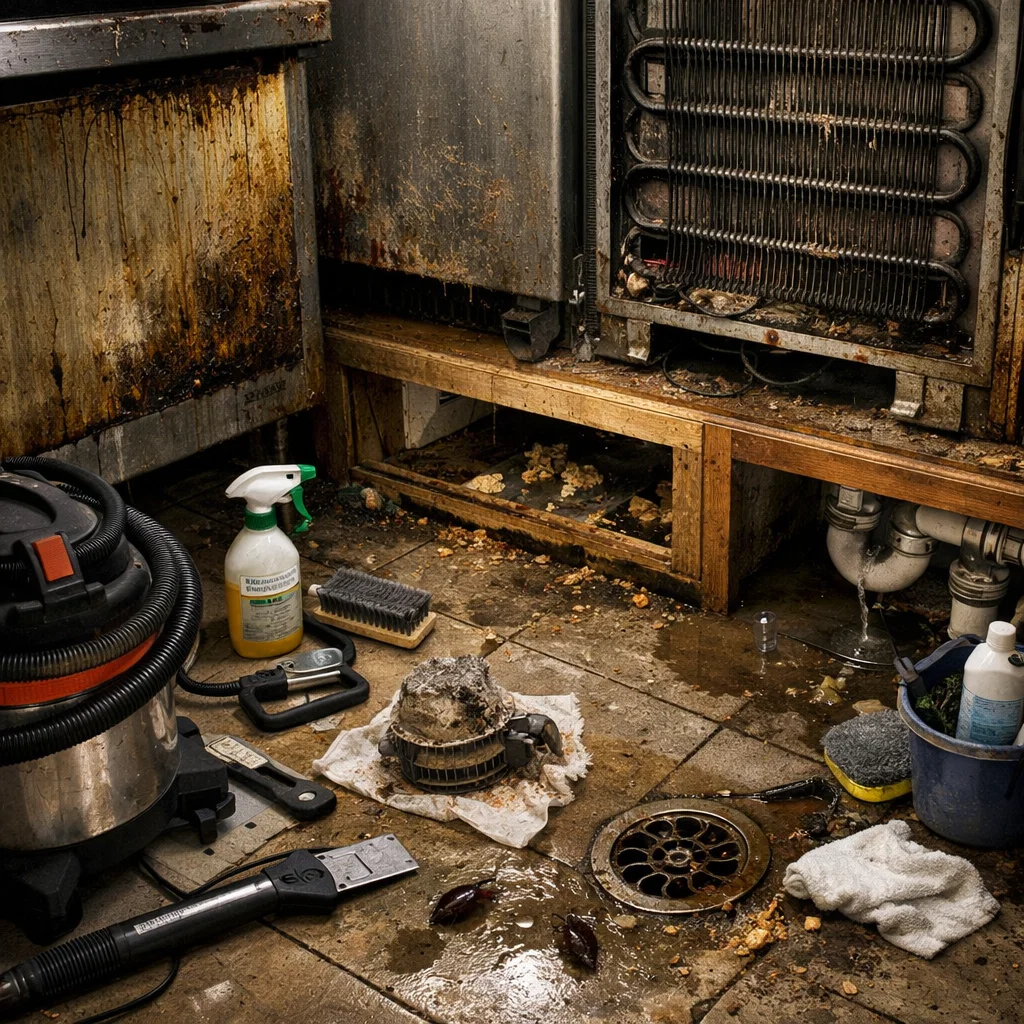
Author: Widia Utari Utama

  • Types of Pest Control Services Explained

    Types of Pest Control Services Explained

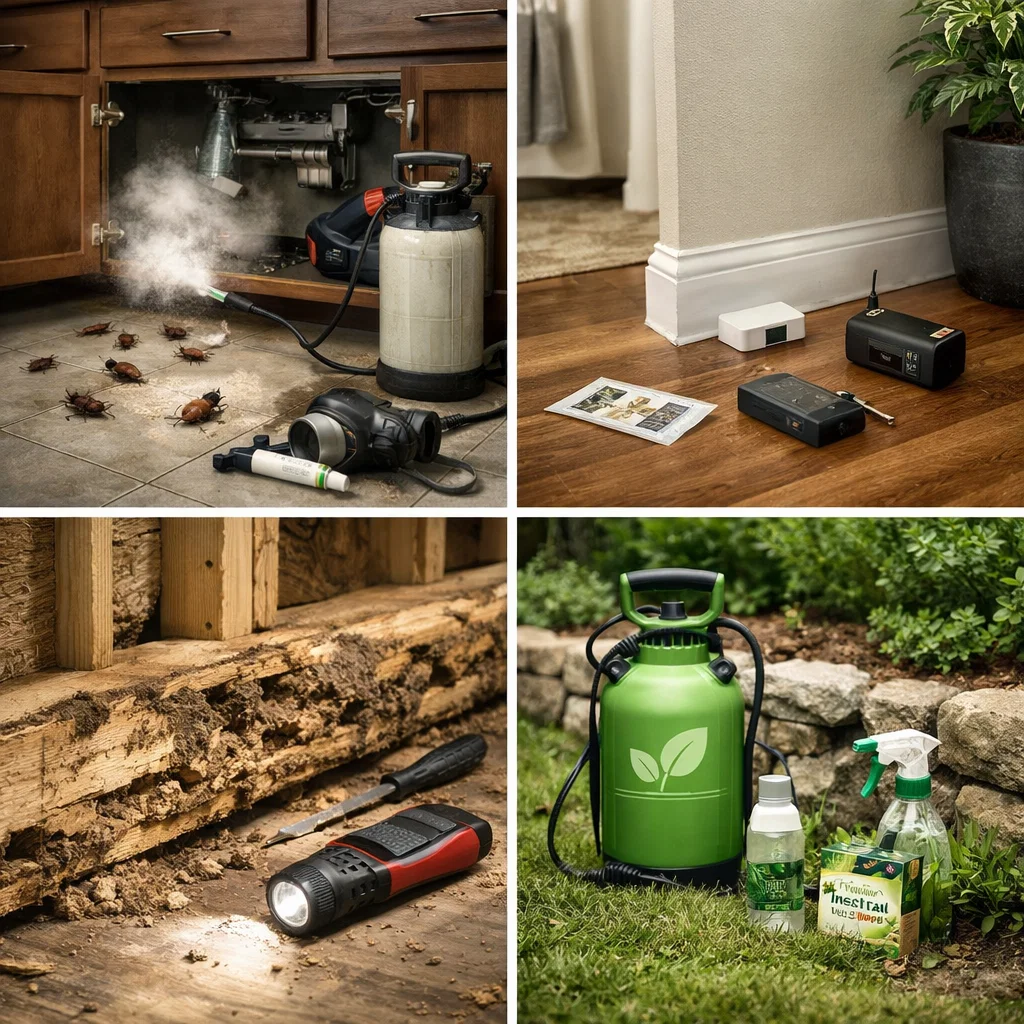
    Types of pest control services vary widely depending on the nature of the problem, how urgent the situation is, and the level of risk involved for people, property, and daily operations. Some pest issues require immediate action because the infestation is already active and spreading, while others are better handled through planned, long-term prevention. Understanding the different types of pest control services helps homeowners and businesses choose the right approach, avoid unnecessary costs, and respond at the right time before problems escalate.

    This article explains the main types of pest control services based on urgency and purpose, what usually happens during a professional service visit, how different control methods work, what safety measures are expected for children and pets, and when DIY solutions may be enough versus when professional intervention becomes necessary. It also highlights the risks of delaying treatment, helping readers make informed and timely decisions.

    Emergency or reactive pest control services

    Emergency or reactive pest control services are designed for situations where pest activity is already visible, disruptive, or potentially dangerous. These services are typically requested when pests are actively moving through living or working spaces, causing discomfort, contamination, or structural concerns.

    Common situations that require emergency pest control include:

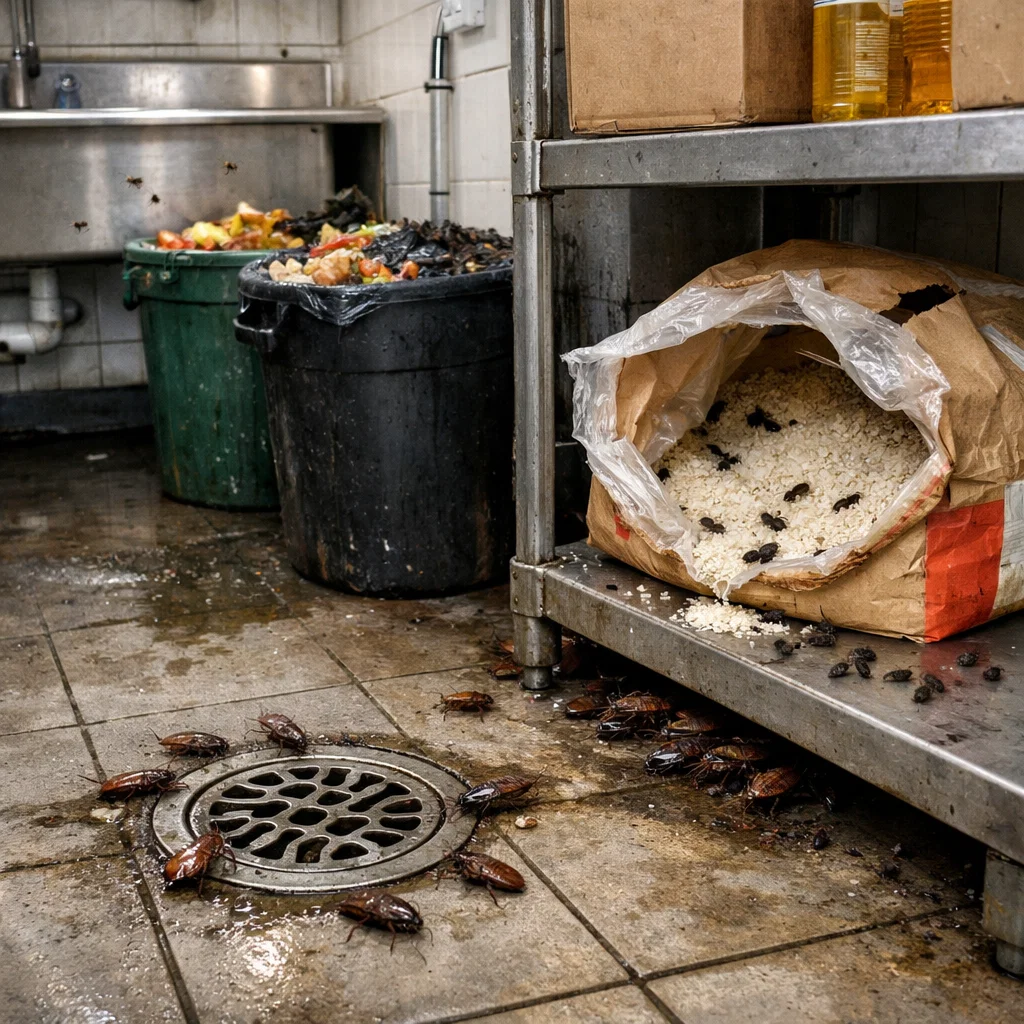
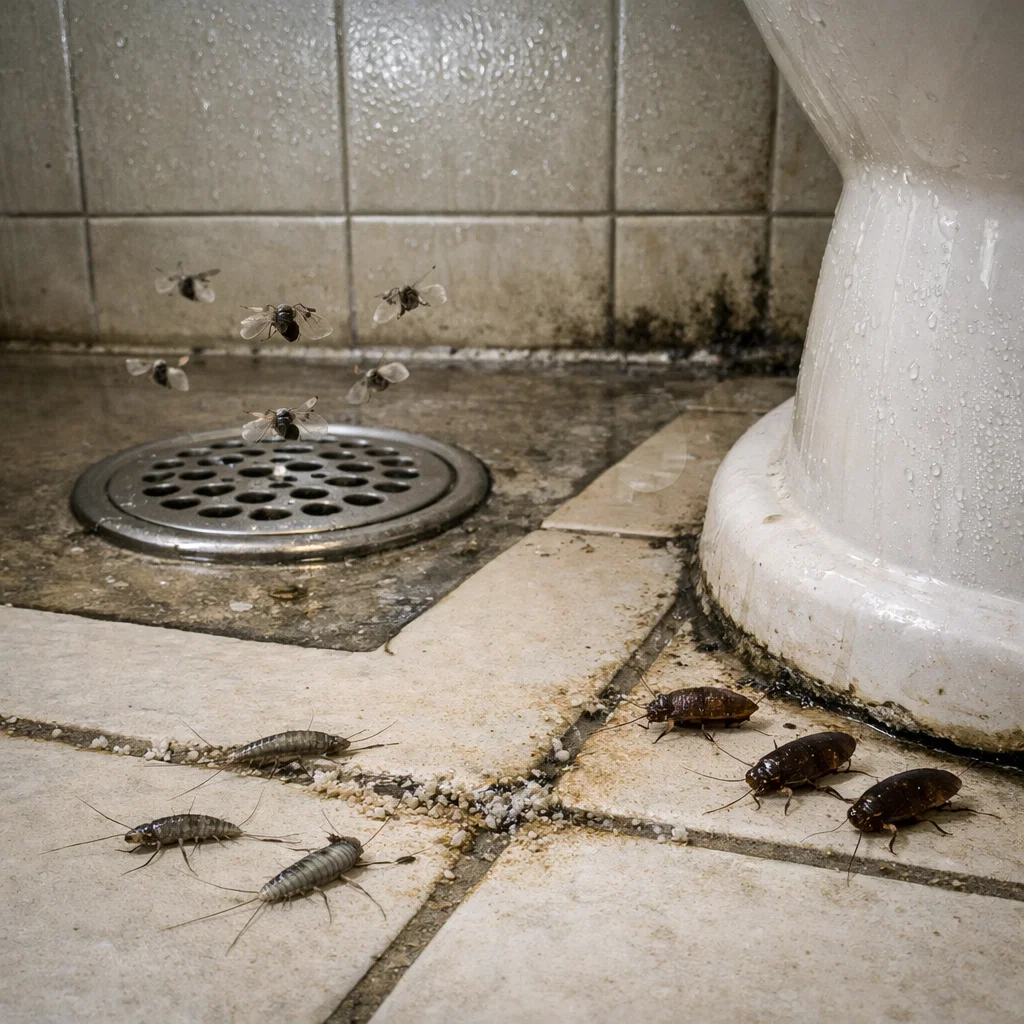
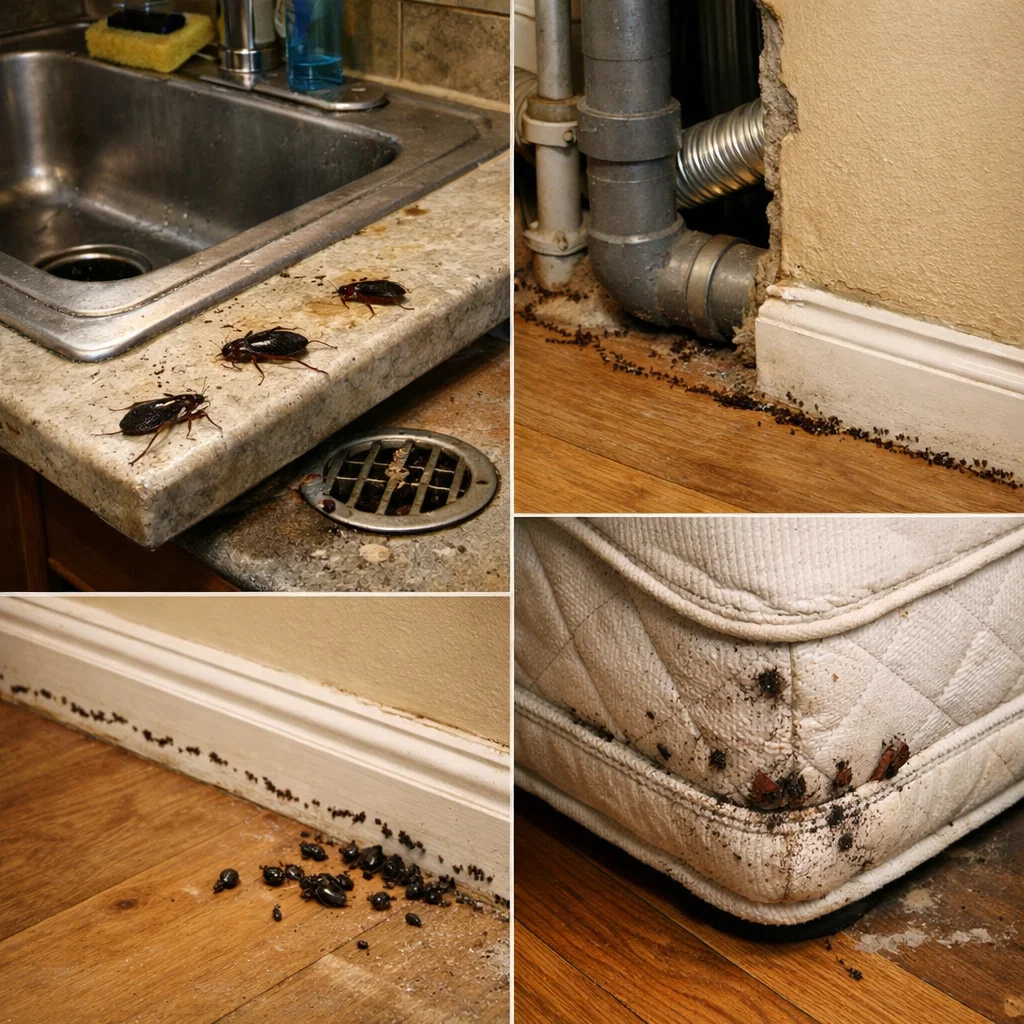
    • Heavy cockroach activity in kitchens or bathrooms
    • Bed bugs causing frequent bites and sleep disruption
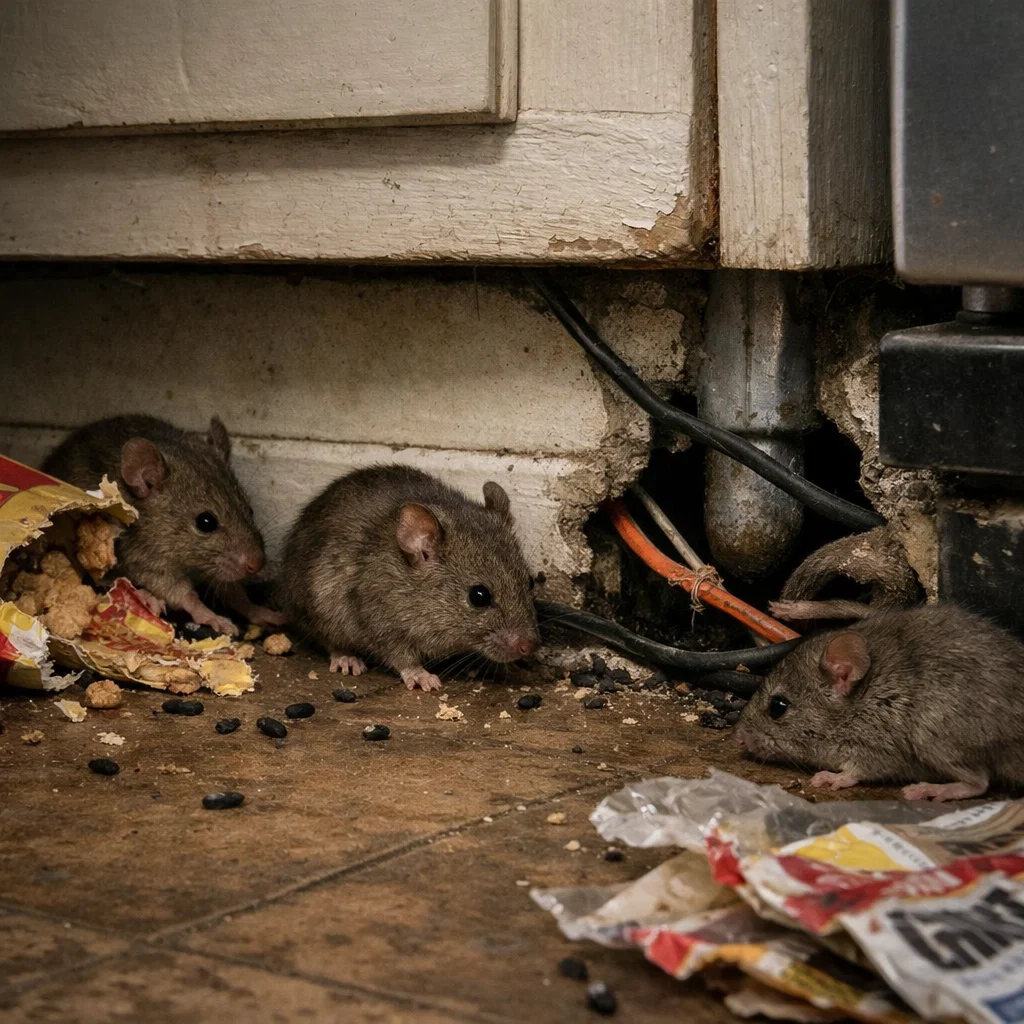
    • Rodents seen during the day or heard inside walls
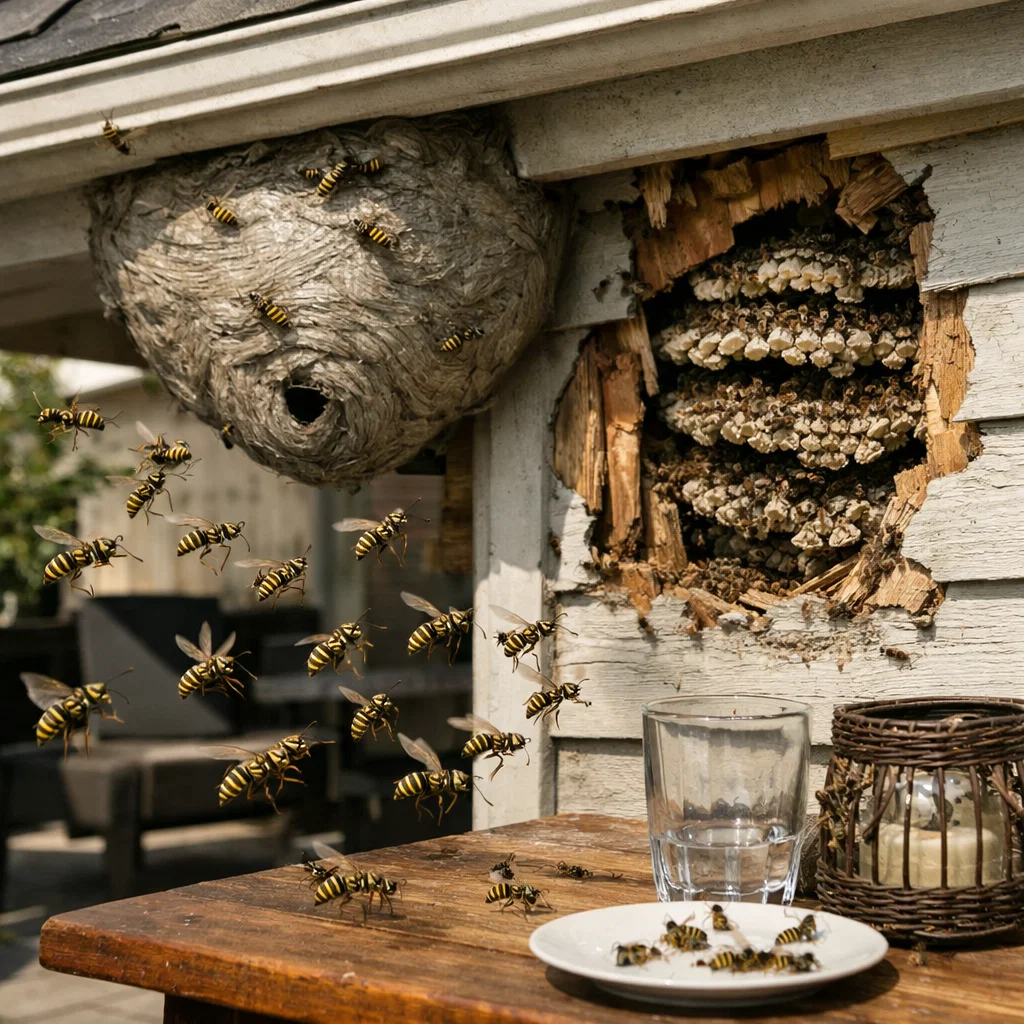
    • Wasps or aggressive insects posing a direct safety risk
    • Sudden infestations affecting business operations

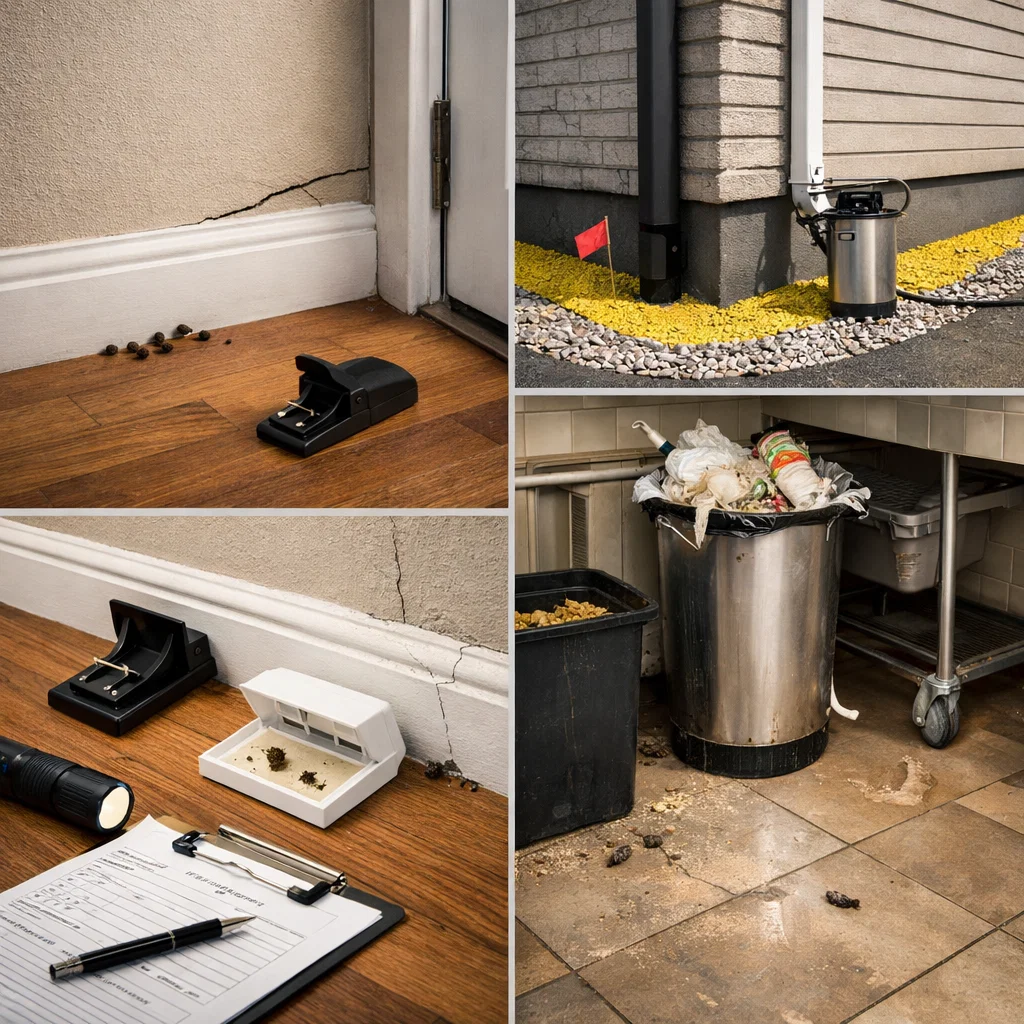
    Emergency services focus on rapid inspection, immediate risk reduction, and containment of the infestation. While fast response is important, professional providers still begin with an inspection to identify the pest type, severity, and source of the problem.

    In most cases, reactive services aim to stabilize the situation first, followed by additional treatment or follow-up visits if needed to fully resolve the infestation.

    Preventative and maintenance pest control programs

    Preventative or maintenance programs are designed to stop pest problems before they become visible or disruptive. These services are commonly used by homeowners who want ongoing protection and by businesses that must maintain hygiene and compliance standards.

    Preventative pest control services typically include:

    • Scheduled inspections at regular intervals
    • Targeted treatments in high-risk areas
    • Monitoring for early signs of pest activity
    • Advice on sanitation, storage, and exclusion
    • Documentation for compliance or internal records

    The purpose of maintenance programs is long-term protection rather than immediate elimination. Treatments are usually lighter and more targeted compared to emergency services, focusing on deterrence and early intervention.

    These programs are especially common in restaurants, offices, warehouses, schools, and residential communities where pest activity can spread quickly if left unchecked.

    Specialized pest control services for wood-destroying pests

    Some pests require highly specialized treatment due to the type of damage they cause. Wood-destroying pests, such as termites, are a clear example. These pests often remain hidden while causing significant structural damage over time.

    Specialized termite and wood-destroying pest control services typically involve:

    • Detailed inspection of wooden structures and foundations
    • Assessment of damage extent and risk areas
    • Use of targeted treatment methods specific to termites
    • Longer treatment timelines compared to common insects
    • Monitoring and follow-up to ensure effectiveness

    Unlike general pest control, these services often cannot be rushed. Proper diagnosis and treatment planning are critical to prevent long-term structural damage.

    Because of the complexity involved, specialized services usually follow a different pricing structure and timeline compared to standard pest control treatments.

    Green and organic pest control options

    Green or organic pest control services are designed for households and businesses that prioritize reduced chemical exposure. These services aim to balance safety and effectiveness by using lower-toxicity products and integrated pest management strategies.

    Green pest control approaches may include:

    • Targeted application instead of broad spraying
    • Use of approved low-odor or reduced-toxicity products
    • Physical exclusion and sealing of entry points
    • Environmental modifications to reduce pest attraction
    • Ongoing monitoring rather than one-time treatment

    While organic options can be very effective for certain pests, they may require more frequent visits or stronger cooperation from occupants to maintain results.

    These services are often chosen for homes with children or pets, healthcare facilities, schools, and environmentally sensitive workplaces.

    What to expect during a professional pest control visit

    Regardless of the type of pest control service, a professional visit follows a structured process. Understanding what to expect helps clients prepare and reduces uncertainty.

    Inspection

    The visit usually begins with an inspection. The technician identifies the pest species, evaluates the level of activity, and determines how pests are entering or spreading within the property.

    Treatment planning

    Based on the inspection, the technician explains the recommended treatment approach. This includes which areas will be treated, what methods will be used, and what results to expect.

    Treatment application

    Treatment is applied only to necessary areas, focusing on pest pathways, nesting sites, and high-risk zones. Professional services avoid unnecessary exposure by using targeted application methods.

    Post-treatment guidance

    After treatment, clients receive instructions on cleaning, re-entry timing, and preventive steps to support long-term control.

    Realistic timelines for pest control results

    Pest control is rarely an instant solution. Timelines vary depending on the pest type, infestation severity, and treatment method used.

    In general:

    • Some pests show reduced activity within days
    • Others may take one to two weeks for full results
    • Severe infestations may require multiple visits
    • Preventative programs focus on long-term stability

    Professional providers set realistic expectations and explain what post-treatment activity is normal.

    Comparing pest control service approaches

    Understanding the differences between service types helps clarify which approach is appropriate.

    Service Type Main Purpose Frequency General Cost Range
    Emergency / Reactive Stop active infestation As needed Higher due to urgency
    Preventative / Maintenance Long-term protection Scheduled Moderate and predictable
    Specialized (Termites) Structural protection Case-specific Higher due to complexity
    Green / Organic Safety-focused control Often ongoing Moderate to higher

    Safety considerations for children and pets

    Safety is a key concern across all types of pest control services. Professional providers are trained to minimize risk while maintaining effectiveness.

    Clients should expect:

    • Clear preparation instructions before treatment
    • Information on which areas to avoid temporarily
    • Guidance on re-entry times
    • Pet-specific precautions
    • Use of appropriate treatment types for sensitive environments

    When safety requirements are explained clearly, families and businesses can plan accordingly without unnecessary disruption.

    Understanding control methods: liquid barriers vs baiting systems

    Different pest control methods serve different purposes. Two commonly used approaches are liquid treatments and baiting systems.

    Liquid barriers

    Liquid treatments are often used to create protective zones along pest entry points, walls, and foundations. They work by targeting pests as they move through treated areas.

    Baiting systems

    Baiting systems attract pests to a controlled food source containing an active ingredient. This method is often used for ants, termites, and rodents, allowing pests to carry the treatment back to the colony.

    Professionals choose the method based on pest behavior, infestation size, and safety considerations.

    DIY pest control: when it may be enough

    DIY methods can be effective in limited situations, particularly during very early stages of pest activity.

    DIY may be sufficient when:

    • Pest activity is minimal and recently noticed
    • The source is obvious and easily removed
    • No health or safety risks are present

    Basic cleaning, sealing entry points, and removing attractants can help prevent minor issues from developing.

    When professional intervention becomes necessary

    Professional pest control becomes necessary when DIY methods fail or when risks increase.

    Signs professional help is needed include:

    • Recurring infestations
    • Pests spreading across multiple areas
    • Visible damage or contamination
    • Bites, allergic reactions, or health concerns
    • Business hygiene or compliance requirements

    Risks of delaying pest control treatment

    Delaying pest control often leads to greater problems.

    Potential risks include:

    • Structural damage to wood and wiring
    • Increased health risks
    • Higher treatment costs later
    • Business disruptions or reputational damage

    Early action helps limit damage and reduces overall impact.

    Conclusion

    Understanding the types of pest control services allows homeowners and businesses to respond appropriately to different pest situations. By recognizing the purpose of emergency, preventative, specialized, and green services, knowing what to expect during treatment, and understanding when professional intervention is necessary, pest problems can be managed effectively before they cause serious damage or health concerns.

  • Pest Control Annual Contract for Long Term Protection

    Pest Control Annual Contract for Long Term Protection

    Pest issues rarely follow a predictable pattern. Some months pass quietly with no visible activity, while others suddenly bring ants, cockroaches, rodents, or mosquitoes back into homes and workplaces. This uncertainty is the main reason many property owners and business operators start considering a pest control annual contract instead of relying only on one-time treatments. The focus shifts from reacting to emergencies toward maintaining consistent protection and peace of mind throughout the year.

    This article explains how a pest control annual contract works, how it differs from reactive or one-off pest treatments, and why long-term prevention often makes more sense for both residential and commercial properties. It also explores how annual contracts operate across different seasons, what value users receive even when pests are not visible, how cost structures are typically designed, how safety and low-toxicity approaches are maintained, and what transparency elements customers should expect before committing to a contract.

    Reactive pest treatment versus proactive annual protection

    Most people are introduced to pest control through a reactive situation. A cockroach appears in the kitchen, rodents are heard in the ceiling, or ants suddenly cover a work surface. A service is called, the problem is treated, and once the visible activity stops, the issue is considered resolved.

    Reactive or one-time pest treatments are designed to solve an immediate problem. They are effective at reducing visible pest activity but are limited in scope. Once the treatment is completed, protection usually ends unless another service is scheduled.

    A pest control annual contract works differently. Instead of waiting for pests to appear, the goal is to prevent them from establishing in the first place. The approach is proactive, planned, and ongoing, focusing on risk reduction rather than emergency response.

    Key differences include:

    • One-time treatments respond to active infestations
    • Annual contracts focus on prevention and monitoring
    • Reactive services are problem-specific
    • Annual protection covers multiple pest risks over time

    How a pest control annual contract works throughout the year

    A pest control annual contract is structured to provide coverage across all seasons, accounting for changes in pest behavior throughout the year. Different pests become more active at different times, and a good annual plan adjusts accordingly.

    Most annual contracts include:

    • Scheduled routine inspections
    • Preventive treatments at planned intervals
    • Targeted treatment if activity is detected
    • Adjustments based on seasonal pest risks

    For example, warmer months may require increased focus on insects such as cockroaches, ants, mosquitoes, or flies. Cooler months may shift attention toward rodents seeking shelter. An annual contract allows these changes to be addressed without the need to book new services each time.

    Why prevention matters even when pests are not visible

    One of the most common questions about a pest control annual contract is its value during periods when no pests are seen. This concern usually comes from viewing pest control only as a reaction to visible problems.

    Annual pest control works more like insurance. The value is not only in solving problems when they appear, but in reducing the likelihood of those problems happening at all.

    Preventive value includes:

    • Early detection of hidden pest activity
    • Blocking entry points before infestations start
    • Reducing breeding opportunities
    • Maintaining treatment barriers over time
    • Lowering the risk of sudden outbreaks

    Even when pests are not visible, inspections and preventive measures help maintain a protected environment.

    Seasonal pest behavior and contract adjustments

    Pest activity changes with temperature, humidity, and environmental conditions. A pest control annual contract is designed to adapt to these shifts rather than applying the same treatment repeatedly.

    Seasonal considerations may include:

    • Increased insect activity during warmer months
    • Higher rodent movement during cooler periods
    • Moisture-related issues during humid seasons
    • Outdoor pest risks around gardens or waste areas

    By adjusting treatment focus throughout the year, annual contracts maintain consistent protection without unnecessary chemical use.

    Comparing one-off pest services and annual contracts

    Choosing between one-time pest control and an annual contract often comes down to cost perception and risk tolerance. While one-off services may seem cheaper initially, they are usually limited in coverage and duration.

    A comparison highlights key differences:

    Aspect One-Time Treatment Annual Contract
    Purpose Immediate problem resolution Long-term prevention and control
    Coverage Specific pest or incident Multiple pest risks over time
    Cost structure Pay per visit Planned periodic cost
    Follow-ups Limited or optional Included as part of contract
    Prevention scope Minimal Comprehensive and ongoing

    Over time, repeated one-off treatments can exceed the cost of an annual contract while still leaving gaps in protection.

    Cost structure and pricing factors in annual contracts

    A pest control annual contract does not have a single fixed price. Instead, pricing is based on several factors that reflect the level of protection required.

    Common cost factors include:

    • Type of property (apartment, villa, office, warehouse)
    • Property size and layout
    • Pest risks specific to the location
    • Frequency of scheduled visits
    • Inclusion of indoor and outdoor areas

    Rather than paying separately for each incident, an annual contract spreads cost over time and includes preventive inspections, routine treatments, and response visits if pests appear.

    Guarantees, coverage limits, and realistic expectations

    Annual pest control contracts are designed to reduce risk, not to promise that pests will never appear. Ethical providers explain what the contract covers and what it does not.

    Realistic expectations include:

    • Reduced likelihood of infestations
    • Faster response when activity is detected
    • Defined coverage for specific pest types
    • Clear terms for additional treatments if needed

    Understanding these boundaries helps avoid misunderstandings and ensures the contract delivers real value.

    Safety standards and treatment approaches in annual plans

    One advantage of a pest control annual contract is consistency. The same provider becomes familiar with the property, allowing treatments to be applied more precisely and safely over time.

    Safety-focused approaches often include:

    • Low-toxicity or reduced-odor products where possible
    • Integrated pest management techniques
    • Targeted application instead of broad spraying
    • Clear preparation and re-entry instructions

    This consistency reduces unnecessary chemical exposure for families, employees, and pets.

    Consistency of technician visits and service quality

    With an annual contract, technician visits follow a schedule rather than being rushed responses to emergencies. This allows for better planning, documentation, and follow-through.

    Benefits of consistent service include:

    • Better understanding of property-specific risks
    • Accurate tracking of pest activity trends
    • Improved treatment effectiveness over time
    • Clear communication and reporting after each visit

    Transparency elements in a pest control annual contract

    Before committing to a pest control annual contract, transparency is essential. Customers should clearly understand what they are agreeing to.

    Important contract elements include:

    • Service frequency and visit schedule
    • List of pests covered under the contract
    • Warranty or retreatment terms
    • Cancellation or renewal conditions
    • Reporting or documentation after each visit

    Clear documentation helps property owners track service history and compliance.

    The role of seasonal checklists in year-round protection

    Many annual contracts include seasonal checklists to ensure no critical areas are overlooked. These checklists guide inspections and preventive actions based on the time of year.

    Seasonal checklists may focus on:

    • Entry points and sealing during cooler months
    • Moisture control during humid periods
    • Outdoor risk areas during warmer seasons
    • Waste management and storage practices

    This structured approach keeps pest control proactive and organized.

    A practical perspective on choosing annual protection

    A pest control annual contract is not just for severe infestations. It is often chosen by property owners who want predictability, reduced risk, and long-term protection rather than reacting to emergencies.

    For homes, it provides comfort and peace of mind. For businesses, it supports hygiene standards, operational continuity, and compliance.

    A natural next step if long-term protection is the goal

    Pest problems often return when only treated once and forgotten. A pest control annual contract offers a structured way to stay ahead of risks through inspection, prevention, and timely response.

    First Station Pest Control Services offers annual pest control contracts designed around property needs, seasonal risks, and transparent terms. For those considering long-term protection, using the WhatsApp or Call button at the top of the page allows a calm discussion about coverage options, service frequency, and suitability without pressure.

    Conclusion

    A pest control annual contract shifts pest management from reaction to prevention. By understanding how annual protection works, what value it provides even when pests are not visible, how costs are structured, and what transparency to expect, homes and businesses can make informed decisions that support long-term safety and peace of mind.

  • Apartment Pest Control for Tenants and Landlords

    Apartment Pest Control for Tenants and Landlords

    apartment pest control is a shared concern for tenants, landlords, and property managers, especially in multi-unit buildings where pest activity rarely stays confined to one apartment. Whether the issue appears as a few insects in the kitchen, noises behind walls, or recurring bites, pest problems in apartments can quickly become stressful. This guide explains how apartment pest control works in practice, clarifies responsibilities between tenants and landlords, shows why unit-only treatment often fails, outlines safe actions residents can take while waiting for professional help, and provides realistic guidance on pricing expectations, follow-up, and long-term prevention—all with a practical and non-judgmental approach.

    Understanding responsibility in apartment pest control

    One of the most common sources of confusion around apartment pest control is responsibility. Tenants often wonder whether pest control is their obligation, while landlords may expect tenants to report issues promptly. In reality, responsibility is usually shared and depends on the type of pest, the building condition, and local tenancy agreements.

    In most apartment settings:

    • Landlords or property managers are generally responsible for maintaining the building structure, common areas, plumbing systems, and ensuring the apartment is pest-free at the start of tenancy.
    • Tenants are typically responsible for maintaining cleanliness, reporting pest activity early, and avoiding actions that worsen infestations.

    When pest issues arise during tenancy, documentation becomes important. Tenants should report pest activity as soon as possible, preferably in writing, with dates, locations, and brief descriptions. Photos or short videos can help clarify the situation. This documentation supports timely action and avoids misunderstandings.

    Delays in reporting often make apartment pest control more complicated, as pests may spread to neighboring units or shared building areas.

    Why apartment buildings are vulnerable to pest movement

    Apartment buildings create ideal conditions for pest movement. Unlike standalone houses, apartments share structural elements that allow pests to travel unnoticed.

    Common pathways include:

    • Shared walls and wall cavities
    • Plumbing lines and drainage systems
    • Ventilation shafts and exhaust ducts
    • Electrical conduits and service openings
    • False ceilings and shared storage areas

    Because of these connections, pests such as cockroaches, ants, rodents, and even bed bugs can move between units without being visible. This is why apartment pest control that focuses on only one unit often provides temporary relief at best.

    If neighboring units or common areas are untreated, pests may return within weeks, even after professional treatment in a single apartment.

    Why unit-only treatment is often ineffective

    Many residents request treatment only for their own apartment, especially when pest activity appears localized. While this may seem logical, it often does not address the root of the problem.

    Unit-only apartment pest control can fail because:

    • The pest source may be in another unit or common area
    • Pests retreat temporarily and return later
    • Shared plumbing or ventilation remains untreated
    • Breeding sites remain active elsewhere in the building

    For long-term results, apartment pest control often requires coordination between multiple units or building-wide inspection and treatment. This approach reduces reinfestation risk and is more cost-effective over time.

    Immediate apartment-safe actions residents can take

    While waiting for professional apartment pest control, residents can take steps to reduce pest attraction and limit spread. These actions are safe and supportive but should not replace professional treatment.

    Helpful apartment-safe actions include:

    • Storing food in sealed, airtight containers
    • Cleaning spills, crumbs, and grease daily
    • Taking trash out regularly and sealing bins
    • Fixing visible leaks or reporting them promptly
    • Reducing clutter, especially in kitchens and bathrooms

    These measures help limit pest access to food and water and support the effectiveness of professional apartment pest control.

    DIY measures that often make infestations worse

    Not all DIY actions are helpful. Some common responses actually worsen apartment pest control situations.

    Actions that often backfire include:

    • Overusing insect sprays without identifying the source
    • Mixing different chemical products
    • Blocking pest entry points without proper sealing
    • Discarding infested furniture without proper containment
    • Ignoring activity after temporary reduction

    These actions may push pests deeper into walls or neighboring units, making apartment pest control more difficult and increasing the need for building-wide treatment.

    Common apartment pests and how they differ

    Different pests behave differently in apartment environments. Understanding these differences helps set realistic expectations.

    Pest Type Common Cause Difficulty to Eliminate Management Involvement
    Cockroaches Food, moisture, shared plumbing Moderate to high Often requires multi-unit treatment
    Ants Food trails, wall gaps Moderate Colony-focused control needed
    Bed bugs Furniture, luggage, shared walls High Professional and coordinated action required
    Rodents Waste areas, building gaps High Building structure and access control
    Flies Waste, drains, moisture Low to moderate Sanitation and source removal

    This comparison highlights why apartment pest control often requires different strategies depending on the pest involved.

    Pricing expectations for apartment pest control

    Apartment pest control pricing varies depending on several factors. Rather than fixed numbers, costs are usually influenced by:

    • Type of pest involved
    • Size and layout of the apartment
    • Infestation severity
    • Whether multiple units are affected
    • Need for follow-up or monitoring

    In many cases, treating a single apartment may appear less expensive initially, but repeated treatments can increase overall cost. Coordinated or building-wide apartment pest control is often more effective and economical in the long run.

    Follow-up, monitoring, and building-wide treatment

    Effective apartment pest control does not always end after the first visit. Follow-up is often necessary to confirm results and address remaining activity.

    Follow-up may include:

    • Re-inspection of treated areas
    • Additional targeted treatment if activity persists
    • Monitoring devices in high-risk zones
    • Recommendations for neighboring units

    In buildings with recurring issues, scheduled inspections or preventive programs can significantly reduce future infestations.

    Practical living tips to reduce future pest risk

    Residents can support apartment pest control efforts by adopting habits that reduce pest attraction.

    Key focus areas include:

    • Regular kitchen and bathroom cleaning
    • Avoiding overnight food exposure
    • Using sealed storage instead of open shelves
    • Reporting leaks or structural gaps early
    • Avoiding unapproved chemical products

    Questions to ask before moving into an apartment

    Preventing future apartment pest control issues can start before moving in.

    Helpful questions include:

    • How often is pest control conducted in the building?
    • Are common areas included in pest control programs?
    • How are pest issues reported and documented?
    • Is building-wide treatment available if needed?
    • Are eco-friendly or low-toxicity options used?

    Asking these questions helps set expectations and reduces future stress.

    A balanced approach for tenants and property managers

    Apartment pest control works best when tenants and property managers cooperate. Tenants benefit from prompt reporting and cleanliness, while landlords benefit from proactive building maintenance and coordinated treatment strategies.

    Approaching pest issues with empathy and clear communication leads to faster resolution and better long-term outcomes.

    Conclusion

    Apartment pest control is rarely a one-sided issue. Shared structures, hidden pathways, and varying responsibilities mean that successful control requires cooperation, timely action, and realistic expectations. By understanding responsibilities, recognizing when unit-only treatment is insufficient, using safe interim measures, and supporting professional follow-up, both tenants and property managers can reduce pest risk and maintain healthier living environments.

  • List of Pest Control Companies in Abu Dhabi Reviewed

    List of Pest Control Companies in Abu Dhabi Reviewed

    Finding a reliable pest control service in Abu Dhabi is not as simple as choosing the closest provider. With many companies operating in the city, each offering different service scopes, pricing models, response times, and safety standards, making the right choice requires careful comparison. This article presents a list of pest control companies in abu dhabi, reviewed and compared from practical perspectives that matter to homeowners, tenants, and business operators.

    The companies are reviewed from number 10 up to number 1, based on factors such as service coverage, professionalism, pricing transparency, safety standards, response speed, and overall reliability. While many providers can handle basic pest issues, only a few consistently deliver long-term value and peace of mind.

    10. City Care Pest Management

    City Care Pest Management is a smaller local operator serving selected residential areas in Abu Dhabi. Their services typically focus on basic pest problems such as cockroaches, ants, and mosquitoes.

    Their pricing is generally on the lower side for standard apartment treatments, which can be appealing for tenants with short-term needs. However, service availability can be limited during peak seasons, and follow-up policies vary depending on the type of treatment.

    City Care may suit customers looking for basic, one-time treatments, but it may not be ideal for complex infestations or commercial environments requiring detailed documentation and compliance support.

    9. Desert Shield Pest Control

    Desert Shield Pest Control operates across several emirates, including Abu Dhabi. They offer a broader range of services compared to smaller providers, covering insects, rodents, and basic termite control.

    Pricing is usually competitive, though customers often need to request inspections to receive accurate estimates. While their technicians are trained, service quality can vary depending on location and workload.

    This company is often chosen for routine residential pest control but may not always provide the same level of consistency for larger or more sensitive facilities.

    8. Urban Pest Solutions

    Urban Pest Solutions markets itself toward apartment complexes and small commercial spaces. Their service packages often include scheduled treatments and basic maintenance plans.

    Prices tend to be mid-range, with apartment treatments typically priced above smaller operators but below premium providers. Response time is generally acceptable, although emergency availability may be limited.

    Urban Pest Solutions is suitable for clients who want structured service plans but may need clearer communication around guarantees and follow-up terms.

    7. Emirates Hygiene Services

    Emirates Hygiene Services has a presence in Abu Dhabi and focuses heavily on hygiene-related pest control for offices, clinics, and retail spaces.

    Their strengths include documentation, reporting, and adherence to safety protocols. Pricing reflects this focus and is often higher than basic residential services.

    This company is better suited for businesses with compliance requirements rather than individual households seeking flexible or budget-friendly options.

    6. SafeGuard Pest Management

    SafeGuard Pest Management offers a mix of residential and commercial pest control services, including rodents, insects, and limited termite treatment.

    They emphasize eco-friendly products and low-toxicity solutions, which appeals to families with children and pets. Pricing is moderate, though eco-focused treatments may cost more than standard chemical applications.

    SafeGuard is a reasonable option for environmentally conscious customers, provided response time and availability meet their expectations.

    5. Capital City Pest Control

    Capital City Pest Control has been operating in Abu Dhabi for several years and offers a broad service range covering common household pests and basic commercial needs.

    Pricing is generally transparent, with apartment treatments falling within mid-market ranges. Their technicians are experienced, and customer feedback often highlights professionalism.

    However, some customers report variability in follow-up services, making it important to clarify expectations before proceeding.

    4. Green Zone Pest Control

    Green Zone Pest Control positions itself as a modern provider with an emphasis on integrated pest management and prevention strategies.

    They offer inspections, targeted treatments, and prevention advice, with pricing reflecting the additional time spent on assessment. Their services are popular among villa owners and small businesses.

    While effective, their services may not always be the fastest option for urgent infestations.

    3. Advanced Pest Control Services

    Advanced Pest Control Services is known for handling more complex pest issues, including termites and rodents in larger properties.

    Their pricing is on the higher end, justified by detailed inspections, structured treatment plans, and follow-up visits. They are often selected by commercial clients and property managers.

    This provider suits customers who prioritize thoroughness over cost but may not be ideal for simple, one-time treatments.

    2. National Pest Control UAE

    National Pest Control UAE is one of the more established names in the region, offering comprehensive services across Abu Dhabi.

    They provide strong technical expertise, structured reporting, and reliable follow-ups. Pricing is premium, and services are often bundled into long-term contracts.

    This company is well-suited for large commercial facilities, government buildings, and industrial sites, though residential customers may find pricing less flexible.

    1. First Station Pest Control Services

    First Station Pest Control Services stands out as the top choice among the list of pest control companies in abu dhabi due to its balanced approach to effectiveness, transparency, safety, and customer experience.

    First Station provides pest control services for residential, commercial, and industrial properties, including apartments, villas, offices, restaurants, hotels, warehouses, schools, and healthcare facilities. Every service begins with a proper inspection to identify the pest type, infestation severity, and root cause.

    One of the key strengths of First Station is pricing transparency. Residential apartment treatments for common pests such as cockroaches, ants, bed bugs, mosquitoes, and flies start from AED 119 for studio units and scale clearly based on apartment size. Rodent control starts from AED 79 for studio apartments, with bait station installations priced separately when required. Termite treatments begin from AED 300 for smaller units and are assessed carefully due to structural risks.

    All pricing represents basic pest control treatment. Final costs are always confirmed after inspection, explained clearly, and approved before work begins. There are no hidden charges.

    First Station also places strong emphasis on safety, using municipality-approved products and controlled application methods. Clear instructions are provided for families, employees, and pet owners before and after treatment.

    Response speed, professional communication, and realistic follow-up expectations further strengthen First Station’s position as a long-term solution rather than a quick fix.

    Comparison of Pest Control Companies in Abu Dhabi

    Company Service Coverage Residential Pricing Commercial Capability Safety Standards Follow-Up Policy
    City Care Pest Management Limited Low Basic Standard Limited
    Desert Shield Pest Control Moderate Low–Mid Moderate Standard Case-based
    Urban Pest Solutions Moderate Mid Moderate Standard Scheduled
    Emirates Hygiene Services Commercial-focused Mid–High Strong High Structured
    SafeGuard Pest Management Moderate Mid Moderate Eco-focused Case-based
    Capital City Pest Control Broad Mid Moderate Standard Moderate
    Green Zone Pest Control Broad Mid–High Moderate High Preventive
    Advanced Pest Control Services Complex cases High Strong High Structured
    National Pest Control UAE Comprehensive High Very Strong High Contract-based
    First Station Pest Control Services Comprehensive Transparent & Competitive Very Strong Municipality-Approved Clear & Realistic

    While customers may easily find the nearest pest control service, choosing the best provider is an investment in health, safety, property protection, and long-term peace of mind. Reliable pest control reduces the risk of recurring infestations, hidden damage, compliance issues, and unexpected costs—making quality and transparency far more valuable than proximity alone.

  • Pest Control and Pets Safety Guide for Homes

    Pest Control and Pets Safety Guide for Homes

    Living with pets changes how pest problems should be handled. When insects, rodents, or other pests appear in a home, the first concern for many pet owners is not only how to remove the pests, but how to do it without putting animals at risk. This is where the topic of pest control and pets becomes especially important. Treatments that may be acceptable in homes without animals can pose serious risks to dogs, cats, birds, reptiles, and other pets if the wrong approach is used.

    This article explains pest control and pets from a safety-first perspective. It covers how pet safety should always be the top priority, which treatment approaches are generally considered more pet-safe, which ingredients and methods should be avoided, and why safety can vary significantly depending on the type of pet. It also outlines a clear pre-during-post pest control protocol, explains preventive strategies using an Integrated Pest Management approach, provides a scannable overview of common pests with pet-safe control options, clarifies when DIY methods may be enough and when professional help is safer, and addresses common myths that often mislead pet owners.

    Why pet safety must be the top priority in pest control

    Pets are more vulnerable to pest control chemicals than humans for several reasons. They are closer to the ground, more likely to lick surfaces, groom themselves, and explore treated areas with their noses and paws. Some pets also have much smaller body weight, which means even low levels of exposure can cause serious reactions.

    When discussing pest control and pets, safety should always come before speed or convenience. A fast solution that ignores pet safety can lead to poisoning, respiratory problems, neurological symptoms, or long-term health issues.

    Common reasons pets are at higher risk include:

    • Direct contact with treated floors, carpets, or baseboards
    • Licking paws or fur after walking on treated surfaces
    • Chewing treated wood, plants, or bait stations
    • Sensitivity to airborne sprays or fumes

    Because of these risks, pest control decisions should always be made with pets in mind, not as an afterthought.

    Understanding that pet safety varies by animal type

    One of the most misunderstood aspects of pest control and pets is the idea that a treatment is either “safe for pets” or “not safe.” In reality, safety depends heavily on the type of pet and how it interacts with its environment.

    Dogs

    Dogs are often exposed through paw contact and grooming. They may also chew objects, dig in treated soil, or investigate bait stations. While some treatments are designed to be low-risk for dogs once dry, ingestion remains a concern.

    Cats

    Cats are extremely sensitive to certain chemicals, especially some insecticides and essential oils. They groom frequently, which increases the risk of ingesting residues. Products that may be tolerated by dogs can be dangerous for cats.

    Birds

    Birds are highly sensitive to airborne chemicals. Even low concentrations of fumes or sprays can cause respiratory distress. Pest control around birds requires extra caution, ventilation, and often temporary relocation.

    Reptiles and amphibians

    Reptiles and amphibians absorb chemicals through their skin and are sensitive to environmental changes. Many standard pest control treatments are not suitable around them, especially in enclosed spaces.

    Because of these differences, pest control and pets must be approached with a customized plan rather than a one-size-fits-all solution.

    Pet-safe pest control options and approaches

    Pet safety does not mean pests must be tolerated. It means choosing control methods that minimize exposure while remaining effective.

    Common pet-safer approaches include:

    • Targeted treatments applied only where pests are active
    • Bait-based systems placed in secure, enclosed stations
    • Gel baits instead of widespread spraying
    • Crack-and-crevice applications rather than surface treatments
    • Non-chemical methods as part of a broader strategy

    In pest control and pets scenarios, the goal is always to reduce the amount of product used while increasing precision.

    Ingredients and methods to be cautious about

    Not all pest control products are equal when it comes to pet safety. Some ingredients and application methods require extra caution or complete avoidance depending on the pet.

    Ingredients and methods that often raise concerns include:

    • Loose rodent poison pellets accessible to pets
    • High-toxicity sprays applied to open surfaces
    • Fogging or fumigation without proper precautions
    • Certain essential oils that are toxic to cats and birds
    • Improperly secured bait stations

    This is why pest control and pets should always be discussed openly with any service provider before treatment begins.

    Pre-during-post pest control protocol for homes with pets

    A clear protocol helps reduce risk and anxiety for pet owners. Pest control and pets should follow a structured process before, during, and after treatment.

    Before treatment

    • Inform the pest control provider about all pets in the home
    • Ask which products and methods will be used
    • Remove pet food, water bowls, toys, and bedding from treatment areas
    • Plan temporary relocation if advised, especially for birds or reptiles

    During treatment

    • Keep pets out of treated areas
    • Ensure proper ventilation if required
    • Follow technician instructions carefully

    After treatment

    • Wait for the recommended re-entry time before allowing pets back
    • Clean food and water bowls before reuse
    • Monitor pets closely for unusual behavior
    • Do not wash treated areas unless instructed, as this may reduce effectiveness

    Following this protocol is a core part of responsible pest control and pets management.

    Warning signs of pesticide exposure in pets

    Even with precautions, pet owners should know the warning signs of possible exposure. Early detection can prevent serious outcomes.

    Common signs to watch for include:

    • Excessive drooling or foaming at the mouth
    • Vomiting or diarrhea
    • Lethargy or weakness
    • Tremors or seizures
    • Difficulty breathing

    If any of these symptoms appear after pest control treatment, veterinary advice should be sought immediately.

    Preventive strategies using an Integrated Pest Management approach

    One of the safest ways to handle pest control and pets is to reduce reliance on chemicals altogether. Integrated Pest Management (IPM) focuses on prevention, monitoring, and targeted action.

    Key IPM strategies include:

    • Sealing cracks, gaps, and entry points
    • Proper food storage in sealed containers
    • Regular cleaning of feeding areas
    • Managing moisture and fixing leaks
    • Yard maintenance to reduce nesting sites

    By making the environment less attractive to pests, the need for chemical treatments is reduced, which directly benefits pets.

    Common pests and pet-safe control approaches

    The table below provides a quick overview of common pests and generally safer control approaches when pets are present:

    Pest Pet-Safer Control Approach Practical Tip
    Cockroaches Gel baits in enclosed areas Place baits behind appliances and inside cabinets
    Ants Targeted bait stations Seal entry points after treatment
    Rodents Secured bait stations or traps Never leave poison loose
    Mosquitoes Source reduction and targeted treatment Remove standing water
    Fleas Combined pet treatment and environment control Coordinate with a veterinarian

    DIY methods versus professional pest control

    DIY pest control can be sufficient in limited situations, such as early-stage infestations or preventive maintenance. However, pest control and pets adds complexity that DIY solutions may not handle safely.

    DIY may be enough when:

    • Pest activity is minimal
    • Non-toxic or mechanical methods are used
    • Pets can be fully isolated from treated areas

    Professional help is safer when:

    • Pests are persistent or spreading
    • Rodents or termites are involved
    • Multiple pets with different sensitivities are present
    • Birds or reptiles are in the home

    Questions to ask a pest control provider when you have pets

    Before agreeing to treatment, pet owners should ask clear questions. This is a critical part of pest control and pets safety.

    Important questions include:

    • Which products will be used and why
    • Are these products safe for my specific pets
    • How long should pets stay out of treated areas
    • What preparation is required before treatment
    • What signs of exposure should I watch for

    A responsible provider should answer these questions clearly and without hesitation.

    Common myths about pest control and pets

    There are many myths that can put pets at risk if followed blindly.

    “Natural treatments are always safe”

    This is one of the most dangerous misconceptions. Some natural substances and essential oils are toxic to pets, especially cats and birds.

    “If it’s safe for dogs, it’s safe for all pets”

    Different animals have very different sensitivities. What works for one pet may be dangerous for another.

    “Once it dries, there is no risk”

    While drying reduces risk, ingestion or prolonged contact can still be harmful in some cases.

    A practical next step for homes with pets

    Managing pests while protecting animals requires balance, planning, and the right expertise. Pest control and pets should never be handled with guesswork or assumptions. When pest activity continues despite preventive efforts, professional guidance becomes the safest option.

    First Station Pest Control Services approaches pest control and pets with safety as a priority. By combining inspection-led treatment, careful product selection, and clear communication, treatments are designed to protect both the household and its animals. If you are unsure which approach is safest for your pets, using the WhatsApp or Call button at the top of the page allows you to discuss options calmly and choose the most responsible path forward.

    Conclusion

    Pest control and pets can coexist safely when decisions are made with care. By understanding pet-specific risks, following a clear treatment protocol, focusing on prevention through IPM, and knowing when to seek professional help, pest problems can be managed without compromising the health and safety of animals.

  • German Cockroach Pest Control Guide

    German Cockroach Pest Control Guide

    German cockroach pest control becomes a serious concern when repeated sightings, fast spread, and persistent activity start affecting hygiene and daily comfort. German cockroaches are not occasional invaders. When they appear, it usually signals an active infestation that can grow rapidly if handled incorrectly. Understanding how to identify them, why they are difficult to eliminate, and what actually works is essential before choosing between DIY efforts and professional intervention.

    This article explains how to correctly identify German cockroaches, how to distinguish an infestation from a single sighting, why they are so difficult to control, common mistakes that make the problem worse, and what a professional-grade control approach looks like. It also provides a practical checklist of hiding and breeding areas, guidance on monitoring progress, realistic expectations for results, pricing considerations at a general level, and clear indicators of when professional help is necessary.

    How to visually identify German cockroaches

    Correct identification is the first step in effective german cockroach pest control. German cockroaches are often confused with other species, but they have several distinct characteristics that make them recognizable.

    Key physical features include:

    • Light brown to tan body color
    • Two dark, parallel stripes running lengthwise behind the head
    • Small size compared to American or Oriental cockroaches
    • Flat oval-shaped body that allows them to hide in narrow spaces
    • Long antennae often longer than the body itself

    Adult German cockroaches are typically smaller than a fingernail, while nymphs appear darker and even smaller. Their size allows them to hide in cracks, appliance seams, and electrical outlets.

    Behavioral signs that indicate an active infestation

    Seeing a single cockroach does not always mean there is an infestation. However, German cockroaches behave differently from occasional outdoor invaders.

    Signs of an active German cockroach infestation include:

    • Frequent sightings during daytime hours
    • Multiple cockroaches appearing at once
    • Activity around kitchens, bathrooms, and food storage areas
    • Presence of small droppings resembling black pepper or coffee grounds
    • Egg cases (oothecae) hidden in cracks or near appliances

    Daytime activity is one of the strongest indicators of infestation. German cockroaches are primarily nocturnal, so seeing them during the day often means overcrowding has forced them out of hiding.

    Why German cockroaches are especially difficult to eliminate

    German cockroach pest control is challenging because this species is uniquely adapted to survive in human environments. Several biological and behavioral factors make them more difficult to control than other cockroach species.

    Rapid reproduction

    German cockroaches reproduce at an alarming rate. A single female can carry dozens of eggs in one egg case and produce multiple cases over her lifetime. Because the eggs are protected until hatching, many treatments fail to stop the next generation from emerging.

    Ability to hide in extremely tight spaces

    Their small, flat bodies allow German cockroaches to hide inside appliance motors, behind wall plates, under sinks, inside cabinets, and even within electronics. These locations are often inaccessible to sprays or surface treatments.

    Aversion and resistance to common baits

    Over time, German cockroaches have developed behavioral resistance to many commonly used baits. Some populations learn to avoid certain bait formulations entirely, while others develop physiological resistance that reduces effectiveness.

    Dependence on indoor environments

    Unlike other cockroaches that may enter from outdoors, German cockroaches thrive almost exclusively indoors. This means they are constantly close to food, water, and warmth.

    Common mistakes and myths that worsen infestations

    Many infestations become worse because of well-intentioned but ineffective actions. Understanding what not to do is just as important as knowing what works.

    Fogging and bug bombs

    One of the most damaging myths is that foggers or bug bombs will eliminate German cockroaches. In reality, these products often drive cockroaches deeper into walls and hidden spaces, spreading the infestation further.

    Overusing sprays

    Frequent spraying can contaminate bait placements and make cockroaches avoid treated areas without killing them. This disrupts effective control strategies.

    Relying on natural remedies alone

    Home remedies such as essential oils, baking soda, or vinegar may repel cockroaches temporarily but do not address breeding populations or egg cases.

    Ignoring sanitation issues

    Even the best treatment will fail if food residues, grease buildup, and moisture sources are not addressed. German cockroaches can survive on very small amounts of food.

    A professional-grade approach to German cockroach control

    Effective german cockroach pest control requires a coordinated, multi-step approach rather than a single treatment method.

    Sanitation as a foundation

    Sanitation reduces available food and water, making control measures more effective. This includes thorough cleaning of kitchens, proper food storage, regular trash removal, and fixing leaks.

    Strategic baiting

    Professional baiting focuses on placing small amounts of high-quality bait in targeted locations where cockroaches travel and hide. Correct placement is more important than quantity.

    Use of insect growth regulators

    Growth regulators disrupt the cockroach life cycle by preventing nymphs from developing into breeding adults. This is critical for long-term population control.

    Treatment rotation

    Rotating treatment formulations helps prevent resistance. Professionals adjust strategies based on observed behavior and infestation response.

    Common hiding and breeding hotspots checklist

    German cockroaches concentrate in specific areas where food, warmth, and moisture are present.

    • Behind refrigerators and ovens
    • Inside dishwasher and microwave housings
    • Under sinks and inside cabinets
    • Behind wall sockets and switch plates
    • Cracks along baseboards and countertops
    • Storage areas with cardboard boxes
    • Trash bins and recycling areas
    • Commercial kitchen equipment and storage shelves

    Monitoring progress and setting realistic expectations

    German cockroach pest control does not produce instant results. After treatment begins, increased activity may be observed as cockroaches are driven out of hiding.

    What to expect during control:

    • Initial increase in visible activity
    • Gradual reduction over several weeks
    • Continued presence of small nymphs early on
    • Significant decline with proper follow-up

    Monitoring involves checking bait consumption, trap counts, and activity patterns rather than expecting immediate elimination.

    General pricing considerations

    German cockroach pest control pricing varies depending on infestation severity, property size, and access complexity. Costs are influenced by the number of treatments required, use of specialized products, and follow-up visits.

    Heavier infestations typically require multiple visits and ongoing monitoring. Because of this, pricing is usually confirmed after inspection rather than offered as a one-size-fits-all solution.

    When the infestation is beyond DIY control

    DIY methods may help in very early stages, but German cockroach infestations often cross the DIY threshold quickly.

    Professional intervention is necessary when:

    • Cockroaches are seen during the day
    • Multiple rooms or units are affected
    • Egg cases or nymphs are frequently observed
    • DIY treatments fail repeatedly
    • Health concerns arise

    A practical next step when German cockroaches persist

    German cockroach infestations rarely resolve without structured intervention. Left untreated, they can spread rapidly, contaminate food areas, trigger allergies, and increase long-term costs.

    First Station Pest Control Services approaches german cockroach pest control through inspection-led treatment, strategic baiting, growth regulation, and follow-up monitoring. If the infestation feels persistent or overwhelming, using the WhatsApp or Call button at the top of the page allows a calm discussion with the team to assess the situation and determine the safest way forward.

    Conclusion

    German cockroach pest control requires patience, precision, and the right strategy. By correctly identifying the pest, avoiding common mistakes, using professional-grade methods, and knowing when to seek expert help, infestations can be controlled effectively and prevented from returning.

  • Kitchen Deep Cleaning and Pest Control Guide

    Kitchen Deep Cleaning and Pest Control Guide

    Kitchens are one of the most sensitive areas in any home or business. They combine food, water, heat, and hidden spaces—all the things pests need to survive. This is why kitchen deep cleaning and pest control should never be treated as two separate tasks. Deep cleaning removes what attracts pests, while pest control addresses the insects or rodents that have already found a way in. When done together and in the correct order, they significantly reduce the risk of recurring infestations.

    This article explains how kitchen deep cleaning and pest control work together, starting with a practical checklist of hidden areas that are often missed. It explores why pests are naturally drawn to kitchens, how exclusion and sealing should be part of deep cleaning, the difference between deep cleaning and sanitizing, professional-grade DIY techniques, safety and cross-contamination control, realistic pricing considerations, and finally a simple weekly maintenance routine to help keep pests away long term.

    Why kitchens are the highest-risk area for pests

    Kitchens offer everything pests need in one place. Even in clean-looking kitchens, hidden residues and moisture can support pest activity without being obvious to occupants.

    Pests are attracted to kitchens mainly because of:

    • Grease buildup on surfaces and behind appliances
    • Food residue in hard-to-reach areas
    • Moisture from sinks, dishwashers, and condensation
    • Warmth from appliances
    • Small gaps and cracks that provide shelter

    Without proper kitchen deep cleaning and pest control, these conditions allow pests to hide, breed, and spread before they are noticed.

    Hidden kitchen areas most people miss during cleaning

    Surface cleaning alone is not enough. Many infestations start in areas that are rarely checked or cleaned.

    A thorough kitchen deep cleaning checklist should always include:

    • Refrigerator coils and drip trays: Grease and dust buildup here attracts cockroaches and ants.
    • Refrigerator door gaskets: Food particles and moisture get trapped in the rubber seals.
    • Dishwasher filters: Food debris collects and creates odor and moisture.
    • Cabinet kickplates: The space beneath cabinets is a common nesting area.
    • Floor cracks and grout lines: Crumbs and grease sink into gaps.
    • Behind ovens and stoves: Heat and grease make ideal hiding spots.
    • Sink drain edges and plumbing voids: Constant moisture supports pest activity.

    Ignoring these areas weakens both cleaning and pest control efforts.

    Why pests keep returning even after cleaning

    Many people clean their kitchens thoroughly yet still experience recurring pest issues. This usually happens because cleaning alone does not remove the underlying conditions that allow pests to return.

    Common reasons include:

    • Grease trails left behind walls or appliances
    • Moisture leaks under sinks or behind dishwashers
    • Unsealed gaps around pipes and cabinets
    • Food stored in unsealed containers
    • Shared walls or drains in apartments and commercial kitchens

    This is where kitchen deep cleaning and pest control must work together instead of being treated separately.

    Exclusion techniques that should be done during deep cleaning

    Exclusion means physically blocking pests from entering or hiding in your kitchen. Deep cleaning is the ideal time to perform exclusion work because all surfaces and gaps are visible.

    Effective exclusion steps include:

    • Sealing gaps around pipes with food-safe sealant
    • Closing cracks in walls and floors
    • Repairing loose cabinet panels
    • Replacing damaged door gaskets
    • Installing drain covers where appropriate

    These steps dramatically improve the effectiveness of kitchen deep cleaning and pest control by removing access points.

    Deep cleaning vs sanitizing: what is the difference

    Deep cleaning and sanitizing are often confused, but they serve different purposes.

    Deep cleaning focuses on removing:

    • Grease buildup
    • Food residue
    • Dirt and organic matter
    • Hidden contamination

    Sanitizing focuses on:

    • Reducing bacteria and pathogens
    • Disinfecting food-contact surfaces
    • Improving hygiene standards

    For pest prevention, deep cleaning is the foundation. Sanitizing alone does not remove food sources or nesting conditions. When combined correctly, kitchen deep cleaning and pest control reduce both attraction and infestation.

    Decluttering and dry vacuuming for pest prevention

    Professional cleaners and pest control technicians often begin with decluttering and dry vacuuming before applying liquids or chemicals.

    This approach helps by:

    • Removing eggs, droppings, and food particles
    • Reducing cross-contamination
    • Allowing inspection of hidden areas
    • Preventing grease from spreading during wet cleaning

    Using a HEPA-filter vacuum in cabinet corners, kickplates, and floor cracks is especially effective as part of kitchen deep cleaning and pest control.

    Professional-grade DIY inspection techniques

    You do not need advanced tools to identify hidden kitchen contamination. Some professional inspection methods can be safely used at home.

    Effective inspection techniques include:

    • Using a flashlight to inspect behind appliances at night
    • Checking for grease shine along walls and cabinet edges
    • Looking for droppings under sinks and appliances
    • Monitoring sticky traps to detect activity patterns

    These methods help identify whether kitchen deep cleaning and pest control are needed urgently.

    Natural cleaning agents and their role in pest deterrence

    Some natural cleaning agents can act as mild pest deterrents when used correctly.

    Common options include:

    • Vinegar for degreasing and odor removal
    • Baking soda for moisture absorption
    • Lemon-based cleaners to disrupt scent trails

    However, these solutions have limitations. They may discourage pests temporarily but do not eliminate infestations. This is why natural methods should support, not replace, professional kitchen deep cleaning and pest control.

    Correct order: cleaning first or pest control first

    One of the most common mistakes is applying pest control treatments before cleaning.

    The correct order is:

    1. Declutter and dry vacuum
    2. Deep clean and degrease all surfaces
    3. Seal gaps and perform exclusion
    4. Apply pest control treatment if needed
    5. Sanitize food-contact areas last

    This sequence prevents chemicals from being wiped away and ensures maximum effectiveness.

    Food-safe zones and cross-contamination control

    During kitchen deep cleaning and pest control, food safety must always be prioritized.

    Key practices include:

    • Removing or covering all food items
    • Separating cleaning tools from food zones
    • Allowing proper drying time before food use
    • Following re-entry guidelines after pest treatment

    These steps protect families, staff, and customers from exposure risks.

    Pricing considerations for kitchen deep cleaning and pest control

    Pricing varies depending on kitchen size, condition, and pest severity. Understanding typical numbers helps set realistic expectations.

    For pest control services related to kitchens, residential insect treatment often starts from AED 119 for studio apartments, increasing based on unit size and infestation level. Rodent-related kitchen pest control may start from AED 79 depending on the situation.

    Commercial kitchen pest control pricing is usually calculated by area, with small spaces often starting from AED 120 and increasing based on square meter coverage and risk level.

    Deep cleaning pricing is usually assessed based on kitchen size, grease buildup, and labor intensity. While deep cleaning and pest control are priced separately, combining them often reduces repeat costs by preventing reinfestation.

    All pest control pricing refers to basic treatment. Final pricing is confirmed after inspection, and customers are informed clearly before work begins.

    Ongoing maintenance: a simple weekly routine

    Long-term success depends on consistency. A simple weekly routine helps maintain the results of kitchen deep cleaning and pest control.

    Weekly maintenance checklist:

    • Wipe grease from cabinet edges and handles
    • Clean sink drains and dishwasher filters
    • Check under appliances for crumbs or moisture
    • Empty trash daily and clean bins weekly
    • Inspect for new gaps or leaks

    This routine significantly reduces the chance of future infestations.

    Why professional support still matters

    Even with good cleaning habits, some pest problems require professional intervention. Hidden infestations, shared building systems, and structural access points cannot always be handled with DIY methods.

    First Station Pest Control Services approaches kitchen deep cleaning and pest control through inspection-led treatment, transparent pricing, and safe application methods. For kitchens with recurring pest issues or high hygiene requirements, discussing the situation early using the WhatsApp or Call button at the top of the page helps prevent escalation and unnecessary costs.

    Conclusion

    Kitchen deep cleaning and pest control work best when treated as one integrated process. By addressing hidden contamination, sealing entry points, following the correct cleaning order, understanding pricing, and maintaining simple routines, kitchens can remain safer, cleaner, and far less attractive to pests over the long term.

  • Pest Control for Wasps Safety Identification and Control

    Pest Control for Wasps Safety Identification and Control

    Wasp activity around homes and buildings often causes immediate concern because of the risk of painful stings and aggressive behavior. Unlike many crawling pests, wasps are territorial, fast-moving, and highly responsive to perceived threats. This is why people often look for pest control for wasps when nests appear near doors, roofs, balconies, gardens, or workplaces. Proper handling is critical, as incorrect actions can quickly escalate the situation and lead to repeated attacks.

    This article explains how to correctly identify wasps and similar insects, where nests are commonly found, how to reduce sting risk before taking any action, what short-term non-lethal deterrents can help temporarily, when DIY control may be acceptable, and when professional pest control for wasps becomes necessary. It also covers why improper handling increases danger, how professionals approach wasp control effectively, what pricing usually depends on without listing exact numbers, and how long-term prevention reduces the chance of future nesting.

    Identifying wasps, hornets, and yellow jackets correctly

    Correct identification is the first and most important step in pest control for wasps. Many people use the word “wasp” to describe several different insects, but behavior and risk vary significantly between species.

    Wasps

    Common wasps usually have slender bodies with a narrow waist, smooth skin, and bright yellow-and-black or brown markings. They are highly territorial near their nests and can sting multiple times without losing their stinger. Wasps are aggressive when they feel threatened, especially if their nest is disturbed.

    Hornets

    Hornets are generally larger than common wasps and often darker in color, with black, brown, or deep yellow markings. Their nests are usually larger and more enclosed. Hornets are known for strong defensive behavior and can become extremely aggressive if the nest is approached.

    Yellow jackets

    Yellow jackets are stockier than wasps and are often mistaken for bees. They are highly aggressive, especially around food sources, trash areas, and outdoor dining spaces. Yellow jackets commonly build nests underground or inside wall cavities, making them particularly dangerous to handle without experience.

    In terms of relative aggression, yellow jackets and hornets generally pose a higher risk than common wasps, especially when nests are disturbed. This distinction is critical when deciding whether DIY pest control for wasps is appropriate.

    Common wasp nest locations and why each requires a different approach

    Wasp nest location plays a major role in determining the safest and most effective control method. Treating all nests the same way is a common mistake that leads to increased aggression and repeated stings.

    Roof eaves and overhangs

    Nests under roof eaves are common and often visible. While they may seem easy to reach, these nests are usually well-defended. Any vibration or direct approach can trigger aggressive swarming.

    Wall cavities and ceiling voids

    Some wasps and yellow jackets build nests inside walls, ceilings, or behind cladding. Spraying the visible entrance often fails and can drive wasps deeper into the structure or into living spaces.

    Ground nests

    Ground nests are particularly dangerous because they are easy to step on accidentally. Disturbing these nests often results in sudden, multiple stings.

    Trees, shrubs, and garden structures

    Outdoor nests in vegetation or pergolas may seem less threatening but can still become aggressive when people or pets pass nearby.

    Each nest type requires a specific strategy, which is why professional pest control for wasps focuses on location assessment before any treatment is applied.

    Immediate safety guidance to reduce sting risk

    Before taking any action, personal safety should be the priority. Wasps respond strongly to movement, vibration, and perceived threats.

    Immediate safety steps include:

    • Keep distance from the nest and mark the area clearly
    • Restrict access for children and pets
    • Avoid loud noises, vibrations, or sudden movements near the nest
    • Do not attempt to knock down or spray the nest impulsively
    • Avoid wearing strong fragrances or bright colors near wasps

    For people with known sting allergies, even a single sting can be life-threatening. In these cases, pest control for wasps should never be delayed.

    Non-lethal short-term deterrents while waiting

    In some situations, immediate removal is not possible, and short-term deterrents can help manage risk while waiting for proper treatment.

    Temporary non-lethal measures include:

    • Keeping food and drinks covered outdoors
    • Sealing garbage bins tightly and moving them away from living areas
    • Reducing standing water sources
    • Using physical barriers such as screens or temporary exclusion netting
    • Limiting outdoor activity near the nest during peak daytime hours

    These measures do not remove the nest and should not be considered a solution, but they can reduce encounters until proper pest control for wasps is arranged.

    When DIY pest control for wasps may be acceptable

    DIY control is only suitable in very limited and low-risk situations. Understanding these limits is crucial.

    DIY may be acceptable when:

    • The nest is very small and newly formed
    • The nest is easily accessible and not inside a structure
    • No one in the household has a known sting allergy
    • Protective clothing and equipment are properly used
    • The activity is carried out during low wasp activity periods

    Even in these cases, DIY pest control for wasps carries risk and should be approached cautiously.

    When professional intervention is necessary

    Professional pest control for wasps becomes essential when there is medical, structural, or behavioral risk.

    Professional help is necessary when:

    • The nest is large or well-established
    • The nest is inside walls, roofs, or underground
    • Multiple wasps show aggressive behavior
    • Stings have already occurred
    • Children, pets, or allergic individuals are present

    In these cases, attempting DIY control significantly increases the chance of repeated attacks.

    Why improper handling escalates aggression

    Wasps communicate danger through pheromones. When a wasp feels threatened or is crushed, it releases signals that alert the colony. This often results in multiple wasps attacking simultaneously.

    Improper actions such as spraying without protective gear, hitting the nest, or blocking nest entrances can:

    • Trigger mass defensive behavior
    • Cause wasps to attack from multiple directions
    • Drive wasps deeper into structures
    • Lead to repeated stings over a prolonged period

    This is why pest control for wasps requires careful planning and controlled execution.

    Key professional principles in effective wasp control

    Professional pest control for wasps is based on understanding colony behavior rather than reacting to visible activity.

    Optimal treatment timing

    Professionals often treat nests during periods of low activity, such as early morning or late evening, when most wasps are inside the nest.

    Colony-focused approach

    Effective control targets the entire colony, not just individual wasps. This prevents survivors from rebuilding or relocating.

    Appropriate treatment methods

    Different species and nest locations require different methods. Using the wrong approach can worsen the situation.

    Controlled application

    Professionals apply treatments in a way that minimizes environmental exposure while maximizing effectiveness.

    General pricing considerations for pest control for wasps

    The cost of pest control for wasps varies depending on several factors. Rather than fixed pricing, services are usually assessed based on risk and complexity.

    Pricing is influenced by:

    • Nest size and species type
    • Nest location and accessibility
    • Structural involvement (walls, roofs, ground)
    • Level of aggression and risk
    • Need for follow-up or monitoring

    More complex nests inside structures or underground generally require higher effort and safety measures than small, exposed nests.

    Long-term prevention strategies to reduce future wasp activity

    Effective pest control for wasps does not end with nest removal. Long-term prevention reduces the chance of reinfestation.

    Preventive measures include:

    • Sealing gaps and openings in walls and roofs
    • Regular inspection of eaves, sheds, and garden structures
    • Reducing attractants such as exposed food and waste
    • Maintaining outdoor areas and trimming vegetation
    • Addressing moisture and shelter points around buildings

    Early detection of new nests allows for safer and simpler control.

    A practical next step when wasp activity is present

    Wasp problems rarely resolve without intervention. While short-term measures can reduce immediate risk, established nests require proper control. Delaying action often increases danger and complexity.

    Professional pest control for wasps focuses on safety, colony behavior, and long-term prevention. If there is uncertainty about the level of risk or the correct approach, seeking professional assessment helps ensure the situation is handled without unnecessary danger.

    Conclusion

    Pest control for wasps requires careful identification, location-specific strategies, and respect for the aggressive nature of these insects. Understanding when DIY is acceptable, when professional intervention is necessary, and how prevention reduces future risk allows wasp problems to be managed safely and effectively.

  • Pest Control Treatment Plan for Long-Term Protection

    Pest Control Treatment Plan for Long-Term Protection

    A pest control treatment plan is not a single visit or a one-time spray. It is a structured process designed to control pests at their source, reduce the conditions that allow them to survive, and prevent them from returning. For homes and businesses dealing with recurring pest activity, understanding how a proper treatment plan works from start to finish helps set realistic expectations and avoids wasted time, money, and effort.

    This article explains what a pest control treatment plan typically includes, starting from inspection and risk assessment, moving through initial treatment and interior–exterior control measures, and continuing with scheduled follow-ups. It also explains the Integrated Pest Management (IPM) approach, compares DIY methods with professional treatment plans, discusses safety considerations, seasonal adjustments, and highlights warning signs of a poor or incomplete plan so you can evaluate service proposals more confidently.

    What a pest control treatment plan is meant to achieve

    The main goal of a pest control treatment plan is not just to eliminate visible pests, but to create conditions where pests can no longer survive or reproduce easily. Pests are persistent by nature. If food, water, shelter, and access points remain available, they will return even after treatment.

    A well-designed pest control treatment plan aims to:

    • Identify how and why pests are entering the property
    • Reduce conditions that attract pests
    • Control existing pest populations safely
    • Prevent reinfestation through monitoring and follow-ups
    • Protect the health of occupants, pets, and staff

    This is why professional treatment plans focus on process and continuity rather than quick fixes.

    The inspection phase: the foundation of any treatment plan

    Every effective pest control treatment plan begins with a thorough inspection. Skipping or rushing this step is one of the most common reasons pest problems return.

    During inspection, professionals typically assess:

    • Visible signs of pest activity such as droppings, nests, or damage
    • Entry points including cracks, gaps, vents, doors, and drainage lines
    • Moisture sources such as leaks, condensation, or standing water
    • Food availability from improper storage, spills, or waste areas
    • Structural features that provide shelter for pests

    Inspection is not limited to one room. Kitchens, bathrooms, storage areas, ceilings, exterior walls, and surrounding outdoor spaces are all relevant. In commercial environments, inspection may also include loading areas, waste zones, and shared service corridors.

    Without identifying these factors, any treatment applied is likely to be temporary.

    Identifying conditions that attract pests

    Pests are attracted to properties for specific reasons. A pest control treatment plan must address these conditions to be effective.

    Common attraction factors include:

    • Unsealed food and improper waste handling
    • Excess moisture or poor drainage
    • Cluttered storage and unused spaces
    • Gaps around doors, windows, and utility lines
    • Vegetation or debris close to building walls

    Addressing these conditions often requires small behavioral or environmental changes rather than chemicals alone. This is a core principle of modern pest control planning.

    The initial treatment phase

    Once inspection is complete and risk factors are identified, the initial treatment phase begins. This phase focuses on reducing or eliminating the existing pest population.

    Initial treatment typically includes:

    • Targeted application of control methods based on pest type
    • Interior treatment in affected areas only, not unnecessary spraying
    • Exterior treatment to create a protective barrier
    • Use of traps, baits, or exclusion methods where appropriate

    Modern pest control treatment plans avoid blanket spraying. Instead, treatments are targeted to where pests live, travel, or enter the property. This improves effectiveness and reduces unnecessary exposure.

    Interior control measures: focused and minimal

    Interior treatments are applied carefully and only where needed. Over-treating indoor spaces can increase health risks without improving results.

    Interior control measures may include:

    • Crack and crevice treatments
    • Localized bait placement
    • Targeted spot treatments in high-risk zones
    • Non-chemical methods such as traps or physical removal

    The goal is to interrupt pest activity while keeping indoor environments safe for occupants.

    Exterior control measures: the long-term defense

    One of the most important aspects of a pest control treatment plan is exterior-focused treatment. Many modern plans emphasize the exterior because preventing pests from entering is more effective than constantly treating inside.

    Exterior control may include:

    • Perimeter treatments around the building
    • Sealing entry points and gaps
    • Managing vegetation and debris near walls
    • Treating drains, outdoor waste areas, and utility zones

    By focusing on the exterior, treatment plans reduce indoor chemical use and provide longer-lasting results.

    The role of scheduled follow-ups

    A common misconception is that pest control should work in one visit. In reality, pests have life cycles, hidden nesting areas, and varying activity levels.

    A proper pest control treatment plan includes scheduled follow-ups to:

    • Monitor pest activity after initial treatment
    • Address newly emerged pests from eggs or larvae
    • Adjust treatment based on observed results
    • Reinforce preventive measures

    Follow-ups are especially important for pests such as cockroaches, bed bugs, rodents, and termites. One-time solutions rarely provide durable control.

    Understanding the Integrated Pest Management (IPM) approach

    Integrated Pest Management, commonly referred to as IPM, is the foundation of most modern pest control treatment plans. IPM focuses on combining multiple strategies rather than relying solely on chemicals.

    The IPM approach includes:

    Physical prevention

    This involves sealing entry points, improving structural barriers, and modifying the environment to make it harder for pests to enter or hide.

    Sanitation and behavioral adjustments

    Changes in cleaning routines, waste management, food storage, and moisture control reduce the resources pests rely on.

    Targeted chemical use

    Chemicals are used only when necessary and applied precisely to affected areas. This minimizes exposure and improves effectiveness.

    IPM makes pest control safer, more sustainable, and more reliable over time.

    DIY methods versus professional treatment plans

    DIY pest control can be useful in very limited situations, particularly at the earliest stage of an issue. However, it has clear limitations.

    DIY approaches

    • Often lack proper inspection
    • Focus on visible pests rather than sources
    • Use generic products with limited targeting accuracy
    • Provide short-term relief only
    • Rarely include follow-ups or monitoring

    Professional treatment plans

    • Begin with inspection and risk assessment
    • Target pests based on species and behavior
    • Explain pricing and scope of work clearly
    • Include follow-ups and adjustments
    • Emphasize long-term prevention

    While DIY may appear cheaper initially, repeated failures often lead to higher costs over time.

    Cost transparency in a pest control treatment plan

    A proper pest control treatment plan should clearly explain how costs are determined. While exact prices vary depending on pest type, property size, and infestation severity, transparency is essential.

    A reliable provider should explain:

    • What the inspection covers
    • What treatments are included
    • Whether follow-ups are part of the plan
    • What factors may affect final cost
    • Any limitations or exclusions

    Plans that provide vague pricing or avoid explaining scope often lead to misunderstandings and dissatisfaction.

    Seasonal changes and pest activity cycles

    Pest activity is not constant throughout the year. A pest control treatment plan should adapt to seasonal patterns and pest life cycles.

    Examples include:

    • Increased insect activity during warmer months
    • Rodents seeking shelter during cooler periods
    • Breeding cycles that cause population spikes

    Seasonal adjustments help maintain control and prevent sudden outbreaks.

    Safety considerations for families, pets, and indoor spaces

    Safety is a central part of any modern pest control treatment plan. Treatments should protect occupants while remaining effective.

    Safety measures include:

    • Using approved products and correct dosages
    • Applying treatments only where necessary
    • Providing preparation and re-entry instructions
    • Considering pets, children, and sensitive individuals

    Overuse of chemicals increases risk without improving results.

    Why exterior-focused treatment plans are emphasized today

    Modern pest control plans focus heavily on exterior treatment because it addresses the problem before pests enter the building.

    Exterior-focused plans:

    • Reduce indoor chemical exposure
    • Provide longer-lasting protection
    • Target entry points directly
    • Lower the need for repeated interior treatments

    This shift has made pest control safer and more sustainable.

    Warning signs of a poor or incomplete treatment plan

    Not all pest control treatment plans are equal. Knowing the warning signs helps you avoid ineffective services.

    Red flags include:

    • No inspection before treatment
    • Promises of permanent results after one visit
    • No mention of follow-ups or monitoring
    • Heavy focus on spraying only
    • Unclear scope or vague pricing explanations

    A good plan should be detailed, transparent, and realistic.

    Making informed decisions about pest control treatment plans

    Choosing the right pest control treatment plan means looking beyond immediate results. Understanding the process, safety measures, follow-up structure, and prevention strategies allows you to compare service proposals more effectively.

    When a plan is built around inspection, IPM principles, and ongoing monitoring, pest control becomes more predictable, safer, and more cost-effective over time.

    Conclusion

    A pest control treatment plan is a long-term strategy, not a one-time service. By understanding what a complete plan includes, how it adapts to pest behavior and seasons, and how to evaluate service proposals critically, homeowners and businesses can make better decisions and achieve lasting pest control results.

  • Food Pest Control for Safe Kitchens and Businesses

    Food Pest Control for Safe Kitchens and Businesses

    Food pest control is one of the most sensitive and high-impact areas of pest management. Whether it involves a home kitchen, a restaurant, a café, a food factory, a warehouse, or a grocery store, pest activity around food is never just a cleanliness issue. It directly affects food safety, health compliance, customer trust, and long-term business reputation. In food environments, even a single visible pest often signals a much larger unseen problem operating behind walls, inside storage areas, or within supply chains.

    This article explains why food pest control carries higher risks than general pest control, how food-related infestations typically develop, which pests are most commonly involved, how they enter food environments, and how a simplified Integrated Pest Management (IPM) approach helps control and prevent infestations. It also compares DIY methods with professional food-grade pest control in terms of safety, effectiveness, and compliance, and explains what inspectors and auditors look for during inspections. Throughout, the focus remains on prevention, operational control, and long-term food safety rather than blame.

    Why food pest control is high-risk and high-impact

    Food environments are uniquely attractive to pests because they provide exactly what pests need to survive: food, water, shelter, and warmth. Unlike other settings, food-related spaces often operate continuously, receive frequent deliveries, and generate waste daily. This creates constant opportunities for pests to enter and establish themselves.

    The risks associated with food pest control are high because:

    • Food contamination can lead to foodborne illness
    • Regulatory non-compliance can result in warnings, fines, or closures
    • Customer trust and brand reputation can be damaged quickly
    • Infestations often remain hidden until they are advanced
    • Cross-contamination can spread through storage and preparation areas

    In food settings, visible pests are rarely the full problem. Seeing one cockroach, rodent, or fly usually means there are more hiding nearby.

    The hidden nature of food-related infestations

    One of the most dangerous aspects of food pest control is that infestations are often invisible in their early stages. Pests adapt to human activity patterns and typically avoid open areas during busy hours.

    Common hiding places include:

    • Behind shelving and refrigerators
    • Inside dry storage racks and pallets
    • Within false ceilings and wall cavities
    • Under equipment and food preparation tables
    • Inside drains, grease traps, and utility lines

    Because food operations prioritize speed and efficiency, these areas can be overlooked during daily cleaning, allowing pests to establish breeding zones unnoticed.

    Common pests involved in food pest control

    Stored product pests

    Stored product pests are insects that infest dry goods such as flour, rice, grains, spices, cereals, and animal feed. These pests often arrive already inside packaging and may not be noticed until products are opened or moved.

    Typical signs include webbing, small larvae, holes in packaging, or insects inside containers. Once introduced, they can spread rapidly through storage areas.

    Rodents

    Rats and mice are among the most serious threats in food environments. They contaminate food and surfaces through droppings, urine, and hair, and can cause structural damage by gnawing on packaging, insulation, and electrical wiring.

    Rodents are especially problematic because they move silently through walls, ceilings, and drains, making early detection difficult.

    Cockroaches

    Cockroaches thrive in warm, humid environments with access to food and moisture. Kitchens, storage rooms, dishwashing areas, and waste zones are common hotspots.

    They are known carriers of bacteria and can quickly spread contamination across food preparation surfaces.

    Flies

    Flies are a major concern in food pest control because they move freely between waste, drains, and food preparation areas. Even short exposure can compromise hygiene and raise serious inspection concerns.

    Fly activity often increases near waste areas, loading zones, and poorly sealed doors or windows.

    How pests enter food environments

    Pests rarely appear randomly. Most food-related infestations follow predictable entry paths linked to daily operations.

    Common entry routes include:

    • Incoming deliveries and packaging
    • Pallets and cardboard storage
    • Open doors during loading and unloading
    • Structural gaps around pipes, vents, and cables
    • Floor drains and grease traps

    Without proper controls, even well-managed facilities can unintentionally introduce pests through routine business activities.

    Understanding food pest control through Integrated Pest Management

    Effective food pest control relies on Integrated Pest Management (IPM), a structured approach that focuses on prevention, monitoring, and targeted intervention rather than reactive spraying.

    Exclusion and structural control

    Exclusion is the first line of defense. This includes sealing gaps, installing door sweeps, maintaining window screens, and ensuring that vents and drains are protected.

    Structural maintenance reduces pest access and limits hiding spaces.

    Sanitation and moisture control

    Sanitation is critical in food pest control. Even small residues can attract pests.

    Key practices include:

    • Daily cleaning of food preparation areas
    • Prompt removal of waste
    • Regular drain cleaning
    • Immediate repair of leaks and condensation issues

    Moisture control is especially important, as many pests rely on water more than food.

    Stock management and FIFO rotation

    Proper stock rotation using FIFO (First In, First Out) helps prevent stored product pest infestations. Older stock is used first, reducing the time pests have to establish themselves.

    Clear labeling, regular inspection of packaging, and avoiding overstocking are essential components.

    Ongoing monitoring

    Monitoring allows early detection before infestations become visible. This includes traps, monitoring stations, and routine inspections.

    Monitoring does not eliminate pests on its own but provides data to guide effective action.

    DIY food pest control versus professional services

    DIY methods are often the first response when pest activity is noticed. While they may offer short-term relief, they have clear limitations in food environments.

    DIY approaches: limits and risks

    DIY pest control typically focuses on visible pests using sprays or traps. In food settings, this approach can be risky.

    Common issues include:

    • Improper chemical use near food
    • Lack of source identification
    • No monitoring or documentation
    • Risk of pest resistance
    • Failure to meet compliance requirements

    DIY methods may also create audit and inspection risks if chemicals are misused.

    Professional food-grade pest control

    Professional food pest control services are designed to meet safety and compliance standards. They use approved products, controlled application methods, and structured documentation.

    Professional services focus on:

    • Inspection-led treatment
    • Minimal chemical exposure
    • Targeted interventions
    • Preventive strategies
    • Compliance support

    While professional services involve higher upfront cost compared to DIY, they often reduce long-term risk, repeat infestations, and compliance issues.

    Audit and inspection readiness in food pest control

    Food businesses are regularly audited by health authorities or third-party inspectors. Pest control plays a significant role in these inspections.

    Inspectors typically look for:

    • Evidence of active pest control measures
    • Clean and organized storage areas
    • Proper waste management
    • No visible pest activity or droppings
    • Correct placement of monitoring devices

    Pest logs and monitoring records

    Pest logs document inspection dates, findings, corrective actions, and follow-ups. These records demonstrate proactive management rather than reactive responses.

    Monitoring records help show that pest risks are being managed consistently over time.

    Safety considerations for people and food

    Food pest control must balance effectiveness with safety. Treatments should not compromise food integrity or occupant health.

    Safety-focused practices include:

    • Using food-grade approved products
    • Applying treatments outside of food handling hours
    • Clear communication about preparation and re-entry
    • Protecting food and contact surfaces

    Eco-friendly or low-toxicity options further reduce health risks while maintaining control.

    Food pest control as an operational challenge, not a failure

    Pest issues in food environments are common and often linked to operational complexity rather than negligence. High-volume operations, constant deliveries, and shared infrastructure all increase exposure.

    Effective food pest control recognizes pests as an operational risk that requires systems, monitoring, and continuous improvement—not blame.

    A practical path toward long-term food safety

    Preventing pest problems in food environments requires a combination of awareness, structured processes, and professional support when needed. Early action, proper sanitation, and ongoing monitoring reduce risk significantly.

    First Station Pest Control Services approaches food pest control through inspection-led strategies, Integrated Pest Management principles, and compliance-focused methods. For homeowners and food businesses alike, early consultation helps address concerns before they escalate into safety or compliance issues.

    Conclusion

    Food pest control is a critical part of food safety and business continuity. By understanding how infestations develop, recognizing the limits of DIY methods, applying IPM principles, and maintaining audit readiness, homes and food businesses can protect health, reputation, and long-term operations. Effective pest control is not about reacting to crises, but about building systems that prevent them.

  • Bathroom Pest Control for Moisture-Prone Homes

    Bathroom Pest Control for Moisture-Prone Homes

    Bathrooms are one of the most common areas in a home where pest activity quietly begins. Even in well-maintained houses, bathrooms provide the exact conditions many pests need to survive. This is why bathroom pest control becomes an important topic for homeowners and tenants who notice recurring insects, strange smells, or mold-like residue that does not fully disappear with regular cleaning.

    Bathroom pest control is not about poor hygiene. In most cases, pests are attracted by moisture, humidity, and hidden water sources rather than dirt. This article explains how to visually identify common bathroom pests, why bathrooms attract them, what health and hygiene concerns are realistic, what practical DIY actions you can take immediately, when professional treatment becomes necessary, how pricing is usually considered without surprises, and how to prevent future infestations with simple long-term habits.

    Common bathroom pests and how to identify them

    Bathroom pests are often small, fast-moving, or active at night, making them easy to misidentify. Knowing what you are dealing with is the first step in bathroom pest control.

    Pest Appearance Where They Are Commonly Found Main Attraction
    Silverfish Small, wingless, silver-gray, carrot-shaped Under sinks, behind tiles, near drains Humidity, paper, soap residue
    Drain flies Tiny, fuzzy, moth-like flies Drain openings, shower floors, sinks Organic buildup inside drains
    Cockroaches Brown or dark, flat-bodied insects Behind toilets, under cabinets, floor drains Water, warmth, hidden spaces
    Mold mites Very small, white or translucent Grout lines, damp corners, silicone seals Mold growth and moisture

    While these pests look different, they share one thing in common: moisture-driven survival.

    Why bathrooms attract pests even when clean

    A common misconception in bathroom pest control is that pests appear only because a bathroom is dirty. In reality, bathrooms attract pests primarily due to environmental conditions.

    Key reasons bathrooms attract pests include:

    • Constant humidity from showers and baths
    • Hidden standing water in drains and traps
    • Condensation behind tiles and walls
    • Warmth from plumbing lines
    • Cracks, gaps, and aging sealants

    Even daily cleaning does not remove moisture trapped behind walls or inside drains. This is why bathroom pest control often requires moisture management rather than just surface cleaning.

    Health and hygiene concerns without panic

    Seeing pests in the bathroom can feel alarming, but not all bathroom pests pose the same level of health risk. It is important to understand the realistic concerns without unnecessary fear.

    Potential issues include:

    • Cockroaches can carry bacteria from drains and waste areas
    • Mold mites indicate ongoing mold growth that may affect air quality
    • Drain flies suggest organic buildup that can worsen odors
    • Silverfish are mostly nuisance pests but indicate high humidity

    Most bathroom pests do not directly harm people, but they signal conditions that should be addressed. Bathroom pest control focuses on reducing these conditions to protect long-term hygiene and comfort.

    Immediate DIY actions you can take today

    Early-stage bathroom pest control can often be supported with simple DIY actions. These steps help reduce pest activity and prevent conditions from worsening.

    Deep clean drains properly

    Pouring hot water alone is usually not enough. Use a drain brush or enzymatic cleaner to remove organic buildup inside pipes.

    Reduce moisture after every use

    Wipe wet surfaces, leave the door open after showers, and use exhaust fans to reduce lingering humidity.

    Fix leaks immediately

    Even small drips under sinks or behind toilets create constant water sources for pests.

    Use natural repellents safely

    Vinegar solutions, baking soda, and diluted essential oils like tea tree or eucalyptus can help deter pests without harsh chemicals.

    Seal visible gaps

    Replace cracked silicone, repair grout gaps, and seal pipe entry points.

    These steps support bathroom pest control but may not fully eliminate established infestations.

    Why recurring bathroom pests mean DIY is no longer enough

    If pests return despite consistent DIY efforts, it usually means the source is hidden deeper within the bathroom structure.

    Signs professional bathroom pest control is needed include:

    • Pests appearing daily or during daylight hours
    • Activity spreading to nearby rooms
    • Strong drain odors that return quickly
    • Visible mold growth that keeps coming back
    • Pests emerging from wall gaps or floor drains

    At this stage, professional inspection helps identify hidden moisture pockets, drain system issues, or wall void infestations that DIY methods cannot reach.

    What professional bathroom pest control usually includes

    Professional bathroom pest control focuses on identifying the root cause rather than just removing visible pests.

    Typical professional steps include:

    • Inspection of drains, plumbing, and moisture-prone areas
    • Identification of pest type and breeding source
    • Targeted treatment specific to bathroom pests
    • Moisture and ventilation assessment
    • Prevention recommendations for long-term control

    Treatments are applied carefully in bathroom environments to avoid unnecessary exposure and protect daily use areas.

    Pricing expectations for bathroom pest control

    Bathroom pest control pricing varies based on several factors rather than a single fixed rate.

    Common factors that influence cost include:

    • Type of pest involved
    • Severity and recurrence of infestation
    • Number of bathrooms affected
    • Drain system complexity
    • Extent of moisture or mold involvement

    Basic bathroom pest control treatments are usually priced similarly to general residential pest services. More complex cases involving mold remediation, drain system treatment, or structural moisture issues may require additional work.

    Professional providers typically inspect the bathroom first, explain the treatment plan clearly, and confirm pricing before any work begins.

    Preventative checklist for long-term bathroom pest control

    Prevention is the most effective form of bathroom pest control. Small habits and design choices can significantly reduce future risk.

    • Install and use proper ventilation fans
    • Choose moisture-resistant grout and sealants
    • Seal gaps around pipes and fixtures
    • Avoid storing cardboard or paper in bathrooms
    • Clean drains regularly before odors appear
    • Dry wet mats and towels daily
    • Check under sinks monthly for leaks

    These steps help keep bathrooms dry, less attractive to pests, and easier to maintain.

    Keeping bathroom pest control calm and manageable

    Finding pests in the bathroom can be unsettling, but it does not mean your home is unsafe or unclean. In most cases, pests are responding to moisture conditions rather than hygiene failures.

    Bathroom pest control works best when approached calmly, starting with moisture reduction, followed by targeted treatment if needed, and supported by simple preventive habits.

    When professional help is the right choice

    If bathroom pests persist, spread, or return quickly after treatment, professional bathroom pest control becomes the safest and most efficient solution.

    Professional services help prevent:

    • Hidden infestations inside walls or drains
    • Worsening mold and moisture damage
    • Repeated DIY expenses without results
    • Long-term hygiene and comfort issues

    Addressing the issue early often reduces overall cost and disruption.

    Conclusion

    Bathroom pest control is about managing moisture, understanding pest behavior, and acting early before small issues become persistent problems. With proper identification, simple DIY steps, and professional support when needed, bathrooms can remain clean, comfortable, and pest-free without unnecessary stress.

  • Can Pest Control Get Rid of Mice Effectively

    Can Pest Control Get Rid of Mice Effectively

    can pest control get rid of mice is a question many people ask after noticing scratching sounds at night, small droppings along walls, or damage to food packaging and wiring. These signs are rarely harmless. Mice are not only difficult to eliminate on your own, but they also pose real health and property risks if the problem is not handled correctly. Professional pest control can get rid of mice, but it is important to understand that this is a process, not a one-time action.

    This article explains how professional pest control gets rid of mice, why mice infestations are serious, why DIY methods often fail, how exclusion works as the core long-term solution, what the treatment timeline usually looks like, how costs and value should be understood, how safety for children and pets is managed, and when it is the right time to call a professional.

    Why mice are a serious problem, not just a nuisance

    Mice are often underestimated because of their small size. In reality, they are one of the most damaging and risky household pests. Once inside a property, mice rarely stay in one visible area. They move through walls, ceilings, storage spaces, and hidden cavities, often unnoticed until the infestation grows.

    The main risks associated with mice include:

    • Contamination of food and surfaces through urine and droppings
    • Spread of bacteria and pathogens that can affect human health
    • Damage to electrical wiring, increasing fire risk
    • Damage to insulation, furniture, and stored items
    • Rapid reproduction that escalates the problem quickly

    Because mice can reproduce every few weeks, a small problem can turn into a widespread infestation in a short time if not addressed properly.

    Can pest control get rid of mice permanently?

    Yes, professional pest control can get rid of mice, but not through a single visit or simple trapping alone. Effective mouse control requires a structured approach that addresses both the mice you see and the reasons they are inside the property.

    Professional mouse control focuses on three main goals:

    • Removing active mice safely and effectively
    • Identifying and sealing entry points to prevent new mice from entering
    • Reducing conditions that attract mice in the first place

    Without all three steps, mice often return even after initial removal.

    Why DIY mouse control often fails

    DIY mouse control methods are widely available, including glue traps, snap traps, poison baits, and ultrasonic devices. While these tools may catch or kill individual mice, they rarely solve the full problem.

    Hidden infestations

    Mice are experts at hiding. The mice you see are often only a small portion of the population. Others may be nesting inside walls, ceilings, behind appliances, or in storage areas that are difficult to access without professional tools.

    Limited retail tools

    Retail traps and baits are designed for surface-level use. They do not address mice living inside structural voids or entering through hidden gaps. Poison use can also create secondary problems when mice die inside walls, causing odor and hygiene issues.

    No exclusion

    Most DIY approaches focus only on killing mice. They do not address how mice are getting inside. Without sealing entry points, new mice can enter even after the original ones are removed.

    As a result, DIY efforts often lead to repeated spending, ongoing stress, and a false sense of control.

    Professional inspection: the foundation of effective mouse control

    Professional pest control starts with a detailed inspection. This step is critical and often skipped in DIY attempts.

    During inspection, professionals typically look for:

    • Active mouse trails and droppings
    • Nesting materials and hidden activity zones
    • Gnaw marks on walls, doors, or wiring
    • Entry points along foundations, pipes, vents, and doors
    • External factors such as waste areas or nearby food sources

    This inspection allows the treatment plan to be customized rather than generic.

    Exclusion: the core long-term solution

    Exclusion is the most important part of professional mouse control and the main reason professional treatment works better than DIY methods.

    Mice can squeeze through openings as small as 6–7 mm. This means gaps that look insignificant to homeowners are often large enough for mice to enter.

    Professionals focus on sealing common entry points such as:

    • Gaps around doors and windows
    • Openings around plumbing and electrical lines
    • Cracks in foundations or exterior walls
    • Vent openings and utility access points
    • Roof edges and garage connections

    Using appropriate exclusion materials, these entry points are sealed to prevent new mice from entering after the active population is controlled.

    The general mouse control treatment timeline

    Understanding the timeline helps set realistic expectations. Professional mouse control does not happen overnight, but it is structured and progressive.

    Initial visit

    The first visit usually includes inspection, identification of activity areas, placement of traps or bait stations, and initial exclusion recommendations.

    First few days

    During the first days, activity may still be noticed as mice interact with traps or move away from treated areas. This is normal and expected.

    Follow-up visits

    Follow-up visits are essential. Traps are checked, activity is reassessed, and additional exclusion work may be completed. This ensures that remaining mice are removed and new entry is prevented.

    Long-term prevention

    After active control, ongoing prevention advice is provided to reduce future risk.

    Cost considerations and professional value

    Many people hesitate to call professionals because of cost concerns. However, understanding value rather than just price is important.

    For residential mouse control, professional pricing is typically structured based on unit size and treatment requirements. For example:

    • Studio apartment mouse treatment: AED 79
    • 1-bedroom apartment: AED 109
    • 2-bedroom apartment: AED 139
    • 3-bedroom apartment: AED 159
    • 4-bedroom apartment: AED 189
    • 5-bedroom apartment: AED 219

    Bait station installation, when needed for villas or plots, is typically priced at AED 55 per unit.

    These prices usually include inspection, treatment, and professional guidance. Compared to repeated DIY purchases of traps, baits, and repairs from ongoing damage, professional control often proves more cost-effective over time.

    Pricing and any warranties or follow-up terms should always be explained clearly before treatment begins.

    Safety considerations for children and pets

    Safety is a major concern in mouse control, especially in homes with children and pets.

    Professional pest control uses:

    • Secured bait stations designed to limit access
    • Controlled placement of traps away from living areas
    • Clear instructions on preparation and aftercare
    • Reduced-risk methods where appropriate

    This level of control is difficult to achieve with DIY products, which are often placed without proper containment.

    When it is time to call a professional

    Professional pest control is recommended when mouse activity shows signs of being established rather than incidental.

    Clear signs include:

    • Repeated sightings of mice
    • Scratching or movement noises in walls or ceilings
    • Droppings found in multiple areas
    • Chewed food packaging or wiring
    • DIY traps failing to stop activity

    At this stage, delaying professional treatment often leads to wider infestation and higher long-term costs.

    A practical way forward

    Mice problems rarely resolve on their own. While DIY steps may catch individual mice, they do not address hidden infestations or entry points. Professional pest control provides a structured approach that removes active mice, seals access points, and reduces the chance of recurrence.

    First Station Pest Control Services handles mouse infestations through inspection-led treatment, proper exclusion, transparent pricing, and follow-up support. If you are unsure whether professional treatment is needed yet, using the WhatsApp or Call button at the top of the page allows you to discuss the situation calmly and decide on the safest next step.

    Conclusion

    So, can pest control get rid of mice? Yes, when done professionally and correctly. The key is understanding that mouse control is a process involving inspection, exclusion, treatment, and follow-up. By acting early and choosing professional help when signs persist, you protect health, property, and peace of mind.