Author: Widia Utari Utama

  • Pest Solution Guide for Identification and Prevention

    Pest Solution Guide for Identification and Prevention

    Finding the right pest solution often starts with confusion. Many pests look similar, cause overlapping damage, and appear suddenly without a clear source. Acting too fast can lead to ineffective treatment, while waiting too long can allow the problem to spread. A practical pest solution is not about reacting emotionally, but about understanding what you are dealing with, choosing the right level of action, and preventing the issue from coming back.

    This guide is designed to help you move from uncertainty to clarity. It covers visual pest identification using clear comparison cues, a tiered action plan from simple DIY steps to professional-grade treatment, safety and toxicity considerations, root-cause analysis, a symptom-based matching guide, realistic cost considerations, and clear navigation so you can quickly find the solution most relevant to your situation.

    How to visually identify common pests

    Correct identification is the foundation of any effective pest solution. Treating the wrong pest often leads to wasted effort and recurring infestations. Many pests look similar at first glance, but their behavior, hiding spots, and damage patterns differ.

    Cockroaches vs beetles

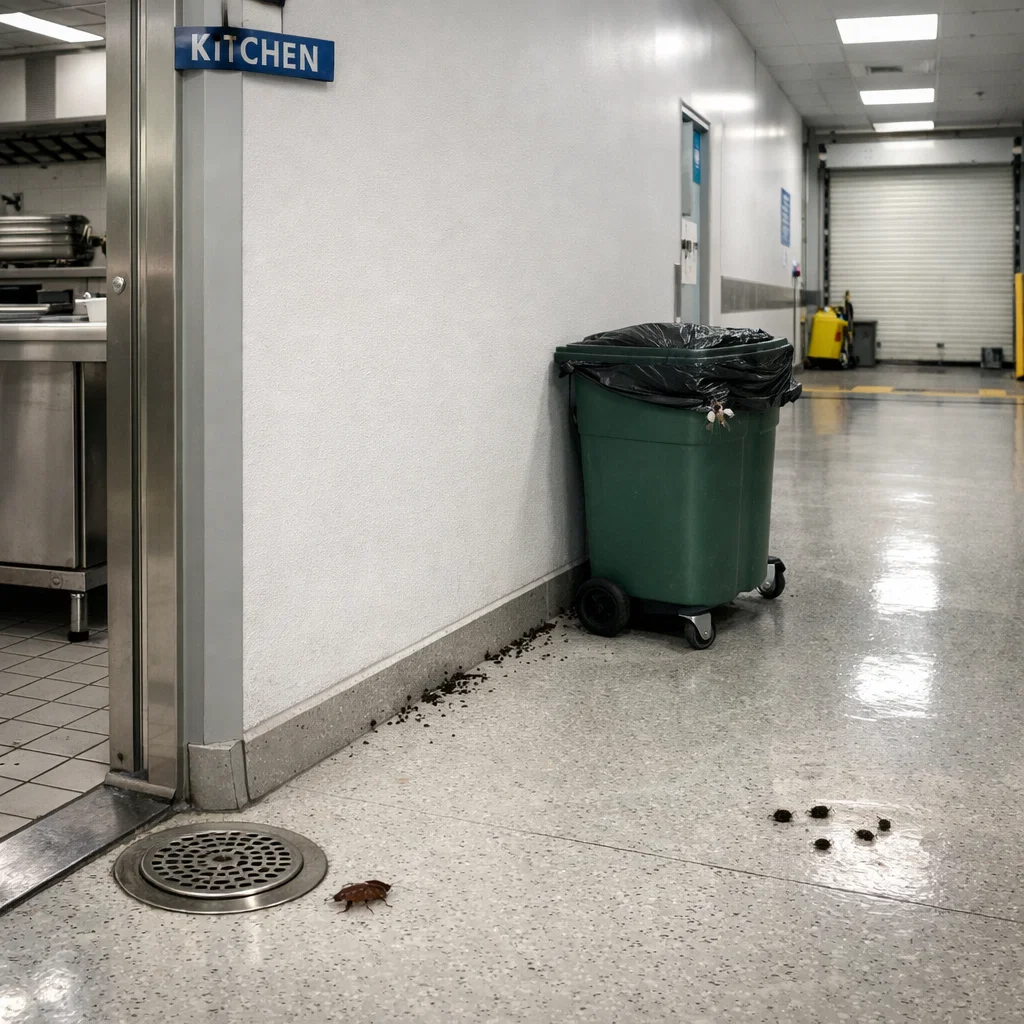
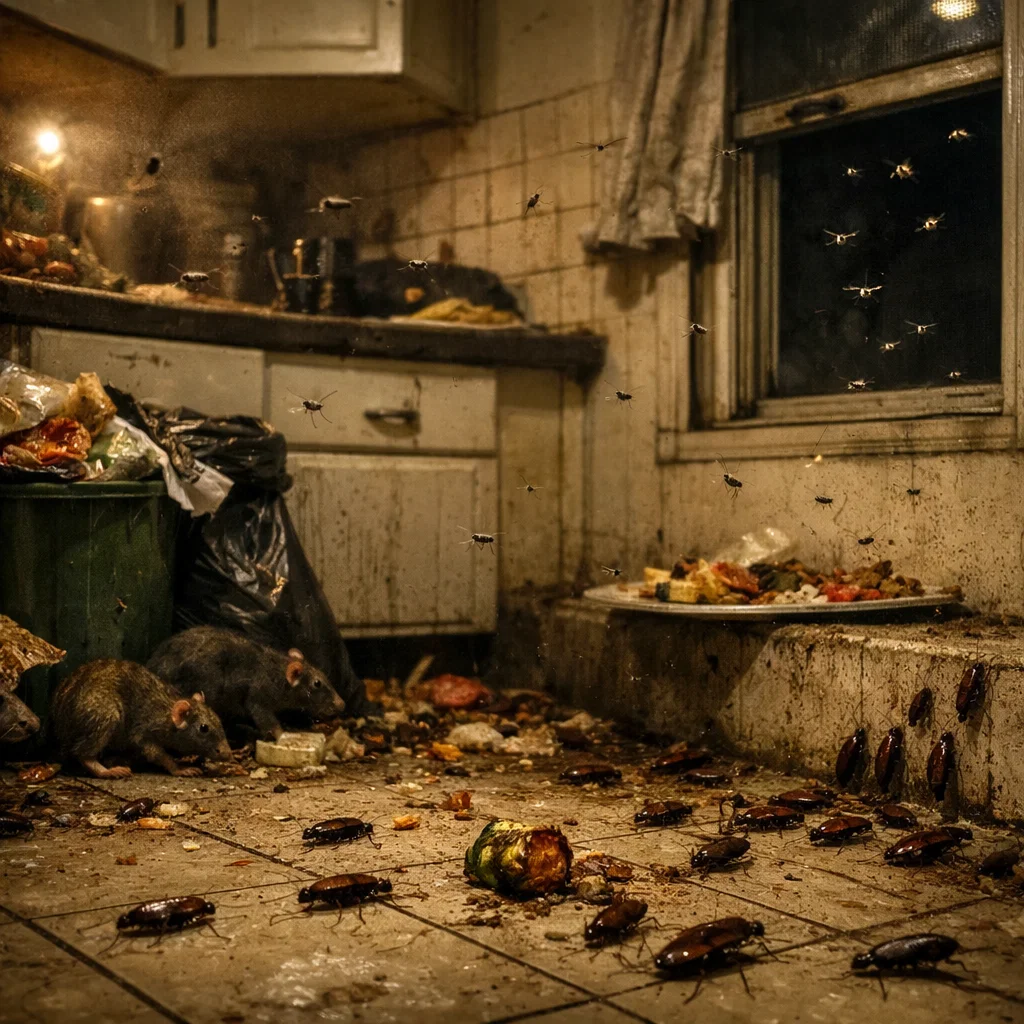
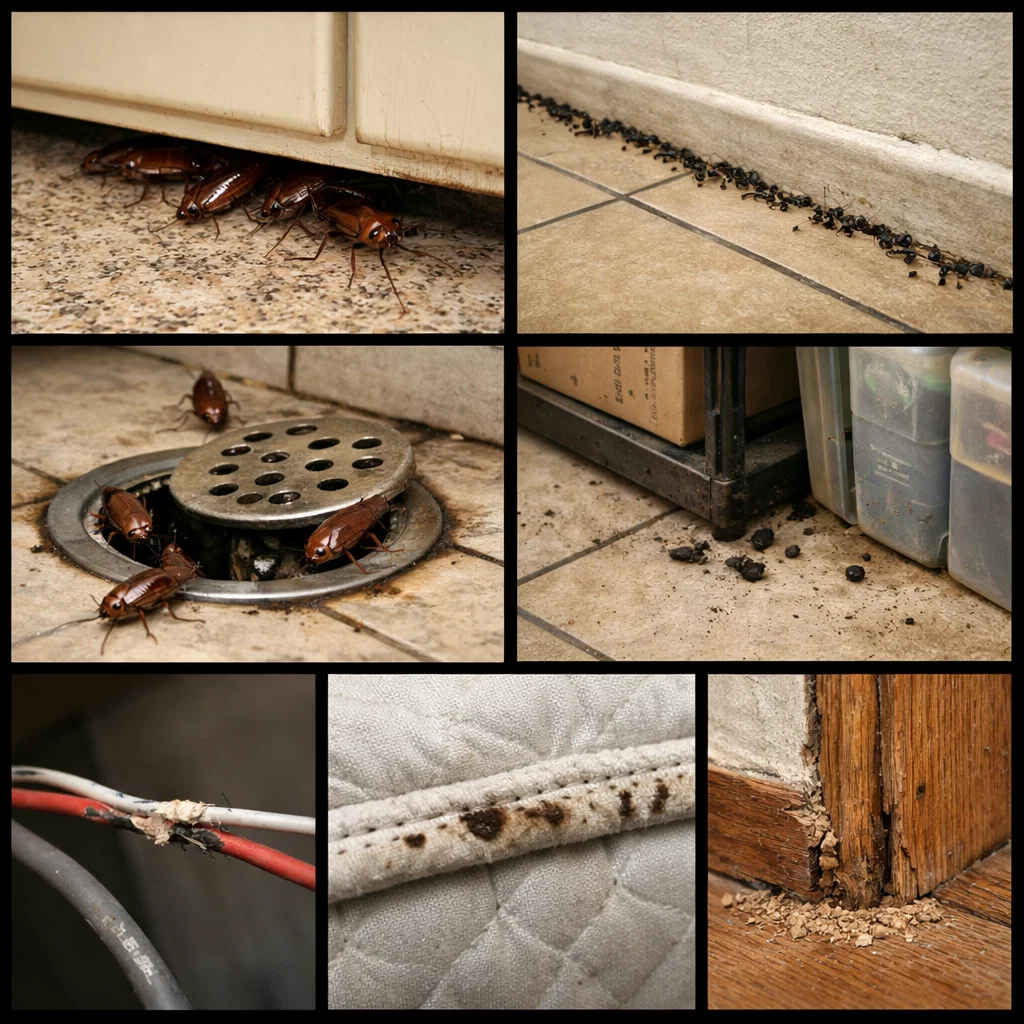
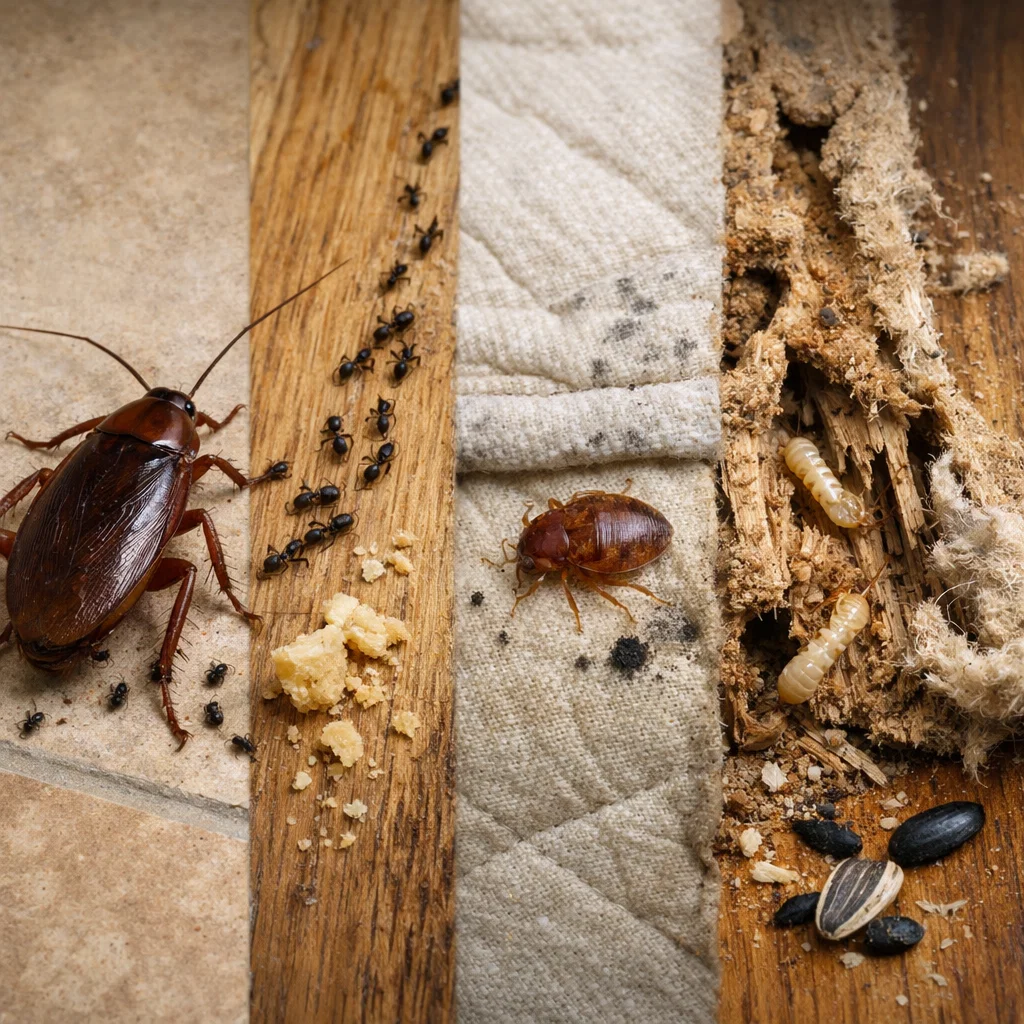
    Cockroaches typically have flat, oval-shaped bodies with long antennae. They move quickly when exposed to light and are often found near kitchens, bathrooms, and drains. Beetles are usually rounder or more rigid in shape, move more slowly, and are often attracted to stored food or fabrics.

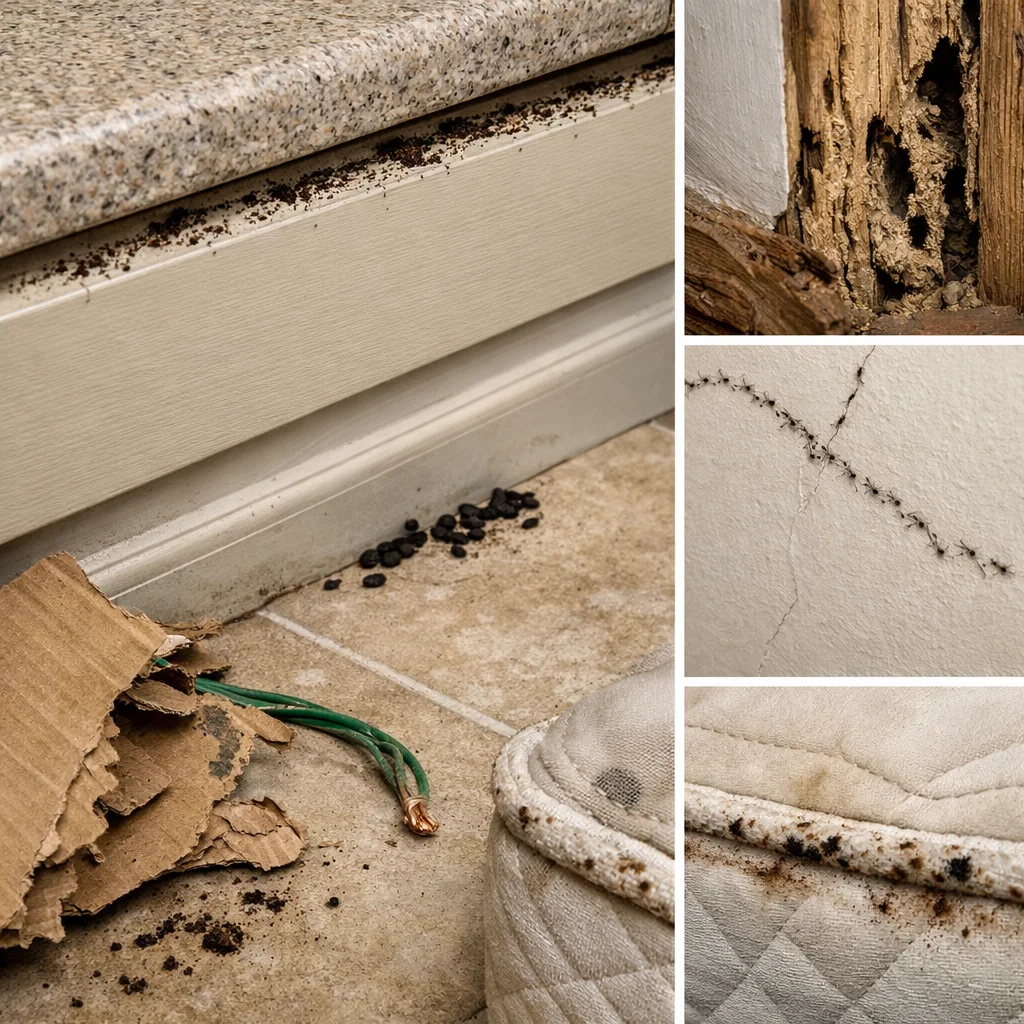
    Damage indicators: Cockroach droppings resemble black pepper or coffee grounds and are often found near cabinets or appliances. Beetles may leave holes in packaging or fabric.

    Bed bugs vs fleas

    Bed bugs are flat, reddish-brown insects that hide in mattresses, bed frames, and furniture seams. Fleas are smaller, darker, and jump quickly when disturbed.

    Damage indicators: Bed bug bites often appear in lines or clusters and are usually noticed after sleeping. Flea bites are often around ankles and lower legs.

    Ants vs termites

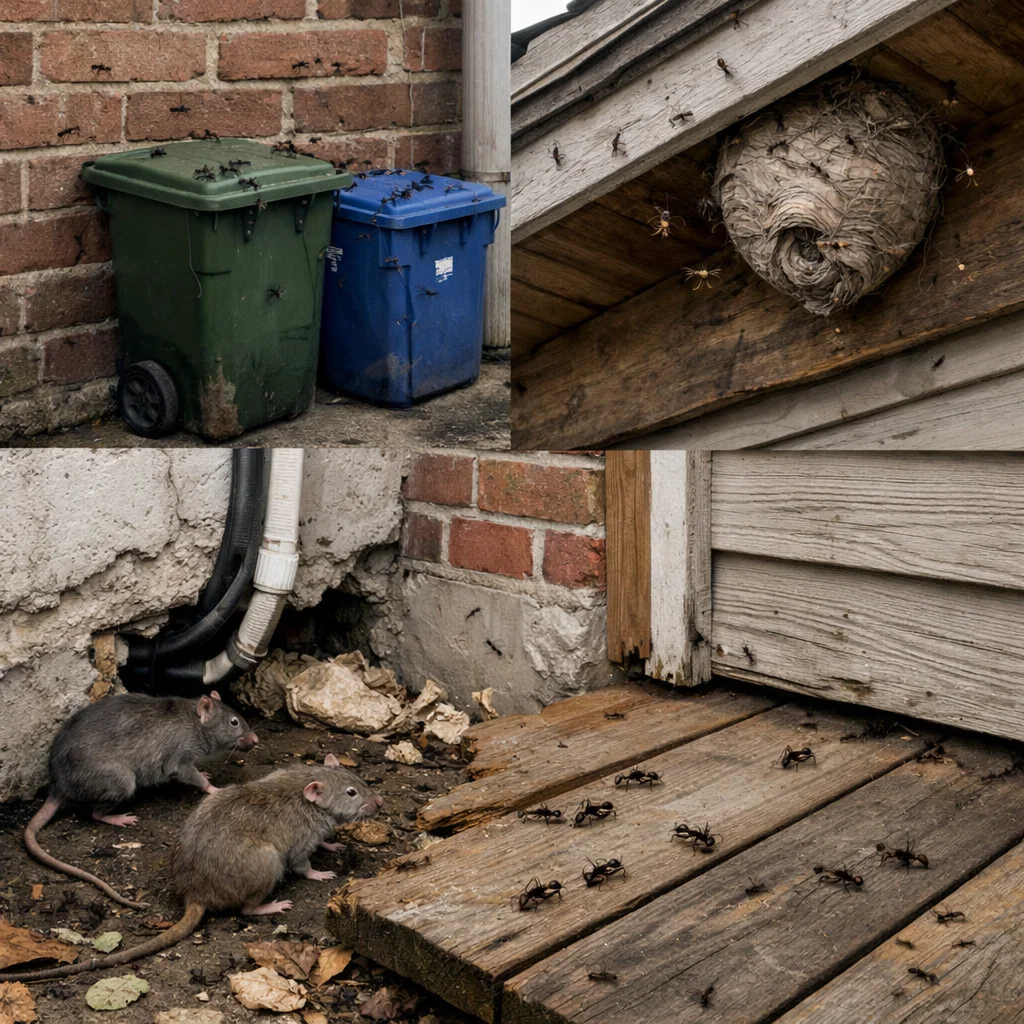
    Ants have narrow waists and bent antennae, while termites have straight antennae and thicker bodies. Termites are often mistaken for ants during swarming seasons.

    Damage indicators: Ants are usually seen following trails. Termites cause hollow-sounding wood, mud tubes, and structural weakening.

    Rats vs mice

    Rats are larger with thicker tails and leave bigger droppings. Mice are smaller, with pointed snouts and fine droppings.

    Damage indicators: Both chew wires and wood, but rat damage is usually more severe and widespread.

    Symptom-based pest matching guide

    When the pest itself is not visible, symptoms can help narrow down the cause. This symptom-based approach allows you to take immediate, appropriate action.

    • Small black droppings near cabinets: Likely cockroaches or rodents
    • Itchy bites after sleeping: Possible bed bugs or mites
    • Rustling sounds at night: Likely rodents
    • Holes in wooden furniture: Possible termites
    • Ant trails along walls: Active ant colony nearby
    • Musty smell and wall discoloration: Mold-related issues

    Matching symptoms to pests helps you choose the right pest solution instead of guessing.

    Tiered action plan: from quick DIY to professional treatment

    An effective pest solution follows a tiered approach. Not every situation requires professional treatment immediately, but there are clear limits to what DIY methods can achieve.

    Tier 1: Quick DIY actions

    This level is suitable for very early or mild pest activity.

    • Seal food in airtight containers
    • Clean crumbs, grease, and spills daily
    • Fix leaks and remove standing water
    • Take out trash regularly and seal bins
    • Close gaps around doors and windows

    DIY actions are preventive and supportive but rarely eliminate established infestations.

    Tier 2: Targeted non-professional treatment

    This level includes traps, baits, or low-toxicity products used carefully according to instructions.

    It may help when:

    • Pest activity is localized
    • The source is visible and accessible
    • No vulnerable occupants are affected

    Misuse at this stage can cause pests to spread or become resistant.

    Tier 3: Professional-grade pest solution

    This level is required when infestations persist, spread, or pose health and structural risks.

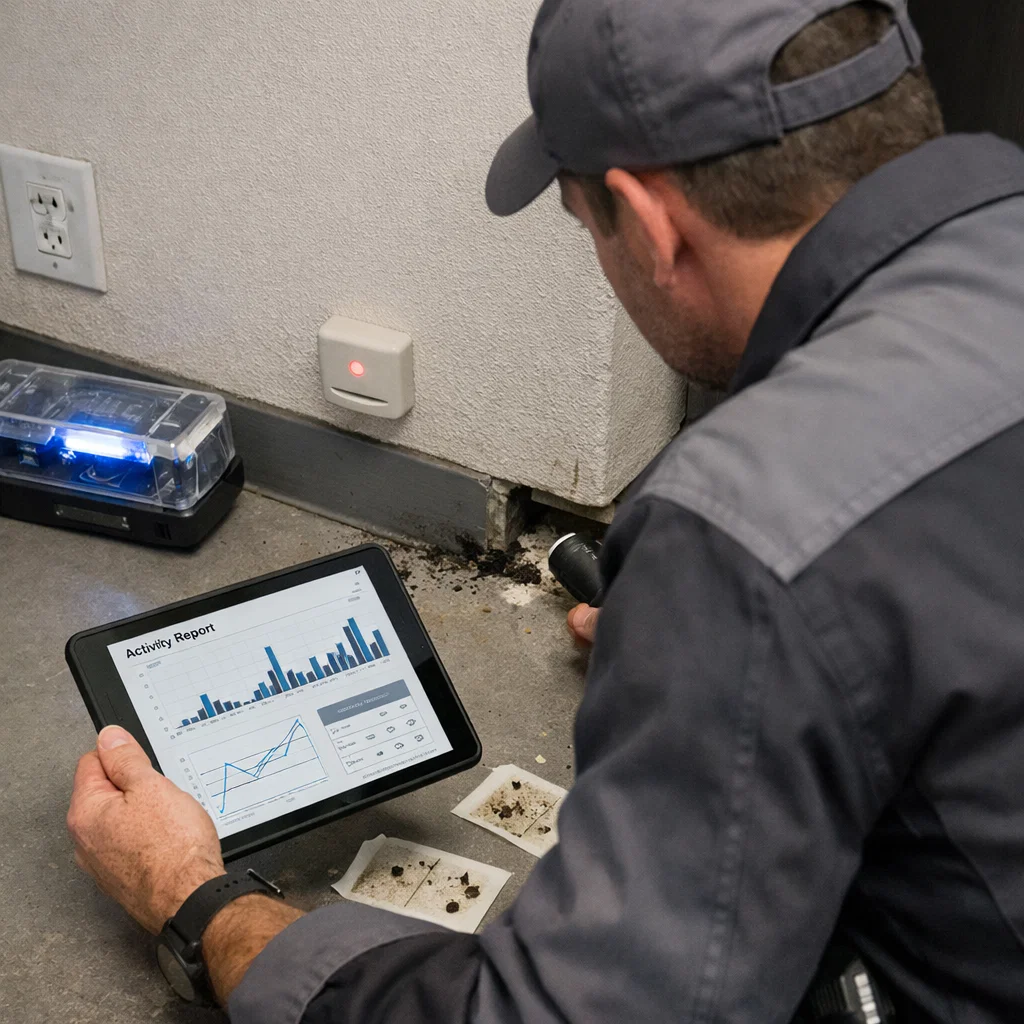
    Professional treatment includes inspection, source identification, targeted application, and prevention planning.

    Safety and toxicity considerations

    Safety is a critical part of any pest solution. Not all products are safe for all environments.

    Key safety considerations include:

    • Presence of children or pets
    • Food preparation areas
    • Ventilation quality
    • Frequency of application

    Pet- and child-safe options usually involve low-toxicity products, targeted application, and reduced exposure rather than stronger chemicals.

    Proper application protocols matter more than product strength. Overuse or incorrect mixing increases risk without improving results.

    Root-cause analysis: why pests appear and return

    Lasting pest solutions address the cause, not just the pest.

    Common attractors include:

    • Food residue and poor storage
    • Moisture from leaks or condensation
    • Clutter and unused storage
    • Gaps in walls, doors, and utility lines
    • Outdoor vegetation touching buildings

    Simple perimeter checks such as sealing cracks, trimming plants, and improving drainage significantly reduce recurrence.

    Understanding treatment cost considerations

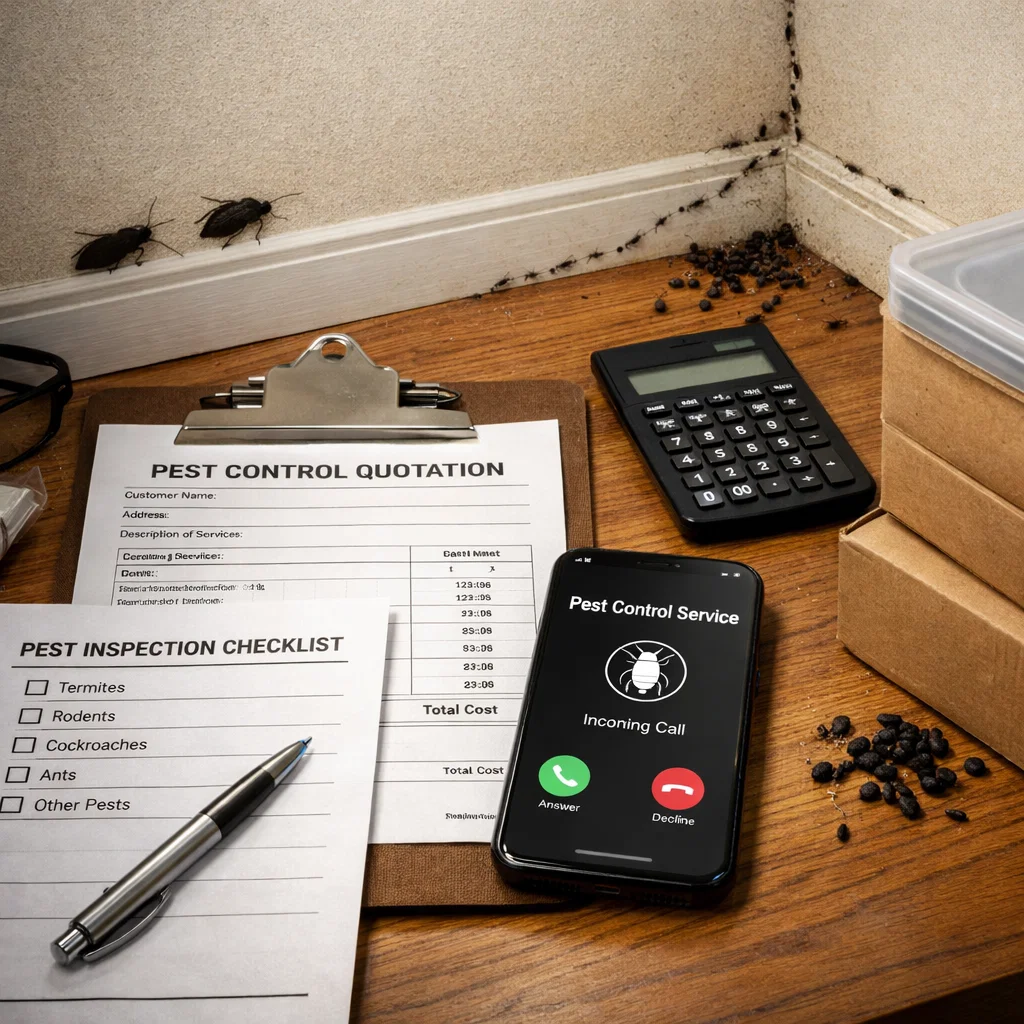
    The cost of a pest solution depends on multiple factors rather than a single flat rate.

    Key cost factors include:

    • Type of pest involved
    • Size and layout of the affected area
    • Severity and duration of infestation
    • Number of treatment visits required
    • Safety and access complexity

    DIY solutions may seem cheaper initially but often lead to higher long-term costs if pests return or spread. Professional treatment focuses on efficiency and prevention, which reduces repeat expenses.

    Clear thresholds for when expert help is required

    A pest solution should escalate to professional help when any of the following occur:

    • Pests reappear after repeated DIY attempts
    • Multiple rooms or areas are affected
    • Structural damage is suspected
    • Health symptoms appear
    • The source cannot be located

    Early professional intervention often prevents greater damage, higher costs, and prolonged disruption.

    Conclusion

    An effective pest solution is not about reacting quickly or using the strongest product available. It is about identifying the pest correctly, choosing the right level of action, protecting health and safety, addressing root causes, and knowing when expert help is necessary. By following a structured approach, pest problems can be resolved more efficiently and prevented from returning.
  • Pest Control Technique for Long-Term Prevention

    Pest Control Technique for Long-Term Prevention

    Pest problems rarely have a single cause, and they are almost never solved with a single action. That is why understanding pest control technique is far more important than simply choosing a product or calling a service without knowing what actually works. Effective pest control today focuses on strategy, timing, and prevention, not just elimination. This article explains modern pest control technique through the lens of Integrated Pest Management (IPM), practical exclusion methods, natural control options, zone-based control inside and outside the home, common technical mistakes, and how ongoing monitoring helps keep pest problems under control long term.

    Whether pests are already active or you are trying to prevent future infestations, knowing how different pest control technique approaches work will help you make smarter decisions and avoid wasted effort, unnecessary exposure, and recurring problems.

    Understanding Integrated Pest Management (IPM)

    Integrated Pest Management, often called IPM, is the foundation of modern pest control technique. Instead of relying on repeated chemical treatments, IPM focuses on understanding pest behavior and addressing the conditions that allow pests to survive.

    IPM is built around four core principles:

    • Inspection: Identifying what pests are present and where they are active
    • Identification: Confirming the exact pest species to avoid incorrect treatment
    • Exclusion: Blocking entry points and removing access routes
    • Treatment: Applying targeted control methods only where needed

    This approach shifts pest control from reactive spraying to long-term management. By reducing pest access to food, water, and shelter, IPM lowers reliance on chemicals and reduces the chance of reinfestation.

    Why inspection and identification matter

    One of the most common failures in pest control technique is treating pests without proper identification. Different pests behave differently, nest in different locations, and respond to different control methods.

    For example:

    • Cockroaches often hide near moisture and require targeted gel or bait placement
    • Rodents follow consistent travel paths and respond best to exclusion and trapping
    • Ants rely on scent trails, making colony-based control essential
    • Stored-product insects require removal of contaminated food sources

    Without correct identification, treatments may temporarily reduce visible pests but fail to address the underlying cause.

    Exclusion as a core pest control technique

    Exclusion is one of the most effective and underused pest control technique strategies. It focuses on physically preventing pests from entering or moving through a structure.

    Copper mesh for rodent-proofing

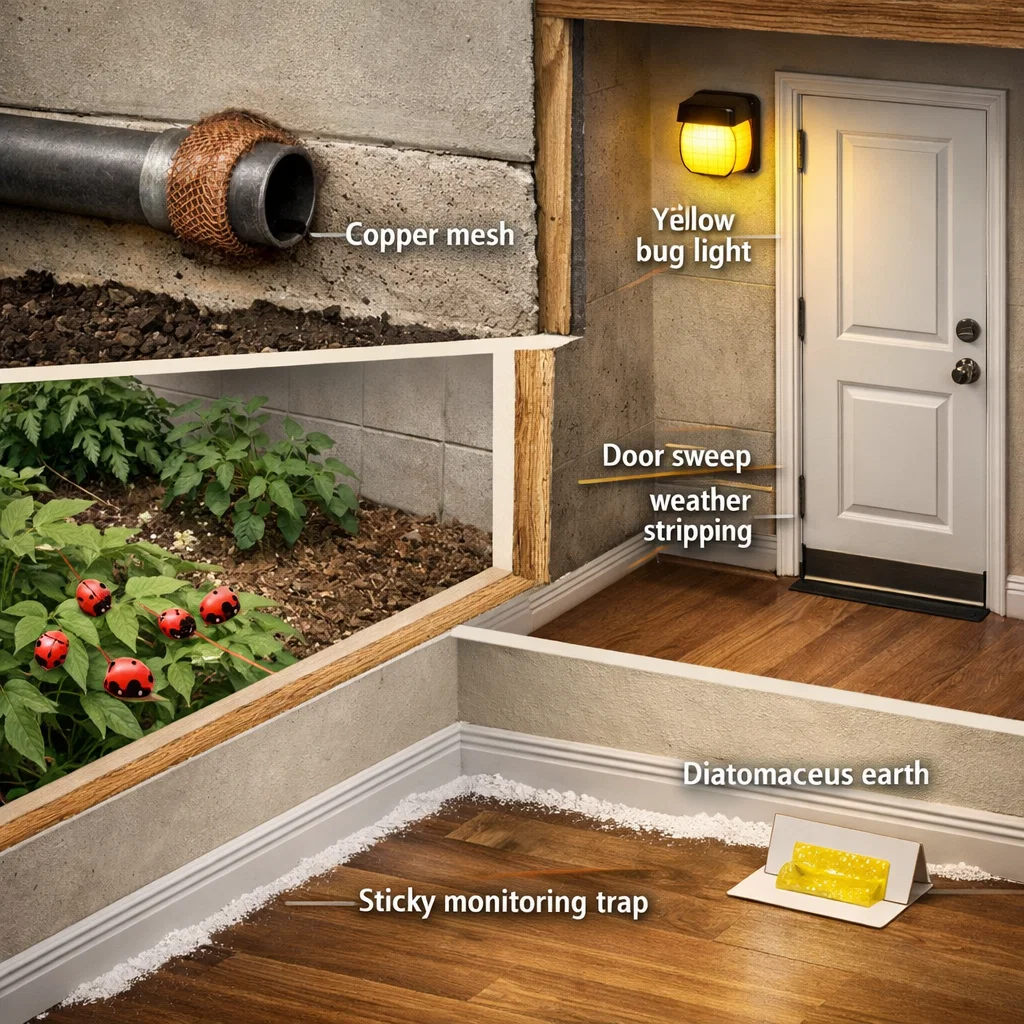
    Copper mesh is commonly used to block small gaps around pipes, vents, and utility penetrations. Rodents cannot chew through copper, making it an effective long-term barrier.

    When installed correctly, copper mesh:

    • Blocks mice and rats from entering wall cavities
    • Allows airflow while preventing access
    • Does not rust or degrade quickly

    This pest control technique is especially effective when combined with sealing compounds to secure the mesh in place.

    Weatherizing homes and buildings

    Weatherization improves energy efficiency while also serving as a pest control technique. Sealing gaps, installing door sweeps, and repairing damaged window frames reduce entry points for insects and rodents.

    Key weatherization steps include:

    • Sealing cracks in foundations and walls
    • Installing door sweeps on exterior doors
    • Repairing torn window screens
    • Sealing gaps around utility lines

    These steps reduce pest entry without relying on chemical treatments.

    Reducing pest attraction with lighting choices

    Lighting is an often-overlooked pest control technique. Standard white bulbs attract many flying insects, especially around entry doors and outdoor areas.

    Switching to yellow or “bug” bulbs:

    • Reduces insect attraction near doors and windows
    • Lowers the number of pests entering indoor spaces
    • Supports perimeter-focused pest control strategies

    While not a complete solution, lighting adjustments reduce pressure on other control methods.

    Natural pest control techniques

    Natural pest control technique options are often used as part of an IPM strategy. These methods focus on reducing pest populations with minimal chemical exposure.

    Diatomaceous Earth

    Diatomaceous Earth (DE) is a fine powder made from fossilized algae. It works by damaging the exoskeleton of insects, causing dehydration.

    DE is commonly used for:

    • Ants
    • Cockroaches
    • Fleas
    • Stored-product insects

    As a pest control technique, DE is most effective when applied lightly in dry areas where insects travel. Over-application reduces effectiveness.

    Beneficial insects

    In gardens and outdoor spaces, beneficial insects such as ladybugs play an important role in pest control technique.

    Ladybugs feed on:

    • Aphids
    • Scale insects
    • Spider mites

    Encouraging beneficial insects reduces reliance on chemical sprays and supports natural balance.

    Habitat modification

    Removing food and water sources is one of the most powerful pest control technique principles.

    Habitat modification includes:

    • Fixing leaks and eliminating standing water
    • Storing food in sealed containers
    • Reducing clutter and storage areas
    • Managing waste properly

    Without access to resources, pests struggle to survive.

    Comparing modern pest control techniques

    Different pest control technique methods vary in effort, effectiveness, and long-term benefit. Understanding these differences helps you choose the right approach.

    Technique Effort Level Primary Benefit
    Exclusion High (initial) Long-term prevention
    Baiting Medium Colony-level control
    Trapping Medium Immediate population reduction
    Repellents Low Temporary deterrence

    No single pest control technique works best in every situation. Effective control often combines multiple methods.

    Zone-based pest control technique

    One of the most practical ways to apply pest control technique is by thinking in zones. Pests move from outside to inside, and each zone requires a different strategy.

    Perimeter zone

    The perimeter is the first line of defense. Pest control technique here focuses on:

    • Sealing exterior cracks
    • Managing vegetation near walls
    • Reducing outdoor lighting attraction
    • Proper waste placement

    Entry zone

    Doors, windows, and vents are critical transition points.

    Effective techniques include:

    • Door sweeps
    • Screen maintenance
    • Weather stripping

    Interior zone

    Inside the home, pest control technique focuses on sanitation, monitoring, and targeted treatment.

    This includes:

    • Sealing food
    • Reducing moisture
    • Using traps or baits strategically

    Common technical failures in pest control technique

    Even well-intended pest control efforts fail when basic principles are ignored.

    Over-application of treatments

    More is not better. Excessive use of sprays or powders can:

    • Reduce effectiveness
    • Increase health risks
    • Cause pests to avoid treated areas

    Wrong timing

    Treating at the wrong time of day or season reduces impact. Many pests are nocturnal or seasonal.

    Ignoring pest behavior

    Applying treatments without understanding travel paths, nesting habits, or food sources leads to short-lived results.

    Monitoring pests like a detective

    Effective pest control technique relies on monitoring rather than guesswork.

    Simple monitoring practices include:

    • Using sticky traps to track activity
    • Checking entry points regularly
    • Watching for droppings or damage
    • Noting seasonal patterns

    Monitoring helps identify early signs before infestations grow.

    When professional help becomes necessary

    While many pest control technique principles can be applied by homeowners, professional support becomes essential when infestations persist, spread, or pose health and safety risks.

    Professional services combine:

    • Advanced inspection tools
    • Accurate identification
    • Controlled application methods
    • Structured follow-up

    Conclusion

    Pest control technique is about strategy, not shortcuts. By understanding IPM principles, applying exclusion methods, using natural controls wisely, targeting zones effectively, avoiding common mistakes, and monitoring activity consistently, pest problems can be managed safely and sustainably. The most effective results come from combining knowledge, timing, and prevention into a balanced approach.

  • Pest Control Services Sharjah for Homes and Businesses

    Pest Control Services Sharjah for Homes and Businesses

    Pest problems are a common concern for both residential and commercial properties across Sharjah. Apartments, villas, offices, shops, restaurants, warehouses, and shared buildings all face risks from insects, rodents, and other pests that can quickly multiply if not handled correctly. Because of Sharjah’s climate, dense neighborhoods, and mixed-use developments, many property owners and managers rely on pest control services sharjah to manage infestations safely and prevent them from returning.

    This article explains the most common pest problems affecting homes and businesses in Sharjah, why professional treatment is often necessary in urgent cases, how pricing for pest control services is usually structured with real numbers, and why working with licensed and approved providers matters. It also discusses fast and emergency service availability, safety considerations, preventive steps, the difference between DIY and professional pest control, and how local credibility, certifications, reviews, and service guarantees help ensure effective and long-term pest management.

    Why pest control services sharjah are essential for daily living and business operations

    Sharjah’s environment creates ideal conditions for pests to survive year-round. Warm temperatures allow insects to reproduce continuously, while dense housing and shared building infrastructure make it easy for pests to spread from one unit to another.

    Several factors increase the need for reliable pest control services sharjah:

    • High population density in residential areas
    • Shared walls, ceilings, drainage systems, and service ducts
    • Frequent food handling in homes, restaurants, and offices
    • Waste disposal areas close to living and working spaces
    • Hidden moisture from air conditioning and plumbing systems

    Without professional intervention, small pest issues can quickly escalate into widespread infestations that affect health, property, and business reputation.

    Common pest problems affecting homes and businesses in Sharjah

    Cockroaches

    Cockroaches are among the most common pests handled by pest control services sharjah. They thrive in warm, humid environments and hide in kitchens, bathrooms, drains, appliances, and storage areas. Cockroaches can spread bacteria and trigger allergies, especially in children.

    For residential cockroach treatment, typical pricing for basic pest control services sharjah is:

    • Studio apartment: AED 119
    • 1-bedroom apartment: AED 139
    • 2-bedroom apartment: AED 179
    • 3-bedroom apartment: AED 211
    • 4-bedroom apartment: AED 238
    • 5-bedroom apartment: AED 287

    Bed bugs

    Bed bugs are increasingly reported in apartments, shared accommodations, and hospitality environments. They spread through furniture, luggage, and fabrics and are difficult to eliminate without professional treatment.

    Residential bed bug pest control services sharjah generally follow the same pricing structure as cockroach treatment, starting from AED 119 for studio apartments. Final pricing is confirmed after inspection due to infestation severity.

    Ants

    Ant infestations often appear suddenly and usually indicate a larger colony hidden behind walls or underground. Surface spraying rarely solves the issue.

    Residential ant pest control services sharjah pricing starts from AED 119 for studio apartments. Outdoor garden ant treatment typically starts from AED 150 for areas up to 1,000 sqft.

    Rats and mice

    Rodents pose serious health and safety risks. They contaminate surfaces, damage insulation, and chew electrical wiring.

    Residential rodent pest control services sharjah pricing:

    • Studio apartment: AED 79
    • 1-bedroom apartment: AED 109
    • 2-bedroom apartment: AED 139
    • 3-bedroom apartment: AED 159
    • 4-bedroom apartment: AED 189
    • 5-bedroom apartment: AED 219

    Bait station installation on residential plots is priced at AED 55 per unit.

    Termites

    Termites are among the most damaging pests because they often remain hidden while destroying wooden structures.

    Residential termite pest control services sharjah pricing:

    • 1-bedroom apartment: AED 300
    • 2-bedroom apartment: AED 550
    • 3-bedroom apartment: AED 800
    • 4-bedroom apartment: AED 1050
    • 5-bedroom apartment: AED 1300

    Commercial termite treatment pricing is calculated individually after inspection due to structural complexity.

    Mosquitoes and flies

    Mosquitoes and flies affect comfort, hygiene, and health, especially in outdoor areas and food-related businesses.

    Residential mosquito and fly pest control services sharjah pricing starts from AED 119 for apartments. Outdoor garden treatment pricing starts from AED 150 for areas up to 1,000 sqft.

    Dust mites and mold

    Dust mites and mold affect indoor air quality and respiratory health, particularly in humid or poorly ventilated spaces.

    Dust mite pest control services sharjah pricing for apartments starts from AED 119.

    Mold treatment pricing is based on affected area:

    • Before 5 sqm: AED 30 per meter
    • 6–10 sqm: AED 25 per meter
    • 11–20 sqm: AED 22 per meter
    • More than 21 sqm: AED 20 per meter

    Why professional treatment is necessary in urgent cases

    Urgent infestations require professional pest control services sharjah because pests reproduce quickly and often hide in inaccessible areas. Delaying treatment allows infestations to spread and increases health risks and property damage.

    Professional treatment is especially important when:

    • Pests are visible during daytime
    • Multiple rooms or units are affected
    • Bites, rashes, or allergies appear
    • Droppings or structural damage are visible
    • Business hygiene or compliance is at risk

    Fast and emergency pest control services sharjah

    Many pest control services sharjah offer fast response or emergency support for urgent situations. While speed is important, proper inspection should never be skipped.

    Professional services usually provide:

    • Quick initial consultation
    • Scheduled inspection within a short timeframe
    • Priority handling for severe infestations
    • Clear timelines for treatment and follow-up

    Pricing transparency and inspection-based costs

    All pest control services sharjah pricing mentioned above refers to basic pest control treatment. Final pricing is determined after a specialist inspects the property, evaluates infestation severity, and confirms treatment requirements.

    Customers are informed of the final cost before work begins, and no treatment proceeds without approval. There are no hidden charges.

    Safety and approved treatment methods

    Licensed pest control services sharjah use municipality-approved products and controlled application methods to ensure safety for families, employees, and pets.

    Safety practices include:

    • Clear preparation instructions
    • Protection of food and sensitive areas
    • Re-entry guidance when required
    • Pet-specific precautions
    • Aftercare advice

    DIY pest control versus professional services

    DIY pest control may help in very early stages, but it often fails for established infestations.

    DIY may be suitable when:

    • Pest activity is minimal
    • The source is obvious and easy to remove

    Professional pest control services sharjah are recommended when infestations persist, spread, or pose health risks.

    Local credibility certifications and service guarantees

    Reliable pest control services sharjah demonstrate credibility through licensing, certifications, and consistent service quality across different areas of Sharjah.

    Trust indicators include:

    • Municipality licensing
    • Trained and identifiable technicians
    • Clear communication and documentation
    • Customer reviews mentioning professionalism and effectiveness
    • Realistic follow-up and maintenance options

    A practical next step for pest control services sharjah

    Pest problems rarely resolve without proper intervention. Left untreated, they can affect health, damage furniture and wiring, and increase long-term costs.

    First Station Pest Control Services provides licensed and transparent pest control services sharjah for homes and businesses. With inspection-led treatment, clear pricing, and a focus on long-term prevention, the team helps clients address pest issues safely and effectively. Using the WhatsApp or Call button at the top of the page allows property owners and managers to discuss their situation and understand the most appropriate next step.

    Conclusion

    Pest control services sharjah play a vital role in maintaining safe, hygienic, and compliant living and working environments. By understanding common pests, pricing structures, safety practices, and the limits of DIY solutions, property owners can make informed decisions and protect their spaces from recurring infestations.

  • Pest Control in Hospital Zero Tolerance Approach

    Pest Control in Hospital Zero Tolerance Approach

    pest control in hospital settings is fundamentally different from pest control in homes, offices, or even most commercial environments. Hospitals operate under a zero-tolerance framework, where even minimal pest activity is considered a serious risk. A single insect sighting, rodent trace, or overlooked nesting area can compromise patient safety, contaminate sterile zones, and trigger compliance issues during audits or inspections.

    This article explains why pest control in hospital environments requires a higher standard of control, documentation, and planning. It covers infection and contamination risks, regulatory compliance and audit readiness, Integrated Pest Management (IPM) as the core approach, differences in pest control priorities across hospital zones, the role of hospital staff in early detection, and how pricing structures and long-term planning are typically explained transparently without focusing on individual cost figures.

    Why hospitals operate under a zero-tolerance pest control framework

    In most environments, pest activity is treated as a nuisance problem. In hospitals, it is treated as a safety and infection control issue. The presence of pests in healthcare facilities directly contradicts the core purpose of a hospital: protecting and restoring health.

    Hospitals operate under a zero-tolerance framework because:

    • Patients often have weakened immune systems
    • Open wounds, invasive devices, and sterile procedures are common
    • Food preparation and waste handling occur continuously
    • Facilities operate 24/7 with constant human movement
    • Any contamination event can have severe consequences

    In pest control in hospital settings, the goal is not to reduce pest activity to an acceptable level, but to prevent it entirely through structured prevention and monitoring.

    Pests as carriers of pathogens in healthcare environments

    Pests are not just unwanted intruders; they are potential vectors of disease. Many common pests carry bacteria, viruses, fungi, and parasites that can be transferred to surfaces, equipment, food, and even directly to patients.

    Examples of pathogen transmission risks include:

    • Cockroaches carrying bacteria such as E. coli and Salmonella
    • Rodents spreading pathogens through urine, droppings, and fur
    • Flies transferring contaminants from waste areas to sterile zones
    • Ants moving through contaminated and clean areas without detection
    • Mold spores affecting air quality and respiratory health

    In pest control in hospital operations, even pests that are often ignored in other settings can pose serious risks due to their ability to move unnoticed between contaminated and sensitive areas.

    The danger of often-overlooked pest species in hospitals

    When people think of hospital pest problems, they often imagine rodents or cockroaches. However, some of the most dangerous risks come from pests that are easily overlooked.

    Examples include:

    • Small ants entering IV lines, medical equipment, or wound dressings
    • Stored-product insects in pharmacy or supply areas
    • Drain flies breeding in floor drains and sinks
    • Birds nesting near ventilation intakes
    • Dust mites and mold affecting indoor air quality

    Effective pest control in hospital environments requires attention to these less obvious threats, not just visible infestations.

    Regulatory compliance and audit readiness

    Hospitals are subject to strict regulations, accreditation standards, and routine audits. Pest control is often reviewed as part of infection control, facility management, and patient safety assessments.

    Regulatory compliance typically requires:

    • Documented pest control programs
    • Scheduled inspections and monitoring
    • Clear treatment protocols
    • Incident reporting systems
    • Corrective action records

    Pest control in hospital facilities must be designed not only to control pests but also to demonstrate compliance through proper documentation and traceability.

    Documentation and monitoring systems

    Documentation is a critical component of hospital pest control. It provides evidence that risks are being actively managed and that corrective actions are taken when issues arise.

    Typical documentation includes:

    • Inspection reports and findings
    • Monitoring device logs
    • Sighting records and response actions
    • Treatment history and product usage
    • Preventive recommendations and follow-ups

    During audits, inspectors often review these records to verify that pest control in hospital environments is proactive rather than reactive.

    Integrated Pest Management as the core approach

    Integrated Pest Management (IPM) is the foundation of effective pest control in hospital settings. IPM focuses on prevention, monitoring, and control while minimizing reliance on chemical treatments.

    The core principles of IPM include:

    • Understanding pest biology and behavior
    • Identifying risk factors and entry points
    • Implementing exclusion and sanitation measures
    • Monitoring pest activity continuously
    • Using chemical treatments only when necessary

    IPM allows hospitals to maintain pest-free environments while reducing exposure to chemicals in sensitive areas.

    Non-chemical methods and exclusion strategies

    In pest control in hospital environments, non-chemical methods are always prioritized. These methods reduce risk to patients, staff, and equipment.

    Common non-chemical strategies include:

    • Sealing gaps, cracks, and service penetrations
    • Improving waste handling and storage practices
    • Enhancing cleaning and sanitation protocols
    • Installing physical barriers and screens
    • Using monitoring traps instead of active pesticides

    Chemical treatments are used only when monitoring confirms activity and when non-chemical controls are insufficient.

    Minimizing chemical use in sensitive areas

    Hospitals contain many sensitive zones where chemical use must be tightly controlled or avoided altogether. These include operating theaters, intensive care units, neonatal wards, and sterile storage areas.

    Pest control in hospital settings addresses this by:

    • Selecting low-toxicity and low-odor products when needed
    • Applying treatments during controlled time windows
    • Using targeted application methods
    • Coordinating closely with hospital management

    The goal is to eliminate pest risks without introducing new hazards.

    Different risk profiles across hospital zones

    Hospitals are complex facilities with zones that carry different pest risks and control priorities. A one-size-fits-all approach is ineffective.

    Kitchens and food preparation areas

    These areas attract pests due to food availability and waste. Control focuses on sanitation, exclusion, and frequent monitoring.

    Patient rooms and wards

    These areas require maximum safety and minimal disruption. Monitoring and preventive measures are prioritized, with chemical treatments used only when absolutely necessary.

    Pharmacies and supply rooms

    Stored-product pests and contamination risks are key concerns. Tight inventory control and monitoring are essential.

    Loading docks and waste areas

    These zones are high-risk entry points for pests. Pest control in hospital environments places strong emphasis on exclusion and external control in these areas.

    The role of hospital staff in pest prevention

    Pest control in hospital facilities is not the responsibility of external providers alone. Hospital staff play a critical role in early detection and prevention.

    Staff involvement typically includes:

    • Training to recognize early signs of pest activity
    • Clear reporting protocols for sightings
    • Understanding hygiene and waste management responsibilities
    • Cooperation during inspections and treatments

    Early reporting allows pest control teams to respond before issues escalate.

    Shared responsibility and communication

    Effective pest control in hospital environments relies on collaboration between facility management, healthcare staff, and pest control professionals.

    Clear communication ensures:

    • Timely response to reported issues
    • Minimal disruption to hospital operations
    • Alignment with infection control protocols
    • Continuous improvement of preventive measures

    Inspection processes and preventive planning

    Regular inspections are a cornerstone of hospital pest control. Inspections identify risk factors before they result in infestations.

    Preventive planning typically includes:

    • Scheduled routine inspections
    • Risk assessments for new or renovated areas
    • Review of pest trends and monitoring data
    • Adjustment of control strategies as needed

    This proactive approach supports long-term control rather than emergency response.

    Explaining pricing structure transparently

    In pest control in hospital environments, pricing is usually explained based on scope, complexity, and ongoing requirements rather than individual treatments.

    Pricing structures commonly reflect:

    • Facility size and layout
    • Risk level of different hospital zones
    • Frequency of inspections and monitoring
    • Documentation and reporting requirements
    • Preventive and corrective measures

    Transparent pricing ensures hospital management understands what services are included, how preventive planning is supported, and how long-term control is maintained.

    Long-term pest control strategies for hospitals

    Pest control in hospital facilities is an ongoing process, not a one-time service. Long-term strategies focus on prevention, monitoring, and continuous improvement.

    Long-term control typically includes:

    • Regular monitoring and reporting
    • Preventive maintenance recommendations
    • Staff awareness and training updates
    • Review of pest control performance

    Conclusion

    Pest control in hospital environments operates under a zero-tolerance framework because patient safety, infection control, and regulatory compliance are at stake. By focusing on Integrated Pest Management, minimizing chemical use, maintaining detailed documentation, and involving hospital staff in early detection, healthcare facilities can manage pest risks responsibly. Long-term planning, transparent processes, and shared responsibility are essential to maintaining safe, compliant, and pest-free hospital environments.

  • Pest Control Kitchener for Homes and Businesses

    Pest Control Kitchener for Homes and Businesses

    Pest problems in southern Ontario rarely happen at random. In a city like Kitchener, pest activity is closely tied to seasonal weather patterns, housing age, and how neighborhoods are built. For homeowners and business owners dealing with recurring issues, pest control kitchener is less about reacting once and more about understanding why pests appear, when they are most active, and how to stop the problem from returning.

    This article explains pest control in Kitchener with strong local context. It covers seasonal pest patterns in the Waterloo Region, common pests found in residential and commercial properties, practical steps you can take while waiting for professional help, what a typical pest control process looks like, how pricing is usually explained transparently without fixed numbers, the role of eco-friendly and pet-safe approaches such as Integrated Pest Management, and how to judge when a pest issue becomes urgent enough to require immediate professional intervention.

    Why pest problems in Kitchener follow seasonal patterns

    Kitchener experiences four distinct seasons, and each one affects pest behavior differently. Understanding these seasonal patterns helps explain why pest issues often seem to appear suddenly or recur at the same time each year.

    In the Waterloo Region, pest activity is strongly influenced by temperature changes, moisture levels, and human behavior such as heating homes in winter or spending more time outdoors in summer.

    Winter: rodents seeking warmth and shelter

    During late fall and winter, rodents such as mice and rats become one of the most common pest issues in Kitchener. As temperatures drop, these animals look for warm, sheltered environments with steady food sources.

    Older homes, basements, garages, and commercial storage areas are especially vulnerable. Small gaps around foundations, utility lines, and doors are often enough for rodents to enter. Once inside, they can nest in walls, insulation, or storage areas, often remaining unseen for weeks.

    Winter rodent problems are not always obvious at first. Early signs may include scratching sounds at night, droppings in storage areas, or gnaw marks on packaging or wiring.

    Spring and summer: ants, wasps, and stinging insects

    As temperatures rise, insect activity increases across Kitchener and surrounding communities. Carpenter ants are particularly common in this region, especially in properties with moisture issues or older wooden structures.

    Carpenter ants do not eat wood, but they tunnel through it to create nests. In older neighborhoods, where homes may have aging decks, window frames, or rooflines, carpenter ants can cause structural concerns if left untreated.

    Wasps and hornets also become more active during late spring and summer. They often build nests in eaves, sheds, attics, and wall voids. For homes and businesses, especially those with outdoor spaces, wasp activity can quickly become a safety concern.

    Late summer and fall: flies and recurring insect activity

    Late summer and early fall often bring an increase in flies and other nuisance insects. Warm temperatures combined with food waste, composting, and outdoor activities create ideal conditions for these pests.

    As fall approaches, some insects begin seeking sheltered areas indoors, starting the cycle that often leads into winter rodent and insect issues.

    Common pest issues found in Kitchener homes and businesses

    Pest control kitchener services regularly deal with a range of pests that reflect both the local climate and the city’s mix of older and newer properties.

    Rodents (mice and rats)

    Rodents are one of the most frequent pest problems in Kitchener, particularly during colder months. They pose health risks through contamination and can cause property damage by chewing insulation, wiring, and stored materials.

    Carpenter ants

    Carpenter ants are a major concern in the Waterloo Region. They are often associated with moisture-damaged wood and can be found in wall cavities, basements, and around windows or doors.

    Wasps and hornets

    Stinging insects are common during warmer months. Nests near entrances, patios, or work areas can create safety risks for families, customers, and employees.

    Spiders

    While most spiders in Kitchener are not dangerous, their presence often indicates other insect activity nearby. Basements, storage rooms, and less-used spaces are common areas where spiders are found.

    Flies and stored-product pests

    Flies and pantry pests are often linked to food handling, waste management, and storage practices. They can affect both residential kitchens and commercial food-related businesses.

    Immediate steps you can take while waiting for professional help

    When pest activity is noticed, there are basic steps that residents and businesses can take to reduce the problem temporarily. These actions are not a replacement for professional pest control, but they can help limit spread and risk while waiting for service.

    Practical immediate steps include:

    • Sealing food in airtight containers and removing open food sources
    • Cleaning crumbs, spills, and grease from kitchens and food areas
    • Reducing clutter that provides hiding places
    • Fixing obvious moisture issues such as leaks or standing water
    • Closing visible gaps around doors, windows, and utility entry points

    For stinging insects, it is important to avoid disturbing visible nests, as this can increase the risk of aggressive behavior and injury.

    What a typical pest control process looks like

    Many people are unsure what actually happens when they book pest control kitchener services. Professional pest control follows a structured process designed to address both the immediate issue and the underlying cause.

    Inspection and assessment

    The first step is a thorough inspection. The technician identifies the type of pest, the extent of the infestation, and contributing factors such as entry points or moisture issues.

    Identification of source and risk areas

    Rather than treating only visible pests, professionals look for nesting sites, travel routes, and conditions that allow pests to thrive.

    Treatment plan

    A treatment plan is developed based on the pest type, property layout, and safety considerations. This may include targeted treatments, exclusion methods, or monitoring strategies.

    Prevention guidance

    After treatment, guidance is usually provided on how to reduce the chance of recurrence through maintenance, sanitation, and small repairs.

    How pricing is usually explained transparently

    Pest control pricing in Kitchener is rarely a single flat fee. Transparent pest control kitchener providers explain costs based on several factors rather than quoting a number without context.

    Pricing is typically influenced by:

    • Type of pest involved
    • Severity and spread of the infestation
    • Size and structure of the property
    • Indoor versus outdoor treatment requirements
    • Need for follow-up visits or monitoring

    Instead of listing exact numbers upfront, professional providers explain what is included in the service, what factors may increase or reduce cost, and what results can realistically be expected. This approach helps avoid surprises and builds trust.

    Eco-friendly and pet-safe pest control approaches

    Many pest control kitchener services now use eco-friendly and pet-safe approaches as part of Integrated Pest Management (IPM). IPM focuses on long-term prevention rather than heavy chemical use.

    Key elements of IPM include:

    • Accurate pest identification
    • Targeted treatment instead of broad spraying
    • Physical exclusion such as sealing entry points
    • Monitoring and follow-up
    • Using low-toxicity products when treatment is necessary

    These methods help reduce health risks for families, pets, and employees while maintaining effective control.

    Professional pest control versus DIY methods

    DIY pest control products are widely available, and in some cases they can help with very minor issues. However, there are clear limits to what DIY methods can achieve.

    DIY pest control: short-term and limited

    DIY approaches often focus on killing visible pests. They rarely address hidden nests, entry points, or environmental factors. Incorrect use of products can also pose safety risks.

    Professional pest control: structured and preventive

    Professional pest control focuses on identification, targeted treatment, and prevention. While it may appear more costly initially, it often provides better long-term results and reduces repeat problems.

    Local trust and community-based reassurance

    Trust plays a major role in choosing pest control kitchener services. Residents and businesses often rely on recommendations from neighbors, local reviews, and companies familiar with older neighborhoods and regional pest patterns.

    Providers with experience in the Waterloo Region understand the construction styles, seasonal challenges, and common pest issues unique to the area. This local knowledge helps improve effectiveness and communication.

    Urgency checklist: when pest control becomes an emergency

    Not every pest sighting is an emergency, but certain signs indicate that prompt professional intervention is needed.

    • Rodents are seen during daylight hours
    • Scratching or movement is heard inside walls or ceilings
    • Carpenter ants are found indoors repeatedly
    • Wasp nests are located near entrances or high-traffic areas
    • Bites, allergic reactions, or health symptoms appear
    • Pests are affecting customers, tenants, or employees

    If one or more of these signs are present, delaying pest control increases risk and potential cost.

    Taking a practical and informed next step

    Pest issues in Kitchener are often seasonal, but they are rarely harmless if ignored. Acting early, choosing transparent and responsible services, and understanding what to expect from professional pest control helps protect health, property, and peace of mind.

    Whether the concern is winter rodents, summer carpenter ants, or recurring insect activity, pest control kitchener services are most effective when approached with local knowledge, clear communication, and preventive planning.

    Conclusion

    Pest control in Kitchener is about more than removing pests. It involves understanding seasonal patterns, identifying risks early, choosing eco-conscious and pet-safe methods, and knowing when professional help is necessary. With the right approach, pest problems can be managed effectively and prevented from becoming recurring issues.

  • Pest Control Cleaning Company for Post Infestation Recovery

    Pest Control Cleaning Company for Post Infestation Recovery

    A pest control cleaning company is often needed at a moment when a home or workplace does not just feel uncomfortable, but unsafe or unsettled. After an infestation—whether it involved insects, rodents, or hidden biohazards—the problem is rarely solved by pest removal alone. What many people truly need is a full reset: removing pests, cleaning what they leave behind, and restoring a sense of hygiene, safety, and peace of mind.

    This article explains what a pest control cleaning company actually does, why safety-first protocols matter, how cleaning agents differ from pesticides, how residues and biohazards are handled, and why sanitization after an infestation is essential. It also covers the benefits of an integrated pest control and cleaning approach, what transparent processes look like, how pricing is typically structured, and what practical steps help prevent problems from returning. The goal is not to judge, but to help you understand how professional support can make a space feel livable again.

    Why cleaning is just as important as pest removal

    When pests are present, they leave more behind than what the eye can see. Even after insects or rodents are removed, invisible traces often remain. These traces can continue to attract pests, affect indoor air quality, or create health risks if not addressed properly.

    Common post-infestation issues include:

    • Droppings, urine, or shed skins in hidden areas
    • Pheromone trails that guide insects back to food sources
    • Bacteria and pathogens on surfaces
    • Contaminated dust in vents or storage spaces
    • Odors that signal nesting or decay

    A pest control cleaning company focuses on eliminating these remnants, not just the pests themselves. This is why sanitization is a critical part of recovery after an infestation.

    Safety-first protocols: cleaning agents versus pesticides

    One of the most common concerns after pest activity is safety—especially for families, children, employees, and pets. Understanding the difference between cleaning agents and pesticides helps explain how professionals manage risks responsibly.

    Cleaning agents

    Cleaning agents are designed to remove dirt, grease, bacteria, and organic residue from surfaces. In post-infestation cleaning, they are used to:

    • Sanitize contaminated surfaces
    • Remove pest droppings and residue
    • Neutralize odors
    • Reduce allergens and airborne particles

    Professional-grade cleaning products are selected for effectiveness and controlled use, often with low odor and minimal residue.

    Pesticides

    Pesticides are used to control or eliminate pests. They are applied in targeted ways based on pest type, infestation level, and environment. A responsible pest control cleaning company ensures that pesticides and cleaning agents are never mixed improperly and that each step follows a clear safety sequence.

    This separation of roles—first controlling pests, then cleaning and sanitizing—is a key part of safety-first service design.

    How residue, pheromone trails, and biohazards are handled

    Many infestations persist or return because residues are left behind. Even when pests are removed, chemical signals and organic waste can continue to attract new activity.

    Professional post-infestation cleaning focuses on:

    • Pheromone trail removal: Insects like ants and cockroaches rely on chemical trails. Cleaning these areas breaks the navigation path.
    • Biohazard containment: Rodent droppings, urine, and nesting material are handled using protective equipment and controlled disposal methods.
    • Surface sanitization: Kitchens, bathrooms, storage areas, and frequently touched surfaces are disinfected.
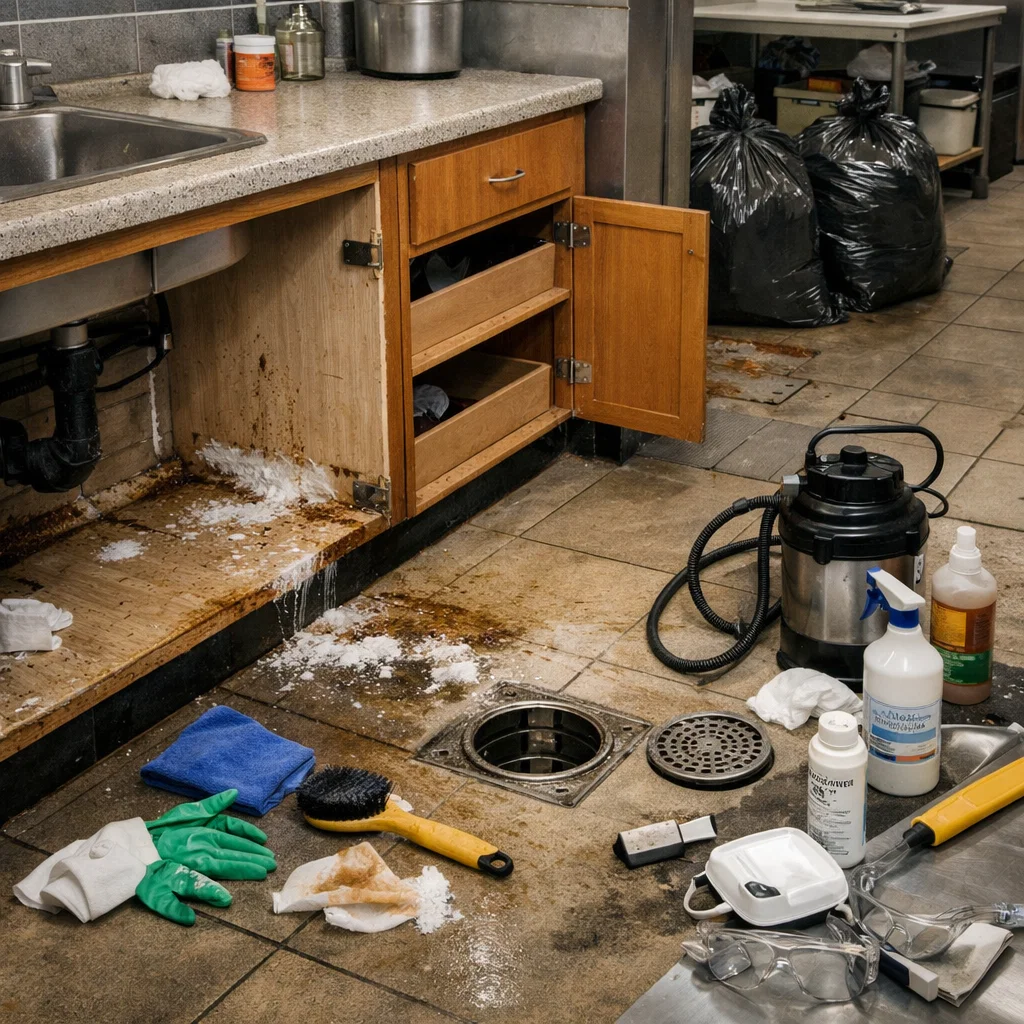
    • Hidden area cleaning: Behind appliances, inside cabinets, under sinks, and in utility spaces where pests often hide.

    This level of detail is difficult to achieve with basic household cleaning, especially when contamination is not immediately visible.

    Why sanitization matters after an infestation

    Sanitization is not about making a space look clean—it is about making it safe again. After an infestation, surfaces may carry bacteria, allergens, or pathogens that are not removed by regular wiping or vacuuming.

    Sanitization helps to:

    • Reduce health risks from bacteria and allergens
    • Improve indoor air quality
    • Remove lingering odors associated with pests
    • Restore confidence in using the space

    For many people, this step is what transforms a stressful experience into a sense of closure and relief.

    The advantage of an integrated pest control and cleaning approach

    Hiring separate pest control and cleaning services may seem logical, but it often creates gaps in responsibility and efficiency. An integrated approach offered by a pest control cleaning company addresses the problem as a whole.

    Key advantages include:

    • Single coordinated visit: Pest control and cleaning follow a planned sequence.
    • No duplicated effort: Technicians understand what areas were treated and what needs cleaning.
    • Deeper coverage: Hidden spaces are treated and cleaned together.
    • Clear accountability: One team oversees the full process.

    This approach reduces disruption, saves time, and increases the likelihood of long-term success.

    Deep cleaning of hidden areas that attract pests

    Pests rarely live in open spaces. They prefer dark, warm, and undisturbed areas that are often overlooked during routine cleaning.

    A pest control cleaning company typically focuses on:

    • Behind and under kitchen appliances
    • Inside cabinets and drawers
    • Under sinks and around plumbing
    • Storage rooms and closets
    • Utility areas and service shafts

    By addressing these zones, the service removes conditions that make a space attractive to pests in the first place.

    What process transparency looks like

    Transparency is essential when someone allows professionals into their home or workplace. A reputable pest control cleaning company explains what will happen at every stage.

    Before the service

    • Initial inspection to assess pest activity and contamination
    • Explanation of the scope of pest control and cleaning
    • Preparation instructions for occupants

    During the service

    • Controlled pest treatment in affected areas
    • Cleaning and sanitization using appropriate products
    • Protective measures for furniture and sensitive items

    After the service

    • Walkthrough or summary of completed work
    • Guidance on re-entry and ventilation
    • Prevention and maintenance advice

    Some companies also provide checklists or before-and-after visuals to help clients understand the impact of the service.

    Pricing transparency: what affects cost

    Pricing for a pest control cleaning company varies based on several factors. Rather than fixed prices, most services provide quotes after understanding the situation.

    Common cost factors include:

    • Type of pest involved
    • Size of the affected area
    • Level of contamination
    • Number of rooms or zones requiring cleaning
    • Access difficulty and safety requirements

    Quotes are usually provided after inspection so that the scope is clear and there are no surprises. Transparent providers explain what is included and what is optional.

    Addressing emotional concerns without judgment

    Experiencing an infestation can feel embarrassing or overwhelming. Many people worry about being judged for their living conditions, even when pests are caused by factors beyond their control.

    A professional pest control cleaning company approaches each situation with respect and discretion. The focus is not on blame, but on restoring safety and comfort. Framing the service as a home or workplace “reset” helps clients move forward without stigma.

    Post-service education to prevent recurrence

    Education is a key part of long-term success. After cleaning and pest control, clients benefit from simple guidance that supports prevention.

    This may include:

    • Seasonal cleaning routines
    • Safe product recommendations for daily use
    • Moisture and waste management tips
    • Storage and organization advice
    • Early warning signs of returning pests

    Small adjustments can make a significant difference in reducing future risk.

    FAQ: common questions after an infestation

    Is it safe to stay in the space after treatment?

    In most cases, yes. Professionals provide clear guidance on re-entry times and ventilation based on the products used.

    Will cleaning remove all pest-related odors?

    Targeted cleaning and sanitization significantly reduce odors, especially when hidden sources are addressed.

    Can pests return after cleaning?

    Cleaning reduces risk, but prevention depends on maintenance and environmental factors. Follow-up guidance helps minimize recurrence.

    Is professional cleaning necessary if pests are gone?

    Yes, because residues and biohazards may remain even when pests are no longer visible.

    Is this service suitable for offices and businesses?

    Yes. Integrated pest control and cleaning is especially valuable in workplaces where hygiene and reputation matter.

    Conclusion

    A pest control cleaning company provides more than pest removal—it offers a structured, safety-first way to restore hygiene, comfort, and confidence after an infestation. By combining pest control with deep cleaning, transparent processes, and practical education, these services help spaces truly recover and reduce the chance of future problems.

  • Pest Control Disinfection Service After Infestation

    Pest Control Disinfection Service After Infestation

    Dealing with a pest problem does not truly end when the insects or rodents are gone. After an infestation, many homes and businesses still face hidden health risks from bacteria, viruses, allergens, and contamination left behind by pests. This is where a pest control disinfection service becomes an essential part of recovery. It addresses not only physical cleanliness, but also the sense of safety and reassurance that people need after a pest issue has been resolved.

    This article explains why disinfection is necessary after pest control, clearly separates pest elimination from disinfection as two different but connected phases, describes how professional disinfection is carried out in a transparent and easy-to-understand way, compares professional services with DIY approaches, outlines general pricing expectations without focusing on exact figures, explains what happens after the service through a post-treatment checklist, and shares practical prevention tips to reduce the risk of re-infestation.

    Why disinfection is necessary after pest control

    Pests do more than cause visible damage or discomfort. During an infestation, insects and rodents leave behind biological contaminants that are not always obvious to the naked eye. Even after pest control treatment successfully eliminates the pests themselves, these invisible risks can remain.

    Common health risks left behind after an infestation include:

    • Bacteria carried on pest bodies and droppings
    • Viruses transmitted through contact with contaminated surfaces
    • Allergens from shed skin, feces, and nesting materials
    • Odors and residues that affect indoor air quality
    • Contamination of food preparation and storage areas

    For families, employees, or customers, these risks can cause lingering concerns even after pests are no longer visible. A pest control disinfection service helps restore hygiene and provides confidence that the environment is safe to occupy again.

    Pest control versus disinfection: two different phases

    It is important to understand that pest control and disinfection are not the same service. They serve different purposes and address different stages of the problem.

    Pest control is the elimination phase. Its goal is to remove or neutralize pests through inspection, targeted treatment, and preventive measures. Once pests are controlled, the immediate threat is reduced, but the environment may still be contaminated.

    Disinfection is the remediation phase. Its goal is to clean, sanitize, and neutralize harmful microorganisms and residues left behind by pests. This phase focuses on health protection, cleanliness, and restoring a safe living or working environment.

    For a complete solution, both phases are required. Pest control without disinfection may leave health risks behind, while disinfection without pest control fails to address the source of contamination.

    Situations where pest control disinfection service is strongly recommended

    Not every pest issue requires the same level of remediation, but there are situations where professional disinfection becomes particularly important.

    These situations include:

    • Rodent infestations with visible droppings or nesting materials
    • Heavy cockroach infestations in kitchens or bathrooms
    • Bed bug infestations in bedrooms or accommodation facilities
    • Pest activity in food preparation or storage areas
    • Infestations in healthcare, childcare, or hospitality environments

    In these cases, disinfection helps reduce health risks and supports compliance with hygiene expectations.

    What a professional disinfection process usually involves

    A professional pest control disinfection service follows a structured and controlled process designed to sanitize affected areas without causing unnecessary disruption.

    Although methods may vary depending on the property and level of contamination, the general process includes:

    • Assessment of affected areas after pest control treatment
    • Selection of appropriate disinfectants based on risk and environment
    • Preparation of spaces to ensure safe and effective application
    • Professional application using controlled methods
    • Post-treatment guidance for safe re-entry and use of the space

    The goal is thorough coverage while maintaining safety for occupants and materials.

    Professional application methods explained simply

    Professional disinfection uses application methods that provide better coverage than manual cleaning alone. These methods are chosen based on the size of the space, level of contamination, and safety considerations.

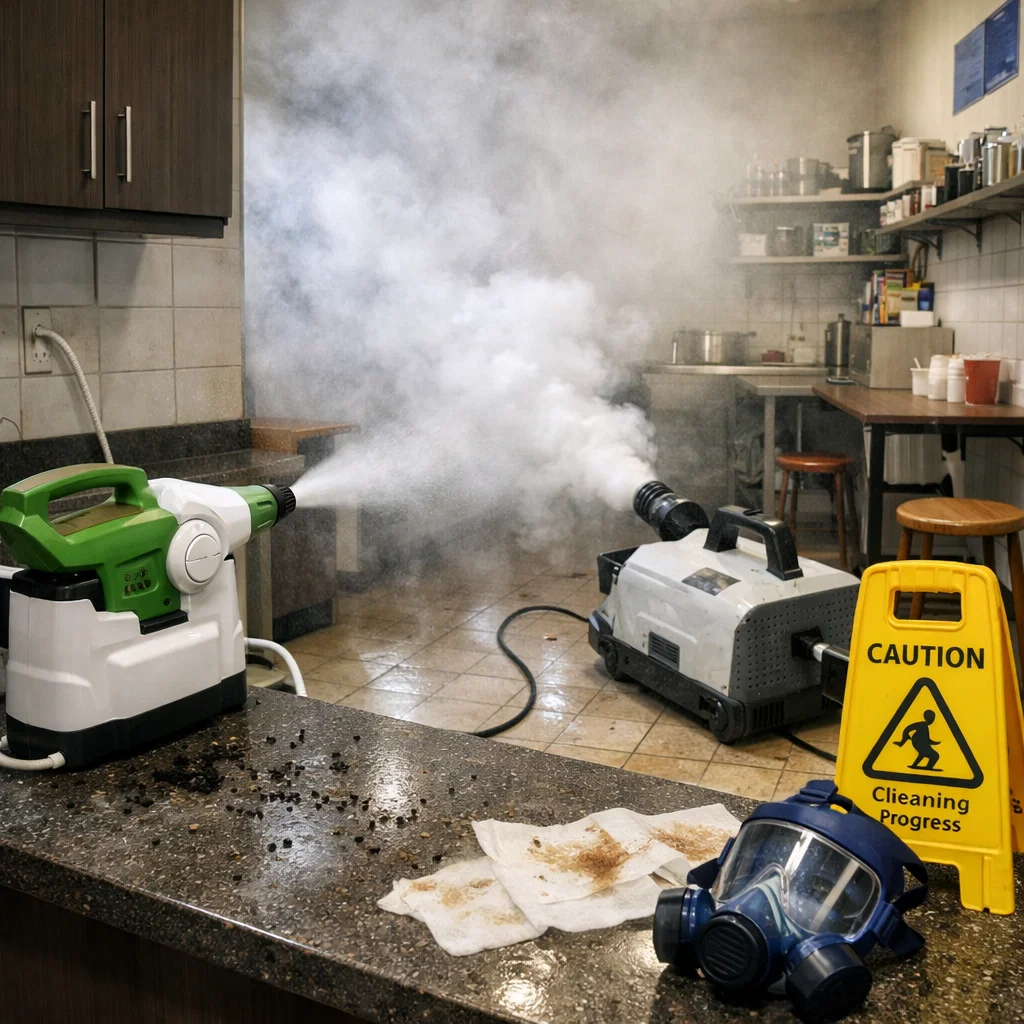
    Fogging

    Fogging disperses disinfectant as a fine mist that can reach surfaces and corners that are difficult to clean manually. It is commonly used for rooms, apartments, and enclosed spaces.

    Electrostatic spraying

    Electrostatic spraying applies a charged disinfectant that evenly coats surfaces, including irregular shapes and hidden areas. This method improves coverage while using controlled amounts of disinfectant.

    These methods are applied by trained professionals to ensure effectiveness and minimize exposure risks.

    Eco-friendly and non-toxic disinfection options

    Many modern pest control disinfection service providers offer eco-friendly or low-toxicity disinfectant options. These are designed to reduce health risks while still achieving effective sanitation.

    Eco-conscious disinfection approaches may include:

    • Low-odor or reduced-toxicity disinfectants
    • Targeted application instead of excessive spraying
    • Products approved for use in residential and sensitive environments
    • Methods that minimize residue and chemical exposure

    These options are especially important in homes with children or pets, as well as in offices, schools, and healthcare facilities.

    Professional disinfection versus DIY approaches

    Many people consider DIY disinfection after pest control, especially for small or mild infestations. While basic cleaning is always helpful, there are key differences between professional and DIY approaches.

    Coverage

    DIY cleaning usually focuses on visible surfaces. Professional disinfection reaches hidden areas such as corners, gaps, and high-touch surfaces that may be overlooked.

    Safety

    Professional services use controlled application and approved products. DIY methods risk overuse or misuse of chemicals, which can be harmful.

    Effectiveness

    Professional disinfection methods are designed to neutralize microorganisms effectively, while DIY solutions may only provide surface-level cleaning.

    For severe infestations or sensitive environments, professional handling is often required to achieve meaningful results.

    General pricing guidance for disinfection services

    The cost of a pest control disinfection service depends on several factors rather than a fixed price. Understanding these factors helps set realistic expectations.

    Common factors that affect pricing include:

    • Size of the treated area
    • Level of contamination
    • Type of property (residential or commercial)
    • Disinfection method used
    • Type of disinfectant selected

    In general, disinfection services are priced as an add-on to pest control treatment or as a separate service following pest elimination. Larger areas, heavier contamination, and specialized application methods typically require higher investment.

    Professional providers usually offer an inspection or assessment before confirming the scope and cost, ensuring transparency and avoiding unnecessary treatment.

    What happens after the disinfection service

    After a pest control disinfection service is completed, there are simple steps that help ensure safety and effectiveness.

    A typical post-treatment checklist includes:

    • Following re-entry time guidelines provided by the service team
    • Ventilating the space if recommended
    • Avoiding unnecessary wiping of treated surfaces for a short period
    • Resuming normal cleaning routines after guidance is given
    • Monitoring for any unusual odors or reactions

    Professionals also provide aftercare advice to help maintain hygiene and comfort.

    Prevention tips to reduce the risk of re-infestation

    Disinfection restores cleanliness, but prevention is key to long-term protection. Simple habits can reduce the risk of pests returning.

    Practical prevention tips include:

    • Keeping food stored in sealed containers
    • Cleaning spills and waste promptly
    • Fixing leaks and reducing moisture
    • Sealing cracks and entry points
    • Scheduling periodic inspections for high-risk areas

    These steps support both pest control and disinfection efforts.

    A practical next step after pest control

    After an infestation, it is natural to want reassurance that the space is truly safe and clean. A pest control disinfection service provides that final layer of protection by addressing invisible risks and restoring confidence in the environment.

    First Station Pest Control Services offers integrated solutions that combine pest control with professional disinfection, using responsible methods and clear communication. If you are unsure whether disinfection is needed after pest control, discussing your situation with the team via WhatsApp or Call allows you to understand the risks, options, and appropriate next steps without pressure.

    Conclusion

    A complete response to a pest problem does not end with elimination alone. Disinfection plays a critical role in protecting health, restoring hygiene, and ensuring peace of mind. By understanding the role of a pest control disinfection service, knowing when professional handling is required, and taking preventive steps afterward, homes and businesses can recover fully and reduce the risk of future issues.

  • Pest Eradication From Identification to Prevention

    Pest Eradication From Identification to Prevention

    pest eradication is a process that goes far beyond simply getting rid of what you can see. Whether you are dealing with insects, rodents, or other unwanted pests, true eradication means identifying the problem correctly, understanding why it happened, choosing the right treatment approach, and putting long-term prevention measures in place. When done properly, pest eradication restores comfort, protects health, and reduces the risk of the same issue returning in the future.

    This guide walks you step by step through how pest eradication works in real situations. It starts with clear pest identification using visible signs, addresses common fears and myths around infestations, explains different levels of eradication from DIY to professional intervention, discusses pricing considerations without focusing on exact figures, and ends with practical prevention strategies so you feel informed, confident, and prepared to act.

    Understanding pest identification before eradication

    Effective pest eradication always begins with correct identification. Treating the wrong pest wastes time, money, and often makes the situation worse. Many pests look similar at a glance, but their behavior, hiding places, and treatment methods differ significantly.

    Identifying pests through visual cues

    The most obvious sign is the pest itself. Seeing insects or rodents, especially repeatedly or during daytime hours, usually indicates an established problem. However, pests are often hidden, so indirect signs are just as important.

    Common visual cues include:

    • Droppings along walls, under sinks, or inside cabinets
    • Grease marks or smear trails near baseboards
    • Chewed packaging, wires, or wood
    • Holes, tunnels, or damaged furniture
    • Shed skins, wings, or egg casings

    These signs help narrow down the type of pest involved, which is critical for choosing the right eradication method.

    Damage patterns and what they indicate

    Different pests leave different damage patterns. Rodents often chew irregular holes and leave droppings shaped like grains of rice. Termites typically damage wood from the inside, leaving thin outer layers intact. Cockroaches leave dark droppings that resemble coffee grounds and may cause a persistent musty odor.

    Understanding these patterns helps avoid misidentification and ineffective treatment.

    Look-alike pests and common misidentification

    Some pests are frequently confused with others. For example, ants are sometimes mistaken for termites, and small beetles can be confused with bed bugs. Misidentification often leads to using the wrong treatment, which allows the real infestation to grow.

    When signs are unclear or conflicting, professional inspection can confirm the pest type before eradication begins.

    Emotional reassurance and myth-busting

    Discovering pests often causes stress, embarrassment, or panic. Many people assume an infestation means poor hygiene or neglect, but this is one of the most common myths around pest eradication.

    Why infestations happen

    Pests enter homes and businesses for simple reasons: food, water, and shelter. Even clean and well-maintained spaces can attract pests if conditions are favorable. Shared walls, drainage systems, deliveries, and surrounding environments all play a role.

    Infestations are not a personal failure; they are an environmental issue.

    Common myths about pests

    Several myths make pest eradication more stressful than necessary:

    • “Only dirty places get pests”
    • “One spray will solve the problem”
    • “If I don’t see them, they are gone”
    • “Natural remedies always work”

    In reality, pests are resilient, adaptive, and often hidden. Effective pest eradication requires understanding their behavior, not blaming yourself.

    A tiered approach to pest eradication

    Pest eradication is most effective when approached in levels. Not every situation requires the same intensity of treatment, but each level has clear limits.

    Level one: DIY and natural options

    DIY or natural methods can be useful in very early stages or as supportive measures. These approaches focus on reducing attraction and disrupting pest activity.

    Common DIY actions include:

    • Sealing food in airtight containers
    • Cleaning spills, crumbs, and grease promptly
    • Fixing leaks and reducing moisture
    • Using traps or barriers in limited areas
    • Applying natural deterrents where appropriate

    These steps can slow pest activity but rarely achieve full pest eradication when an infestation is established.

    Level two: Chemical or professional-grade methods

    When pests persist, stronger methods may be required. This includes professional-grade products, targeted application, and controlled use of chemicals.

    At this level, treatment focuses on:

    • Reaching hidden nests or breeding zones
    • Breaking reproductive cycles
    • Targeting specific pest behavior

    Improper use of chemicals at this stage can increase health risks and cause pests to spread or become resistant.

    Level three: When professional intervention is necessary

    Professional pest eradication becomes necessary when:

    • Pests return repeatedly after treatment
    • Multiple rooms or units are affected
    • Pests appear during daylight hours
    • Health symptoms such as bites or allergies occur
    • Structural damage is visible

    Professionals combine inspection, targeted treatment, and prevention to achieve long-term results.

    General pricing considerations in pest eradication

    The cost of pest eradication varies widely depending on several factors. Understanding these factors helps set realistic expectations without focusing on exact numbers.

    Common factors influencing cost include:

    • Type of pest involved
    • Size and layout of the property
    • Severity and duration of the infestation
    • Indoor versus outdoor treatment needs
    • Follow-up visits or monitoring requirements

    Early intervention is usually less costly, while advanced infestations often require more time, materials, and expertise.

    Safety considerations during pest eradication

    Safety is a critical part of pest eradication, especially in homes with children, pets, or sensitive occupants.

    Key safety considerations include:

    • Following preparation instructions before treatment
    • Keeping children and pets away from treated areas
    • Using traps and chemicals according to guidelines
    • Ventilating spaces if required
    • Storing products securely

    Professional services are trained to balance effective eradication with minimal risk.

    Seasonal patterns and preventive strategies

    Pest activity often changes with the seasons. Understanding these patterns helps prevent reinfestation.

    Seasonal awareness

    Some pests become more active during warmer months, while others seek shelter indoors during cooler periods. Moisture levels, rainfall, and human activity also influence pest behavior.

    Preventive measures after eradication

    Long-term pest eradication depends on prevention. Effective strategies include:

    • Sealing cracks, gaps, and entry points
    • Maintaining clean storage and waste areas
    • Monitoring moisture and ventilation
    • Scheduling periodic inspections
    • Addressing early signs promptly

    Prevention reduces the likelihood of reinfestation and protects the investment made in eradication.

    From identification to eradication to long-term control

    Successful pest eradication follows a clear progression. Identification ensures the right approach. Eradication removes the active problem. Prevention keeps it from coming back.

    Skipping any step often leads to repeat infestations and frustration. By understanding the process and acting at the right time, pest problems become manageable rather than overwhelming.

    When to move forward with confidence

    Pest issues can feel intimidating, but they are solvable. Knowing how to identify pests, understanding why infestations happen, choosing the appropriate eradication level, and prioritizing safety allows you to take control of the situation calmly and effectively.

    Whether you start with basic prevention or require professional pest eradication, informed decisions lead to better outcomes and long-term peace of mind.

    Conclusion

    pest eradication is not a single action but a thoughtful process. With clear identification, realistic expectations, appropriate treatment methods, and strong preventive habits, pests can be eliminated and kept from returning. Understanding this progression helps you act confidently and protect your space for the long term.

  • Pest Control Open Now for Emergency Situations

    Pest Control Open Now for Emergency Situations

    Pest problems do not follow office hours. Many infestations become visible late at night, early in the morning, or during weekends—exactly when most people feel unsure about who to call. This is why searches for pest control open now usually happen in moments of stress, urgency, or discomfort. Whether pests are actively spreading, posing a health risk, or causing immediate disruption, the priority is finding help that is available right now, responds quickly, and handles the situation safely.

    This article explains what “open now” pest control actually means in real situations, how 24/7 and emergency pest control services typically operate, which areas are usually covered, how to contact help immediately, what you can safely do while waiting, how emergency pricing is generally structured, what response times to expect, and what happens during an urgent pest control visit. The goal is to reduce uncertainty and help you take the right next step without panic.

    What “pest control open now” really means

    When people look for pest control open now, they are rarely planning ahead. In most cases, pests are already active, visible, or causing concern. The phrase usually indicates a need for immediate assistance rather than a future booking.

    In practical terms, pest control open now usually refers to services that offer:

    • 24/7 availability or extended operating hours
    • Emergency or same-day dispatch options
    • After-hours phone or messaging support
    • Coverage across multiple residential and commercial areas

    It does not always mean a technician arrives instantly, but it does mean you can reach a real team member, explain the situation, and begin the process without waiting for normal business hours.

    Why pest emergencies often happen outside regular hours

    Many pests are nocturnal or become more active when buildings are quiet. Cockroaches, rodents, bed bugs, and even mosquitoes are often noticed late at night or early in the morning. In commercial settings, pest sightings frequently happen after closing time during cleaning or restocking.

    Common reasons people need pest control open now include:

    • Sudden cockroach activity in kitchens or bathrooms
    • Rodents seen running across floors or ceilings at night
    • Bed bug bites discovered overnight
    • Flies or mosquitoes disrupting sleep or food preparation
    • Business hygiene concerns outside operating hours

    In these situations, waiting until the next working day can feel unacceptable, especially when health or safety feels at risk.

    Service availability and area coverage

    Emergency and open-now pest control services typically operate across a defined service area rather than a single neighborhood. Coverage usually includes residential buildings, villas, commercial properties, and mixed-use facilities.

    When contacting a pest control open now service, it is important to confirm:

    • Your specific location and nearby landmarks
    • Property type such as apartment, villa, shop, or office
    • Whether the issue is indoor, outdoor, or both
    • The urgency level based on active pest sightings

    Providing clear location details helps the service determine whether immediate dispatch is possible or if priority scheduling is needed.

    Immediate contact options for fast response

    One of the key differences between standard pest control and pest control open now is how quickly you can make contact. Emergency services usually prioritize direct communication.

    Common immediate contact options include:

    • Click-to-call phone numbers for direct conversation
    • WhatsApp or messaging for quick descriptions and photos
    • Emergency contact forms monitored after hours

    Direct contact allows the team to assess urgency, provide guidance, and explain next steps without delay.

    What to do right now while waiting for pest control

    While waiting for professional help, there are simple steps you can take to reduce risk and prevent pests from spreading further. These steps are not meant to replace professional treatment but to stabilize the situation temporarily.

    Basic safety precautions

    • Avoid touching pests with bare hands
    • Keep children and pets away from affected areas
    • Do not mix or spray multiple chemicals
    • Wash hands after contact with contaminated surfaces

    Quick pest identification

    Try to identify the pest type if possible. Even a basic description helps professionals prepare the right approach.

    • Small fast-moving insects in kitchens often indicate cockroaches
    • Small bites in rows or clusters may suggest bed bugs
    • Droppings or scratching sounds may indicate rodents
    • Flying insects around waste or drains often include flies or mosquitoes

    Simple containment steps

    • Seal food in airtight containers
    • Close doors to limit pest movement
    • Remove visible waste or standing water
    • Block obvious gaps temporarily if safe to do so

    These actions help limit spread while waiting for professional treatment.

    Understanding emergency and after-hours pricing

    Pricing for pest control open now services is structured differently from standard daytime bookings. Emergency or after-hours service usually reflects additional operational costs.

    Emergency pricing is typically influenced by:

    • Time of service such as late night or early morning
    • Urgency and same-day dispatch requirements
    • Type of pest involved
    • Size and complexity of the affected area

    Instead of fixed rates, emergency services usually provide an estimate after understanding the situation. This ensures transparency and avoids surprises.

    Importantly, professional services explain any emergency-related charges before dispatching a technician, allowing you to make an informed decision.

    Response time expectations during emergencies

    Response time is a major concern when searching for pest control open now. While immediate arrival is not always possible, emergency services are designed to reduce waiting time as much as possible.

    Typical response expectations include:

    • Immediate call or message response
    • Initial guidance within minutes
    • Priority scheduling for urgent cases
    • Clear communication about arrival time

    Even when a technician cannot arrive instantly, early guidance helps reduce anxiety and prevent worsening of the situation.

    Safety standards during emergency pest control

    Urgency does not mean compromising safety. Professional pest control open now services follow the same safety standards as scheduled treatments.

    Safety measures typically include:

    • Use of approved and regulated products
    • Targeted application rather than broad spraying
    • Clear instructions for occupants before and after treatment
    • Pet- and family-safe practices where applicable

    In emergency situations, professionals focus on immediate control while minimizing exposure risks.

    What happens during an emergency pest control visit

    Understanding what happens during an urgent visit can reduce stress and help you prepare.

    An emergency pest control visit usually includes:

    • Rapid inspection of affected areas
    • Identification of pest type and activity level
    • Immediate targeted treatment to control active pests
    • Containment measures to prevent spread
    • Explanation of follow-up steps if needed

    The initial goal is stabilization. In some cases, full treatment or follow-up visits may be scheduled once the immediate risk is controlled.

    Follow-ups, guarantees, and ongoing support

    Emergency pest control does not always end with a single visit. Depending on the pest type and infestation severity, follow-up visits may be recommended.

    Professional services usually explain:

    • What results to expect after the emergency treatment
    • Signs that indicate the need for follow-up
    • Optional maintenance or monitoring plans
    • Service guarantees or coverage periods if applicable

    Clear follow-up policies help ensure long-term control rather than temporary relief.

    Trust factors when choosing pest control open now

    Urgency can make it tempting to call the first number available. However, trust still matters.

    Reliable emergency pest control services usually show:

    • Clear communication even during urgent situations
    • Transparent explanation of procedures and costs
    • Positive recent customer feedback
    • Professional behavior from dispatch to treatment

    Even in emergencies, a trustworthy provider focuses on safety, clarity, and proper control.

    A calm next step during urgent pest situations

    Discovering pests late at night or outside working hours can be overwhelming. However, acting calmly and contacting pest control open now services allows the situation to be managed quickly and safely.

    First Station Pest Control Services offers 24/7 availability, emergency dispatch options, and clear communication during urgent situations. If pests are active right now and you need immediate guidance or assistance, using the Call or WhatsApp button at the top of the page allows you to speak directly with the team, understand response options, and take the safest next step without unnecessary delay.

    Conclusion

    Pest emergencies require fast but informed action. Understanding what pest control open now services offer, how emergency response works, what to do while waiting, and what to expect during an urgent visit helps reduce stress and ensures the problem is handled safely. With the right support, even sudden pest situations can be controlled effectively.

  • Pest Control Quotes Explained for Real Decisions

    Pest Control Quotes Explained for Real Decisions

    When pest problems appear, one of the first things many people look for is pest control quotes. This is usually not a casual search. It often happens when pests are already active, stress levels are high, and there is uncertainty about how serious the problem might become. At this stage, understanding how pest control quotes are formed can make a significant difference between choosing a service that truly solves the issue and one that only provides short-term relief.

    This article explains what typically influences pest control quotes, how pricing structures are usually presented, why quotes can vary widely even for similar problems, and how service frequency affects overall cost. It also highlights common red flags to watch out for, offers reassurance with simple steps you can take while waiting for service, and explains why professional pest control quotes may reflect better long-term value compared to DIY solutions.

    Why pest control quotes can vary so much

    One of the most confusing aspects of pest control is that quotes can differ significantly from one provider to another. This does not always mean one company is overcharging or another is undercharging. In many cases, the difference reflects what is included in the service and how thoroughly the problem is being addressed.

    Pest control quotes are rarely based on a single factor. Instead, they are usually built around a combination of conditions that affect the scope and complexity of the work.

    The type of pest involved

    The type of pest is one of the biggest factors influencing pest control quotes. Different pests require different treatment methods, equipment, and levels of expertise.

    For example:

    • Insects such as cockroaches or ants often require targeted treatments and monitoring of entry points.
    • Bed bugs usually need more intensive, room-by-room treatment and careful follow-up.
    • Rodents may involve trapping, baiting, and exclusion work.
    • Termites require specialized inspection and treatment due to the risk of structural damage.
    • Mold-related pest issues often involve area-based treatment rather than spot application.

    Because each pest behaves differently, pest control quotes reflect the level of effort required to control the infestation properly rather than simply removing visible pests.

    Property size and layout

    The size and layout of the property play a major role in pest control quotes. Larger properties generally require more time, materials, and coverage.

    However, size alone is not the only consideration. Layout also matters. A smaller property with multiple rooms, storage areas, or hidden spaces can require more work than a larger but open-plan space.

    Factors related to property size and layout include:

    • Total area that needs treatment
    • Number of rooms or units
    • Presence of false ceilings or wall cavities
    • Indoor versus outdoor treatment areas
    • Accessibility of affected zones

    This is why many professional pest control quotes are provided after inspection rather than over the phone.

    Severity of the infestation

    Not all infestations are equal. Two homes with the same type of pest may receive very different pest control quotes depending on how severe the problem is.

    Severity is usually assessed based on:

    • Frequency of pest sightings
    • Extent of spread across rooms or areas
    • Presence of nests, eggs, or breeding sites
    • Signs of long-term activity such as damage or droppings
    • Previous failed treatments

    A mild, early-stage infestation often requires less intensive treatment than one that has been active for weeks or months. Pest control quotes reflect this difference in effort and resources.

    One-time service versus recurring treatment

    Another major factor that influences pest control quotes is whether the service is a one-time treatment or part of a recurring plan.

    One-time services are usually designed to address a specific, immediate problem. They may be suitable for isolated or early-stage infestations.

    Recurring services, on the other hand, focus on long-term prevention and control. These plans often include scheduled inspections, follow-up treatments, and monitoring over time.

    When comparing pest control quotes, it is important to understand:

    • How many visits are included
    • Whether follow-up treatments are covered
    • The duration of the service period
    • What happens if pests return between visits

    While recurring services may appear more expensive upfront, they often provide better value by reducing the likelihood of reinfestation.

    How pest control pricing is usually presented

    Most professional pest control quotes are presented in a structured way rather than as a single unexplained number. Understanding this structure helps avoid confusion.

    Typical pricing structures include:

    • Base treatment cost depending on pest type
    • Adjustments based on property size or area
    • Additional charges for specialized treatments
    • Optional add-ons such as monitoring or exclusion work
    • Discounted rates for recurring plans

    Rather than listing exact figures, many providers explain the range or factors that influence the final cost. This approach allows pricing to remain fair and accurate after inspection.

    How service frequency affects overall cost

    Frequency plays a key role in how pest control quotes are calculated. A single visit may address visible activity, but pests often return if underlying conditions remain.

    With recurring services:

    • Initial treatment may be more comprehensive
    • Follow-up visits reinforce control
    • Early signs of reinfestation are addressed quickly
    • Long-term costs may be lower due to prevention

    When reviewing pest control quotes, it is helpful to consider the total cost over time rather than focusing only on the first visit.

    Common red flags to watch for in pest control quotes

    Not all pest control quotes are created with the customer’s best interest in mind. Some warning signs suggest that a quote may not reflect quality or transparency.

    Common red flags include:

    • Vague descriptions of what the service includes
    • No mention of inspection or assessment
    • Unclear follow-up or retreatment policies
    • Hidden charges for additional visits
    • Lack of proper licensing or certification

    A trustworthy pest control quote clearly explains the scope of work and sets realistic expectations.

    Licensing and professionalism matter more than price alone

    It can be tempting to choose the lowest pest control quote, especially when stress levels are high. However, price alone does not reflect quality, safety, or effectiveness.

    Licensed and professional services ensure:

    • Approved treatment methods are used
    • Technicians are trained and accountable
    • Safety standards are followed
    • Regulatory compliance is maintained

    Unlicensed or unclear services may cost less initially but often lead to repeated infestations and higher long-term expenses.

    Simple steps you can take while waiting for service

    Waiting for pest control service can be stressful. While professional treatment is essential for active infestations, there are basic steps you can take to reduce risk in the meantime.

    Helpful actions include:

    • Keeping food sealed and surfaces clean
    • Reducing clutter and hiding places
    • Fixing leaks and removing standing water
    • Vacuuming affected areas where appropriate
    • Avoiding overuse of household chemicals

    These steps do not replace professional treatment, but they can help limit pest activity temporarily.

    DIY solutions versus professional services

    DIY pest control products are widely available and often appear cheaper. However, they usually address symptoms rather than root causes.

    DIY approaches may work when:

    • The infestation is very mild
    • The pest source is obvious and accessible
    • No health risks are involved

    Professional pest control becomes the better option when:

    • Pests return repeatedly
    • Multiple areas are affected
    • The pest type requires specialized treatment
    • Safety and compliance are concerns

    In these cases, pest control quotes that seem higher upfront often reflect better long-term value by preventing repeated treatments.

    When a higher quote can mean better value

    A higher pest control quote does not always mean overpricing. In many cases, it reflects a more comprehensive approach.

    Better-value quotes often include:

    • Detailed inspection and assessment
    • Targeted treatment plans
    • Follow-up visits or monitoring
    • Clear safety protocols
    • Professional accountability

    Comparing pest control quotes based on what is included rather than just the number helps avoid disappointment.

    A calm next step when reviewing pest control quotes

    Feeling overwhelmed by pest control quotes is common, especially when pests are already causing disruption. Taking time to understand what influences pricing and what each quote includes helps reduce stress and leads to better decisions.

    Professional services such as First Station Pest Control Services focus on inspection-led treatment, transparent communication, and realistic pricing explanations. If you are unsure how to compare pest control quotes or what level of service is appropriate, discussing your situation directly with a professional can clarify options before committing.

    Conclusion

    Pest control quotes are more than just numbers. They reflect the type of pest, property conditions, infestation severity, and service quality. By understanding how quotes are formed, recognizing red flags, and considering long-term value over short-term cost, you can choose pest control services that provide effective and lasting results.

  • Pest Control Engineer Explained Beyond Extermination

    Pest Control Engineer Explained Beyond Extermination

    A pest control engineer is often misunderstood as simply a more technical name for an exterminator. In reality, the role goes far beyond eliminating visible pests. A pest control engineer focuses on understanding how infestations start, how they spread, and how entire environments can be designed or adjusted to prevent pests from returning. This approach treats pest problems as systems to be analyzed and managed, not just symptoms to be removed.

    This article explains what distinguishes a pest control engineer from traditional extermination services, explores the technical foundations behind the profession, describes real-world responsibilities and diagnostic workflows, outlines the professional pathway and career development, discusses compensation and pricing structures without listing exact figures, and looks ahead to modern tools and future trends shaping the industry.

    Pest control engineer versus traditional exterminator

    The most important distinction between a pest control engineer and a traditional exterminator lies in how problems are approached. Traditional extermination typically focuses on eliminating pests that are currently visible. While this can provide short-term relief, it often does not address why the infestation occurred in the first place.

    A pest control engineer takes a system-based view. Instead of asking only “how do we kill the pests,” the engineer asks:

    • Where did the infestation originate?
    • What environmental conditions support pest survival?
    • How do pests move through the structure?
    • What changes can prevent recurrence?

    This difference is similar to treating symptoms versus diagnosing and managing a disease. Extermination removes the immediate problem; pest control engineering aims to prevent the problem from returning.

    Integrated Pest Management as the core philosophy

    Most pest control engineers operate using Integrated Pest Management (IPM) principles. IPM is a structured framework that combines multiple control strategies rather than relying on chemical treatment alone.

    Key components of IPM include:

    • Monitoring pest activity over time
    • Identifying pest species accurately
    • Understanding pest life cycles and behavior
    • Reducing environmental factors that attract pests
    • Using chemical treatments only when necessary

    By applying IPM, a pest control engineer can reduce chemical usage, improve safety, and achieve more sustainable results.

    Technical foundations of the pest control engineer role

    The work of a pest control engineer is grounded in technical knowledge drawn from biology, chemistry, environmental science, and building systems. This technical foundation allows engineers to analyze infestations scientifically rather than relying on trial-and-error methods.

    Pest biology and life cycles

    Understanding pest biology is essential. Different pests reproduce at different rates, respond to environmental conditions differently, and require distinct control strategies.

    A pest control engineer studies:

    • Reproductive cycles and growth rates
    • Preferred habitats and nesting behavior
    • Feeding patterns and food preferences
    • Seasonal activity changes

    This knowledge helps predict how quickly an infestation can grow and where intervention will be most effective.

    Behavior patterns and movement analysis

    Pests do not move randomly. They follow predictable paths influenced by temperature, moisture, food availability, and structural design.

    Pest control engineers analyze:

    • Entry and exit points
    • Travel routes through walls and ceilings
    • Attraction points such as waste or moisture
    • Interaction between different pest species

    By mapping these patterns, engineers can target control measures precisely.

    Treatment chemistry concepts

    While pest control engineers do not need to be chemists, they must understand treatment chemistry concepts well enough to apply products safely and effectively.

    This includes knowledge of:

    • Active ingredients and their modes of action
    • Residual versus non-residual treatments
    • Resistance development in pest populations
    • Environmental and health impact considerations

    Proper chemical understanding helps engineers avoid overuse and reduce long-term resistance issues.

    Analyzing and predicting infestation growth

    One of the defining skills of a pest control engineer is the ability to assess how an infestation may evolve if left untreated. This involves combining biological knowledge with environmental data.

    Engineers evaluate:

    • Current infestation size and distribution
    • Availability of food and water sources
    • Structural features that facilitate spread
    • Human activity patterns within the space

    Based on this analysis, the engineer can predict whether the infestation is likely to remain localized or expand rapidly, allowing for proactive intervention.

    Real-world responsibilities of a pest control engineer

    In practice, the work of a pest control engineer involves much more than on-site treatment. The role includes planning, diagnosis, communication, and long-term monitoring.

    Diagnostic workflows

    Diagnostic workflows are structured processes used to assess pest problems accurately. A typical workflow may include:

    • Initial consultation and data gathering
    • Site inspection and pest identification
    • Environmental and structural assessment
    • Risk evaluation for occupants and operations
    • Design of a tailored control plan

    This systematic approach ensures that no critical factors are overlooked.

    Complex case scenarios

    Pest control engineers often handle complex cases where standard treatment methods fail. Examples include:

    • Recurring infestations in multi-unit buildings
    • Pest issues in healthcare or food-processing facilities
    • Resistance to common treatment products
    • Simultaneous presence of multiple pest species

    In these situations, engineers may redesign sanitation processes, recommend structural changes, or implement long-term monitoring systems.

    Communication and documentation

    A key responsibility of a pest control engineer is clear communication. Clients, facility managers, and regulators all need to understand what is happening and why specific actions are recommended.

    This often involves:

    • Explaining findings in non-technical language
    • Documenting inspection results and treatment plans
    • Providing preventive guidelines
    • Maintaining records for compliance purposes

    Strong communication builds trust and improves long-term outcomes.

    Professional pathway and required qualifications

    Becoming a pest control engineer typically requires more training and specialization than entry-level pest control roles.

    Certifications and licensing

    Most regions require pest control engineers to hold specific certifications or licenses. These credentials demonstrate knowledge of safety regulations, treatment methods, and ethical practices.

    Common certification areas include:

    • Pest identification and biology
    • Chemical handling and safety
    • Integrated Pest Management principles
    • Regulatory compliance

    Core skills and competencies

    Beyond formal qualifications, successful pest control engineers develop a range of practical skills:

    • Analytical thinking and problem-solving
    • Attention to detail during inspections
    • Clear written and verbal communication
    • Adaptability in complex environments

    These skills allow engineers to tailor solutions rather than rely on generic treatments.

    Career progression

    Career paths for pest control engineers may include:

    • Senior technical specialist roles
    • Consulting and advisory positions
    • Training and certification instruction
    • Management or operations leadership

    As experience grows, engineers often move toward strategic planning and system design rather than daily treatment work.

    Compensation and pricing structures explained

    Compensation for pest control engineers reflects their technical expertise and responsibility level. Rather than being paid solely for treatment visits, engineers are often compensated for analysis, planning, and long-term management.

    From a service perspective, pricing structures associated with pest control engineering typically consider:

    • Complexity of the infestation
    • Size and type of the property
    • Duration of monitoring and follow-up
    • Level of customization required

    Instead of fixed figures, pricing is usually presented as structured service tiers or project-based agreements. This reflects the value of system design and ongoing control rather than one-time interventions.

    Modern tools used by pest control engineers

    Advancements in technology are changing how pest control engineers work. Modern tools allow for more precise monitoring, data collection, and analysis.

    Sensors and monitoring devices

    Sensors can detect pest activity, temperature, and humidity levels. This data helps engineers identify trends and intervene before infestations become severe.

    Data-driven monitoring

    Digital record-keeping and data analysis allow engineers to track pest activity over time. Patterns can be identified and addressed proactively.

    AI-assisted identification

    Artificial intelligence tools are increasingly used to identify pest species through images or sensor data. This improves accuracy and speeds up diagnosis.

    Eco-sustainable control methods

    Modern pest control engineering emphasizes sustainability. Engineers explore methods that reduce chemical reliance, such as physical barriers, biological controls, and environmental modification.

    Future trends in pest control engineering

    The role of the pest control engineer is evolving. Future trends are likely to include:

    • Greater use of predictive analytics
    • Integration with smart building systems
    • Expanded use of non-toxic control methods
    • Stronger regulatory emphasis on sustainability

    These developments will further distinguish pest control engineering as a technical and strategic profession.

    Interactive elements for deeper understanding

    To help property owners and facility managers better understand pest control engineering, interactive tools can be useful. These may include:

    • Self-assessment checklists for infestation risk
    • Decision trees for treatment selection
    • Educational quizzes on pest identification

    Such tools encourage proactive engagement and informed decision-making.

    Conclusion

    A pest control engineer represents a shift from reactive extermination to proactive system management. By combining technical knowledge, structured workflows, and modern tools, pest control engineers provide safer, more sustainable, and more effective solutions. As pest challenges become more complex, the role of the pest control engineer will continue to grow in importance across residential, commercial, and industrial environments.

  • Pest Man Pest Control for Local Homes and Businesses

    Pest Man Pest Control for Local Homes and Businesses

    Pest problems often appear in ways that are easy to dismiss at first. A few insects near the sink, small droppings behind appliances, faint scratching sounds at night, or damaged wood that does not look serious yet. Over time, these signs usually become clearer and more frequent. When this happens, many people start looking for a service that can handle the situation properly and consistently, which is where pest man pest control services are commonly considered.

    Professional pest control is not only about removing pests that are already visible. It is about understanding what type of pest is present, where it is coming from, and how to stop it from returning. This article explains common local pest problems, how to recognize early signs of infestation, what to expect from a professional pest control service process, how pricing transparency usually works without hidden surprises, the difference between DIY and professional treatment, and how safety, certifications, and experience help protect families, pets, and workplaces.

    Common local pest problems and how to recognize them

    Different pests leave different signs. Knowing what to look for helps you act earlier and avoid unnecessary damage or health risks.

    Cockroaches

    Cockroaches are often active at night and hide in warm, moist areas. Common signs include small dark droppings, a strong musty smell, and sudden movement when lights are turned on. Kitchens, bathrooms, and storage areas are typical hotspots.

    Ants

    Ant infestations usually appear as visible trails along walls, floors, or window edges. These trails often lead to food or water sources. Even if only a few ants are visible, the main colony is usually hidden inside walls or underground.

    Bed bugs

    Bed bugs leave bite marks on the skin, often in lines or clusters. Other signs include small blood spots on bedding, dark marks along mattress seams, and shed skins near sleeping areas.

    Rats and mice

    Rodent activity is often identified by droppings, gnaw marks on furniture or wires, scratching sounds inside walls or ceilings, and damaged food packaging. Rodents are not only destructive but also pose health risks.

    Termites

    Termite damage is usually hidden. Signs include hollow-sounding wood, small holes in wooden surfaces, and fine dust near door frames or furniture. By the time these signs are visible, damage may already be significant.

    Mosquitoes and flies

    Mosquitoes are often linked to standing water, while flies are attracted to waste and food areas. An increase in their presence often indicates underlying hygiene or drainage issues.

    Why professional pest control is often necessary

    Pests are adaptable. Once they find food, water, and shelter, they can spread quickly through hidden pathways such as walls, ceilings, drains, and shared building structures. Surface cleaning or spraying usually addresses only the visible part of the problem.

    Professional pest man pest control services focus on controlling the infestation at its source. This reduces the chance of pests returning and limits the risks associated with repeated DIY attempts.

    What to expect from the service process

    A professional pest control service follows a structured process. Understanding this process helps set realistic expectations.

    Step 1: Initial inspection

    The process usually starts with an inspection. The technician identifies the pest type, checks affected areas, and looks for entry points, nests, or breeding zones.

    Step 2: Assessment and explanation

    After inspection, the findings are explained in simple terms. This includes what pest is present, why it is there, and what treatment approach is recommended.

    Step 3: Treatment plan

    A treatment plan is prepared based on the pest type, infestation level, and property layout. This may involve targeted application, trapping, or exclusion methods.

    Step 4: Treatment application

    The treatment is applied carefully, focusing on affected areas rather than unnecessary spraying. Safety measures are followed throughout the process.

    Step 5: Prevention guidance

    After treatment, practical advice is given on how to reduce future risk, such as hygiene practices, moisture control, and small repairs.

    Pricing transparency and what affects cost

    Professional pest control pricing is not based on guesswork. Costs are influenced by several clear factors, and a transparent service explains these before starting work.

    Common factors that affect pricing include:

    • Type of pest involved
    • Size and layout of the property
    • Severity of the infestation
    • Indoor versus outdoor treatment
    • Access difficulty and safety requirements

    Instead of offering a one-size-fits-all price, reputable services provide an estimate after inspection. This helps avoid hidden charges and ensures the treatment matches the actual problem.

    DIY solutions versus professional treatment

    DIY pest control solutions can help in very early stages, but they have clear limitations.

    When DIY may help

    • Minor, early-stage pest activity
    • Preventive measures such as cleaning and sealing gaps
    • Temporary reduction of visible pests

    When DIY often fails

    • Pests return repeatedly
    • Multiple rooms or units are affected
    • Nests or breeding areas are hidden
    • Health risks or property damage appear

    Professional pest control becomes the safer choice when DIY attempts no longer control the situation effectively.

    Safety considerations for families and pets

    Safety is a major concern for anyone considering pest control. Professional services use approved methods designed to minimize risk when applied correctly.

    Safety measures usually include:

    • Clear preparation instructions before treatment
    • Targeted application instead of broad spraying
    • Protection of food preparation areas
    • Guidance on re-entry time if needed
    • Specific precautions for pets and children

    Certifications and training ensure that technicians understand how to apply treatments responsibly.

    Building trust through real-world results

    Trust in pest control services is often built through experience and visible results. Before-and-after outcomes, repeat customers, and local case examples help demonstrate effectiveness.

    Common indicators of reliable service include:

    • Clear documentation of treatment results
    • Positive feedback from nearby properties
    • Consistent service quality across visits
    • Willingness to explain methods and follow-up steps

    Frequently asked questions

    Is pest control safe for my family?

    When handled by trained professionals using approved methods, pest control is designed to be safe. Preparation and aftercare instructions further reduce risk.

    How long does the treatment take?

    The duration depends on the pest type and property size. Most standard treatments are completed within a few hours.

    Will pests come back?

    No treatment can guarantee zero pest activity forever. However, professional treatment combined with prevention steps significantly reduces recurrence.

    Do I need to leave my home?

    This depends on the treatment type. In many cases, short re-entry times or no relocation is required.

    Knowing when to act

    Pest problems rarely resolve on their own. Delaying action often leads to higher costs, greater damage, and increased health risks. Early inspection helps keep the problem manageable.

    pest man pest control services are typically contacted when people want a structured, professional approach rather than repeated trial-and-error solutions. Quick consultation, especially via mobile contact options, helps address urgent concerns before they escalate.

    Conclusion

    Effective pest control is about more than removing pests. It involves correct identification, safe treatment, clear communication, and preventive guidance. By understanding common pest signs, knowing what to expect from the service process, and recognizing the limits of DIY solutions, property owners can make informed decisions and protect their living and working environments.