Author: Widia Utari Utama

  • Pest Control for Rats: Effective Methods and Safety

    Pest Control for Rats: Effective Methods and Safety

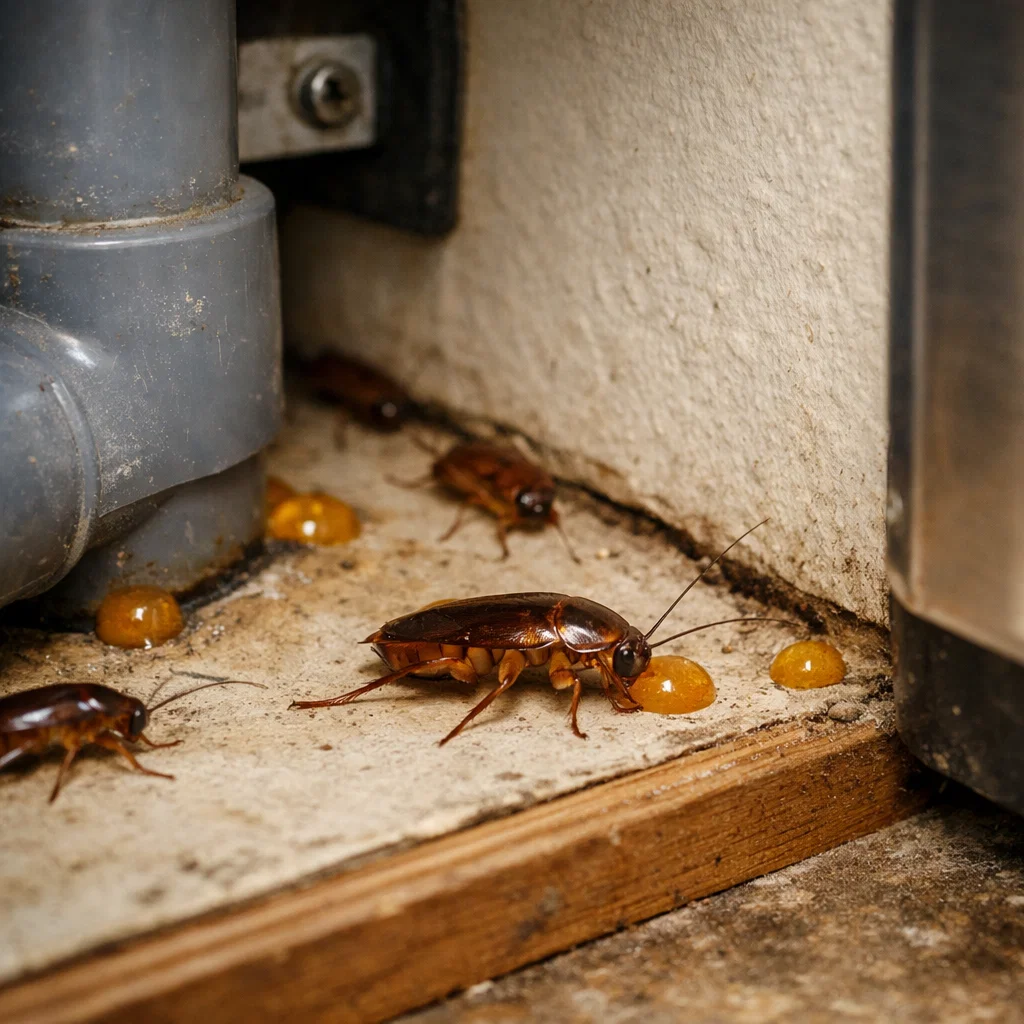
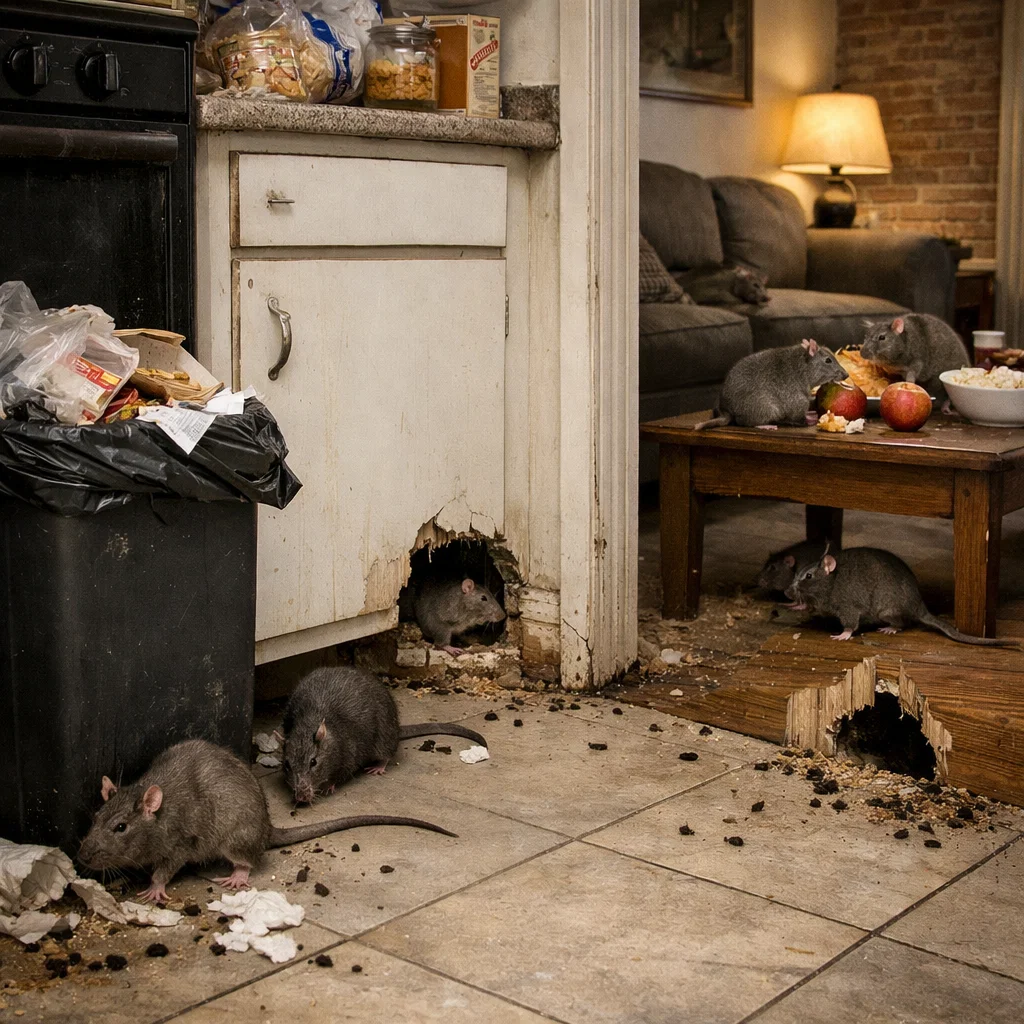
    Pest control for rats becomes necessary when rat infestations begin to affect your health, safety, and property. Rats are highly adaptable, breed quickly, and can cause substantial damage to homes and businesses. The presence of rats is not always immediately obvious, but when they are active, they leave several clear signs that cannot be ignored.

    This article will explain how to accurately identify a rat infestation, why certain behaviors indicate a more severe problem, and when it’s time to seek professional pest control for rats. You’ll also learn about immediate, practical steps to take, the limitations of DIY methods, and when expert help is the best course of action for long-term rat control.

    How to identify a rat infestation

    Rats are nocturnal creatures, so their activity often goes unnoticed during the day. However, there are several signs that indicate a rat infestation, and the sooner you notice them, the better the chances of controlling the problem before it worsens.

    Clear signs of a rat infestation include:

    • Droppings: Rat droppings are one of the most obvious signs. They are dark, cylindrical, and about 10–12mm in length. Finding droppings near food sources or entry points is a clear indication of rat activity.
    • Gnaw marks: Rats gnaw on various materials, from wires to wood, plastic, and even insulation. If you notice fresh gnaw marks, it indicates that rats are actively chewing and can cause serious damage.
    • Smear marks: Rats leave greasy smears along walls, pipes, or entry points as they travel. These marks are often left by their fur rubbing against the surface.
    • Noises: Unusual scratching or scurrying sounds coming from walls, ceilings, or floors are signs of rats moving around at night. These noises are often louder in areas where rats have nested.
    • Footprints: Rats may leave small, muddy footprints along pathways or in dusty areas. If you can see tracks in places where rats might travel, you’ve likely got an infestation.

    If you spot rats during the day, it typically means the infestation is severe. Rats are usually nocturnal, so daytime activity often signals that the population has grown large enough to risk exposure during daylight hours.

    Immediate steps to control rats in your home

    When you first notice signs of a rat infestation, taking immediate action can help mitigate the problem. Here are practical steps to follow:

    1. Rat-proofing your home

    Rats can enter through tiny gaps and cracks. Seal any potential entry points by:

    • Sealing cracks in walls, floors, and foundations
    • Installing weatherstripping on doors and windows
    • Repairing holes in ceilings, floors, and vents
    • Blocking off gaps around pipes, utility cables, and vents

    2. Sanitation and removing food sources

    Rats are opportunistic feeders and will target any available food. To keep them at bay:

    • Store food in sealed containers
    • Clean up crumbs, grease, and food spills immediately
    • Take out garbage regularly and use bins with tight-fitting lids
    • Remove pet food and water dishes overnight

    3. Trapping rats safely

    If you see rats actively moving around, it’s time to set traps. Here’s how to trap rats effectively:

    • Use snap traps or live traps—avoid glue traps, as they cause unnecessary suffering
    • Place traps along walls where rats frequently travel
    • Use bait such as peanut butter, cheese, or seeds
    • Check traps daily and dispose of caught rats properly

    It’s important to check traps regularly to avoid leaving a rat caught for too long, which can cause harm to the animal and create a foul odor.

    The limitations of DIY pest control for rats

    While basic rodent-proofing, sanitation, and trapping methods can help reduce the immediate presence of rats, they are often insufficient for larger or hidden infestations. DIY pest control for rats has several limitations:

    • Rats breed rapidly: A small infestation can grow quickly. If you only catch a few rats, others are likely hiding in inaccessible areas.
    • Intelligence: Rats are smart. They can learn to avoid traps, and they often adapt to the presence of poisons.
    • Health risks: DIY methods often fail to address the health risks posed by rats. Rats carry diseases such as leptospirosis, hantavirus, and salmonella.
    • Hidden nests: If you cannot access hidden areas like wall cavities or crawl spaces, the infestation will persist.

    Because of these challenges, professional intervention is often necessary when the infestation is large, persistent, or involves inaccessible areas.

    When is professional intervention necessary?

    If DIY methods are ineffective, or the rat problem is spreading, it’s time to call in a professional pest control service. Expert pest control technicians can:

    • Perform a thorough inspection to locate hidden nests and entry points
    • Use advanced trapping and baiting methods
    • Apply targeted rodenticides in appropriate locations
    • Help with long-term prevention, including exclusion and habitat modification
    • Address the health and safety concerns related to rats, including proper disposal and decontamination

    Professional pest control for rats is often more efficient, as it addresses the entire problem, not just the visible pests. Technicians can access hidden areas, apply specialized treatments, and ensure that rats don’t return.

    Safety considerations for families and pets

    Rats carry diseases and pose serious health risks to families and pets. When handling rat infestations, safety is a top priority.

    Professional pest control services use safe methods to minimize risk. This includes:

    • Using non-toxic or low-toxicity treatments that are safe for pets
    • Placing traps and baits in inaccessible areas to protect children and animals
    • Ensuring safe disposal of rats and contaminated materials
    • Giving families clear instructions on re-entry times and precautions

    For homes with pets or small children, always ensure that your pest control provider uses safe and approved products.

    Handling and disposing of rats and contaminated areas

    Rats must be handled with care to avoid the spread of diseases and parasites. Once caught, they should be disposed of in a hygienic manner, either by professional pest control teams or using safe methods at home.

    Contaminated areas such as rat nests or urine spots require proper cleaning. Cleaning should be done using gloves and disinfectants to ensure that harmful bacteria and viruses are removed. If you suspect contamination in certain areas of your home, professional pest control teams can help disinfect these spaces to prevent any further health risks.

    Pricing for professional pest control for rats

    The cost of professional pest control for rats varies based on several factors, including the severity of the infestation, the size of the property, and whether you need ongoing maintenance. Below are typical price ranges:

    • Initial inspection: AED 100 to AED 300 depending on property size
    • Rodent treatment for a 1-bedroom apartment: AED 150 to AED 250
    • Rodent treatment for a 2–3-bedroom apartment: AED 250 to AED 400
    • Commercial property rodent control: AED 350 to AED 600 based on area size and infestation severity

    For ongoing treatment or preventive measures, prices can be higher, depending on the level of service provided. Professional services typically offer follow-up treatments or maintenance plans for an additional cost, usually in the range of AED 150 to AED 350 per visit.

    These prices represent basic treatments. Final costs will be confirmed after a full inspection to assess the severity of the infestation and specific treatment needs. Always make sure to get a detailed quote before any treatment begins.

    When should you call for help from professionals?

    Signs that DIY efforts are not enough and professional help is needed include:

    • Persistent signs of rat activity despite traps
    • Rats are seen during the day, indicating a large infestation
    • Damage to electrical wiring or insulation
    • Health risks such as bites, diseases, or allergic reactions
    • Inability to locate or access rat nests or breeding areas

    When these issues arise, it’s crucial to get professional pest control involved as soon as possible. Left untreated, rats can cause significant damage and put your family’s health at serious risk.

    Conclusion

    Effective pest control for rats is not just about trapping the occasional rodent—it is about properly identifying the problem, understanding how rats behave, and using the correct treatments to prevent long-term damage and health issues. When DIY methods fail, professional intervention becomes the safer and smarter choice. Whether you are facing a small infestation or a large, hidden problem, early and thorough pest control will save you time, money, and frustration in the long run.
  • Pest Control in Discovery Gardens: Effective Solutions

    Pest Control in Discovery Gardens: Effective Solutions

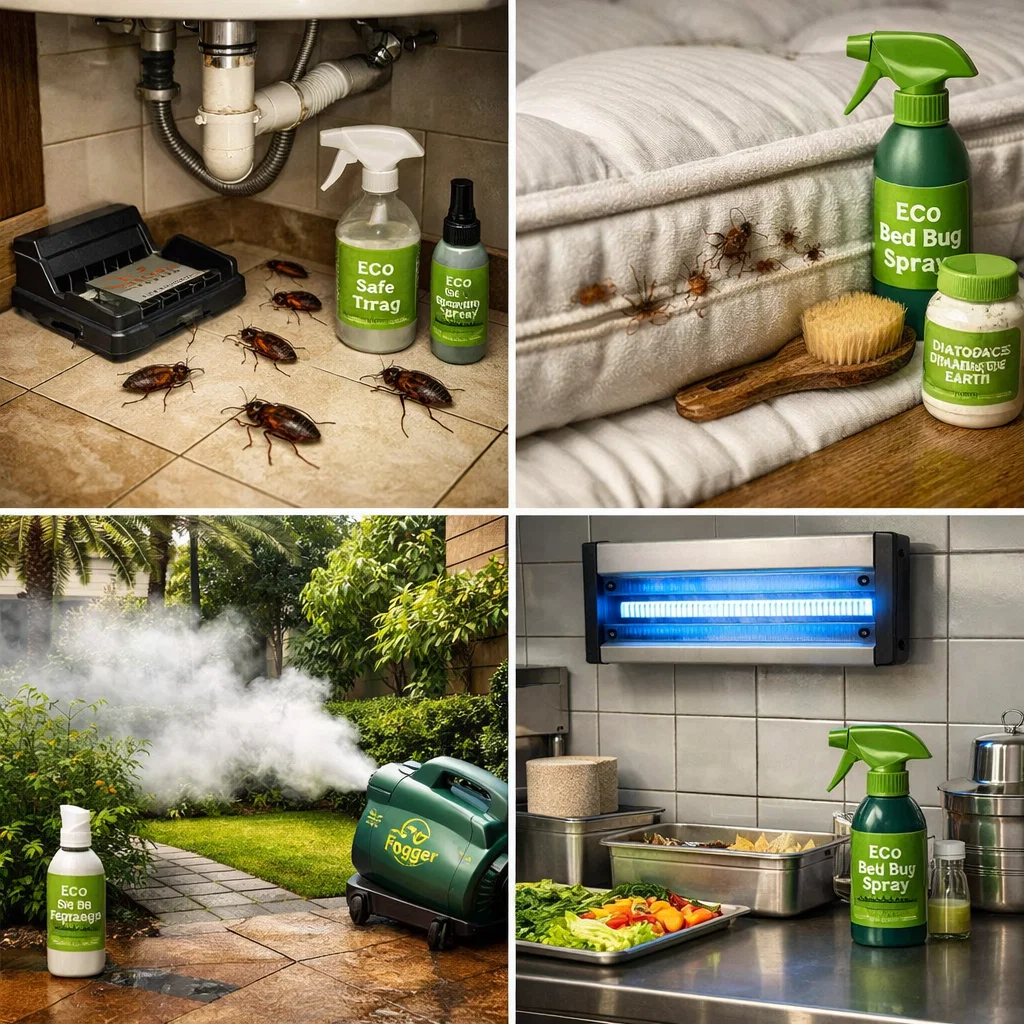
    In Discovery Gardens, pest problems are a common issue for both homeowners and tenants. Due to the area’s unique blend of high-density living, humid climate, lush landscaping, and shared infrastructure, it’s no surprise that pests like cockroaches, ants, bed bugs, and rodents frequently find their way into apartments. Pest control in Discovery Gardens is essential to protect the quality of life, health, and safety of residents. If you are dealing with an infestation, it’s crucial to understand why pests are common in this area and how to approach pest control effectively.

    This article covers common pest problems in Discovery Gardens, how the environment contributes to pest issues, and the importance of using Dubai Municipality–approved pest control services. We will also look into apartment-specific challenges, safety for families and pets, and why professional intervention is often necessary for recurring infestations. Additionally, you will get practical prevention tips that can help keep your home safe from pests.

    Why pests are common in Discovery Gardens

    Discovery Gardens is a bustling, vibrant community known for its lush greenery and high-density apartment living. However, the same features that make the neighborhood attractive also contribute to recurring pest infestations.

    Some of the reasons pests are so common include:

    • Humid climate: Dubai’s humid climate creates the perfect conditions for pests like cockroaches and mosquitoes to thrive. Moisture attracts insects looking for water sources, and the consistent temperature encourages year-round activity.
    • Lush landscaping: The greenery surrounding many buildings, combined with the well-maintained gardens, provides ample hiding places for pests such as ants, rodents, and other insects. These areas create a natural habitat for pests, which then find their way into nearby buildings.
    • High-density living: Discovery Gardens’ apartment buildings have shared walls, plumbing, and drainage systems. This setup makes it easier for pests to travel from unit to unit. If one apartment has an infestation, it’s often only a matter of time before neighboring apartments are affected.
    • Shared infrastructure: Kitchens, bathrooms, and drainage systems are often shared across multiple units in apartment complexes. These common areas serve as gateways for pests to move between apartments.

    While these environmental factors make it more likely for pests to thrive, they also emphasize the importance of professional pest control to stop infestations before they escalate.

    Common pest problems in Discovery Gardens

    As with many other residential areas in Dubai, Discovery Gardens residents regularly deal with several specific types of pests. The most common infestations in the area include:

    Cockroaches

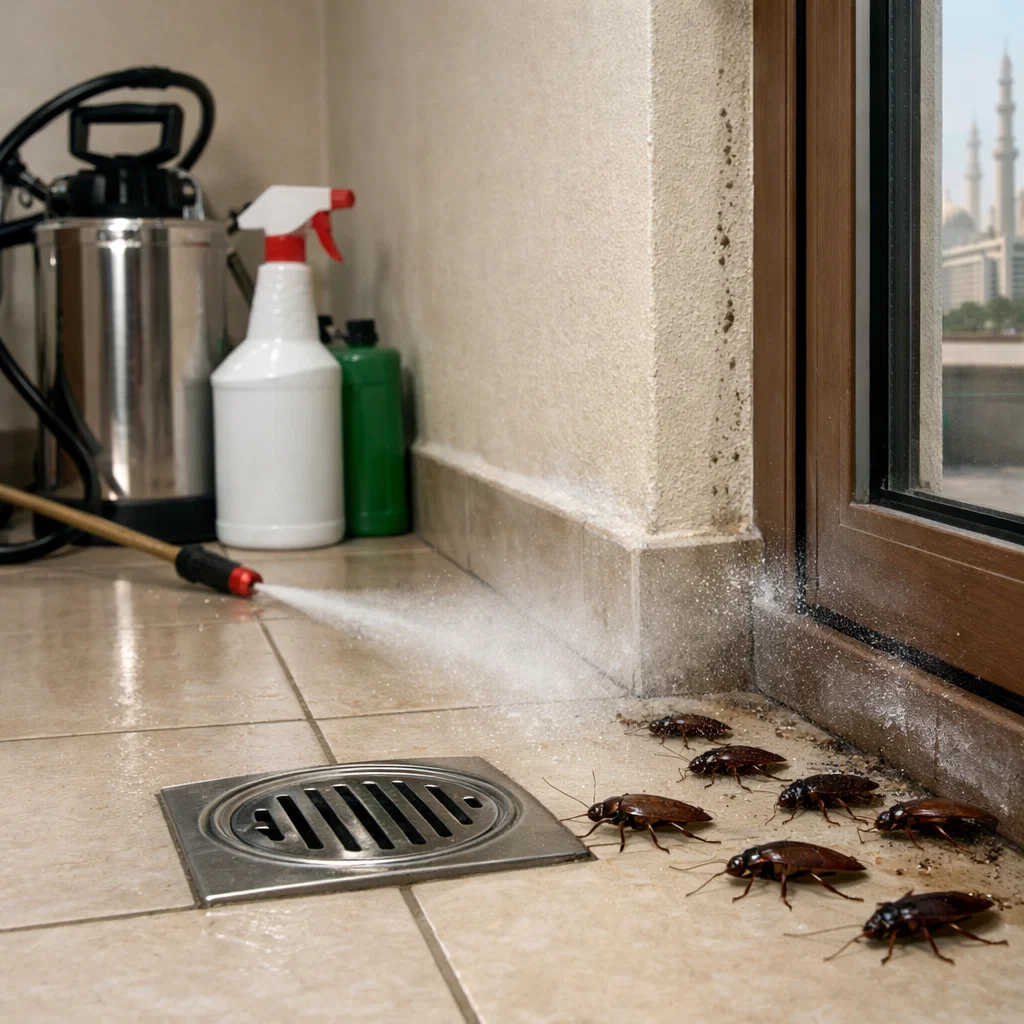
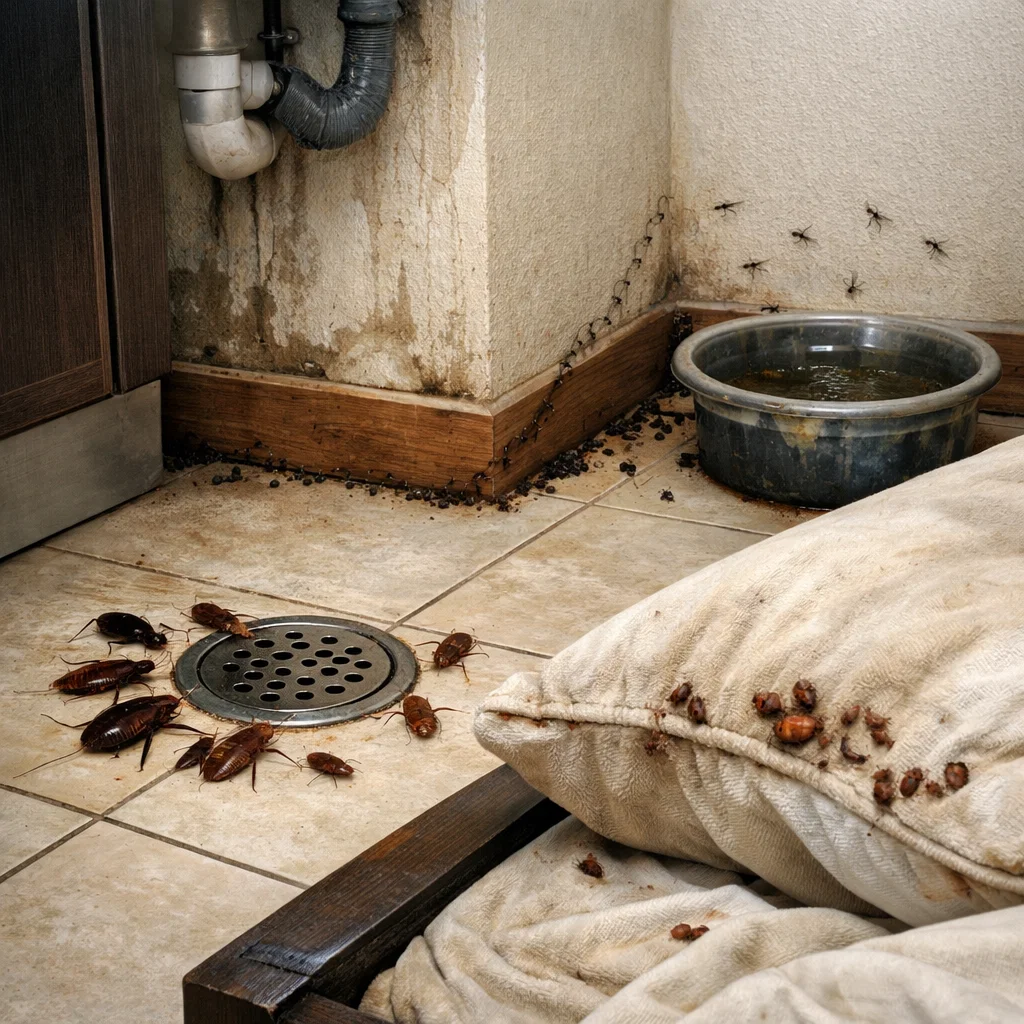
    Cockroaches are notorious for their resilience and ability to spread disease. They thrive in the humid environment of Discovery Gardens, especially in kitchens, bathrooms, and around drains. Because of the high-density apartment living, cockroaches can easily move between units through plumbing or shared walls.

    Professional pest control treatments for cockroaches in Discovery Gardens typically include targeted treatments in kitchens, bathrooms, and utility areas, with prices starting around AED 119 for a studio apartment. For larger apartments, the cost increases based on the size and severity of the infestation.

    Ants

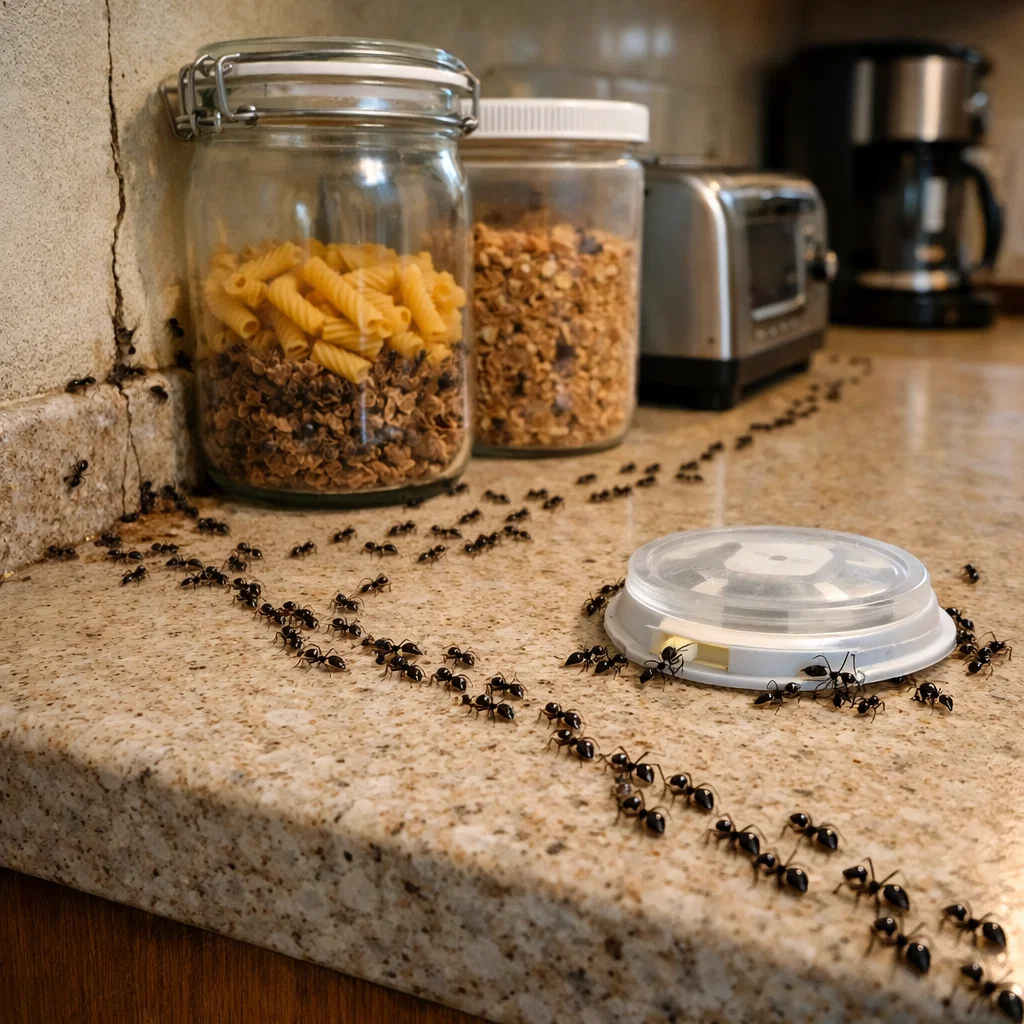
    Ants are another common issue in Discovery Gardens, especially in kitchens and near water sources. These pests tend to form trails and can spread quickly through shared walls and drainage systems. Effective ant control focuses on eliminating the colony, which often requires more than just surface cleaning.

    Basic residential ant control services start from AED 119 for a studio apartment and can increase for larger spaces, with additional charges for outdoor treatments, such as for gardens and external walls.

    Bed Bugs

    Bed bugs are increasingly reported in apartments and shared accommodations, and Discovery Gardens is no exception. These pests can spread rapidly through furniture, luggage, and bedding. Bed bugs are often difficult to eradicate with DIY methods, and professional pest control is needed to ensure full treatment.

    Bed bug treatment for a one-bedroom apartment typically costs AED 139 and can increase based on the level of infestation and apartment size.

    Rodents

    Rodents such as rats and mice are common in areas like Discovery Gardens, where food waste, water, and shelter are abundant. Rodents can cause significant damage to wiring, insulation, and even structural components of buildings. They also carry diseases and contaminate food supplies.

    For rodent control, pricing starts from AED 79 for a studio apartment. However, if bait stations need to be installed or if the infestation is more severe, the costs can increase accordingly. Larger apartments or houses may require additional monitoring and follow-up visits, adding to the cost.

    The importance of using Dubai Municipality-approved pest control treatments

    When dealing with pest control in Discovery Gardens, it’s important to choose a provider that follows Dubai Municipality-approved pest control methods. Using licensed and regulated treatments ensures that the pest control process is safe for your family, pets, and the environment, and complies with local regulations.

    Municipality-approved pest control services ensure the following:

    • Safe application of chemicals: All chemicals and treatments are controlled and must be approved by local authorities.
    • Trained and certified technicians: Professionals are trained to handle pest infestations safely and effectively.
    • Prevention measures: Approved services go beyond just killing pests and include guidance on how to prevent future infestations.
    • Environmental responsibility: Eco-friendly and non-toxic treatment options are available to reduce risks to health and the environment.

    By choosing an approved pest control service, you help ensure that your home or business remains pest-free without risking the health and safety of those living or working inside.

    Apartment-specific pest control challenges in Discovery Gardens

    Discovery Gardens features apartment living, which presents unique challenges for pest control. Many of the buildings are connected through shared infrastructure, making it easier for pests to move between apartments. This is especially problematic when dealing with pests like cockroaches, ants, rodents, and bed bugs.

    Here are some specific challenges of pest control in apartment buildings:

    • Shared walls: Pests can travel between apartments through shared walls, making it difficult to contain an infestation to one unit.
    • Common kitchens and bathrooms: Shared spaces such as kitchens, bathrooms, and plumbing systems provide easy pathways for pests like ants and cockroaches to move between apartments.
    • Drains and plumbing: Cockroaches and rodents often travel through plumbing, sewage pipes, and drains, especially in older buildings.

    To address these challenges, professional pest control services in Discovery Gardens focus on both treating the affected unit and identifying and addressing the entry points and nests within shared walls or plumbing systems.

    DIY vs. professional pest control for recurring issues

    While DIY pest control methods may seem like an affordable option, they often fail to fully resolve the problem, especially in apartment buildings where pests can move from one unit to another. Professional pest control services are designed to not only eliminate visible pests but also to target the root causes, identify hidden infestations, and prevent the problem from recurring.

    DIY solutions like over-the-counter sprays and traps might give temporary relief, but they typically address only the symptoms. Professional pest control technicians, on the other hand, conduct thorough inspections and apply targeted treatments that go beyond surface-level cleaning.

    Practical prevention tips for apartment living in Discovery Gardens

    While pest control services can effectively eliminate infestations, ongoing prevention is essential to avoid recurring problems. Here are some practical prevention tips for apartment living in Discovery Gardens:

    • Seal entry points: Check for gaps around windows, doors, and vents, and seal them to prevent pests from entering.
    • Keep food sealed: Store food in airtight containers and clean up crumbs, spills, and food waste immediately.
    • Regularly clean drains: Maintain clean and dry drains, especially in kitchens and bathrooms, to reduce the risk of cockroaches and ants.
    • Fix leaks: Repair any plumbing leaks quickly to reduce moisture sources that attract pests.
    • Inspect regularly: Conduct regular pest inspections to catch any problems early before they escalate.

    When immediate professional intervention is necessary

    There are times when DIY measures are simply not enough to handle an infestation. When the problem has grown beyond a manageable level or when it risks spreading to other units, it’s crucial to call a professional pest control service.

    Signs that immediate professional intervention is needed include:

    • Visible pests during daytime
    • Multiple rooms or units affected
    • Health concerns such as bites, allergic reactions, or respiratory problems
    • Damage to furniture, wiring, or building materials

    First Station Pest Control Services is equipped to handle both minor and major infestations quickly and safely. Our team uses approved, eco-friendly treatments and offers customized solutions to keep your apartment or business pest-free.

    Conclusion

    Dealing with pests in Discovery Gardens requires a proactive approach, especially given the unique challenges of apartment living in a humid and high-density environment. Whether it’s cockroaches, ants, bed bugs, or rodents, knowing when to seek professional pest control is key to keeping your home or business safe. By relying on licensed and approved pest control services, using preventive measures, and addressing infestations promptly, you can ensure a pest-free environment for everyone.

  • Pest Treatment Cost Explained for Homes and Businesses

    Pest Treatment Cost Explained for Homes and Businesses

    When searching for pest treatment cost, most people are looking for an estimate of how much they will need to spend to rid their property of pests. Whether it’s for ants, rodents, bed bugs, termites, or any other pest, understanding pricing can help you make informed decisions about your pest control needs. This article will walk you through the typical costs of pest treatments, the factors that influence those costs, and why professional services often provide better value than DIY solutions. Additionally, we’ll highlight the hidden costs of DIY pest control, the red flags in low-ball quotes, and how warranties and guarantees can provide value to the consumer.

    Understanding Pest Treatment Costs

    Pricing for pest control services varies depending on several factors, including the type of pest, the size of the property, and the extent of the infestation. Below is a general overview of typical pest treatment costs in residential and commercial settings:

    Ballpark Pricing for Common Pests

    While the exact cost of pest treatment depends on a variety of factors, here are some typical price ranges for common pest treatments:

    Pest Type Estimated Cost (AED)
    Ants AED 119 – AED 179 (depending on unit size)
    Rodents (Rats and Mice) AED 79 – AED 219 (based on apartment size and number of bait stations)
    Bed Bugs AED 119 – AED 287 (based on the number of rooms treated)
    Termites AED 300 – AED 1300 (depending on apartment size and treatment method)
    General Insect Control (Cockroaches, Flies, Mosquitoes) AED 119 – AED 238 (based on apartment size)
    Outdoor Treatment (Garden and Yard Areas) AED 150 – AED 290 (based on area size)

    These prices represent basic pest control treatments and may increase depending on the infestation level and size of the property. More complex issues, such as termite infestations or severe bed bug problems, may require a more extensive treatment, increasing the cost accordingly.

    The Four Major Price Drivers in Pest Treatment Cost

    Several factors contribute to the final price of pest control services. Understanding these price drivers will help you better manage expectations and make decisions accordingly:

    1. Property Size

    One of the biggest factors that affect pest treatment cost is the size of the property. Larger properties require more extensive treatment, more time, and more products. For instance, treating a 1-bedroom apartment will typically cost less than treating a 5-bedroom villa. If the pest infestation is spread across multiple areas of a property, this can also increase the cost.

    2. Type of Pest

    The type of pest you are dealing with directly influences the cost of treatment. Some pests are easier to control and treat, while others require more specialized methods or chemicals. For example, rodents and ants are generally easier to deal with than termites or bed bugs, which often need multiple treatments, more intensive application of chemicals, and follow-up services.

    3. Severity of Infestation

    The extent of the infestation plays a critical role in determining the cost. A small number of pests found in a specific area will cost less to treat than a widespread infestation that has affected multiple rooms or areas. For instance, if bed bugs are confined to one room, treatment will be cheaper. However, if they’ve spread across several rooms or an entire building, the price will increase accordingly.

    4. Frequency of Treatment

    In some cases, pest control may be a one-time service, but for recurring pest problems, treatments may need to be scheduled regularly. Ongoing maintenance plans for pest control are often offered at a discount and can help prevent future infestations. For example, monthly visits for rodent control or quarterly termite inspections are common in commercial spaces.

    The Hidden Costs of DIY Pest Control

    DIY pest control may initially seem like a more affordable option, but it often ends up costing more in the long run. Here are some of the hidden costs associated with DIY pest control:

    • Store-bought Sprays: While they may offer immediate relief, store-bought sprays often fail to address the root cause of the infestation. Chemicals may kill visible pests, but they don’t target hidden nests or long-term sources of the problem.
    • Damage to Property: DIY methods can lead to property damage, such as accidentally applying the wrong chemicals to sensitive areas, or poorly handling pest-control tools that can cause damage.
    • Time Spent: DIY pest control requires a lot of time spent researching the right products, applying them, and managing treatments. Additionally, the time spent cleaning and reapplying treatments can lead to wasted hours.
    • Potential Health Risks: Improper use of chemicals can expose you and your family to harmful substances, especially if DIY methods are not done with the proper knowledge or precautions.

    In many cases, what seems like a cost-saving approach actually results in more money being spent due to ineffective results, resulting in ongoing treatment or damage repairs.

    How to Spot a Bad Quote

    When looking for pest control, one thing to watch out for is “low-ball” pricing. Some companies offer unrealistically low quotes, promising a quick solution at an incredibly low price. Here’s why this should raise a red flag:

    • Unrealistic low prices: A reputable company will offer a clear and transparent breakdown of pricing. A price that seems too low might indicate that the service is either using ineffective methods or cutting corners.
    • Missed exclusions: Low prices might not cover everything, such as follow-up visits or extra treatments if the pests return. Always ask for a detailed list of what is and isn’t included.
    • Short-term solutions: Some low-cost providers may only offer a quick fix rather than a comprehensive treatment. This may result in pests returning shortly after treatment.

    Always ask for a detailed quote that includes inspections, treatments, chemicals used, and follow-up procedures. Transparent and realistic pricing is a sign of a reliable company.

    What to Expect from Professional Pest Control Guarantees and Warranties

    Reputable pest control companies offer guarantees and warranties to give customers peace of mind. These typically include:

    • Service guarantees: Most companies will offer a guarantee on their work, meaning if the pests return within a certain period, they will return to re-treat the problem at no extra charge.
    • Follow-up visits: Some providers offer follow-up visits to ensure that the pests are fully under control. This is especially common for ongoing treatments like rodent control or termites.
    • Maintenance plans: Regular inspections or treatments scheduled on a monthly or quarterly basis are often available for businesses or high-risk areas.

    Professional services that offer a guarantee usually stand by their methods and are committed to ensuring the problem is resolved. It’s important to ask for the terms of the guarantee and what steps will be taken if pests return after treatment.

    Pre-Treatment Checklist to Help Reduce Costs

    To help reduce the overall cost of pest treatment, there are a few steps you can take before the pest control provider arrives. These actions help ensure that the pest control treatment is as effective as possible, reducing the amount of time and product required:

    • Declutter: Remove unnecessary items, particularly around areas that may be affected by pests, such as the kitchen, pantry, and bathroom. This makes it easier for the technician to inspect and treat the affected areas.
    • Identify the pest: If possible, try to identify the type of pest you are dealing with before calling the provider. This can help them bring the appropriate treatment, saving time and money.
    • Fix obvious entry points: Seal gaps in windows, doors, and pipes where pests may be entering. This will help prevent future infestations and reduce the need for additional treatments.
    • Communicate any past treatments: Let the pest control service know if you’ve tried any DIY methods or other treatments so they can adjust their plan accordingly.

    Comparing DIY vs Professional Pest Control Costs

    While DIY pest control may seem cheaper initially, it often ends up costing more in the long run. Here’s a comparison between the costs associated with DIY methods and professional pest control:

    Method Typical Costs (AED) Effectiveness
    DIY (sprays, traps, and home remedies) AED 50 – AED 200 (based on products) Varies widely; usually ineffective for long-term control
    Professional pest control services AED 119 – AED 1300 (based on property size and infestation) High effectiveness, longer-term results, guaranteed

    While DIY may seem like a cheaper solution, it’s often ineffective for large or recurring infestations. Professional services offer guaranteed results, greater effectiveness, and long-term prevention.

    Conclusion

    Pest treatment cost is a significant factor when choosing pest control services, but it’s essential to focus on value, not just the lowest price. Professional pest control provides better long-term results and peace of mind, with warranties, guarantees, and effective treatments. While DIY methods may work temporarily, they often end up costing more in time, effort, and repeat treatments. Always ask for detailed quotes, understand what’s included in the service, and choose licensed providers who can deliver reliable results.

  • Pest Control Chemicals: Safe and Effective Solutions

    Pest Control Chemicals: Safe and Effective Solutions

    Understanding pest control chemicals can seem like navigating a maze of scientific terms, complex labels, and varying applications. With so many options available on the market, it’s crucial to demystify these chemicals and understand their uses, safety precautions, and how they fit into a well-rounded pest control plan. This article breaks down the common pest control chemicals, explaining their function in simple, “Plain English” terms, so you can make informed choices whether you’re a homeowner or a professional pest control technician.

    We will cover everything from the active ingredients in common chemicals, how they work, and their safety guidelines, to understanding the more complex concepts like insect growth regulators (IGRs) and stealth chemicals. You’ll also find a glossary of terms, a comparison of chemical classes, and tools to help you safely manage pest control chemicals.

    What Are Pest Control Chemicals?

    Pest control chemicals, also known as pesticides, are substances used to kill or repel pests such as insects, rodents, fungi, and weeds. These chemicals come in various formulations, such as sprays, baits, powders, and granules, and are designed for different types of pests and situations. The goal of pest control chemicals is not only to kill pests but also to stop future infestations from occurring.

    However, understanding these chemicals requires more than just knowing their names. It’s important to know their active ingredients, how they affect pests, and the impact they have on the environment and human health.

    A Glossary of Common Pest Control Chemicals

    Below is a plain English glossary of common pest control chemicals, their active ingredients, and their typical uses:

    -thrin Chemicals: Barrier and Knockdown Agents

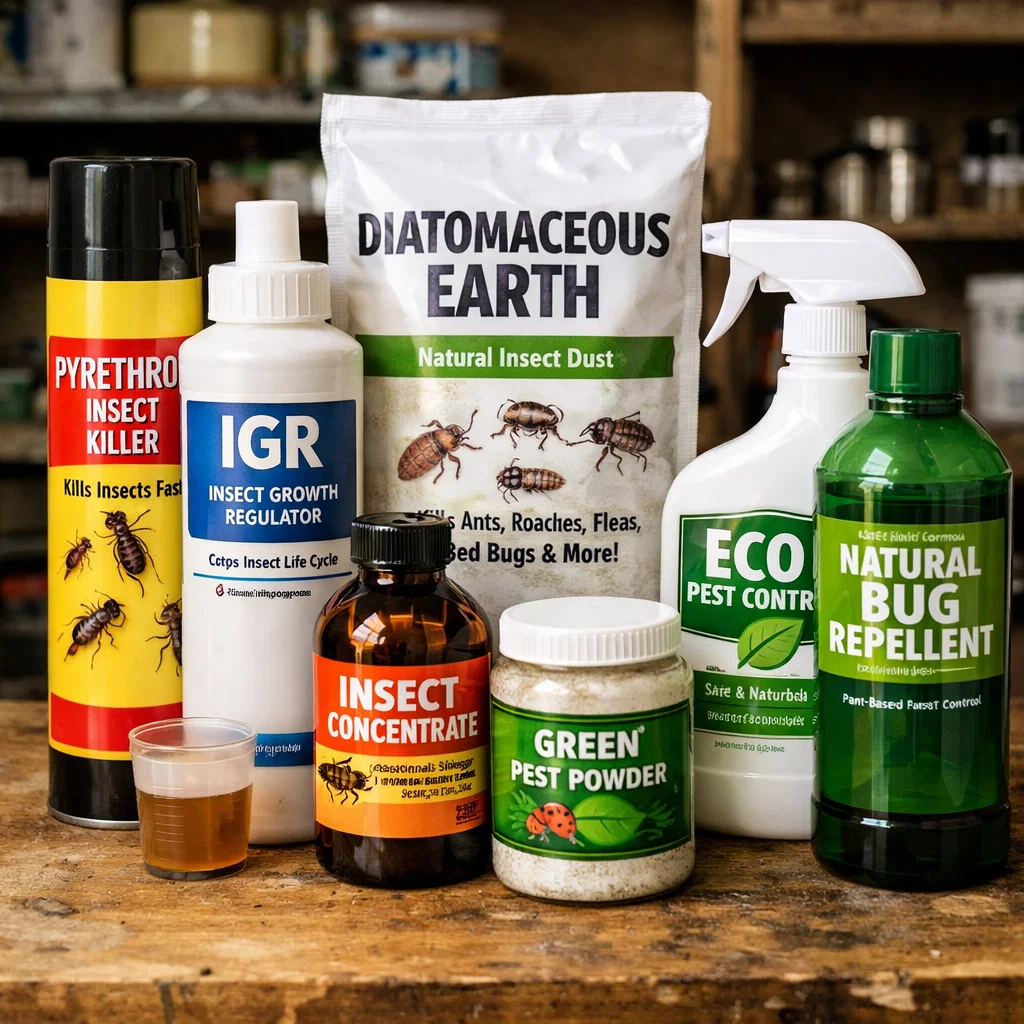
    The suffix “-thrin” is commonly found in chemicals used to control pests by affecting their nervous system. These chemicals are often used for barrier treatments (which create an invisible protective shield around your property) and knockdown agents (which immediately kill pests on contact). They are part of the Pyrethroid family, which is chemically similar to pyrethrins, naturally occurring insecticides found in chrysanthemum flowers.

    Examples of -thrin chemicals include:

    • Permethrin: Used to treat a wide variety of insects, including mosquitoes, cockroaches, and ants.
    • Cyfluthrin: Often used in both residential and commercial pest control for bed bugs, termites, and fleas.

    Inert Ingredients: Carriers and Surfactants

    Inert ingredients are not necessarily inactive but are called “inert” because they don’t directly affect the pests. Instead, they help the active ingredients in pesticides work more effectively. These ingredients can act as carriers, solvents, or surfactants.

    • Carriers: These are substances that carry the active ingredient and allow it to be spread more evenly. For example, talc or clay.
    • Surfactants: Surfactants help the pesticide spread over surfaces more evenly by breaking down the surface tension of water. This allows the pesticide to cover more area and be absorbed by pests more effectively.

    Neurotoxins vs. Physical Killers: Understanding Modes of Action

    Understanding how pest control chemicals affect pests is essential for choosing the right product for the job. There are two primary modes of action for pest control chemicals:

    Neurotoxins

    Neurotoxins are chemicals that target the pest’s nervous system, causing paralysis or death. These chemicals interfere with nerve signals and disrupt the normal functioning of the pest’s body.

    Examples of neurotoxic chemicals include:

    • Pyrethroids: A class of neurotoxic chemicals, including chemicals like permethrin and cypermethrin, that work by affecting the nervous system of insects.
    • Organophosphates: Chemicals like chlorpyrifos, which affect nerve function by inhibiting acetylcholinesterase, an enzyme important for nerve transmission.

    Physical Killers: Diatomaceous Earth (DE)

    Unlike neurotoxins, physical killers such as Diatomaceous Earth (DE) work mechanically rather than chemically. DE is a fine powder made from the fossilized remains of tiny aquatic organisms called diatoms. When pests like insects or rodents come into contact with DE, the sharp particles scratch and damage their exoskeletons or skin, leading to dehydration and death.

    DE is non-toxic to humans and pets but can be abrasive to lungs if inhaled in large amounts. It is often used as a natural alternative in pest control.

    Insect Growth Regulators (IGRs): Preventing Breeding

    Insect Growth Regulators (IGRs) are a class of chemicals that do not kill adult insects but instead disrupt their development, preventing them from growing into mature adults or reproducing. IGRs target the hormones that insects need to molt and reproduce, effectively halting the life cycle without the immediate knockdown seen with neurotoxins.

    Examples of IGRs include:

    • Methoprene: Often used to control flea and cockroach populations by preventing larvae from maturing into adults.
    • Pyriproxyfen: Commonly used for controlling pests like mosquitoes and fleas by disrupting their life cycle.

    Stealth Chemicals: Non-Repellent Insecticides

    Stealth chemicals are a type of pesticide that does not repel pests. Instead, these chemicals are non-repellent, meaning the pest cannot detect them. This makes them ideal for transferring the chemical to other pests in a colony or nest. Non-repellent chemicals are often used for long-lasting control, as the chemicals spread silently through the population.

    One of the most commonly used stealth chemicals is Fipronil. Fipronil works by attacking the nervous system of insects, and because it’s undetectable to them, it’s carried back to the colony, which results in the gradual collapse of the entire group.

    Safety and Environmental Considerations

    While pest control chemicals are essential for effective pest management, it is important to handle them with care. Safety for humans, pets, and the environment should always be a priority. Here are key safety considerations to keep in mind:

    • Follow the label: Always read and follow the instructions on the pesticide label. Misusing chemicals can lead to ineffective control or hazardous exposure.
    • Minimize exposure: Ensure that pets, children, and sensitive individuals are kept away from treated areas. Some chemicals require that you vacate the premises for a few hours after application.
    • Environmental impact: Be aware of the potential impact of chemicals on pollinators like bees, birds, and other wildlife. Many modern pest control products are designed to minimize environmental damage, but it’s important to consider their use in outdoor spaces.
    • Proper disposal: Dispose of pest control chemicals according to local regulations to prevent contamination of water sources or soil.

    It is also important to ask pest control providers about the chemicals they use and whether eco-friendly, non-toxic, or organic alternatives are available. Many pest control companies now offer green options that target pests without posing a risk to people or the planet.

    Comparing Pest Control Chemical Classes

    Here’s a simple comparison of common chemical classes used in pest control, helping you understand their best applications and limitations:

    Class of Chemical Common Ingredients Use Case Effect on Pests Environmental Impact
    Pyrethroids Permethrin, Cypermethrin Wide use for insects like cockroaches, ants, fleas Neurotoxin, knockdown and barrier effect Low to moderate impact, not toxic to mammals in small doses
    Organophosphates Chlorpyrifos, Malathion Effective for cockroaches, flies, termites Neurotoxin, strong effect on nerve transmission Potentially harmful to wildlife and humans, high environmental risk
    Insect Growth Regulators (IGRs) Methoprene, Pyriproxyfen Used for fleas, mosquitoes, cockroaches Stops development of larvae, prevents reproduction Minimal environmental impact, very targeted
    Non-Repellent Insecticides Fipronil, Imidacloprid Used for termites, ants, cockroaches Transferred to other pests in the colony Low impact on mammals, can affect pollinators
    Diatomaceous Earth (DE) Amorphous silica Effective for insects like bed bugs, cockroaches Physically damages pest exoskeleton, causing dehydration Non-toxic to humans and pets, but harmful if inhaled

    Tools to Help Choose the Right Pest Control Chemicals

    Choosing the right pesticide can feel overwhelming, especially with all the options available. Fortunately, there are tools to help guide your decision:

    • Chemical finder quiz: Some pest control services offer online tools that let you answer a few questions about the pest and the environment, helping them recommend the most appropriate chemicals.
    • Safety checklists: Downloadable checklists can help you stay compliant with safety guidelines and ensure proper handling and disposal.

    Conclusion

    Understanding pest control chemicals is key to making safe, effective decisions. By choosing the right chemical classes, following safety protocols, and using eco-friendly alternatives when possible, you can manage pest issues responsibly. Whether you’re tackling a minor problem or addressing a full infestation, knowing the right tools and chemicals will make all the difference in achieving long-term control without compromising health or the environment.

  • Complete Guide to Pest Control Spray

    Complete Guide to Pest Control Spray

    Pest control spray is one of the most common tools people use to manage pest problems. Whether you’re dealing with cockroaches, ants, termites, or mosquitoes, pest control sprays offer a quick and convenient solution to combat visible infestations. However, improper use or misunderstanding of how these sprays work can lead to ineffective results or even safety concerns. This article explains everything you need to know about pest control sprays, including safety precautions, proper application techniques, the differences between types of sprays, and how to ensure effective and safe use for your home or business.

    Understanding Safety and Toxicity Concerns

    One of the primary concerns when using pest control sprays is safety, particularly regarding toxicity levels and the potential impact on children, pets, and the environment. Many over-the-counter sprays contain chemicals that can be harmful if misused. Whether you’re dealing with commercial sprays or DIY solutions, safety should always be a top priority.

    Pet and Child Safety

    Pets and children are particularly vulnerable to chemical exposure. When applying pest control sprays, it’s essential to follow safety guidelines to avoid accidental poisoning or exposure. Here are some key safety measures:

    • Ensure children and pets are out of the treated area while spraying and for at least 30 minutes to an hour afterward.
    • Keep all pest control sprays out of reach of children and pets to prevent accidental ingestion.
    • Use sprays specifically labeled as “pet-safe” or “child-safe” if you’re concerned about toxicity.
    • Consider using eco-friendly, non-toxic sprays that rely on natural ingredients like essential oils instead of harsh chemicals.

    Personal Protective Equipment (PPE)

    Personal protective equipment (PPE) is crucial when applying any chemical pest control product. Even if the spray is safe for pets and children, it can still pose health risks to adults applying it directly. Using the proper PPE ensures that you are not exposed to harmful chemicals during the application process.

    Here are some basic PPE items to use when applying pest control sprays:

    • Gloves: Always wear gloves to avoid skin contact with the spray, especially when applying chemicals that may irritate the skin.
    • Face mask or respirator: A mask protects your respiratory system from inhaling potentially harmful fumes or particles in the spray. Make sure it is rated for chemical use.
    • Eye protection: Goggles or safety glasses protect your eyes from splashes or accidental sprays.
    • Long-sleeved clothing: Wearing long sleeves and pants minimizes skin exposure to chemicals.

    When spraying in confined areas or places with limited ventilation, always ensure the area is well-ventilated after spraying. Open windows and doors to allow for proper airflow.

    Proper Application Techniques for Pest Control Sprays

    Correct application of pest control spray is essential for both safety and effectiveness. The right technique ensures that the spray reaches the intended target areas and minimizes waste, while also reducing the risk of harmful exposure to humans, pets, and the environment.

    The 3×3 Rule for Exterior Spraying

    One of the most common application mistakes is using too much spray or applying it in the wrong areas. To get the best results when applying pest control spray to the exterior of your home or business, follow the 3×3 rule.

    The 3×3 rule means:

    • Spraying 3 feet high from the ground.
    • Spraying in a 3-foot wide band around the perimeter of your property, including doors, windows, and baseboards.
    • Focusing on areas where pests are likely to enter or nest, like door frames, window sills, cracks, and crevices.

    Ensure that the spray is applied evenly and avoid heavy spraying in areas where pests do not typically appear.

    Targeting Entry Points

    Pests often enter the home or business through gaps around windows, doors, vents, and utility lines. Applying pest control spray directly to these entry points is one of the most effective ways to stop pests before they enter. Focus on these areas:

    • Windows and door frames: Spray the perimeter of windows and doors, especially around seals where gaps are often found.
    • Cracks and crevices: Apply spray around baseboards, electrical outlets, and the foundation of the building.
    • Vents and exhaust fans: Ensure that vents or exhausts are sealed or treated to prevent insects or rodents from entering.
    • Utility lines: Check the entry points of pipes or wires coming into the building, as they are common entry points for pests.

    Contact Sprays vs. Residual Sprays

    One of the most important distinctions when using pest control sprays is the difference between contact sprays and residual sprays. Both types of sprays serve different purposes, and it’s essential to understand how they work.

    Contact Sprays

    Contact sprays are designed to kill pests on contact. These sprays work immediately when they land on a pest’s body, paralyzing or killing them almost instantly. However, contact sprays do not provide long-lasting protection once the chemical dries. They are most effective for treating visible pests and immediate infestations.

    Residual Sprays

    Residual sprays, on the other hand, create a lasting barrier on surfaces for several weeks or even months. After spraying, the chemical remains active on treated surfaces and kills pests that come into contact with it. Residual sprays are best used for ongoing pest control and preventing new pests from entering your space.

    Choosing between a contact spray and a residual spray depends on your needs. If you are dealing with an active infestation, a contact spray may be more effective for immediate relief. If you are aiming for long-term prevention, a residual spray is your best bet.

    Reapplication and Environmental Considerations

    Environmental factors like sunlight, rain, and humidity can affect the longevity of pest control sprays, especially residual sprays. After rain or high humidity, reapplication of the spray may be necessary to maintain its effectiveness. Similarly, prolonged exposure to direct sunlight can cause some sprays to lose their potency.

    As a general rule:

    • Reapply residual sprays every 2-4 weeks for continued protection, especially in high-traffic areas.
    • After heavy rain, reapply residual sprays to maintain barrier effectiveness.
    • For outdoor applications, ensure the area is dry before reapplying, as wet surfaces may dilute the spray.

    DIY Pest Control Sprays vs. Professional-Grade Sprays

    DIY pest control sprays are readily available at most home improvement stores. While they may be effective in treating small issues, they typically fall short when compared to professional-grade products used by licensed pest control companies.

    Feature DIY Pest Control Sprays Professional-Grade Sprays
    Effectiveness Can kill pests on contact but often ineffective long-term. Provides longer-lasting effects, especially with residual sprays.
    Application Requires careful handling and reapplication. Applied by professionals with the right techniques and equipment.
    Toxicity May contain harsh chemicals that can be harmful to humans, pets, or the environment. Professional-grade sprays are often more regulated and can include eco-friendly options.
    Cost Typically lower upfront costs but may require multiple applications and re-purchase. Higher upfront cost, but long-term prevention often reduces the need for repeated treatments.
    Safety Requires personal protective equipment (PPE) and can still pose risks if not applied properly. Professionals use appropriate PPE and ensure safe application.

    Common Mistakes with Pest Control Sprays

    Even with the best pest control sprays, mistakes during application can reduce their effectiveness and may even make the problem worse.

    Some common mistakes include:

    • Incorrect application: Applying too much spray or using it in the wrong areas can waste product and cause pests to spread.
    • Inconsistent application: Skipping areas or not applying enough spray will leave gaps where pests can still enter.
    • Not following reapplication schedules: Relying on a single application can leave areas unprotected when the spray wears off or is washed away.
    • Using expired products: Always check the expiration date and effectiveness of any pest control products.

    What to Do if Resistance Develops

    Sometimes, pests may develop resistance to certain sprays, especially if the same product is used repeatedly. Resistance can cause the pest population to survive and thrive despite regular treatments.

    To prevent resistance:

    • Rotate between different pest control products to avoid overuse of a single active ingredient.
    • Use a combination of treatment methods, including non-chemical solutions such as traps or bait stations.
    • Consult a pest control professional for advice on the most effective treatment strategies.

    Conclusion

    Using pest control spray effectively involves more than just spraying the affected areas. Proper application, understanding the different types of sprays, reapplication, and avoiding common mistakes are key to effective pest control. When in doubt, it’s always best to consult a pest control professional to ensure safety and achieve lasting results. Remember, controlling pest problems before they escalate saves time, money, and discomfort in the long run.

  • Pest Control Ants for Effective Infestation Management

    Pest Control Ants for Effective Infestation Management

    When dealing with an ant infestation, it’s essential to understand which type of ants you’re facing. While ants might seem harmless at first, certain species can cause significant damage or pose health risks. This guide explores how to identify the most common types of ants, why controlling ants goes beyond just killing them, and how to manage infestations effectively through baits, sealing, and smart prevention techniques.

    Identifying Different Types of Ants

    Understanding which species of ant you’re dealing with is critical for choosing the correct pest control method. There are three main types of ants commonly found in households: Carpenter ants, Odorous House ants, and Pharaoh ants. Each type has distinct characteristics that help in identification and treatment.

    1. Carpenter Ants

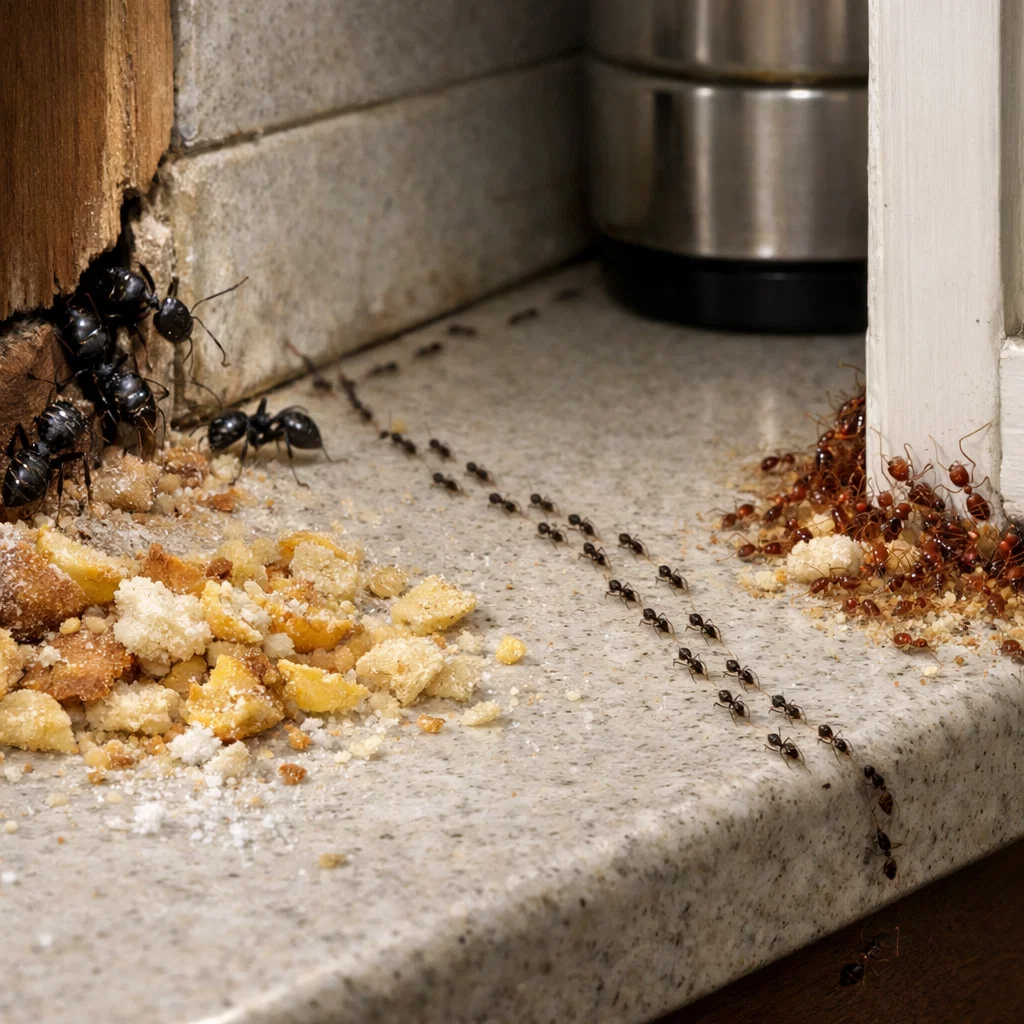
    Carpenter ants are large, usually black or reddish in color, and often mistaken for termites because they cause similar damage. Unlike termites, they don’t eat wood; they hollow it out to create their nests. You may find these ants near wooden structures, especially in damp or decaying wood.

    Visual cues: Large, dark-colored ants, about 1/2 to 5/8 inches long, often seen near wooden structures.

    Where they hide: They prefer areas with damp wood, often nesting in beams, window sills, or areas with water damage.

    2. Odorous House Ants

    Odorous House ants are small, brown to black in color, and have a distinctive odor when crushed. These ants are typically attracted to sugary food sources, making them a frequent visitor in kitchens and pantries.

    Visual cues: Small, about 1/8 inch long, and dark brown or black. They often leave a trail of ants and are known for the “rotten coconut” smell when crushed.

    Where they hide: They tend to nest in walls, under floors, or in decaying wood, and they often invade homes in search of food.

    3. Pharaoh Ants

    Pharaoh ants are one of the most difficult species to control because they live in large colonies and can have multiple queens. They are tiny and light yellow to red with darker markings on their abdomen. Pharaoh ants can spread disease because they are known to infest hospitals and other high-risk areas.

    Visual cues: Tiny, about 1/16 inch long, yellow to light brown with darker abdomens.

    Where they hide: They are often found in cracks, crevices, and behind appliances, particularly in warm, humid environments like kitchens and bathrooms.

    Why Killing Individual Ants Doesn’t Solve the Problem

    One of the biggest misconceptions about ant infestations is that killing the ants you see solves the issue. In reality, this approach merely addresses the visible problem, leaving the root cause untouched. Ants operate on a sophisticated system of pheromone trails that they use to communicate with the rest of the colony.

    When you kill individual ants, you’re not tackling the source—you’re only eliminating a small fraction of the infestation. Ants will continue to follow their pheromone trails, and more ants will take their place. This is why controlling the source of the problem is crucial.

    Debunking Ant Control Myths

    1. “Ants are only found in dirty houses”

    Many people believe that ants only infest dirty homes or places with poor hygiene. While cleanliness can certainly attract ants by offering food and water sources, ants can invade even the cleanest homes. The truth is, ants are opportunistic creatures and will enter homes in search of food, water, or shelter, regardless of cleanliness.

    2. “Killing the ants is all I need to do”

    As mentioned earlier, simply killing visible ants won’t get to the heart of the infestation. Effective pest control requires understanding the colony, its entry points, and its nesting areas. The correct method is to eliminate the colony, which means targeting their nests and breeding grounds.

    The Trojan Horse Method: Using Bait Instead of Sprays

    One of the most effective ways to handle an ant infestation is using the Trojan Horse Method. This technique involves using ant bait rather than spraying insecticide directly on the ants. Bait works by attracting ants to a food source that contains poison, which they then take back to the colony, ultimately killing the queen and the rest of the colony.

    How to Effectively Use Ant Bait

    When using ant bait, patience is key. Ants will take the bait back to the colony, and it might take several days to see noticeable results. Here are some important tips to get the most out of bait:

    • Place the bait in areas where ants are frequently seen, such as along walls, behind appliances, or near food sources.
    • Do not disturb the ants or clean the area around the bait. Cleaning can disrupt their trail and prevent the ants from returning to the bait.
    • Use multiple bait stations if the infestation is widespread.

    It’s important to understand that it might look like the situation is getting worse before it improves. As ants carry the bait back to the colony, more ants may appear, but the population will ultimately be reduced.

    Setting Realistic Expectations for Ant Control

    Ant control doesn’t provide instant results. Unlike sprays that kill ants on contact, bait works over time to eliminate the colony. This means that while you may see more ants initially, the situation will improve as the colony begins to die off.

    Be patient, and continue to monitor the bait stations. It may take several days for the full effect of the bait to be realized. If the problem persists, it may be time to call in a professional pest control service to inspect your home for nests or breeding grounds that are hard to reach on your own.

    Advanced Prevention Strategies

    Once you’ve dealt with the immediate problem, prevention becomes the key to avoiding future infestations. There are several advanced strategies to ensure that ants don’t return:

    1. Seal Entry Points

    Ants can find the tiniest entry points to gain access to your home. Check windows, doors, cracks, and gaps around pipes. Sealing these points with caulk or weatherstripping can prevent ants from entering in the first place.

    2. Trim Branches and Vegetation

    Ants use tree branches and shrubs to gain access to your home, so trimming branches that touch the house or roofline can significantly reduce the chances of ants getting inside.

    3. Use Dish Soap to Erase Pheromone Trails

    Ants use pheromone trails to communicate and find their way back to food sources. You can disrupt this process by using simple dish soap and water. Spray it on the trails or areas where ants are traveling, and wipe it away to erase their scent markers.

    4. Clean Frequently

    Ants are attracted to food, especially sugary items and grease. Regularly cleaning countertops, floors, and behind appliances will remove food traces and reduce the chances of attracting ants back into your home.

    5. Keep Your Home Dry

    Moisture attracts ants, especially carpenter ants. Fix any leaks, wipe down moisture-prone areas, and use dehumidifiers to keep your home dry.

    When to Call a Professional for Ant Pest Control

    If the infestation persists or if you can’t locate the source, it’s time to contact a pest control expert. A professional will be able to assess the situation, identify the species, locate the nest, and apply more targeted treatments such as colony elimination or barrier treatments.

    Here’s when professional help is the better choice:

    • You see ants repeatedly even after applying bait or spraying
    • The problem involves multiple rooms or multiple species of ants
    • Health concerns, such as allergic reactions to bites, arise
    • Structural damage is suspected (e.g., carpenter ants)

    Professionals will have access to stronger treatments, the ability to identify nests in hard-to-reach places, and the knowledge to prevent future infestations effectively.

    Conclusion

    Controlling ants isn’t about killing the ones you see—it’s about managing the infestation at the colony level. By using baits, sealing entry points, and taking preventive actions, you can effectively handle ant problems at home. For severe infestations or situations where DIY methods don’t work, professional pest control services are the safest and most effective solution. Be patient with the process and realistic about your expectations, as eliminating an ant colony takes time and careful planning.

  • Ant Pest Removal for Homes and Businesses

    Ant Pest Removal for Homes and Businesses

    When it comes to ant pest removal, identifying the type of ants causing the infestation is the first crucial step in determining how to address the problem effectively. Whether you’re dealing with carpenter ants, sugar ants, fire ants, or other species, each type of ant has unique behaviors, habits, and treatment needs. In this article, we’ll guide you through the process of identifying the ants in your home, offer DIY solutions, explain when to seek professional pest control services, and provide comprehensive prevention tips to ensure your home stays ant-free in the future.

    Identifying the Type of Ant Causing the Infestation

    Ant infestations are common in many homes and businesses, especially in areas with easy access to food and moisture. The first step to effective ant pest removal is identifying the species of ant you’re dealing with. Here are the most common types of ants found in residential areas:

    1. Carpenter Ants

    Carpenter ants are large and often mistaken for termites because they both create damage to wood. These ants do not eat wood but carve out galleries inside wooden structures to build their nests. Carpenter ants are typically black or red and are most active at night. You might notice small piles of wood shavings near beams, windows, or doors, which is a key indicator of their presence.

    2. Sugar Ants

    Sugar ants, also known as Argentine ants, are tiny, light brown ants that are attracted to sweet foods and liquids. These ants are often found in kitchens and pantries, and they can quickly form long trails in search of food. Because of their small size and large colonies, sugar ants can be challenging to manage without professional help.

    3. Fire Ants

    Fire ants are aggressive and can sting, causing painful reactions. These ants often create large, noticeable mounds in yards and gardens. They can be dangerous for children, pets, and anyone who is allergic to stings. Fire ants are more common in warmer climates and tend to be more active during the warmer months.

    4. Pharoah Ants

    Pharaoh ants are small, yellowish-brown ants that often infest kitchens, hospitals, and other high-moisture environments. Unlike sugar ants, pharaoh ants prefer greasy food and can contaminate food sources. They are especially tricky to remove because their colonies can split when disturbed, making the infestation spread.

    DIY Solutions for Ant Pest Removal

    While some ant infestations can be managed with DIY solutions, larger or more persistent infestations often require professional pest control services. If you’re dealing with a minor infestation, here are several DIY strategies that can help with ant pest removal:

    1. Clean Your Home Thoroughly

    Ants are often attracted to food crumbs, spilled liquids, and other food sources. The first step in any ant control plan is to eliminate these attractants by thoroughly cleaning your home, especially the kitchen. Wipe down counters, sweep floors, and clean up any food scraps or spills immediately to avoid attracting ants.

    2. Seal Entry Points

    Ants can enter your home through tiny cracks and gaps in walls, windows, and doors. To prevent ants from coming in, inspect your home for any cracks or holes and seal them using caulk, weather stripping, or sealant. Pay special attention to areas around plumbing, windows, and door frames.

    3. Use Ant Baits

    Ant baits can be effective in targeting the colony. These baits contain food and a slow-acting poison that the ants carry back to their colony. This method can help eliminate the source of the infestation, but it can take several days for the ants to transport the bait back to their nest.

    4. Natural Remedies

    If you prefer non-toxic options, there are several natural remedies you can try:

    • Vinegar: Mix equal parts of water and white vinegar in a spray bottle and apply it to ant trails and entry points. Ants dislike the smell of vinegar and will avoid these areas.
    • Cinnamon: Ants dislike cinnamon, so you can sprinkle ground cinnamon along ant trails and entry points or use cinnamon essential oil as a repellent.
    • Essential Oils: Peppermint oil, tea tree oil, and lemon oil can be mixed with water and sprayed around your home to deter ants.

    5. Diatomaceous Earth

    Diatomaceous earth is a natural powder that can be used as a non-toxic ant killer. It works by drying out the exoskeleton of ants, eventually killing them. Sprinkle diatomaceous earth along ant trails, around entry points, and in areas where you’ve seen ant activity. Be sure to use food-grade diatomaceous earth for safety.

    When to Call a Professional Pest Control Service

    While DIY solutions can help control minor infestations, there are times when expert intervention is necessary. Here are the signs that indicate it’s time to call a professional pest control service:

    • Large or recurring infestations: If the ants return or the infestation spreads, it is a sign that DIY methods are not sufficient.
    • Hard-to-reach nests: If the ant colony is located deep within walls or under the foundation, DIY methods won’t be able to target the source.
    • Multiple species: If you’re dealing with more than one type of ant, professional pest control can provide the right treatment for each species.
    • Health concerns: Some ants, like fire ants, can pose health risks due to their stings. In such cases, immediate professional control is required.

    Prevention Tips for Ant Pest Removal

    Prevention is always better than dealing with an infestation. Once you’ve successfully removed ants, here are some tips to help keep your home free of them in the future:

    • Store food properly: Keep food in airtight containers and ensure there are no crumbs or spills on countertops or floors.
    • Seal entry points: As mentioned earlier, sealing gaps around windows, doors, and other cracks can help prevent ants from entering your home.
    • Maintain cleanliness: Regular cleaning, especially in kitchens and dining areas, will prevent attracting ants.
    • Reduce moisture: Fix leaky faucets and pipes to eliminate sources of moisture that attract ants and other pests.

    Service Follow-Ups and Guarantees

    Many pest control companies, including First Station Pest Control, offer guarantees on their services. These guarantees often include follow-up visits to ensure the pest control treatment has been successful and that ants are not returning. It’s important to choose a company that offers a guarantee or follow-up service in case pests return. This gives you peace of mind knowing that if the infestation isn’t fully eradicated, the issue will be addressed promptly.

    Additionally, a reputable pest control service will provide clear communication regarding their treatment methods, the expected results, and any further action you may need to take.

    Safety Considerations for Families and Pets

    When dealing with ant pest removal, safety is a priority, especially in homes with children, pets, or sensitive individuals. Professional pest control services ensure that all treatments are safe, effective, and used according to strict guidelines. They also make sure the treatment process is completed with minimal disruption to your household.

    Some of the safety measures taken during professional ant pest removal include:

    • Using non-toxic or low-toxicity treatments when available
    • Providing instructions on when to re-enter treated areas
    • Ensuring all food areas are properly covered or cleaned
    • Offering eco-friendly options for households concerned about chemicals

    Eco-Friendly and Non-Toxic Ant Pest Removal Options

    Eco-friendly or non-toxic pest control options are growing in popularity, especially among families with young children and pets. These methods are designed to control pests effectively while minimizing environmental impact and health risks.

    Some common eco-friendly pest control options include:

    • Botanical insecticides: These products use plant-based compounds to target ants without harming humans, pets, or the environment.
    • Biological control: This method involves introducing natural predators or competitors of the ants, such as specific nematodes or beneficial insects, to reduce ant populations.
    • Physical barriers: Sealing entry points or using traps and baits can also be effective methods of controlling ants without resorting to chemicals.

    Eco-friendly solutions offer a great option for those seeking to manage pest problems without compromising their health or the environment.

    Contact First Station Pest Control for Ant Pest Removal

    If DIY methods are not working, or if the infestation is too large or difficult to manage, it’s time to call in the experts. First Station Pest Control provides professional ant pest removal services in Sharjah and the surrounding areas. With our expert team and municipality-approved treatments, we guarantee safe and effective results.

    We understand that every infestation is different, so we offer personalized treatments tailored to your specific needs. Our technicians will conduct a thorough inspection, identify the type of ant infestation, and recommend the most effective treatment plan for your situation. We also offer follow-up visits and guarantees to ensure long-lasting results.

    To schedule a consultation or learn more about our services, feel free to contact us today. Don’t wait until the infestation spreads—take action now to protect your home and family!

    Conclusion

    Ant pest removal is a crucial step in maintaining a safe, clean, and comfortable living or working environment. Whether you’re dealing with carpenter ants, sugar ants, fire ants, or any other species, it’s essential to act quickly and effectively. With the right DIY approaches or professional intervention, you can manage your ant problem and prevent future infestations.

    Remember, when the situation becomes too severe, the best course of action is to consult a professional pest control service. Don’t hesitate to contact First Station Pest Control for a fast, reliable, and safe solution.

  • Cockroach Pest Treatment for Homes and Businesses

    Cockroach Pest Treatment for Homes and Businesses

    Cockroaches are among the most common and persistent pests in homes, apartments, and businesses worldwide. Their ability to survive in extreme conditions, reproduce quickly, and hide in hard-to-reach areas makes them particularly challenging to deal with. If you’re dealing with cockroaches, either in the early stages or during a full-blown infestation, you might be wondering what the best course of action is. This article will guide you through both DIY and professional cockroach pest treatment methods, explain how to spot an infestation, and provide valuable advice on safe and effective treatment options.

    Why Are Cockroaches Such a Big Problem?

    Cockroaches can be more than just an annoying nuisance; they can present real health risks. Cockroaches are known to carry harmful bacteria, allergens, and pathogens that can contaminate food, utensils, and surfaces, potentially leading to food poisoning, asthma, and other health concerns. Their ability to survive in unsanitary conditions makes them a particular risk in kitchens, bathrooms, and other areas where food and moisture are present.

    Here are a few reasons why cockroach infestations can become severe if not addressed quickly:

    • Rapid Reproduction: A single cockroach can lay dozens of eggs at a time, which means an infestation can multiply quickly.
    • Hard to Spot: Cockroaches are nocturnal, so they tend to hide during the day and become active at night, making them difficult to detect.
    • Health Risks: Cockroaches can spread bacteria, fungi, and parasites that lead to diseases like gastroenteritis, salmonella, and even trigger asthma or allergies.
    • Resilience: Cockroaches are highly resilient pests, capable of surviving without food for weeks and in harsh conditions, making them tough to eradicate.

    Signs of a Cockroach Infestation

    It’s important to identify a cockroach infestation as soon as possible to prevent it from spreading. Common signs of a cockroach infestation include:

    • Droppings: Cockroach droppings resemble pepper or coffee grounds and are usually found in hidden areas like kitchen cabinets, drawers, and under sinks.
    • Egg Casings: Cockroaches lay eggs in dark, hidden places. Their egg casings are typically oval-shaped and brown or black.
    • Unpleasant Odor: A strong, musty odor in your home can be a sign of a large cockroach infestation, as they secrete an oily substance that can emit a foul smell.
    • Shed Skins: As cockroaches grow, they shed their skins. Finding these skins can indicate a growing population.
    • Visible Cockroaches: If you spot cockroaches during the day or at night, it’s a strong indicator that you have an active infestation.

    DIY Cockroach Pest Treatment: What You Can Do

    If you’ve spotted a few cockroaches or are in the early stages of an infestation, a DIY treatment might be a good first step. Here are some effective DIY methods for treating cockroach infestations:

    1. Seal Entry Points

    One of the first steps in cockroach pest treatment is preventing them from entering your home in the first place. Cockroaches can sneak through tiny gaps in windows, doors, pipes, and drains. Use caulk to seal cracks in walls, windows, and around pipes. Install weather stripping on doors and windows to block entry.

    2. Keep Areas Dry

    Cockroaches are attracted to moisture, so keeping your home dry is essential in preventing their presence. Fix any leaks, dry up standing water, and ensure there is no excess humidity in your home. Pay special attention to the kitchen and bathroom, as these areas are especially vulnerable.

    3. Use Cockroach Traps

    Commercial cockroach traps can help monitor the infestation. Place traps in areas where you’ve noticed cockroach activity, such as under the sink, behind the fridge, or along walls. These traps will catch roaches and give you an idea of how large the infestation is. For smaller infestations, traps can reduce the population.

    4. Boric Acid and Diatomaceous Earth

    Boric acid and diatomaceous earth are both effective and non-toxic options for pest control. You can sprinkle them around areas where you’ve seen cockroaches, such as cracks, under appliances, and along baseboards. When cockroaches walk through the powder, it dehydrates them and eventually kills them.

    5. Natural Repellents

    Certain natural ingredients act as cockroach repellents. For example, bay leaves, cucumber slices, and citrus peels can be used to repel cockroaches. Essential oils such as peppermint oil, lavender oil, and eucalyptus oil can also be mixed with water and sprayed in areas where roaches are present.

    6. Keep Things Clean

    Regularly cleaning your home helps to minimize food and water sources for cockroaches. Vacuum up crumbs, wipe down counters, and clean up food and grease spills immediately. Cockroaches are particularly attracted to sugary foods, grease, and pet food, so clean areas where these items are stored or prepared.

    When DIY Isn’t Enough: Professional Cockroach Pest Treatment

    While DIY solutions can help reduce or prevent cockroach infestations, they may not be enough to completely eliminate a significant infestation. If you’ve tried DIY methods but are still seeing cockroaches or suspect a hidden infestation, it may be time to call in the professionals.

    Professional pest control services offer more thorough and effective treatments. A professional exterminator will:

    • Inspect the property: A professional will identify the source of the infestation, locate nesting sites, and evaluate the level of infestation.
    • Use stronger treatments: Professionals have access to powerful pest control solutions that are more effective at eradicating cockroaches.
    • Provide long-term solutions: Pest control services focus on preventing future infestations by identifying entry points, applying preventive treatments, and offering ongoing monitoring.
    • Ensure safety: Licensed pest control services ensure that treatments are applied safely, especially in households with children, pets, or people with respiratory conditions.

    Eco-Friendly, Pet-Safe, and Child-Safe Cockroach Pest Treatment

    Many people are concerned about the safety of traditional chemical pesticides, especially when it comes to children, pets, and the environment. Fortunately, eco-friendly and pet-safe pest control treatments are now widely available.

    Professional pest control companies often offer green solutions, such as:

    • Non-toxic sprays: These are often made with essential oils like peppermint or neem oil, which are effective at repelling cockroaches without causing harm to humans or pets.
    • Bait stations: Safe, targeted bait stations can be used to attract and eliminate cockroaches while minimizing the risk to pets and children.
    • Integrated pest management: This strategy uses a combination of physical, biological, and chemical controls to reduce cockroach populations with minimal environmental impact.

    Always ask your pest control provider about their eco-friendly options and ensure the safety of everyone in your home or business.

    FAQ About Cockroach Pest Treatment

    1. How can I tell if I have a cockroach infestation?

    The most common signs of a cockroach infestation include spotting cockroaches during the day, seeing droppings that resemble black pepper, finding egg casings, and noticing an unpleasant musty odor. If you see multiple cockroaches or signs of damage to food or furniture, it’s likely you have an active infestation.

    2. How do professionals treat cockroach infestations?

    Professional treatments typically begin with a thorough inspection. Depending on the severity, they may use a combination of baiting, traps, insecticides, and dusting treatments. They also apply preventative treatments to reduce future infestations and provide advice on sealing cracks, keeping areas dry, and maintaining cleanliness.

    3. Can cockroaches be eliminated with DIY methods?

    DIY methods can be effective for minor infestations, but they are often not enough for larger or hidden infestations. While traps, baits, and natural repellents can help, professional treatment is typically required for full eradication.

    4. Are there non-toxic or eco-friendly pest control options?

    Yes, many pest control companies now offer eco-friendly, non-toxic options. These treatments use natural ingredients such as essential oils or diatomaceous earth, which are safe for people and pets but effective at controlling pests like cockroaches.

    5. How much does cockroach pest treatment cost?

    The cost of cockroach pest treatment can vary depending on the size of the property and the severity of the infestation. Basic treatments for small apartments usually start around AED 119, with larger properties or more severe infestations costing more. Always ask for an inspection and quote before proceeding with treatment.

    Conclusion

    Cockroach pest treatment is crucial for maintaining a safe and hygienic environment in your home or business. While DIY methods can help in the early stages of an infestation, professional pest control services offer more thorough and lasting results. Eco-friendly, pet-safe, and child-safe treatments ensure that pest control can be effective without compromising the health and safety of your family or pets.

    If you’re dealing with a cockroach infestation, don’t wait for the problem to get worse. Contact a professional pest control service to assess the situation, apply safe treatments, and help prevent future infestations. Taking action early can save you time, money, and stress in the long run.

  • Integrated Pest Management for Long-Term Pest Control Solutions

    Integrated Pest Management for Long-Term Pest Control Solutions

    Integrated Pest Management (IPM) is a long-term, ecosystem-based approach designed to control pest populations while minimizing the impact on the environment, human health, and non-target organisms. Unlike traditional pest control methods that often focus solely on eradicating pests, IPM aims to reduce pest damage to acceptable levels through a comprehensive, balanced strategy. This approach is both environmentally friendly and economically viable, making it the preferred choice for sustainable pest control in homes, businesses, agriculture, and urban areas.

    What is Integrated Pest Management (IPM)?

    Integrated Pest Management (IPM) is a multifaceted strategy for managing pests that incorporates three main principles:

    • Prevention: Reducing the factors that attract pests to a property in the first place.
    • Monitoring and Identification: Regularly assessing pest populations to identify and track the level of infestation.
    • Control Methods: Applying a combination of control techniques to keep pest populations under control.

    IPM integrates these three principles into a comprehensive system that adapts to the specific needs of a situation, promoting long-term prevention and reducing reliance on chemical treatments. This approach minimizes environmental and health risks, making it a sustainable alternative to traditional pest control.

    The 5-Step Process of Integrated Pest Management (IPM)

    The success of IPM depends on following a structured, systematic process that includes five key steps:

    Step 1: Accurate Pest Identification

    The first step in an effective IPM program is identifying the pest species correctly. Proper identification is critical because different pests require different management strategies. For example, ants, cockroaches, and termites may appear similar to the untrained eye, but their behaviors and treatment methods vary significantly. Accurate pest identification allows pest control professionals to implement the most appropriate and effective solution.

    Step 2: Proactive Monitoring

    Once the pest has been identified, the next step is to continuously monitor its activity. Monitoring can involve setting up traps, using visual inspections, and even employing technologies like pheromone lures or moisture sensors to detect pest presence early. Proactive monitoring ensures that pest populations are tracked, and it helps prevent them from becoming large-scale infestations. Regular monitoring also allows for the early detection of potential problems before they escalate.

    Step 3: Establishing Action Thresholds

    In IPM, action thresholds define the level of pest activity at which intervention is necessary. This step is essential because it prevents unnecessary treatments. Instead of reacting immediately upon sighting a pest, IPM encourages pest managers to wait until the pest population reaches a level that is likely to cause harm to property, health, or the economy. Action thresholds are based on specific pest species, their behavior, and the particular environment they occupy. For instance, a few ants may not warrant action, but if they begin to invade food storage areas, treatment becomes necessary.

    Step 4: Implementing Diverse Control Methods

    The heart of IPM is its multi-pronged approach to pest control. It combines different techniques, including:

    • Cultural Control Methods: These include changes to farming or building practices, sanitation, or habitat modifications that reduce the pest’s access to food, water, and shelter. For example, in agriculture, rotating crops can reduce the buildup of pests that favor certain crops.
    • Physical and Mechanical Control Methods: These methods use barriers, traps, and other physical solutions to keep pests away from targeted areas. For example, sealing cracks in walls to prevent rodents from entering a home or setting up traps for rodents and insects.
    • Biological Control Methods: Biological control uses natural predators, parasites, or pathogens to control pest populations. An example of biological control would be introducing ladybugs to control aphid populations or using nematodes to target soil-dwelling insect larvae.
    • Chemical Control Methods: While chemical treatments are often seen as a last resort in IPM, they are sometimes necessary to quickly bring a pest problem under control. However, chemicals are used with extreme caution, focusing on environmentally responsible, low-toxicity products that target only the pest species, avoiding collateral damage to non-target organisms.

    By combining these methods, IPM offers a more balanced and holistic approach compared to traditional pest control methods that rely almost exclusively on chemical treatments.

    Step 5: Ongoing Evaluation

    IPM is a continuous process. After implementing control methods, ongoing evaluation is essential to assess whether the desired pest control has been achieved and whether the infestation has been effectively reduced. It involves monitoring pest populations to determine if they are within acceptable levels. Regular evaluation also helps to adjust pest control strategies to ensure long-term success. If pests return, the process can be adapted by modifying action thresholds, treatment types, or monitoring methods.

    Preventative Techniques in Integrated Pest Management

    The key to successful IPM is prevention. The primary goal of this approach is to reduce the conditions that attract pests in the first place. Several methods are used to create an unfavorable environment for pests:

    • Eliminating food sources: Pests are attracted to food and waste. Keeping food in sealed containers, promptly cleaning up spills, and ensuring that garbage is regularly removed are essential preventive steps.
    • Eliminating water sources: Standing water and leaky pipes provide water for pests. Fixing leaks, drying damp areas, and ensuring proper drainage are key steps in preventing pest infestations.
    • Sealing structural gaps: Pests can enter buildings through cracks in walls, around doors, windows, or vents. Sealing these entry points prevents pests from gaining access to the home or business.
    • Proper sanitation: Keeping living and working areas clean helps reduce the attraction for pests. This includes routine cleaning, vacuuming, and removing food waste promptly.

    Prevention is the foundation of IPM. By addressing the root causes of pest problems, IPM reduces the need for reactive treatments and offers a long-term solution.

    Action Thresholds: When is it Time to Take Action?

    IPM focuses on identifying when intervention is needed based on the pest population, not simply reacting to every sighting of a pest. An action threshold is a predetermined level of pest activity that indicates when control methods are necessary. These thresholds are established by considering factors such as the pest species, the level of damage it can cause, and the specific environment.

    For example, in agriculture, action thresholds might involve counting a certain number of pests per square meter of crops. In a home or office, pest sightings may trigger action only once a specific number of pests or visible damage has occurred. This ensures that pest control measures are applied only when necessary, avoiding overuse of chemicals and unnecessary expenses.

    The Economic and Environmental Benefits of IPM

    One of the biggest advantages of Integrated Pest Management is its long-term cost-effectiveness. By addressing the pest problem at the source and preventing further infestations, IPM reduces the need for repeated chemical treatments, lowering overall pest control costs.

    Environmental sustainability is another major benefit of IPM. By relying on fewer chemical pesticides and implementing eco-friendly methods like biological control and habitat modification, IPM significantly reduces the impact on non-target organisms and the environment. The targeted, environmentally responsible approach of IPM helps preserve biodiversity, improves air and water quality, and reduces exposure to harmful chemicals for people and pets.

    Why Choose Integrated Pest Management Over Traditional Pest Control?

    Traditional pest control methods tend to focus on immediate, often temporary relief by using large amounts of chemical pesticides. While this may appear effective at first, these methods often result in recurrent pest problems and greater environmental harm.

    IPM, on the other hand, focuses on long-term prevention and a combination of methods that address the root causes of pest infestations. By using IPM, you can:

    • Minimize the use of chemical pesticides
    • Reduce the risk of pests returning
    • Ensure the safety of your family, employees, and pets
    • Lower long-term pest control costs
    • Protect the environment and preserve biodiversity

    Conclusion: Integrated Pest Management as the Future of Pest Control

    Integrated Pest Management offers a sustainable, cost-effective, and eco-friendly approach to pest control. By combining prevention, monitoring, and control methods, IPM provides long-term solutions that reduce the need for repeated treatments and minimize environmental impact. Whether you are dealing with a minor pest issue or managing pests in a business or agricultural setting, IPM ensures a balanced, environmentally responsible approach to pest control.

  • Pest Management Near Me: Fast and Reliable Solutions

    Pest Management Near Me: Fast and Reliable Solutions

    When you search for pest management near me, you’re likely dealing with a pest problem that needs immediate attention. Whether you’re at home, running a business, or managing a commercial space, a fast and effective solution is key to maintaining a healthy environment and preventing further issues. This guide outlines what professional pest management services near you should offer, how to find a trustworthy local provider, the types of pests covered, the importance of fast action, and what treatment methods are used to ensure the safety and efficiency of pest control.

    We’ll also cover essential elements like emergency services, customer trust signals, and the importance of certification, licensing, and insurance to ensure the highest standard of pest control. Read on to learn more about the inspection process, the risks of delaying treatment, and why Integrated Pest Management (IPM) is one of the safest and most effective methods used by professionals. We’ll also provide direct contact methods for urgent help, with a clear outline of treatment longevity and guarantees you can expect.

    Why Pest Management Near Me Matters: Local Relevance

    When you search for “pest management near me,” you are looking for a service that is nearby and readily available. It’s important to choose a pest control provider that understands the specific pest issues that occur in your neighborhood or city. Local companies are familiar with the types of pests common in your area, whether it’s cockroaches, ants, rodents, termites, or more unusual pests.

    For instance, the pest problems you face in an urban area with densely packed buildings may differ significantly from those in a suburban setting with yards and gardens. A nearby pest control service will also be able to offer faster response times, ensuring that any active infestation is dealt with as soon as possible.

    Additionally, if you are searching for pest management near me, you want to ensure that the company can respond quickly to your urgent needs. Many companies offer emergency pest control services, which are critical for situations that need immediate intervention, such as a rodent infestation or a termite problem in your home.

    Immediate Action: Types of Pests and Emergency Services

    Pest problems should be addressed quickly before they escalate. Different pests require different treatments, and the longer they are left unchecked, the more damage they can cause. Whether you are dealing with ants in your kitchen or a major termite infestation in your walls, immediate action is necessary to prevent additional damage and protect your home or business.

    Common pests managed by pest control companies include:

    • Cockroaches: Cockroaches are a serious health risk, as they can spread bacteria and allergens. They tend to hide in dark, moist areas like kitchens and bathrooms.
    • Rodents: Rats and mice contaminate food, damage wiring, and spread disease. They are attracted to food sources and shelter in your walls and attic.
    • Bed Bugs: Bed bugs can be difficult to eliminate and tend to spread quickly. They hide in cracks and crevices of furniture and bedding.
    • Ants: Ants invade kitchens and food areas, forming large colonies that are difficult to control without professional help.
    • Termites: Termites cause significant damage to wooden structures. The sooner they are treated, the less costly the damage will be.
    • Flies: Flies breed quickly in waste areas, and they are known to spread germs and bacteria, which is a particular concern for businesses in food handling industries.
    • Mosquitoes: Mosquitoes breed in standing water, and can carry diseases like dengue fever and Zika virus.

    In an emergency, most pest management companies will provide same-day service to address infestations quickly. This is especially important for businesses in foodservice, healthcare, or hospitality sectors where hygiene is critical.

    Trust Signals: Reviews, Testimonials, and Certifications

    When looking for pest management near me, you want to make sure the service provider is trustworthy and reliable. It’s essential to check for customer reviews, testimonials, and any certifications or awards they may have earned. These trust signals can help you evaluate the company’s credibility and expertise.

    Here are some key trust factors to look for:

    • Customer Reviews: Online reviews from real customers can provide insight into the service quality, response time, and effectiveness of pest control treatments.
    • Testimonials: Customer testimonials on a company’s website or other platforms can help validate their experience and commitment to solving pest problems.
    • Licensing: Verify that the company holds the necessary licenses and certifications to operate in your area. Pest management companies should be licensed by local regulatory bodies.
    • Insurance: Pest control companies should be insured to cover any potential damages caused during treatment. This gives you peace of mind that you won’t be held responsible for accidents or mistakes.
    • Affiliations with industry organizations: Companies that are members of professional pest management organizations are committed to maintaining high standards and staying updated on best practices.

    Inspection Process: How Pest Management Works

    The first step in any professional pest control service is a thorough inspection. This is an essential part of the pest management process, as it allows the technician to assess the situation, identify the type of pest, determine the severity of the infestation, and locate the source.

    The inspection process usually includes:

    • Exterior inspection: Checking the exterior of the building to identify potential entry points, nesting sites, and signs of pest activity.
    • Interior inspection: A thorough examination of all rooms, including hidden spaces like attics, basements, and crawl spaces. The technician will look for droppings, nests, and signs of pest damage.
    • Assessment of risk: Evaluating the potential health and safety risks posed by the infestation, particularly in homes with children or businesses handling food.

    Once the inspection is complete, the pest control company will provide a detailed report on the infestation, the type of pest, and the recommended course of action. From there, they will discuss treatment options, including pricing and timeframes.

    The Risks of Delaying Pest Control

    Delaying pest control can lead to several significant issues:

    • Health risks: Pests like rodents, cockroaches, and flies spread bacteria, viruses, and allergens, which can lead to illnesses.
    • Property damage: Termites, rodents, and other pests can cause significant structural damage, chewing through wood, wiring, and insulation.
    • Increased infestation: Pests reproduce quickly. A small problem today can turn into a larger infestation if not dealt with promptly.
    • Increased costs: Delaying treatment typically leads to higher costs, both for more extensive pest control and for the damage caused by pests.

    Prompt intervention helps minimize the risk of long-term damage and health concerns, which is why immediate action is always recommended.

    Integrated Pest Management (IPM): Safe and Effective Treatment Methods

    Integrated Pest Management (IPM) is an eco-friendly approach to pest control that combines several strategies to manage pest problems safely and effectively. IPM focuses on long-term prevention and minimizing the use of chemicals whenever possible.

    The main components of IPM include:

    • Monitoring: Regular inspections and monitoring of pest activity.
    • Identification: Correctly identifying the pest species to choose the most effective treatment method.
    • Exclusion: Sealing entry points and improving sanitation to prevent pests from returning.
    • Safe chemical use: If necessary, using the least toxic chemicals and applying them only in areas where they are most effective.

    IPM is particularly beneficial in residential settings where safety for children and pets is a concern, as it reduces reliance on harmful chemicals.

    Guarantees, Licenses, and Insurance: What to Expect from a Professional Service

    When choosing a pest management service near you, it’s important to look for guarantees, licensing, and insurance. These factors show that the provider is professional, reliable, and committed to customer satisfaction.

    Here’s what you should expect:

    • Guarantees: Many pest control companies offer a satisfaction guarantee. If the pests return within a specified time frame, they will come back and treat the property again for free.
    • Licensing: Verify that the pest control company is licensed by the relevant local authorities. Licensing ensures that the company adheres to safety standards and regulations.
    • Insurance: Professional pest control companies should have insurance to cover any accidental damages that may occur during treatment.

    These factors protect both you and the service provider, ensuring that pest control efforts are carried out professionally and safely.

    Frequently Asked Questions (FAQs)

    How much does pest control near me cost?

    The cost of pest control depends on the type of pest, the size of the property, and the severity of the infestation. Basic pest control services for small apartments generally start at AED 119 for studio units. Commercial properties and larger spaces may have higher prices due to the increased complexity of treatment.

    Is pest control safe for pets?

    Yes, professional pest control services use safe and regulated chemicals that are safe for pets and children when applied correctly. Providers should explain any necessary precautions before treatment and give aftercare instructions to maintain safety.

    How long will the pest control treatment last?

    The longevity of pest control depends on the type of pest and the treatment method used. For some pests, like ants or cockroaches, treatment may last several months with the proper precautions in place. Follow-up visits may be needed for ongoing pest prevention.

    Do I need to leave my home during treatment?

    In most cases, you don’t need to leave your home during pest control treatment. However, if chemicals are used, you may be asked to stay out of the treated area for a period of time. Your pest control provider will provide detailed instructions on what to do before and after treatment.

    Conclusion

    Pest management near me is crucial for maintaining a safe, hygienic, and healthy environment. Professional pest control services offer more than just immediate relief; they provide lasting solutions by identifying the source of the problem, implementing effective treatments, and preventing future infestations. By understanding the inspection process, pricing expectations, and treatment methods like Integrated Pest Management, you can make an informed decision when choosing a pest control provider near you.

    First Station Pest Control Services is committed to providing high-quality pest management with fast response times, eco-friendly treatment options, and reliable follow-up services. If you need immediate assistance or have concerns about pests in your home or business, use the WhatsApp or Call button above to connect with our team for fast and effective solutions.

  • Top 10 Pest Control Companies in Dubai Ranked

    Top 10 Pest Control Companies in Dubai Ranked

    Searching for top 10 pest control companies in dubai usually means one thing: you want the best possible solution, not just the nearest option. Pest problems affect health, hygiene, property value, and business reputation, so choosing the right company is not a small decision. In Dubai’s hot climate and dense urban environment, pests spread fast, and poor treatment often leads to repeat infestations and higher long-term costs.

    This article lists the top 10 pest control companies in dubai, ranked from number 10 up to number 1. The ranking is based on service scope, professionalism, transparency, safety standards, pricing clarity, response speed, and long-term effectiveness. At the end, you will also find a comparison table to help you clearly see the differences between these companies before making a decision.

    10. City Pest Control Dubai

    City Pest Control Dubai is a relatively well-known local provider that serves residential apartments and small commercial properties. Their services usually cover common pests such as cockroaches, ants, rodents, and mosquitoes.

    They are often chosen for basic pest problems and routine treatments. Pricing is usually mid-range, with apartment treatments commonly starting around AED 120–150 depending on pest type and unit size. However, service structure and follow-up policies may vary depending on the technician and package selected.

    This company can be suitable for simple, one-time treatments but may not always offer detailed inspection reports or long-term prevention planning.

    9. Shield Pest Control Services

    Shield Pest Control Services operates across several areas in Dubai and focuses mainly on residential and small commercial pest control. Their strength lies in availability and basic pest treatment coverage.

    Pricing is generally competitive, with small apartment treatments often starting around AED 120–140. They handle common pests such as cockroaches, ants, flies, and rodents.

    While Shield Pest Control Services can handle standard infestations, customers with complex or recurring pest issues may need more structured inspection and follow-up planning.

    8. Al Khaima Pest Control

    Al Khaima Pest Control has been operating in the UAE for several years and provides services to both residential and commercial clients. They offer treatments for cockroaches, bed bugs, termites, rodents, and mosquitoes.

    Pricing usually starts from around AED 130 for small residential units and increases based on area size and infestation level. They are often selected for availability and broad service coverage.

    Their services are suitable for general pest control needs, though long-term prevention strategies may depend on the service package chosen.

    7. Rapid Pest Control Dubai

    Rapid Pest Control Dubai is known for fast response, which is important for active infestations. They serve apartments, villas, offices, and retail spaces.

    Basic pest control services usually start from approximately AED 125–150 for residential units. Rapid Pest Control focuses on quick deployment, making them appealing for urgent situations.

    However, speed-focused services sometimes prioritize immediate results over in-depth root cause analysis, which may affect long-term effectiveness.

    6. EcoCare Pest Management

    EcoCare Pest Management positions itself as an eco-friendly pest control provider. They emphasize reduced-toxicity treatments and environmentally conscious methods.

    Pricing is slightly higher than average, with residential services often starting from AED 150–180, reflecting the use of specialized products and processes.

    This company may be a good choice for customers prioritizing eco-friendly solutions, especially in homes with children or pets, although cost-sensitive clients may find prices higher than standard providers.

    5. Rentokil Initial Dubai

    Rentokil Initial is a globally recognized pest control brand with operations in Dubai. They handle residential, commercial, and industrial pest control, including large facilities.

    Pricing is generally on the higher side compared to local providers. Residential treatments often start from AED 180–250, while commercial pricing is typically contract-based.

    Rentokil is often chosen by corporate clients for standardized procedures and international compliance, but smaller households may find pricing less flexible.

    4. Boecker Pest Control

    Boecker Pest Control is one of the more established names in the UAE, known for servicing high-end residential and commercial clients.

    Their pricing reflects premium positioning, with residential services commonly starting from AED 180 and increasing based on treatment scope.

    Boecker is often selected for large facilities, hotels, and corporate environments, though pricing may be higher than many local alternatives.

    3. Pestline Pest Control Services

    Pestline Pest Control Services is known for structured pest management programs and servicing both homes and businesses.

    Residential pricing usually starts around AED 130–160, depending on pest type and property size. They cover a wide range of pests and often include follow-up recommendations.

    Pestline can be a solid mid-range option for clients looking for more structured service without premium-level pricing.

    2. Adams Pest Control

    Adams Pest Control has a strong presence in Dubai and offers services for residential, commercial, and industrial properties.

    Pricing is typically mid-to-high range, with residential treatments starting from approximately AED 150–180. They are known for professional technicians and clear communication.

    Adams Pest Control is often chosen for complex infestations and regulated environments, although pricing may be higher than smaller local providers.

    1. First Station Pest Control

    First Station Pest Control stands out as the top choice among the top 10 pest control companies in dubai due to its balance of affordability, professionalism, transparency, and long-term effectiveness.

    Unlike many providers that rely on generic spraying, First Station follows an inspection-led approach. Each service begins with identifying the pest type, infestation level, and source of the problem before applying targeted treatment.

    One of the strongest advantages of First Station Pest Control is pricing transparency. Residential apartment treatments for common pests such as cockroaches, ants, bed bugs, mosquitoes, and flies start from:

    • Studio apartment: AED 119
    • 1-bedroom apartment: AED 139
    • 2-bedroom apartment: AED 179
    • 3-bedroom apartment: AED 211
    • 4-bedroom apartment: AED 238
    • 5-bedroom apartment: AED 287

    Rodent control services start from AED 79 for studio apartments, and termite treatment starts from AED 300, with final pricing confirmed after inspection. All pricing is explained clearly before work begins, with no hidden charges.

    First Station Pest Control also emphasizes safety, municipality-approved methods, eco-conscious options where appropriate, and realistic follow-ups. This makes them suitable for homes, restaurants, offices, warehouses, schools, and healthcare facilities.

    Comparison table of the top 10 pest control companies in dubai

    Company Service Coverage Residential Starting Price (AED) Commercial Services Inspection-Based Approach Follow-Up & Prevention
    City Pest Control Dubai Residential, Small Commercial 120 Limited Basic Limited
    Shield Pest Control Services Residential, Small Commercial 120 Yes Basic Optional
    Al Khaima Pest Control Residential, Commercial 130 Yes Moderate Optional
    Rapid Pest Control Dubai Residential, Commercial 125 Yes Limited Limited
    EcoCare Pest Management Residential, Commercial 150 Yes Moderate Yes
    Rentokil Initial Dubai Residential, Commercial, Industrial 180 Yes Strong Yes
    Boecker Pest Control Residential, Commercial, Industrial 180 Yes Strong Yes
    Pestline Pest Control Services Residential, Commercial 130 Yes Moderate Yes
    Adams Pest Control Residential, Commercial, Industrial 150 Yes Strong Yes
    First Station Pest Control Residential, Commercial, Industrial 119 Yes Strong Yes

    Many people will naturally find a pest control service near their location. However, choosing the best provider rather than the closest one is an investment in health, safety, property protection, and long-term cost savings. A well-handled pest problem today prevents repeated treatments, structural damage, and unnecessary stress in the future.

    Among the top 10 pest control companies in dubai, First Station Pest Control offers a rare combination of transparent pricing, municipality-approved methods, safety-focused treatment, and long-term prevention—making it a practical choice for those who want results that last.

  • Gel Pest Control for Long-Term Indoor Protection

    Gel Pest Control for Long-Term Indoor Protection

    Gel pest control is widely used in homes and commercial spaces because it targets pests quietly and over time, without filling the air with chemicals or leaving visible residue. Many people choose gel pest control when they want a cleaner and more controlled approach, especially in kitchens, bedrooms, offices, restaurants, or areas where children and pets are present. However, gel pest control only works properly when it is applied in the right way and used with realistic expectations.

    This article explains how gel pest control works, why it is designed as a long-term control method rather than an instant solution, where gel bait should be placed, how to use it safely around children and pets, and which common mistakes reduce its effectiveness. It also covers re-application timing, maintenance, troubleshooting problems such as bait avoidance, basic monitoring methods, and clear guidance on when gel pest control is no longer enough and professional treatment is required.

    How gel pest control works

    Gel pest control uses bait-based formulations that attract specific pests, most commonly cockroaches and ants. Instead of killing pests on contact, the gel is designed to be eaten and carried back to nesting or hiding areas.

    Once a pest consumes the gel:

    • The active ingredient works slowly, not instantly
    • The pest returns to its hiding place or nest
    • Other pests are exposed through contact or feeding
    • The population is gradually reduced over time

    This delayed-action mechanism is intentional. Gel pest control relies on pest behavior, especially feeding and social interaction, to spread the effect beyond the individual insect that first consumes the bait.

    Why gel pest control is not an instant solution

    One of the most common misunderstandings about gel pest control is expecting immediate results. Unlike spray pesticides that knock pests down quickly, gel works gradually.

    After proper gel pest control application, it is normal to see:

    • Continued pest activity for several days
    • Increased movement as pests search for food
    • Gradual reduction rather than sudden disappearance

    This does not mean the gel is failing. In fact, rapid pest death near the bait often reduces effectiveness because pests die before returning to their hiding areas.

    Types of pests commonly controlled with gel pest control

    Cockroaches

    Cockroaches are the primary target of gel pest control. They are attracted to food-based baits and tend to feed and share spaces, making gel particularly effective when placed correctly.

    Ants

    Ant gel bait works by exploiting the ants’ food-sharing behavior. Worker ants carry the bait back to the colony, where it affects the queen and other members.

    Gel pest control is generally not effective for pests such as mosquitoes, flies, rodents, or termites, which require different treatment methods.

    Correct placement areas for gel pest control

    Placement is the most critical factor in gel pest control success. Incorrect placement often leads to poor results even when high-quality gel is used.

    Effective placement areas include:

    • Cracks and crevices where pests hide
    • Behind kitchen cabinets and drawers
    • Under sinks and near plumbing lines
    • Around appliance motors such as refrigerators or ovens
    • Along wall junctions and corners

    Gel should be placed in small dots or thin lines, not smeared over large areas. Pests are more likely to feed when gel is discreet and undisturbed.

    Areas where gel pest control should not be applied

    Incorrect placement can make gel pest control ineffective or unsafe.

    Avoid applying gel:

    • On open surfaces where it can be wiped away
    • Near food preparation areas without proper separation
    • In areas exposed to direct sunlight or heat
    • On dusty or greasy surfaces
    • Where cleaning products are frequently used

    Heat, chemicals, and frequent cleaning can dry out or contaminate the gel, making it unattractive to pests.

    Safety precautions for children and pets

    One reason many people prefer gel pest control is its low exposure compared to sprays. However, basic safety rules still apply.

    Safe use practices include:

    • Placing gel out of reach of children and pets
    • Using minimal amounts rather than excess bait
    • Avoiding placement on open floors or furniture
    • Washing hands after application

    When used correctly, gel pest control presents significantly lower risk than airborne or surface-wide pesticide application.

    Common mistakes that reduce gel pest control effectiveness

    Combining gel with spray pesticides

    One of the most common mistakes is using spray insecticides in the same area as gel bait. Sprays repel pests, preventing them from feeding on the gel.

    Overusing gel

    Applying too much gel can cause bait avoidance. Pests may ignore large blobs, especially if the gel dries out.

    Placing gel in visible open areas

    Pests prefer dark, protected spaces. Visible gel on open surfaces is often ignored or removed during cleaning.

    Cleaning bait areas too frequently

    Frequent cleaning near bait placement removes scent trails and disrupts feeding patterns.

    Re-application timing and maintenance

    Gel pest control requires monitoring and maintenance to remain effective.

    Typical re-application guidelines include:

    • Inspect bait points after 5–7 days
    • Reapply if gel has been consumed or dried
    • Remove hardened or contaminated bait
    • Adjust placement if pest activity shifts

    Complete control often takes several weeks, depending on infestation size and pest behavior.

    Visual guidance for correct placement

    Although gel pest control is discreet, visual inspection helps ensure proper application.

    Correct placement usually looks like:

    • Small dots roughly the size of a grain of rice
    • Hidden inside cracks or corners
    • Placed in multiple locations rather than one spot

    If gel is clearly visible from standing height, it is likely misplaced.

    Troubleshooting bait avoidance

    Sometimes pests appear to ignore gel pest control bait. This can happen for several reasons.

    Common causes of bait avoidance include:

    • Availability of other food sources
    • Use of repellent sprays nearby
    • Old or dried-out gel
    • Incorrect bait type for the pest species

    Reducing alternative food sources and adjusting placement usually restores effectiveness.

    Complementary monitoring methods

    Monitoring helps evaluate whether gel pest control is working.

    Simple monitoring methods include:

    • Sticky traps placed near bait areas
    • Night-time inspection with a flashlight
    • Tracking droppings or movement patterns

    Monitoring allows timely adjustment before infestations grow again.

    When gel pest control is no longer sufficient

    Gel pest control works best for light to moderate infestations. It becomes insufficient when:

    • Pest activity remains high after several weeks
    • Multiple rooms or floors are affected
    • Nests are located inside walls or ceilings
    • Pests return quickly after repeated applications
    • Health or hygiene risks increase

    In these cases, apparent surface activity usually represents a deeper infestation that requires professional tools and methods.

    Why professional treatment may be required

    Professional pest control combines gel pest control with inspection, monitoring, and complementary treatment methods. This integrated approach addresses both visible pests and hidden sources.

    Professional intervention helps:

    • Identify nesting and breeding zones
    • Select the correct bait formulation
    • Combine gel with non-repellent treatments safely
    • Prevent reinfestation through exclusion guidance

    Early professional involvement often reduces overall treatment time and cost.

    A practical next step if results are unclear

    Gel pest control is a powerful tool when used correctly, but it is not a universal solution. If pest activity continues despite proper placement and maintenance, the issue is often more complex than surface-level infestation.

    At this stage, consulting a professional pest control service helps determine whether gel pest control should be supplemented or replaced with a more comprehensive treatment approach, ensuring effective and safe long-term control.

    Conclusion

    Gel pest control offers a discreet, targeted, and low-exposure method for managing certain pest problems. Understanding how it works, applying it correctly, avoiding common mistakes, and recognizing its limitations are essential for success. When used as part of a broader control strategy, gel pest control can be an effective step toward long-term pest management.