Author: Widia Utari Utama

  • Pest Control for Spiders: Safe and Effective Solutions

    Pest Control for Spiders: Safe and Effective Solutions

    Spiders are common visitors in both homes and businesses, and while they play an essential role in controlling the insect population, their presence can still cause concern. Whether it’s the occasional sighting in a corner or more frequent appearances, many people search for pest control for spiders when the number of spiders becomes overwhelming. This blog post explains why spiders are present in your space, how to distinguish between harmless and dangerous species, and the most effective methods to control them, especially considering the unique behaviors that make spiders different from other pests.

    Why are spiders present in your space?

    Spiders are primarily found where there is a food source, typically insects such as flies, mosquitoes, and ants. Their presence usually means that your home or business is attracting other pests. Spiders are natural predators, and they often settle in places that provide abundant food opportunities. However, they don’t just move in without reason—if you’re seeing spiders, it’s likely because there is a wider pest issue that needs attention.

    Common signs of spider presence include:

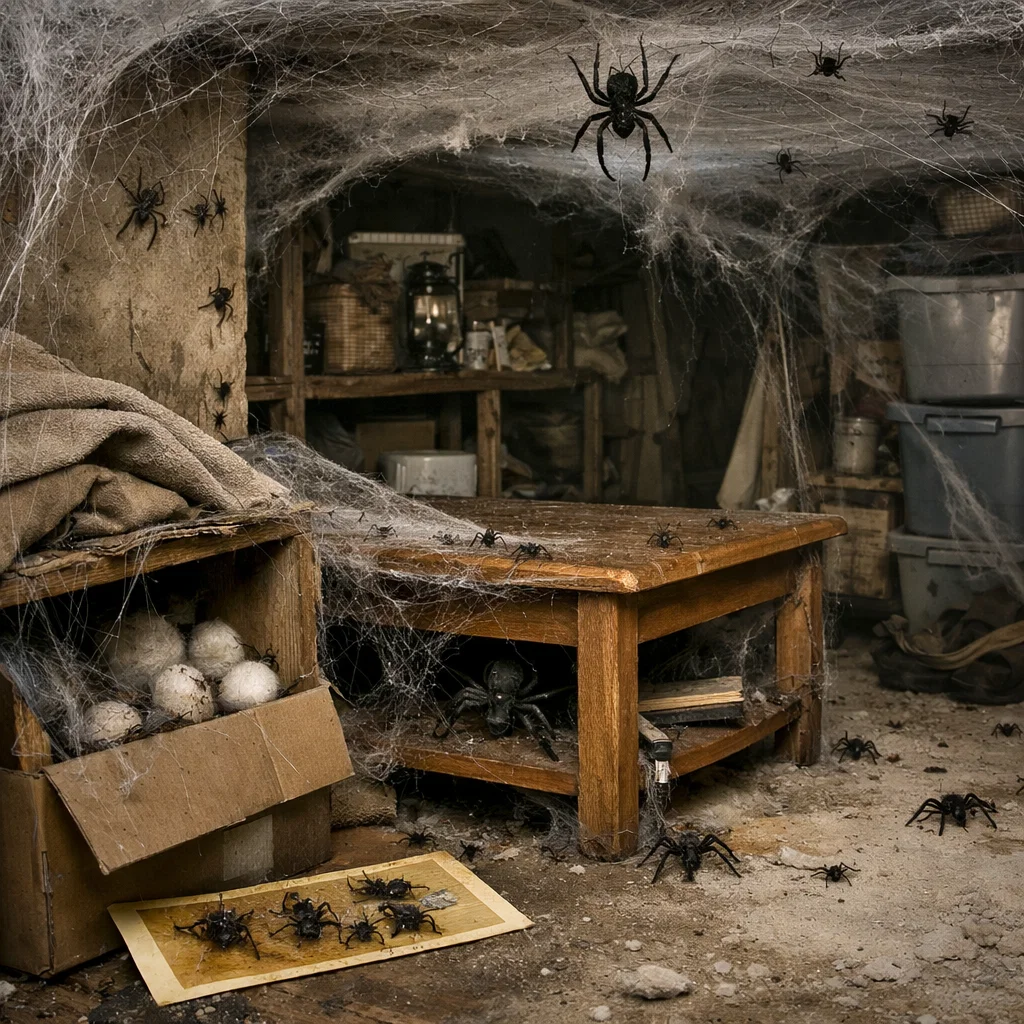
    • Visible webs, especially in corners, under furniture, or in attics
    • Dead insects caught in webs
    • Frequent sightings, particularly at night
    • Egg sacs, which look like small white or yellow sacs hanging in webs

    Once you’ve noticed these signs, it’s time to start thinking about spider control before they become more entrenched in your living or working spaces.

    Distinguishing between harmless and dangerous spiders

    Not all spiders are harmful. In fact, most are beneficial, as they help control other pests by eating flies, mosquitoes, and other small insects. However, some species of spiders are dangerous and require immediate action to protect yourself and your family or employees. It’s important to be able to differentiate between harmless and potentially dangerous species.

    Harmless spiders

    Many common household spiders are harmless and pose no threat to humans. Some of these include:

    • Common House Spider: Typically brown or gray, with no venomous bite, they are often seen in corners of rooms or near windows.
    • Cellar Spider: Also known as daddy longlegs, these spiders have long legs and are often found in basements or dark corners.
    • Jumping Spiders: These spiders are small, with colorful markings. They are not aggressive and usually only bite in self-defense.

    Dangerous spiders

    While rare, some spiders in certain areas can be dangerous. The two main species to watch out for in the UAE and many other regions are:

    • Black Widow Spider: Recognizable by its shiny black body and red hourglass on its abdomen, a black widow’s bite can cause severe pain, muscle cramps, and in extreme cases, death.
    • Brown Recluse Spider: Known for its violin-shaped marking on its back, this spider’s bite can cause severe skin necrosis and systemic symptoms.

    If you suspect a dangerous spider, avoid handling it. Contact a professional pest control service to handle the situation safely and effectively.

    Why traditional sprays often fail for spiders

    One of the most common mistakes people make when dealing with spiders is resorting to traditional insect sprays. While these sprays are effective for many types of insects, they tend to be ineffective for spiders for several reasons:

    • Spiders have high bodies: Unlike insects, spiders tend to have long legs and a high body, making it difficult for traditional sprays to contact them effectively.
    • Spiders groom themselves: Many spiders clean themselves regularly by grooming, which means any chemicals that land on them will likely be removed before having an effect.
    • Spiders can hide effectively: Spiders often retreat into cracks, crevices, and corners that are difficult to reach with sprays.

    For these reasons, spider control requires more targeted, long-lasting solutions than what traditional sprays can offer.

    Effective pest control for spiders: solutions and techniques

    When it comes to controlling spiders, the best approach is a combination of physical barriers, habitat modifications, and more targeted treatments. Below are some of the most effective methods:

    Microencapsulated sprays

    Microencapsulated sprays are designed to provide longer-lasting effects than traditional sprays. These sprays use small capsules that contain the pesticide, which are slowly released over time. This is much more effective for spiders, as it allows the chemical to remain active for weeks, even after initial contact.

    Dusts

    Dusts like diatomaceous earth or insecticidal dust are another effective solution for spider control. These products work by causing physical damage to the spider’s exoskeleton, leading to dehydration. When spiders walk through or ingest the dust, it damages their protective outer layer, ultimately killing them.

    Sticky traps

    Sticky traps are excellent for catching spiders and other crawling insects. Place them in areas where spiders are most active, such as along walls, in corners, and near entry points. These traps will not only catch the spiders but will also help monitor the level of infestation.

    Peppermint oil

    Peppermint oil is a natural and safe alternative that repels spiders. Mix a few drops of peppermint oil with water in a spray bottle and spray it around windows, doors, and baseboards. The strong smell repels spiders and other insects.

    Diatomaceous earth

    Diatomaceous earth is a non-toxic powder made from the fossilized remains of tiny aquatic organisms. When applied to areas where spiders are active, it can kill them by dehydrating them. It is safe to use around pets and children, making it a good option for households looking for a safer pest control solution.

    How to physically control spiders: barriers and habitat modifications

    Sometimes, the best way to deal with spiders is to prevent them from entering in the first place. You can do this by eliminating their hiding spots and sealing up entry points to your home or business.

    Remove webs

    Regularly removing webs prevents spiders from taking up residence in certain areas. Use a broom or vacuum to remove webs, and be sure to remove any egg sacs you find, as they can hatch into new spiders.

    De-clutter your space

    Spiders love cluttered areas where they can hide. Reducing the amount of clutter in your home or office—especially in basements, attics, and garages—will make it more difficult for spiders to find a place to settle.

    Seal entry points

    Spiders often enter through small cracks or gaps in walls, doors, windows, and vents. Seal these entry points with caulk, weatherstripping, or door sweeps to prevent them from getting inside. Make sure to check around windows, doors, and baseboards.

    Use yellow LED bug lights

    Insects are naturally attracted to bright white lights. However, yellow LED lights are less attractive to insects, including spiders. By switching to yellow LED lights outside your home or office, you can reduce the number of bugs and, by extension, the number of spiders attracted to your space.

    Spider bite safety and identifying dangerous species

    While most spiders in homes and businesses are harmless, there are a few species that pose a risk to humans. Knowing how to identify dangerous bites and handling them appropriately is crucial in case of an emergency.

    How to identify dangerous bites

    Spider bites usually cause localized redness, swelling, and mild pain. However, bites from dangerous spiders like the Black Widow or Brown Recluse can lead to more severe reactions, such as:

    • Intense pain, especially in the bite area
    • Muscle cramps or spasms
    • Nausea or vomiting
    • Skin necrosis (in the case of a Brown Recluse bite)
    • Difficulty breathing (in extreme cases)

    If you suspect a dangerous spider bite, seek medical attention immediately. It is crucial to identify the spider species and provide the medical team with relevant information to administer the appropriate treatment.

    Spider-Proofing Checklist

    To help boost engagement and retention, we’ve created a downloadable Spider-Proofing Checklist that you can use to prevent spider infestations and keep your space safe from creepy crawlers.

    Click here to download your Spider-Proofing Checklist

    Conclusion

    Spider control requires more than just spraying chemicals in the corner of the room. To effectively manage spider infestations, it’s essential to understand their behavior, address the food sources they depend on, and use the right solutions for both short-term and long-term control. Whether it’s by using eco-friendly treatments like peppermint oil or diatomaceous earth, sealing entry points, or removing webs, effective spider control is about reducing their presence and preventing future infestations.

    If you’re facing a significant spider problem or want professional help to handle the situation, remember that pest control services are just a call away. For comprehensive, safe, and professional spider control solutions, contact a licensed pest control service provider who can offer tailored advice and treatments that suit your space.
  • Comprehensive Pest Control Chemicals for Effective Treatment

    Comprehensive Pest Control Chemicals for Effective Treatment

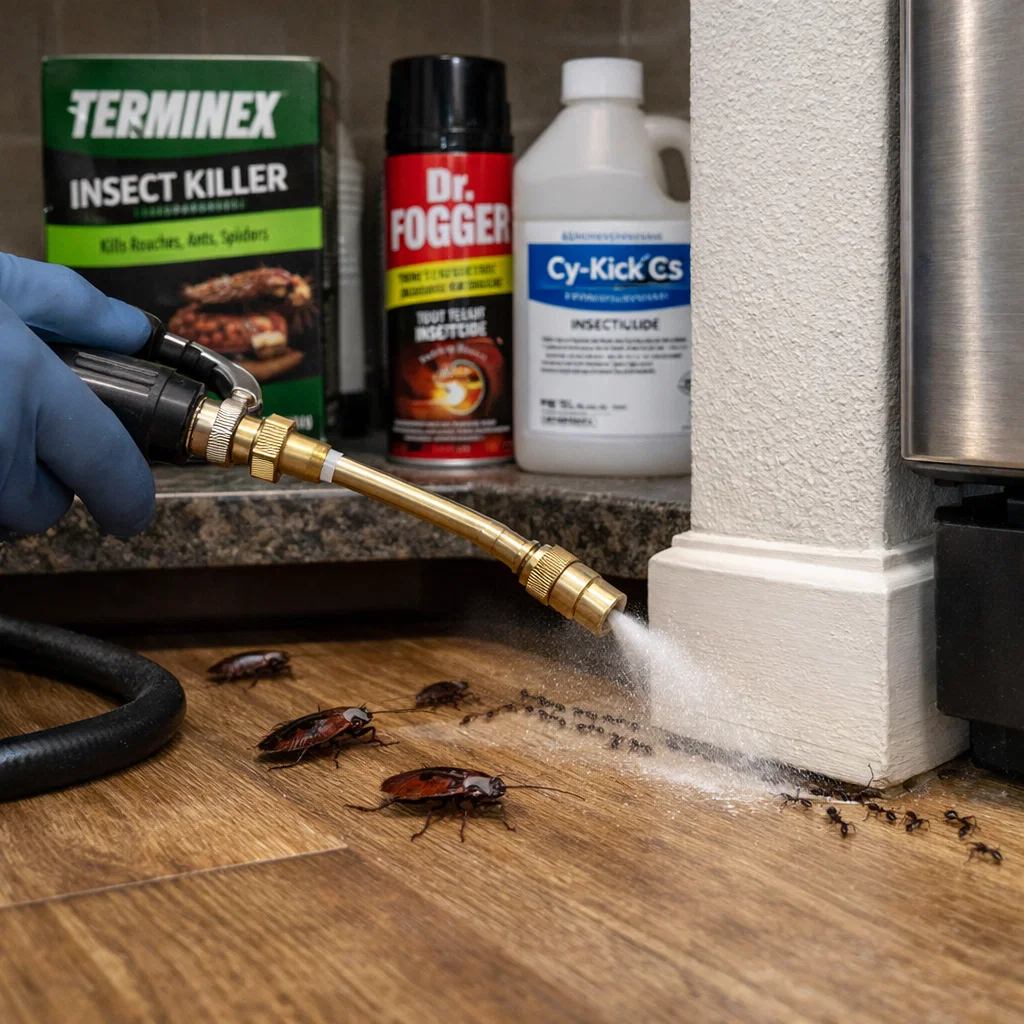
    When searching for a pest control chemicals name list, it’s important to go beyond just a simple alphabetical list. The goal is to help you understand what these chemicals do, how they work, and why they are effective for specific pests. In this guide, we’ll categorize different pest control chemicals based on their functions, explore how to read pesticide labels, and provide practical examples of when to use each chemical. By breaking down the chemicals into categories such as barrier treatments, non-repellent chemicals, insect growth regulators, and more, we will help you make informed decisions about pest control chemicals.

    Categorizing Pest Control Chemicals

    Insecticides and pest control chemicals come in a variety of formulations. To understand them better, it’s essential to group them based on their primary function. Here are the most common categories:

    1. Pyrethroids

    Pyrethroids are among the most commonly used synthetic chemicals in pest control. They are typically used as barrier treatments, meaning they create a protective layer that pests cannot pass through. They act quickly and are widely used for treating insects such as ants, cockroaches, and mosquitoes.

    Common pyrethroid chemicals include:

    • Bifenthrin – Known for controlling a variety of pests, especially ants, termites, and mosquitoes.
    • Cypermethrin – Effective against ants, spiders, mosquitoes, and fleas.
    • Deltamethrin – A broad-spectrum pesticide used for general insect control.

    Use cases: Pyrethroids are most commonly used around the home, including gardens, yards, and even in commercial properties. For example, bifenthrin is used to control termites, ants, and mosquitoes around the perimeter of buildings.

    2. Neonicotinoids

    Neonicotinoids are a class of chemicals that are particularly effective because they are non-repellent. This means that the pests do not recognize the chemical as dangerous, and they walk right through it. Neonicotinoids are used in situations where you want to target pests like termites and ants without them noticing the chemical treatment.

    Common neonicotinoid chemicals include:

    • Imidacloprid – Primarily used for termite control, but also effective against fleas and ants.
    • Dinotefuran – Used for both indoor and outdoor pest control, especially for termites, ants, and fleas.

    Use cases: Neonicotinoids are ideal for termite control, as they are absorbed by the insect and kill it over time. They are also used in flea treatments, as they work unnoticed by the insect, which allows them to continue feeding and spreading the chemical throughout the colony.

    3. Insect Growth Regulators (IGRs)

    Insect Growth Regulators (IGRs) do not directly kill pests but instead inhibit their ability to reproduce, halt their growth, or prevent molting. This makes IGRs highly useful in long-term pest control, particularly for pests like fleas, cockroaches, and flies. IGRs are often part of integrated pest management strategies.

    Common IGR chemicals include:

    • Methoprene – Commonly used in flea control, preventing flea larvae from maturing.
    • Pyriproxyfen – Works similarly to methoprene but is also used to control cockroach populations by halting reproduction.

    Use cases: IGRs are typically used in tandem with other chemicals to prevent the next generation of pests. For example, methoprene is often included in flea control products to stop larvae from developing into adults. Pyriproxyfen is frequently used to manage cockroach populations by targeting their reproductive cycles.

    4. Fipronil

    Fipronil is a broad-spectrum insecticide that works by disrupting the central nervous system of insects. It is a highly effective chemical used in pest control to target ants, termites, cockroaches, and fleas.

    Use cases: Fipronil is commonly used for termite control, as it can be applied directly to the soil around buildings to create a barrier. It’s also used for general insect control and is a main ingredient in popular ant and cockroach baits.

    5. Cyhalothrin

    Cyhalothrin is a pyrethroid used primarily for controlling mosquitoes and flies, making it a common choice for outdoor pest management.

    Use cases: Cyhalothrin is typically used in areas where mosquitoes are prevalent. It works by affecting the nervous system of insects, causing paralysis and death. Cyhalothrin is commonly found in outdoor foggers and mosquito sprays used around gardens and public spaces.

    Understanding Chemical Labels: Active Ingredients vs. Brand Names

    When choosing pest control chemicals, it’s important to understand the difference between active ingredients and brand names. The active ingredient is what makes the chemical effective against pests, while the brand name refers to the company marketing the product.

    For example:

    • Talstar is a brand name, and its active ingredient is Bifenthrin.
    • Advance 375A is another brand that uses the active ingredient Imidacloprid.
    • Termidor is a common brand for products containing Fipronil, which is widely used for termite control.

    Tip: When you’re searching for pest control chemicals, look for the active ingredient first. The brand name matters but knowing the active ingredient ensures you’re choosing the correct chemical for your pest problem.

    How to Read Toxicity Levels on Pesticide Labels

    Pesticide labels always include toxicity levels to ensure safe application. The toxicity of a pesticide is typically indicated using one of three categories: Caution, Warning, or Danger.

    Understanding these labels:

    • Caution: Slightly toxic; often found in over-the-counter products.
    • Warning: Moderately toxic; may require more safety precautions but still suitable for home use.
    • Danger: Highly toxic; typically restricted to professional-grade chemicals.

    For example, products that contain Cypermethrin may be labeled as “Caution” due to their slightly toxic nature, while products with active ingredients like Fipronil may carry a “Danger” label due to their higher toxicity.

    Practical Use Cases for Each Chemical

    Each type of pest control chemical is formulated for specific types of pests and situations. Here are some practical examples of how different chemicals work:

    • Fipronil: Used for termite control, especially in creating a soil barrier around buildings. It’s also used in ant and cockroach baits.
    • Cyhalothrin: Effective for controlling mosquitoes in outdoor environments. It’s often used in mosquito foggers to prevent infestation.
    • Imidacloprid: A powerful solution for termites and fleas, Imidacloprid is often used in targeted treatments for specific pests that cause long-term problems.
    • Bifenthrin: Used for general pest control, especially for ants, cockroaches, and mosquitoes. It is applied to the exterior of buildings to create a barrier against pests.
    • Dinotefuran: Another non-repellent chemical ideal for termites, ants, and fleas. It is used when the target pests cannot easily detect the treatment.

    Tip: Always check the manufacturer’s recommendations and consult pest control professionals if you are unsure about using a certain chemical in your environment.

    Legal Considerations: Restricted Use Pesticides

    Some pest control chemicals, especially those labeled “Danger,” are classified as Restricted Use Pesticides (RUP) and can only be applied by licensed professionals. These chemicals are often more toxic and require special handling procedures to protect users and the environment.

    For example, while Fipronil is highly effective, it is typically restricted for professional use due to its potency and potential environmental impact. RUPs can only be purchased or applied by certified pest control professionals.

    Make sure to check local regulations and restrictions before attempting to purchase or use these types of chemicals.

    Eco-friendly Alternatives: How Non-toxic Treatments Work

    Many homeowners and businesses prefer eco-friendly pest control options that reduce environmental and health risks. Fortunately, effective eco-friendly pest control options are available without compromising on results.

    Eco-friendly treatments typically include:

    • Insecticidal soaps that kill pests by suffocating them
    • Essential oils like peppermint or citrus that repel insects naturally
    • Biological agents, such as nematodes, that target pests without harming the environment
    • Physical barriers, such as mesh or sealants, to prevent pest entry

    These treatments are safer for humans, pets, and the environment, but they may require repeated applications and a more strategic approach to pest management. Many professional pest control services now offer eco-friendly treatments as part of integrated pest management (IPM) solutions.

    Summary of Key Pest Control Chemicals

    Here’s a quick recap of the most common pest control chemicals and their functions:

    • Pyrethroids (Bifenthrin, Cypermethrin, Deltamethrin): Barrier treatments effective for ants, cockroaches, and mosquitoes
    • Neonicotinoids (Imidacloprid, Dinotefuran): Non-repellent chemicals ideal for termites and ants
    • Insect Growth Regulators (IGRs) (Methoprene, Pyriproxyfen): Prevent pests from reproducing, used for fleas and cockroaches
    • Fipronil: Effective for termite and ant control, as well as cockroach baits
    • Cyhalothrin: Used for controlling mosquitoes and flies in outdoor environments

    By understanding the right chemical for each pest and its use case, you can make more informed decisions about pest control. Always ensure the safety of people, pets, and the environment by selecting the right treatment for your pest problem.

  • Pest Control for Garden Health and Sustainability

    Pest Control for Garden Health and Sustainability

    When it comes to pest control for gardens, the first step in managing pest issues is identifying the pests in your garden. Not all bugs are harmful, and understanding the difference between beneficial insects and harmful pests is crucial to maintaining a healthy, balanced ecosystem. This article will cover the importance of identifying pests, managing them sustainably, and using the right methods for long-term garden health. It will also introduce the concept of Integrated Pest Management (IPM) as a holistic approach to garden pest control, provide DIY solutions, and discuss the importance of safe practices, particularly when dealing with edible plants. We’ll also cover the effectiveness of common DIY treatments, seasonal care practices, and how to keep your garden healthy all year round.

    Identifying Pests in Your Garden

    The first step in effective pest control for gardens is identifying the pests in your garden. Not all insects in your garden are harmful. In fact, many insects are beneficial, playing an essential role in pollination, controlling other pests, and breaking down organic matter.

    Beneficial Insects:

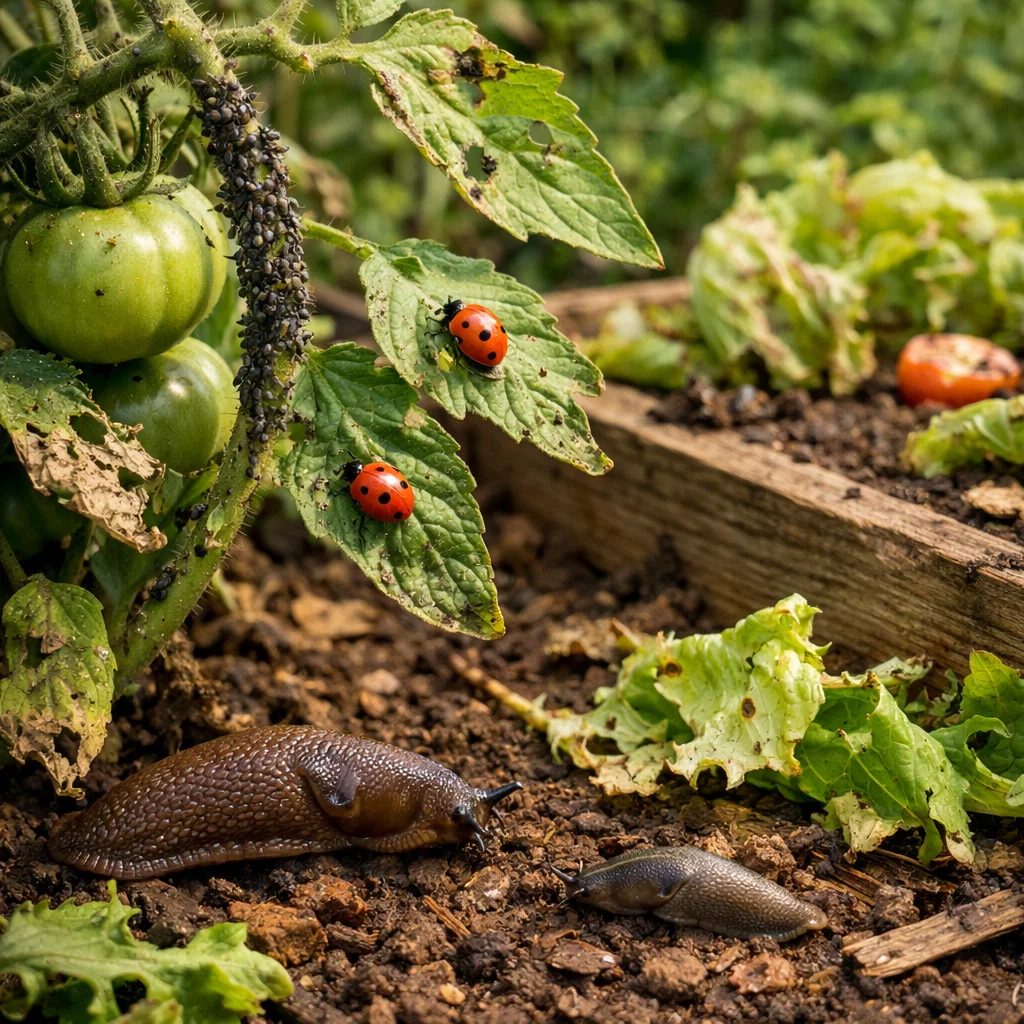
    • Ladybugs: Ladybugs are natural predators of aphids and other soft-bodied pests, helping to keep these harmful insects under control.
    • Lacewings: Lacewing larvae are voracious predators of aphids, thrips, and other insects that feed on plants.
    • Bees and Pollinators: Bees are essential for pollinating your plants, especially fruit-bearing plants, helping to increase crop yields.
    • Spiders: While spiders might seem like pests, they help keep harmful insect populations down, such as mosquitoes and flies.

    While these insects are helpful, there are also garden pests that can harm your plants. Knowing which insects are pests is important so that you can take appropriate action.

    Common Garden Pests

    Here are some of the most common garden pests to look out for:

    • Aphids: Aphids are tiny, soft-bodied insects that suck sap from plants, causing stunted growth and the spread of disease.
    • Spider Mites: Spider mites are tiny pests that create webs on plant leaves and suck out the plant’s fluids, leading to yellowing leaves and plant damage.
    • Whiteflies: Whiteflies feed on plant sap, leading to yellowing leaves and a reduction in plant vigor. They also spread diseases.
    • Slugs and Snails: Slugs and snails feed on leaves, flowers, and fruits, leaving behind slimy trails and large holes in the plants.
    • Caterpillars: Many caterpillars, especially the larvae of moths and butterflies, can cause significant damage to vegetable plants and flowers by chewing through leaves.

    Not All Bugs Are Bad: A Balanced Garden

    It’s important to remember that not all bugs are harmful to your garden. In fact, a balanced garden contains both pests and beneficial insects. A few pests are acceptable and often pose no threat to overall plant health. The key is to manage these pests before they become a bigger problem, rather than attempting to eliminate them entirely.

    The concept of a balanced garden is rooted in the idea of integrated pest management (IPM), which emphasizes monitoring, prevention, and natural control methods. A healthy garden can tolerate some pest presence without jeopardizing the health of your plants. The goal should not be to create a pest-free garden, but rather to manage pests in a way that supports the health of both your plants and the environment.

    Integrated Pest Management (IPM)

    Integrated Pest Management (IPM) is a holistic approach to pest control that combines different strategies to manage pests sustainably. The goal of IPM is to minimize the use of chemical pesticides, reduce environmental harm, and improve pest control effectiveness through natural methods.

    IPM involves several key components:

    • Cultural Controls: These include practices like crop rotation, selecting pest-resistant plant varieties, and maintaining plant health to prevent pest attraction.
    • Mechanical Controls: Mechanical methods like traps, barriers, and physical removal of pests help reduce their numbers without chemicals.
    • Biological Controls: This approach involves introducing natural predators or parasites, such as ladybugs for aphid control, to reduce pest populations naturally.
    • Chemical Controls: The use of pesticides should be a last resort in IPM. When necessary, organic or eco-friendly pesticides like neem oil or insecticidal soap are preferred over synthetic chemicals.

    By implementing these methods, IPM provides a balanced, sustainable way to manage pests while protecting your garden and the surrounding ecosystem.

    Common DIY Solutions for Pest Control in Gardens

    There are several DIY solutions that can help you manage pests without resorting to harmful chemicals. These methods are eco-friendly, cost-effective, and safe for the environment. Below are a few popular DIY treatments for garden pests:

    Neem Oil

    Neem oil is an organic pesticide that comes from the seeds of the neem tree. It is effective against a wide variety of pests, including aphids, whiteflies, and spider mites. Neem oil works by disrupting the insect’s hormonal system, preventing them from feeding, mating, or growing. It is safe for most plants and beneficial insects when used properly.

    Insecticidal Soap

    Insecticidal soap is made from fatty acids and works by breaking down the pest’s cell membranes, effectively killing soft-bodied insects like aphids, mealybugs, and whiteflies. This is a safe option for most garden plants and does not harm beneficial insects if used carefully.

    Companion Planting

    Companion planting involves growing plants that naturally repel pests alongside your crops. For example, planting marigolds to deter aphids or basil to repel mosquitoes can help reduce the number of pests in your garden.

    Sticky Traps

    Sticky traps can be used to catch flying insects such as whiteflies, aphids, and fungus gnats. They are inexpensive and provide a non-toxic method for monitoring pest populations in your garden.

    Beer Traps for Slugs

    Slugs and snails are a common garden pest. A simple beer trap can help manage their numbers. Fill a shallow dish with beer and bury it in the garden. The slugs are attracted to the beer, fall in, and drown. This method is natural and effective for small infestations.

    Debunking Common Misconceptions in Garden Pest Control

    There are many myths surrounding DIY pest control. One common misconception is the use of dish soap to kill pests. While dish soap can kill insects by suffocating them, it is not a safe or effective solution for all pests. Dish soap can also damage plant leaves, especially if used in direct sunlight or at high concentrations.

    It’s important to avoid using dish soap as a routine pest control method. Instead, use products designed for pest management, such as insecticidal soap or neem oil, which are specifically formulated for plants and insects.

    Edible Safety: Pre-Harvest Intervals (PHI)

    One of the most important safety considerations when using pesticides in your garden is the Pre-Harvest Interval (PHI). PHI refers to the safe waiting period between applying a pesticide and harvesting the crop. This waiting period ensures that pesticide residues are no longer present in the crop, making it safe for consumption.

    When using any pesticide, always check the label for the recommended PHI. For organic treatments like neem oil or insecticidal soap, the PHI is usually quite short, but it’s still important to follow the instructions.

    Additionally, systemic pesticides should be avoided when growing edibles. These pesticides are absorbed by the plant and can remain in the plant for a long time, potentially affecting your health if consumed.

    Comparison Table of Common Pest Control Tactics

    Method Effectiveness Eco-Friendliness Cost
    Neem Oil Effective against a wide range of pests Highly eco-friendly Moderate
    Insecticidal Soap Effective for soft-bodied insects Eco-friendly Low
    Companion Planting Good for repelling pests and attracting beneficial insects Highly eco-friendly Low
    Sticky Traps Effective for flying pests Eco-friendly Low
    Beer Traps Effective for slugs and snails Eco-friendly Low

    Seasonal Pest Control Calendar

    Managing pests in your garden requires attention to the changing seasons. Here’s a simple seasonal guide to help you stay ahead of common pests throughout the year:

    • Spring: Time to focus on early pest monitoring. Watch out for aphids, slugs, and early-season weeds.
    • Summer: Most pests are active during this time. Focus on monitoring and early intervention for mosquitoes, flies, and caterpillars.
    • Fall: Time for final treatments and preparing for the cooler months. Control late-season pests like spiders and rodents.
    • Winter: Keep monitoring for indoor pests like rodents. Use preventative measures for next spring.

    Conclusion

    Pest control for gardens doesn’t have to involve harsh chemicals. By focusing on the identification of pests, using sustainable methods like IPM, and choosing the right treatment options, gardeners can keep their plants healthy while minimizing harm to the environment. DIY treatments, when used correctly, can be an excellent way to manage small issues. However, when the infestation grows, professional pest control services can provide the expertise and resources needed for effective, long-term management.

  • Pest Control for Office Spaces: Effective and Discreet Solutions

    Pest Control for Office Spaces: Effective and Discreet Solutions

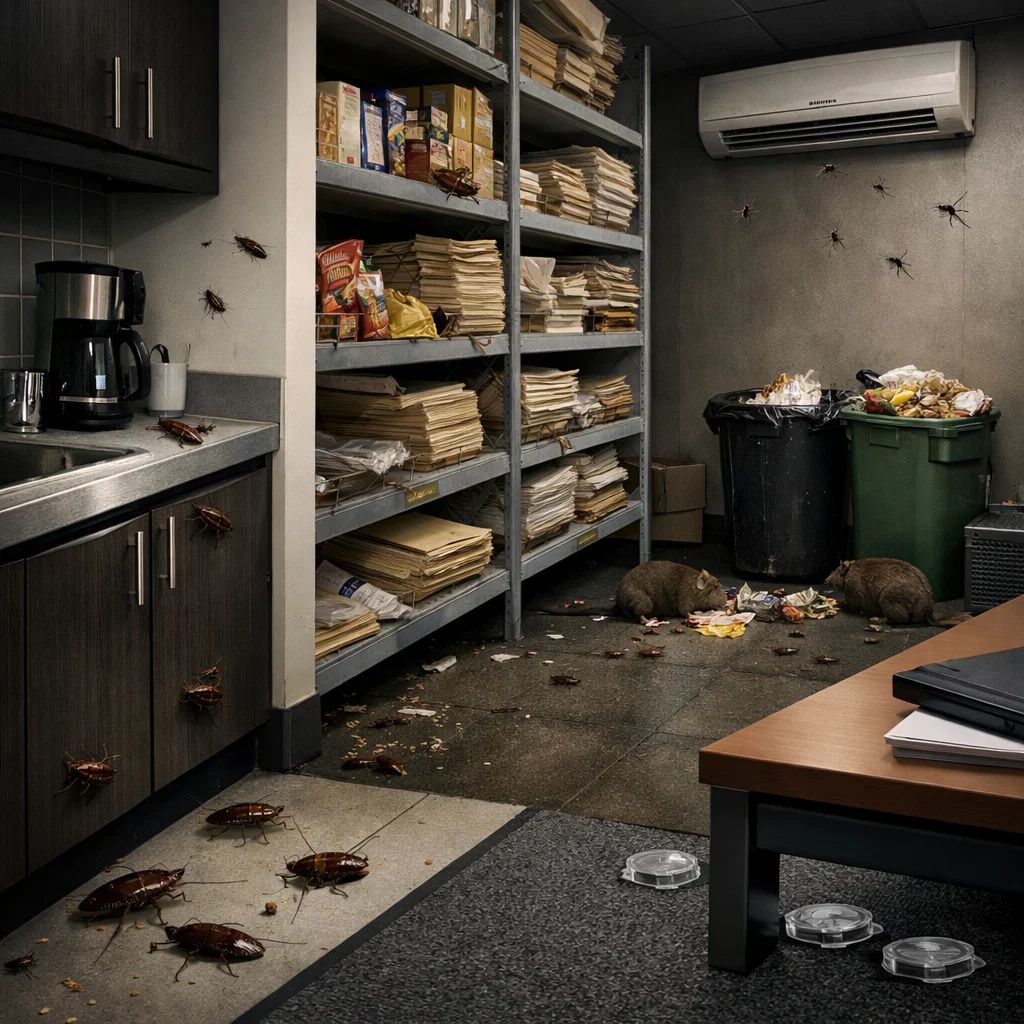
    Pest control for office spaces is crucial for maintaining a productive, safe, and comfortable environment for employees. Offices, regardless of their size or location, are susceptible to pest problems, and it’s important to address these concerns quickly and professionally. The last thing a company wants is for an infestation to disrupt operations, damage property, or cause health issues. In this article, we will discuss the unique challenges of pest control in office environments, explore the importance of discrete and effective treatment, and offer practical solutions to prevent pests from becoming a recurring issue in the workplace.

    The Need for Discreet Pest Control Services

    In an office setting, pest control treatments must be discreet. Many employees may find it unsettling to know that pest control is being performed, especially if visible treatment methods or strong chemical odors are involved. For this reason, professional pest control providers typically offer after-hours services to ensure that employees are not disturbed during work hours.

    Additionally, it’s important for pest control companies to use unmarked vehicles to maintain discretion. This minimizes the risk of creating a PR issue or alarming employees or clients who may be unaware of the treatment. Office pest control services should be designed to integrate seamlessly into a business’s daily operations, causing as little disruption as possible.

    Low-Odor or VOC-Free Pest Control Options

    In office environments, the quality of indoor air is a major concern. Many pest control treatments involve chemicals that can emit strong odors or volatile organic compounds (VOCs), which may negatively impact the health of employees. This is especially problematic in offices that house sensitive employees, such as those with respiratory conditions or allergies.

    For this reason, choosing pest control methods that are low-odor or VOC-free is essential. Eco-friendly pest control options, such as gel baits or dusts, can be highly effective while keeping the office air clean and safe. These treatments not only eliminate pests but also reduce the potential for complaints related to air quality.

    Office-Specific Pest Concerns

    Offices present unique challenges when it comes to pest control. Unlike homes, offices tend to have a lot of electronic equipment and sensitive materials that must be protected during treatment. For example, using liquid sprays around electronic devices, such as computers or servers, can lead to damage or electrical issues. This makes it crucial for pest control providers to use more targeted methods such as gel baits or bait stations, which are not only safer but also more effective in controlling pests without affecting office equipment.

    Silverfish and Paper Archives

    Silverfish, a common pest in offices, are particularly problematic because they are known to damage paper materials. Silverfish thrive in humid environments and are attracted to paper, glue, and fabrics. In offices with paper archives, libraries, or file rooms, silverfish can cause significant damage to important documents, books, and files. This makes it even more crucial to implement preventative measures to protect valuable paper records from pests.

    Integrated Pest Management (IPM): A Prevention-Focused Approach

    One of the most effective strategies for office pest control is Integrated Pest Management (IPM). IPM is a sustainable approach that focuses on preventing pests from becoming an issue in the first place. Rather than relying on constant chemical treatments, IPM combines multiple strategies to create a long-term solution for pest management. These strategies may include:

    • Inspection: Regularly inspecting the office environment to detect early signs of pest activity.
    • Exclusion: Sealing gaps and cracks in walls, doors, and windows to prevent pests from entering.
    • Sanitation: Maintaining a clean office environment by removing food scraps, cleaning workstations, and properly storing food.
    • Monitoring: Using traps or bait stations to monitor pest activity and ensure that infestations are detected early.
    • Education: Informing employees about pest prevention and the importance of cleanliness to reduce pest attraction.

    IPM not only helps in pest prevention but also minimizes the use of pesticides, making it safer for office workers, especially those with respiratory issues or allergies.

    Maintaining Office Cleanliness to Reduce Pest Attraction

    A clean office is a less inviting environment for pests. Implementing good housekeeping practices in the workplace can go a long way in preventing infestations. Key practices to follow include:

    • Regularly wiping down surfaces, including desks, counters, and kitchen areas
    • Cleaning up crumbs, food scraps, and spills immediately
    • Storing food in airtight containers in kitchen areas
    • Emptying trash cans daily to prevent food waste buildup
    • Inspecting storage areas to ensure that food or materials are not attracting pests

    Encouraging employees to follow these practices helps ensure that pests are not attracted to the office in the first place. Additionally, making sure that office waste is disposed of properly and regularly is crucial to preventing pests from gaining a foothold.

    Liability and Documentation for Pest Control in Commercial Leases

    In commercial leases, pest control is often a matter of liability. Business owners must ensure that their premises are free from pests to comply with health regulations and avoid legal issues. Depending on the lease agreement, the responsibility for pest control may fall on the landlord or the tenant. It is important for businesses to clarify who is responsible for pest control costs and maintenance, especially if an infestation occurs after the lease has been signed.

    When pest control treatments are performed, documentation is essential for both the landlord and tenant. Service logs and Safety Data Sheets (SDS) are crucial for keeping a record of the treatments used, their effectiveness, and any follow-up actions required. This documentation also serves as proof that the business is maintaining a pest-free environment, which can be useful in case of disputes or inspections.

    Communicating with Employees About Pest Control Treatments

    Employee communication is an important aspect of pest control in offices. When treatments are scheduled, it’s crucial to notify employees in advance to minimize disruptions. Providing employees with information about the treatment schedule, safety measures, and potential temporary restrictions helps ensure that they are informed and comfortable with the process. It’s also important to address any concerns regarding safety, especially if pesticides are being used in common areas.

    The Risks of DIY Pest Control in Offices

    DIY pest control methods may seem like a cost-effective solution, but they often fail to address the root cause of the problem. Using off-the-shelf insecticides or traps can provide temporary relief, but they rarely offer long-term solutions. Moreover, DIY treatments can pose risks to office equipment, employee health, and the overall work environment. Incorrect pesticide use can lead to contamination, damage to sensitive electronics, and an increased risk of exposure to harmful chemicals.

    In most cases, professional pest control services are the safer and more effective option. They not only ensure proper treatment but also provide ongoing monitoring and preventive measures to reduce the risk of future infestations.

    The Growing Issue of Pests in Hybrid Work Environments

    With the rise of hybrid work environments, offices are seeing a new set of pest-related challenges. Employees may spend less time at the office, leaving food items or waste unattended. Stagnant water in bathrooms, kitchens, or around AC units can attract drain flies, while unattended snacks or food waste can become a magnet for rodents. These small changes can quickly lead to an increase in pests, especially if pest control treatments are not maintained regularly.

    Hybrid work environments present a unique opportunity for employers to implement better pest prevention strategies. Ensuring that employees know how to handle food waste, maintain clean workstations, and store personal items properly can help reduce the risk of pests entering the office in the first place.

    Pricing Expectations for Pest Control in Offices

    Pricing for pest control for offices depends on a variety of factors, including the type of pests, the size of the office, and the severity of the infestation. For basic treatments such as cockroach control, residential pricing typically starts at AED 119 for small offices or studio spaces. Larger offices may see prices starting at AED 179 for 1-2 bedroom office spaces.

    More specialized treatments, such as for termites or rodent control, often come at higher costs. For example, termite treatments typically start at around AED 300 for small offices and can increase depending on the size of the building and the infestation severity. If your office has mold-related issues, mold control can start from AED 30 per meter for smaller areas.

    For more accurate pricing tailored to your office, the best course of action is to contact a pest control provider for an inspection and customized quote. This ensures the treatment plan addresses your unique needs and avoids any unnecessary charges.

    Follow-ups and Guarantees

    After the initial pest control treatment, professional pest control services often offer follow-up visits to ensure the problem has been fully addressed. These follow-ups may include re-inspections, re-treatment, or additional measures if necessary. Some providers offer maintenance plans, especially for businesses that have high foot traffic or kitchens, which are more prone to pest issues.

    Make sure the service provider offers realistic guarantees. A reputable pest control service will stand by its work and offer a reasonable follow-up period. This may include a guarantee that pests will not return for a certain period, or a promise to re-treat the area at no extra cost if the issue persists.

    A Practical Next Step: Contact First Station Pest Control Services

    If you are facing pest control issues in your office, it’s crucial to address them as soon as possible to prevent further damage, health risks, and employee dissatisfaction. First Station Pest Control Services offers professional, municipality-approved pest control solutions tailored to office environments. With discreet after-hours service, eco-friendly options, and guaranteed results, First Station can help keep your office safe and pest-free.

    To discuss your needs, schedule an inspection, or get a customized quote, simply use the WhatsApp or Call button at the top of the page. A friendly representative will be happy to guide you through the best course of action for your office.

    Conclusion

    Pest control for offices is not just about removing visible pests—it’s about preventing future infestations, protecting the work environment, and ensuring compliance with health and safety regulations. By using professional services, opting for eco-friendly treatments, and maintaining a clean office, you can protect your business from the disruption pests cause. Trust First Station Pest Control Services to deliver safe, effective, and discreet pest control for your office, allowing you to focus on what matters most: your work.

  • Pest Control Fogging for Homes and Businesses

    Pest Control Fogging for Homes and Businesses

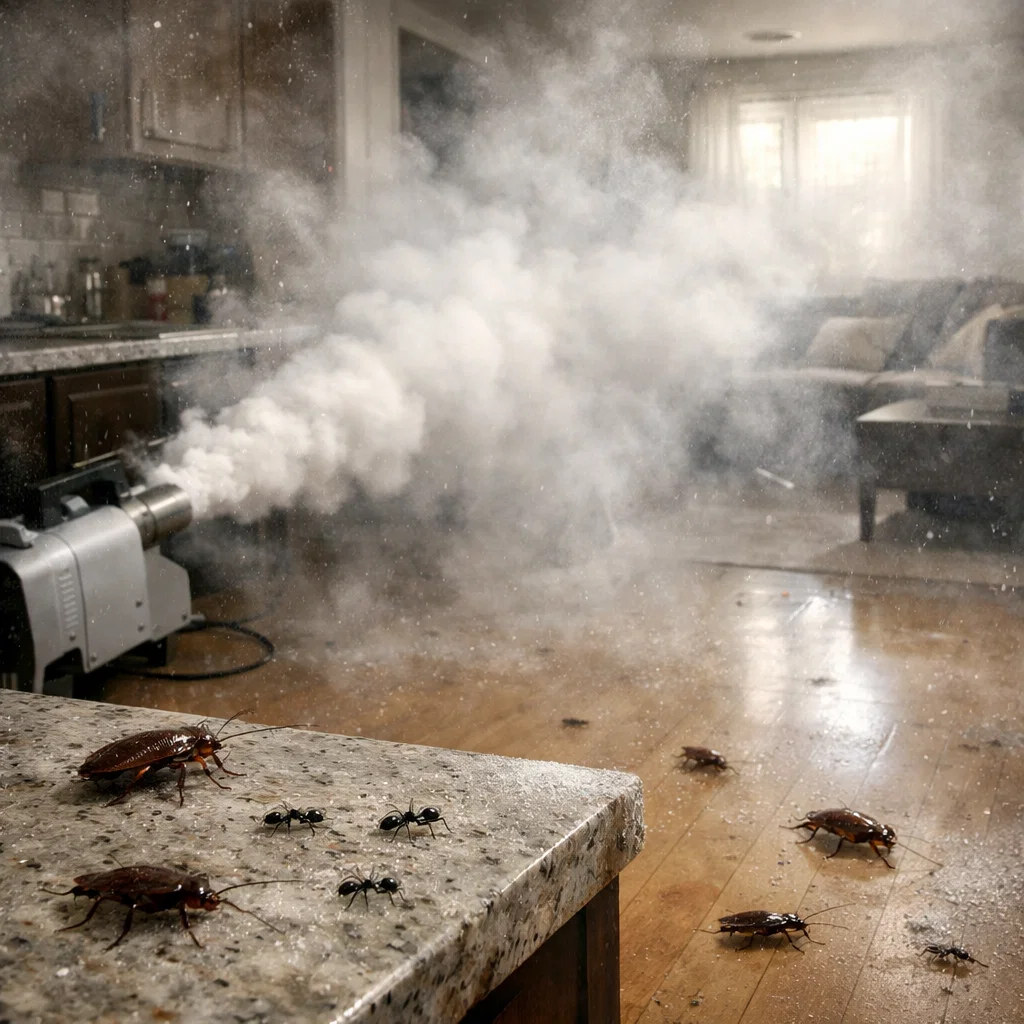
    Pest control fogging is a powerful tool used to eliminate pests, but it is important to understand when and how it should be used. Often confused with “bug bombs” or traditional aerosol sprays, fogging involves a specific method that targets pests in hard-to-reach areas. While effective, fogging has limitations and should be applied properly for maximum results. This article explains the differences between bug bombs and professional Ultra-Low Volume (ULV) fogging, provides actionable preparation and safety steps, discusses the environmental considerations, and guides you on what to expect after fogging treatment. Additionally, we’ll go over when fogging might not be the best solution and provide alternatives for certain types of pest problems.

    What is pest control fogging?

    Pest control fogging involves dispersing an insecticide in the form of fine droplets or mist, which can penetrate deep into cracks, crevices, and wall harborages where pests may be hiding. This method contrasts with “bug bombs” or aerosol sprays that are designed for surface-level treatment. Fogging uses a specialized machine to release the insecticide, often in a very fine mist, to cover a wide area with minimal liquid, allowing it to settle into cracks and difficult-to-reach spots.

    Two main types of fogging are typically used:

    • ULV (Ultra-Low Volume) fogging: A professional pest control method that uses specialized equipment to emit a very fine mist that targets deep harborages in walls and other hidden spaces.
    • Bug bombs: Over-the-counter aerosol devices that release a pesticide into the air in an enclosed space. They are often less effective in reaching deep harborages, and are more surface-oriented.

    While bug bombs may be convenient and easy to use, they often fail to effectively eliminate pests in hidden locations. Professional ULV fogging, on the other hand, targets these deeper harborages, offering more thorough pest control.

    The effectiveness and limitations of fogging

    Fogging is effective at treating widespread infestations of pests such as mosquitoes, flies, and certain types of cockroaches. It is particularly useful in addressing pests that are hiding in cracks, behind walls, or inside other hard-to-reach areas. However, it is not a catch-all solution and comes with some limitations.

    Fogging can:

    • Reach hidden harborages deep within walls and under floors
    • Cover large areas efficiently
    • Target pests in sensitive areas, like the kitchen or bathroom, that are difficult to treat with other methods

    However, there are situations where fogging is not the ideal choice:

    • German cockroaches: These pests tend to hide in tiny cracks and crevices, and fogging may disturb them, causing them to scatter and spread the infestation.
    • Bed bugs: Fogging is typically ineffective for bed bugs. These pests live in mattresses, furniture, and cracks, and fogging can push them into deeper hiding spots, worsening the infestation.

    In these cases, alternative methods such as targeted insect growth regulators (IGRs) or heat treatments may be more effective.

    How to prepare for pest control fogging

    Proper preparation is key to a successful fogging treatment. It is essential to take steps that will minimize risk and ensure the safety of both the household and the pest control technicians.

    Before fogging, follow these preparation steps:

    • Cover electronics and electrical equipment: Fogging can damage electronic devices like computers, televisions, and microwaves. Cover them with plastic or remove them from the room if possible.
    • Turn off pilot lights: If you’re fogging an area with gas appliances, turn off any pilot lights to avoid fire hazards.
    • Seal food and remove pets: Fogging chemicals can contaminate food and pose health risks to pets. Seal all food items in containers or remove them from the treated area, and make sure pets are kept outside or in a separate room during treatment.
    • Evacuate the area: Ensure that everyone, including children and pets, leaves the area during fogging. The mist can be harmful if inhaled.

    Once the area has been sealed and everyone is out, the technician will begin fogging, dispersing the pesticide into the air.

    Post-fog cleaning process

    After fogging, there will likely be some residue left behind. It’s essential to clean properly to minimize exposure to any lingering chemicals.

    Here’s what you should do after fogging:

    • Wipe down surfaces: After the recommended waiting period (typically a few hours), wipe down countertops, tables, and other surfaces that may have come into contact with the mist.
    • Avoid certain areas: Do not immediately clean floors or surfaces that were treated in areas like corners or behind furniture. Let the treatment sit for its full duration to maximize effectiveness.
    • Ventilate the area: Open windows and doors to allow fresh air to circulate and help remove any remaining pesticide fumes from the area.

    Following these steps ensures that you don’t accidentally reintroduce contaminants into the environment.

    When fogging is used for mosquitoes: Environmental considerations

    One of the most common applications of fogging is for mosquito control, especially for outdoor events like weddings, parties, or festivals. Mosquito fogging provides quick relief by killing adult mosquitoes that are present in the area. However, it is important to time this treatment properly to reduce environmental impacts.

    Environmental considerations include:

    • Avoid fogging near pollinators: Fogging can affect non-target species, including pollinators like bees. It’s important to avoid fogging in areas with active flower gardens or near beehives.
    • Timing is everything: Fogging should be done during low-activity times for pollinators (e.g., early mornings or late evenings) when insects are less likely to be active.
    • Eco-friendly options: When possible, opt for non-toxic or eco-friendly fogging agents that target mosquitoes but have minimal impact on the environment.

    While mosquito fogging provides quick relief, always consider the surrounding environment and take appropriate precautions to protect beneficial insects.

    When fogging is the wrong choice

    While fogging is effective for many pest types, it’s not always the right solution. In some cases, fogging can actually make the problem worse by pushing pests into deeper hiding places.

    Fogging should not be used when:

    • German cockroaches: These pests tend to scatter when disturbed. Fogging can cause them to move into deeper parts of the building, making it harder to control the infestation.
    • Bed bugs: Fogging doesn’t target bed bugs effectively, and it may cause them to disperse to other areas, complicating treatment.

    In these cases, it’s better to use targeted treatments like insect growth regulators (IGRs) or professional heat treatments.

    What to expect after fogging: Smell, residue, and ventilation

    After the fogging treatment, it’s common to notice a lingering smell. This is because fogging involves applying a chemical insecticide that leaves a residue in the treated areas.

    Here’s what you should expect:

    • Smell: There will likely be a chemical smell in the air after fogging. This is temporary, and it will dissipate once the room is ventilated.
    • Residue: You may notice a fine residue on furniture, counters, or floors. Wipe these surfaces down after the recommended wait time.
    • Ventilation: Open windows and doors to air out the room, which helps remove any lingering chemical fumes.

    Ensure that you follow the post-fog cleaning process to avoid any exposure to chemicals.

    Interactive tool: Is fogging the right solution for your pest problem?

    Wondering if fogging is the right choice for your pest problem? Use the following flowchart or quiz to guide you:

    Conclusion

    Pest control fogging is a highly effective method for controlling many types of pests, but it is not suitable for every situation. Understanding how it works, preparing for treatment, following safety steps, and knowing when not to use fogging can help ensure you are making the right choice for your pest control needs. If you are unsure whether fogging is the best solution for your home or business, consulting with a professional pest control service can provide clarity and guide you toward the most effective treatment plan.

  • Understanding Pest Control Cost for Homes and Businesses

    Understanding Pest Control Cost for Homes and Businesses

    Pest control cost is one of the most common considerations when homeowners and businesses face pest infestations or want to prevent one from occurring. Understanding pest control costs helps you make informed decisions about which treatments to choose and whether to rely on professional services or DIY methods. This article explains typical price ranges for common pest control services, how costs vary based on pest type, treatment scope, and service frequency, and the factors that influence pricing. It also covers the differences between professional pest control costs and DIY options, and explains why certain costs may be added, such as inspections, follow-up visits, and exclusion work. By the end, you’ll have a clearer idea of what you’re paying for and why costs can vary significantly from one case to another.

    What typically influences pest control cost?

    When you’re searching for pest control, you may notice a wide variety of price ranges for similar services. The variation in prices can make it difficult to understand what constitutes fair pricing and what factors you need to take into consideration.

    Several factors influence the cost of pest control:

    • Pest type: Different pests require different treatment methods. For example, bed bugs may need more detailed treatments than ants.
    • Infestation severity: Minor pest issues, like a few ants in the kitchen, are less expensive to deal with than widespread infestations.
    • Property size: Larger properties require more time, more materials, and more labor, which increases costs.
    • Treatment method: The treatment method chosen affects the cost. Chemical treatments may cost differently than eco-friendly or non-toxic options.
    • Frequency of service: Ongoing pest control services, such as monthly treatments, will naturally be more expensive than a one-time visit.
    • Accessibility: Difficult-to-reach areas, such as roofs, basements, or crawl spaces, will require more time and effort, adding to the cost.

    Typical pest control costs for common services

    Each pest type comes with its own specific treatment requirements, which directly influence the cost of pest control services. Below, we break down the typical costs for common pest control services, with price ranges based on the size of the property, the treatment required, and the pest infestation level.

    Cockroach Control

    Cockroaches are among the most common pests in homes and businesses. Professional treatment for cockroaches is generally priced depending on the severity of the infestation and the type of treatment needed. For light infestations, expect to pay around:

    • Studio apartment: AED 119
    • 1-bedroom apartment: AED 139
    • 2-bedroom apartment: AED 179
    • 3-bedroom apartment: AED 211
    • 5-bedroom apartment: AED 287

    If the infestation is more severe and spread throughout the entire property, you may be looking at a higher price range or additional treatments, including follow-ups, to fully eradicate the problem. Larger properties and commercial spaces will cost more, with typical prices ranging from:

    • Up to 50 sqm: AED 120
    • Up to 100 sqm: AED 180
    • Up to 150 sqm: AED 230
    • Up to 500 sqm: AED 485

    Bed Bug Control

    Bed bugs are notoriously difficult to eliminate, requiring multiple treatments and sometimes additional steps to ensure they do not return. Bed bug treatments typically range from:

    • Studio apartment: AED 119
    • 1-bedroom apartment: AED 139
    • 2-bedroom apartment: AED 179
    • 3-bedroom apartment: AED 211
    • 5-bedroom apartment: AED 287

    If you are dealing with a heavy infestation, additional steps like heat treatments or fumigation might be required, which can drive the price higher. Costs for heavy infestations will often be quoted after an inspection is completed to determine the extent of the issue.

    Rodent Control

    Rodent control is priced differently based on the property size and whether you’re dealing with a rat or mouse infestation. For basic residential treatments, prices typically start at:

    • Studio apartment: AED 79
    • 1-bedroom apartment: AED 109
    • 2-bedroom apartment: AED 139
    • 3-bedroom apartment: AED 159
    • 5-bedroom apartment: AED 219

    For commercial properties, you may need to pay more depending on the infestation severity and the number of bait stations needed. Expect costs to range from:

    • Up to 50 sqm: AED 99
    • Up to 100 sqm: AED 169
    • Up to 250 sqm: AED 319

    Additionally, bait stations are often installed at an extra charge of about AED 55 per unit, depending on the number needed to control the infestation effectively.

    Termite Control

    Termite treatment requires significant attention and expertise to prevent long-term damage. Termite services typically begin at:

    • 1-bedroom apartment: AED 300
    • 2-bedroom apartment: AED 550
    • 3-bedroom apartment: AED 800
    • 4-bedroom apartment: AED 1050
    • 5-bedroom apartment: AED 1300

    Special inspections may be required to determine the full extent of the infestation, and follow-up visits are often part of the process to ensure termites are eradicated completely. These can sometimes be priced separately after the initial inspection.

    DIY vs Professional Pest Control: Costs and Long-Term Value

    While DIY methods may seem like an affordable option for small pest problems, they often fail to address the source of the infestation and can end up costing more in the long run. Professional pest control provides a comprehensive solution, and in many cases, the initial higher cost is justified by:

    • Expert inspection and accurate identification of pest sources
    • Safe, effective treatments that target the root cause
    • Preventative advice to stop future infestations
    • Long-term savings by reducing recurring pest issues

    For example, a typical cockroach treatment may start at AED 119 for small apartments, but ongoing DIY attempts might only temporarily remove the pests, causing them to return. Professionals address the source, leading to a longer-term solution and better value.

    Additional Costs to Consider

    In addition to the standard treatment cost, some situations may involve additional charges, such as:

    • Inspection fees: Depending on the provider, an initial inspection fee may apply, typically ranging from AED 50 to AED 100.
    • Follow-up visits: Pest control providers often offer follow-up visits to ensure that the treatment was successful. These can cost between AED 50 and AED 200.
    • Exclusion work: Sealing cracks or holes in walls or around windows can add additional costs, ranging from AED 100 to AED 500 depending on the scale of the work needed.

    It’s important to ask for a full quote upfront so you know exactly what you’re paying for. While the cost may vary depending on the situation, all providers should be transparent about what is included in the pricing.

    Eco-friendly Pest Control Options

    As awareness of health and environmental concerns rises, many pest control providers in Sharjah now offer eco-friendly or low-toxicity treatment options. These methods aim to reduce the impact on the environment while maintaining effective pest control.

    Eco-friendly treatments may include:

    • Targeted pesticide applications to minimize chemical exposure
    • Non-toxic alternatives for sensitive areas
    • Natural repellents for certain pests, such as rodents and mosquitoes

    Although these methods may be slightly more expensive in some cases, they are an excellent choice for households with children, pets, or for businesses like restaurants or schools where chemical exposure is a concern.

    Conclusion: What You’re Paying For and Why Prices Vary

    Pest control costs are influenced by a variety of factors, including the type of pest, the size of the property, the severity of the infestation, and the treatment method required. While DIY options may appear cost-effective initially, professional pest control provides a comprehensive solution that can save you money in the long term by effectively eliminating pests and preventing future infestations.

    From the typical costs mentioned for cockroach, rodent, and termite control, it’s clear that professional pest control can provide peace of mind with long-term results. Pricing is often influenced by inspection, treatment type, follow-up services, and eco-friendly options, so be sure to ask for a detailed breakdown of costs from any provider.

    First Station Pest Control Services offers transparent, effective, and comprehensive pest control solutions. If you are unsure which treatment or plan is right for your situation, our team is available to discuss options and provide you with a clear, upfront estimate. Visit our pricing page for the most accurate and up-to-date information on all our services, or contact us directly to speak with a specialist.

  • Pest Control Medicine: Safe and Effective Treatment

    Pest Control Medicine: Safe and Effective Treatment

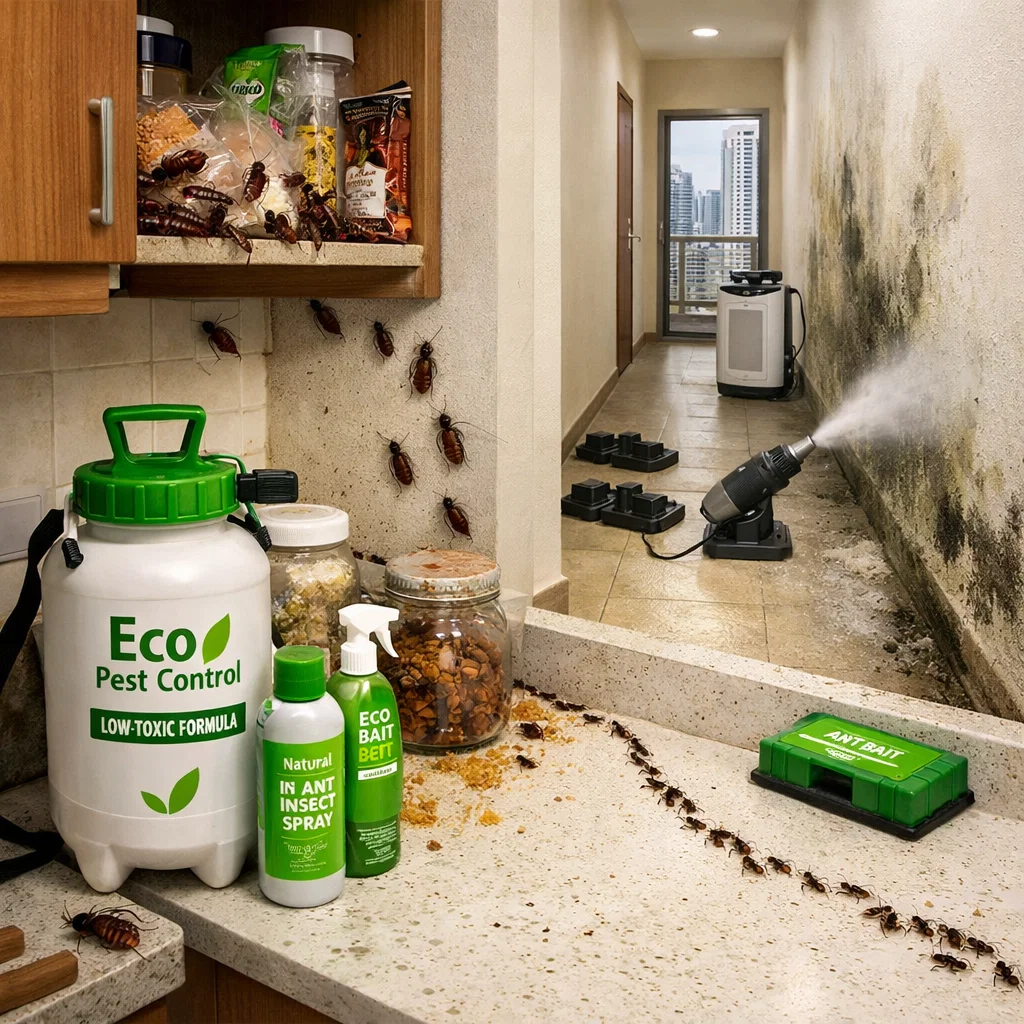
    Pest control medicine plays a key role in managing pest infestations in both residential and commercial environments. Whether you’re dealing with ants in the kitchen, cockroaches under the sink, or rodents invading your property, choosing the right pest control medicine can make a significant difference in eliminating the problem. However, with so many products available on the market, it’s essential to understand their correct usage, safety precautions, and environmental impact. In this article, we’ll cover the essential safety considerations for handling pest control medicine, how to choose the right treatment for specific pests, and how to apply it effectively and responsibly.

    Safety First: Understanding the Importance of Proper Handling

    Using pest control medicine can be effective, but it also requires careful handling to avoid unintended health risks. Many pest control products contain chemicals that can be harmful to humans, pets, and the environment if not used properly. Therefore, it is crucial to follow safety guidelines for safe application, storage, and disposal of these products.

    Reading Labels and Understanding Instructions

    Before using any pest control medicine, always read the label carefully. The label contains crucial information, such as the active ingredients, the type of pests the product targets, and specific safety instructions. These instructions are legally required and should be followed closely to ensure the safety of everyone in the area.

    Key information on labels includes:

    • Active ingredients: These are the chemicals responsible for killing or repelling pests. Common active ingredients include pyrethroids, boric acid, and neonicotinoids.
    • Application methods: Labels often specify whether the product is a ready-to-use spray, powder, or concentrate that requires dilution.
    • Safety precautions: These include recommendations for protective gear such as gloves, goggles, or masks, as well as instructions for use around children and pets.
    • Storage and disposal: Always follow the guidelines for proper storage (away from children or pets) and disposal (usually at a hazardous waste facility).

    Using Protective Gear

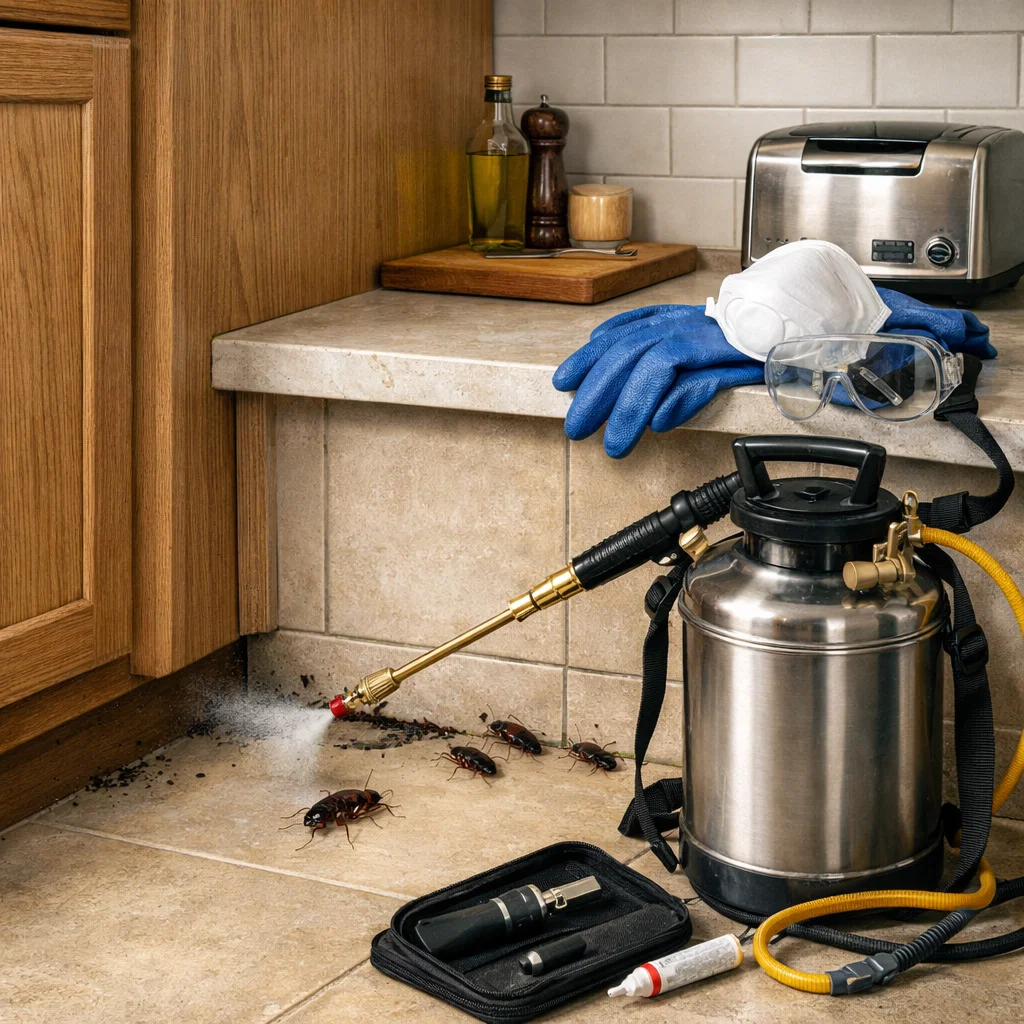
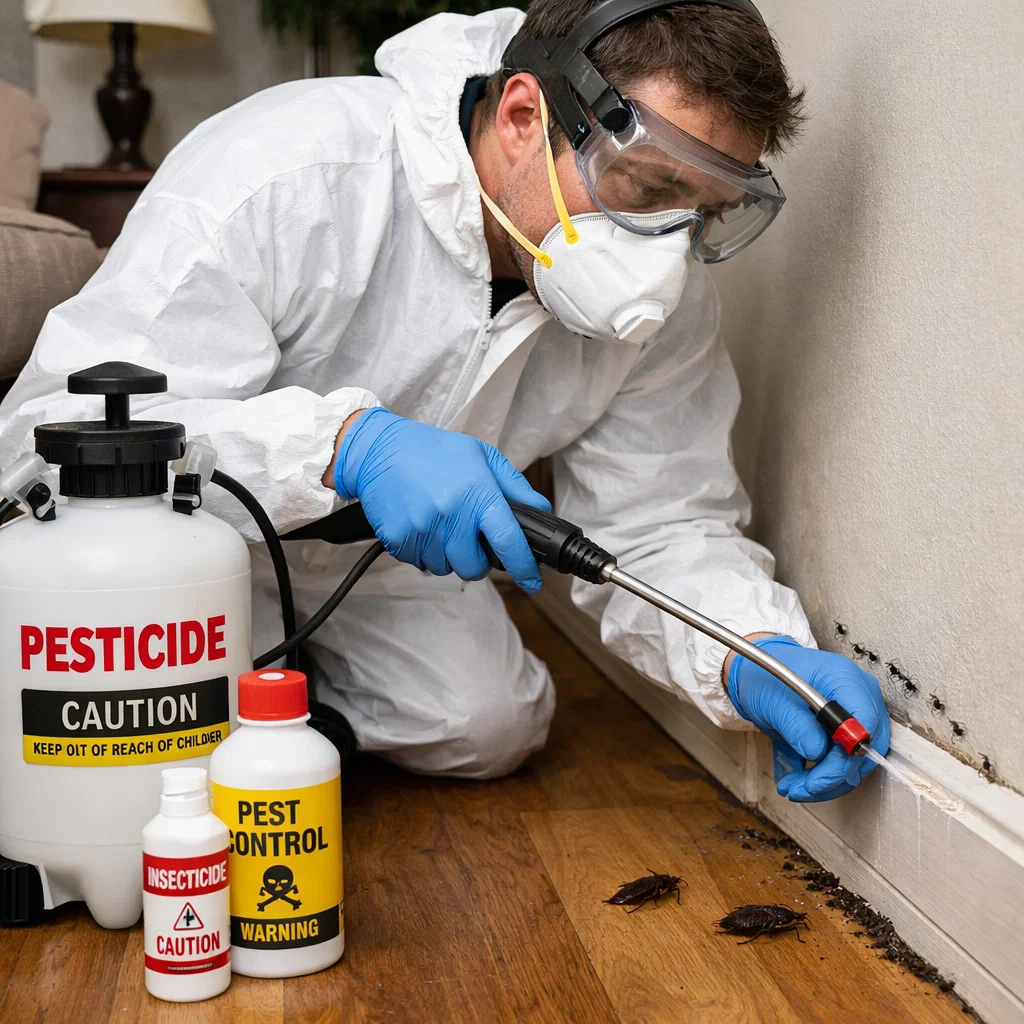
    When handling pest control medicine, especially chemical-based products, wearing protective gear is essential. This can help prevent accidental exposure and minimize health risks. Common protective gear includes:

    • Gloves: Prevent skin contact with potentially harmful chemicals.
    • Safety glasses or goggles: Protect your eyes from splashes and fumes.
    • Mask or respirator: Helps protect you from inhaling harmful fumes or dust, especially when spraying or applying powders.

    Even if the product is labeled as safe for home use, always follow safety recommendations and use protective gear whenever necessary.

    Handling Pest Control Medicine Around Children and Pets

    Children and pets are particularly vulnerable to the harmful effects of pest control medicines. To keep them safe:

    • Always apply pest control medicine when children and pets are not in the area.
    • Keep pest control products stored in a secure, childproof location.
    • If using a product in an area that children or pets frequent, ensure that it is safe once dry or settled.

    For households with young children or pets, consider non-toxic, botanical pest control products or consult with a professional pest control service to avoid risks.

    Correct Storage and Disposal

    Storing and disposing of pest control medicine correctly helps protect the environment and reduces the risk of accidental exposure. Follow these practices:

    • Storage: Store all pest control products in their original containers, tightly sealed, and out of the reach of children and pets. Keep them in a cool, dry place, away from food or other chemicals.
    • Disposal: Never pour pest control medicine down drains or toilets. Check local guidelines for hazardous waste disposal and use authorized collection centers to safely dispose of leftover or expired products.

    Choosing the Right Pest Control Medicine for the Job

    Choosing the correct pest control medicine depends on the type of pest you are trying to control and the environment where you are using it. Not all products work for all types of pests, so identifying the specific pest is the first step in the process.

    Identifying the Pest

    Before using pest control medicine, it is essential to correctly identify the pest. Different pests have different behaviors, habitats, and weaknesses. Some pests, like cockroaches, prefer damp, hidden areas, while others, like ants, follow scent trails to food sources. Understanding these behaviors helps you choose the most effective product for the job.

    Targeted Application vs. Broad Spraying

    Targeted application is always preferred over broad spraying. By focusing on specific areas where pests are present or likely to hide, you reduce the amount of pesticide used and limit exposure to non-target areas.

    For example, if you are dealing with a cockroach infestation, focus on cracks, crevices, and other hiding spots. Spraying the entire room can be wasteful and unnecessary, while a targeted approach delivers more effective results.

    Ready-to-Use vs. Concentrated Pest Control Products

    When selecting pest control medicine, you will typically choose between ready-to-use products and concentrated solutions. Both have their advantages depending on the situation:

    Ready-to-Use Products

    Ready-to-use products are convenient and require little preparation. They are available as sprays, traps, or powders that are ready for immediate application. These products are often preferred for small infestations or preventive measures. Examples include:

    • Ant or cockroach baits
    • Pre-filled insecticide sprays
    • Sticky traps for rodents or flies

    While convenient, ready-to-use products tend to be less concentrated, and you may need to apply more frequently for effective control, especially with larger infestations.

    Concentrated Products

    Concentrated products offer higher potency and are often more cost-effective for larger-scale or recurring infestations. These products usually require dilution with water before application and are more commonly used by professionals. Some examples of concentrated products include:

    • Liquid insecticides or rodenticides
    • Powdered insecticides
    • Fumigants for heavy infestations

    Concentrated products provide more lasting control but require careful measurement and mixing to avoid misuse.

    Commonly Used Active Ingredients in Pest Control Medicine

    Pest control medicines rely on a variety of active ingredients to kill or repel pests. Here are some commonly used ingredients and how they work:

    Pyrethroids

    Pyrethroids are synthetic chemicals that mimic the effects of pyrethrins, which are derived from chrysanthemum flowers. They disrupt the nervous system of insects, causing paralysis and death. Pyrethroids are commonly used to control cockroaches, ants, mosquitoes, and flies.

    Boric Acid

    Boric acid is a low-toxicity ingredient that is effective against ants, cockroaches, termites, and other pests. It works by dehydrating insects and damaging their exoskeleton. Boric acid is often used in bait stations and dust formulations.

    Neonicotinoids

    Neonicotinoids target the nervous system of insects and are commonly used in pest control for termites, fleas, and ants. They are more toxic to insects than humans or pets but require careful application to avoid harm.

    Diatomaceous Earth

    Diatomaceous earth is a natural, non-toxic option made from the fossilized remains of tiny aquatic organisms. It works by physically damaging the exoskeletons of insects, causing them to dry out and die. It is often used for flea, bed bug, and ant control.

    Integrated Pest Management (IPM) Principles

    Integrated Pest Management (IPM) is a holistic approach to pest control that focuses on preventing and reducing pest problems through a combination of strategies.

    IPM principles include:

    • Sanitation: Keeping environments clean and removing food and water sources that attract pests.
    • Exclusion: Sealing cracks and gaps in walls, windows, and doors to prevent pests from entering.
    • Biological control: Using natural predators to control pest populations (e.g., introducing ladybugs to control aphids).
    • Non-chemical methods: Traps, barriers, and other physical pest control measures.
    • Chemical control: Using pesticides only when necessary, as a last resort, and applying them in targeted areas.

    IPM methods help reduce the reliance on chemical pesticides, which benefits both the environment and human health.

    Lower-toxicity and Botanical Pest Control Options

    For households with children, pets, or sensitive individuals, lower-toxicity and botanical pest control options are often the best choice. These products use natural ingredients to control pests while minimizing risks to health.

    Examples of lower-toxicity and botanical options include:

    • Essential oils: Some oils, such as peppermint, lavender, and citronella, repel insects naturally.
    • Botanical insecticides: Plant-derived products like neem oil and diatomaceous earth.
    • Insecticidal soaps: Soaps made from fatty acids, which work by breaking down the pest’s exoskeleton.

    These options are less toxic but may require more frequent applications for effective results.

    When Professional Pest Control Intervention is the Smarter Choice

    DIY pest control can work for early-stage infestations, but when the problem escalates, expert intervention is often the safer, more effective choice. A professional pest control service is equipped with the tools, knowledge, and experience to tackle large, widespread infestations and ensure that pests do not return.

    Signs that professional pest control is necessary:

    • The infestation is widespread or growing
    • DIY treatments have failed
    • Health concerns arise (e.g., bites, allergies, or rashes)
    • Visible damage to property or wiring
    • Continuous pest activity despite preventive measures

    Conclusion

    Pest control medicine is a powerful tool when used correctly, but it is important to understand the proper use, safety measures, and environmental impact of any treatment. Whether you’re dealing with a minor issue or a serious infestation, following guidelines for proper application, choosing the right treatment, and knowing when to seek professional help are essential to controlling pest problems effectively and safely.

  • Chemical for Pest Control: Safe Use and Effective Control

    Chemical for Pest Control: Safe Use and Effective Control

    When people search for chemical for pest control, it’s often because they are either trying to handle an active infestation themselves or they are considering the safest and most effective pest control method. Chemicals for pest control, when used correctly, can be highly effective in managing a wide range of pests. However, the risks associated with improper use cannot be overlooked. This article will guide you through the essential safety and health precautions when using chemical pest control products, explain how to use them responsibly, and highlight when it’s best to seek professional assistance.

    Essential Safety and Health Precautions for Chemical Pest Control

    Before using any chemical for pest control, understanding how to handle the chemicals safely is critical. Safety should be the primary concern when choosing to use chemical pest control products, especially in environments where children, pets, and sensitive individuals are present.

    Key safety considerations include:

    • Personal Protective Equipment (PPE): Always wear appropriate PPE, such as gloves, goggles, and long sleeves. PPE reduces exposure to chemicals and helps protect against skin irritation and accidental ingestion.
    • Safe Application Practices: Always follow the instructions on the product label, including correct dilution rates, the application method (spray, dust, bait), and recommended application times.
    • Re-entry Times: After application, it’s important to know how long to wait before re-entering a treated area. This period ensures that chemicals have had enough time to work but also that the air and surfaces are safe again.
    • Reading Chemical Labels: Learn to properly read the product labels. The label contains vital information about the chemical, including safety precautions, dosage instructions, and the specific pests it targets.

    Proper use of chemicals for pest control is essential for ensuring that treatments are both effective and safe for your household.

    The Importance of Matching Chemicals to Specific Pests

    Different pests require different approaches for control, and choosing the wrong chemical for the job can lead to ineffective results or dangerous consequences. Understanding which chemicals are most appropriate for the pest you’re trying to control is critical to a successful pest management program.

    Chemicals used for pest control generally fall into two categories: insecticides and rodenticides. These substances have different effects depending on the pests they target, and they vary in their mode of action:

    • Insecticides: Designed to target insects like cockroaches, ants, flies, mosquitoes, and termites, insecticides can be further classified into those that attack the nervous system, digestive system, or exoskeleton.
    • Rodenticides: These are chemicals specifically formulated to eliminate rodents like rats and mice. Some rodenticides work by interfering with blood clotting, while others affect the digestive system.

    Always match the chemical product to the pest type. For example, using an insecticide designed for cockroaches on a rodent infestation will not solve the problem. Similarly, using a product unsuitable for a specific pest can result in harm to the environment, pets, or family members.

    How Different Chemical Types Work and Their Effects

    Chemicals for pest control can be divided into various types based on their active ingredients and how they affect pests. Understanding how each chemical works helps ensure the right treatment is applied effectively and safely.

    Common Chemical Types Used in Pest Control

    • Pyrethroids: These synthetic chemicals mimic natural insecticides found in chrysanthemum flowers. Pyrethroids target the nervous system of insects, leading to paralysis and death. They are commonly used for cockroaches, ants, mosquitoes, and flies.
    • Neonicotinoids: A newer class of chemicals, neonicotinoids affect the insect’s nervous system by interfering with neurotransmitters. They are typically used for controlling pests like fleas, termites, and ants.
    • Organophosphates: These are older chemicals that target the nervous system of pests. While effective, many organophosphates are toxic to humans and pets, which is why their use has been restricted in several countries.
    • Insect Growth Regulators (IGRs): These chemicals disrupt the normal growth process of insects, preventing them from molting properly or reaching maturity. IGRs are safer for humans and pets but very effective for controlling pests like cockroaches, fleas, and ants.
    • Rodenticides: Rodenticides, such as anticoagulants and neurotoxins, affect rodents by either thinning their blood (leading to death) or disrupting nerve functions. These are typically used in bait traps or stations.

    The duration of a chemical’s effects varies depending on its type, application method, and environmental factors. For instance, some insecticides have residual effects for weeks or even months, while others may break down more quickly, requiring reapplication. It’s important to follow the recommended guidelines for reapplication to ensure continued pest control and minimize risk to the environment.

    Integrated Pest Management and Chemical Control

    While chemicals can be effective for pest control, they should be part of a broader Integrated Pest Management (IPM) strategy. IPM combines different pest control methods to manage pest problems effectively while minimizing risks to health and the environment.

    IPM strategies include:

    • Sanitation: Keeping environments clean and free from food and water sources reduces the likelihood of pests.
    • Exclusion: Sealing cracks and gaps in walls, doors, and windows prevents pests from entering your home or business.
    • Biological control: Using natural predators or parasites to control pests, such as releasing beneficial nematodes to control soil pests.
    • Cultural control: Adjusting practices like watering schedules, lawn care, and waste disposal to discourage pest activity.

    Chemical control should only be used when other measures are insufficient, and it should always be used as part of an integrated strategy. Over-reliance on chemicals can lead to resistance, making it harder to control pests in the future.

    When is DIY Chemical Use Appropriate versus Professional Help?

    Using chemicals for pest control is an attractive option for many people who want to save time or money. However, DIY chemical control has limitations, and in certain situations, it can be dangerous or ineffective.

    DIY chemical use may be appropriate when:

    • The infestation is small and manageable
    • You can identify the pest and the appropriate chemical treatment
    • You have access to safe, easy-to-use chemicals that target the pest without posing a significant health risk

    However, in many cases, professional intervention is required. DIY chemical treatments can be hazardous if misapplied or overused. Professionals have the expertise to:

    • Properly identify the pest
    • Use the correct chemical and method for the situation
    • Apply chemicals safely, with consideration for health risks and the environment
    • Provide follow-up services and maintenance plans to ensure long-term pest control

    If you’re unsure whether you need professional help or want to ensure safe application, consider contacting a licensed pest control service.

    Post-Treatment Handling and Long-Term Prevention

    Once chemical pest control has been applied, it’s crucial to follow proper post-treatment handling to maximize effectiveness and ensure safety. The area must be ventilated to remove chemical residues and odors. If pets or children are in the treated area, be sure to follow the re-entry instructions on the label.

    Long-term prevention should focus on:

    • Regularly cleaning and inspecting the treated areas
    • Sealing gaps and cracks in the building
    • Using non-chemical prevention methods like traps, barriers, and baits

    Proper post-treatment handling is as important as the treatment itself. Failure to follow these steps can lead to a recurrence of the pest issue.

    Conclusion

    Chemical for pest control can be a powerful tool in managing pest issues, but it must be used responsibly and safely. By understanding the different chemical types, how they work, and how to apply them safely, homeowners and business owners can effectively control pests while reducing health and environmental risks. Always consider Integrated Pest Management strategies, and when in doubt, seek professional help to ensure the best results.

  • Lulu Pest Control Sharjah: A Review and Comparison

    Lulu Pest Control Sharjah: A Review and Comparison

    When it comes to choosing a pest control provider in Sharjah, people often look for reliability, quick response times, and, most importantly, the ability to get the job done without hassles. With numerous options available, it’s not uncommon for customers to feel torn between different providers, especially when dealing with an ongoing pest problem. One name that has appeared in Sharjah is Lulu Pest Control Sharjah, but many customers are now exploring alternatives as they search for better, more consistent service. One such alternative that has been gaining trust and offering more comprehensive solutions is First Station Pest Control.

    If you’ve found yourself searching for “Lulu Pest Control Sharjah reviews” or are considering other options, you’re not alone. With a current rating of only 3.6 stars from 249 Google reviews, Lulu Pest Control Sharjah is under the spotlight, especially given the importance of finding a service that is both effective and reliable. So, let’s dive into what sets Lulu Pest Control apart and why First Station Pest Control might be a better choice for your needs.

    What You Need from a Pest Control Service in Sharjah

    Pest control isn’t just about getting rid of pests temporarily; it’s about ensuring that they stay gone. Whether you’re dealing with a cockroach infestation in your home, bed bugs in your hotel, or termites slowly destroying the structural integrity of your property, a reliable and effective pest control service can make all the difference. In Sharjah, where the heat, humidity, and densely packed urban areas create an ideal environment for pests, professional pest control is essential for maintaining both comfort and safety.

    Most residents and businesses in Sharjah are looking for services that offer:

    • Fast response times: When pests invade, waiting isn’t an option. Immediate intervention is critical to prevent escalation.
    • Comprehensive services: Pest control should not be limited to a one-time treatment; it should include prevention, education, and ongoing support.
    • Trustworthiness and transparency: Reviews, service details, and company transparency matter when choosing a pest control provider.
    • Safe, non-toxic solutions: Especially in homes and businesses with pets and children, eco-friendly, non-toxic treatments are a must.

    These are the qualities many look for when comparing pest control services in Sharjah. Let’s see how Lulu Pest Control Sharjah measures up to these expectations.

    Lulu Pest Control Sharjah: The Pros and Cons

    Lulu Pest Control Sharjah has been a service provider in the area for a while, but as seen with their relatively low rating of 3.6 stars from 249 Google reviews, there are areas where they fall short. Here’s an overview of the company’s strengths and weaknesses based on customer feedback:

    Pros of Lulu Pest Control Sharjah

    Lulu Pest Control does have some positive aspects, especially for customers who have had minimal expectations or a simple pest issue. Here are some potential benefits:

    • Affordable pricing: Many customers report that Lulu Pest Control offers competitive pricing, which can be attractive for those on a budget.
    • Availability: Lulu Pest Control seems to have availability in Sharjah, especially for standard pest issues like ants, cockroaches, and mosquitoes.
    • Quick service for minor infestations: In cases of minor pest issues, Lulu Pest Control may offer a decent solution to keep things under control.

    Cons of Lulu Pest Control Sharjah

    However, the negative reviews reveal several concerns that make people hesitant about choosing Lulu Pest Control over other providers. These complaints generally center around reliability, customer service, and the effectiveness of treatments:

    • Inconsistent service: Many customers have expressed frustration with Lulu Pest Control’s inconsistency, particularly in handling recurring infestations. While the initial treatment might seem effective, the pests often return after a short period.
    • Long wait times: Several reviews highlight slow response times, especially during peak seasons when pest problems are at their worst. Timely intervention is critical for effective pest control, and waiting days for a response can escalate problems.
    • Poor customer service: Some customers have mentioned rude or unhelpful staff, with communication issues before, during, and after the treatment process. Poor customer service is a significant issue in any service industry.
    • Limited treatment options: Lulu Pest Control seems to offer basic, surface-level treatments without the depth and variety of services that more established providers offer. For example, eco-friendly or non-toxic treatments may not be as readily available.

    Why First Station Pest Control May Be the Better Option

    Now, let’s take a look at why First Station Pest Control could be a better choice for pest control in Sharjah, especially if you’re dissatisfied with your current provider or need a more effective long-term solution.

    Reliable, Fast, and Efficient Response

    One of the major factors that sets First Station Pest Control apart is their fast response times. Whether you’re dealing with a sudden infestation or need preventive maintenance, First Station offers a reliable service that’s available 24/7. Their technicians are trained to quickly assess the situation and implement the right treatment plan for your specific pest problem.

    Customers often rave about how quickly First Station’s team arrives after contacting them, especially in emergency cases. The response time is essential, as pests multiply rapidly, and leaving them unchecked for too long could lead to serious damage or health risks.

    Comprehensive, Effective Pest Control Services

    Unlike Lulu Pest Control, which some reviews suggest may offer limited services for simple problems, First Station provides a comprehensive approach. They offer more than just one-time treatments. Their services include:

    • Targeted pest control treatments for a wide range of pests, from rodents and termites to bed bugs and mosquitoes
    • Thorough inspections to identify entry points and nests
    • Follow-up services to ensure pests don’t return
    • Long-term prevention plans, including eco-friendly options and non-toxic treatments for families with pets and children

    By focusing on long-term results and sustainable pest control, First Station ensures that your pest problems are solved for good—not just covered up temporarily.

    Customer Service You Can Count On

    Good customer service is essential when dealing with pest control. First Station is known for its professionalism and commitment to customer satisfaction. Their team provides clear communication throughout the process, from scheduling to treatment, and they’re always available to answer questions or concerns.

    Unlike Lulu Pest Control, which has received complaints about poor customer service, First Station prides itself on being approachable and transparent. Customers are kept informed at every stage, and feedback is taken seriously to improve service standards.

    Pricing Transparency and Competitive Rates

    First Station Pest Control offers competitive pricing that’s transparent and upfront, without any hidden fees. The basic rates for services like cockroach treatment in apartments start at AED 119 for a studio and go up based on the size of the unit. Their pricing structure is clear and fair, with no surprises at the end.

    For larger properties or more severe infestations, First Station offers customized pricing based on the inspection results, ensuring that customers pay only for what they need. Compare this to Lulu Pest Control, where some reviews mention unexpected costs and unclear service pricing.

    For detailed pricing, you can always visit First Station’s pricing page for the most accurate and up-to-date rates. This level of transparency gives customers peace of mind, knowing exactly what they’re paying for.

    Safety and Eco-Friendly Options

    First Station takes safety seriously, especially when it comes to families and pets. They offer a variety of eco-friendly and low-toxicity options for pest control, using non-toxic chemicals when possible to minimize health risks. Their commitment to environmental sustainability also means that their methods are safe for the planet, providing a solution that not only controls pests but also reduces harm to the ecosystem.

    This stands in contrast to some pest control services that rely heavily on strong chemical treatments, which can pose health risks if not applied correctly. First Station’s focus on responsible pest control means that you get the effectiveness you need with minimal risk.

    Why First Station Pest Control is the Smarter Choice

    While Lulu Pest Control Sharjah offers basic services at lower rates, their low customer ratings and lack of comprehensive, reliable solutions make First Station a smarter choice for anyone serious about long-term pest control.

    With fast response times, effective treatments, and clear communication, First Station provides a level of service that addresses your needs at every step. Their transparency with pricing, commitment to eco-friendly practices, and excellent customer service make them the standout option for pest control in Sharjah.

    Conclusion

    If you’ve been frustrated with Lulu Pest Control Sharjah, or if you’re simply searching for a more reliable, professional, and eco-conscious pest control provider, First Station Pest Control offers the services you need. With their comprehensive, eco-friendly solutions, competitive pricing, and dedication to customer satisfaction, First Station provides the right support to solve your pest problems for good.

  • Jumeirah Pest Control for Homes and Businesses

    Jumeirah Pest Control for Homes and Businesses

    Pest problems in Jumeirah are common across both residential and commercial properties, as the area’s dense urban layout and humid climate create ideal conditions for various pests. Jumeirah is home to some of Dubai’s most luxurious homes, high-end restaurants, and bustling retail areas, all of which can face serious pest issues. In this article, we’ll explain the most common pests affecting Jumeirah properties, the impact of Dubai’s climate and property types on pest infestations, municipality-approved pest control methods, and how residents and business owners can take effective action to resolve and prevent infestations.

    We’ll also delve into eco-friendly treatment options, pricing considerations, preventive steps, and how professional expertise can help solve more complex problems such as termites and bed bugs. As a fast-growing community, Jumeirah requires pest control services that are safe, effective, and tailored to the unique conditions of its properties.

    Common Pest Problems in Jumeirah

    Pest control in Jumeirah is important due to the variety of pests commonly found in the area. Whether you live in an apartment, villa, or operate a business, pests can be a significant nuisance and health concern. Below are the most common pests affecting Jumeirah properties:

    Cockroaches

    Cockroaches are one of the most persistent pests in Jumeirah, particularly in kitchens, bathrooms, and service areas. They thrive in dark, damp environments and can carry diseases, contaminate food, and trigger asthma and allergies. Due to Jumeirah’s climate and dense residential areas, cockroach problems often occur in apartments and multi-unit buildings.

    Bed Bugs

    Bed bugs are a growing problem in Jumeirah, especially in hotels, apartment buildings, and shared accommodations. These pests are notoriously difficult to get rid of and often require professional treatment. Bed bugs spread easily through luggage, clothing, and furniture, making them a major concern for both residents and businesses like hotels and hostels.

    Rodents (Rats and Mice)

    Rodents are a significant issue in both residential and commercial properties in Jumeirah. They are attracted to food, water, and shelter, and can cause extensive damage by chewing wires, insulation, and even wooden structures. Rodents also carry diseases such as leptospirosis and salmonella, making them a serious health risk.

    Ants

    Ant infestations are common in Jumeirah, especially in kitchens and areas with high food traffic. Ants form colonies that can invade homes and businesses in search of food. While some species of ants are harmless, others, like the fire ant, can cause painful stings and allergic reactions.

    Termites

    Termites are a particularly destructive pest in Jumeirah, especially in villas and buildings with wooden structures. These pests feed on wood and can cause significant structural damage if left untreated. Because termites are often hidden within walls or under floors, infestations can go unnoticed for long periods of time until serious damage occurs.

    Flies and Mosquitoes

    Flies and mosquitoes are prevalent in Jumeirah, particularly around food preparation areas, outdoor spaces, and waste collection zones. Mosquitoes are known for transmitting diseases like dengue fever and malaria, while flies can spread bacteria and compromise food safety, making them a major concern for restaurants and other food-related businesses.

    The Influence of Dubai’s Climate and Property Types on Pest Infestations

    Dubai’s hot and humid climate plays a major role in the types of pests that thrive in Jumeirah. The year-round warmth encourages rapid pest reproduction, while the high humidity levels provide ideal breeding grounds for certain pests like mosquitoes and termites. The dense urban environment, combined with closely built residential and commercial structures, means that once pests find a way into one property, they can easily spread to others.

    In Jumeirah, the most common types of properties include:

    • Villas: Spacious homes with gardens and outdoor spaces that attract pests like rodents, ants, and termites.
    • Apartment buildings: Multi-unit dwellings where pests such as cockroaches, bed bugs, and ants can spread quickly between units.
    • Commercial properties: Restaurants, offices, and shops that face unique challenges such as maintaining hygiene while keeping pests away from food storage areas.
    • Hotels and guesthouses: High-turnover accommodations where bed bugs and other pests can be easily transported by guests and their belongings.

    Because Jumeirah is home to a mix of residential, commercial, and hospitality properties, pest control must address a wide range of challenges unique to each environment.

    Municipality-Approved Pest Control Practices

    In Sharjah and the wider UAE, pest control services are regulated to ensure the safety of residents, workers, and the environment. The Dubai Municipality plays a key role in approving pest control providers and ensuring that treatment methods adhere to safety standards. Using municipality-approved pest control services ensures that the treatments are both effective and safe.

    Benefits of municipality-approved pest control include:

    • Compliance with health and safety regulations
    • Use of safe and approved chemicals that minimize environmental impact
    • Trained technicians who follow strict safety guidelines
    • Effective control of pest problems while protecting your property and health

    It’s essential for residents and businesses in Jumeirah to select licensed pest control providers who follow these best practices to avoid unnecessary risks and ensure long-term pest prevention.

    Immediate Solutions for Active Infestations

    When dealing with an active pest infestation in Jumeirah, quick action is essential. While some DIY methods may offer short-term relief, professional pest control services provide comprehensive, targeted solutions. Immediate steps often include:

    • Inspection: Identifying the pest type, infestation level, and affected areas to determine the most effective treatment plan.
    • Targeted treatment: Using safe, pest-specific methods to eradicate the current infestation and prevent it from spreading.
    • Moisture control: Fixing leaks and eliminating excess moisture that may be attracting pests.
    • Exclusion techniques: Sealing cracks and gaps to prevent pests from entering through walls, doors, and windows.

    While these immediate solutions are effective for addressing current issues, long-term prevention requires a more comprehensive approach, which involves reducing environmental factors that attract pests.

    The Difference Between Short-Term Fixes and Long-Term Prevention

    Short-term fixes may temporarily reduce pest activity but rarely provide lasting results. Professional pest control in Jumeirah focuses on long-term prevention by addressing the root cause of the infestation and implementing measures to prevent future problems.

    Short-term fixes may include:

    • Spraying chemicals around visible pests
    • Using DIY traps or repellents
    • Sealing obvious entry points

    While these methods may kill or repel pests temporarily, they do not solve underlying issues. Long-term prevention is achieved by:

    • Identifying and treating hidden breeding grounds or nests
    • Implementing integrated pest management (IPM) systems
    • Using eco-friendly and sustainable pest control options
    • Regular inspections and maintenance to monitor and prevent recurrence

    Professional pest control providers ensure that a comprehensive prevention plan is in place to reduce the likelihood of future infestations.

    Eco-Friendly and Pet-Safe Treatment Options

    In Jumeirah, many homeowners and business owners prefer pest control methods that are eco-friendly and safe for pets and children. Non-toxic treatments help reduce health risks while effectively controlling pests. These methods include:

    • Using plant-based or low-toxicity pesticides
    • Focusing on prevention through exclusion and sanitation
    • Utilizing eco-friendly traps or baits

    Eco-friendly methods are especially important for homes with children, pets, or sensitive individuals, as well as for businesses that handle food or serve the public.

    General Pricing Considerations and What Affects Costs

    Pricing for pest control in Jumeirah varies based on several factors. The size of the property, type of pest, severity of the infestation, and treatment method all play a role in determining the final cost.

    For residential pest control in Jumeirah, the following prices typically apply:

    • Studio apartments: AED 119
    • 1-bedroom apartments: AED 139
    • 2-bedroom apartments: AED 179
    • 3-bedroom apartments: AED 211
    • 4-bedroom apartments: AED 238
    • 5-bedroom apartments: AED 287

    For larger commercial properties, pricing is typically calculated based on area size and the complexity of the infestation. Small commercial spaces may start at around AED 120, with prices increasing for larger or more complicated infestations.

    Specialized treatments such as termite control or mold remediation are typically more expensive due to the need for detailed inspection and specialized methods. For example, termite treatment in a 2-bedroom apartment may start from AED 550, and mold treatment is priced by square meter.

    All pricing is based on basic treatment services, with final pricing confirmed after inspection. The pest control provider will inform you of any additional costs before proceeding with treatment.

    Preventive Steps for Homes and Businesses

    Preventing pest problems in Jumeirah requires a combination of sanitation, property maintenance, and ongoing pest management practices. Some key preventive steps include:

    • Regularly cleaning kitchens, bathrooms, and storage areas
    • Sealing cracks and gaps around doors, windows, and pipes
    • Using airtight containers to store food and dispose of waste promptly
    • Fixing leaks and improving ventilation in humid areas
    • Scheduling regular pest inspections to catch early signs of infestations

    By implementing these steps and partnering with a professional pest control provider, you can prevent pests from becoming a recurring problem.

    Conclusion

    Pest control in Jumeirah is essential to maintaining a safe and healthy living or working environment. Professional services that are municipality-approved and use effective, eco-friendly methods ensure that pests are controlled without compromising safety. Whether you’re dealing with cockroaches, rodents, bed bugs, or termites, early intervention, ongoing prevention, and professional expertise are key to controlling pest problems effectively.

    For a clear and transparent pricing structure, visit our pricing page to understand what to expect based on your pest control needs.

  • What is Pest and Pest Control: A Complete Guide

    What is Pest and Pest Control: A Complete Guide

    What is pest and pest control? When pests start affecting our daily lives, they become more than just a nuisance. They cause discomfort, damage to property, and in some cases, health risks. This article will help explain what pests are, how they impact our health and property, and how pest control services work to manage and eliminate these issues. Additionally, we will explore common signs of pest infestations, practical prevention steps, and when it’s time to rely on professional pest control services.

    What is a Pest?

    A pest is any animal or insect that causes damage or inconvenience to human health, crops, property, or even animals. The term “pest” refers not to a specific species but to the harmful nature of certain creatures within our environment. While some animals can coexist with humans without any problems, others compete with us for food, shelter, and other resources. The harm they cause often makes them undesirable and dangerous in certain situations.

    Common examples of pests include insects like cockroaches, bed bugs, ants, termites, and mosquitoes, as well as rodents such as rats and mice. Other animals, like pigeons and squirrels, can also become pests, especially in urban environments.

    What is Pest Control?

    Pest control refers to the management or regulation of a species defined as a pest, usually because they are seen to be detrimental to a person’s health, the ecology, or the economy. Pest control can be achieved through a variety of methods, which may involve chemical treatments, natural remedies, or a combination of both. The goal of pest control is to reduce the impact of pests by eliminating their presence in human spaces, thus minimizing damage and health risks.

    There are various forms of pest control, including:

    • Chemical Pest Control: Using pesticides or chemicals to kill or repel pests.
    • Biological Pest Control: Introducing natural predators, parasites, or pathogens to control pest populations.
    • Physical Pest Control: Using barriers, traps, or mechanical methods to prevent pests from accessing areas.
    • Integrated Pest Management (IPM): A holistic approach that combines different strategies to manage pests in an environmentally sustainable way.

    In many cases, pest control begins with identifying the type of pest, the level of infestation, and the potential risks associated with that particular pest.

    Types of Pests That Affect Health and Property

    Pests can be broadly categorized based on the damage they cause and the risks they present. Some pests affect human health, while others damage structures or property. Here’s an overview of common pests in each category:

    Insects

    Insects are one of the most common pests in homes and businesses. Some of the most common pest insects include:

    • Cockroaches: Known for spreading bacteria and allergens, cockroaches are often found in kitchens and bathrooms. They are one of the most common pests in urban environments, particularly in high-density living spaces.
    • Bed Bugs: Bed bugs cause itching, allergic reactions, and can lead to sleepless nights. These pests are notorious for hiding in mattresses, couches, and behind wallpaper, making them difficult to eradicate.
    • Ants: Ants are not only a nuisance but can also contaminate food and other items. Some species, like fire ants, can be harmful to humans through their painful stings.
    • Termites: Termites are among the most destructive pests. They feed on wood and can severely damage the structural integrity of a building if left unchecked.
    • Mosquitoes: These pests are known for their itchy bites and their role in spreading diseases like malaria, dengue, and the Zika virus.
    • Flies: Flies can spread diseases by contaminating food and surfaces with bacteria they carry on their bodies and legs.

    Rodents

    Rodents are a significant concern for homes, offices, restaurants, and warehouses. The most common rodent pests are:

    • Rats: Rats cause serious damage to property, contaminate food, and carry diseases such as leptospirosis and salmonella. They often chew on wires, insulation, and structural elements of buildings.
    • Mice: Mice are smaller than rats but cause similar damage. They contaminate food, spread diseases, and chew on wires, insulation, and wood.

    Other Pests

    Other pests such as birds and larger animals can also become a problem. For example, pigeons can create messes and damage property with their droppings, while squirrels may invade attics and chew through wires and insulation.

    Recognizable Signs of Infestation

    Recognizing the signs of a pest infestation is essential for timely intervention. Each type of pest has distinct indicators that homeowners and businesses should look out for:

    Cockroaches

    Signs of cockroach infestations include:

    • Visible cockroaches, especially at night
    • Dark streaks or droppings, particularly in hidden areas
    • Unpleasant musty odor
    • Damaged food packaging or chewed wires

    Bed Bugs

    Signs of bed bugs include:

    • Red, itchy bite marks on the skin
    • Blood stains on bed sheets or mattresses
    • Small, rust-colored spots or eggs on furniture or carpets

    Ants

    Ant infestations are often visible by the long trails they leave. Look for:

    • Ants marching along walls, floors, or counters
    • Small piles of dirt or debris near their entry points
    • Food and other items being taken away by ants

    Rodents

    Signs of rodent infestations include:

    • Gnaw marks on food packaging, furniture, or electrical wires
    • Rodent droppings near food or along walls
    • Noises in walls or ceilings, especially at night

    Termites

    Signs of termite activity include:

    • Visible mud tubes along walls, floors, or ceilings
    • Hollowed-out wood or visible wood damage
    • Flying termites (swarmers) during certain seasons

    The Risks of Pests: Health and Structural Damage

    Pests are more than just an inconvenience. They can pose significant risks to human health and property:

    Health Risks

    Pests such as cockroaches, bed bugs, and mosquitoes can transmit various diseases. For instance:

    • Cockroaches are linked to asthma, especially in children, and they can carry bacteria that lead to food poisoning.
    • Bed bugs cause itching, rashes, and allergic reactions. In rare cases, their bites can lead to secondary infections.
    • Mosquitoes are well-known for spreading diseases such as malaria, dengue, and Zika virus.

    Structural Risks

    Other pests, particularly rodents and termites, can cause significant damage to property:

    • Rats and mice chew through insulation, wires, and wooden structures, causing long-term damage.
    • Termites can destroy wooden beams, doors, and furniture, leading to costly repairs.

    Why Timely Pest Control Matters

    When it comes to pest control, time is of the essence. Delayed intervention can result in:

    • Increased health risks from prolonged exposure to pests
    • Escalated infestation size, making it more expensive to treat
    • Further structural damage that could lead to costly repairs
    • Worsening hygiene conditions, particularly in food-related businesses

    Preventing Pest Problems: What You Can Do

    Prevention is always better than treatment. While professional pest control is essential for large infestations, there are steps homeowners and business owners can take to minimize risk:

    • Seal cracks and gaps in walls, windows, and doors
    • Store food in airtight containers and clean up food crumbs promptly
    • Fix leaks and remove standing water sources
    • Regularly clean and declutter areas that are prone to pest activity

    DIY Pest Control vs Professional Services

    While DIY pest control methods can sometimes help manage minor issues, they are often insufficient for larger infestations. Professional pest control services are necessary when:

    • The infestation is widespread and difficult to reach
    • The problem persists despite DIY efforts
    • The pests are causing significant damage or health concerns

    Professional services offer the advantage of trained technicians who can identify the root cause of infestations and provide long-term solutions. They also use safer and more effective chemicals that are not available for general consumer use.

    Integrated Pest Management (IPM)

    IPM is an eco-friendly and sustainable approach to pest control that combines multiple strategies to manage pests while minimizing harm to humans, pets, and the environment.

    IPM includes:

    • Preventing pest access
    • Using non-chemical methods when possible
    • Only applying chemicals when necessary and in a targeted manner

    IPM ensures that pest control is effective, safe, and sustainable in the long term.

    Safety Considerations for Families and Pets

    Many pest control treatments can be harmful if not applied correctly, especially in homes with children and pets. Professional services prioritize safety by:

    • Using low-toxicity chemicals and eco-friendly options when possible
    • Providing clear instructions on re-entry times
    • Ensuring food areas are properly protected during treatments

    Service Follow-Ups and Guarantees

    Most reputable pest control companies offer follow-up visits or maintenance plans. These services are important for:

    • Ensuring the infestation is fully under control
    • Reassessing the effectiveness of treatments
    • Providing additional services as needed

    Guarantees depend on the severity of the infestation and the services provided, but a good provider will always stand behind their work.

    Next Steps for Dealing with Pest Issues

    If you’re dealing with pests, don’t wait. Ignoring the problem can lead to bigger risks and more expensive solutions later on. For homes and businesses in Sharjah, First Station Pest Control offers reliable, professional services designed to meet your specific needs. Whether you’re dealing with a small infestation or a larger issue, the team is ready to provide fast, safe, and effective pest control. Click on the WhatsApp or Call button to get in touch and schedule an inspection today!

    Conclusion

    Understanding what pests are, how they affect health and property, and knowing when professional pest control is necessary can save you time, money, and stress. Whether it’s tackling a small issue with a DIY approach or addressing a more significant problem with professional services, timely action makes all the difference. Don’t wait for pests to take over—control pest control with a reliable, trained professional who can ensure a safer, pest-free environment for you and your loved ones.

  • Pest Control Qusais for Homes and Businesses

    Pest Control Qusais for Homes and Businesses

    In Al Qusais, as in other busy, densely populated areas of Dubai, pest issues are a common concern. Homes, businesses, schools, and healthcare facilities in this area are not immune to infestations. Whether you’re facing a cockroach issue in your kitchen, bed bugs in your bedroom, rodents in your attic, or termites slowly eating away at your property, pest control becomes essential. Professional pest control is the most effective way to address these problems and prevent them from getting out of hand.

    This article covers the most common pest problems in Al Qusais, why they are prevalent in this specific environment, the importance of using Dubai Municipality-approved treatments and licensed technicians, the role of inspections and follow-ups, pricing considerations, and the typical pest control process. We’ll also cover basic prevention tips, safety concerns for families and pets, and how to protect your property from recurring pest problems.

    Common pest problems in Al Qusais

    Al Qusais, a mix of residential and commercial properties, offers ideal conditions for a variety of pests. Warm weather, dense urban development, and shared building structures make it easy for pests to thrive and spread. Below are some of the most common pests encountered in Al Qusais.

    Cockroaches

    Cockroaches are one of the most persistent pests in Al Qusais. They can be found in kitchens, bathrooms, drains, and other areas where food and moisture are present. Cockroaches are known to spread bacteria, trigger allergies, and worsen asthma, making them not just a nuisance but a serious health concern.

    These pests thrive in the humid conditions of Al Qusais and often spread quickly once they find a source of food and water. A cockroach infestation can grow rapidly if not addressed promptly, which is why fast, professional pest control is essential.

    Bed Bugs

    Bed bugs are another common issue in Al Qusais, especially in apartment buildings, hotels, and shared accommodations. Bed bugs spread easily through luggage, clothing, and furniture, and their bites can lead to discomfort and allergic reactions. Unlike cockroaches, bed bugs are often harder to detect and require specialized treatments to eliminate. DIY methods typically fail to eradicate these pests, making professional intervention necessary.

    Rodents (Rats and Mice)

    Rodents are a serious problem in Al Qusais, particularly in older buildings and properties with poor maintenance. They are attracted to food and water sources, and their presence can lead to contamination, damage to wiring, and even structural issues. Rodents often hide in walls, ceilings, and attics, which can make spotting them difficult.

    Rats and mice are known to carry diseases such as Hantavirus, Salmonella, and Leptospirosis, making them a major health risk. It’s critical to address a rodent infestation quickly before it becomes widespread.

    Termites

    Termites can cause significant damage to property in Al Qusais, particularly to wooden structures. They remain hidden for long periods, making it difficult to detect the damage until it is extensive. These pests can quietly weaken the structural integrity of buildings, causing thousands of dirhams in damage before property owners even notice the issue.

    Termites thrive in the warm, humid conditions of Al Qusais and are often found in older buildings or properties with wood-based construction. Professional pest control services are essential for detecting and treating termite infestations before they cause irreversible damage.

    Why pest issues are prevalent in Al Qusais

    Several factors contribute to the high prevalence of pest problems in Al Qusais:

    • Warm Climate: The consistent warm temperatures throughout the year create an ideal breeding ground for pests like cockroaches, ants, and termites. This also means that pest problems in Al Qusais are not seasonal but can persist year-round.
    • Urban Density: The dense urban environment of Al Qusais means many homes and businesses are located close to each other, making it easy for pests to spread from one property to another. Shared walls and common areas allow pests like rodents and termites to travel unnoticed.
    • Older Infrastructure: Many buildings in Al Qusais are older, which can lead to structural issues like gaps, cracks, and moisture buildup—perfect conditions for pests to hide, nest, and breed.
    • Poor Waste Management: In some parts of Al Qusais, improper waste management can attract pests, especially rodents, flies, and cockroaches. Open garbage bins and poorly maintained waste areas can quickly become breeding grounds for pests.

    These factors make it essential to have a comprehensive pest control plan to prevent infestations and address problems when they arise.

    Why Dubai Municipality-approved pest control is important

    In Dubai, including Al Qusais, pest control must adhere to strict regulations set by the Dubai Municipality. Using a provider that is licensed and approved by the Municipality ensures that treatments are safe, effective, and compliant with local laws. Unlicensed treatments or companies can result in improper application of chemicals, posing health risks to residents and pets.

    Municipality-approved pest control services are designed to:

    • Use chemicals and treatments that are safe for humans, pets, and the environment
    • Ensure that technicians are trained and knowledgeable about safe handling practices
    • Comply with all local regulations regarding pest control and waste management
    • Provide transparent pricing and detailed service explanations
    • Offer proper documentation and guarantees for treatments

    By choosing an approved pest control provider, you can be confident that your home or business is being treated with the most appropriate, safe methods available.

    Response speed for urgent infestations

    When dealing with pests like bed bugs, cockroaches, or rodents, time is of the essence. These pests can reproduce quickly and cause damage or health issues, so a fast response is critical to prevent further harm.

    Many pest control companies in Al Qusais offer emergency services and same-day appointments to handle urgent infestations. However, it’s important to ensure that the provider you choose does not rush the process. An effective pest control service should provide an inspection first, assess the extent of the problem, and recommend appropriate treatments before starting the work.

    Fast response times are particularly important for businesses in Al Qusais, as pest issues can disrupt operations, lead to health code violations, and damage the business’s reputation.

    Pricing considerations and cost factors

    Pricing for pest control services in Al Qusais varies depending on several factors, including the type of pest, the severity of the infestation, the size of the property, and the type of treatment required.

    For instance, pest control for cockroaches in a small apartment may cost around AED 119 for a studio and increase to AED 287 for larger apartments. The cost of treating a more complex issue, like termites, can range from AED 300 for a 1-bedroom apartment to over AED 1,000 for larger properties.

    Here are some general price ranges for common pest treatments in Al Qusais:

    Cockroach control

    • Studio apartment: AED 119
    • 1-bedroom apartment: AED 139
    • 2-bedroom apartment: AED 179
    • 3-bedroom apartment: AED 211
    • 5-bedroom apartment: AED 287

    Bed bug control

    • Studio apartment: AED 119
    • 1-bedroom apartment: AED 139
    • 2-bedroom apartment: AED 179
    • 3-bedroom apartment: AED 211
    • 5-bedroom apartment: AED 287

    Rodent control

    • Studio apartment: AED 79
    • 1-bedroom apartment: AED 109
    • 2-bedroom apartment: AED 139
    • 3-bedroom apartment: AED 159
    • 5-bedroom apartment: AED 219

    Termite control

    • 1-bedroom apartment: AED 300
    • 2-bedroom apartment: AED 550
    • 3-bedroom apartment: AED 800
    • 4-bedroom apartment: AED 1,050
    • 5-bedroom apartment: AED 1,300

    For more complex commercial or industrial properties, prices are usually calculated based on the area size and complexity of the infestation.

    All prices represent basic treatment. The final cost is always confirmed after inspection, and no work proceeds without customer approval.

    Warranties and follow-up services

    Warranties and follow-up services are common with professional pest control in Al Qusais. These services ensure that pests do not return and that any treatment failures are addressed promptly.

    Follow-up services may include:

    • Re-inspection of treated areas
    • Additional treatments if pest activity persists
    • Regular maintenance plans for high-risk properties

    Professional pest control services in Al Qusais typically offer guarantees that the infestation will be controlled or eliminated, but the length and details of these guarantees vary depending on the provider and the type of treatment.

    Safety for families, employees, and pets

    When it comes to pest control, safety is a top priority. Professionals in Al Qusais follow strict safety protocols to ensure the health of residents, employees, and pets. When choosing a pest control provider, always ask about their safety procedures.

    Expect the following safety measures:

    • Clear instructions on how to prepare your home or business before treatment
    • Protection of food and sensitive areas during treatment
    • Specific advice on when it is safe to re-enter the treated areas
    • Pet-specific precautions if necessary
    • Aftercare instructions to maintain safety

    Prevention tips to avoid future infestations

    Preventing future pest problems is just as important as dealing with an existing infestation. Here are some prevention tips for homeowners and businesses in Al Qusais:

    • Regular cleaning and vacuuming to remove food particles
    • Fixing leaks and addressing moisture issues
    • Sealing cracks and gaps around doors, windows, and walls
    • Proper waste disposal and storage
    • Regularly inspecting for signs of pests

    Conclusion

    Whether you are dealing with cockroaches, bed bugs, rodents, termites, or any other pest issue, pest control in Al Qusais is necessary to keep your property safe, clean, and free from infestations. Understanding the costs, service expectations, and safety procedures will help you choose a provider who delivers results without compromising your well-being. By acting quickly, choosing licensed and experienced providers, and following prevention tips, you can ensure that pest problems are effectively managed and prevented from returning.