Author: Widia Utari Utama

  • Pest Control Equipment for Effective Solutions

    Pest Control Equipment for Effective Solutions

    When it comes to pest control, selecting the right equipment is just as important as knowing the type of pest you are dealing with. Whether you’re a homeowner trying to control a small infestation or a professional pest control provider, understanding how to match the right tools to specific pests can greatly affect the outcome of your efforts. In this article, we’ll explore how to identify the pests you’re dealing with, match them to the right pest control equipment, and explain why choosing the right tool makes all the difference. We’ll also cover key considerations such as safety, equipment maintenance, and the cost of inaction if you don’t choose the right pest control equipment.

    Identifying the Right Pest for the Right Equipment

    The first step in effective pest control is identifying the pest you’re dealing with. Once you have a clear understanding of what you’re facing, selecting the appropriate equipment becomes a much easier task. Different pests require different treatments and tools, which vary greatly in terms of design, application method, and effectiveness.

    Common Pests and Their Equipment Needs

    Here’s a breakdown of some of the most common pests and the equipment best suited for them:

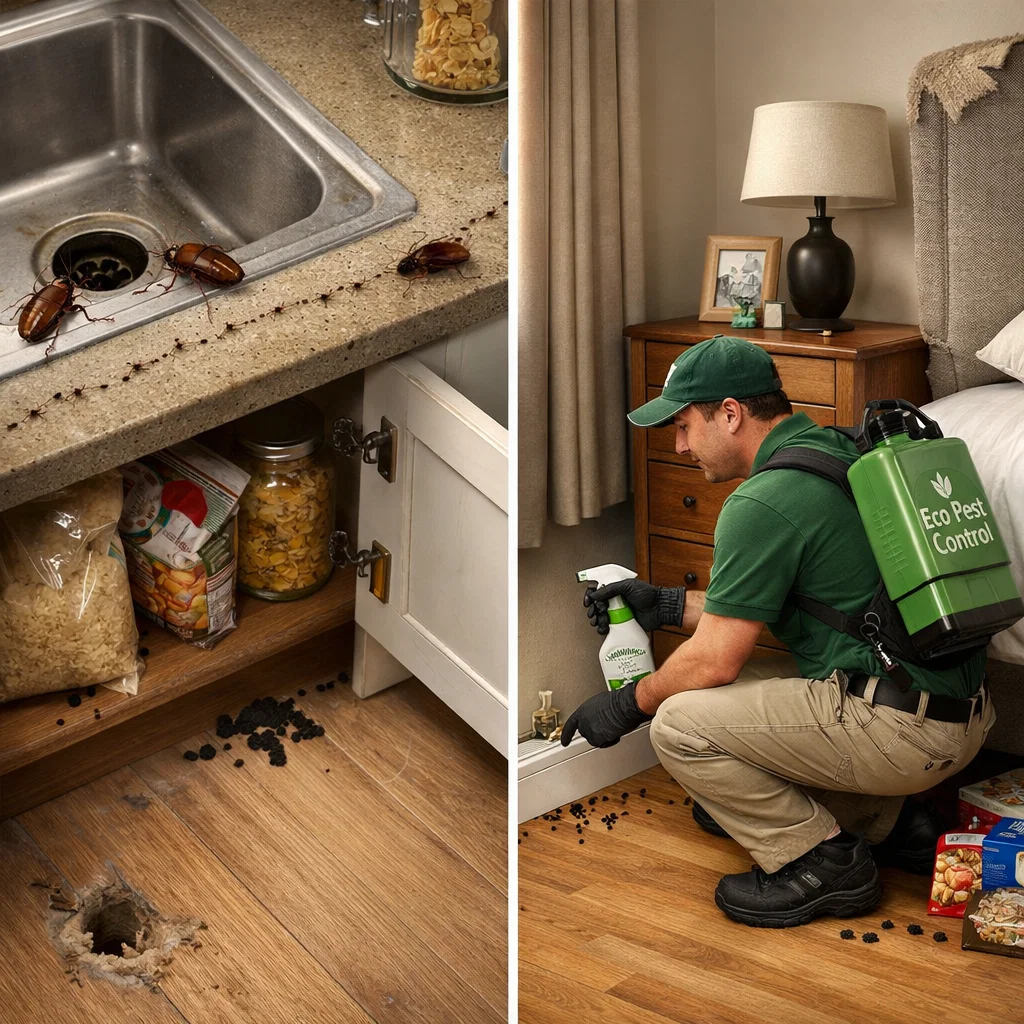
    • Cockroaches: These pests are best controlled with high-quality sprayers or foggers. Cockroaches are resistant to many types of insecticides, so using the right equipment with the correct PSI (pounds per square inch) can ensure an even distribution of the pesticide and get to all the cracks and crevices where they hide. Professional-grade sprayers with a nozzle that provides fine mist are ideal for cockroach control.
    • Bed Bugs: Bed bugs are notoriously difficult to eliminate because they hide in the smallest cracks, bedding, and furniture seams. Professional bed bug control often requires heat treatment or targeted insecticide applications using specialized equipment like steamers and dust applicators. A steamer with high PSI will provide the heat necessary to kill bed bugs at all life stages.
    • Ants: Ants are often treated with baits or sprays. For small infestations, consumer-grade sprayers or bait stations may be sufficient, but for large colonies, using a sprayer with a high-capacity tank and nozzle precision will help target nests deep within walls.
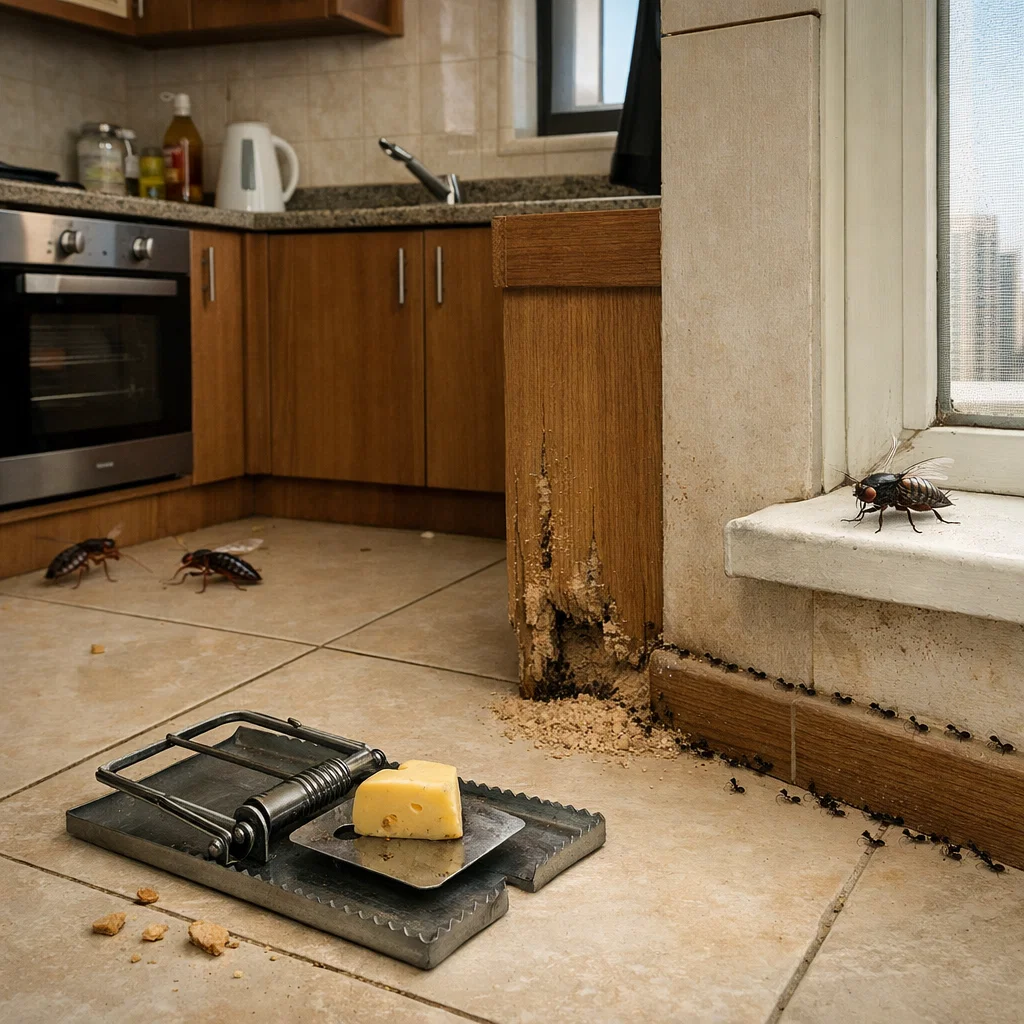
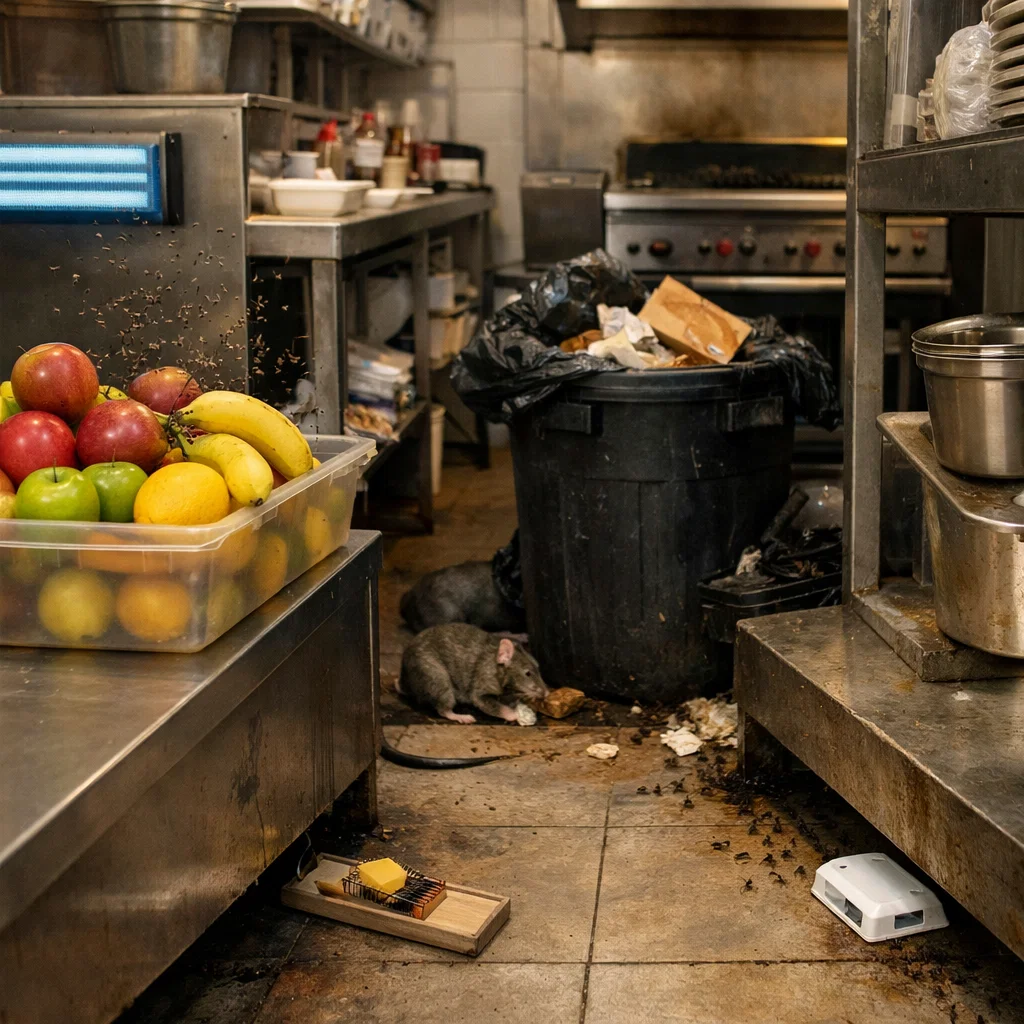
    • Rodents: For rodent control, traps are essential, but for larger infestations, rodenticide dispensers and bait stations are often required. These need to be placed in areas where rodents are active but away from pets or children. Traps and dispensers need to be durable and designed to safely store the rodenticide or trap the rodents without harm to non-target animals.
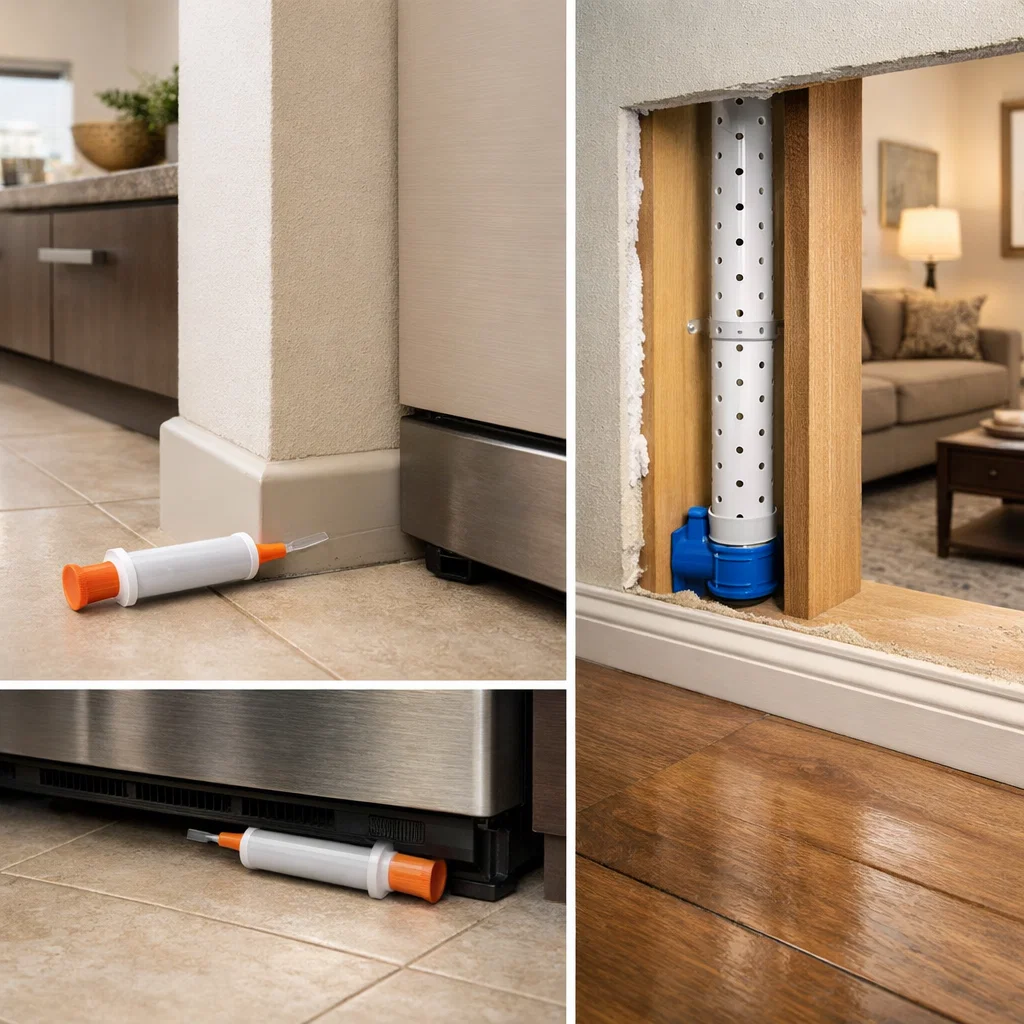
    • Termites: Termite control typically requires more specialized equipment like drilling systems and injectors. Professional-grade equipment that delivers chemicals deep into the foundation is necessary for thorough treatment. These systems can be adjusted for different PSI levels to ensure the treatment reaches the right depth.

    Pro-Grade vs. Consumer-Grade Pest Control Equipment

    When selecting pest control equipment, one of the biggest choices you’ll face is whether to go for consumer-grade tools or professional-grade equipment. Let’s break down the key differences:

    Pro-Grade Pest Control Equipment

    Professional-grade pest control equipment is designed for frequent, heavy-duty use and typically offers superior performance compared to consumer-grade tools. Here are the key features of pro-grade equipment:

    • Higher PSI: Professional sprayers often feature higher PSI, allowing for deeper penetration of pesticides or fumigants. This is essential for larger or more stubborn infestations.
    • Durability: Pro-grade tools are made from more robust materials, ensuring they withstand heavy use over time. They often feature stainless steel components, high-quality seals, and precision-engineered nozzles.
    • Nozzle Precision: The nozzle of professional sprayers is often more precise, allowing for a controlled and even distribution of chemicals, which ensures that every crack and crevice gets treated.
    • Larger Capacity: Pro-grade equipment often has larger reservoirs, meaning fewer refills during extended applications. This makes it ideal for larger properties, commercial spaces, or professional pest control companies.

    Consumer-Grade Pest Control Equipment

    Consumer-grade equipment is typically less expensive and easier to use, but it lacks the durability and advanced features of professional tools. Here are the key features of consumer-grade equipment:

    • Lower PSI: Consumer-grade sprayers typically have a lower PSI, which may be less effective in treating deep infestations or pests that require a fine mist.
    • Smaller Capacity: These tools are smaller and more lightweight, which makes them ideal for small areas or home use but may require frequent refilling during larger treatments.
    • Basic Nozzle Designs: The nozzles on consumer sprayers are often less precise, which can lead to uneven application and wasted product. However, they are sufficient for smaller jobs like treating individual rooms or spot treatment of outdoor areas.
    • Inexpensive Materials: Consumer-grade equipment is often made from plastic, which may not withstand frequent or extended use, and may need replacement sooner than professional tools.

    While consumer-grade equipment can be a good option for light, occasional pest issues, professional-grade tools are necessary for more extensive infestations, regular treatments, and commercial properties.

    Safety Considerations for Pest Control Equipment

    When using pest control equipment, safety should always be a top priority. Improper handling of equipment or chemicals can result in health risks, contamination, and even environmental damage.

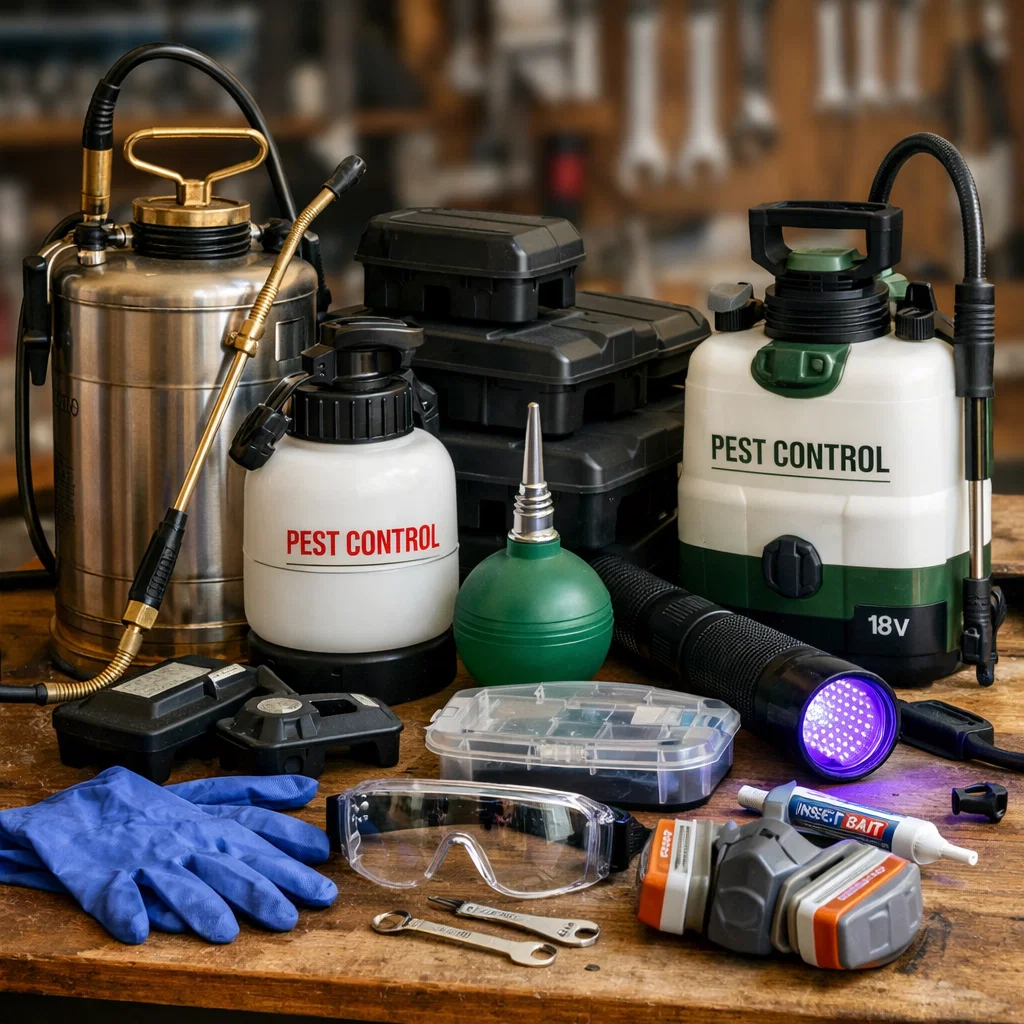
    Personal Protective Equipment (PPE)

    Proper PPE is necessary when handling pest control chemicals. Here are the basics of PPE you should wear:

    • Gloves: Always wear durable gloves that protect your skin from direct contact with pesticides or chemicals.
    • Goggles: Protective eyewear is essential to shield your eyes from accidental splashes or fumes.
    • Mask: A respirator mask or dust mask is necessary to prevent inhalation of fumes or particles when applying pesticides or dealing with dust mites.
    • Long-Sleeve Clothing: Wearing long-sleeve shirts and pants can prevent chemicals from contacting your skin.

    Safe Storage of Equipment and Chemicals

    After using pest control equipment, it’s crucial to store everything safely:

    • Store pesticides, tools, and equipment in a dry, secure place away from children and pets.
    • Ensure sprayers are cleaned after each use and stored in a location where they won’t be exposed to extreme temperatures.
    • Keep chemicals in their original containers with labels intact, so you can easily identify them and follow safety guidelines.

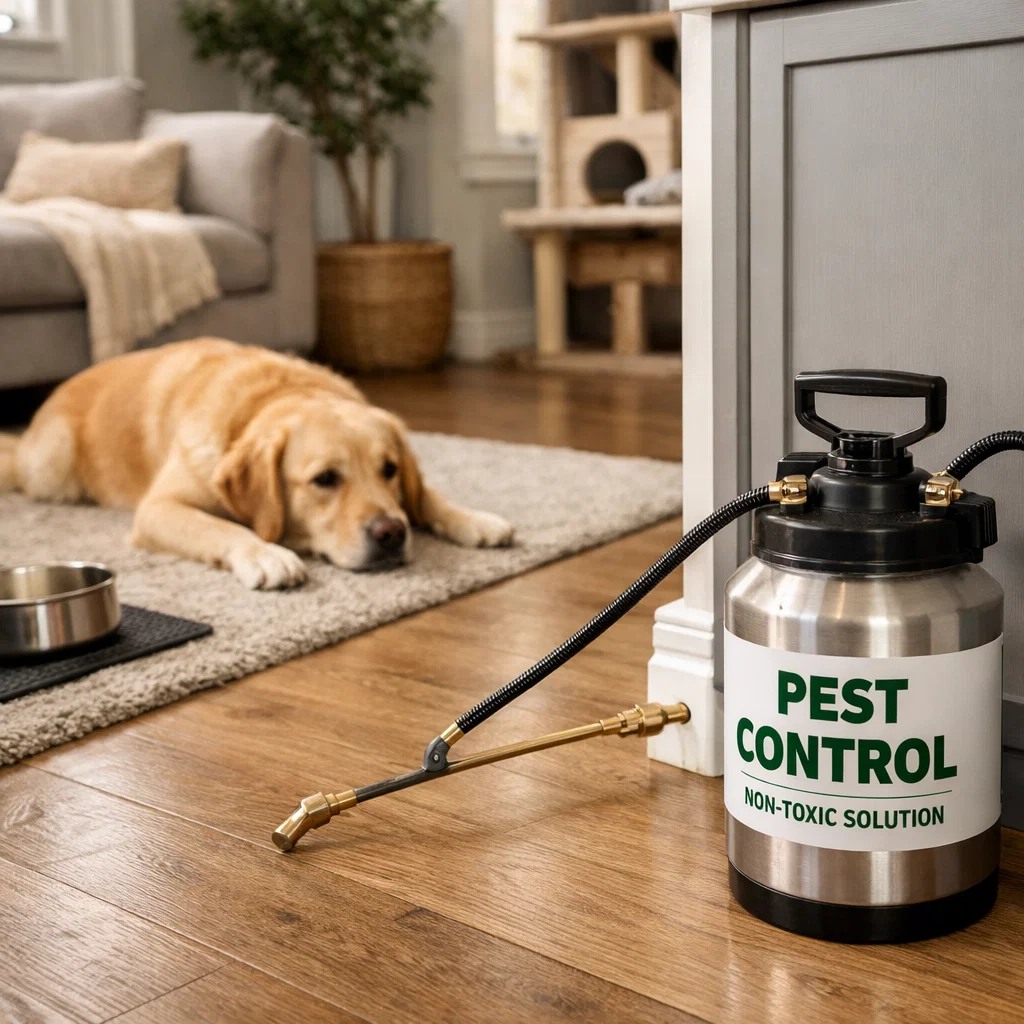
    Pet-Safe Tools and Methods

    When you have pets in your home, selecting pet-safe pest control tools and methods is essential. Professional pest control services now offer more eco-friendly and non-toxic solutions that minimize harm to animals. Some pet-safe options include:

    • Low-toxicity insecticides
    • Biological treatments such as beneficial nematodes
    • Steam treatments that don’t require chemicals

    Always ensure that your pets are kept out of treated areas for the recommended duration before re-entering.

    Maintenance of Pest Control Equipment

    To ensure your pest control equipment lasts and works effectively, maintenance is key. This includes cleaning sprayers, calibrating spreaders, and checking for wear and tear.

    Cleaning Sprayers

    After every use, it’s important to clean your sprayer properly to prevent clogging and contamination. Follow these steps:

    • Empty any remaining chemical solution from the tank.
    • Rinse the tank with clean water and run it through the nozzle to flush out any leftover product.
    • Disassemble the sprayer, remove the nozzle, and clean it with a brush or cloth to remove any debris.

    Calibrating Spreaders

    If you use a spreader for granular treatments, calibration ensures that the right amount of product is applied. To calibrate a spreader:

    • Set the spreader on a flat surface and fill it with the pest control product.
    • Run the spreader for a set distance and weigh the remaining product to ensure even distribution.
    • Adjust the settings on the spreader to match the desired spread rate.

    Visual Guides and Equipment in Action

    Seeing pest control equipment in action can help you understand its proper use. Videos or step-by-step images can clarify how to operate your tools effectively. For instance, you may find video loops or image galleries showing a sprayer releasing a fine mist or a dust applicator spreading powder over affected areas.

    The Cost of Inaction: Why Choosing the Wrong Equipment Can Cost More

    Using the wrong pest control equipment or failing to act quickly can result in bigger infestations, damage to your home, and higher treatment costs later. For example, using a low-quality sprayer on a large cockroach infestation will likely result in the need for additional treatments and products, leading to higher overall costs. Similarly, choosing not to invest in proper equipment for termite treatment can lead to severe structural damage that may cost thousands to repair.

    Choosing the right pest control equipment, especially when dealing with serious infestations, is an investment in your home or business’s long-term health and safety.

    Conclusion: Investing in the Right Pest Control Equipment

    Whether you’re tackling a small pest issue or dealing with a large-scale infestation, using the right pest control equipment can make all the difference in your success. From identifying the pests to choosing the proper tools, understanding maintenance, and following safety precautions, investing in the right equipment leads to better, longer-lasting results. Remember, the cost of using the wrong equipment is far higher than getting professional-grade tools from the start.
  • Pest Control JLT for Homes and Businesses

    Pest Control JLT for Homes and Businesses

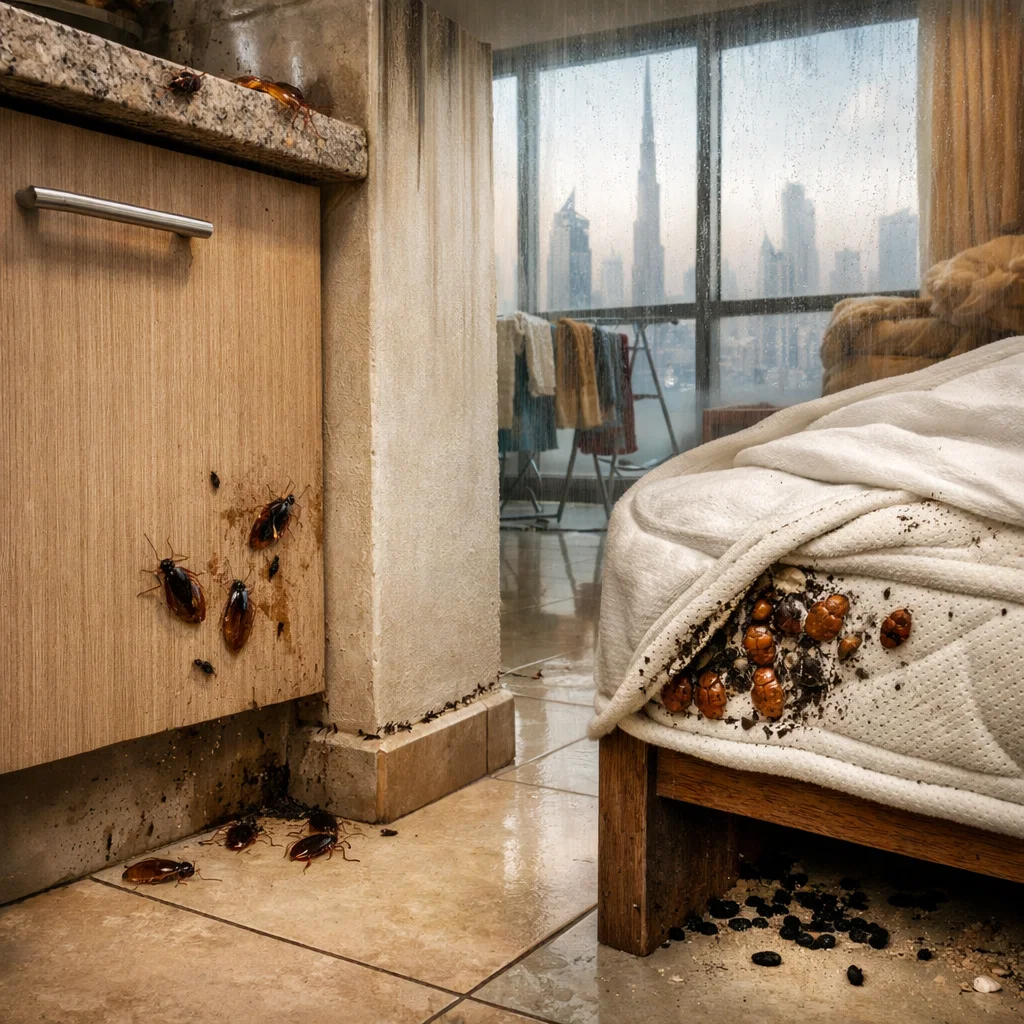
    Living in high-rise buildings like those in Jumeirah Lakes Towers (JLT) offers a range of conveniences, but it also brings unique challenges when it comes to pest control. In JLT, pests like cockroaches, bed bugs, and drain flies can easily travel between floors, spreading throughout the building. The combination of shared infrastructure such as trash chutes, air conditioning ducts, and common walls makes it easy for pests to infest multiple apartments or businesses. Proper pest control in JLT requires a more tailored approach, focusing not only on eliminating visible pests but also targeting the source of the infestation to ensure long-term effectiveness.

    This blog post discusses the specific pest challenges in JLT, the importance of using Dubai Municipality-approved services, and the logistical issues of pest control in high-rise buildings. It also provides insight into the three most common pests in JLT—German cockroaches, bed bugs, and drain flies—and explains why professional pest control is the smarter and safer choice compared to DIY methods. Additionally, we will explore eco-friendly and pet-safe solutions for the pet-friendly community in JLT and provide a “Landlord vs. Tenant” checklist to clarify who is responsible for pest control in rental properties.

    Why Pest Control in JLT Requires Special Consideration

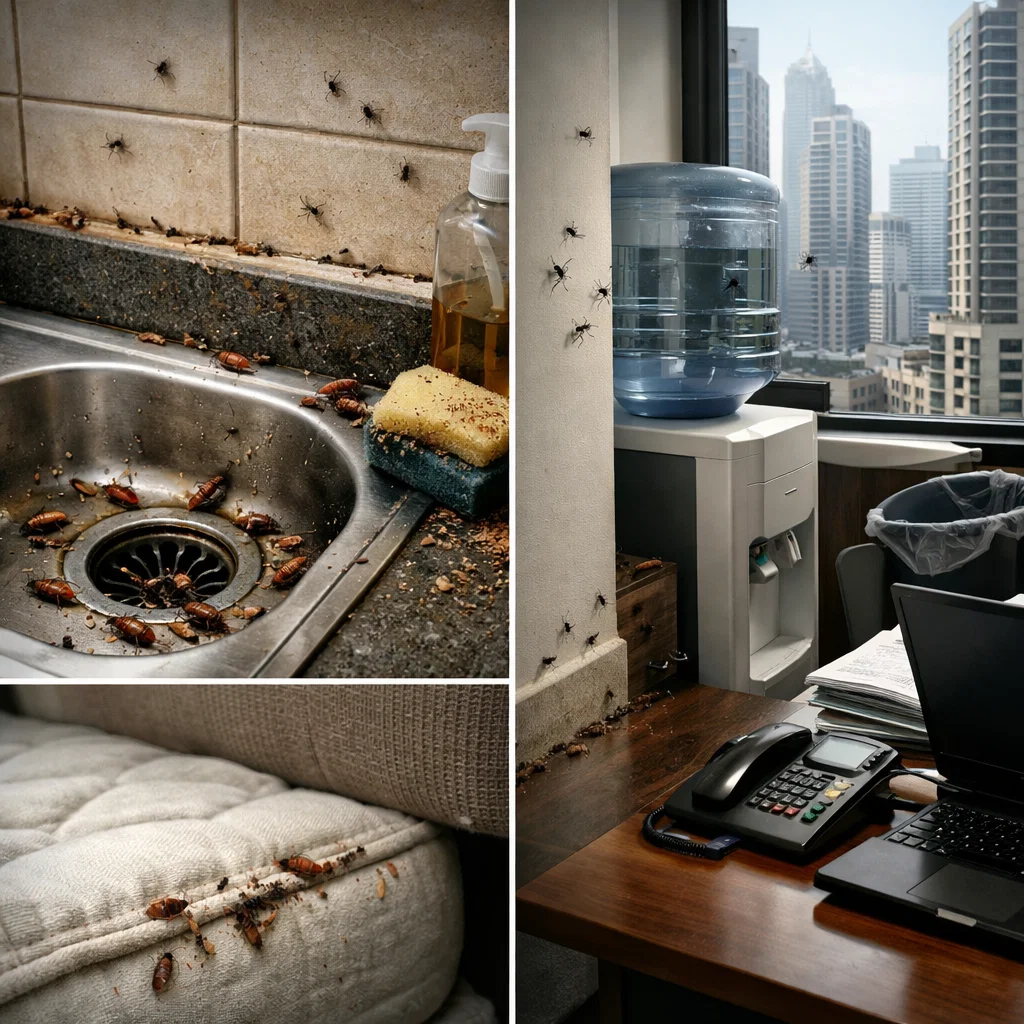
    Jumeirah Lakes Towers (JLT) is a vibrant and bustling high-rise community with many residential, commercial, and mixed-use buildings. High-rise living presents unique challenges for pest control, primarily because pests can easily move between units, floors, and buildings through shared infrastructure. For example, pests like cockroaches and bed bugs travel through air ducts, plumbing pipes, trash chutes, and other building pathways, making it difficult for residents and business owners to deal with infestations using traditional methods.

    Furthermore, JLT is a densely populated area with high-rise buildings, which can complicate pest control efforts. The logistical challenges of accessing apartments in tall buildings—security clearance, parking limitations, and elevator access—make it difficult for pest control technicians to reach all areas quickly. That’s why pest control in JLT requires services that are not only effective but also efficient, compliant with local regulations, and designed to address the root causes of the pest problem.

    The Importance of Municipality-Approved Pest Control Services

    When dealing with pest infestations in JLT, it’s crucial to choose a pest control provider that is licensed and approved by the Dubai Municipality. Municipality-approved pest control services follow strict safety standards and use approved chemicals and methods that are safe for residents, pets, and the environment. Using unlicensed or unapproved services can put your family, pets, and property at risk, as these treatments may not be regulated for safety or effectiveness.

    Dubai Municipality-approved pest control services ensure that:

    • The pest control methods used are safe and comply with local regulations
    • The products applied are safe for the environment and human health
    • The technicians are trained, licensed, and follow the necessary safety protocols
    • You are provided with a detailed service report and follow-up recommendations

    Choosing an approved service provider also ensures that the treatments used are more effective and comprehensive. Pest control is not just about eliminating pests—it’s about finding and eliminating the source of the infestation and ensuring that it does not return.

    Common Pests in JLT and Their Unique Challenges

    In high-rise buildings like those in JLT, the most common pests are those that can travel through shared infrastructure. The following three pests are particularly prevalent in this area:

    German Cockroaches

    German cockroaches are one of the most common pests found in JLT apartments and commercial spaces. These cockroaches are particularly troublesome because they can reproduce quickly and are known to spread bacteria, allergens, and disease. German cockroaches travel through pipes, plumbing, and ventilation systems, making it easy for them to infest multiple floors in a building.

    To effectively treat a German cockroach infestation in JLT, professional pest control services must target both the visible pests and their nests, often hidden inside walls, appliances, or storage areas. Simply spraying insecticide may kill visible cockroaches but will not address the breeding areas, which will lead to recurring infestations.

    Bed Bugs

    Bed bugs are another common pest problem in JLT, particularly in apartment buildings or short-term rental properties. These tiny insects are known for hiding in mattresses, furniture, and cracks in walls. They spread easily through luggage, clothing, and furniture, making them difficult to control. Bed bug infestations can quickly affect multiple apartments or buildings in JLT due to their ability to travel through shared walls and building infrastructure.

    Professional bed bug treatments focus on identifying hidden infestation areas and applying heat or chemical treatments designed to eradicate the entire colony. Since bed bugs are resistant to many DIY methods, hiring a licensed pest control provider is crucial for ensuring complete removal.

    Drain Flies

    Drain flies, also known as “sewer flies,” are common in kitchens, bathrooms, and areas with plumbing or waste systems. In JLT, drain flies can easily infest multiple floors if they find an accessible drain or plumbing system. These pests are usually a sign of poor sanitation or neglected plumbing, but they can be difficult to eliminate without addressing the root cause of the problem.

    To control drain flies, pest control providers in JLT must identify the source of the breeding site, typically in clogged drains, wastewater pipes, or grease traps. Addressing both the pest issue and the underlying plumbing issue ensures long-term control.

    DIY Pest Control vs. Professional Services

    Many people turn to DIY pest control methods in an effort to save money or deal with minor infestations themselves. However, DIY methods often fall short when it comes to high-rise infestations in JLT. Using store-bought sprays, traps, or repellents may only provide a temporary solution, leaving the root causes of the pest problem unaddressed.

    Here’s a comparison of DIY pest control versus professional services:

    DIY Pest Control

    DIY pest control methods can work in the short term for small, localized infestations. These methods include:

    • Insect sprays and baits
    • Traps for rodents and insects
    • Sealing cracks and gaps to prevent entry

    However, DIY pest control has limitations:

    • Does not address hidden nests or breeding sites
    • May lead to the spread of pests to other areas of the building
    • Can use harmful chemicals if not applied correctly
    • May cause the infestation to return more aggressively

    Professional Pest Control

    Professional pest control services offer comprehensive, long-term solutions. They include:

    • Thorough inspections to locate breeding sites
    • Targeted treatments using safe and effective products
    • Exclusion methods to prevent pests from entering
    • Follow-up visits to ensure the problem is completely solved

    Professional services are designed to address the root cause of the infestation, ensuring pests do not return. A pest control expert will also advise you on preventing future issues by improving sanitation, sealing entry points, and maintaining a pest-free environment.

    Pricing for Pest Control in JLT

    The cost of pest control in JLT varies depending on the type of pest, the size of the property, and the extent of the infestation. However, professional pest control services offer clear and transparent pricing that ensures customers understand what they are paying for.

    Here are some general pricing guidelines for pest control services in JLT:

    • Residential treatment (apartments): Starting from AED 119 for studio apartments, with pricing increasing for larger units and more severe infestations.
    • Commercial properties: Pricing typically starts from AED 120 for areas up to 50 sqm and increases depending on the size of the space and the pest type.
    • Specialized treatments (e.g., termites or bed bugs): Pricing is typically assessed after an inspection, but basic treatment may start from around AED 300 for small apartments and can go up based on size and infestation level.

    For the most up-to-date pricing details, please refer to the official pricing page.

    Eco-Friendly and Pet-Safe Pest Control Solutions

    For many residents in JLT, particularly those in pet-friendly communities, eco-friendly pest control options are a priority. Many professional pest control providers now offer low-toxicity and eco-friendly treatments that are effective without posing risks to pets or the environment.

    Eco-friendly treatments typically include:

    • Targeted applications to minimize chemical exposure
    • Use of non-toxic, biodegradable products
    • Integrated pest management techniques that focus on prevention and control

    These solutions are safer for households with pets, children, or sensitive occupants. They are also less harmful to the local ecosystem, reducing the impact of pest control treatments on the environment.

    Landlord vs. Tenant: A Pest Control Checklist

    In JLT, the responsibility for pest control often depends on whether you are a landlord or a tenant. Here is a simple checklist to clarify the responsibilities:

    Landlord Responsibilities

    • Ensure the property is pest-free before new tenants move in
    • Cover the cost of pest control for recurring infestations
    • Maintain the building to prevent pest entry points (e.g., sealing cracks)

    Tenant Responsibilities

    • Notify the landlord immediately of any pest issues
    • Keep the property clean to avoid attracting pests
    • Address minor pest issues using DIY methods or minor preventative actions

    It’s always best to discuss pest control expectations before moving in to avoid confusion or disputes.

    Conclusion

    Control of pest issues in JLT requires quick action, professional intervention, and a comprehensive approach that addresses the source of the problem. While DIY methods may work initially, professional pest control is the safest and most effective option for lasting results. Whether you’re dealing with German cockroaches, bed bugs, or drain flies, professional services ensure that pests are removed, and their return is prevented. For more information on pricing and treatment plans, visit the official pricing page to get clear and updated pricing details.

  • Pest Extermination Services for Homes and Businesses

    Pest Extermination Services for Homes and Businesses

    Pest extermination services are an essential part of keeping your home or business safe from unwanted pests. Whether you’re dealing with rodents, insects, or other common pests, professional extermination can ensure that the problem is handled effectively, safely, and efficiently. In this guide, we will walk you through everything you need to know about pest extermination services, from identifying pests to understanding the costs and processes involved. We’ll also provide helpful information on when to turn to professionals and the benefits of regular maintenance.

    How to Identify Pests and the Signs of Infestation

    Before considering pest extermination services, it’s important to know how to identify common pests and recognize the signs of infestation. Early detection can often save time, money, and the need for more extensive treatments.

    Common signs of pest infestations include:

    • Droppings: The presence of small, dark droppings can indicate rats, mice, or cockroaches.
    • Chew marks: Rodents and termites are known to chew through walls, wood, wiring, and furniture.
    • Nesting materials: Shredded paper, fabric, insulation, or leaves can be signs of rodent nests.
    • Visible pests: The most obvious sign of an infestation is spotting pests like cockroaches, ants, or rodents themselves.
    • Unusual smells: A musty or foul odor may suggest a hidden infestation, often related to mold or dead pests.

    High-Resolution Comparison Photos

    To help you better understand what to look for, we’ve provided some high-resolution comparison photos of common pests and signs of infestation:

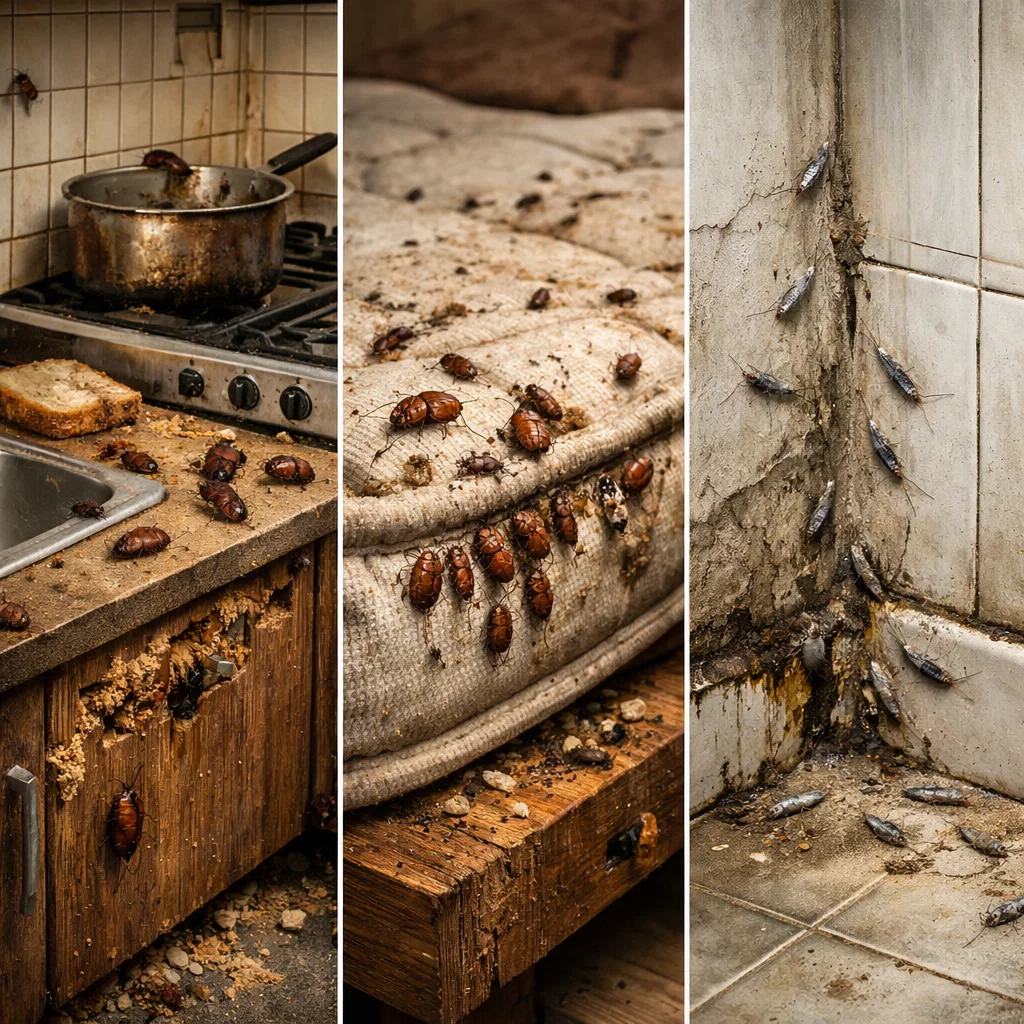
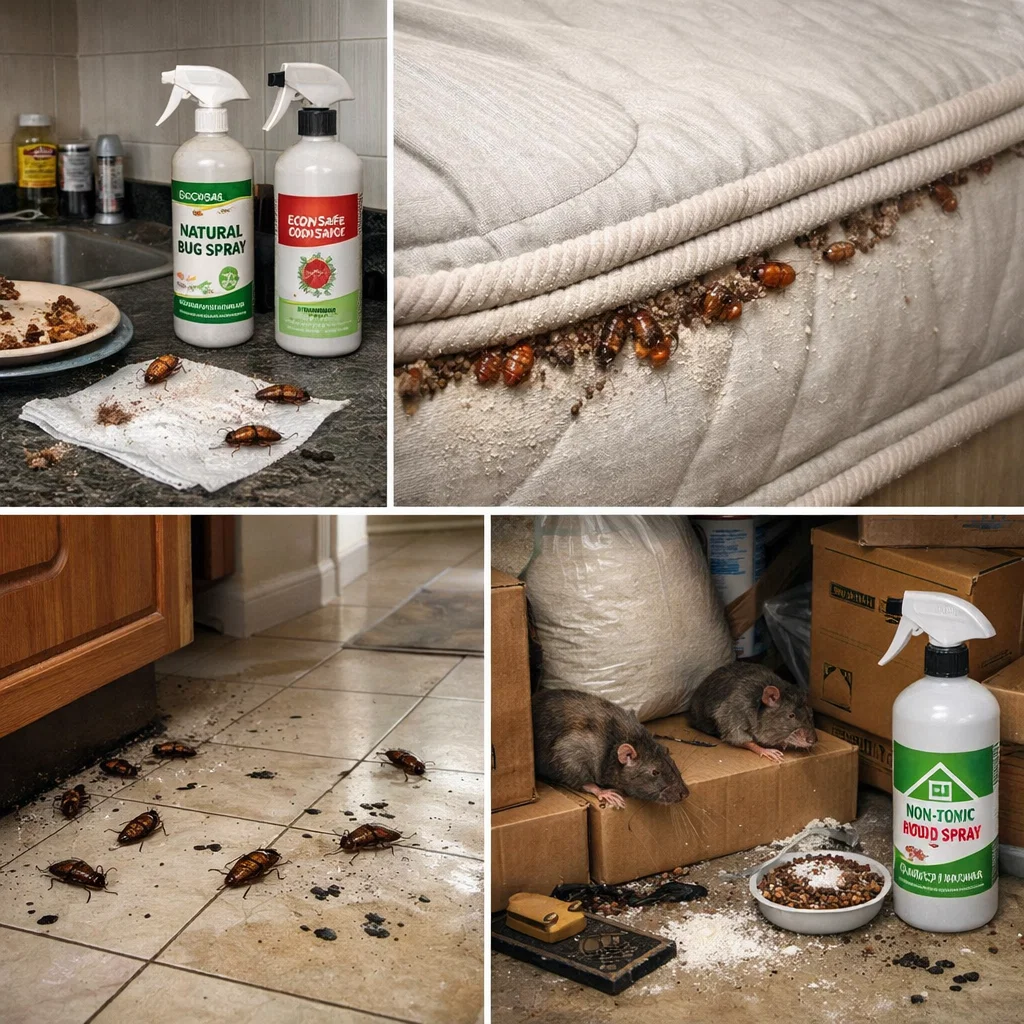
    • Cockroaches: Small, brown insects with flattened bodies commonly found in kitchens and bathrooms. Their droppings look like pepper specks.
    • Rodents: Rats and mice leave behind droppings and gnaw marks on walls and furniture.
    • Termites: Termite damage often starts with tiny holes or soft spots on wood, which may crumble when pressed.
    • Bed Bugs: Tiny, reddish-brown insects that hide in mattresses and furniture; their bites may result in red welts.

    Factors Influencing the Cost of Pest Extermination Services

    The cost of pest extermination services can vary significantly depending on several factors. Understanding these variables can help you prepare for the cost of treatment and ensure that you get the best value for your money.

    Key factors influencing the cost include:

    • Square footage: Larger homes or commercial spaces typically require more time and resources to treat, increasing the overall cost.
    • Pest type: The severity of the pest infestation also impacts the cost. Some pests are easier to treat (e.g., ants or cockroaches), while others, like termites or bed bugs, require specialized treatments.
    • Infestation severity: Minor infestations might require a single treatment, while larger infestations may need follow-up visits or more comprehensive strategies.
    • Treatment method: Different pest extermination methods (e.g., chemical treatments, heat treatments, baiting) vary in price due to the resources and time required.
    • Location and accessibility: If pests are hidden in difficult-to-reach areas or require extensive preparation to treat, the cost may increase.

    Price Range Table

    Here’s a rough guide to help you estimate what pest extermination services might cost:

    Pest Type Service Type Estimated Price (AED)
    Cockroaches Basic Treatment (Apartment) AED 119 – AED 287
    Bed Bugs Full Treatment AED 119 – AED 550
    Rodents (Rats and Mice) Inspection and Baiting AED 79 – AED 219
    Termites Full Treatment (Inspection Included) AED 300 – AED 1550
    Mosquitoes Outdoor Treatment AED 119 – AED 290

    Note that prices vary based on specific site conditions, severity of infestation, and the provider. The numbers above are estimates and may be subject to change after a proper inspection.

    The Extermination Visit Process

    The extermination process involves several steps to ensure the pests are removed effectively and the risk of them returning is minimized. Here’s what you can expect during a typical extermination visit:

    1. Initial inspection: A pest control technician will first conduct a thorough inspection of the property to identify the type of pests, the extent of the infestation, and potential breeding grounds.
    2. Treatment application: Depending on the pest type and severity, the technician will apply the most effective treatment method, such as baiting systems, chemical sprays, or heat treatments.
    3. Post-treatment advice: After treatment, you’ll receive advice on safety precautions and how to maintain pest-free conditions.
    4. Follow-up visits (if necessary): Some infestations may require follow-up visits to ensure the treatment is effective and pests do not return.

    Do You Need to Vacate the Home?

    In most cases, you do not need to vacate the premises for pest control treatments. However, certain treatments, such as chemical sprays or heat treatments, may require temporary evacuation or precautionary measures to ensure safety. Your pest control provider will give you clear instructions about whether vacating is necessary.

    Pet Safety During Treatment

    Many pest control treatments use chemicals that can be harmful to pets if they are exposed. It is essential to follow the provider’s advice regarding pets. Most services will recommend keeping pets away from treated areas until it is safe to re-enter. Additionally, some providers offer pet-friendly, eco-friendly treatments that can help minimize health risks for animals.

    Expected Timeline

    While the duration of the treatment depends on the severity of the infestation, most extermination services can be completed within a few hours. However, you may need to schedule a follow-up visit in the future, depending on the type of pest and the treatment required. Generally, it’s best to schedule a follow-up within 2 weeks to ensure all pests are eliminated.

    DIY vs. Professional Extermination

    When considering pest control, many homeowners may initially try DIY methods such as sprays, traps, or baits available at local stores. While these methods may work for minor issues, they often fail when dealing with larger infestations or pests that are harder to target.

    DIY Methods

    • Limited coverage and effectiveness for widespread infestations
    • Temporary fixes that do not address the root cause of the problem
    • Health risks from incorrect use of chemicals or traps
    • Higher risk of pests returning if nests or breeding grounds aren’t addressed

    Professional Extermination

    • Thorough inspection and assessment
    • Safe, controlled, and effective pest removal
    • Long-term prevention advice to keep pests from returning
    • Access to eco-friendly treatments for safer solutions

    In most cases, expert intervention is the smarter and safer choice, especially when dealing with larger or more persistent infestations.

    Different Pest Extermination Methods

    Pest control professionals have access to a variety of methods to address different types of infestations. These methods are selected based on the type of pest, the severity of the infestation, and the environmental conditions of the property.

    Chemical Treatments

    Chemical pesticides are commonly used for their fast action and effectiveness. They are particularly useful in treating cockroaches, ants, and termites. However, they must be applied carefully to avoid harming people or pets. Always ensure the pest control provider uses chemicals approved for use in residential and commercial spaces.

    Heat Treatments

    Heat treatments involve raising the temperature of an area to a level that kills pests, especially bed bugs. Heat treatment is eco-friendly, effective, and does not rely on harmful chemicals. It is particularly useful for pests hiding deep within mattresses, furniture, and walls.

    Baiting Systems

    Baiting systems are ideal for dealing with ants, cockroaches, and rodents. These systems lure pests to eat poisoned food or drink, which they then carry back to their colonies, affecting the entire group. Baiting systems provide long-lasting results without spraying chemicals into the air.

    Guarantees and Follow-Up Services

    Professional pest control services often come with guarantees to ensure your satisfaction. Many providers offer a retreatment guarantee, which means they will return to reapply treatment if the pests return within a specified period.

    Some services also offer maintenance plans that provide regular check-ups to ensure that pests don’t return. These plans are often recommended for businesses or homes in areas prone to high pest activity.

    Preventative Maintenance Checklist

    Once the pests are eliminated, it’s essential to maintain your property to reduce the risk of future infestations. Here’s a simple checklist for preventative maintenance:

    • Seal cracks, gaps, and entry points around doors, windows, and pipes
    • Keep food sealed and clean up crumbs, spills, and garbage regularly
    • Fix leaky pipes and keep the property dry
    • Reduce clutter where pests can hide
    • Schedule annual or bi-annual pest inspections to catch problems early

    By following these steps, you can reduce the likelihood of pests returning to your home or business.

    Conclusion

    Pest extermination services are a necessary investment for keeping your property safe, healthy, and pest-free. Whether you are dealing with an active infestation or preventing future problems, knowing when to call the professionals and understanding the costs, methods, and guarantees will ensure the best results. If you’re dealing with a pest issue that DIY methods can’t fix, don’t hesitate to contact a professional pest control service. For more details on pest extermination services, pricing, and to schedule a consultation, feel free to reach out to us today.

  • Debug Pest Control in Dubai for Homes and Businesses

    Debug Pest Control in Dubai for Homes and Businesses

    Debug pest control Dubai is a crucial service for anyone dealing with unwanted pests in this fast-paced urban environment. In a city where the heat drives pests indoors, especially into high-rise apartments and villas, controlling these invaders can be tricky. Dubai’s unique desert climate, combined with dense urban structures, creates the perfect breeding ground for a range of pests. Whether it’s a high-rise apartment in Jumeirah Lake Towers (JLT) with vent-borne pests or a villa in Mirdif with garden pests and termites, the challenges are different, and so are the pest control solutions. This article explores how professional debug pest control services in Dubai can help manage these issues, focusing on pest types like bed bugs, German cockroaches, and Dubai termites, as well as offering tips for safe, legal, and effective treatments. We’ll also look into Dubai’s municipality-approved methods, tenancy laws, and the best ways to ensure family and pet safety during pest control.

    Why pest problems are prevalent in Dubai

    Dubai’s climate plays a significant role in the pest issues residents and businesses face. The heat forces pests indoors, especially during the hot summer months. High-rise apartments, which are common in Dubai, are especially prone to pest issues as ventilation systems provide easy access for pests like cockroaches, ants, and even rodents. On the other hand, villas and houses in suburban areas like Mirdif or Al Barsha can face issues with garden pests, termites, and mosquitoes, which thrive in the warmer months. Regardless of the type of property, all pest problems require effective management to ensure safety and comfort.

    Common pests found in Dubai and how to handle them

    Bed Bugs

    Bed bugs are one of the most common and disturbing pests in Dubai. They are notorious for their ability to hide in cracks and crevices, making them extremely difficult to find and eliminate. Bed bugs are commonly found in high-rise apartments, especially in popular areas like Downtown Dubai and Business Bay, where residents often travel and unknowingly bring these pests back from other locations.

    Professional pest control services for bed bugs in Dubai typically involve a discreet, multi-step process. The treatment usually includes targeted application of bed bug-killing chemicals in all affected areas, along with non-toxic treatments like steam or heat application. These treatments are effective and guarantee bed bug eradication while remaining discreet, crucial in high-rise apartments where privacy is key.

    German Cockroaches

    German cockroaches are another prevalent pest in Dubai. Known for their speed and resilience, these cockroaches thrive in warm, humid environments, often nesting in kitchens and bathrooms. They are common in both apartments and commercial kitchens, especially in densely populated residential buildings like JLT or Dubai Marina.

    Effective treatment for cockroaches in Dubai focuses on the use of bait stations and gels, which are odorless and can be discreetly applied in areas where roaches are known to breed. These treatments eliminate cockroaches without disrupting the daily life of residents. The use of bait stations and gels is particularly favored in Dubai due to the city’s preference for odorless, non-intrusive pest control solutions.

    Dubai Termites

    Termites are a significant concern for both residential and commercial properties in Dubai. These pests can cause severe structural damage to wood, furniture, and buildings. Villas in suburban areas like Mirdif or Al Barsha are especially vulnerable to termite infestations due to their larger garden areas and wooden structures. If untreated, termites can cause extensive damage that may go unnoticed for months or even years.

    Termite control requires specialized treatments, including baiting systems and soil treatments that target the root cause of the infestation. In some cases, a combination of chemical treatments and physical barriers is needed to ensure complete eradication. These services are municipality-approved and must comply with Dubai’s stringent regulations on pest control, ensuring that safe and effective methods are used.

    Municipality-approved methods for pest control in Dubai

    One of the most important aspects of pest control in Dubai is ensuring that the service provider is licensed and complies with the city’s regulatory standards. Using illegal or unapproved chemicals can be harmful to residents, pets, and the environment. This is why it’s crucial to choose a company that follows Dubai Municipality’s pest control guidelines.

    Approved pest control providers in Dubai use pesticides that have been tested and certified as safe for use in homes and businesses. These companies ensure that all treatments are applied according to strict standards, minimizing risk to humans and pets while effectively tackling the infestation.

    For example, Integrated Pest Management (IPM) techniques, such as baiting and gel application, are commonly used for cockroach and bed bug control. These methods are preferred because they are both effective and non-toxic, reducing exposure to harmful chemicals while still addressing the pest problem.

    Importance of choosing a reputable pest control provider

    When searching for debug pest control Dubai services, it is essential to choose a reputable and experienced provider. A professional pest control company should have the proper certifications, licenses, and a proven track record of successful treatments. It is also critical to evaluate reviews from past customers to understand the company’s reputation for quality, professionalism, and customer service.

    Before committing to a pest control service, consider asking these questions:

    • Are they licensed and approved by Dubai Municipality?
    • What methods do they use for pest control, and are they safe for families and pets?
    • Do they offer follow-up treatments or guarantees?
    • What pricing structure do they use, and are there any hidden fees?
    • How quickly can they respond to your pest problem?

    Choosing a certified provider ensures that the work is done properly and in compliance with all safety regulations, reducing the risk of future infestations.

    Pricing considerations and factors that affect cost

    Pricing for pest control services in Dubai can vary widely depending on the type of pest, the severity of the infestation, the size of the property, and the method of treatment used. For example, bed bug treatments in a one-bedroom apartment might start from around AED 119, while termite treatments for larger villas could cost upwards of AED 300, depending on the extent of the infestation.

    For typical services, here’s a general pricing guide:

    • Small apartments (studio, 1-bedroom): AED 119 to AED 179 for common pests like cockroaches, ants, and mosquitoes.
    • Medium apartments (2-3 bedrooms): AED 179 to AED 238 for more extensive treatments like bed bugs or rats.
    • Larger villas or properties: AED 300 to AED 1300 depending on the size and infestation (including termites and garden pests).
    • Commercial properties: Pricing is typically calculated by the square meter, with small commercial spaces starting at AED 120 for smaller areas up to 50sqm.

    For a more accurate quote, always request an initial inspection. This allows the pest control company to assess the situation properly, propose an effective treatment plan, and give you an accurate price. Prices also vary based on the specific chemicals and techniques used.

    For a detailed pricing overview, visit the official pricing page on First Station Pest Control’s website.

    Follow-up services and realistic guarantees

    Effective pest control is a process, not a one-time event. The best pest control providers in Dubai offer follow-up services and guarantees to ensure the problem does not return. A professional service will schedule follow-up visits to assess the effectiveness of treatment and reapply solutions if necessary.

    Follow-up services typically include:

    • Re-inspection to ensure pests are eradicated
    • Re-treatment for severe infestations or hard-to-reach areas
    • Maintenance plans for long-term prevention

    Reputable companies offer realistic guarantees based on the treatment type, size of the property, and pest severity. These guarantees often ensure that pests will not return within a specific time frame, and if they do, the service provider will return for additional treatment at no extra cost.

    Safety considerations for families, employees, and pets

    Dubai’s pest control regulations emphasize safety. Many residents prefer pest control services that offer eco-friendly or low-toxicity treatments that are safe for children, pets, and sensitive environments. Licensed pest control providers in Dubai are required to use approved chemicals that are not harmful when used correctly.

    When choosing a pest control service, ensure they use non-toxic or low-toxicity methods whenever possible. Methods such as gel baits for cockroaches, targeted pesticide application, and steam treatments are commonly used to ensure safety while maintaining effectiveness.

    Eco-friendly pest control solutions in Dubai

    Eco-friendly pest control methods are becoming increasingly popular in Dubai. Many pest control companies offer low-toxicity solutions that effectively manage pests without posing risks to the environment or human health. Integrated Pest Management (IPM) techniques, which involve using a combination of mechanical, biological, and chemical methods, are commonly used to control pests like cockroaches, bed bugs, and ants without releasing harmful chemicals into the home.

    IPM methods include:

    • Using bait stations and gels for cockroaches and ants
    • Targeted pesticide applications instead of broad sprays
    • Monitoring and trapping for rodents
    • Non-toxic steam treatments for bed bugs

    When professional intervention becomes necessary

    While DIY pest control can be helpful in the early stages of an infestation, there are times when professional intervention is necessary. If pests are visible during the daytime, causing damage to property, or creating health concerns, it’s time to call in the experts.

    Signs that professional help is needed include:

    • Repeated sightings despite cleaning
    • Health concerns such as bites, rashes, or allergic reactions
    • Structural damage caused by termites, rodents, or other pests
    • Commercial environments requiring compliance with hygiene standards
    • Large, ongoing infestations

    In these cases, early intervention helps prevent further damage, reduces health risks, and ensures pests are properly eradicated.

    A practical next step for pest control in Dubai

    If you are experiencing a pest issue, don’t wait for it to escalate. Whether you need help with bed bugs, termites, rodents, or general pest control in your apartment or business, First Station Pest Control Services provides safe, effective, and municipality-approved treatments. If you’re unsure whether you need professional treatment, using the WhatsApp or Call button at the top right will connect you directly to our team to discuss your situation calmly.

    Conclusion

    Debugging pest issues in Dubai requires more than just spraying chemicals—it requires understanding the specific pest problems, using approved methods, and ensuring safety for families and businesses. Whether you’re dealing with termites, bed bugs, or general infestations, professional pest control offers a safe and effective solution. First Station Pest Control provides expert services tailored to your needs, with pricing, safety, and long-term solutions in mind.

  • Affordable Pest Control Solutions for Homes and Businesses

    Affordable Pest Control Solutions for Homes and Businesses

    When users search for “cheapest pest control,” they’re typically seeking a budget-friendly solution to an ongoing pest issue. While the desire for affordable services is completely understandable, it’s important to differentiate between low-cost, temporary fixes and professional pest control services that address the problem long-term. In this article, we’ll explore the reality of “cheap” pest control, providing clarity on when it’s okay to go for budget-friendly DIY methods and when it’s smarter (and safer) to invest in professional services. Along the way, we’ll share tips, cost comparisons, and even some professional hacks to help you keep costs low while still addressing pest problems effectively.

    The Reality of Cheap Pest Control

    Searching for the cheapest pest control often comes with a certain level of caution. It’s easy to fall for promises of “fast and cheap” services, but the reality is that pest control, especially when done improperly, can lead to further issues down the road. The truth is, some DIY methods may offer temporary relief but won’t solve the underlying problem, allowing pests to return in a bigger way later on.

    When you search for cheap pest control, keep in mind the difference between truly inexpensive solutions and “cheap” solutions that end up costing you more in the long run. Some DIY methods, like using Boric Acid for ants or traps for rodents, are relatively affordable and effective if caught early. But there are other situations where the cheap route isn’t worth it.

    When it’s Okay to Skimp: Affordable DIY Methods

    There are some cases where DIY pest control methods are both affordable and effective. If you’re dealing with a small-scale issue, such as minor ant infestations, a few flies, or occasional spiders, a DIY approach can save you money. Here are a few budget-friendly methods that work for certain pests:

    Ants: Boric Acid and Simple Traps

    For ants, one of the cheapest and most effective methods is Boric Acid. It’s a low-cost solution available at many home improvement stores. When used correctly, it can help eliminate the ant colony by poisoning the ants as they carry the powder back to their nest.

    Traps, bait stations, and sealing entry points are also affordable ways to control ants. Regular cleaning and keeping food sealed away are free preventative measures that will further help keep them at bay.

    Flies and Mosquitoes: DIY Traps and Natural Sprays

    For flies, you can create simple traps using sugar water and a jar. For mosquitoes, a mixture of apple cider vinegar, dish soap, and water can act as a natural repellent. These DIY solutions work well for minor infestations, but if they don’t resolve the problem, it’s time to escalate to professional services.

    Rodents: Traps and Sealing Entry Points

    Rodents can often be controlled with simple traps or by using pantry ingredients like peanut butter as bait. Additionally, sealing entry points such as gaps around windows, doors, and utility pipes is a cost-free way to prevent rodents from entering your space. If a rodent problem persists or grows, however, professional intervention is advised to prevent damage and contamination.

    When Cheap Pest Control Is a Bad Idea: Termites, Bed Bugs, and Larger Infestations

    While DIY methods may be effective for smaller pests, there are several situations where taking the cheapest route is not only ineffective, but also risky. Certain pests require specialized knowledge, treatments, and tools that are beyond the reach of most DIY solutions.

    Termites: Why DIY Solutions Don’t Work

    Termites are notorious for being difficult to control without professional intervention. While you may be able to find some home remedies online, these will not effectively address the root of the problem. Termites can be hidden within walls or under flooring, and their presence is often not discovered until significant damage has been done to the property. Professional treatment methods such as liquid termiticides or baiting systems require a certified pest control technician to ensure proper application.

    Prices for termite control services in Sharjah often start at around AED 300 for a small residential apartment, but pricing increases depending on the size of the property and the severity of the infestation. Early intervention is key to minimizing costs in the long term.

    Bed Bugs: Professional Treatment is Crucial

    Bed bugs are another example of pests that should not be handled with cheap DIY treatments. While some people may suggest using essential oils or over-the-counter sprays, bed bugs are incredibly resilient and difficult to eradicate. DIY methods often push bed bugs deeper into your furniture or surrounding rooms, making the situation worse.

    Professional treatment typically involves multiple steps: inspection, heat treatments, pesticide application, and mattress encasements. While bed bug treatments can range from AED 119 for a studio apartment to higher prices for multi-room homes, these methods are much more effective in eradicating the problem than any DIY approach.

    What Does “Cheap” Really Look Like for Pest Control?

    When considering pest control, “cheap” doesn’t always mean what it seems. In many cases, it’s a matter of striking the right balance between cost and effectiveness. Here’s what cheap pest control might look like for various types of pests:

    Ants and Cockroaches

    For ants and cockroaches, cheap pest control might involve small bait stations or surface sprays, which can start as low as AED 119 for smaller units. However, if these methods don’t solve the problem, you’ll likely need a professional treatment to get rid of them completely. Cockroach control services often involve more targeted treatments and can cost around AED 139 for a 1-bedroom apartment.

    Rodents

    Rodent control can start at AED 79 for a studio apartment, depending on whether you use traps or need full service including bait stations and sealing entry points. If the infestation is severe, however, you may end up paying more for extended monitoring and removal services.

    Termites

    Termite control services typically start around AED 300 for smaller spaces and can go up significantly depending on the property size and the extent of the infestation. DIY termite treatments usually don’t work and will ultimately cost more if the infestation is left untreated, potentially damaging structural integrity.

    Potential Hidden Costs of Cheap DIY Pest Control

    While DIY pest control can seem like an affordable choice, it often ends up costing more in the long run. Here are a few hidden costs:

    • Recurring infestations: Without proper treatment, pests will return, causing you to spend more on ineffective solutions.
    • Health risks: Some DIY solutions, especially with improper chemical usage, can pose risks to your health, children, and pets.
    • Property damage: Failing to address the root cause, such as a termite infestation, can lead to significant damage to structures and furniture.
    • Extended treatment time: DIY methods take longer to show results, leaving you with more prolonged pest issues and stress.

    Professional “Hacks” and Simple Ingredients That Save Money

    There are some tricks pest control professionals use that are also affordable and effective. Here are a few “hacks” that might help you:

    • Concentrate treatments: Professionals often use concentrated pesticides that can be more cost-effective than standard sprays. These products last longer and provide better coverage with less product.
    • Simple pantry ingredients: Ingredients like vinegar, baking soda, or lemon juice can be used to clean surfaces and eliminate certain pests like ants, flies, or spiders without harmful chemicals.
    • Prevention tips: Sealing cracks, cleaning food spills immediately, and keeping the environment dry can go a long way in preventing pests from entering.

    While these solutions can be effective for minor problems, they won’t address large infestations that require professional pest control treatment.

    How to Hire a Pro on a Budget If DIY Fails

    If DIY efforts fail, it’s time to hire a professional. However, there are still ways to save money when hiring a pest control company:

    • Off-season discounts: Many pest control services offer lower rates during off-peak times, like in the cooler months or when fewer pest issues arise.
    • Partial services: Ask about partial services or phased treatments. Sometimes you can focus on the most critical areas first (e.g., treating one room for bed bugs instead of the entire house).
    • Long-term contracts: Some companies offer discounts for regular service contracts, which can be a good option if you want ongoing pest control at a lower rate.

    First Station Pest Control Services provides high-quality pest control at competitive rates, offering comprehensive treatments that keep pests away while maintaining affordable costs. If DIY has not worked or the infestation is severe, using the WhatsApp or Call button to consult with our team can help guide you to the best solution for your budget.

    Cost Comparison Table for Common Pests

    Pest Type Residential Pricing (AED) Commercial Pricing (AED)
    Cockroaches 119 – 287 120 – 485
    Bed Bugs 119 – 287 120 – 485
    Ants 119 – 287 120 – 485
    Rodents 79 – 219 99 – 499
    Termites 300 – 1300 Inspection-based
    Flies 119 – 287 120 – 485
    Mosquitoes 119 – 287 120 – 485

    As you can see, residential pest control starts from AED 79 for rodents and AED 119 for ants or flies, with prices increasing depending on the type of pest and the size of the property.

    Conclusion

    Choosing the cheapest pest control solution doesn’t always mean you’re getting the best value. While DIY methods can be effective for small issues, larger infestations or more persistent pests often require professional treatment to truly resolve the problem. Using professional services such as First Station Pest Control ensures that your pest problem is managed effectively and safely, reducing the long-term costs associated with ongoing pest problems.

  • Pest Control Pump Guide for Homes and Businesses

    Pest Control Pump Guide for Homes and Businesses

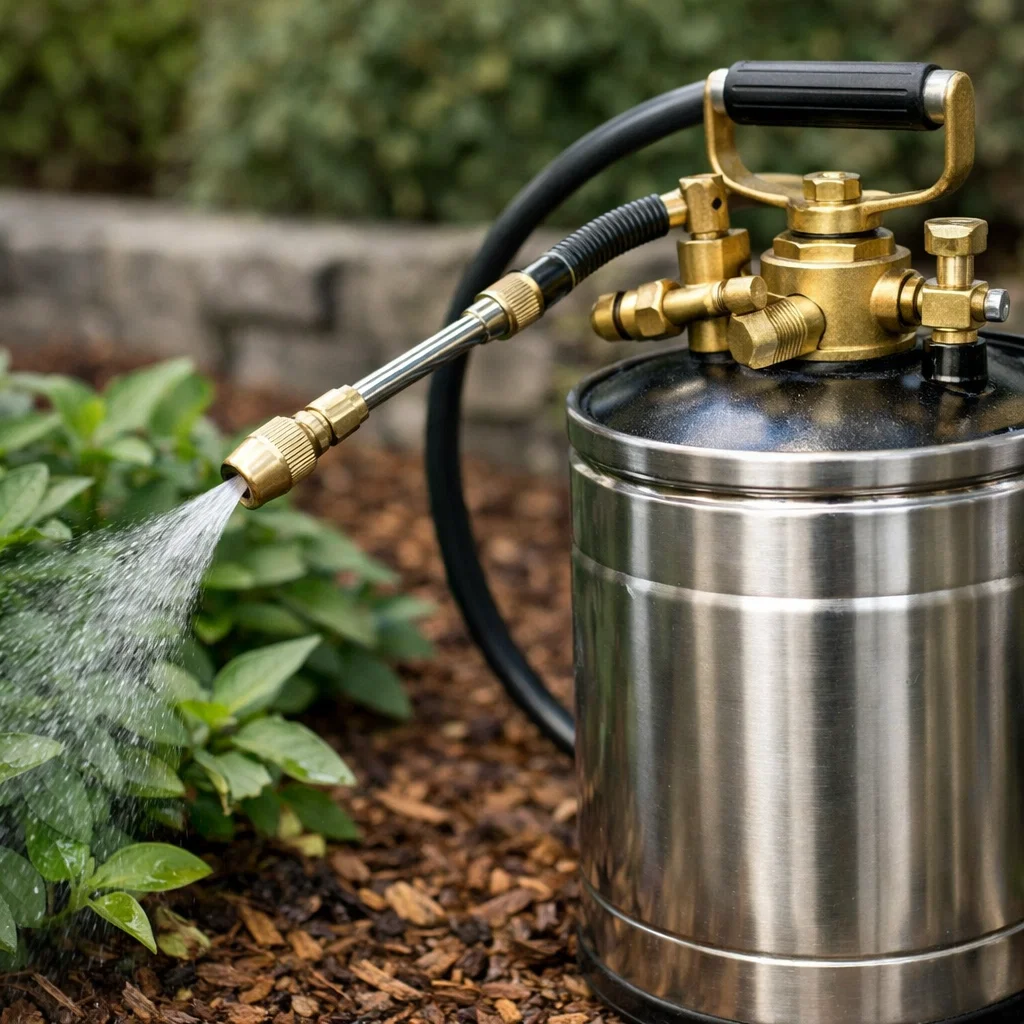
    If you’re serious about pest control, it’s time to consider upgrading from basic handheld sprayers to a more durable, semi-professional tool. A pest control pump is one of the best investments you can make for more efficient and thorough pest management. While handheld sprayers are great for small tasks, a pump sprayer is ideal for larger areas, tougher infestations, and a more controlled application of pesticides.

    This article will guide you through the key factors to consider when buying a pest control pump, the components that make up a good pump, maintenance tips, and a comparison of different types of pumps—handheld, backpack, and stainless steel. With proper maintenance, your pest control pump will provide long-lasting and efficient service, making your pest control tasks easier and more effective.

    What to Consider When Buying a Pest Control Pump

    Investing in a high-quality pest control pump is essential to ensure effectiveness, durability, and safety. Below are the key factors you should consider when purchasing a pump:

    1. Material Quality

    The material used in the construction of the pump determines its durability and resistance to corrosion from chemicals. The two most common materials used for pest control pumps are polyethylene and stainless steel.

    • Polyethylene: Polyethylene pumps are lightweight and generally more affordable. They are resistant to a wide range of chemicals and are ideal for residential use or small-scale commercial applications. However, they can be less durable than stainless steel, especially when exposed to harsh chemicals over time.
    • Stainless Steel: Stainless steel pumps are more durable and resistant to corrosion, making them a better option for professional-grade pest control tasks. They are more expensive, but they offer superior longevity and resistance to damage caused by aggressive pesticides.

    2. Seal Durability (Viton™ Seals)

    One of the most important features of any pest control pump is its sealing system. The seals prevent leaks and ensure that the chemicals in the pump do not escape, posing a risk to users or the environment. Pumps with Viton™ seals are considered the gold standard because of their high chemical resistance and durability. These seals are especially important for heavy-duty pumps used with harsh chemicals such as pesticides, herbicides, and disinfectants.

    Make sure the pump you choose has Viton™ seals to ensure maximum efficiency and safety during use.

    3. Safety Features

    Safety is a top priority when handling chemicals. Look for pumps that come equipped with the following safety features:

    • Pressure Relief Valve: This feature prevents the pump from building up excessive pressure, which can lead to leaks or damage. The pressure relief valve ensures that the pump operates safely at all times.
    • Ergonomic Handles: Comfortable handles reduce strain on the user’s hands and wrists, making it easier to use the pump for extended periods.
    • Locking Mechanism: Some pumps include a locking mechanism to prevent accidental spraying or leakage while the pump is in storage.

    Safety features not only ensure proper use but also contribute to the longevity of the pump itself.

    Understanding the Components of a Pest Control Pump

    To make the most out of your pest control pump, it’s important to understand its various components and how they work together. Here’s a breakdown of the key parts:

    1. The Tank

    The tank is the main body of the pump, where the pesticide or chemical solution is stored. Tanks come in a variety of sizes, ranging from small handheld models (5–10 liters) to larger backpack and wheeled models (20–30 liters). The size of the tank depends on the area you need to treat and the frequency of use.

    2. The Wand

    The wand is the long tube through which the pesticide is sprayed. It allows you to apply the solution at a distance and reach areas that are hard to access. A good wand should be lightweight yet durable, as it is exposed to constant pressure and chemicals.

    Look for a wand that is comfortable to hold and long enough to reach all areas you need to treat without straining your back or arms.

    3. The Nozzle

    The nozzle is where the pesticide is released. It is crucial for controlling the spray pattern and ensuring even application. Different types of nozzles offer various spray patterns, such as:

    • Fan Spray: This nozzle creates a wide spray pattern, ideal for covering large areas quickly. It’s best for general pest control, such as spraying for insects on walls or outdoor spaces.
    • Pin Stream: This nozzle creates a more concentrated spray, which is useful for targeting specific areas, such as cracks and crevices where pests like to hide.

    4. The Pump Mechanism

    The pump mechanism is what builds up the pressure needed to release the pesticide from the tank. It consists of a piston or diaphragm that pushes the solution through the hose and nozzle. A reliable pump mechanism ensures consistent pressure for optimal spray coverage.

    5. The Hose

    The hose connects the tank to the wand and nozzle. It should be flexible yet durable enough to withstand high pressure and exposure to chemicals. Look for hoses made of high-quality materials that are resistant to cracking and wear over time.

    Different Types of Pest Control Pumps

    There are several types of pest control pumps, each suited for different applications. Here’s a quick overview of the most common types:

    1. Handheld Pumps

    Handheld pumps are small, lightweight, and ideal for small-scale pest control tasks. They are perfect for home gardens, small outdoor areas, or occasional indoor pest control. Handheld pumps typically have a capacity of 5–10 liters, making them easy to carry and maneuver.

    2. Backpack Pumps

    Backpack pumps are more suited for larger areas or commercial pest control. These pumps have larger tanks (15–30 liters) and come with adjustable straps, allowing you to carry them on your back. Backpack pumps are often used for treating larger gardens, farms, warehouses, and other commercial spaces.

    3. Stainless Steel Pumps

    Stainless steel pumps are designed for heavy-duty applications. They are highly durable, resistant to corrosion, and suitable for aggressive chemicals. These pumps are ideal for professional pest control services and commercial environments where regular use is expected.

    How to Maintain Your Pest Control Pump

    Proper maintenance is essential to extend the life of your pest control pump and keep it functioning at its best. Here are some key maintenance tips:

    1. The Triple-Rinse Method

    After each use, rinse the pump thoroughly to remove any remaining chemicals. The “Triple-Rinse Method” is recommended:

    • First, rinse the tank with clean water to remove any pesticide residue.
    • Second, fill the tank with clean water and pump it through the wand to flush out any remaining solution in the hose.
    • Finally, rinse the tank and wand once more to ensure all chemicals are removed.

    Performing this rinse after every use prevents clogging and ensures that your pump remains in good condition for longer.

    2. Lubrication

    Lubricating the pump parts, especially the piston and seals, helps keep the pump mechanism running smoothly. Use a silicone-based lubricant, as it won’t interfere with the chemicals you’re using.

    3. Winterization

    If you live in an area where the weather gets cold, it’s important to winterize your pump to prevent the liquid inside from freezing and causing damage. To winterize, clean the pump thoroughly, remove any remaining liquid, and store it in a dry, temperature-controlled environment.

    Common Troubleshooting for Pest Control Pumps

    Even with proper maintenance, you might occasionally encounter issues with your pest control pump. Here are some common problems and how to troubleshoot them:

    1. Low Pressure

    If the pressure seems low, check the following:

    • Ensure the tank is filled properly and the nozzle is not clogged.
    • Check the seals and O-rings for wear and replace them if necessary.
    • Inspect the hose for cracks or blockages.

    2. Clogged Nozzle

    A clogged nozzle is one of the most common issues. Clean the nozzle by removing any debris or chemical buildup. Use a needle or small brush to carefully clean the nozzle, and test it again.

    3. Leaking Pump

    If the pump is leaking, check the seals and O-rings for damage. Replace any worn parts and ensure that the pump is assembled correctly.

    Conclusion

    Investing in the right pest control pump can make a significant difference in how efficiently and effectively you manage pest problems. Whether you’re looking for a lightweight handheld pump, a more robust backpack model, or a heavy-duty stainless steel pump, understanding the key components, maintenance needs, and troubleshooting tips ensures you get the best performance from your equipment.

    By choosing the right pump, performing regular maintenance, and following best practices, you’ll be able to control pest infestations more effectively, ensuring your environment remains safe and pest-free. A good pest control pump can be a reliable ally for both homeowners and professional pest control services alike.

  • Pest Control Treatment in Dubai for Homes and Businesses

    Pest Control Treatment in Dubai for Homes and Businesses

    Pest control treatment in Dubai is essential due to the unique climate and living conditions. The extreme heat in summer drives pests like cockroaches and ants indoors in search of moisture, while the high humidity contributes to mold growth and silverfish infestations. Understanding the specifics of pest control treatment in this challenging environment can help you manage and prevent issues effectively. This article will guide you through the most common pests in Dubai, the importance of regulatory compliance, effective treatment strategies, and why professional pest control is a must for both homeowners and businesses.

    Why Pest Control Treatment in Dubai is Essential

    Dubai’s climate, with its extreme summer heat and high humidity levels, creates an environment that is ideal for certain pests. Unlike colder climates where pests go dormant, Dubai’s pests are active throughout the year. Additionally, the rapid urbanization and the dense construction of buildings only enhance the spread of pests. High-rise apartments, villas, hotels, and even commercial buildings are prone to pest infestations that, if not handled properly, can escalate quickly.

    The summer heat drives pests like cockroaches and ants inside to find moisture. At the same time, high humidity levels contribute to the growth of mold and attract silverfish. Pests are not just a nuisance; they can also pose serious health risks, damage property, and affect business operations, making pest control treatment in Dubai a priority for property owners and renters alike.

    The Importance of Regulatory Compliance in Pest Control Treatment

    When looking for pest control treatment in Dubai, it’s important to consider the regulatory standards set by the Dubai Municipality. The Dubai Municipality has strict guidelines and regulations on pest control to ensure that the chemicals and methods used are safe for the public and the environment. Approved pest control services in Dubai must use chemicals that are authorized by the Municipality, and this ensures that the chemicals are both effective and safe.

    Using an unlicensed pest control provider can be dangerous, as they may use harmful chemicals like aluminum phosphide. This chemical, though effective for some pests, is extremely toxic and can cause severe health issues or even fatalities if mishandled. Always ensure that the pest control service you hire is licensed and approved by the Dubai Municipality to avoid the risks associated with unregulated treatments.

    The Most Common Pests in Dubai

    There are several pests that commonly infest homes and businesses in Dubai. Understanding which pests are prevalent in the area will help you know what to look out for and what treatment options to choose. Below are the most common pests found in Dubai:

    Cockroaches

    Cockroaches, particularly the German cockroach, are one of the most common pests in Dubai. These pests are attracted to warmth, moisture, and food, and they often hide in dark, damp areas like kitchens, bathrooms, and behind appliances. Cockroaches are notorious for spreading bacteria and allergens, making their control a top priority.

    Professional pest control treatment for cockroaches often involves the use of gel baits, traps, and targeted chemical sprays that are safe and effective. For persistent infestations, a full treatment involving targeted sprays inside walls and other hidden areas may be necessary.

    Bed Bugs

    Bed bugs are small, nocturnal insects that feed on human blood. They are commonly found in hotels, apartments, and shared living spaces. Bed bug infestations are particularly difficult to manage because they hide in mattresses, box springs, and cracks in the walls. Unlike other pests, bed bugs can travel easily in luggage, clothing, and other personal items.

    To treat bed bugs effectively, pest control treatments typically involve the use of heat treatment or chemical sprays. Heat treatments are increasingly popular in Dubai, as they can penetrate deep into cracks and crevices to kill bed bugs at all stages of their life cycle.

    Desert Ants

    Desert ants are another common pest in Dubai, especially during the summer months. These ants are attracted to food and water, and they often enter homes in search of both. Unlike other ants, desert ants are particularly aggressive and difficult to eliminate due to their large colonies.

    Ant pest control treatment often involves a combination of baiting and perimeter sprays to target the colony and prevent further infestations. In severe cases, professional treatment may include fumigation or heat treatment to eliminate large colonies.

    Termites

    Termites are a significant concern in Dubai, particularly for buildings that contain a lot of wood or cellulose material. These insects can cause extensive damage to wooden structures and furniture, often without being detected until the damage is severe.

    Professional termite control treatment typically involves the application of liquid termiticides around the perimeter of the property or inside walls. In some cases, termite baiting systems are installed to monitor and control the population over time.

    Treatment Strategies for Different Types of Living Spaces

    Pest control treatment in Dubai can vary depending on the type of living space you have. The treatment strategy for a high-rise apartment will differ from that for a villa or commercial building. Below are some treatment strategies for different living types:

    High-Rise Apartments

    In high-rise apartments, pest control treatments focus on targeting common areas such as kitchens, bathrooms, and entry points like air vents, plumbing pipes, and electrical conduits. Since these buildings are densely packed, pests can easily travel between units through walls, ventilation systems, and plumbing. Effective treatment involves sealing off entry points and using non-toxic baits and traps to capture pests.

    Villas and Detached Homes

    Villas and detached homes often experience more outdoor pest activity due to their proximity to gardens, landscaping, and open spaces. Treatment for these properties often includes both indoor and outdoor pest control measures. The yard is treated for termites, ants, and mosquitoes, while the interior is sprayed for pests like cockroaches, bed bugs, and rodents.

    Commercial Buildings and Offices

    Commercial properties in Dubai, such as offices, retail stores, and restaurants, require pest control treatments that align with local health regulations and the specific needs of the business. For example, restaurants require stringent measures to control pests that may contaminate food, such as cockroaches and rodents. Commercial pest control treatment often involves regular inspections, baiting, sealing cracks, and fumigation if necessary.

    The Importance of Pre-Move-In Pest Control Treatment

    One of the best times to address pest problems is before moving into a new apartment or property. This is often the most effective and cost-efficient time for pest control treatment because the property is empty, and the treatment can be more thorough. Pre-move-in pest control allows the professional to target areas that may be difficult to treat once furniture and personal items are inside, such as hidden cracks, crevices, and under flooring.

    Pre-move-in treatment is also more affordable than dealing with an infestation after moving in, as it avoids the need for repeat treatments and additional repairs caused by the pests.

    Cultural Considerations: Bed Bugs from Hotel Stays and Pet Safety

    Dubai is a popular tourist destination, and bed bugs can be inadvertently brought home after hotel stays. It’s important to inspect luggage and clothing for signs of bed bugs before returning to your home. Pet owners should also be cautious, as certain pest control treatments can be harmful to pets. Always ask the pest control provider about pet-safe options if you have animals in the house.

    How to Check for Dubai Municipality-Approved Pest Control Services

    When choosing a pest control provider, it is essential to verify that they are approved and licensed by the Dubai Municipality. A licensed provider uses safe, effective pest control methods that are compliant with local regulations.

    To check a company’s credentials, visit the Dubai Municipality website or ask the provider for their license number. A legitimate pest control provider will be happy to share this information and can provide proof of their registration.

    Pricing for Pest Control Treatment in Dubai

    The pricing for pest control treatment in Dubai depends on several factors, including the type of pest, the severity of the infestation, and the size of the property. Here is a general breakdown of what you can expect:

    Residential Pricing

    • Studio apartment: AED 119
    • 1-bedroom apartment: AED 139
    • 2-bedroom apartment: AED 179
    • 3-bedroom apartment: AED 211
    • 4-bedroom apartment: AED 238
    • 5-bedroom apartment: AED 287

    Commercial Pricing

    • Up to 50 sqm: AED 120
    • Up to 100 sqm: AED 180
    • Up to 150 sqm: AED 230
    • Up to 200 sqm: AED 275
    • Up to 250 sqm: AED 320

    Follow-Up Services and Realistic Guarantees

    Professional pest control services in Dubai should offer follow-up visits if the infestation persists or to monitor the effectiveness of the treatment. Some providers also offer maintenance plans to ensure pests do not return, which can be especially helpful for businesses with ongoing risks, such as restaurants and warehouses.

    It’s important to understand that while pest control is effective, no guarantee can promise a 100% eradication in all cases. Follow-up visits are typically provided as part of the service package, but the effectiveness of treatments also depends on the customer’s commitment to preventing pests from re-entering the property.

    Conclusion

    Pest control treatment in Dubai is crucial for maintaining a healthy, comfortable, and safe living or working environment. With the right knowledge, you can avoid the risks of unlicensed services, understand what services to expect, and make an informed decision about how to treat pest problems in your property. By selecting an approved pest control provider and ensuring safety, effectiveness, and affordable pricing, you can protect your home or business from unwanted pests and maintain long-term peace of mind.

  • Pest Control for Snakes in Your Home and Yard

    Pest Control for Snakes in Your Home and Yard

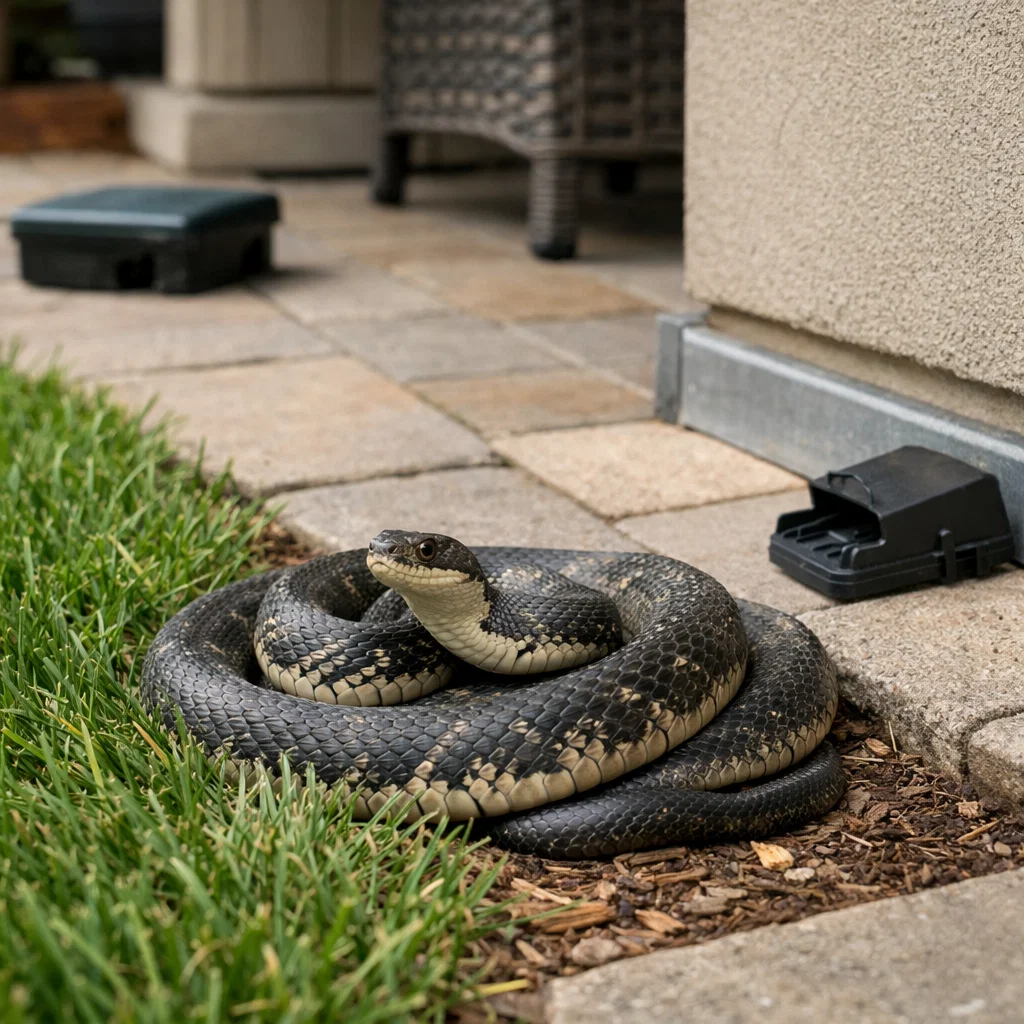
    When it comes to pest control for snakes, safety is the most important consideration. Whether you’re dealing with a snake in your yard, near your home, or possibly in your living space, it’s crucial to understand the differences between venomous and non-venomous species and approach snake control with caution. This blog post will guide you through safe methods for preventing and managing snake encounters, with tips on snake-proofing your home, debunking common myths, and knowing what to do if you encounter a snake in your house.

    The “Venomous vs. Non-Venomous” Distinction

    The first step in snake control is identifying whether the snake is venomous or non-venomous. Understanding these differences helps ensure you approach the situation with the proper level of caution. In general, most snakes are non-venomous and are more beneficial than dangerous. Non-venomous snakes often help control pest populations, such as rodents, which can be more harmful to your home and health. However, venomous snakes do pose significant risks and require professional intervention.

    Here are a few basic ways to distinguish between venomous and non-venomous snakes:

    • Pupil Shape: Venomous snakes often have vertical, slit-shaped pupils, while non-venomous snakes typically have round pupils.
    • Head Shape: Venomous snakes often have triangular or arrow-shaped heads, while non-venomous snakes typically have rounded or oval-shaped heads.
    • Color Patterns: While not always reliable, many venomous snakes have bright warning colors or distinct patterns, although some non-venomous species mimic this coloring as a defense mechanism.

    If you are unsure about whether a snake is venomous, it is best to leave it alone and call a professional. Remember, most bites happen when people try to handle or kill a snake themselves.

    Safety-First: The “Leave It Alone” Rule

    One of the most important rules when dealing with snakes is the “Leave It Alone” principle. Snakes generally do not pose a threat unless they feel threatened or cornered. Most bites happen when individuals try to kill or capture a snake. If you spot a snake, give it space and keep a safe distance.

    Here are a few key safety guidelines:

    • Do not attempt to handle the snake: Even non-venomous snakes can bite in self-defense.
    • Do not try to kill the snake: It’s not only dangerous but also illegal to kill snakes in many areas, especially non-venomous ones, which are protected for their ecological role.
    • Call a professional: If you are unsure of the snake’s type or if it is inside your home, call a local pest control professional or wildlife handler.

    Keeping a safe distance and notifying experts is always the best option.

    Step-by-Step Approach to Snake-Proofing Your Home

    Preventing snakes from entering your property is the best form of pest control. Here’s how to snake-proof your home and surroundings effectively, using the “3-M System”: Maintenance, Meals, and Modifications.

    1. Maintenance: Keep Grass Trimmed and Landscaping Tidy

    Snakes are attracted to areas where they can hide, such as long grass, piles of leaves, and unkempt landscaping. Keeping your yard well-maintained reduces the potential shelter that snakes may find. Trim grass, bushes, and hedges regularly, and clear away any debris such as fallen branches, leaves, or old wood piles where snakes could hide.

    In addition, avoid stacking firewood or other outdoor materials directly against your home’s exterior, as these can serve as snake hiding spots. Keep the area around your home well-lit, as snakes prefer dark, sheltered environments.

    2. Meals: Eliminate Rodent Populations

    One of the main reasons snakes come near human homes is for food. Snakes typically feed on rodents, such as rats, mice, and squirrels. If you have a rodent problem, you’ll likely attract snakes as well.

    To prevent snakes from coming near your home, first, address the rodent problem:

    • Seal up cracks and holes around doors, windows, and foundation walls
    • Set traps or use professional rodent control services to eliminate existing rodents
    • Remove any food sources that could attract rodents, such as garbage or pet food

    By controlling rodents, you take away the food source that draws snakes to your property in the first place.

    3. Modifications: Seal Gaps and Install Snake Fencing

    Physical barriers are an effective way to keep snakes out of your home. Sealing gaps and cracks around your home’s exterior is essential. Look for any spaces around doors, windows, foundation, or vents that snakes could slip through. Even small gaps can provide access for snakes to enter your home.

    Snake-proof fencing is another effective modification. Installing a snake fence around your property, especially in areas with frequent snake activity, is an excellent long-term solution. The fence should be made of a solid material such as metal or wire mesh, with a fine enough gauge to prevent snakes from slipping through. The fence should also be buried a few inches underground to prevent snakes from burrowing underneath it.

    Debunking Common Snake Repellent Myths

    There are numerous myths about snake repellents, some of which are dangerous or ineffective. It’s essential to know which methods actually work and which ones don’t before attempting any control measures on your own.

    Mothballs

    A common myth is that mothballs will repel snakes. However, this is not true. Mothballs contain a strong odor that may irritate a snake’s senses, but they do not create an effective barrier or keep snakes away from an area. Mothballs are toxic to both humans and animals if ingested, making them an unsafe choice for snake control.

    Ultrasonic Devices

    Ultrasonic devices that claim to repel pests—including snakes—have not been proven to work effectively. The sound waves they emit may deter some rodents, but they do not have a lasting effect on snakes. Many snake species are either unaffected or only briefly disturbed by these devices.

    Rather than relying on ineffective repellents, focus on snake-proofing your environment through the 3-M system and eliminating food sources like rodents.

    What to Do If You Find a Snake in Your House

    If you encounter a snake inside your home, it’s important to stay calm and avoid panicking. Here’s a step-by-step emergency protocol for dealing with a snake in your house:

    1. Stay Calm and Keep a Safe Distance

    First and foremost, remain calm. Keep a safe distance from the snake. Snakes are more likely to bite if they feel threatened, so give the snake plenty of space to move. Do not attempt to handle it.

    2. Contain the Snake (If Possible)

    If the snake is confined to one area and you can safely do so, try to isolate it by closing the door and blocking the entrance to that room. This will prevent it from moving freely around the house until help arrives.

    3. The “Bucket Method” for Containment

    If you feel confident and the snake is small, you can try the “Bucket Method” for containment:

    • Place a large bucket or container over the snake.
    • Carefully slide a piece of stiff cardboard or plastic under the container to trap the snake inside.
    • Once contained, call a professional wildlife handler or pest control expert to safely remove the snake.

    4. When to Call a Professional

    If you are unsure about the snake’s type or if it appears venomous, do not attempt to handle it. Call a professional pest control company or wildlife expert immediately to ensure safe removal. Many pest control services offer emergency snake removal, which is the safest option for you and the snake.

    Environmental Benefits of Non-Venomous Snakes

    While venomous snakes are often feared, non-venomous snakes are an essential part of the local ecosystem. In Sharjah, and many other regions, these snakes help control pest populations naturally, including rodents, insects, and even smaller reptiles. By reducing the number of these pests, snakes contribute to maintaining the ecological balance.

    Here’s why non-venomous snakes are beneficial:

    • They help keep rodent populations under control, which in turn reduces the risk of disease and property damage caused by rats and mice.
    • They limit the number of harmful insects and pests, such as cockroaches, locusts, and termites.
    • They are an important food source for other wildlife, maintaining the balance of the local food web.

    In fact, by fostering an environment where non-venomous snakes can live safely, we help reduce the need for chemical pest control methods that could harm other beneficial creatures.

    Conclusion

    When dealing with snake control, safety is the first priority. Understanding the differences between venomous and non-venomous species, using the right snake-proofing techniques, and avoiding myths about repellents can significantly reduce the risks of snake encounters. If you do find a snake in your house, follow the emergency protocol to contain it safely, and always call a professional for removal.

    Remember, most snakes are beneficial and help control pest populations naturally. By focusing on proper prevention, habitat modification, and ensuring safe, humane removal when necessary, you can peacefully coexist with the wildlife around your home while protecting your family and property.

  • How Much Pest Control Costs and What Affects Pricing

    How Much Pest Control Costs and What Affects Pricing

    When people search for “how much pest control,” they are often at a pivotal stage: deciding how much they are willing to spend on pest control services. They want to make an informed decision and ensure they are getting value for their money. The cost of pest control can vary significantly, depending on several factors, such as the type of pests involved, the severity of the infestation, and the size of the property. This article will give you a clearer understanding of how much you can expect to pay for pest control services, what factors contribute to the cost, and why professional pest control is often a smarter choice compared to DIY attempts.

    How much does pest control cost?

    The cost of pest control services can range anywhere from $150 to $300 for a one-time treatment, depending on the pest problem, property size, and the service provider. However, pricing can fluctuate based on several factors:

    • Home size: Larger properties typically cost more to treat, as more time, labor, and products are required to cover the entire area.
    • Infestation severity: Severe infestations require more intensive treatments and possibly multiple visits, increasing the overall cost.
    • Pest type: The cost can vary depending on the type of pests being treated. For example, bed bugs and termites often require more specialized treatment, which may cost more.
    • Location: Regional price differences also play a role. Some areas may have higher demand or cost of living, leading to higher prices.

    For example, a basic pest control treatment for a small apartment may start from around $150–$200. Larger properties with more extensive infestations may cost upwards of $250–$300.

    Why does the cost of pest control vary?

    Several elements contribute to variations in pest control pricing, which is why it’s essential to understand what influences the overall cost of treatment. Let’s break down the key factors:

    1. Home Size

    The larger your home, the more work it requires. More rooms, larger spaces, and more potential entry points for pests all contribute to higher treatment costs. A one-bedroom apartment might cost less than a multi-level house because the technician spends less time treating a smaller area. The greater the square footage, the higher the cost.

    2. Infestation Severity

    The severity of the infestation is another crucial factor in pricing. If the problem is minor, a one-time visit might be sufficient. However, if there are significant signs of an infestation, such as nests, extensive damage, or high pest activity, additional visits or special treatments may be necessary, driving up the cost. This is particularly true for termites, which can cause severe damage to the structure of a home if left untreated.

    3. Type of Pest

    Not all pests are created equal when it comes to treatment. For example, ants and cockroaches are relatively easy and cheap to treat compared to bed bugs or termites. The level of treatment needed depends on the type of pest and its behavior. Some pests, like termites, may require fumigation or specialized equipment, which increases the cost of treatment.

    4. Professional vs. DIY Treatment

    While DIY pest control solutions might seem more affordable, they often fail to address the root cause of the infestation. DIY products can be inexpensive, but they may not be effective for long-term control. Many people underestimate the difficulty of dealing with pests like termites, bed bugs, or rodents, and the risks involved in using over-the-counter chemicals inappropriately.

    5. Clean-out Fees and Follow-ups

    Professional pest control services may charge an additional clean-out fee, especially for more severe infestations. This fee covers the time and labor involved in removing existing pests, cleaning affected areas, and preventing future issues. For example, the cost of treating bed bugs may include a clean-out fee for the specialized equipment required to thoroughly eliminate the pests from furniture and bedding.

    Cost Comparison: Professional Pest Control vs. DIY

    When it comes to pest control, the long-term cost of DIY attempts can exceed the price of professional services. Below is a comparison of DIY and professional pest control for common pest problems:

    Ant Control

    DIY: DIY products for ant control, such as sprays and baits, usually range from $5 to $15, but they may only address the surface problem without solving the root cause (such as the colony). If the infestation persists, additional treatments are required, and the overall cost could rise.

    Professional: For professional ant control services, the cost starts from $150 for a one-time treatment in a small apartment. Larger homes or more persistent infestations will cost more, with follow-up visits or additional treatments possibly adding $100 to $200 to the overall cost.

    Termite Treatment

    DIY: DIY termite treatment options like sprays or foam may cost between $20 to $50 for a small area. However, these treatments only offer temporary relief and may not address hidden termites in structural wood.

    Professional: Professional termite control treatments often start around $250 to $500 for a basic inspection and localized treatment. If the infestation is severe or widespread, the cost could reach $1,000 or more for fumigation or deep treatment.

    Bed Bug Treatment

    DIY: Bed bug sprays and treatments range from $15 to $30 for basic products, but they typically fail to eradicate the problem entirely, leading to a recurrence of the infestation. Specialized bed bug traps or mattress encasements could add more cost, making it challenging to handle the issue on your own.

    Professional: Professional bed bug extermination services typically start from $200 for smaller apartments, with larger homes or more severe infestations costing upwards of $1,000 or more. The cost often includes the use of specialized heating equipment or fumigation.

    How to spot “estimate red flags”

    While looking for pest control services, you may encounter red flags that indicate an unreliable or unethical company. These include:

    • Over-the-phone quotes: Reliable pest control companies should always offer a free inspection before giving a quote. If a company quotes a price over the phone without inspecting the property, it’s a red flag.
    • No written contract: Professional pest control companies should always provide a written contract that clearly outlines the scope of work, treatment methods, and pricing details. If you are asked to pay upfront without a contract, proceed with caution.
    • Lack of transparency: If the company cannot clearly explain what will be done and why, or if pricing seems unusually low for professional services, it’s best to seek a second opinion.
    • No guarantees: Reputable pest control companies offer guarantees or warranties on their services. If a company offers no follow-up or treatment guarantees, they may not be the right fit.

    When should you call a professional pest control company?

    It’s time to call a professional pest control company when:

    • The pest problem is too large or persistent to handle with DIY products
    • There’s a risk of damage to property (e.g., termites, rodents)
    • Health or safety concerns arise (e.g., diseases spread by rodents or mosquitoes)
    • The infestation seems to be spreading despite your efforts
    • Specialized treatment methods (like fumigation or heat treatments) are needed

    Eco-friendly pest control options

    More homeowners and businesses are asking about eco-friendly pest control options, especially in homes with children or pets. Eco-friendly treatments use less-toxic chemicals and focus on prevention rather than just eradication.

    Examples of eco-friendly methods include:

    • Non-toxic baits and traps
    • Essential oils and natural repellents
    • Heat treatment (particularly for bed bugs)
    • Integrated pest management (IPM) approaches

    These options can help minimize health risks while maintaining effective control over pests.

    Follow-up services and guarantees

    Reputable pest control companies usually offer follow-up visits or maintenance plans, especially for recurring or severe infestations. Professional pest control services often include a guarantee that covers the effectiveness of the treatment for a specified period. If pests return within the guarantee period, the company should provide follow-up treatments at no extra cost.

    Conclusion

    Understanding how much pest control costs and what factors influence pricing is crucial for making informed decisions. While DIY treatments may seem cheaper upfront, they often fail to eliminate the problem and may lead to higher costs in the long run due to repeat infestations or property damage.

    Professional pest control services are often the smarter, safer, and more effective choice. By comparing prices, evaluating the reputation of service providers, and understanding the true costs, you can choose the right pest control solution for your needs.

    For personalized pricing, we encourage you to visit our pricing page for the most up-to-date details on treatments and service options.

  • Pest Control for Restaurant Safety and Compliance

    Pest Control for Restaurant Safety and Compliance

    Pest control for restaurant operations is not just about eliminating pests but ensuring that the establishment remains compliant with health and safety regulations. A clean, safe, and pest-free environment is crucial not only for the well-being of your customers and staff but also for the reputation and longevity of your business. This article will explore why using an Integrated Pest Management (IPM) approach is essential, common restaurant pests, practical pest control solutions, and tips for selecting a reliable pest control partner for your restaurant.

    The Importance of an Integrated Pest Management (IPM) Approach

    An Integrated Pest Management (IPM) approach combines prevention, monitoring, and control measures to manage pests in an environmentally responsible way. Unlike traditional pest control methods that may rely heavily on chemicals, IPM focuses on using a combination of physical, biological, and cultural methods to manage pests effectively while reducing the use of toxic substances in sensitive areas such as food preparation zones.

    The key components of IPM include:

    • Inspection: Regularly checking the premises to identify potential entry points and areas where pests might thrive.
    • Exclusion: Sealing gaps and cracks in walls, doors, windows, and around plumbing fixtures to prevent pest entry.
    • Sanitation: Keeping the restaurant clean, especially in high-risk areas like the dish pit, storage rooms, drains, and behind kitchen equipment.
    • Monitoring: Keeping track of pest activity with the use of pest logs and traps to catch any emerging issues early.
    • Control: Using non-toxic methods to handle pest issues, such as air curtains, light traps, or natural repellents.

    The goal of IPM is to manage pests in a way that minimizes risks to health, food safety, and the environment, and ensures compliance with local health department regulations. An effective IPM program helps restaurant owners maintain a hygienic environment, reduce health risks, and avoid costly violations.

    Why Pest Control is Essential for Restaurants

    Restaurants are prime targets for pests, especially due to the abundance of food and waste. Without proper pest management, your restaurant could face health violations, loss of business, and severe damage to your reputation. For restaurant owners, pest control is not optional—it’s a necessity.

    The risks of not addressing pest control in your restaurant include:

    • Health risks: Pests can carry diseases, bacteria, and allergens that could contaminate food and create a health hazard for customers and staff.
    • Regulatory non-compliance: Health departments require that food establishments maintain a clean, pest-free environment. Failure to comply can result in fines, closures, or even loss of your business license.
    • Reputation damage: A single pest sighting or pest-related complaint can quickly spread, damaging your restaurant’s reputation and leading to loss of customers.
    • Property damage: Pests like rodents and termites can damage your property by chewing through wiring, plumbing, and structural elements of the building.

    To maintain a safe, clean, and compliant restaurant, a comprehensive pest management plan must be in place from day one.

    Common Restaurant Pests

    Restaurants are susceptible to a variety of pests. Here are some of the most common pests encountered in the restaurant environment:

    Fruit Flies

    Fruit flies are one of the most common pests found in restaurants, particularly in areas where fresh produce is stored. They are attracted to overripe fruits, vegetables, and other organic materials. Fruit flies breed quickly and can contaminate food, making them a significant concern in restaurants.

    Rodents (Rats and Mice)

    Rodents are a major problem for restaurants, particularly in commercial kitchens and storage areas. Mice and rats can chew through packaging, contaminate food, and spread diseases. They also hide in hard-to-reach areas such as walls, ceilings, and plumbing, making them difficult to detect without proper pest management.

    Stored Product Pests

    Stored product pests such as pantry beetles, weevils, and moths can infest dry goods such as flour, rice, and grains. These pests can be difficult to detect until they have already caused significant damage, contaminating your stock and creating a risk of contamination for customers.

    Ants

    Ants are another common pest in restaurants, particularly when food or crumbs are left behind in kitchens or dining areas. They form large colonies that can invade your restaurant’s food preparation areas, compromising food safety and hygiene.

    Flies

    Flies are attracted to garbage, food waste, and unsanitary conditions. They can contaminate food surfaces with bacteria, making it crucial to maintain cleanliness in trash areas and food preparation zones.

    Practical Pest Control Solutions

    Pest Log Book

    One of the most effective ways to manage pest control in restaurants is by keeping a detailed Pest Log Book. This log records inspections, sightings, and treatments. Having a pest log book helps with tracking pest activity, identifying patterns, and ensuring compliance with health department regulations. It is an essential tool for maintaining audit-ready documentation and can help spot any recurring pest issues.

    Light Traps and Air Curtains

    Light traps are an excellent way to capture flying insects like fruit flies and other pests attracted to light. Installing light traps in areas like the kitchen, storage rooms, and near entryways can help reduce flying insect populations. Similarly, air curtains, which create a barrier of air over entry points, can help prevent flying pests from entering your restaurant when doors are open.

    Proper Trash Management

    One of the most common sources of pest attraction is improperly managed trash. Garbage areas should be kept clean and sanitized, and trash should be removed regularly to prevent it from accumulating. Ensuring that trash bins are tightly sealed and placed away from food preparation zones will discourage rodents and flies from entering your premises.

    Non-Toxic Solutions

    Restaurants have unique challenges when it comes to pest control because food safety must always be the top priority. Non-toxic or eco-friendly pest control options, such as plant-based sprays or traps, can be used to manage pests without posing any risk to customers or staff. These methods are especially important in areas like kitchens or food storage rooms, where chemical exposure must be minimized.

    Choosing a Reliable Pest Control Partner for Your Restaurant

    When selecting a pest control provider for your restaurant, it’s important to find someone who understands the unique challenges of maintaining a pest-free environment in a food-related business. Here’s what to look for in a commercial pest control partner:

    • Licensing and certification: Ensure that the company is licensed and approved by the local health and regulatory authorities. This guarantees they adhere to safe and legal pest control practices.
    • Discretion: Your pest control provider should be discreet and professional. They should carry out their work without disrupting restaurant operations or alerting customers to the presence of pests.
    • Emergency response time: A reliable provider should be able to respond quickly to emergencies, especially if there’s an active infestation or a customer has reported a pest sighting.
    • Audit-ready documentation: Professional pest control services should provide regular documentation of treatments, inspections, and pest activity. This documentation is essential for health department audits and ensuring compliance.

    Pricing for Pest Control for Restaurants

    Pricing for pest control in restaurants can vary depending on the size of the establishment, the severity of the infestation, and the frequency of required treatments. Generally, restaurant pest control services include the initial inspection, followed by ongoing treatments to keep the premises pest-free.

    For smaller restaurants, basic treatments for common pests like fruit flies, ants, and rodents typically start from around AED 119 for a studio or small unit. Larger restaurants or commercial properties may see prices ranging from AED 139 to AED 211 for initial treatments, with ongoing maintenance plans available for an additional cost.

    Specialized treatments for more persistent pests like termites or bed bugs can be priced higher depending on the scope of the infestation. Prices for these treatments can start at AED 300 and go up significantly depending on the size of the restaurant and the severity of the problem.

    For more detailed pricing information, including current rates and specific treatments, it’s always recommended to check the official pricing page or consult directly with a pest control provider.

    What to Do If a Customer Notices a Pest

    One of the most common crises in the restaurant business occurs when a customer notices a pest. This can quickly lead to negative reviews, lost business, and damaged reputation. Here are immediate steps to take:

    • Act quickly: Acknowledge the issue promptly, apologize, and offer the customer an immediate solution, such as a discount or free meal.
    • Assess the situation: Investigate the problem quickly to determine the extent of the issue and whether further action is needed.
    • Contact your pest control provider: Immediately inform your pest control provider about the situation and schedule a service visit to handle any visible infestations.
    • Document the incident: Keep a record of the customer’s complaint and the actions you took. This helps with future audits and demonstrates that you are proactive in addressing the problem.

    Handling a pest sighting professionally and efficiently can help maintain customer trust and avoid major reputation damage.

    Conclusion

    Pest control for restaurants is a crucial aspect of running a successful food business. By using an Integrated Pest Management approach, maintaining cleanliness, managing trash, and investing in professional pest control services, you can protect your restaurant from pests while ensuring compliance with local health regulations. Always choose a licensed and reliable provider who understands the unique challenges of your business and can respond quickly in case of an emergency. Regular pest control treatments not only ensure a safe environment for customers and staff but also safeguard your restaurant’s reputation and long-term success.

  • Pest Control Tube for Effective Pest Management

    Pest Control Tube for Effective Pest Management

    The term pest control tube can refer to two distinct yet highly effective pest control systems: the In-Wall Tube System and the Gel Bait Tubes. Both are designed to address pest problems with minimal disruption, but they function in different ways and are suited for specific types of infestations. Whether you’re dealing with ants, cockroaches, or even termites, understanding which system is right for your situation is essential. This article will explain both systems in detail, offering insights into their installation, usage, and maintenance.

    What are Pest Control Tubes?

    Pest control tubes generally fall into two main categories:

    • In-Wall Tube Systems: These are installed behind drywall or within the walls of a home or building. The tubes are perforated, allowing the chemical treatment to be distributed along the paths where pests are most active.
    • Gel Bait Tubes: These are smaller, user-friendly tubes filled with pest-specific gel bait. They are typically used for targeted infestations, such as ants or cockroaches.

    Each type has its own advantages, and understanding how they work and when to use them is key to effective pest control.

    In-Wall Tube Systems: A No-Intrusion Solution

    In-Wall Tube Systems are an innovative approach to pest control that works by distributing pest control chemicals behind the walls of your home or commercial property. These systems are typically installed during construction or during significant renovations, where a network of perforated tubes is placed behind drywall, baseboards, and other structures.

    The main advantage of these systems is that they provide a “no-intrusion” treatment method. Once the tubes are in place, the pest control treatment is delivered through the tubes, which distribute chemicals or repellents directly to where the pests are active, without the need for chemicals to be applied on the surface of the floors or walls.

    How It Works:

    • The tubes are connected to a central pest control system that contains a slow-releasing chemical formula.
    • The perforated tubing runs through key areas behind the drywall, baseboards, and other pest pathways.
    • When pests come into contact with the chemicals in these areas, they carry it back to the colony or nest, ensuring the treatment reaches the source of the infestation.

    Advantages of In-Wall Tube Systems:

    • Non-intrusive: The system is installed once and remains hidden behind the walls, offering privacy and convenience.
    • Long-term solution: Once in place, these systems can provide ongoing pest control with minimal maintenance.
    • Minimal chemical exposure: Since chemicals are distributed behind the walls, there’s less direct contact with living spaces, reducing the potential for harmful exposure.

    Installation and Cost:

    Installation of the In-Wall Tube System is more involved than a DIY solution and requires professional pest control technicians. These systems are usually part of new construction or large renovations, making them ideal for homeowners who want long-term pest control without ongoing disruptions.

    The cost of installing an In-Wall Tube System can vary greatly depending on the size of the home, the complexity of the installation, and the pest control service provider. On average, installation can range from AED 3,000 to AED 6,000 for a residential property, with additional costs for regular maintenance or refills. Although the initial investment can be high, the system offers a lasting solution with low ongoing costs, making it ideal for long-term pest control.

    Gel Bait Tubes: A Targeted and Flexible Solution

    Gel Bait Tubes are a more flexible, user-friendly solution for pest control. These tubes contain a thick, pest-specific gel that targets insects like ants, cockroaches, and termites. Unlike the In-Wall Tube System, Gel Bait Tubes do not require installation in walls and can be placed in specific areas where pests are most active.

    How Gel Bait Tubes Work:

    The gel inside these tubes is designed to attract pests, particularly ants and cockroaches. Once a pest consumes the bait, it carries the gel back to its colony, poisoning other pests and effectively reducing the population over time. The gel remains effective for a prolonged period, ensuring that pests continue to be attracted to the bait until it’s consumed.

    Advantages of Gel Bait Tubes:

    • Targeted application: The gel is applied directly to areas where pests are most likely to come in contact, ensuring focused treatment.
    • Easy to use: Gel Bait Tubes are easy for homeowners to use. Simply apply the gel along pest pathways and observe the results.
    • Long-lasting: The gel remains effective for weeks, and some products even last up to a month or longer, depending on the level of infestation.
    • Non-toxic alternatives: Some gel bait tubes contain non-toxic, eco-friendly ingredients that are safe for pets and humans while still being effective for pest control.

    How to Use Gel Bait Tubes Effectively:

    To maximize the effectiveness of Gel Bait Tubes, proper placement is key. Follow these steps:

    • Identify high-traffic pest areas: Focus on areas where you’ve seen pest activity, such as along baseboards, under sinks, behind appliances, or near waste bins.
    • Apply the gel: Squeeze small amounts of gel into cracks, corners, and along known pathways.
    • Avoid liquid sprays: Don’t use liquid insecticides near the gel, as they can interfere with the bait’s effectiveness.
    • Monitor and reapply: Check the areas for activity, and if the gel is consumed or dried out, apply more bait as needed.

    Cost and Maintenance:

    Gel Bait Tubes are an affordable solution for homeowners dealing with minor to moderate infestations. The cost typically ranges from AED 50 to AED 150 per tube, depending on the brand and the level of pest activity.

    Although the initial cost is lower than that of the In-Wall Tube System, Gel Bait Tubes require more frequent monitoring and reapplication. However, their flexibility and ease of use make them an excellent option for tackling targeted pest issues like ants or cockroaches in small to medium areas.

    Cost Comparison: In-Wall Tubes vs Gel Bait Tubes

    Both In-Wall Tube Systems and Gel Bait Tubes offer effective pest control, but they differ significantly in terms of installation, usage, and long-term costs.

    In-Wall Tube System Costs:

    • Installation: AED 3,000 to AED 6,000 (one-time fee)
    • Maintenance: AED 500 to AED 1,000 per year (for refills and inspections)

    Gel Bait Tubes Costs:

    • Initial purchase: AED 50 to AED 150 per tube
    • Ongoing use: Typically requires reapplication every 2–4 weeks for active infestations

    While the initial cost of Gel Bait Tubes is lower, In-Wall Tube Systems offer a more permanent solution with less ongoing maintenance. The cost comparison will depend on the size of the property, the frequency of reapplications, and the scale of the pest problem.

    Common Mistakes with Pest Control Tubes

    Even with the right system in place, there are a few mistakes people commonly make that can hinder pest control success:

    • Clogged ports: If the tubing becomes clogged or blocked, the treatment will not be distributed properly, reducing its effectiveness.
    • Expired or dried-out gel: Gel bait can dry out over time, especially if it is exposed to high heat or is not replaced regularly. Always check the bait to ensure it is still effective.
    • Improper placement: If Gel Bait Tubes are not placed in high-traffic pest areas, the treatment won’t work as effectively. Make sure to target key areas where pests are most active.

    Professionals often prefer the tube method for hard-to-reach areas because it allows for a controlled and consistent application of pest control treatments.

    When to Call a Professional for Pest Control Tubes

    Both In-Wall Tube Systems and Gel Bait Tubes are effective methods, but they are not foolproof for every situation. Professional pest control providers often use these systems for hard-to-reach areas, larger infestations, or ongoing problems.

    Calling a professional is recommended when:

    • The infestation is widespread or persistent
    • You’re unsure where the pests are entering
    • You need a multi-step treatment plan for different pests
    • You need help with proper system installation or maintenance

    Conclusion

    Pest control tubes—whether In-Wall Tube Systems or Gel Bait Tubes—offer a practical and effective way to manage pests in residential and commercial properties. Understanding how each system works, when to use it, and the costs involved helps ensure you make an informed decision. For many people dealing with recurring pests or large infestations, calling in a professional pest control service can provide peace of mind and a long-term solution to pest problems.

  • Pest Control Pet Friendly for Homes and Businesses

    Pest Control Pet Friendly for Homes and Businesses

    As pet owners, we all love our furry, feathered, or scaly friends, and the last thing we want is for them to be exposed to harmful chemicals, especially when we’re trying to protect our homes from pests. When searching for “pest control pet friendly” services, pet owners need to consider both the safety and effectiveness of the methods used. This post will guide you through safe pest control options that are suitable for homes with pets, clarify what makes pest control methods “pet-friendly,” and help you choose the right products to protect both your pets and your home.

    What is Pet-Friendly Pest Control?

    Pet-friendly pest control refers to the use of methods and products that are safe for pets while still effectively controlling pests. It means minimizing or eliminating the risk of harm to your pets, whether through direct contact with pesticides, inhalation of fumes, or consumption of harmful substances. Understanding what qualifies as “pet-friendly” is important, as many pest control products contain chemicals that may be toxic to pets if not used properly.

    In most cases, pet-friendly pest control methods are those that use non-toxic or low-toxicity products and focus on long-term prevention strategies like exclusion and cleaning. However, it is important to know that even pet-friendly products may not always be safe during the application process, especially before the product has dried or bonded to the surface.

    Ingredients to Avoid in Pest Control Products

    One of the main concerns when it comes to pest control and pets is the ingredients used in the products. Some chemicals used in pest control can be highly toxic to pets, especially if they come into direct contact with the substance. Understanding which ingredients to avoid will help keep your pets safe.

    Organophosphates

    Organophosphates are a class of chemicals commonly used in pest control products. They are highly toxic to both pests and pets. Exposure to organophosphates can cause symptoms such as vomiting, diarrhea, drooling, tremors, and in severe cases, death. It is important to choose pest control products that do not contain organophosphates, especially if you have pets in your home.

    Pyrethroids

    Pyrethroids are synthetic chemicals derived from natural pyrethrins found in chrysanthemums. While they are effective at killing pests, they can also be harmful to pets, especially cats. Pyrethroids can cause symptoms such as lethargy, tremors, and vomiting. Certain types of pyrethroids are even more dangerous to animals like cats, so it is crucial to choose pet-friendly products that are free from these chemicals.

    Choking Hazards from Traps

    Traps, such as mouse or rat traps, are commonly used to control pests, but they can pose a serious danger to pets. Dogs and cats are naturally curious and may attempt to investigate or play with the traps, leading to potential injuries or even death. To ensure pet safety, avoid traps that may harm pets or use enclosed, safer versions that are less accessible to your animals.

    Pet-Friendly Pest Control: What Makes It Safe?

    When searching for pet-friendly pest control, it’s important to choose methods that focus on minimizing harm to your pets while still being effective against pests. Here are some key factors to consider:

    Drying and Bonding

    Most professional pest control products are safe for pets only after they have dried and bonded to the surfaces they were applied to. During the application process, pets should be kept out of the treated areas. It is important to follow the pest control company’s instructions regarding when it is safe for pets to re-enter the treated spaces. In general, it is advisable to wait until the surfaces are completely dry to minimize any exposure to harmful chemicals.

    EPA-Exempt Products (25(b) FIFRA)

    In the United States, pest control products that are labeled as EPA-exempt are considered safer for use around pets. These products are exempt from the registration requirements under Section 25(b) of the Federal Insecticide, Fungicide, and Rodenticide Act (FIFRA). This means they contain natural ingredients that are not harmful to pets, such as essential oils and plant-based substances. Look for pest control products labeled as EPA-exempt, which are often safer and less toxic for animals.

    Natural vs. Synthetic Pest Control Solutions

    Natural pest control solutions are often considered safer for pets, but they are not always as effective as synthetic products. While natural products may be effective for smaller infestations or preventive measures, synthetic products tend to offer stronger, more immediate results. The key is balancing effectiveness with safety. Here’s a comparison:

    • Cedarwood Oil: Cedarwood oil is often used in pest control products due to its natural insect-repellent properties. It’s generally safe for pets but may cause skin irritation for sensitive animals. Always dilute it before use.
    • Diatomaceous Earth: Diatomaceous earth is a natural powder made from the fossilized remains of aquatic organisms. It is non-toxic to pets but can cause respiratory issues if inhaled. Use it cautiously and apply it only in areas where pets are not likely to come into direct contact.
    • Synthetic Pesticides: Synthetic pesticides are highly effective but can be toxic to pets. If you choose a synthetic product, make sure it is labeled as safe for pets after drying, and avoid products with organophosphates or pyrethroids.

    Choosing the right pest control solution depends on the severity of the infestation and your pets’ sensitivity to certain chemicals. Always consult with pest control experts and consider eco-friendly or non-toxic options when possible.

    Room-by-Room Safety Protocol for Pet-Friendly Pest Control

    Pet owners should take precautions to protect their animals during the pest control process. Here’s a room-by-room safety protocol to minimize exposure:

    Preparation

    • Keep pets out of treated areas until it is safe to return. Follow the pest control service’s guidelines regarding re-entry times.
    • Move pet food, water bowls, and bedding to another room before treatment.
    • If your pets are in cages or pens, move them to another safe area during treatment.

    Application

    • Only use pet-safe products during the application process. Ensure the pest control company uses non-toxic, approved products.
    • Limit pet access to the treated areas. If you must leave, make sure your pets are kept in a safe room or outside the house until the application is complete.

    Post-Care

    • Ensure that surfaces are fully dry before allowing pets to return to the treated areas.
    • Once the treatment has dried, ventilate the space to reduce any lingering fumes or odors that may irritate your pet’s respiratory system.
    • Regularly clean your home to remove any pest remnants, and maintain a pet-friendly environment by focusing on prevention.

    For sensitive animals, such as birds or fish, additional care should be taken to ensure they are not exposed to the pest control products. Birds, in particular, are highly sensitive to airborne chemicals, so ensure the room is well-ventilated before allowing them back in.

    Proactive, Non-Chemical Solutions

    While chemical pest control solutions are effective, proactive, non-chemical methods are often the safest way to manage pests in a pet-friendly environment. These strategies help reduce the need for chemical treatments and create a pest-free environment without risk to your pets.

    Non-chemical pest control strategies include:

    • Exclusion: Seal gaps, cracks, and entry points around windows, doors, and vents to prevent pests from entering the home.
    • Regular pet grooming: Groom pets frequently to prevent pests like fleas and ticks from settling on their fur.
    • Proper waste disposal: Make sure to dispose of pet waste and trash promptly to prevent attracting pests like flies and rodents.
    • Keeping your home clean: Regularly vacuum carpets, floors, and furniture to remove food crumbs and other attractants for pests.
    • Environmental management: Reduce moisture around the house by fixing leaks, drying damp areas, and ensuring proper ventilation in bathrooms and kitchens.

    These simple steps, combined with professional pest control when needed, can help maintain a pet-friendly, pest-free home.

    Vet-Approved Checklist for Pet-Friendly Pest Control

    To help ensure your pets’ safety during pest control treatment, here’s a simple vet-approved checklist:

    • Is the pest control company licensed and municipality-approved?
    • Does the pest control provider use non-toxic, pet-safe products?
    • Are all chemicals used in the treatment safe for animals after drying?
    • Does the provider offer eco-friendly or low-toxicity options?
    • Have the pets been kept away from the treated areas during application?
    • Has the space been ventilated adequately before pets are allowed to return?

    Always consult your veterinarian before deciding on pest control methods if your pet has pre-existing health conditions.

    Conclusion

    Pest control in homes with pets is possible without compromising your pets’ health or safety. By choosing pet-friendly pest control methods, using safe products, and following proper protocols, you can protect your home from pests while ensuring your pets remain safe and comfortable. Understanding the risks of different chemicals, being proactive in preventing infestations, and working with licensed pest control providers ensures a long-term solution for both your home and your pets.