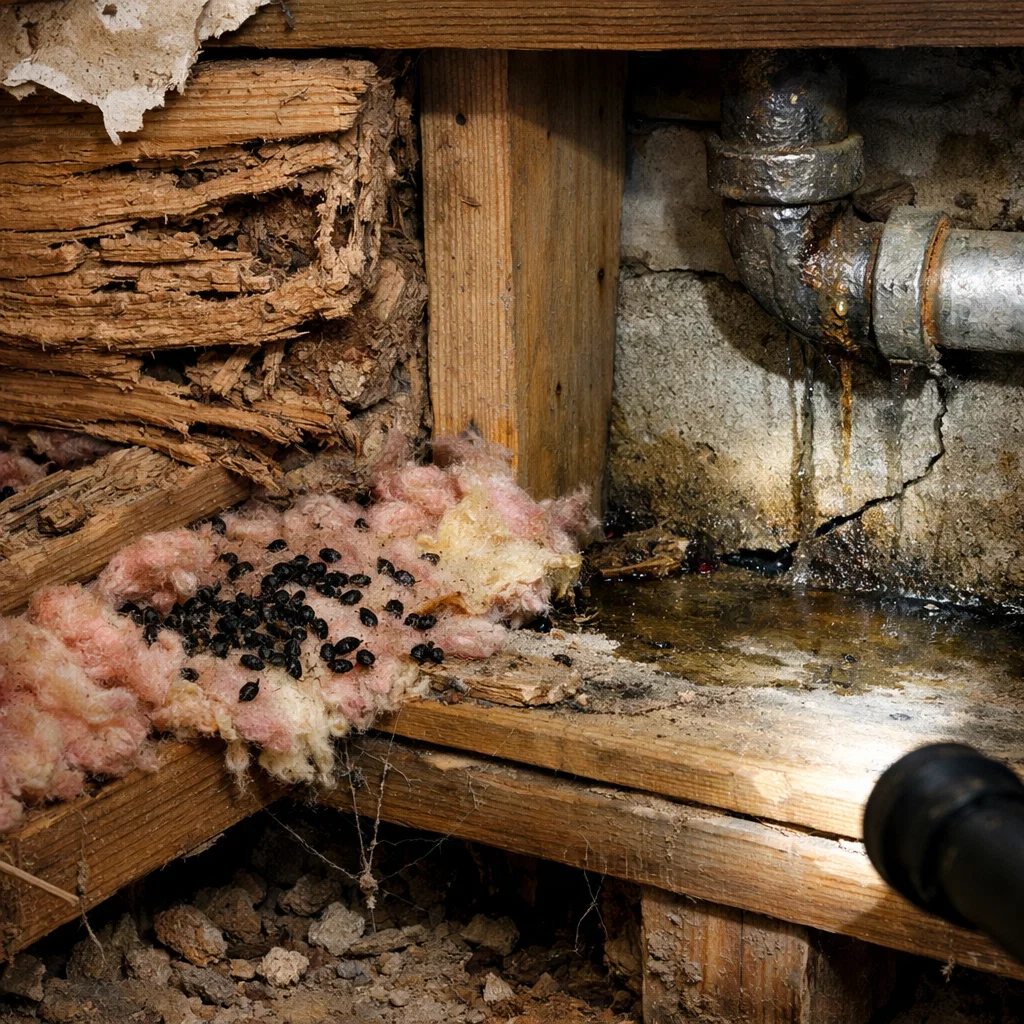
Author: Widia Utari Utama

  • Pest Control Prices List Explained for Smart Decisions

    Pest Control Prices List Explained for Smart Decisions

    Pest problems often come with uncertainty, and one of the biggest questions people have is cost. When looking for a pest control prices list, most people are not just searching for numbers. They want to understand what they are paying for, why prices can vary so much, and how to avoid unexpected charges later. Clear pricing information helps homeowners and business owners plan better, compare options fairly, and make decisions with confidence.

    This article explains how pest control pricing is usually structured, what types of services are commonly included, which factors influence price differences, how DIY approaches compare with professional services, how regional conditions can affect costs, and what pricing red flags to watch out for. The goal is to help you understand pest control pricing in a practical and realistic way, even without relying on a simple list of figures.

    How pest control pricing is usually structured

    Pest control pricing is rarely based on a single flat rate. Instead, it is typically structured around the type of service, the frequency of treatment, and the level of risk involved. Understanding these structures makes a pest control prices list easier to interpret.

    Most pest control services fall into a few common categories:

    • One-time treatments: Designed to address a specific, limited infestation.
    • Initial or first-visit treatments: More comprehensive services aimed at stopping active infestations.
    • Ongoing maintenance plans: Regular visits to prevent pests from returning.

    Each category serves a different purpose, and the pricing reflects the scope of work involved.

    One-time pest control treatments

    One-time treatments are usually chosen when the pest issue appears small or isolated. These services focus on addressing visible activity and applying basic control measures.

    In a typical pest control prices list, one-time treatments usually include:

    • A basic inspection of the affected area
    • Identification of the pest type
    • Targeted treatment in specific locations
    • General advice on prevention

    Because one-time treatments are limited in scope, they are often priced lower than other options. However, they may not be suitable for recurring or hidden infestations, and follow-up services may still be needed.

    Initial visits and comprehensive treatments

    Initial or comprehensive treatments are designed for active infestations that require more than a surface-level solution. These services are more detailed and are commonly the main reference point in a pest control prices list.

    An initial visit usually includes:

    • Thorough inspection of the property
    • Identification of entry points and nesting areas
    • Assessment of infestation severity
    • Application of targeted treatment methods
    • Clear guidance on preparation and aftercare

    Pricing for these services is generally higher than one-time treatments because of the time, materials, and expertise involved. The goal is not only to reduce current pest activity but also to lower the risk of reinfestation.

    Ongoing maintenance and preventive plans

    Ongoing maintenance plans are often chosen by businesses, property managers, and homeowners who want long-term protection. In a pest control prices list, these plans are usually presented as periodic services rather than single visits.

    Maintenance plans typically include:

    • Scheduled inspections at regular intervals
    • Preventive treatments before infestations grow
    • Monitoring of high-risk areas
    • Priority response if pest activity is detected

    While the cost is spread over time, maintenance plans often provide better overall value because they reduce the likelihood of major infestations and unexpected expenses.

    What factors influence pest control pricing

    No two properties are exactly the same, which is why pest control pricing varies. A pest control prices list usually reflects base expectations, but the final cost depends on several key factors.

    Property size and layout

    Larger properties require more time, materials, and coverage. Apartments, villas, offices, and warehouses all present different challenges. Complex layouts, multiple floors, or hard-to-access areas can increase the scope of work.

    Severity of infestation

    A light infestation caught early is usually easier and less costly to manage than a widespread problem. Severe infestations often require repeated treatments, specialized methods, or follow-up visits.

    Type of pest

    Different pests require different treatment approaches. For example, insects that nest inside walls, rodents that damage wiring, or pests that pose health risks often require more specialized handling. This affects both the time and resources needed.

    Indoor versus outdoor treatment

    Outdoor treatments, such as gardens or surrounding areas, may involve larger coverage zones and environmental considerations. These factors can influence pricing compared to indoor-only services.

    What is generally included in professional pest control pricing

    Understanding what is included helps you evaluate whether a pest control prices list represents good value or not.

    Professional pest control pricing usually covers:

    • Inspection and assessment
    • Use of approved treatment products
    • Application by trained technicians
    • Basic safety guidance
    • Post-treatment recommendations

    Some services also include limited follow-up visits or monitoring, depending on the agreement.

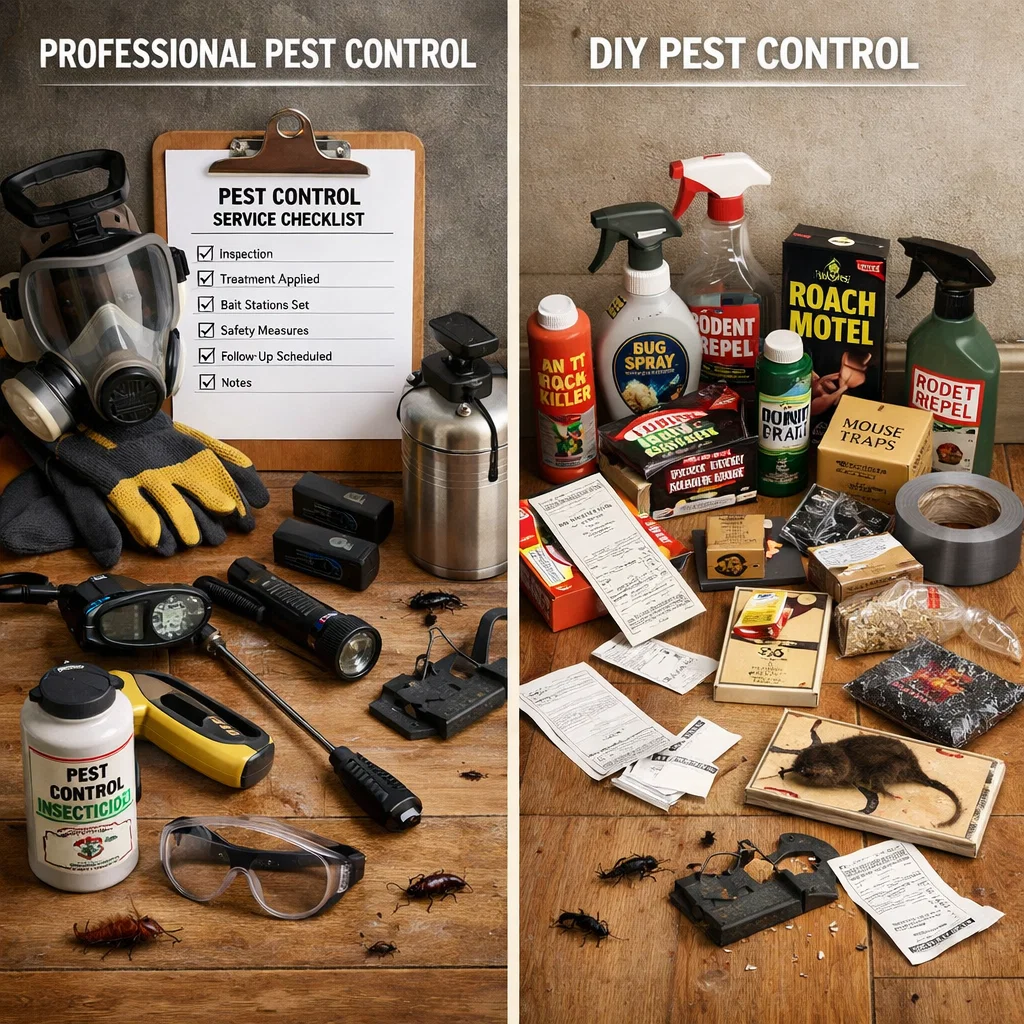
    DIY pest control versus professional services

    DIY pest control products are widely available and often appear cheaper at first glance. However, cost comparisons in a pest control prices list should consider long-term value, not just upfront expense.

    Cost considerations for DIY approaches

    DIY methods may involve purchasing sprays, traps, or repellents multiple times. If the infestation persists, repeated purchases can add up. There is also the risk of incorrect application, which may worsen the problem.

    Value considerations for professional services

    Professional services offer:

    • Accurate pest identification
    • Targeted treatment methods
    • Safer application practices
    • Reduced risk of reinfestation
    • Clear accountability

    While professional services may cost more initially, they often save money over time by preventing repeat infestations and property damage.

    How location and regional conditions affect pricing

    Regional factors play a significant role in pest control pricing. A pest control prices list can vary depending on local conditions.

    Factors influenced by location include:

    • Climate and seasonal pest activity
    • Local labor and operational costs
    • Municipality regulations and compliance requirements
    • Availability of licensed technicians

    In regions with year-round pest activity, pricing may reflect the need for continuous prevention rather than seasonal treatment.

    Understanding follow-ups and warranties

    Some pest control services include follow-ups or limited warranties. These are often misunderstood when reviewing a pest control prices list.

    Common follow-up practices include:

    • Re-inspection after a set period
    • Additional treatment if activity persists
    • Optional maintenance upgrades

    Warranties usually depend on pest type, treatment method, and compliance with preparation guidelines.

    Common pricing red flags to watch out for

    Not all pest control pricing is transparent. Being aware of red flags helps you avoid unexpected costs.

    Common warning signs include:

    • Prices quoted without inspection
    • Unclear contract terms
    • Extra charges added after treatment
    • Pressure to sign long-term contracts
    • Use of unlicensed or unapproved services

    A reliable provider explains pricing clearly before any work begins and answers questions openly.

    Hidden fees and how to avoid them

    Hidden fees can appear in the form of additional visits, specialized treatments, or contract clauses. To avoid surprises, always ask what is included and what may cost extra.

    Clear communication before treatment is key to avoiding misunderstandings.

    A practical way to use a pest control prices list

    A pest control prices list should be treated as a guide, not a final contract. It helps you understand typical structures, compare service levels, and prepare questions before booking.

    For the most accurate and current pricing, it is always best to review the official pricing page and confirm details directly with the service provider, as conditions and requirements can change.

    Conclusion

    Understanding a pest control prices list is about more than numbers. By knowing how pricing is structured, what factors influence cost, how DIY compares to professional services, and what red flags to avoid, you can make informed decisions with confidence. Clear expectations and transparent communication are the foundation of effective and responsible pest control.
  • Pest Controller Duties and Responsibilities Explained

    Pest Controller Duties and Responsibilities Explained

    The role of a pest controller goes far beyond simply eliminating insects or rodents. The phrase pest controller duties and responsibilities refers to a wide range of technical, safety, and communication tasks that must be carried out consistently and professionally. A pest controller is responsible not only for resolving current infestations, but also for preventing future problems, protecting human health, complying with regulations, and maintaining accurate records. This article explains the full scope of pest controller duties and responsibilities by walking through a typical workday, outlining technical and safety obligations, highlighting the importance of communication and documentation, and showing how responsibilities differ between residential and commercial environments.

    A typical workday: from preparation to reporting

    A pest controller’s workday usually begins well before arriving at a client’s location. Preparation is a critical responsibility, as mistakes at this stage can affect safety, effectiveness, and compliance later in the day.

    Before leaving for the first job, a pest controller typically checks:

    • Service schedule and job details for the day
    • Type of pests expected at each location
    • Required tools, equipment, and treatment products
    • Personal protective equipment such as gloves, masks, and coveralls
    • Vehicle condition and secure storage of chemicals

    This preparation ensures that the pest controller can perform each service efficiently without improvising on-site, which could increase risk or reduce treatment quality.

    On-site inspection and pest identification

    One of the most important pest controller duties and responsibilities is accurate inspection and pest identification. Treating a pest problem without knowing the exact species or source often leads to ineffective results.

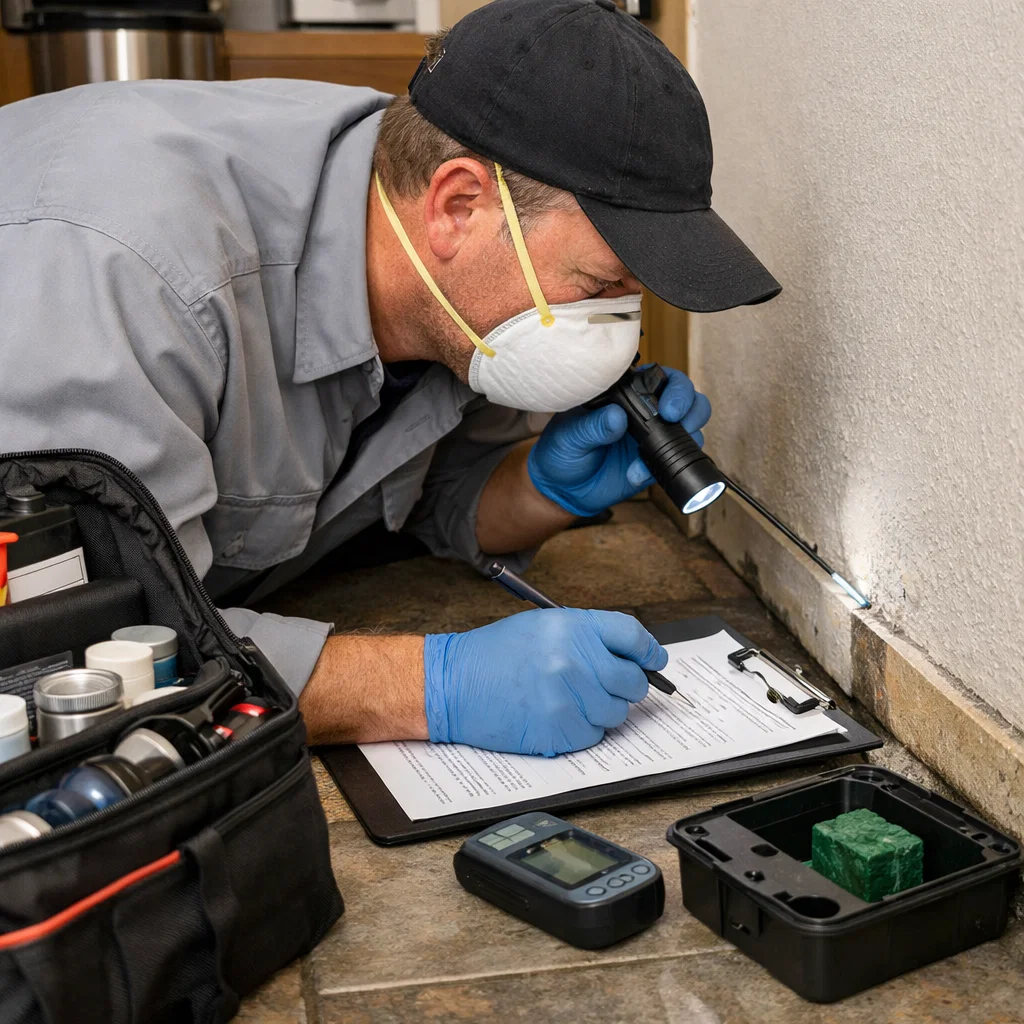
    During an on-site inspection, a pest controller is responsible for:

    • Speaking with the client to understand reported issues
    • Visually inspecting affected and surrounding areas
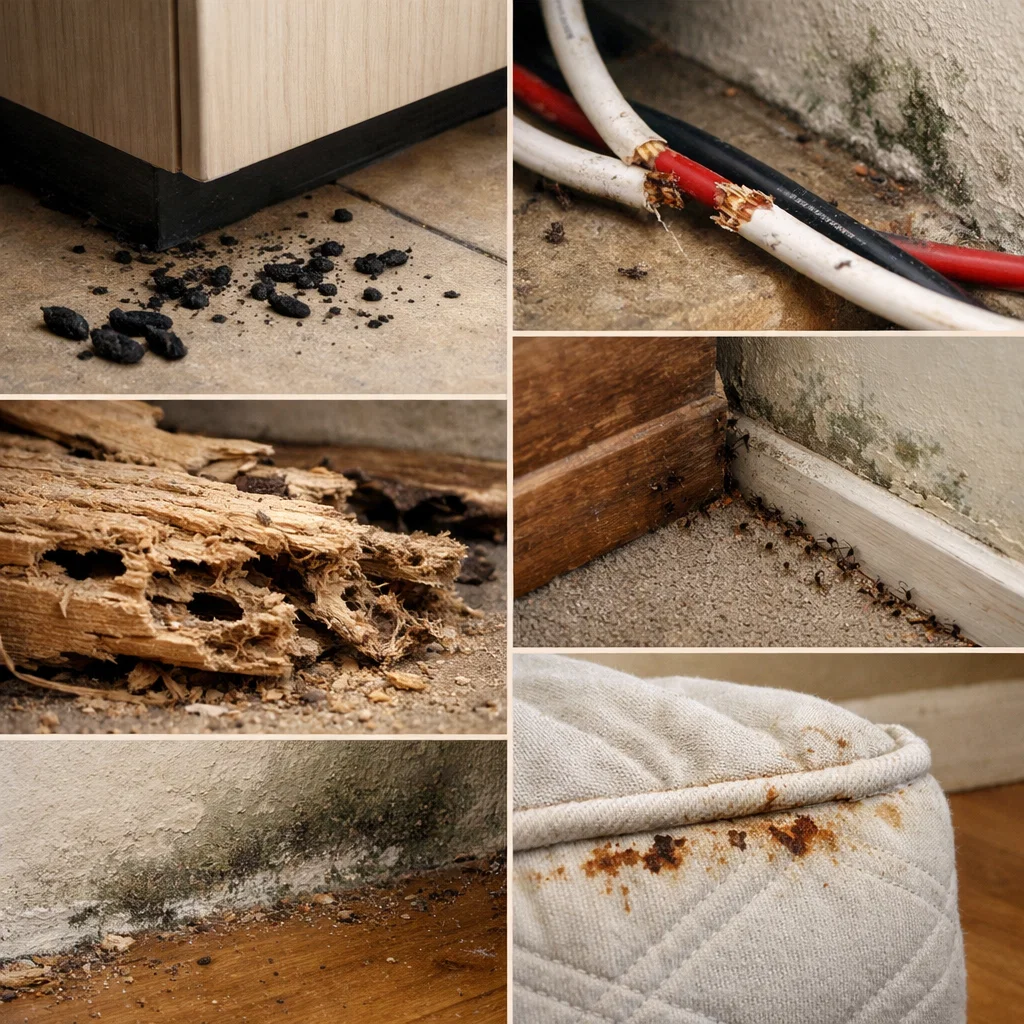
    • Identifying signs such as droppings, nesting material, damage, or odor
    • Determining the pest species involved
    • Locating entry points, harborage areas, and breeding sources

    This step requires both experience and attention to detail. Misidentifying a pest can result in applying the wrong treatment method, increasing cost and risk without solving the problem.

    Applying Integrated Pest Management principles

    Modern pest control is based on Integrated Pest Management, often referred to as IPM. One of the core pest controller duties and responsibilities is to apply IPM principles rather than relying on chemicals alone.

    IPM focuses on:

    • Understanding pest behavior and life cycles
    • Reducing conditions that attract pests
    • Using physical and mechanical controls where possible
    • Applying chemical treatments only when necessary
    • Monitoring results and adjusting strategies

    This approach improves long-term control while reducing environmental and health risks.

    Physical treatment and exclusion work

    Once inspection and planning are complete, the pest controller moves on to physical treatment and exclusion measures. This part of the job often requires hands-on work in challenging environments.

    Typical physical responsibilities include:

    • Applying treatments to targeted areas
    • Setting traps or bait stations where appropriate
    • Sealing cracks, gaps, or entry points
    • Advising on or performing minor sanitation measures
    • Removing nests or contaminated materials when safe to do so

    Physical treatment must always follow safety guidelines and manufacturer instructions. Overapplication or incorrect placement can endanger occupants, pets, or the pest controller.

    Chemical handling and mixing responsibilities

    Handling and mixing pest control products is one of the most regulated pest controller duties and responsibilities. This task requires training, certification, and strict adherence to guidelines.

    Responsibilities in this area include:

    • Using only approved and authorized products
    • Mixing treatments according to labeled instructions
    • Preventing spills, leaks, or contamination
    • Storing chemicals safely during transport and service
    • Disposing of waste materials properly

    Improper chemical handling can cause serious health issues, environmental damage, and legal consequences.

    Health and safety responsibilities

    Health and safety are central to pest controller duties and responsibilities. Pest controllers are exposed to chemicals, disease risks, and physical hazards during daily work.

    Key safety responsibilities include:

    • Wearing appropriate personal protective equipment
    • Understanding disease risks associated with pests
    • Minimizing exposure to chemicals
    • Protecting occupants, pets, and property during treatment
    • Following emergency procedures in case of exposure or accidents

    Safety is not optional. It protects the pest controller, the client, and the company’s reputation.

    Communication with clients

    Strong communication skills are an essential but sometimes overlooked part of pest controller duties and responsibilities. Clients often feel stressed or concerned when dealing with pest issues.

    Effective communication involves:

    • Explaining inspection findings clearly
    • Describing treatment methods in simple terms
    • Providing preparation and aftercare instructions
    • Answering questions honestly
    • Setting realistic expectations about results

    Clear communication builds trust and helps clients cooperate with prevention measures.

    Educating clients on prevention

    A pest controller’s job does not end with treatment. Educating clients on prevention is a key responsibility that improves long-term results.

    Prevention guidance may include:

    • Improving sanitation and hygiene
    • Reducing moisture and fixing leaks
    • Proper food storage practices
    • Waste management recommendations
    • Structural improvements to reduce entry points

    This education helps reduce repeat infestations and supports the value of professional service.

    Post-service reporting and documentation

    Accurate documentation is one of the most critical pest controller duties and responsibilities, especially in regulated environments.

    Post-service reporting typically includes:

    • Details of inspection findings
    • Pest species identified
    • Treatments applied
    • Products used
    • Safety notes and follow-up recommendations

    These records support compliance, accountability, and future service planning.

    Maintaining licenses and certifications

    Pest controllers are responsible for maintaining required licenses and certifications. Regulations vary by region, but compliance is mandatory.

    This responsibility includes:

    • Keeping licenses current
    • Attending required training sessions
    • Staying updated on new regulations
    • Learning about new treatment methods

    Failure to maintain licensing can result in fines, job loss, or legal action.

    Residential versus commercial responsibilities

    Pest controller duties and responsibilities differ between residential and commercial environments.

    In residential settings, focus is often on:

    • Family and pet safety
    • Discretion and minimal disruption
    • Education and prevention

    In commercial settings, additional responsibilities include:

    • Compliance with health and safety regulations
    • Supporting audit and inspection requirements
    • Maintaining detailed service logs
    • Coordinating with facility managers

    Commercial pest control often requires higher documentation standards and regular monitoring.

    Compliance and inspection responsibilities

    Compliance is a major part of pest controller duties and responsibilities, particularly in food, healthcare, and industrial environments.

    Responsibilities include:

    • Preparing sites for regulatory inspections
    • Ensuring treatments meet compliance standards
    • Maintaining accessible service records
    • Identifying risks during routine visits

    Non-compliance can result in serious consequences for clients, making this responsibility critical.

    Workload expectations and accountability

    Pest controllers often manage multiple sites per day, each with different requirements. Time management and accountability are essential.

    This includes:

    • Following schedules accurately
    • Completing services thoroughly
    • Reporting issues honestly
    • Escalating risks when identified

    Accountability ensures consistent service quality and client trust.

    Career progression and training

    Pest controller duties and responsibilities evolve with experience. Entry-level technicians focus on basic service tasks, while experienced professionals handle complex infestations, training, and supervision.

    Career progression may involve:

    • Advanced certifications
    • Specialization in specific pest types
    • Supervisory or inspection roles
    • Training and mentoring new technicians

    Continuous learning is essential in this field.

    Pricing, reporting, and service accountability

    Although pest controllers do not set prices arbitrarily, they are responsible for explaining service scope, documenting work accurately, and ensuring that services delivered match what was agreed.

    Clear reporting supports:

    • Transparent billing
    • Client confidence
    • Regulatory compliance
    • Service accountability

    Conclusion

    Pest controller duties and responsibilities cover far more than pest removal. From preparation and inspection to treatment, safety, communication, documentation, and compliance, the role requires technical skill, professionalism, and accountability. Understanding these responsibilities helps clients appreciate the value of professional pest control and supports safer, more effective long-term pest management.

  • Pest Infestation Control for Homes and Businesses

    Pest Infestation Control for Homes and Businesses

    Pest problems rarely appear suddenly. In most cases, they develop gradually, starting with small signs that are easy to overlook. A few droppings behind appliances, faint scratching sounds at night, unusual odors, or subtle damage to walls and wood can indicate a much larger issue hidden out of sight. When these signs begin to repeat or spread, pest infestation control becomes essential to protect health, property, and daily comfort.

    This article explains how pest infestation control works in real residential and commercial environments. It covers how to visually identify common pests and their warning signs, how to assess infestation risk levels, when DIY control may still be reasonable, and when professional intervention becomes necessary. It also outlines a structured eradication roadmap, compares different control methods based on effectiveness and safety, and explains long-term prevention strategies to reduce reinfestation risk.

    Visual identification of common pests and their warning signs

    Effective pest infestation control always begins with correct identification. Different pests leave different traces, and recognizing these early can help determine the urgency and type of response required.

    Cockroaches

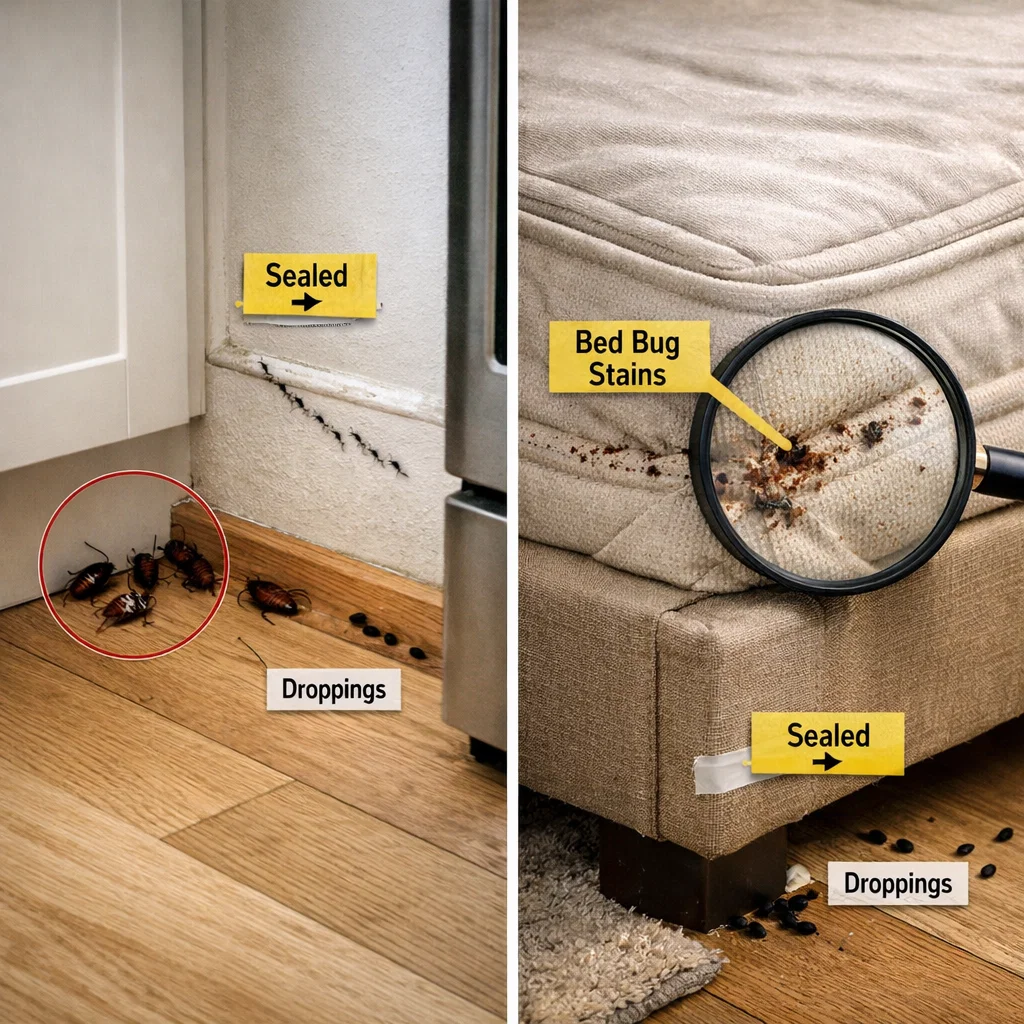
    Cockroaches are commonly found in kitchens, bathrooms, drains, and storage areas. Typical signs include small dark droppings resembling ground coffee, egg casings hidden in cracks, and a strong musty odor in enclosed spaces. Grease marks along walls and cabinets may also indicate frequent movement paths.

    Rodents (rats and mice)

    Rodent infestations often leave visible droppings along walls, inside cabinets, or near food storage. Gnaw marks on wires, furniture, or packaging are common, as rodents continuously chew to control tooth growth. Scratching sounds in walls or ceilings at night and shredded nesting materials are also clear indicators.

    Bed bugs

    Bed bugs are harder to spot directly. Signs include small blood stains on bedding, dark spotting along mattress seams, and itchy bite marks on exposed skin. Infestations often spread quietly through furniture, fabrics, and luggage.

    Ants

    Ant infestations are usually identified by visible trails leading to food or water sources. These trails often reappear even after cleaning, indicating a hidden colony nearby. Small soil piles near walls or floors may suggest nesting activity.

    Termites

    Termites cause structural damage while remaining mostly hidden. Warning signs include hollow-sounding wood, blistered paint, mud tubes along walls, and sagging door frames. By the time damage is visible, the infestation may already be advanced.

    Flies and mosquitoes

    Excessive fly presence often points to waste, moisture, or food exposure issues. Mosquitoes are commonly associated with standing water, damp areas, and poor drainage. Buzzing sounds, bite marks, and visible larvae are common indicators.

    Mold-related pests and dust mites

    Dust mites and mold-related pests are not always visible, but their presence is suggested by persistent allergy symptoms, musty odors, and visible mold patches on walls or ceilings.

    Understanding infestation risk levels

    Not all pest infestations carry the same level of risk. Pest infestation control decisions should consider health impact, property damage potential, and urgency.

    Low-risk infestations

    Low-risk infestations typically involve early-stage ant activity or occasional insect sightings without clear nesting signs. Health risks are minimal, and property damage is unlikely at this stage.

    Moderate-risk infestations

    Moderate-risk infestations include repeated cockroach sightings, small rodent activity, or localized fly problems. These can pose hygiene concerns and minor property damage if left untreated.

    High-risk infestations

    High-risk infestations include termites, bed bugs, advanced rodent activity, or mold-related issues. These pests can cause structural damage, spread disease, trigger allergies, and create long-term health risks. Immediate pest infestation control is usually necessary.

    When DIY pest infestation control may be sufficient

    DIY pest infestation control can be effective in very early stages or as a preventive measure. It is most suitable when the infestation is limited, clearly identified, and localized.

    DIY approaches may be reasonable when:

    • The pest activity is minimal and recently noticed
    • The source of attraction is obvious and easily removed
    • No structural damage is present
    • No vulnerable occupants such as infants or pets are affected

    Common DIY actions include deep cleaning, removing food sources, sealing small gaps, improving ventilation, and using basic traps or baits according to instructions.

    Clear signs that professional intervention is necessary

    DIY pest infestation control has clear limits. Continuing DIY efforts beyond these limits often worsens the problem.

    Professional intervention is usually necessary when:

    • Pests return repeatedly after DIY treatment
    • Multiple rooms or areas are affected
    • Nesting signs or structural damage are present
    • Bites, allergic reactions, or illness occur
    • The pest type is difficult to control, such as termites or bed bugs

    At this stage, professional pest infestation control helps prevent further spread and reduces long-term costs.

    A structured eradication roadmap for pest infestation control

    Effective pest infestation control follows a step-by-step process rather than a single action.

    Sanitation and environmental control

    The first step is removing conditions that attract pests. This includes proper food storage, regular waste disposal, cleaning grease and spills, fixing leaks, and reducing clutter. Sanitation alone rarely eliminates infestations but is essential for long-term success.

    Exclusion and entry-point sealing

    Blocking access points prevents pests from entering or re-entering the property. Common exclusion measures include sealing cracks, repairing door sweeps, covering vents, and securing drainage openings.

    Treatment selection and application

    Treatment methods vary depending on pest type, infestation severity, and environment. Options include baits, traps, botanical solutions, and chemical treatments. Proper selection ensures effectiveness while minimizing risk.

    Monitoring and follow-up

    Post-treatment monitoring helps confirm that pest activity has stopped. Follow-up inspections or treatments may be required, especially for high-risk pests.

    Overview of pest control treatment approaches

    Baits

    Baits attract pests and deliver treatment back to nests or colonies. They are commonly used for ants, cockroaches, and rodents. Baits are effective when placed correctly and used patiently.

    Traps

    Traps are useful for rodents and some insects. They provide visible results and help monitor pest activity but may not address underlying nesting issues.

    Botanical and low-toxicity solutions

    Botanical treatments use plant-based ingredients and are often chosen for environments with children, pets, or sensitive occupants. They may require repeated application and careful placement.

    Chemical treatments

    Chemical solutions are often necessary for severe infestations. When applied professionally, they are targeted and controlled to reduce exposure risks.

    Comparative overview of pest infestation control methods

    Different control methods vary in effectiveness, safety, and cost considerations.

    Method Effectiveness Safety Cost Awareness
    DIY traps and sprays Low to moderate Variable, risk of misuse Low upfront, higher long-term risk
    Baits Moderate to high Generally safe when used correctly Moderate
    Botanical solutions Moderate High safety profile Moderate
    Professional chemical treatment High High when applied correctly Higher upfront, lower recurrence risk

    General pricing considerations without exact figures

    Pest infestation control costs depend on several factors rather than a single fixed price. These include pest type, size of the affected area, infestation severity, treatment method, and follow-up requirements.

    DIY solutions often appear cheaper initially but may lead to higher long-term costs if infestations persist. Professional services typically involve inspection, targeted treatment, and prevention guidance, which helps reduce repeat infestations and additional expenses.

    Preventive maintenance strategies to reduce reinfestation risk

    Long-term pest infestation control relies heavily on prevention. Even after successful treatment, habits and maintenance play a critical role.

    Effective preventive strategies include:

    • Regular cleaning and waste management
    • Seasonal inspections of kitchens, storage areas, and basements
    • Routine checks for leaks and moisture buildup
    • Maintaining sealed food storage
    • Addressing minor structural gaps promptly

    Commercial properties benefit from scheduled inspections and maintenance plans, especially in food-handling or high-traffic environments.

    Using identification and decision-support tools

    Some pest infestation control services provide identification aids, quick-reference guides, or cost-awareness tools to help property owners make informed decisions. These tools can help identify pest types, assess risk levels, and understand when professional help is needed.

    Conclusion

    Pest infestation control is not a single action but a continuous process involving identification, risk assessment, proper treatment, and prevention. Understanding pest signs, knowing when DIY efforts are sufficient, recognizing when professional intervention is necessary, and maintaining good habits all contribute to safer and more effective pest management. With the right approach, infestations can be controlled responsibly and prevented from returning.

  • Pest Clean Solutions After Pest Issues

    Pest Clean Solutions After Pest Issues

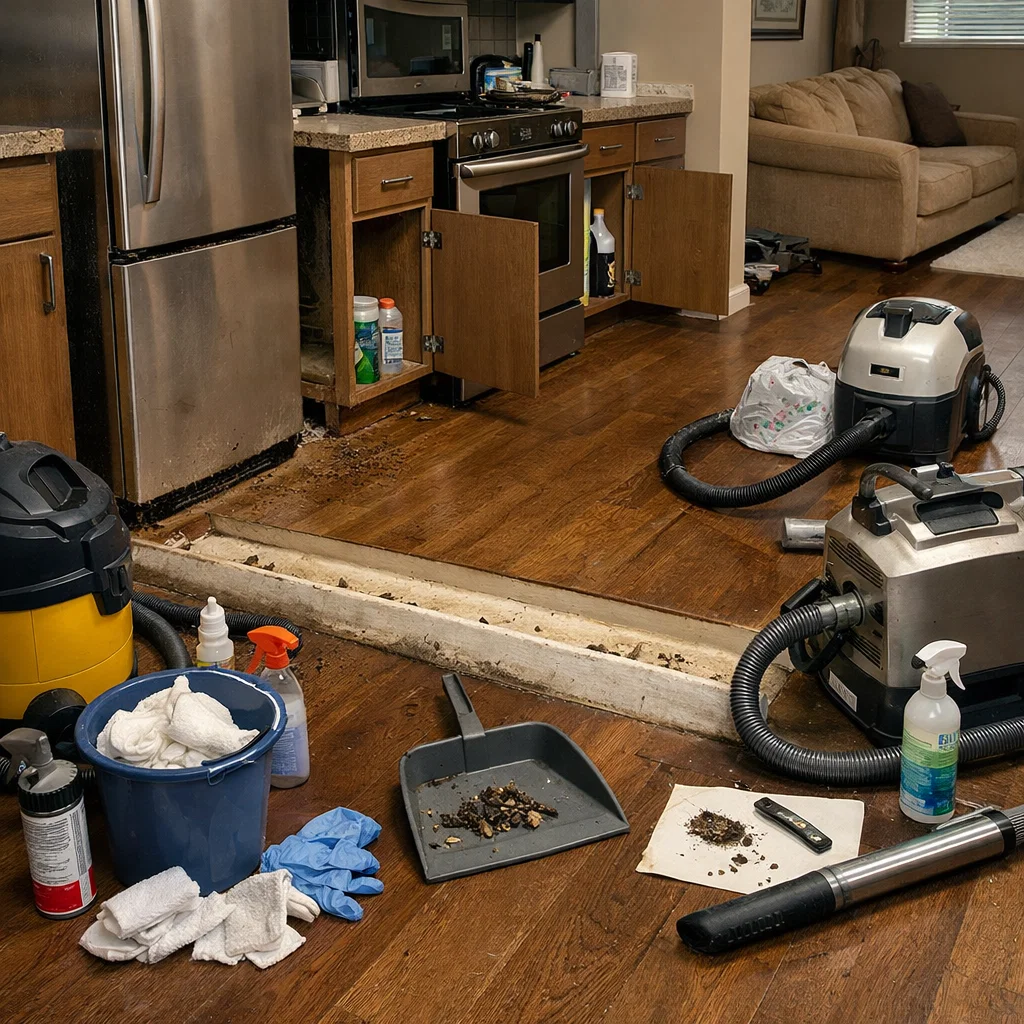
    Pest problems often leave more behind than what is immediately visible. Even after insects or rodents are removed, questions remain about safety, hygiene, lingering odors, and the risk of pests returning. This is where pest clean solutions become an essential part of recovery, not just an optional follow-up. Proper cleaning helps confirm that a space is safe to use again, removes hidden triggers that attract pests, and restores a sense of comfort and control.

    This article explains how pest clean solutions work in real situations, starting from immediate safety checks and pest identification, moving through the difference between surface cleaning and deep cleaning, comparing eco-friendly and professional-grade approaches, and ending with long-term prevention strategies. The goal is to help you move from post-infestation stress to a clean, safe, and pest-resistant environment.

    Immediate safety and hygiene concerns after a pest issue

    After a pest problem is discovered or treated, the first concern is usually whether the space is safe to use. This applies to homes, offices, shops, restaurants, and storage areas alike. Safety is not only about the absence of live pests, but also about contamination, waste, and residual traces left behind.

    Key safety questions to address immediately include:

    • Are food preparation and storage areas contaminated?
    • Are there droppings, shed skins, or nesting materials present?
    • Were chemicals or treatments applied that require ventilation or waiting time?
    • Are children, pets, or sensitive individuals at risk?

    Effective pest clean solutions start by isolating affected areas, removing obvious waste, and ensuring proper ventilation. Only after these steps should normal use of the space resume.

    Confirming the type of pest through clear identification

    Before cleaning begins in full, it is important to confirm what type of pest was involved. Different pests leave different traces, and misidentification can lead to incomplete cleaning and higher risk of reinfestation.

    Basic identification clues include:

    • Cockroaches: Greasy smear marks, droppings resembling coffee grounds, strong musty odor
    • Rodents: Pellet-shaped droppings, gnaw marks, shredded materials
    • Bed bugs: Small dark spots on mattresses, shed skins, sweet or musty odor
    • Ants: Visible trails, fine soil near entry points
    • Flies: Maggots near waste, spotting on walls and surfaces

    Correct identification ensures that pest clean solutions target the right areas and address the specific biological markers left behind.

    Surface cleaning versus deep cleaning

    One of the most common mistakes after a pest issue is relying only on surface cleaning. While wiping visible surfaces may improve appearance, it rarely removes the underlying triggers that attract pests.

    What surface cleaning usually covers

    Surface cleaning focuses on visible areas such as:

    • Countertops and tables
    • Floors and accessible wall areas
    • Open shelves and cabinets
    • Trash bins

    This level of cleaning is helpful for hygiene but insufficient for pest prevention on its own.

    What deep cleaning addresses

    Deep cleaning goes beyond what is immediately visible and is a core component of effective pest clean solutions. It targets areas pests use to travel, hide, or communicate.

    Commonly overlooked areas include:

    • Behind appliances such as refrigerators and ovens
    • Inside cabinet hinges and drawer tracks
    • Under sinks and plumbing access points
    • Baseboards, corners, and wall-floor junctions
    • Vent covers, drains, and ceiling fixtures

    Deep cleaning is essential for breaking pest behavior cycles, not just improving appearance.

    The importance of removing pheromone trails

    Many pests, especially insects like ants and cockroaches, rely on pheromone trails to communicate. These invisible chemical signals guide other pests to food, water, and shelter.

    If pheromone trails are not removed, pests can return even after treatment. This is why pest clean solutions focus on:

    • Using appropriate cleaning agents to break chemical trails
    • Cleaning along common movement paths, not just nesting areas
    • Repeating cleaning in high-traffic pest zones

    Removing pheromone trails is one of the most overlooked yet critical steps in preventing reinfestation.

    Eco-friendly cleaning approaches

    Eco-friendly pest clean solutions are often preferred in homes with children, pets, or sensitive occupants. These approaches focus on reducing chemical exposure while maintaining hygiene.

    General characteristics of eco-friendly cleaning include:

    • Low-toxicity or non-toxic cleaning agents
    • Emphasis on mechanical removal such as scrubbing and vacuuming
    • Use of steam or heat where appropriate
    • Odor control through natural neutralization rather than masking

    Eco-friendly methods are suitable for light to moderate contamination and as part of ongoing maintenance.

    Professional and industrial-grade cleaning approaches

    In cases of heavy infestation, commercial environments, or health-sensitive spaces, professional-grade pest clean solutions may be necessary. These methods are designed for deeper penetration and higher contamination levels.

    Professional approaches may involve:

    • Specialized equipment for deep extraction and sanitation
    • Targeted disinfectants approved for pest-related contamination
    • Odor neutralization systems for persistent smells
    • Structured cleaning protocols based on pest type

    These solutions are typically chosen when hygiene standards must meet regulatory or operational requirements.

    Cost considerations without focusing on products

    While specific prices vary, understanding cost considerations helps set expectations. Pest clean solutions are usually influenced by:

    • Size of the affected area
    • Type of pest involved
    • Level of contamination
    • Required depth of cleaning
    • Residential versus commercial setting

    Light cleaning after a minor issue generally costs less than deep sanitation after a severe infestation. Investing in thorough cleaning early often reduces long-term costs by preventing repeat problems.

    Psychological reassurance and restoring peace of mind

    Even after pests are removed and cleaning is complete, many people experience lingering anxiety. This psychological aspect is often underestimated but is a key part of pest clean solutions.

    The “all-clear” checklist

    An all-clear checklist helps confirm that the space is safe and ready for normal use:

    • No visible pest activity for a defined period
    • No droppings, skins, or nesting materials
    • Surfaces cleaned and disinfected
    • Odors neutralized, not masked
    • Entry points identified and addressed

    Checking these items provides reassurance and confidence.

    Odor neutralization

    Odors left by pests or treatments can trigger stress and discomfort. Effective pest clean solutions focus on neutralizing odors at the source rather than covering them up.

    This may involve:

    • Deep cleaning of absorbent materials
    • Ventilation and air circulation
    • Targeted odor-neutralizing methods

    A neutral-smelling space signals closure and recovery.

    Preventative measures to avoid future infestations

    Cleaning alone is not enough to prevent pests from returning. Prevention must follow an inside-out approach, starting with immediate cleanup and extending to long-term pest-proofing.

    Entry-point sealing

    Common entry points include:

    • Cracks around doors and windows
    • Gaps around pipes and cables
    • Damaged screens or vents

    Sealing these areas reduces access and supports pest clean solutions.

    Sanitation habits

    Consistent sanitation is critical:

    • Regular waste removal
    • Prompt cleanup of spills
    • Proper food storage

    Seasonal awareness

    Pest activity often changes with seasons. Increased vigilance during warmer months or rainy periods helps catch issues early.

    Long-term pest-proofing

    Long-term strategies include:

    • Routine inspections
    • Periodic deep cleaning in high-risk areas
    • Monitoring for early warning signs

    This layered approach turns pest clean solutions into a sustainable system rather than a one-time reaction.

    From cleanup to control

    Pest clean solutions are not just about removing mess after an infestation. They play a critical role in confirming safety, restoring hygiene, breaking pest behavior patterns, and preventing future problems. By combining proper identification, deep cleaning, appropriate treatment methods, psychological reassurance, and long-term prevention, it is possible to regain both physical and mental comfort.

    A clean space is not only one that looks good, but one that no longer supports pest activity. When cleanup and prevention work together, pest problems are far less likely to return.

    Conclusion

    Pest clean solutions bridge the gap between pest removal and long-term protection. Addressing safety, hygiene, deep cleaning, odor control, and prevention creates an environment that is truly pest-resistant. With the right approach, it is possible to move confidently from post-infestation stress to lasting peace of mind.

  • Pest Elimination for Safer Homes and Workspaces

    Pest Elimination for Safer Homes and Workspaces

    Pest problems often trigger immediate concern, especially when they appear in living spaces where families, pets, and food are present. The idea of insects, rodents, or other unwanted organisms sharing the same environment can be unsettling and stressful. This is why effective pest elimination is not only about removing pests, but also about restoring a sense of safety, comfort, and peace of mind inside the home or workplace.

    This article explains pest elimination in a clear and practical way. It covers safety considerations from the very beginning, the impact of proper elimination on health and daily comfort, basic pest biology to help you understand why infestations happen, identification of common pests and the risks they pose, a structured approach to elimination, an honest comparison between DIY methods and professional services, general pricing considerations without exact numbers, long-term prevention strategies, and common myths that often lead to ineffective or repeated infestations.

    Immediate reassurance and safety considerations

    When pests are discovered, the first concern for most people is safety. Families worry about children touching contaminated surfaces, pets being exposed to chemicals, and food becoming unsafe. These concerns are valid and should always be addressed before any elimination steps are taken.

    Effective pest elimination always starts with safety-first thinking:

    • Identifying areas where children and pets spend the most time
    • Protecting food preparation and storage areas
    • Understanding which products or methods are safe for indoor use
    • Avoiding overuse or mixing of household chemicals

    Professional pest elimination methods are designed to minimize risk by using targeted applications and controlled techniques. Even when non-professional steps are taken, safety should never be compromised for speed or convenience.

    The health, comfort, and peace-of-mind impact of pest elimination

    Pests affect more than just cleanliness. Their presence can directly and indirectly impact health and well-being. Cockroaches and rodents can carry bacteria, bed bugs can cause skin reactions and sleep disruption, and dust mites or mold-related pests can aggravate respiratory issues.

    Beyond physical health, there is also a psychological impact. Constant worry, loss of sleep, embarrassment, and stress are common when pest problems persist. Effective pest elimination helps restore:

    • A sense of cleanliness and control
    • Better sleep and daily comfort
    • Confidence in food and surface safety
    • Peace of mind for families and occupants

    This emotional and mental relief is often overlooked but is one of the most important benefits of proper pest elimination.

    Basic pest biology: why infestations grow quickly

    Understanding basic pest biology helps explain why infestations can escalate faster than expected. Many pests have short life cycles and reproduce rapidly under favorable conditions.

    Key biological factors include:

    • Fast breeding cycles: Some insects can reproduce within weeks, leading to exponential population growth.
    • Hidden nesting behavior: Pests often nest in walls, ceilings, drains, furniture, or soil.
    • Nocturnal activity: Many pests are active at night, making them harder to detect early.
    • Adaptability: Pests quickly adapt to changes and may avoid ineffective treatments.

    Because of these biological traits, eliminating only visible pests rarely solves the problem. Successful pest elimination must address the entire life cycle, not just adult pests.

    Hidden entry points and how pests get inside

    Pests rarely enter homes or buildings through obvious openings. They use small, often overlooked access points that allow them to move freely between spaces.

    Common hidden entry points include:

    • Cracks around doors and windows
    • Gaps around pipes and cables
    • Drainage systems and floor traps
    • Roof edges and ventilation openings
    • Shared walls and ceilings in multi-unit buildings

    Identifying and sealing these entry points is a critical part of pest elimination and long-term prevention.

    Common pests and the risks they pose

    Cockroaches

    Cockroaches are known for spreading bacteria and contaminating food surfaces. They can trigger allergies and asthma, particularly in children.

    Rodents

    Rats and mice pose serious health risks through contamination and can cause structural damage by chewing wires, insulation, and building materials.

    Bed bugs

    Bed bugs affect sleep and mental health. While they are not known to transmit disease, their bites and persistent presence cause significant distress.

    Ants

    Ants contaminate food and indicate larger hidden colonies. Some species can damage structures or cause painful bites.

    Termites

    Termites cause silent but severe structural damage. Their activity often goes unnoticed until significant harm has already occurred.

    Mosquitoes and flies

    Mosquitoes affect comfort and can transmit disease, while flies compromise hygiene, especially in food-related environments.

    Dust mites and mold-related pests

    These pests impact indoor air quality and respiratory health, particularly for individuals with allergies or asthma.

    A structured pest elimination approach

    Effective pest elimination follows a structured process rather than random or repeated treatments.

    Inspection

    The first step is a thorough inspection to identify the pest species, infestation level, nesting areas, and entry points.

    Treatment

    Treatment is tailored to the specific pest and environment. This may involve targeted applications, traps, exclusion methods, or environmental adjustments.

    Follow-up

    Follow-up ensures that treatment has worked and addresses any remaining activity. Some pests require multiple stages of elimination due to their life cycles.

    This structured approach increases effectiveness and reduces the chance of recurrence.

    DIY methods versus professional pest elimination

    DIY pest elimination methods can be useful in very early stages or for minor issues. Cleaning, sealing entry points, and removing attractants can reduce pest activity.

    DIY methods may be sufficient when:

    • The infestation is small and recently noticed
    • The source of the problem is clear and easy to address
    • No vulnerable occupants are at risk

    However, professional pest elimination becomes necessary when:

    • Pests return repeatedly after DIY treatment
    • Multiple rooms or units are affected
    • Nests are hidden or inaccessible
    • Health or safety risks are present

    Professionals bring experience, proper equipment, and knowledge of pest behavior that DIY methods often lack.

    General pricing considerations and cost factors

    Pest elimination costs vary depending on several factors. Understanding these factors helps set realistic expectations.

    Common cost considerations include:

    • Type of pest involved
    • Size and layout of the property
    • Severity and duration of the infestation
    • Indoor versus outdoor treatment needs
    • Number of treatment stages required

    Basic treatments for common pests typically cost less than specialized or structural pest elimination. In many cases, early intervention reduces overall cost by limiting spread and damage.

    Prevention and maintenance after pest elimination

    Successful pest elimination does not end with treatment. Prevention and maintenance are essential to keep pests from returning.

    Effective prevention strategies include:

    • Sealing cracks, gaps, and entry points
    • Maintaining proper sanitation and waste management
    • Reducing moisture through repairs and ventilation
    • Storing food properly and cleaning spills promptly
    • Monitoring seasonal pest activity

    Natural deterrents and environmental adjustments can also support long-term control when used correctly.

    Myth-busting common pest elimination mistakes

    Many pest elimination myths lead to frustration and repeated infestations.

    • Myth: One treatment is always enough.
      Reality: Many pests require follow-up due to life cycles.
    • Myth: Stronger chemicals work better.
      Reality: Incorrect use increases risk without improving results.
    • Myth: No pests visible means the problem is gone.
      Reality: Hidden nests may still be active.

    Using checklists, diagrams, or visual inspections helps ensure that no critical steps are missed during elimination.

    Conclusion

    Effective pest elimination is about more than removing pests. It is about protecting health, restoring comfort, and preventing future problems. By understanding pest behavior, choosing the right elimination approach, knowing when DIY is enough and when professional help is necessary, and maintaining good prevention habits, pest problems can be managed responsibly and effectively.

  • Pest Cleaning for Healthier Homes and Workplaces

    Pest Cleaning for Healthier Homes and Workplaces

    Pest issues often create more than just visible mess. They bring stress, hygiene worries, and concerns about health—especially when they happen inside homes or workplaces where people spend long hours every day. Many people focus on getting rid of the pests themselves, but an equally important part of recovery is pest cleaning. Without proper cleaning after pest activity, residues left behind can continue to attract pests, affect indoor air quality, and create hidden health risks.

    This article explains what pest cleaning really involves, why surface cleaning alone is not enough, how pest-related contamination spreads, and how a structured cleaning approach helps protect household and workplace health. It also compares DIY pest cleaning with professional remediation, highlights commonly overlooked areas, explains suitable cleaning tools and product types, and clarifies when professional pest cleaning becomes necessary for long-term cleanliness and prevention.

    Acknowledging stress and hygiene concerns caused by pests

    Pests often trigger emotional stress alongside physical discomfort. Seeing cockroaches, rodents, ants, or insects in living or working spaces can make people feel unsafe, embarrassed, or overwhelmed. In workplaces, pest presence may raise concerns about compliance, reputation, and employee well-being.

    Beyond the emotional impact, pests introduce real hygiene challenges. Droppings, shed skin, saliva, urine, and microscopic particles can remain long after pests are removed. These residues may contaminate surfaces, food areas, storage spaces, and air circulation systems.

    Reframing the issue from simply “getting rid of pests” to protecting health helps people understand why pest cleaning is not optional. Proper pest cleaning supports:

    • Healthier indoor environments
    • Reduced allergy and respiratory risks
    • Lower chance of reinfestation
    • Restored comfort and confidence in the space

    Why surface cleaning is not enough after pest activity

    Standard household or workplace cleaning usually focuses on visible dirt. Wiping counters, sweeping floors, and mopping surfaces may make an area look clean, but it rarely addresses pest-related contamination.

    After pest activity, invisible residues often remain, including:

    • Pheromone trails that guide insects back to the same area
    • Droppings and urine particles that spread bacteria
    • Dander and shed skin that trigger allergies
    • Biohazards hidden in cracks, appliances, and ducts

    Without proper pest cleaning, these residues can continue to attract pests even after extermination. In some cases, people notice pests returning weeks later and assume treatment failed, when the real issue is incomplete cleaning.

    What pest cleaning actually involves

    Pest cleaning goes beyond normal cleaning routines. It is a focused process aimed at removing contamination left behind by pests and restoring a safe, hygienic environment.

    Effective pest cleaning typically includes:

    • Removal of droppings, nesting materials, and debris
    • Cleaning of pheromone trails and scent markers
    • Sanitization of affected surfaces
    • Attention to hidden and hard-to-reach areas
    • Supportive steps to reduce future pest attraction

    This approach is essential after infestations involving insects, rodents, or repeated pest activity.

    A step-by-step pest cleaning approach

    Step 1: Exclusion of entry points

    Before deep cleaning begins, it is important to reduce the chance of pests re-entering the space. Pest cleaning is most effective when combined with basic exclusion measures.

    This step may involve:

    • Sealing cracks and gaps around doors, windows, and pipes
    • Repairing damaged screens or vents
    • Reducing access to food and water sources

    Without exclusion, cleaning alone may not prevent future problems.

    Step 2: Removal of visible contamination

    The next step focuses on removing visible signs of pest activity. This includes droppings, nesting materials, dead insects, and contaminated debris.

    Protective measures such as gloves and masks are important during this stage, as pest waste can contain harmful bacteria and allergens.

    Step 3: Deep sanitization of affected areas

    After visible debris is removed, deep sanitization begins. This step targets surfaces that may look clean but still carry contamination.

    Areas commonly sanitized include:

    • Kitchen counters and cabinets
    • Bathroom fixtures and storage
    • Floors, baseboards, and wall edges
    • Appliance exteriors and interiors

    Sanitization helps neutralize bacteria and reduces lingering odors that attract pests.

    Step 4: Addressing hidden biohazards

    Hidden areas are often the most overlooked but also the most critical in pest cleaning.

    These areas may include:

    • Behind refrigerators and ovens
    • Under sinks and inside cabinets
    • Inside wall crevices and floor gaps
    • Air ducts and ventilation systems

    Ignoring these spaces allows contamination to persist and undermines the effectiveness of cleaning.

    Step 5: Establishing prevention habits

    The final step focuses on prevention. Pest cleaning should be followed by habits that maintain cleanliness and reduce future risk.

    Helpful prevention habits include:

    • Regular inspection of high-risk areas
    • Prompt cleaning of spills and food residue
    • Proper waste storage and disposal
    • Routine maintenance of plumbing and ventilation

    Commonly overlooked areas during pest cleaning

    Even thorough cleaners often miss areas that pests frequently use.

    Commonly overlooked spots include:

    • Inside and behind appliances
    • Under heavy furniture
    • Behind wall-mounted units
    • Inside storage rooms and closets
    • Ceiling voids and false ceilings

    These areas often contain droppings, dander, and scent trails that contribute to reinfestation.

    Appropriate tools and product types for pest cleaning

    Using the right tools and products makes pest cleaning safer and more effective.

    Commonly recommended tools include:

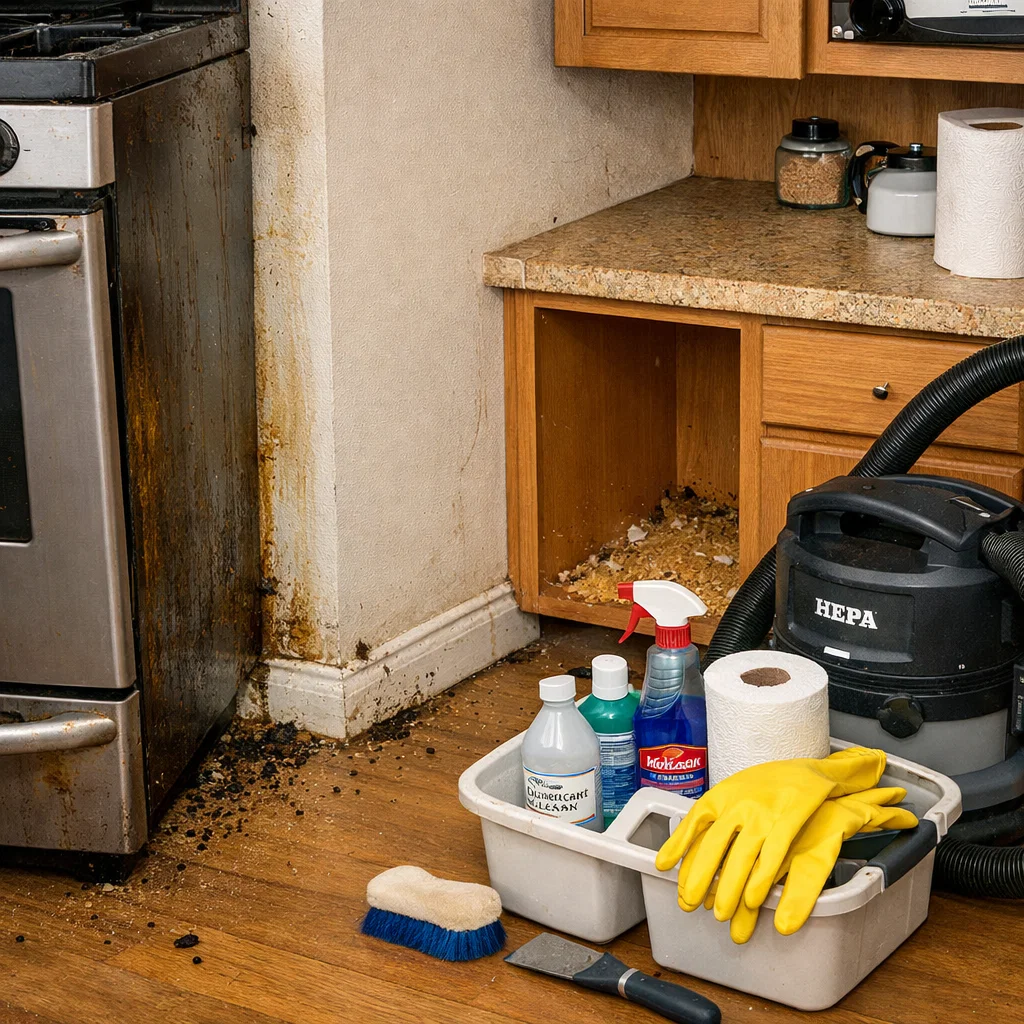
    • HEPA-filter vacuums to capture fine particles and allergens
    • Protective gloves and masks
    • Sealed waste bags for contaminated debris

    In terms of cleaning products, pest cleaning often benefits from:

    • Enzymatic cleaners that break down organic residues
    • Disinfectants suitable for household and workplace use
    • Low-odor solutions for enclosed spaces

    These product types help remove scent markers and biological material without spreading contamination.

    DIY pest cleaning versus professional remediation

    DIY pest cleaning can be effective for very small or early-stage issues, especially when pest activity is limited and well contained.

    DIY pest cleaning: strengths and limits

    DIY pest cleaning may be suitable when:

    • Pest activity was minor and short-lived
    • Contamination is limited to visible areas
    • No sensitive occupants are involved

    However, DIY approaches often struggle with:

    • Hidden contamination
    • Airborne particles and allergens
    • Incomplete removal of pheromone trails
    • Safety risks during handling of waste

    Professional pest cleaning: advantages

    Professional pest cleaning services are designed for situations where contamination is extensive or health risks are higher.

    Professional remediation offers:

    • Systematic inspection of affected areas
    • Access to specialized equipment
    • Controlled handling of biohazards
    • Clear process and accountability
    • Better long-term results

    Professionals are also trained to clean areas that are difficult or unsafe to access without proper equipment.

    Cost transparency and guarantees in pest cleaning

    Cost transparency is important when deciding between DIY and professional pest cleaning. DIY cleaning may appear cheaper upfront, but incomplete results can lead to recurring pest issues and additional expenses.

    Professional pest cleaning typically provides clearer expectations, including:

    • Defined scope of cleaning
    • Clear explanation of what is included
    • Guidance on follow-up or maintenance

    While guarantees vary, professional services usually explain what results can realistically be expected and what conditions support long-term cleanliness.

    When professional pest cleaning becomes necessary

    Professional pest cleaning is often necessary when:

    • There was a significant infestation
    • Rodents or heavy insect activity were involved
    • Occupants experience allergies or health symptoms
    • Pests have returned after initial treatment
    • The space must meet hygiene or safety standards

    In these cases, professional pest cleaning helps restore the environment and reduce the risk of ongoing problems.

    Protecting long-term cleanliness and pest prevention

    Pest cleaning is not just about cleaning once—it is about maintaining an environment that discourages pests from returning. Combining thorough cleaning with good habits and proper pest control creates the strongest protection.

    When pest cleaning is done correctly, it supports healthier living and working spaces, reduces stress, and helps ensure that pest problems remain under control rather than becoming recurring disruptions.

    Conclusion

    Pest cleaning plays a critical role in protecting household and workplace health after pest activity. By understanding the difference between surface cleaning and deep pest-related cleaning, following a structured approach, using appropriate tools, and knowing when professional remediation is needed, people can restore cleanliness effectively and reduce the risk of future infestations.

  • Pest Inspection for Apartment Living Explained

    Pest Inspection for Apartment Living Explained

    Pest problems in apartments often behave differently from those in standalone houses. Limited space, shared walls, and connected building systems mean pests can move between units without being seen. Because of this, a pest inspection for apartment settings is not just about checking one room or reacting to visible insects, but about understanding how pests travel, hide, and survive within a multi-unit environment.

    This article explains how pest inspections for apartments differ from houses, why shared-wall risks matter, how tenant and landlord responsibilities are usually divided, what residents should prepare before an inspection, why inspecting only one unit is often ineffective, which areas inspectors focus on for different pests, and what warning signs professionals look for. It also covers how to evaluate an inspector’s credibility and tools, safety considerations in small or poorly ventilated apartments, general pricing factors without exact figures, guidance for pre-move-in inspections, key questions to ask property managers, and simple preventive actions tenants can take to reduce future pest risks.

    Why pest inspection for apartment units is different from houses

    Apartment buildings function as connected ecosystems. Unlike houses, where pest activity is usually confined within one structure, apartments share walls, ceilings, floors, plumbing lines, electrical conduits, and ventilation systems. These shared elements create pathways that pests can use to move freely between units.

    In a house, a pest inspection often focuses on external entry points such as doors, windows, rooflines, and gardens. In an apartment, inspectors must think vertically and laterally, considering how pests may enter from neighboring units or common areas.

    Key differences include:

    • Shared walls that allow insects to move through cracks and voids
    • Common plumbing and drainage lines that attract cockroaches and rodents
    • Centralized garbage rooms or chutes
    • Shared corridors, stairwells, and service shafts
    • Limited ventilation that can trap moisture

    Because of these factors, a pest inspection for apartment living requires a broader perspective than a typical house inspection.

    Shared-wall risks and hidden pest pathways

    One of the biggest challenges in apartment pest inspections is identifying hidden pathways. Pests rarely enter directly through the front door. Instead, they move through areas that residents never see.

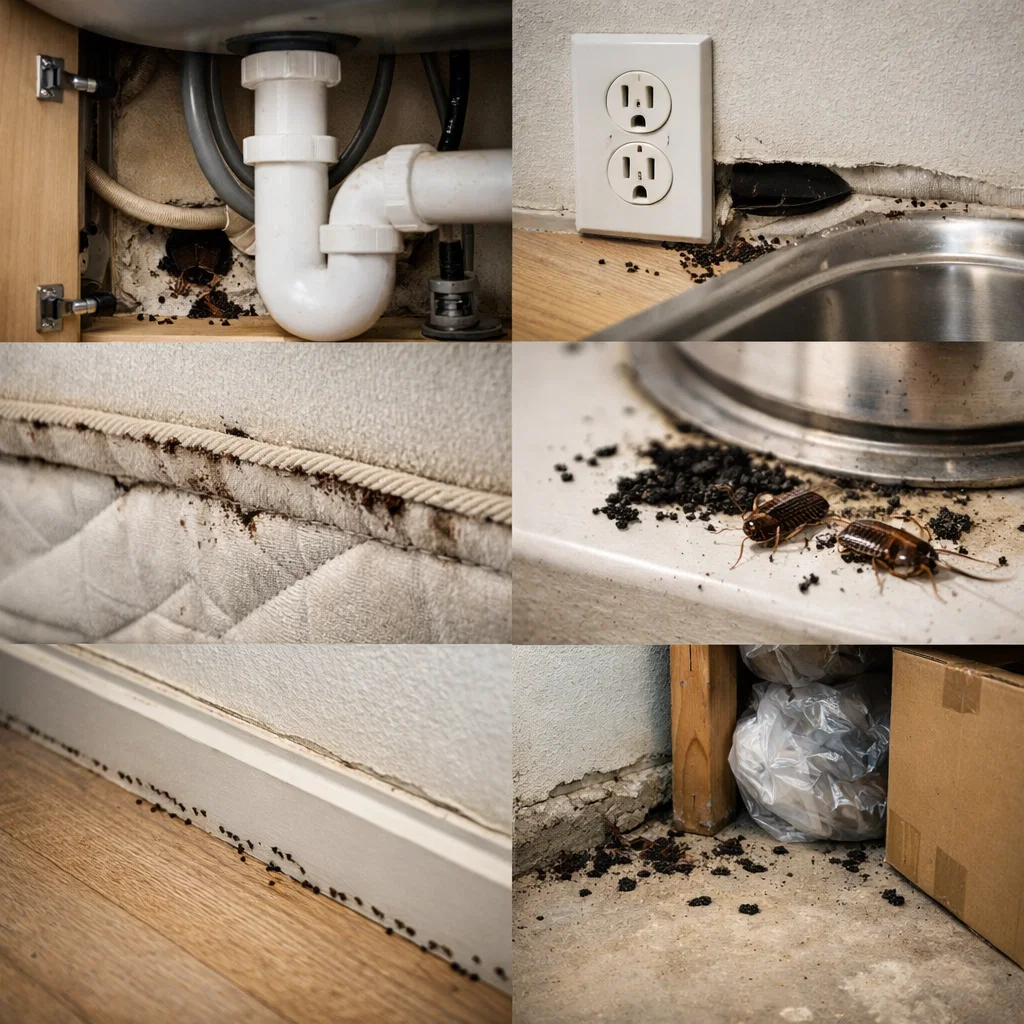
    Common hidden pathways include:

    • Gaps behind kitchen cabinets and bathroom vanities
    • Openings around plumbing pipes under sinks
    • Electrical outlets and switch boxes
    • Ceiling voids and false ceilings
    • Floor gaps near skirting boards

    Cockroaches, ants, and rodents are especially skilled at using these routes. During a pest inspection for apartment units, inspectors often remove access panels or use tools to see inside these concealed spaces.

    Why inspecting only one apartment unit may be ineffective

    One of the most common frustrations for apartment residents is repeated pest activity even after treatment. This often happens because only one unit was inspected or treated.

    Inspecting only a single unit may be ineffective because:

    • The pest source may be in a neighboring apartment
    • Breeding sites may exist in shared areas
    • Pests may retreat temporarily and return later
    • Structural gaps may remain untreated

    A thorough pest inspection for apartment buildings often includes recommendations for inspecting adjacent units, common areas, or service spaces when pest movement is suspected.

    Tenant versus landlord responsibilities during pest inspections

    Responsibility for pest inspections in apartments often depends on local regulations, lease agreements, and the type of pest involved.

    In general:

    • Landlords are usually responsible for building-wide issues and structural defects
    • Tenants are often responsible for hygiene and reporting issues early
    • Common area infestations are typically managed by property management
    • Recurring infestations may require joint action

    A pest inspection for apartment units typically results in a report that documents findings, affected areas, and possible sources. This documentation is often used to clarify responsibility and plan next steps.

    How inspection findings are typically documented

    Professional pest inspections usually include written documentation. This is especially important in apartment settings where multiple parties may be involved.

    Inspection reports often include:

    • Identified pest types
    • Areas of activity or damage
    • Possible entry points or breeding zones
    • Contributing conditions such as moisture or clutter
    • Recommended actions or treatments

    For tenants, these reports can help communicate issues clearly with landlords or property managers.

    What residents should prepare before a pest inspection

    Preparation helps inspectors work efficiently and improves inspection accuracy.

    Before a pest inspection for apartment units, residents should:

    • Clear access to kitchens, bathrooms, and storage areas
    • Remove items blocking sinks, drains, and corners
    • Note recent pest sightings and locations
    • Inform inspectors of past treatments if any
    • Secure pets if required

    Proper preparation allows inspectors to focus on problem areas without obstruction.

    Common inspection focus areas for different pests

    Different pests leave different signs, and inspectors adjust their focus accordingly.

    Cockroaches

    Inspectors focus on kitchens, bathrooms, drains, and warm appliances. Signs include droppings, egg cases, and greasy smear marks.

    Bed bugs

    Inspection focuses on mattresses, bed frames, furniture seams, and wall cracks. Inspectors look for live bugs, shed skins, and small blood stains.

    Ants

    Ant inspections track trails back to entry points and nesting areas, often behind walls or under flooring.

    Rodents

    Inspectors look for droppings, gnaw marks, noises, and rub marks along walls and baseboards.

    Termites

    Inspection targets wooden structures, door frames, and skirting boards, checking for hollow sounds or mud tubes.

    Warning signs inspectors look for

    During a pest inspection for apartment units, inspectors look beyond visible pests.

    Common warning signs include:

    • Unusual odors
    • Moisture buildup or leaks
    • Cracks and gaps in walls or flooring
    • Damaged wood or insulation
    • Evidence of previous infestations

    These indicators help determine the severity and origin of the problem.

    How to evaluate an inspector’s credibility and tools

    Not all pest inspections are equal. A credible inspector should demonstrate professionalism and transparency.

    Key credibility indicators include:

    • Clear explanation of inspection steps
    • Use of proper inspection tools such as flashlights or monitoring devices
    • Willingness to answer questions
    • Written findings or reports
    • Focus on identification before treatment

    An inspector who rushes or avoids explanation may not provide a thorough assessment.

    Safety considerations in small or poorly ventilated apartments

    Apartment inspections must account for limited space and ventilation.

    Safety considerations include:

    • Minimizing chemical exposure
    • Ensuring proper airflow during treatment
    • Using targeted methods instead of broad spraying
    • Clear guidance on re-entry and ventilation

    These considerations are especially important for children, pets, and individuals with respiratory sensitivities.

    General pricing factors without exact amounts

    The cost of a pest inspection for apartment units varies depending on several factors.

    Pricing is usually influenced by:

    • Apartment size and layout
    • Type of pest suspected
    • Inspection depth and tools used
    • Whether follow-up inspection is needed
    • Building complexity and access

    Inspections are often priced separately from treatment, especially when detailed reporting is required.

    Pre-move-in pest inspection guidance

    Pre-move-in inspections help identify potential problems before furniture and belongings are brought in.

    During a walkthrough, look for:

    • Signs of previous pest treatment
    • Cracks around baseboards and pipes
    • Moisture damage or leaks
    • Unusual smells
    • Evidence of pest activity

    Requesting a pest inspection for apartment units before moving in can prevent unexpected issues later.

    Key questions to ask property managers

    Clear communication with property management helps reduce risk.

    Important questions include:

    • When was the last building-wide pest inspection?
    • How are pest issues usually handled?
    • Are neighboring units inspected when needed?
    • Who is responsible for follow-up treatment?

    Simple preventive actions tenants can take

    Prevention plays a major role in reducing pest risks.

    Tenants can help by:

    • Keeping food sealed and areas clean
    • Reporting leaks promptly
    • Reducing clutter
    • Sealing small gaps where possible
    • Reporting pest activity early

    A practical next step if pest activity continues

    Pest problems in apartments rarely resolve without proper assessment. When signs persist, a professional pest inspection for apartment settings helps identify the source and prevent escalation.

    First Station Pest Control Services conducts structured apartment inspections that account for shared-wall risks, building pathways, and safety considerations. If you are unsure whether an inspection is needed or how to proceed with management or landlords, using the WhatsApp or Call button at the top of the page allows you to discuss the situation calmly and understand the next steps.

    Conclusion

    A pest inspection for apartment units is about understanding how pests move, where they hide, and why they appear. By recognizing shared-wall risks, preparing properly, evaluating inspectors carefully, and taking preventive steps, tenants and property managers can reduce pest problems and protect living conditions over the long term.

  • Pest Building Inspection Cost Explained for Buyers

    Pest Building Inspection Cost Explained for Buyers

    Understanding pest building inspection cost is an important step for anyone buying, selling, or maintaining a property. Pest inspections are often associated with home purchases, but they are equally relevant for existing homeowners and property investors who want to avoid unexpected repair costs. While inspection fees may seem like an extra expense during a transaction, the information gained from a proper inspection can prevent far greater financial losses later.

    This article explains the typical pest building inspection cost in the context of property purchases, why inspection prices vary, the difference between standalone pest inspections and combined building-plus-pest inspections, and the factors that influence pricing such as property size, location, and inspection methods. It also explains the real value and return on investment of pest inspections, what is usually included and excluded in an inspection report, the risks of choosing the cheapest option, and how buyers can interpret and use inspection findings during negotiations.

    What a pest building inspection actually is

    A pest building inspection is a structured assessment of a property to identify current or potential pest activity that may affect the building’s condition, safety, or long-term value. The inspection focuses on signs of infestation, damage caused by pests, and environmental conditions that make the property vulnerable.

    Common pests assessed during a building inspection include termites, wood-boring insects, rodents, cockroaches, ants, and in some cases mold-related issues that indicate moisture problems. The inspection is usually visual and non-invasive, meaning inspectors assess accessible areas without dismantling structures.

    For buyers, a pest inspection provides insight into risks that may not be visible during a normal property viewing. For sellers, it helps identify issues early and avoid disputes later.

    Typical pest building inspection cost and price ranges

    The pest building inspection cost varies depending on the type of inspection, property size, and level of detail required. While prices differ by region and provider, typical ranges can be used as a general guide.

    For a standalone pest inspection on a residential property:

    • Small apartments or studios: approximately AED 300 to AED 500
    • Standard apartments or townhouses: approximately AED 400 to AED 700
    • Villas or large residential properties: approximately AED 600 to AED 1,200

    For a combined building and pest inspection:

    • Small to mid-sized residential properties: approximately AED 700 to AED 1,200
    • Larger villas or complex structures: approximately AED 1,200 to AED 2,000+

    These figures represent inspection services only and do not include treatment or repairs. Actual pricing is confirmed after understanding the property size, layout, and inspection scope.

    Why pest building inspection cost varies

    There is no single fixed price for pest inspections because properties and inspection requirements differ significantly. Several factors influence pest building inspection cost.

    Property size and layout

    Larger properties take more time to inspect and often include additional areas such as roof voids, gardens, garages, and storage rooms. Multi-level homes also require more detailed checks.

    Property type

    A studio apartment, a townhouse, and a detached villa each present different inspection challenges. Commercial or mixed-use buildings often require customized inspections.

    Location and accessibility

    Properties with limited access to roof spaces, crawl spaces, or service ducts may require specialized tools or additional time.

    Inspection method used

    Basic visual inspections are less expensive than advanced inspections that use moisture meters, thermal imaging, or specialized termite detection equipment.

    Inspector expertise and reporting quality

    Experienced inspectors who provide detailed reports with photographs and clear explanations often charge more than basic inspection services.

    Standalone pest inspection vs. building-plus-pest inspection

    Understanding the difference between these two inspection types helps buyers choose the right option.

    Standalone pest inspection

    This inspection focuses solely on pest-related issues such as active infestations, signs of past activity, and conditions that attract pests. It is suitable when:

    • The building structure has already been assessed
    • The buyer is mainly concerned about termite or pest risk
    • The property is relatively new or well-maintained

    Standalone pest inspections usually cost less but do not cover structural defects unrelated to pests.

    Combined building and pest inspection

    This option combines pest assessment with a general building condition report. It is often recommended for property purchases because it provides a broader view of risks.

    Combined inspections cover:

    • Pest activity and damage
    • Structural issues related to moisture or deterioration
    • Visible defects that may increase pest risk

    Although the combined option has a higher pest building inspection cost, it often delivers better overall value.

    What is usually included in a pest inspection report

    A professional pest inspection report should be clear, detailed, and easy to understand. Buyers rely on this document when deciding how to proceed.

    Key elements that should be included:

    • Inspection date and property details
    • Areas inspected and any access limitations
    • Identified pest species or signs of activity
    • Evidence of damage, such as timber deterioration
    • Environmental conditions that increase pest risk
    • Photographs supporting findings
    • Clear explanations in non-technical language

    A good report does not just list problems but explains their significance.

    What is commonly excluded from pest inspections

    Understanding exclusions is just as important as knowing what is included.

    Most pest inspections do not include:

    • Invasive inspections behind walls or under floors
    • Inspection of sealed or inaccessible areas
    • Guarantees that pests are completely absent
    • Treatment or repair work

    These limitations should be clearly stated in the report.

    Basic vs. advanced pest inspections

    Not all inspections are the same. Buyers should understand the difference between basic and advanced options.

    Basic inspection

    A basic inspection relies mainly on visual assessment and may identify obvious issues. It is usually cheaper but may miss hidden problems.

    Advanced inspection

    Advanced inspections use tools such as moisture meters or thermal imaging to detect hidden conditions that attract pests. These inspections cost more but provide deeper insight.

    Using inspection findings for negotiation

    The real value of understanding pest building inspection cost comes from how the findings are used. Inspection results can support negotiation during property purchases.

    Buyers may use reports to:

    • Request repairs before settlement
    • Negotiate a price reduction
    • Request professional treatment before purchase
    • Decide to walk away from high-risk properties

    Even minor findings can strengthen a buyer’s position when supported by a professional report.

    Return on investment of a pest inspection

    Although inspection fees may seem small compared to property prices, the return on investment can be significant.

    Early detection of termite activity, moisture problems, or rodent damage can prevent repair costs that reach tens of thousands of dirhams. In this context, pest building inspection cost is minimal compared to potential losses.

    Risks of choosing the cheapest inspection option

    Low-cost inspections often come with limitations. Choosing the cheapest option may result in:

    • Incomplete inspections
    • Minimal reporting with no photos
    • Lack of proper tools
    • Missed warning signs

    An inspection that fails to identify major risks provides false confidence rather than real protection.

    How buyers should interpret inspection results

    Inspection reports should be read carefully and discussed with professionals if needed.

    Buyers should focus on:

    • Severity and location of issues
    • Whether damage is active or historical
    • Likelihood of spread or recurrence
    • Estimated cost of treatment or repair

    Not all findings mean a property is unsuitable, but they should always inform the decision-making process.

    A practical next step after receiving a pest inspection report

    Inspection findings often raise questions about treatment, prevention, and future risk. While inspections identify issues, they do not resolve them.

    First Station Pest Control Services supports buyers and property owners by explaining inspection results clearly and recommending appropriate next steps. Whether treatment is required immediately or preventive measures are enough, discussing findings with professionals helps avoid unnecessary expenses and ensures informed decisions.

    Conclusion

    Pest building inspection cost should be viewed as an investment rather than an expense. By understanding pricing ranges, inspection types, and report details, buyers and owners can use inspection findings to negotiate confidently, prevent costly repairs, and protect long-term property value.

  • Pest Inspection for Home Purchase Cost Explained

    Pest Inspection for Home Purchase Cost Explained

    Buying a home is one of the largest financial decisions most people will ever make. Beyond location, layout, and aesthetics, one critical factor that often determines long-term cost and safety is the condition of the property beneath the surface. This is where pest inspection for home purchase cost becomes highly relevant. Many buyers focus only on the inspection fee itself, without fully understanding what that cost represents, what risks it helps uncover, and how inspection findings can influence negotiations and future expenses.

    This article explains pest inspection for home purchase cost in depth by separating price from value, outlining what a pest inspection typically includes, why costs vary, what hidden expenses may follow an inspection, how regional pest risks affect inspection focus, and how buyers can use inspection results strategically during the purchasing process.

    Understanding pest inspection for home purchase cost beyond the price tag

    The cost of a pest inspection is often viewed as a simple line item in the home-buying process. However, the inspection fee itself represents only a small portion of the financial picture. The true value of a pest inspection lies in its ability to identify risks that could result in significant repair, treatment, or health-related costs after the purchase.

    In practical terms, pest inspection for home purchase cost should be evaluated in two layers:

    • The inspection fee: What you pay for the professional assessment
    • The risk exposure: What the inspection helps you avoid or prepare for

    A relatively modest inspection fee can uncover issues that would otherwise lead to thousands in treatment costs, structural repairs, or renegotiation challenges after closing.

    Why pest inspection costs vary between properties

    There is no single fixed rate for pest inspection for home purchase cost. Pricing varies because properties differ in structure, size, and exposure to pest risks.

    Key factors that influence inspection cost include:

    Property size

    Larger homes take more time to inspect thoroughly. A small apartment or townhouse may require significantly less inspection time than a large detached house with multiple levels, garages, or extensions.

    Property location

    Location affects pest pressure. Homes near green areas, water sources, older neighborhoods, or agricultural zones may require more detailed inspection due to higher pest activity.

    Foundation type

    Homes with crawlspaces, basements, or slab foundations each present different inspection challenges. Crawlspaces and basements require additional time and safety considerations, increasing inspection complexity.

    Age of the property

    Older homes often have higher risk of wood-destroying organisms, moisture intrusion, or prior untreated infestations, which can require more extensive inspection.

    Standalone vs bundled inspection

    In some cases, a pest inspection is bundled with a general home inspection. Bundled inspections may reduce the upfront fee but sometimes offer a less specialized pest assessment. Standalone pest inspections are often more detailed.

    What is typically included in a pest inspection

    A professional pest inspection is far more than a visual check for termites. A comprehensive inspection focuses on identifying current infestations, past activity, and conditions that could support future pest problems.

    Wood-destroying organisms beyond termites

    While termites are often the primary concern, pest inspections also look for other wood-destroying organisms such as:

    • Carpenter ants
    • Wood-boring beetles
    • Fungal decay related to moisture issues

    These organisms can weaken structural components over time, even if visible damage appears minimal.

    Interior inspection areas

    Inside the property, inspectors typically assess:

    • Walls, baseboards, and flooring for signs of damage
    • Bathrooms and kitchens where moisture attracts pests
    • Utility rooms and storage spaces
    • Garages attached to the main structure

    Attic inspection

    The attic is a key inspection area because it can reveal:

    • Rodent activity such as nesting or droppings
    • Termite entry points through roof framing
    • Moisture issues that support fungal growth

    Crawlspace or basement inspection

    If the home has a crawlspace or basement, this area receives special attention. Inspectors look for:

    • Termite tunnels or soil contact with wood
    • Moisture accumulation
    • Structural wood damage
    • Poor ventilation that increases pest risk

    Exterior inspection

    Outside the home, inspection usually includes:

    • Foundation perimeter
    • Wooden fences, decks, and porches
    • Landscaping conditions that attract pests
    • Drainage and grading issues

    How inspection findings are categorized and reported

    Inspection reports are not simply pass or fail. Findings are typically categorized to help buyers understand severity and urgency.

    Common categories include:

    Active infestation

    This indicates live pests or ongoing activity. Active infestations usually require immediate treatment and may affect closing timelines or negotiations.

    Evidence of previous infestation

    Signs such as old damage or inactive tunnels suggest past activity. While not always urgent, they may indicate higher future risk.

    Conducive conditions

    These are conditions that make pest activity more likely, such as moisture issues, wood-to-soil contact, or poor ventilation.

    Inaccessible areas

    Some parts of a property may not be accessible during inspection. These limitations are documented so buyers understand potential blind spots.

    Hidden costs that may follow a pest inspection

    Understanding pest inspection for home purchase cost also means recognizing expenses that may arise after the inspection.

    Treatment costs

    If an active infestation is found, treatment costs vary depending on pest type and severity. Termite treatment, for example, may involve localized treatment or full structural protection.

    Repair costs

    Pest damage often requires repair beyond treatment. Wood replacement, structural reinforcement, or moisture remediation may be necessary.

    Preventive upgrades

    Some buyers choose to invest in preventive measures such as improved drainage, ventilation, or ongoing monitoring systems.

    Delayed discovery risks

    If a pest issue is missed or ignored, costs can escalate significantly after purchase when responsibility fully transfers to the buyer.

    Regional pest considerations and climate impact

    Regional climate plays a major role in pest inspection focus. In warmer or humid regions, pests remain active year-round.

    Depending on location, inspections may prioritize:

    • Termites and wood-destroying organisms in warm climates
    • Rodents in suburban or rural-adjacent areas
    • Moisture-related pests in coastal or humid zones
    • Seasonal pests that migrate indoors during weather changes

    Understanding local pest risks helps buyers interpret inspection results more accurately.

    Using pest inspection results during negotiations

    One of the most practical benefits of pest inspection for home purchase cost is its role in negotiation.

    Requesting seller treatment

    Buyers may request that the seller completes treatment before closing.

    Negotiating credits or price adjustments

    If repairs or treatment are needed, buyers can request financial credits or price reductions.

    Reassessing the purchase decision

    In severe cases, inspection findings may lead buyers to reconsider the purchase altogether.

    Clarifying responsibility

    Inspection reports help clearly define who is responsible for addressing pest-related issues before ownership transfer.

    Price versus value in pest inspection decisions

    Choosing the lowest inspection fee does not always offer the best value. A thorough inspection provides clarity, bargaining power, and long-term financial protection.

    In many cases, pest inspection for home purchase cost represents a small upfront investment compared to the potential cost of untreated damage.

    Buyer-focused summary checklist

    • Understand that pest inspection cost reflects risk assessment, not just a service fee
    • Expect inspection prices to vary based on property size, location, and structure
    • Ensure inspections cover termites and other wood-destroying organisms
    • Review inspection reports carefully for active, past, and potential risks
    • Factor possible treatment and repair costs into purchase decisions
    • Use inspection findings to negotiate repairs, credits, or pricing
    • Consider local climate and regional pest risks when evaluating results

    By understanding pest inspection for home purchase cost in full context, buyers can make informed decisions, protect their investment, and avoid unexpected financial surprises after closing.

  • Pest Inspection Apartment Guide for Tenants and Landlords

    Pest Inspection Apartment Guide for Tenants and Landlords

    A pest inspection apartment process is often the first and most important step when residents notice unusual signs such as bites, insects, droppings, or unexplained damage inside their unit. Unlike standalone houses, apartments come with unique pest risks because walls, ceilings, plumbing lines, and ventilation systems are shared with other units. This makes pest issues more complex, as infestations can move silently between apartments without clear boundaries.

    This article explains what a pest inspection apartment involves, why apartment units face higher risks, who is usually responsible for inspection and treatment costs, common warning signs specific to apartments, how to prepare before an inspector arrives, what tenants should know about rights and privacy, what happens during the inspection itself, and what steps can be taken after inspection to reduce future risk. A simple communication template is also provided to help residents contact landlords or property managers clearly and professionally.

    What a pest inspection apartment actually involves

    A pest inspection apartment is a structured assessment carried out by a trained professional to identify whether pests are present, determine the type of pest, locate possible sources or entry points, and assess the level of risk. The goal is not only to confirm whether pests exist, but to understand how and why they may be entering or spreading within the building.

    During a pest inspection apartment, inspectors typically focus on:

    • Visible signs of pest activity such as insects, droppings, shed skins, or damage
    • Hidden areas where pests commonly nest or travel
    • Shared infrastructure that may allow pest movement between units
    • Moisture sources, food access, and clutter conditions
    • Apartment layout and connection to neighboring units

    The inspection does not automatically mean treatment will occur immediately. In many cases, inspection is used to gather evidence, determine responsibility, and plan the safest and most effective next steps.

    Why apartments have unique pest risks

    Apartment buildings create an environment where pests can move easily and remain hidden. Even well-maintained units can experience infestations due to factors beyond a single resident’s control.

    Key reasons apartments face higher pest risk include:

    • Shared walls and ceilings: Pests can travel through wall voids and ceiling spaces
    • Common plumbing lines: Pipes create direct pathways between units
    • Ventilation systems: Air ducts and vents allow insects to move unnoticed
    • Shared waste areas: Garbage rooms and chutes attract pests that spread outward
    • Neighbor behavior: Poor hygiene or clutter in one unit can affect others

    This is why a pest inspection apartment often looks beyond the individual unit and considers the building as a whole.

    Responsibility and cost: landlord versus tenant

    Responsibility for pest inspection and treatment in an apartment can vary depending on local regulations, lease agreements, and the cause of the infestation. Understanding this distinction helps avoid disputes and delays.

    Landlord responsibilities

    In many cases, landlords or property owners are responsible for providing a habitable living environment. This often includes addressing pest issues that:

    • Exist before a tenant moves in
    • Result from building-wide issues such as plumbing, structure, or shared spaces
    • Affect multiple units or common areas

    For these situations, a pest inspection apartment is usually arranged and paid for by the landlord or building management.

    Tenant responsibilities and exceptions

    Tenants may be responsible if pest issues arise due to:

    • Poor hygiene or food storage
    • Excessive clutter
    • Improper disposal of waste
    • Bringing infested furniture or items into the unit

    In such cases, landlords may require tenants to cover inspection or treatment costs. This is why reviewing lease terms related to pest control and maintenance is essential.

    The importance of reviewing lease terms

    Lease agreements often include clauses about pest control responsibilities, inspection access, and maintenance obligations. Before requesting a pest inspection apartment, tenants should review:

    • Who is responsible for pest inspections and treatment
    • Notice requirements for inspection access
    • Rules about reporting pest issues promptly
    • Clauses related to cleanliness and maintenance

    Understanding these terms helps residents communicate clearly and avoid misunderstandings.

    Apartment-specific warning signs to watch for

    Pest warning signs in apartments can be subtle, especially when infestations originate in neighboring units.

    Bed bug hitchhiking

    Bed bugs often spread by “hitchhiking” from shared spaces such as hallways, elevators, laundry rooms, or neighboring apartments. Signs include unexplained bites, small blood spots on bedding, or dark marks along mattress seams.

    Common entry points

    Pests frequently enter apartments through:

    • Gaps around pipes under sinks
    • Electrical outlets and switch plates
    • Vent covers and exhaust fans
    • Door frames and window tracks

    Impact of neighboring units

    If pests are present in nearby apartments, they may reappear even after treatment unless the root cause is addressed. This is why pest inspection apartment findings sometimes recommend broader building inspections.

    Pre-inspection checklist for apartment residents

    Preparing before a pest inspection apartment helps ensure accurate results and avoids delays.

    Documentation to gather

    • Photos or videos of pest sightings
    • Dates and times when pests were observed
    • Any previous pest control records
    • Relevant lease clauses

    Basic preparation steps

    • Clear access to sinks, cabinets, and storage areas
    • Avoid heavy cleaning immediately before inspection
    • Remove clutter blocking walls or baseboards
    • Secure pets if required

    What residents should expect

    Inspectors may need to check kitchens, bathrooms, bedrooms, balconies, and utility areas. In some cases, they may ask questions about recent travel, furniture purchases, or neighbor activity.

    Tenant rights and privacy during inspection

    Tenants have rights related to privacy and safety during a pest inspection apartment.

    Notice requirements

    Landlords or property managers usually must provide advance notice before entering a unit, except in emergencies. The notice period is often specified in the lease.

    Safety for pets and children

    If inspection leads to treatment recommendations, tenants should receive clear instructions about:

    • Pet removal or isolation if required
    • Child safety precautions
    • Re-entry times

    Inspection itself typically does not involve chemical application.

    What happens during a pest inspection apartment

    During the inspection, professionals follow a systematic approach.

    This usually includes:

    • Visual inspection of high-risk areas
    • Checking entry points and shared infrastructure
    • Identifying pest type and activity level
    • Documenting findings with notes or photos
    • Explaining observations to the resident

    At the end of the pest inspection apartment, residents usually receive a summary of findings and recommended next steps.

    Basic prevention steps after inspection

    Even if no active infestation is found, prevention is critical in apartment living.

    Recommended steps include:

    • Sealing small gaps around pipes and vents
    • Storing food in airtight containers
    • Regularly cleaning shared waste areas if applicable
    • Reporting issues early to management
    • Avoiding secondhand furniture without inspection

    Simple communication template for tenants

    Clear communication helps resolve pest issues faster. Below is a simple template tenants can adapt when contacting landlords or property managers.

    Subject: Request for Pest Inspection Apartment

    Hello [Property Manager / Landlord Name],

    I would like to report a potential pest issue in my apartment unit [unit number]. I have noticed signs such as [brief description and dates]. Given the shared structure of the building, I would like to request a professional pest inspection apartment to assess the situation and determine the appropriate next steps.

    Please let me know how you would like to proceed and if you require any additional information from me.

    Thank you for your assistance.

    Kind regards,
    [Your Name]

    Conclusion

    A pest inspection apartment is an essential step in protecting health, comfort, and property value in shared living environments. Because apartments have unique risks related to shared infrastructure and neighboring units, early inspection, clear communication, and proper prevention are key. By understanding responsibilities, preparing properly, and knowing what to expect, tenants and landlords can address pest issues more effectively and reduce the risk of recurring problems.

  • Pest Inspection Checklist for Early Risk Detection

    Pest Inspection Checklist for Early Risk Detection

    A thorough pest inspection checklist helps you spot early warning signs before small issues turn into expensive repairs or serious health risks. Whether you manage a home, rental property, or commercial space, inspections are the first line of defense against structural pests, rodents, and moisture-related problems that often stay hidden until damage is already done.

    This guide provides a practical, zone-by-zone pest inspection checklist you can actually use. It starts with a high-level risk summary, explains why inspections matter, and then walks you through exterior areas, foundations, attics, kitchens, sleeping spaces, and storage zones. You’ll also find an evidence guide for common pests, seasonal considerations, and clear guidance on when a DIY inspection is enough versus when professional inspection is the safer choice. Pricing and inspection scope are discussed where relevant so expectations stay realistic.

    Quick high-level pest inspection checklist summary

    If you need an immediate snapshot before diving into details, focus on these high-risk areas first. Missing these often leads to the biggest repair and health consequences.

    • Structural pests: Signs of termites, wood damage, hollow-sounding wood, or mud tubes
    • Rodents: Droppings, gnaw marks, scratching noises, or nesting materials
    • Moisture issues: Leaks, condensation, mold patches, or damp smells
    • Entry points: Gaps around doors, pipes, vents, and foundations
    • Hidden spaces: Attics, crawlspaces, cabinets, and storage areas

    These risks often overlap. Moisture attracts pests, pests cause damage, and damage creates more entry points.

    Why pest inspections matter more than people think

    Pest problems rarely announce themselves loudly at the beginning. Many infestations develop quietly behind walls, under floors, or inside ceilings. By the time pests are clearly visible, the issue is often advanced.

    Ignoring regular inspection increases the risk of:

    • Structural damage to wood, walls, insulation, and wiring
    • Costly repairs that far exceed inspection costs
    • Health issues such as allergies, asthma, and disease exposure
    • Food contamination and hygiene problems
    • Business compliance issues or tenant disputes

    A structured pest inspection checklist helps you catch problems early, when solutions are simpler, safer, and less expensive.

    How to use this pest inspection checklist effectively

    This checklist is organized by inspection zones so you can move logically through a property without missing critical areas. Start outside and work your way inward, finishing with hidden and low-traffic spaces.

    You do not need special tools to begin. A flashlight, gloves, and a notepad or phone camera are usually enough for a basic inspection.

    Exterior and foundation inspection checklist

    The exterior is where most pest problems begin. This area should always be inspected first.

    What to check

    • Cracks in walls, foundations, and exterior surfaces
    • Gaps around doors, windows, vents, and utility pipes
    • Soil or mulch touching exterior walls
    • Standing water near the building
    • Damaged screens or vents

    Common pest signs

    • Mud tubes along foundations (termite activity)
    • Rodent burrows near walls
    • Insect trails near entry points
    • Wood debris or hollow-sounding wood

    Exterior issues often allow pests to enter without being noticed.

    Rooflines, attics, and crawlspaces

    These areas are frequently skipped but are among the most important inspection zones.

    What to check

    • Roof gaps and damaged shingles
    • Vent openings and seals
    • Insulation condition
    • Signs of moisture or leaks
    • Stored materials or debris

    Common pest signs

    • Rodent droppings or nesting material
    • Scratching noises or movement sounds
    • Insect wings or carcasses
    • Dark stains or mold patches

    Attics and crawlspaces often hide problems that spread into living areas over time.

    Kitchens and wet areas inspection checklist

    Kitchens, bathrooms, and laundry areas attract pests due to food, water, and warmth.

    What to check

    • Under sinks and behind appliances
    • Cabinet corners and joints
    • Drain openings and pipe connections
    • Trash storage areas
    • Signs of leaks or condensation

    Common pest signs

    • Cockroach droppings or egg cases
    • Ant trails along walls or countertops
    • Grease buildup attracting insects
    • Persistent musty odors

    Moisture-related issues here often worsen pest activity quickly.

    Sleeping areas and living spaces

    Bedrooms and living areas may show early signs of pests that originate elsewhere.

    What to check

    • Bed frames, mattresses, and headboards
    • Baseboards and wall edges
    • Behind furniture
    • Electrical outlets and wall openings

    Common pest signs

    • Bite marks or skin irritation
    • Small blood stains on bedding
    • Insect shells or skins
    • Unusual nighttime activity

    These signs often indicate pests have already moved beyond entry points.

    Storage areas, garages, and utility rooms

    Storage spaces are ideal hiding spots for pests because they are disturbed less often.

    What to check

    • Cardboard boxes and clutter
    • Stored fabrics or paper products
    • Utility connections and meters
    • Floor corners and shelving units

    Common pest signs

    • Rodent gnaw marks
    • Droppings behind stored items
    • Insect nests or webs
    • Damaged packaging

    Reducing clutter here lowers pest risk significantly.

    Evidence guide: what pest signs really mean

    Understanding evidence helps you decide whether action is urgent.

    • Droppings: Often indicate active rodent infestation
    • Gnaw marks: Suggest rodents damaging structures or wiring
    • Mud tubes: Strong termite indicator
    • Wings or shells: Signs of insect reproduction cycles
    • Mold or damp smells: Moisture problems that attract pests

    Multiple signs in different zones usually mean the issue is established.

    Seasonal and regional considerations

    Pest activity changes with seasons and climate. In warmer regions, pests may remain active year-round, while seasonal shifts can influence breeding patterns.

    Consider:

    • Increased insect activity during warmer months
    • Rodents seeking shelter during cooler periods
    • Moisture buildup after heavy rains or humidity changes
    • Higher risk near food businesses or waste areas

    Adjust inspection frequency based on these factors.

    DIY inspection versus professional inspection

    A DIY pest inspection checklist is useful for early detection and routine monitoring.

    DIY inspection is usually enough when:

    • No active infestation signs are present
    • You are performing routine checks
    • The property is small and low-risk

    Professional inspection is recommended when:

    • Multiple signs appear across zones
    • Structural pests are suspected
    • Rodents are active
    • Health or compliance risks exist

    Professionals use specialized tools and experience to detect hidden issues.

    Pricing and inspection scope expectations

    Pest inspection pricing varies depending on property type, size, and findings. A basic inspection for residential properties may be included in treatment services or offered at a fixed fee, while detailed inspections for commercial or high-risk properties are usually quoted separately.

    Inspection scope may include:

    • Visual assessment of all accessible zones
    • Identification of pest type and severity
    • Moisture and structural risk evaluation
    • Written findings or recommendations

    Costs increase if advanced detection or extensive reporting is required.

    Supporting tools to improve inspection accuracy

    To improve retention and usability, many people find value in:

    • Printable or downloadable pest inspection checklists
    • Simple self-assessment risk scoring
    • Visual diagrams showing entry points
    • Photo references of pest evidence

    These tools help ensure inspections are consistent and thorough.

    When inspection findings should not be ignored

    If your pest inspection checklist reveals ongoing activity, structural damage, or moisture issues, delaying action increases risk.

    Consequences of ignoring findings include:

    • Escalating repair costs
    • Health risks for occupants
    • Property value reduction
    • Operational disruptions

    Early intervention is always the safer and more cost-effective choice.

    Conclusion

    A structured pest inspection checklist helps protect health, property, and long-term costs. By inspecting zone by zone, understanding evidence, and knowing when to involve professionals, you can catch problems early and prevent minor issues from becoming major ones.

  • What Is Pest Inspection and Why It Matters

    What Is Pest Inspection and Why It Matters

    Pest problems often do not start with something obvious. In many cases, damage is already happening long before insects or rodents are seen. This is why many property owners, buyers, and businesses eventually ask what is pest inspection and why it matters even when everything looks normal on the surface. A pest inspection is not just about confirming the presence of pests, but about identifying hidden risks that can quietly affect structures, health, and long-term property value.

    This article explains what is pest inspection beyond a simple definition. It covers why inspections matter for homeowners, buyers, and businesses, how a professional inspection is typically carried out, how it differs from a general home inspection, what information a pest inspection report usually provides, and how to think about inspection cost versus long-term value.

    What is pest inspection and why it goes beyond visible pests

    At its core, a pest inspection is a systematic evaluation of a property to identify current pest activity, signs of past infestations, and conditions that could allow pests to thrive in the future. However, understanding what is pest inspection properly means recognizing that its main purpose is to uncover what cannot be easily seen.

    Many pests are considered “silent threats.” Termites, for example, can remain hidden inside walls, floors, or wooden structures for years while causing serious damage. Rodents may nest inside ceilings or crawlspaces without being seen. Even insects like cockroaches and ants often move through hidden pathways such as drains, wall voids, and service ducts.

    A professional pest inspection focuses on these hidden risks rather than just surface-level signs. It looks for evidence of activity, damage patterns, entry points, moisture sources, and environmental conditions that attract pests.

    Why pest inspections matter even when pests are not visible

    One of the most common misconceptions is that a pest inspection is only necessary when pests are clearly visible. In reality, inspections are often most valuable when there are no obvious signs.

    Understanding what is pest inspection helps explain why it is important in situations such as:

    • Before buying or selling a property
    • During routine property maintenance
    • When a building is older or has undergone renovations
    • After water leaks, flooding, or moisture issues
    • In businesses that must meet hygiene or compliance standards

    Early detection allows problems to be addressed before they become costly repairs. For buyers, an inspection provides insight into potential risks that may not appear during a standard viewing. For businesses, it helps prevent disruptions, compliance issues, and reputational damage.

    Who should consider a pest inspection

    Pest inspections are useful for a wide range of property stakeholders, not just homeowners dealing with infestations.

    Homeowners

    For homeowners, a pest inspection helps protect the structure and long-term value of the property. It can identify issues such as termite damage, rodent activity, or conditions that attract pests before they escalate.

    Property buyers

    Buyers often ask what is pest inspection because they want to avoid unexpected repair costs after purchase. An inspection provides transparency about the property’s condition, especially regarding wood-destroying organisms.

    Property sellers

    Sellers can use pest inspections to address issues proactively, reduce negotiation risks, and demonstrate transparency.

    Businesses and commercial property managers

    Restaurants, offices, warehouses, hotels, schools, and healthcare facilities rely on pest inspections to maintain hygiene standards, protect inventory, and meet regulatory requirements.

    The general pest inspection process

    While the exact process can vary depending on the property type and pest risks, a professional pest inspection typically follows a structured approach.

    Exterior inspection

    The inspection often begins outside the property. This includes examining:

    • Building foundations and exterior walls
    • Cracks, gaps, and expansion joints
    • Wooden structures such as fences or decks
    • Drainage systems and water runoff areas
    • Landscaping and soil-to-structure contact

    Exterior conditions often reveal entry points and moisture sources that attract pests.

    Interior inspection

    Inside the property, inspectors focus on common pest hotspots such as:

    • Kitchens and food storage areas
    • Bathrooms and laundry rooms
    • Basements or storage spaces
    • Utility rooms and service areas

    Signs such as droppings, grease marks, damaged materials, or unusual odors may indicate pest activity.

    Attics, crawlspaces, and hidden areas

    Many serious pest issues originate in areas that are rarely accessed. Attics, crawlspaces, ceiling voids, and wall cavities are common nesting or movement zones for pests.

    Inspectors look for:

    • Rodent nesting materials
    • Termite mud tubes or damaged wood
    • Insect activity near insulation
    • Moisture buildup or leaks

    Moisture and environmental checks

    Moisture is a key factor in pest activity. Pest inspections often include checking for leaks, condensation, poor ventilation, or drainage issues that create favorable conditions for pests and mold.

    How pest inspections differ from general home inspections

    Many people confuse pest inspections with general home inspections, but they serve different purposes.

    A general home inspection typically focuses on:

    • Structural integrity
    • Electrical systems
    • Plumbing and HVAC
    • Visible defects or safety concerns

    In contrast, understanding what is pest inspection highlights its specialized focus. Pest inspections concentrate specifically on biological threats such as insects, rodents, and wood-destroying organisms.

    Pest inspectors are trained to identify subtle signs of infestation, damage patterns, and environmental conditions that general inspectors may not evaluate in detail.

    Focus on wood-destroying organisms

    One of the most critical aspects of a pest inspection is the evaluation of wood-destroying organisms, particularly termites.

    Termites can cause extensive structural damage while remaining hidden for long periods. Pest inspections look for:

    • Hollow or damaged wood
    • Discoloration or blistering surfaces
    • Mud tubes or shelter tunnels
    • Past repair signs that may indicate previous activity

    This focus is especially important for buyers, lenders, and insurers who want to assess structural risk.

    What a pest inspection report typically includes

    A professional pest inspection concludes with a detailed report. Understanding what is pest inspection also means knowing how to read and use this report.

    A typical pest inspection report includes:

    • Identification of active infestations
    • Evidence of past pest activity or damage
    • Areas that could not be accessed during inspection
    • Conditions that attract or support pests
    • Recommendations for treatment or prevention

    The report provides a snapshot of pest-related risks at the time of inspection, helping owners or buyers make informed decisions.

    Compliance and documentation needs

    For businesses and certain property transactions, pest inspection reports may be required for compliance or documentation purposes.

    These reports help demonstrate that reasonable steps have been taken to manage pest risks, which is especially important in regulated industries such as food service, hospitality, healthcare, and education.

    Inspection pricing in general terms

    Many people asking what is pest inspection also want to understand cost. Pest inspection pricing varies depending on factors such as property size, inspection scope, accessibility, and regional standards.

    In general terms, inspection costs are relatively modest compared to treatment or repair expenses. Pricing may differ between residential and commercial properties and may increase if specialized equipment or extended access is required.

    Some inspections are offered as standalone services, while others are included as part of a broader pest control plan.

    Cost versus value: why inspections save money long term

    From a value perspective, pest inspections are an investment rather than an expense. Early detection of issues such as termite activity, moisture problems, or rodent nesting can prevent far more expensive repairs later.

    For example:

    • Repairing structural termite damage can cost significantly more than inspection and early treatment
    • Replacing contaminated insulation due to rodents is far more expensive than early detection
    • Business downtime due to pest-related closures can exceed inspection costs many times over

    Understanding what is pest inspection helps clarify why proactive inspections are often the most cost-effective approach.

    When a pest inspection is especially recommended

    A pest inspection is particularly important in situations such as:

    • Before finalizing a property purchase
    • After long periods of vacancy
    • Following water damage or leaks
    • When planning renovations or extensions
    • As part of routine maintenance for businesses

    In these cases, inspections help reduce uncertainty and prevent unexpected issues.

    A practical next step after understanding what is pest inspection

    Knowing what is pest inspection is only the first step. The real value comes from acting on the findings and addressing risks before they escalate.

    Professional pest inspection services provide clarity, documentation, and expert guidance tailored to the specific property. Whether the goal is prevention, compliance, or preparation for a transaction, inspections help protect structures, occupants, and long-term value.

    Conclusion

    What is pest inspection goes far beyond checking for visible insects. It is a structured process designed to uncover hidden threats, assess risk, and support informed decisions. By understanding the inspection process, its purpose, and its long-term value, property owners, buyers, and businesses can take proactive steps to protect their investments and avoid costly surprises later.