Author: Widia Utari Utama

  • Pest Prevention Spray Safety and Application Guide

    Pest Prevention Spray Safety and Application Guide

    Pest prevention spray is often the first solution people reach for when they want to stop insects before an infestation starts. Used correctly, it can be an effective preventive layer that reduces pest activity around homes and buildings. Used incorrectly, however, it can fail completely, cause pests to relocate instead of disappear, or create unnecessary safety risks for people and pets. Understanding how pest prevention spray works, when to apply it, and where most people make mistakes is essential if you want real results.

    This guide explains safety considerations for pest prevention spray, the differences between indoor and outdoor products, how to protect children and pets, how to apply sprays using a strategic perimeter approach, when to spray during different seasons, how often to reapply based on weather, and how to choose the right spray type. It also addresses common frustrations through problem-and-solution explanations so you can understand why a spray may not be working and what to do instead.

    Understanding safety before using pest prevention spray

    Safety should always be the first consideration when using any pest prevention spray. Many products are designed to kill or repel insects, which means they can also affect humans and animals if used improperly.

    Key safety principles apply to all pest prevention spray use:

    • Always read the product label and instructions fully
    • Never mix different sprays or chemicals together
    • Use only the recommended amount
    • Allow proper drying time before re-entry
    • Store products away from children and pets

    Even sprays labeled as low-toxicity should be treated with care, especially in enclosed spaces.

    Indoor vs outdoor pest prevention spray

    One of the most common mistakes is using the wrong type of pest prevention spray in the wrong area. Indoor and outdoor sprays are formulated differently and serve different purposes.

    Indoor pest prevention spray

    Indoor sprays are designed for controlled environments. They usually have lower odor, lower volatility, and are formulated to be used on baseboards, cracks, crevices, and hidden areas where insects travel.

    Indoor sprays are best used for:

    • Baseboards and wall-floor junctions
    • Under sinks and behind appliances
    • Inside cabinets and storage areas
    • Around door frames and window frames

    Indoor pest prevention spray should never be applied to food surfaces, toys, bedding, or areas where children and pets frequently touch.

    Outdoor pest prevention spray

    Outdoor sprays are formulated to withstand weather exposure. They often contain ingredients designed to last longer under sunlight, rain, and temperature changes.

    Outdoor sprays are intended for:

    • Exterior walls and foundations
    • Soil and ground near entry points
    • Garden borders and fence lines
    • Trash areas and outdoor drains

    Using outdoor pest prevention spray indoors can be dangerous due to stronger formulations and lingering residues.

    Pet and child safety when using pest prevention spray

    Homes with children and pets require extra care. Even products labeled as pet-safe or child-safe are only safe when used exactly as directed.

    Important safety guidelines include:

    • Remove pets and children from the area before spraying
    • Do not allow contact until the spray is fully dry
    • Ventilate indoor areas after application
    • Avoid spraying pet bedding, toys, or food bowls
    • Wash hands and exposed skin after application

    Drying time varies by product but commonly ranges from 30 minutes to several hours. Drying does not mean “almost dry” but fully dry to the touch.

    Non-toxic and essential oil-based alternatives

    For households concerned about chemical exposure, non-toxic or essential oil-based pest prevention spray options are available. These typically use ingredients such as peppermint, clove, cedarwood, citronella, or eucalyptus.

    Natural sprays are best used for:

    • Light preventive control
    • Repelling rather than killing insects
    • Indoor use where chemical sensitivity is a concern

    It is important to understand that natural sprays usually have shorter residual effects and require more frequent reapplication.

    The Strategic Perimeter technique for effective spraying

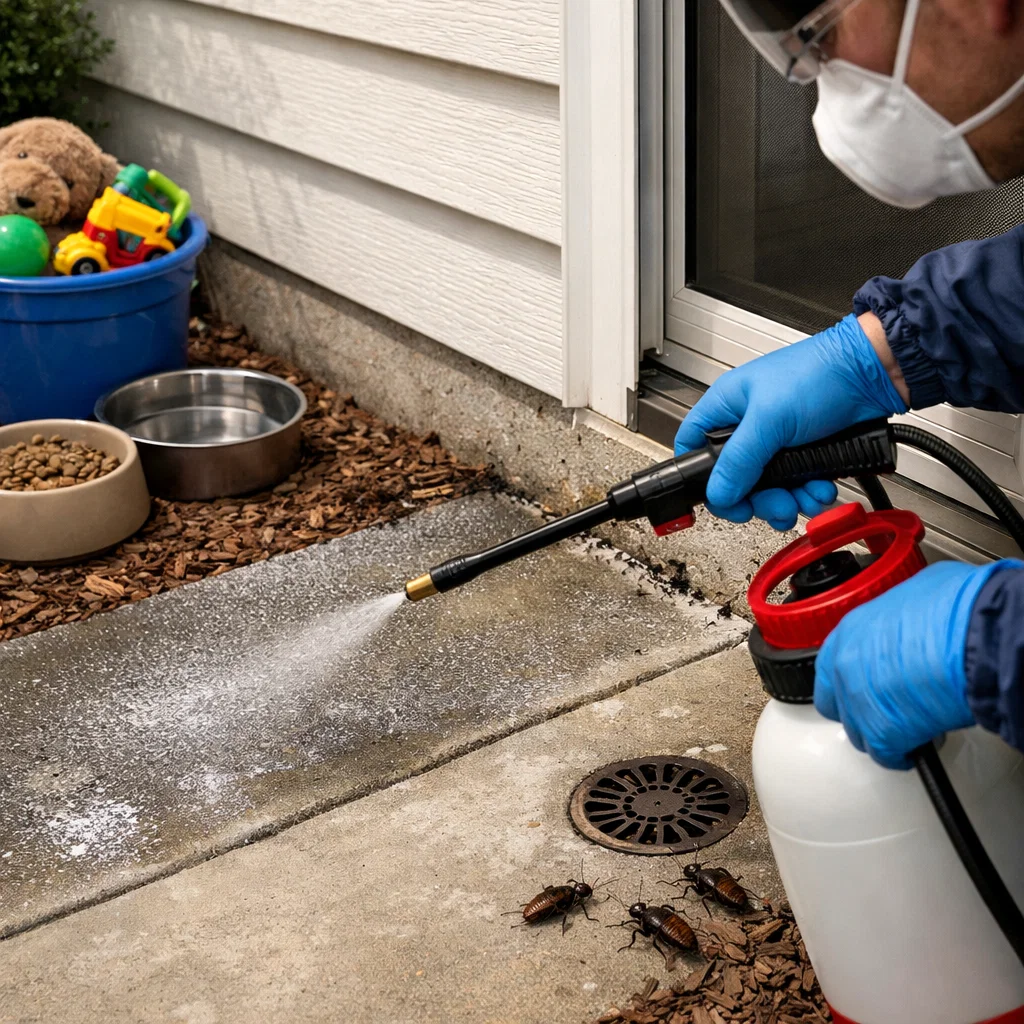
    One of the most effective ways to use pest prevention spray is the Strategic Perimeter technique. This method focuses on stopping pests before they enter the building instead of reacting after they are inside.

    The 3-foot rule explained

    The 3-foot rule means applying pest prevention spray in a continuous band:

    • Three feet up the exterior wall
    • Three feet out onto the ground

    This creates a barrier that most crawling insects must cross, increasing the chance they are repelled or eliminated before entry.

    Exterior wall application

    When spraying exterior walls, focus on areas where insects naturally travel:

    • Foundation edges
    • Wall cracks and expansion joints
    • Areas near vegetation touching the wall

    Ground and soil treatment

    Spraying the ground near the foundation is just as important as spraying the wall. Soil and mulch often harbor insects that later move indoors.

    Commonly missed entry points that reduce effectiveness

    Many people apply pest prevention spray but still see insects because they miss critical entry points.

    Frequently overlooked areas include:

    • Weep holes in brick walls
    • Pipe and cable penetrations
    • Door sweeps and thresholds
    • Window tracks and frames
    • AC line entry points

    Spraying these areas carefully and consistently often makes the difference between success and failure.

    Seasonality and the best times to apply pest prevention spray

    Pests behave differently depending on the season, and timing your pest prevention spray improves results significantly.

    Spring awakening

    Spring is one of the most important times to apply pest prevention spray. Insects become active as temperatures rise and begin searching for food and shelter.

    Spring spraying helps:

    • Interrupt early nesting activity
    • Reduce population buildup
    • Protect entry points before peak season

    Summer maintenance

    During summer, pest activity is at its highest. Outdoor sprays may degrade faster due to heat and UV exposure.

    Reapplication is often needed every 30 to 60 days, especially after heavy rain or irrigation.

    Fall preparation

    In cooler regions, fall spraying targets pests looking for warmth indoors. This is another critical time for perimeter treatments.

    First frost considerations

    In climates with frost, spraying just before the first frost can reduce overwintering pests. While frost is not relevant everywhere, the principle of timing before environmental change still applies.

    Re-application schedules based on weather

    No pest prevention spray lasts forever. Weather plays a major role in how long a spray remains effective.

    General reapplication guidelines:

    • After heavy rain: reapply outdoor spray
    • High heat and sun exposure: shorten reapplication interval
    • Low rainfall and mild weather: longer residual effect

    Always follow the product’s specific reapplication instructions.

    Comparison of pest prevention spray types

    Spray Type Best Use Longevity Pros Cons
    Liquid Spray Perimeter and crack treatment 30–90 days Even coverage, longer residual Requires proper equipment
    Aerosol Spray Spot treatment Short-term Easy to use Limited coverage, quick fade
    Natural Spray Indoor prevention 7–14 days Low toxicity Frequent reapplication needed

    Using pressure sprayers for even coverage

    Pressure sprayers help distribute pest prevention spray evenly, which improves effectiveness.

    Best practices include:

    • Maintain consistent spray pressure
    • Use a fan spray pattern for walls
    • Avoid over-saturation
    • Clean equipment after use

    Importance of PPE when applying pest prevention spray

    Personal protective equipment reduces exposure risk.

    Recommended PPE includes:

    • Gloves
    • Masks or respirators for indoor use
    • Protective eyewear
    • Long sleeves and closed shoes

    Problem and solution: common frustrations explained

    Why is my spray not killing ants?

    Ant sprays often kill visible ants but fail to reach the colony. Without addressing the nest, ants will continue to return.

    Why do pests come back after spraying?

    Missed entry points, incorrect reapplication timing, or environmental factors often cause recurrence.

    Why does the spray work outdoors but not indoors?

    Outdoor sprays may not be suitable for indoor use, and indoor pests may already be established inside walls.

    When pest prevention spray is not enough

    Pest prevention spray is a preventive tool, not a cure-all. When infestations persist, spread, or pose health risks, professional pest control becomes necessary.

    Professional services combine inspection, targeted treatment, and prevention strategies that sprays alone cannot achieve.

    Conclusion

    Pest prevention spray can be an effective part of a broader pest control strategy when used correctly. Understanding safety, timing, application technique, and product limitations helps avoid frustration and wasted effort. When preventive sprays no longer control the problem, professional intervention provides the structure and expertise needed for long-term results.
  • All Home Pest Management: Solutions for Effective Control

    All Home Pest Management: Solutions for Effective Control

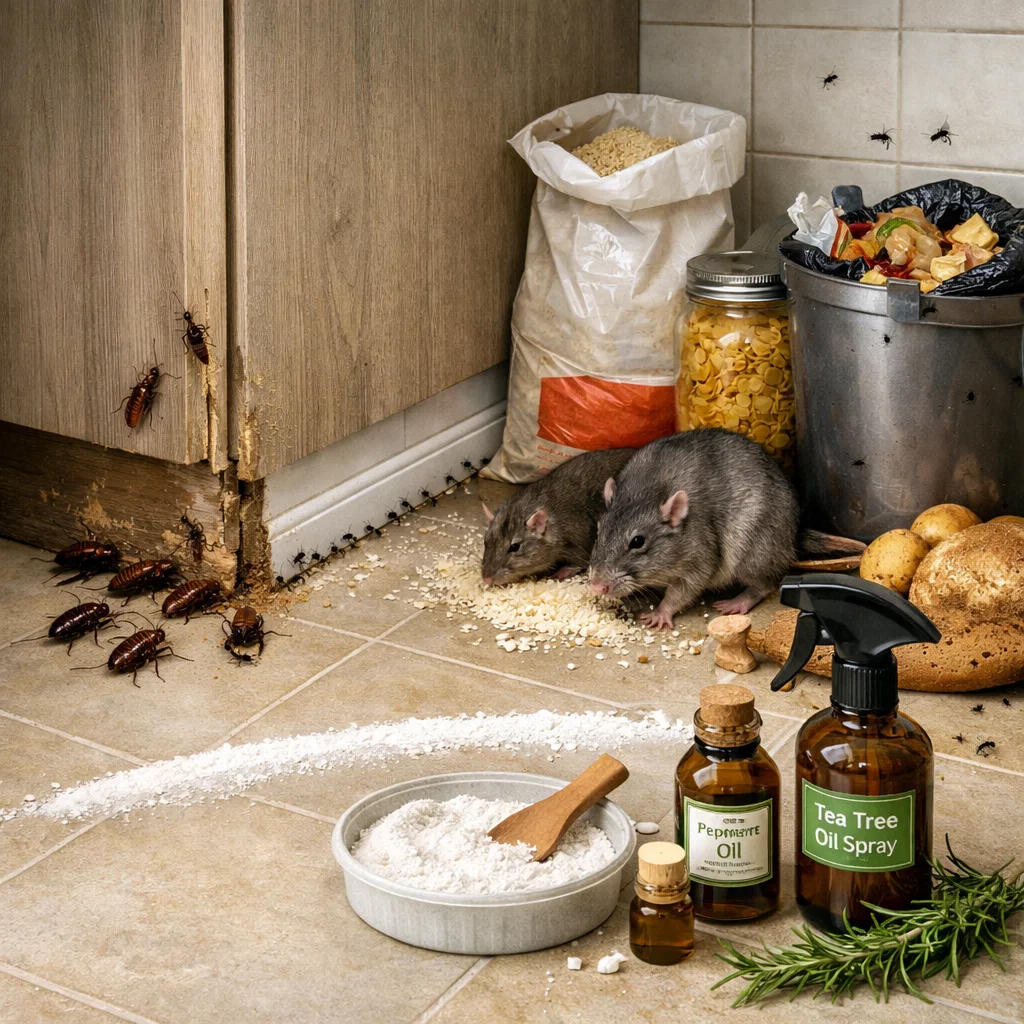
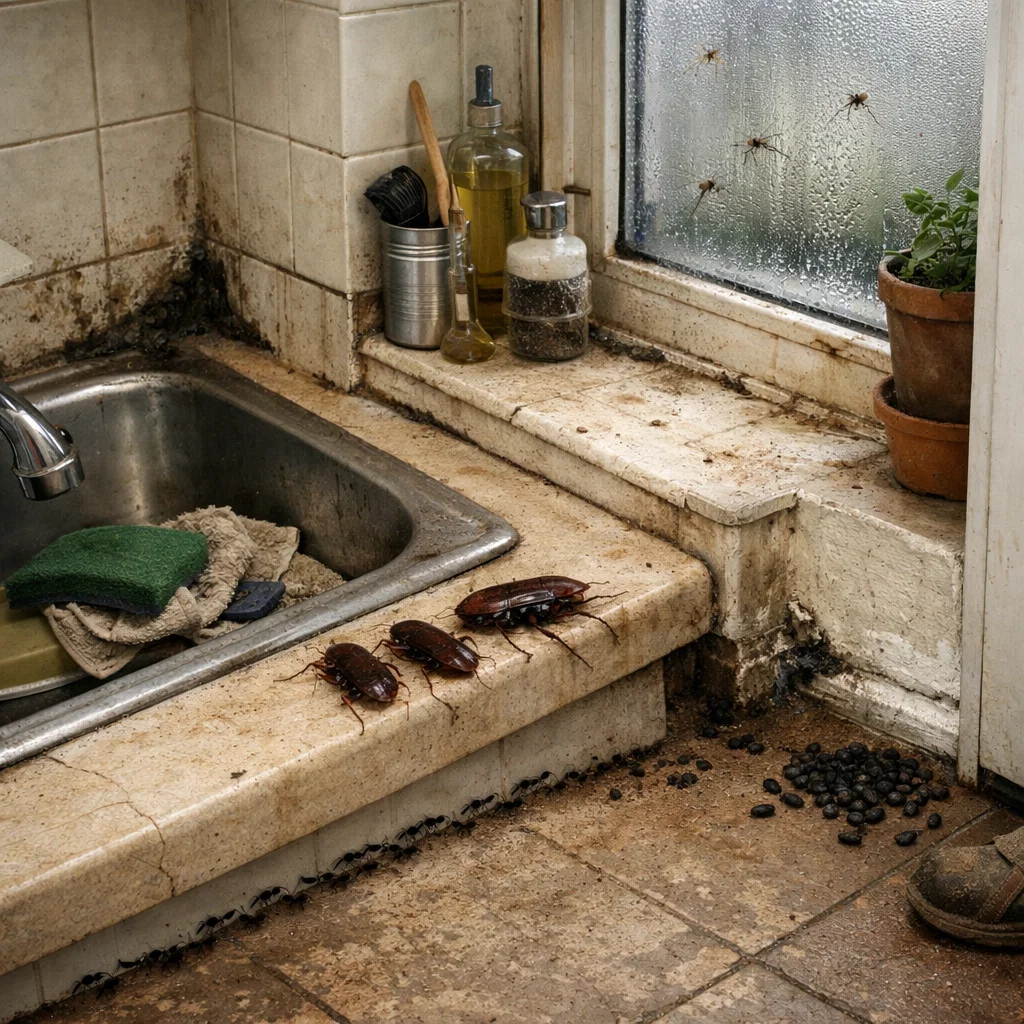
    When it comes to all home pest management, many people face pest problems that can quickly escalate, affecting their comfort, safety, and property. Pests can cause structural damage, health-related issues, and nuisance situations, which is why a comprehensive approach is essential to managing them effectively. Understanding what pests are most common, how to identify entry points, and knowing when to take action—either with DIY methods or by calling a professional—are key to staying on top of pest control throughout the year.

    This guide provides a complete overview of all home pest management. It covers common pests, their damage types, seasonal prevention strategies, eco-friendly pest control methods, and provides a breakdown of when DIY methods are effective versus when you should call in professionals. We’ll also touch on transparent pricing factors and introduce Integrated Pest Management (IPM) as a more sustainable solution for pest control.

    The Usual Suspects: Identifying Common Pests

    Knowing how to identify pests is the first step toward preventing them. Let’s start by categorizing common household pests based on the type of damage they cause: structural, health-related, or nuisance.

    Structural Damage Pests

    Some pests cause direct harm to your property. These pests tend to nest in hidden locations, and the damage they cause is not always immediately visible. Common structural damage pests include:

    • Termites: Termites feed on wood and cellulose, which can severely damage the structure of your home. They often remain hidden for long periods, making early detection difficult. Termite damage can compromise the integrity of wooden beams, furniture, and floors.
    • Carpenter Ants: While carpenter ants do not eat wood, they tunnel through it to create nests. Over time, this can cause significant damage, especially in walls and wooden beams.
    • Woodlice: Also known as pill bugs, woodlice can be a nuisance in areas with high moisture. They don’t directly harm structures but can lead to mold and decay in wet wood.

    Health-Related Pests

    Some pests pose significant health risks, either by contaminating food, spreading diseases, or triggering allergic reactions. These pests should be addressed immediately due to their health impact:

    • Rodents (Rats & Mice): Rodents are notorious for spreading diseases like leptospirosis, hantavirus, and salmonella. They contaminate food, chew on wires, and create nests in walls and attics.
    • Cockroaches: Cockroaches are vectors of diseases such as gastroenteritis, asthma, and food poisoning. They spread bacteria as they move from trash to food preparation areas.
    • Bed Bugs: Bed bugs feed on human blood and cause itchy bites. While they don’t transmit disease, their presence can significantly affect quality of life.
    • Mosquitoes: Mosquitoes can transmit serious diseases like malaria, dengue, and Zika virus. They are especially problematic during warmer months.

    Nuisance Pests

    Some pests cause more of a nuisance than damage or health risk, though they can still disrupt daily life. These pests include:

    • Ants: Ants are common household pests that invade kitchens and pantries. While they are not typically harmful, they can become a persistent problem, especially when food is involved.
    • Flies: Flies can be a nuisance, especially in warmer months. They spread bacteria and are attracted to decaying food and waste.
    • Spiders: While most spiders are harmless, their webs can become unsightly, and some species can bite when threatened. Certain areas in homes may attract spiders due to moisture and food sources.

    Prevention 101: Seasonal Strategies for Pest Control

    Preventing pests is all about being proactive and addressing common issues at each stage of the year. A 365-day pest management plan ensures your home is protected throughout the seasons, minimizing pest problems before they escalate.

    Spring: Preparing for Pests’ Return

    As the weather warms up, pests become more active. Insects begin to emerge from their winter hiding spots, and rodents may seek shelter inside homes as temperatures rise. During spring, focus on:

    • Sealing cracks around windows and doors to prevent entry
    • Checking for leaks around pipes and faucets, as moisture attracts pests
    • Cleaning gutters to prevent standing water that attracts mosquitoes
    • Inspecting the foundation for cracks that could be entry points for termites

    Summer: Full Pest Season

    Summer is peak season for many pests, especially mosquitoes, ants, and cockroaches. To keep pests under control during the hottest months:

    • Keep food sealed and store it properly to avoid attracting pests
    • Reduce standing water around your home to eliminate mosquito breeding grounds
    • Inspect your air conditioning units and ensure they are sealed tightly
    • Regularly clean kitchens and trash areas to discourage cockroaches and ants

    Fall: Pest Prevention Before Winter

    As temperatures drop, many pests look for warmth indoors. Fall is the perfect time to prepare your home for winter and prevent infestations:

    • Ensure windows and doors close properly to keep rodents and insects out
    • Check insulation in attics, basements, and walls to prevent rodents from entering
    • Clean chimneys and vents to keep critters from getting inside
    • Store firewood away from the home to avoid attracting termites and other pests

    Winter: Monitoring and Maintaining Control

    During winter, pests are less active but may still find ways inside. Now is the time to stay vigilant and keep your pest management plan in place:

    • Keep an eye out for signs of rodents, especially in attics or basements
    • Ensure that all food is stored properly, and trash is regularly disposed of
    • Inspect your home for any cracks or gaps that may have appeared during colder weather
    • Consider using natural deterrents like peppermint oil to repel pests indoors

    The Safety First Guide: Eco-friendly vs. Chemical Pest Control

    One of the biggest concerns with pest control is safety—both for the environment and for the people (and pets) inside your home. The debate between eco-friendly and chemical treatments is ongoing, but the solution lies in finding the balance between effectiveness and safety.

    Here are some options:

    Eco-friendly Pest Control

    Eco-conscious pest control methods are safer for families and pets while still being effective. These include:

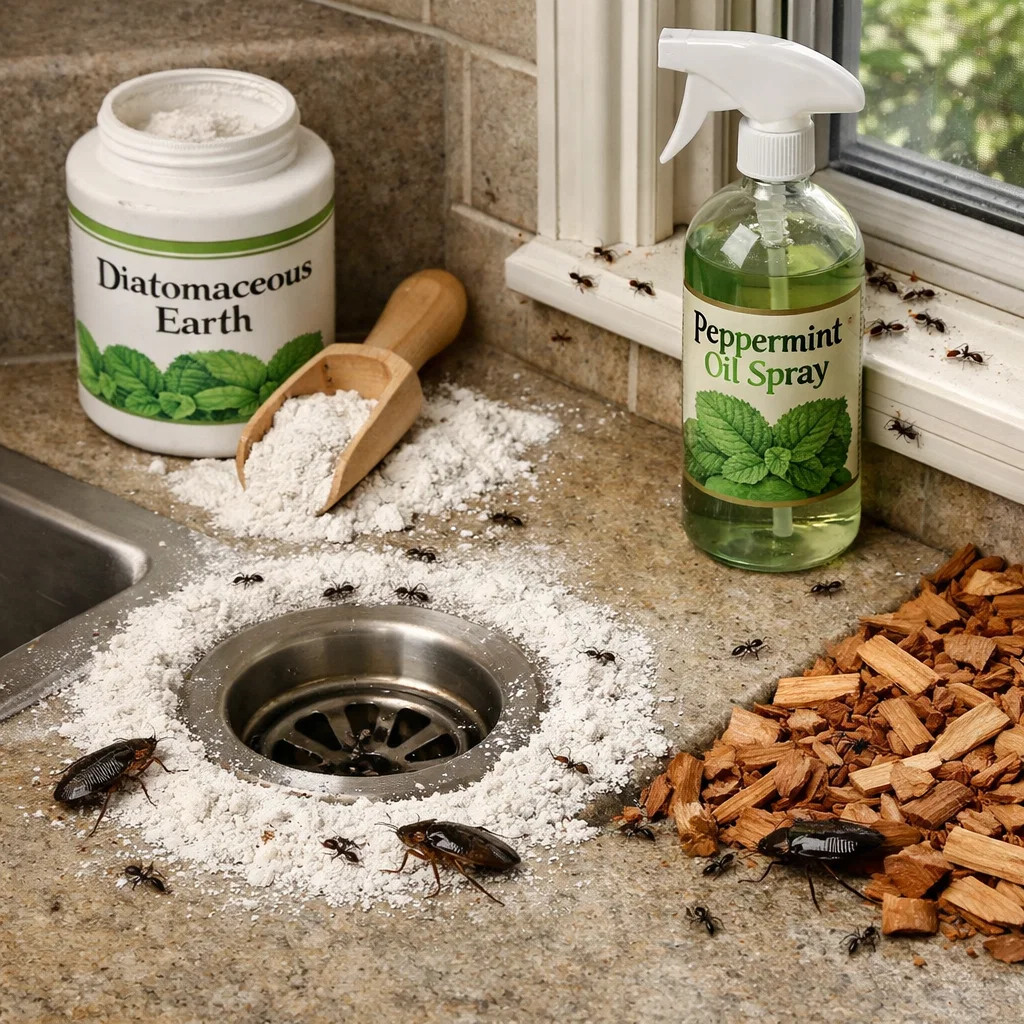
    • Using diatomaceous earth to kill insects without chemicals
    • Essential oils like peppermint oil to repel pests like ants and spiders
    • Traps and baits that don’t require toxic chemicals
    • Sealing entry points and keeping a clean environment to reduce the need for chemicals

    Chemical Treatments

    Chemical treatments are still widely used for more severe infestations, such as termites and rodents. However, these treatments can pose risks to humans and pets if not applied properly. It is crucial to use a licensed and professional service provider who follows safety regulations and guidelines.

    Many pest control services now use Integrated Pest Management (IPM) to combine both eco-friendly and chemical methods in a way that minimizes harm while still providing long-lasting control.

    DIY Green Hacks: Building Trust with Natural Solutions

    If you prefer to tackle minor pest issues yourself, there are several eco-friendly DIY solutions that you can use:

    • Essential oils: Peppermint oil, tea tree oil, and citronella can act as natural repellents for a variety of pests.
    • Diatomaceous earth: A natural powder that works by dehydrating insects, making it effective against ants, bed bugs, and cockroaches.
    • Vinegar and baking soda: A powerful and safe cleaning duo that works for pests like ants, cockroaches, and fruit flies when used in areas like kitchen countertops.
    • Soap and water: A simple solution that can eliminate aphids, mealybugs, and other soft-bodied insects from plants and surfaces.

    These DIY solutions can offer temporary relief and help prevent pests from multiplying. However, for larger infestations or ongoing problems, professional pest control is recommended.

    When Professional Intervention is Necessary: The Pro Checklist

    While DIY pest control can be effective for minor issues, there are certain situations where professional intervention is the only way to ensure your home or business is pest-free. Here’s when to call in the experts:

    • When the infestation is widespread or affecting multiple rooms
    • When pests return despite DIY efforts
    • If you notice structural damage or potential health risks
    • When pest-proofing and prevention tips aren’t enough
    • For severe infestations like termites, rodents, or bed bugs

    Pricing Considerations for Pest Control

    Pricing for pest control varies based on several factors, including the type of pest, the severity of the infestation, the size of the area, and the treatment method required. Basic residential treatments typically start from around AED 119 for small apartments, while larger units or commercial spaces may cost more.

    Here’s a rough idea of what you can expect for various treatments:

    • Basic residential pest control (studio apartment): AED 119
    • Rodent control (per bait station): AED 55
    • Termite treatment (1-bedroom apartment): AED 300
    • Bed bug treatment (per room): AED 119
    • Outdoor garden treatment: AED 150 for up to 1000 sqft

    Final pricing will depend on inspection and may vary based on the size of the affected area, infestation severity, and specific treatment required. Professional pest control services should provide clear, transparent pricing before any work begins.

    Conclusion

    Effective pest control is essential for maintaining a comfortable, safe, and healthy home or business in Sharjah. By understanding the types of pests you might face, implementing seasonal prevention strategies, and knowing when to call in the professionals, you can keep your property pest-free throughout the year. Whether you choose DIY methods or professional services, managing pest issues early ensures you avoid bigger problems down the road.

  • Comprehensive Home Pest Treatment for a Healthy Home

    Comprehensive Home Pest Treatment for a Healthy Home

    Home pest treatment is an essential part of maintaining a safe, clean, and healthy living environment. Whether you’re dealing with ants in the kitchen, rodents in the attic, or bed bugs in your bedroom, understanding how to identify, treat, and prevent pest problems is key to keeping your home comfortable. In this comprehensive guide, we’ll walk through how to identify pests, when it’s time to tackle the issue yourself versus when to call in professionals, safety considerations for treatments, prevention strategies, and the cost vs. value of DIY treatments versus professional pest control services.

    Identifying Common Household Pests: Visual Aids and Key Signs

    The first step in dealing with any pest issue is identifying the type of pest causing the problem. Each pest behaves differently, and understanding their habits will help you determine whether it’s something you can handle on your own or if professional pest treatment is necessary. Below, we’ll discuss common pests found in homes and how to distinguish them from similar-looking pests.

    Common Pests vs. Look-alikes

    One of the biggest challenges in pest control is distinguishing between pests and harmless insects or household items. Some common pests can resemble others, making it important to know what you’re dealing with before taking action. Here’s a quick guide:

    • Cockroaches: Roaches are typically brown or black with long antennae and oval bodies. They often hide in dark, moist areas. Look-alike: Water bugs. Water bugs may look similar but are generally larger and found near water sources.
    • Ants: Small, often black or red insects with a narrow waist. Ants leave trails to their nests, often found in kitchens and bathrooms. Look-alike: Termite swarmers. Termite swarmers can resemble ants but have straight antennae and wings that are roughly the same size.
    • Bed Bugs: Tiny, reddish-brown bugs that feed on blood and leave behind small bite marks. Look-alike: Carpet beetles, which are also tiny but do not bite humans.
    • Mice/Rats: Rodents with large ears and long tails, often found in attics, kitchens, or basements. Look-alike: Squirrels, which may invade attics but are much larger and often found outdoors.

    Key Signs of an Infestation

    To determine if you have a pest problem, look for specific signs that indicate activity:

    • Droppings: Tiny droppings in kitchen corners, under sinks, or near nests indicate rodents or insects.
    • Nesting Sites: Piles of shredded paper, fabric, or insulation may indicate rodent nests. Cockroaches will also leave egg sacs in hidden areas.
    • Damage: Gnaw marks, chewed wires, or holes in food packaging are signs of rodents or termites.
    • Smell: A musty odor could indicate mold-related pests like dust mites, while a foul odor could be from rotting food or rodents.

    If you notice any of these signs, it’s time to assess the severity of the infestation and decide whether to treat the problem yourself or seek professional pest control services.

    Safety Considerations in Home Pest Treatments

    When dealing with pest control at home, safety should always be a top priority, especially for households with children or pets. Many over-the-counter pest control products contain chemicals that can be harmful if used improperly. In this section, we’ll compare natural and chemical treatments, highlighting when each is necessary and how to ensure safety.

    Natural vs. Chemical Treatments

    Natural pest control methods often involve using ingredients that are safe for the environment and your family. These methods typically use oils, vinegar, or homemade solutions to repel or kill pests. However, they may not always be as effective as chemical treatments for larger infestations.

    • Natural Treatments: These are usually safer for children, pets, and plants. Common natural remedies include essential oils (like peppermint, eucalyptus, or lavender), diatomaceous earth, and vinegar.
    • Chemical Treatments: Chemical treatments tend to be more powerful and effective for larger infestations. However, they can be toxic and require careful handling. They’re typically needed for pests like termites, bed bugs, and certain rodents.

    It’s essential to read the labels of any pest control product carefully to ensure it is safe for your home environment. For chemical treatments, ensure proper ventilation and clear the area of pets and children until the treatment is dry or dissipated.

    Pet-Safe and Kid-Friendly Products

    If you have pets or young children, opting for pet-safe or kid-friendly pest control solutions is crucial. Look for treatments that specifically mention safety for pets and children on the label. Many natural treatments are safe, but even these require caution to ensure there’s no risk to your loved ones.

    For pet-safe options, consider:

    • Essential oil repellents (peppermint, lemon, or citronella)
    • Diatomaceous earth (food-grade only)
    • Non-toxic traps for rodents and ants

    Step-by-Step Execution Guide for Home Pest Treatment

    Now that you have a better understanding of common pests, signs of infestation, and safety concerns, let’s look at a step-by-step execution guide for treating various areas of your home. We’ll use the zone method to address different areas that are typically affected by pests.

    Step 1: Kitchen

    The kitchen is often the most affected area, with food crumbs and moisture attracting ants, cockroaches, and rodents. Here’s how to treat it:

    • Clean all food surfaces, floors, and under appliances.
    • Seal cracks around doors, windows, and pipes with caulk.
    • Set up traps for rodents and cockroaches in dark corners and along baseboards.
    • Use a safe, pet-friendly spray to eliminate ants or cockroaches.

    Step 2: Bathroom

    Bathrooms are often humid, creating ideal conditions for pests like cockroaches and mold-related pests. Here’s what to do:

    • Ensure all drains are clear and dry.
    • Use a vinegar and water solution to clean surfaces.
    • Place a dehumidifier in bathrooms prone to moisture buildup.
    • Seal any gaps around windows, pipes, and vents.

    Step 3: Attic

    Rodents often make their way into the attic, chewing on insulation, wires, and creating nests. Here’s how to secure this area:

    • Inspect for holes or cracks in the attic walls.
    • Install rodent traps in corners, along beams, or in the insulation.
    • Seal off entry points where rodents might enter (e.g., gaps around vents).
    • If necessary, use chemical deterrents for larger infestations.

    Step 4: Exterior

    The exterior of your home is an important area for pest control, especially when dealing with ants, termites, and mosquitoes. Here’s how to handle it:

    • Trim overgrown bushes and shrubs near your foundation.
    • Inspect for cracks and gaps around windows and doors.
    • Apply a barrier treatment around the perimeter of the house to prevent pests from entering.
    • Install outdoor traps for mosquitoes or other insects.

    Common Mistakes to Avoid in Home Pest Treatment

    When trying to control pests at home, there are several common mistakes that can lead to ineffective treatment or worsen the problem:

    • Not addressing the source: Treating pests without finding the source of the problem leads to recurring infestations.
    • Using too much pesticide: Overuse of chemicals can be dangerous for children and pets and may drive pests to other areas.
    • Ignoring prevention: Failing to seal cracks, eliminate moisture sources, or clean up after treatment will likely cause pests to return.

    Prevention Strategies for Long-Term Control

    Effective pest control is not just about reacting to an infestation—it’s about preventing future problems from arising. Here are some key prevention strategies:

    • Seal cracks and gaps: Ensure all windows, doors, and pipes are properly sealed.
    • Manage moisture: Fix any leaks and maintain proper ventilation in kitchens, bathrooms, and attics.
    • Regular inspections: Check for signs of pests at least once a month, especially in high-risk areas like the kitchen and attic.
    • Seasonal treatments: Apply pest control treatments at the start of each season to prevent pests from migrating indoors.

    DIY vs. Professional Pest Control: Cost vs. Value

    While DIY treatments can be cost-effective for minor pest issues, they often lack the effectiveness and safety of professional services. Let’s break down the cost versus value of DIY treatments and professional pest control:

    DIY Pest Control

    DIY pest control may seem like a cheaper option. Here are some typical costs:

    • Basic insecticides: AED 20–50 per bottle
    • Traps: AED 10–30 per trap
    • Natural repellents (essential oils, vinegar): AED 20–100 depending on the solution

    While DIY is tempting, these methods often fail to fully eliminate the problem, especially in large infestations. In many cases, the pests will return quickly.

    Professional Pest Control

    Professional pest control services offer more thorough and effective treatments. The costs for basic residential treatment are generally as follows:

    • Studio apartment: AED 119
    • 1-bedroom apartment: AED 139
    • 2-bedroom apartment: AED 179
    • 3-bedroom apartment: AED 211
    • 4-bedroom apartment: AED 238
    • 5-bedroom apartment: AED 287

    While the upfront cost is higher than DIY, professional treatments offer a more long-term solution and can prevent ongoing problems that will ultimately cost more in repairs or health consequences.

    Interactive Pest Identification Quiz

    To help you identify the pest causing problems in your home, we’ve created a simple quiz. Use the images and descriptions to determine which pest you might be dealing with, and find out the best treatment options based on your results. This can be a useful tool in deciding whether you need to call for professional help or if the problem is manageable on your own.

    Conclusion

    When it comes to home pest treatment, identifying the problem, addressing it properly, and using the right solutions are essential to maintaining a pest-free home. DIY treatments can be helpful at an early stage, but when the problem escalates, professional pest control services are the safest and most effective solution. By following proper pest control methods, staying ahead of potential issues with regular maintenance, and using safe, effective treatments, you can prevent future infestations and ensure a healthy, comfortable home environment.

  • Pest Management Services for Sharjah Homes and Businesses

    Pest Management Services for Sharjah Homes and Businesses

    When you spot a pest in your home or business, it’s not just an inconvenience. It’s a sign that there could be a hidden problem lurking deeper within the structure, and it often brings stress and worry about health and property damage. A pest sighting can trigger a lot of concern, and understandably so. Pests like termites, ants, and rodents pose significant threats to your property, your family’s health, and your peace of mind. Whether you’ve spotted a few ants in the kitchen or seen a mouse scurrying across your living room floor, taking immediate action is crucial.

    In this article, we’ll guide you through the essentials of professional pest management services, explain the steps involved in a pest control process, and help you identify the most common household pests. We’ll also compare DIY pest control methods with professional services, offering you a comprehensive understanding of what’s involved. In addition, we’ll provide valuable prevention tips, a detailed look at eco-friendly pest control, and trust signals that can help you make an informed decision when choosing a pest control provider.

    Understanding the Stress of Pest Sightings

    It’s completely normal to feel stressed when you spot pests in your home. Whether it’s a rodent, a colony of ants, or even something as insidious as termites, it’s not just the sight of the pest that can make you anxious but the realization that they might be hiding somewhere you can’t see. Even a small sighting can suggest a more serious infestation that could threaten your property and the health of everyone in your home.

    Here’s why pests are more than just an unpleasant nuisance:

    • Health risks: Pests such as rodents, cockroaches, and mosquitoes can spread diseases and trigger allergies.
    • Structural damage: Termites and carpenter ants, for example, can cause long-term damage to your property.
    • Food contamination: Certain pests can contaminate food and kitchen surfaces, leading to hygiene issues.
    • Stress and anxiety: Having pests in your home can affect your mental well-being, causing worry and discomfort.

    How to Identify Common Household Pests

    When a pest appears, it’s important to quickly identify what you’re dealing with so you can take the right course of action. Understanding which pest you’re dealing with can make a huge difference in how you approach the problem. Below, we’ll explain how to distinguish between some of the most common pests that might be in your home, such as carpenter ants versus termites. We’ve also included a quick reference guide with visual cues to help you make a better identification.

    Carpenter Ants vs. Termites

    Carpenter ants and termites can both cause significant damage to your home, but they are very different pests in terms of behavior, appearance, and treatment. Here’s how to tell them apart:

    • Carpenter Ants:
      • Large size (1/4 to 1/2 inch)
      • Black or red and black in color
      • Exhibit a slow and steady movement
      • Build nests inside wood but do not eat wood, they just hollow it out
      • Can be seen foraging for food in the open during the day
    • Termites:
      • Smaller size (1/8 inch, pale or translucent color)
      • Often mistaken for ants, but with straight antennae
      • Feed on wood and can cause major structural damage
      • Prefer to stay hidden, often found behind walls or in wood that appears hollowed out
      • Cause damage over time, usually not noticed until significant harm is done

    Rodents

    Rodents are a serious concern, particularly in homes and businesses where food or waste is present. Rats and mice are known for spreading diseases like Hantavirus, Salmonella, and Leptospirosis. Signs of rodent infestation include droppings, gnaw marks, or the sound of scratching in the walls or ceilings.

    Bed Bugs

    Bed bugs are small, reddish-brown insects that feed on human blood. They can be found hiding in the seams of mattresses, cracks in the walls, or in furniture. Their bites are itchy and can cause skin irritation or allergic reactions. If you see blood spots on sheets or find live bugs, it’s time to call in the professionals.

    Termites

    Termites are often called “silent destroyers” because they feed on wood, and their damage is usually not seen until it’s too late. Signs of termites include hollowed-out wood, mud tubes, or discarded wings. If you have these symptoms, it’s essential to have your home inspected immediately.

    The Professional Pest Management Process

    When you hire a pest control service, there’s a standard process that professional technicians follow. Here’s what you can expect from a well-rounded pest management service:

    Step 1: Inspection

    The first step is always an inspection. Pest control experts will visit your home or business to perform a thorough inspection. This includes looking for signs of infestation, determining entry points, and evaluating potential risk areas. This step is critical to understanding the severity of the problem and determining the most effective treatment plan.

    Step 2: Identification

    After the inspection, the technician will identify the type of pest(s) present and assess the scope of the infestation. This step is essential because different pests require different treatment methods. Proper identification ensures that the pest control plan is targeted and efficient.

    Step 3: Treatment

    Once the pest is identified, treatment can begin. This may involve using chemical or eco-friendly pest control methods. In many cases, professional pest control services now offer low-toxicity or eco-friendly treatment options that are both effective and safe for pets and children.

    Step 4: Monitoring

    After treatment, pest control experts will monitor the area to ensure that the pests are gone and that no new infestations occur. This might involve follow-up visits to inspect areas that are more vulnerable to pest activity.

    Value Comparison: DIY Pest Control vs. Professional Services

    While DIY pest control may seem tempting, it often fails to resolve the problem long term. Let’s compare the pros and cons of DIY methods versus professional pest control services:

    Factor DIY Methods Professional Services
    Safety Risks from improper chemical use, exposure to harmful substances Professionally applied methods, safe for families and pets
    Success Rate Lower success rate for severe infestations Higher success rate with guaranteed results
    Equipment Quality Limited access to professional-grade tools and products Use of professional equipment and industry-approved products
    Follow-Up None Scheduled follow-up visits to monitor the situation
    Cost Low upfront cost, but higher long-term costs due to recurrence Higher upfront cost, but long-term solution with a guarantee

    Prevention Tips: How to Avoid Future Pests

    While professional pest control services are effective, you can take additional steps to prevent pests from returning:

    Seal the Perimeter

    • Close any cracks or gaps in windows and doors
    • Seal gaps around pipes, vents, and electrical lines
    • Install door sweeps on exterior doors
    • Ensure that all vents and chimney openings are properly screened

    Other Preventive Measures

    • Regularly clean gutters and downspouts to prevent water buildup
    • Store food in airtight containers
    • Keep trash bins covered and remove waste regularly
    • Maintain a dry environment by fixing leaks promptly

    The Seasonal Nature of Pest Control

    Pest activity in Sharjah and surrounding areas can vary with the seasons. Certain pests like mosquitoes, flies, and ants tend to be more active during warmer months, while rodents and termites may be active year-round.

    Regular maintenance is essential to ensure pests do not return. Scheduling routine inspections every 6-12 months can help catch early signs of infestations and provide timely treatment before they escalate.

    Trust Signals: Quality Certifications and Social Proof

    When selecting a pest control service, it’s essential to choose a licensed and certified provider. Look for certifications such as:

    • QualityPro: A symbol of excellence in pest management
    • GreenPro: Certification for eco-friendly pest control practices

    Additionally, positive social proof, such as customer testimonials or success stories, can indicate a provider’s reliability. Many providers, including First Station Pest Control, share their success stories to highlight their competence and customer satisfaction.

    Conclusion

    Pest management services are crucial for maintaining a safe, healthy, and comfortable environment in Sharjah. Whether you’re dealing with an active infestation or want to prevent one, understanding how professional pest control works, the value of hiring experts, and the cost implications of DIY versus professional treatments is vital for making the right decision.

    Remember, the longer you wait, the more likely the problem will escalate. With the right pest management provider, your home or business can stay pest-free and protected. When in doubt, consulting with a trusted pest control service is always the smarter choice for your family, health, and property.

  • Warehouse Pest Management: Effective Control Strategies

    Warehouse Pest Management: Effective Control Strategies

    Warehouse pest management is a critical part of maintaining operations in any storage facility, distribution center, or warehouse that handles products. The importance of pest control in these environments extends beyond just removing visible pests; it is about creating an audit-ready, compliant framework that ensures safety, quality, and efficiency across operations. Warehouse pest management must align with health and safety regulations like FSMA (Food Safety Modernization Act) or local health standards, which require ongoing monitoring, documentation, and proactive pest prevention strategies. This article will explore the importance of maintaining an audit-ready pest management system, solutions to prevent pest entry, strategies for dealing with specific pest types, and the significant ROI of a solid pest control plan.

    The Importance of an “Audit-Ready” Framework in Warehouse Pest Management

    Maintaining an “Audit-Ready” framework is essential for compliance with both local and international health regulations. Whether your warehouse is handling food, pharmaceuticals, or other sensitive goods, pest control cannot be treated as a one-time fix. A system of continuous documentation, regular pest sighting logs, and trend reports should be part of the day-to-day operations. This framework not only protects your inventory but also demonstrates due diligence to auditors, clients, and regulators.

    Key elements of an “Audit-Ready” framework include:

    • Pest Sightings Logs: Keeping detailed logs of any pest sightings, whether they’re rodents, insects, or birds. This log should include date, time, location, type of pest, and corrective actions taken.
    • Trend Reports: Analyzing pest sighting logs over time to identify patterns. Trend reports help pinpoint areas where pest activity is most common and can indicate vulnerabilities that need addressing.
    • Integrated Pest Management (IPM): IPM is a preventive approach that focuses on long-term pest control rather than just eliminating pests after they appear. It involves understanding pest biology, preventing infestations, and using environmentally-friendly practices to minimize pesticide use.

    All of these elements help you maintain compliance with regulations such as FSMA, HACCP, or local health standards, which require stringent monitoring and documentation to ensure food and product safety.

    Barriers to Pest Entry: Zoning and Physical Barriers

    One of the most crucial elements of warehouse pest management is ensuring that pests cannot easily enter the facility. This requires a focus on physical barriers and zoning, which helps to manage and contain pests before they cause damage.

    The 18-Inch Sanitation Border

    The 18-inch sanitation border is a basic but essential barrier that helps prevent pests from accessing your warehouse. This space—usually along walls or floors—should be kept clear of debris, trash, and any potential food sources for pests. The area should be regularly cleaned and maintained to ensure pests do not have an easy path into the building.

    Loading Docks: A Vulnerable Point

    Loading docks are high-risk areas for pest entry because they are frequently open during deliveries and shipments. The constant in-and-out of goods creates opportunities for pests to enter, often unnoticed. To mitigate this, warehouses should focus on sealing loading docks with physical barriers, including:

    • Air Curtains: Air curtains are devices installed above doors that create an invisible barrier of air, preventing pests from entering when the doors are open.
    • Brush Seals: Installing brush seals on doors and loading dock openings can prevent rodents, insects, and other pests from sneaking through cracks and gaps in the building.
    • The “Three-Door” Rule: This rule advocates for having a sequence of doors or barriers that pests must pass through to enter the building. Each door should open only once the previous one has fully closed to prevent pests from slipping through.

    When physical barriers like these are combined with a regular cleaning schedule, pest entry can be significantly reduced.

    Types of Pests in Warehouses and Their Specific Management Strategies

    Warehouses face several types of pests, each requiring a different approach to control and prevention. Let’s look at three of the most common pest problems in warehouse environments:

    Stored Product Pests (SPPs)

    Stored product pests, or SPPs, are one of the most significant threats to warehouses that store food or agricultural products. These pests include weevils, beetles, moths, and other insects that can damage goods and contaminate products with their larvae or droppings.

    One effective strategy for managing SPPs is pheromone monitoring, which involves using pheromone traps to track pest activity and pinpoint areas of high infestation. This allows pest control teams to focus their efforts on the affected areas and monitor pest populations over time.

    Rodents

    Rodents, including rats and mice, are common in warehouses, especially in areas that store food or other consumables. They not only contaminate goods but also chew through electrical wiring and insulation, which can lead to costly damage.

    Rodent control in warehouses typically includes:

    • Proper Trap Placement: Traps should be placed along walls and near entrances where rodents are most likely to travel. The use of bait stations can also help keep rodents at bay.
    • Sealing Entry Points: Inspect the warehouse for any cracks, gaps, or holes where rodents can enter. Seal these areas to limit access.
    • Regular Monitoring: Place traps or monitoring stations around the warehouse and perform regular inspections to ensure that rodents are not active.

    Birds

    Birds, especially pigeons, are common in warehouses due to their easy access to high structures and ledges. They can damage property, contaminate goods, and create a mess that can lead to health hazards.

    To prevent bird infestations, warehouses should consider the following:

    • Netting: Netting can be installed to block birds from nesting in open areas or around vents and windows.
    • Laser Deterrents: Laser technology can be used to disrupt the birds’ roosting behavior, preventing them from settling in the warehouse.
    • Visual Deterrents: Hanging shiny objects, reflective tapes, or predator decoys can deter birds from entering the warehouse.

    Cost-Benefit of Pest Prevention vs. Infestation

    The cost of pest prevention is often much lower than the hidden costs of a full-scale infestation. When pest control is delayed, the damage can extend beyond just product loss. Other hidden costs include:

    • Discarded Stock: Infested goods may need to be discarded, leading to significant inventory loss.
    • Brand Damage: Customers and suppliers may lose trust in your facility if pests are found.
    • Contract Loss: Companies with pest problems risk losing business contracts, especially in industries like food, healthcare, and pharmaceuticals.
    • Increased Labor Costs: Employees may need to perform additional cleaning and sanitation efforts.

    Investing in proactive pest control and management provides a return on investment (ROI) by preventing these costs and ensuring smooth operations. It also maintains the reputation and credibility of the warehouse.

    Red Flag Checklist for Warehouse Managers

    To make pest management easier on the floor, warehouse managers can use a red flag checklist to quickly identify and act on potential issues. Here’s a sample checklist to help:

    • Are there any visible signs of pests (droppings, gnaw marks, nests, etc.)?
    • Are traps and pheromone monitors being checked regularly?
    • Have air curtains, brush seals, or other physical barriers been inspected?
    • Is there an ongoing sanitation issue (food crumbs, spilled items, clutter)?
    • Are there gaps or cracks in walls, doors, or windows that pests can enter through?
    • Is the 18-inch sanitation border clear and maintained?
    • Is bird netting or deterrent technology in place for high-risk areas?

    Having a checklist like this can help warehouse managers proactively address pest problems before they escalate into full-scale infestations.

    When to Call for Professional Warehouse Pest Management

    While many preventive measures can be handled in-house, some situations require professional pest control services. Expert intervention is especially necessary when:

    • The infestation exceeds what can be managed with DIY efforts
    • Pests are found in sensitive areas (food storage, pharmaceuticals)
    • The building has structural damage or entry points that are difficult to identify
    • There is a need for specialized equipment, such as pheromone traps or laser deterrents
    • Existing measures aren’t yielding results, indicating deeper problems

    Conclusion

    Warehouse pest management is about much more than killing pests—it’s about preventing them, maintaining a safe and healthy environment, and protecting your inventory, reputation, and long-term profitability. By following best practices like maintaining an audit-ready framework, addressing entry points, using physical barriers, and relying on expert pest control, warehouses can minimize the risk of infestations and reduce their overall costs.

    At First Station Pest Control Services, we offer comprehensive pest control solutions for warehouses in Sharjah, ensuring compliance, safety, and long-term pest prevention. If you are unsure whether professional intervention is needed or want to discuss proactive options, feel free to contact us through the WhatsApp or Call button above to talk to our team.

  • Effective Commercial Pest Management for Businesses

    Effective Commercial Pest Management for Businesses

    Commercial pest management is critical to maintaining the success and reputation of any business. Unlike residential pest control, where issues are often handled after pests are visible, commercial pest management demands a proactive approach to minimize risks and prevent issues from affecting operations. For businesses, pest problems can have severe consequences, ranging from damage to reputation, loss of revenue, and non-compliance with regulatory standards. This article discusses why pest management is so crucial in a commercial setting, the impact of pests on businesses, the importance of regulatory compliance, and the strategies businesses must implement to stay pest-free. It also includes practical advice on how to prepare for audits and health inspections, highlighting the significance of structured, tech-forward pest control practices in commercial settings.

    The High Stakes of Commercial Pest Management

    For businesses, pests aren’t just an inconvenience—they pose serious risks to revenue, reputation, and legal compliance. In a commercial environment, pests can cause contamination, property damage, and health risks that directly impact customers, staff, and overall operations.

    The stakes are high in commercial pest management for several reasons:

    • Reputation: One bad review or a health inspection failure can damage a brand’s reputation and turn customers away. In today’s digital age, a negative review citing pests can spread quickly.
    • Revenue loss: A pest infestation in a foodservice business, hotel, or retail operation can lead to costly closures, lost business, and a decrease in repeat customers.
    • Regulatory compliance: Many commercial sectors are legally required to adhere to pest control standards. Health inspections and audits often include checks for pest management practices, and failure to comply with these regulations can result in fines and business shutdowns.

    Understanding the risks associated with pest problems is the first step toward minimizing them and maintaining a successful business. The key is a combination of proactive measures, regular monitoring, and keeping up with the latest pest control technologies and regulations.

    Regulatory Compliance in Commercial Pest Management

    Compliance with local and national pest control standards is mandatory for businesses in many industries. In Sharjah, Dubai, and the wider UAE, businesses must adhere to strict regulatory standards for pest management. These standards are in place to protect public health, safety, and the environment, and failing to comply can result in heavy fines, legal action, or business closure.

    Several critical aspects of regulatory compliance include:

    1. Digital Logs and Documentation

    One of the most significant elements of commercial pest management is keeping detailed, accurate records. Digital logs are essential for tracking pest control efforts, including the treatments applied, the technicians involved, and the date of service. These records are vital during health inspections or audits.

    Regulatory authorities often require businesses to maintain these logs for a specific period, usually up to one year. These logs should include:

    • Inspection reports
    • Treatment schedules
    • Product usage details (e.g., types of chemicals used, application methods)
    • Follow-up actions and recommendations

    2. Adherence to Integrated Pest Management (IPM) Standards

    Integrated Pest Management (IPM) is a holistic approach to pest control that emphasizes long-term prevention using a combination of techniques. It includes:

    • Inspection: Regular and thorough inspections of the premises to identify pest risks and potential entry points.
    • Exclusion: Physical barriers such as door seals, air curtains, and windows to prevent pests from entering.
    • Biological control: Using natural predators or organic pesticides to control pest populations.
    • Monitoring: Ongoing surveillance to detect pest activity before it becomes a problem.
    • Record keeping: Documentation of all pest management activities to ensure transparency and accountability.

    IPM standards are widely accepted across the globe and are often a requirement for businesses in food, hospitality, and health sectors to ensure pest management is both effective and environmentally responsible.

    Comparing Commercial vs Residential Pest Control

    While both residential and commercial pest control aim to eliminate pests, the approach to pest management differs in terms of the scope, intensity, and standards of operation.

    Key differences between residential and commercial pest control include:

    • Zero tolerance in commercial settings: In commercial spaces, there is zero tolerance for pests. Even a single pest sighting can lead to significant damage to reputation. On the other hand, residential pest control often deals with intermittent or isolated incidents.
    • Frequent monitoring and inspections: Commercial properties require more frequent inspections and treatments due to the higher risk of pest infestations. These inspections may happen monthly or quarterly depending on the business type, whereas residential treatments are typically scheduled annually or bi-annually.
    • Specific service needs: Commercial pest control often needs to deal with more complex issues, including food safety, employee safety, and customer satisfaction. Residential pest control is more straightforward and typically involves a smaller, more contained environment.
    • Health and safety regulations: Commercial pest control must comply with health and safety regulations, including food handling and storage guidelines. Failure to comply with these regulations can result in legal consequences. Residential treatments don’t require this level of oversight.

    Because of these differences, businesses must invest in pest control solutions that are specifically tailored to their industry’s needs and requirements. Having a specialized pest management service provider helps ensure compliance and operational continuity.

    Proactive Exclusion Strategies for Commercial Properties

    Proactive measures play a crucial role in preventing pest problems before they start. Rather than waiting for pests to appear and then responding, proactive exclusion strategies are designed to make the environment less inviting for pests in the first place.

    Structural Integrity: Seals, Barriers, and Air Curtains

    Maintaining a building’s structural integrity is essential for keeping pests out. Common exclusion measures include:

    • Sealing cracks and gaps around doors, windows, and walls
    • Installing air curtains at entrances, especially in food service or retail areas
    • Covering vents and exhaust openings with mesh or fine screens
    • Repairing broken windows, doors, or roofing that could provide access

    Staff Training: The First Line of Defense

    Properly training employees on how to spot signs of pest activity is crucial. Staff should be aware of common pests, such as cockroaches, ants, and rodents, and know what to do if they encounter any issues. Regular staff training also includes:

    • Proper food handling and storage techniques
    • Waste disposal procedures to avoid attracting pests
    • Understanding the importance of reporting pest sightings immediately

    Training employees not only helps prevent pest issues from escalating but also supports overall pest control compliance. By incorporating pest prevention into regular employee training, businesses can avoid relying on reactive measures alone.

    Preparing for Health and Safety Inspections: A Pre-Audit Checklist

    Health and safety audits are standard in commercial settings, particularly in industries like food service, healthcare, and hospitality. These audits often include a review of pest management practices to ensure compliance with local regulations.

    Preparing for these inspections is key to avoiding penalties or disruptions. Here’s a pre-audit checklist that businesses should follow:

    • Ensure all pest control documentation is up to date: This includes inspection logs, treatment records, and chemical usage reports.
    • Review Integrated Pest Management (IPM) practices: Confirm that IPM strategies have been followed, including exclusion methods, monitoring, and safe application of pesticides.
    • Verify pest control provider certifications: Make sure the pest control service provider holds valid licenses and certifications from relevant regulatory bodies.
    • Inspect the premises: Check for any visible signs of pests, such as droppings, nests, or gnaw marks, and ensure that no areas are overlooked during cleaning and treatment.
    • Ensure that pest control treatments are scheduled and documented: Verify that treatments have been applied on time and that records are readily available for review during the audit.

    By following this checklist, businesses can ensure they are prepared for health and safety inspections and remain compliant with pest control regulations.

    Audit-Ready Pest Control: Ensuring Efficiency and Compliance

    Effective pest control isn’t just about responding to infestations; it’s about managing a system that operates with ongoing efficiency and regulatory compliance. Using tech-forward tools and methods helps streamline pest control procedures while keeping operations audit-ready.

    Many modern pest control companies use digital reporting and tracking systems to maintain accurate logs of pest activity, treatment histories, and compliance with regulations. This not only ensures that businesses are prepared for audits but also helps them maintain an effective pest management program year-round.

    Pricing for Commercial Pest Control Services

    When it comes to pricing commercial pest control, several factors influence the final cost:

    • Property size: Larger properties or facilities require more extensive treatments and monitoring.
    • Pest type and severity: Certain pests, such as termites or bed bugs, require specialized treatment.
    • Frequency of service: Regular monitoring and prevention require a different pricing structure than one-time treatments.
    • Accessibility: Difficult-to-reach areas may require more complex equipment and specialized techniques.

    Typical pricing for commercial pest control varies based on property size, pest severity, and treatment complexity. For example, pest control for small commercial spaces may start at around AED 120 for up to 50 sqm. Larger commercial properties require customized pricing based on the area and the treatment plan needed.

    Many pest control services also offer maintenance plans or ongoing monitoring at discounted rates, which helps businesses maintain pest-free environments without significant disruption.

    Eco-Friendly Pest Control Options

    As businesses become more environmentally conscious, eco-friendly pest control options are growing in popularity. These methods focus on minimizing the use of toxic chemicals while still providing effective pest management. Eco-friendly options include:

    • Biological pest control methods, such as introducing natural predators
    • Using low-toxicity pesticides that have minimal environmental impact
    • Targeted treatments to avoid widespread pesticide use
    • Encouraging habitat modification to prevent pest issues from arising in the first place

    Choosing eco-friendly pest control methods is not just beneficial for the environment but also for maintaining a healthier environment for employees and customers.

    Conclusion: The Importance of Proactive Commercial Pest Management

    In commercial settings, pest problems cannot be ignored. They can harm business reputation, cause health risks, and lead to compliance issues. Proactive pest management strategies, including regular inspections, monitoring, exclusion methods, and safe treatment practices, help businesses maintain a pest-free environment and stay compliant with regulations.

    First Station Pest Control Services is ready to help businesses in Sharjah, Dubai, and beyond maintain professional pest control practices tailored to the needs of commercial spaces. With licensed professionals and a comprehensive, proactive approach, First Station ensures that businesses are not only pest-free but also audit-ready and compliant with local health and safety regulations.

  • 24-Hour Pest Control Services for Homes and Businesses

    24-Hour Pest Control Services for Homes and Businesses

    When dealing with a pest issue, especially in the middle of the night or during off-hours, the urgency of the situation is often overwhelming. You need a solution that can provide immediate relief, prevent further damage, and ensure your safety. That’s where pest control 24 hours services come into play. Whether you’re facing a sudden rodent infestation, a swarm of ants, bed bugs disrupting your sleep, or wildlife entering your home, having access to reliable, round-the-clock pest control is essential.

    This article will guide you through how to handle a pest emergency, steps to secure your environment, when to call for immediate help, and how to properly evaluate whether you need pest control services immediately or can wait until regular business hours. We’ll also explain transparent pricing, realistic expectations about response times, and set your mind at ease with a “Peace of Mind” checklist for 24/7 pest control service.

    Understanding the urgency of pest control 24 hours

    When pests invade your home or business at odd hours, the urgency of the situation is palpable. It is crucial to act fast, not only to manage the problem but to ensure the safety of your property and health. Pest infestations can quickly escalate, creating health hazards, damaging property, and causing stress for everyone involved. In these cases, pest control 24 hours services provide immediate assistance that is both professional and effective.

    Common signs that your pest problem needs immediate attention include:

    • Pests are active during the day (e.g., rodents, roaches, or ants)
    • You have a history of severe allergic reactions to certain pests (e.g., bed bugs, fleas)
    • Pests are in areas of your home that are critical for health and safety (e.g., food storage, bathrooms, or bedrooms)
    • Signs of damage to walls, wiring, insulation, or furniture
    • Visible pest droppings or nesting material

    In these instances, waiting could exacerbate the problem. Pest control 24 hours services ensure that your home or business is secured as quickly as possible, minimizing potential harm.

    Immediate safety steps for pest emergencies

    While waiting for a pest control technician to arrive, it’s important to take some immediate safety steps to protect yourself, your family, and your pets.

    Follow these initial safety precautions:

    • Move pets to a safe area: If possible, remove pets from areas affected by pests. This is particularly important when dealing with chemicals or pests like rodents that may carry disease.
    • Avoid DIY chemicals: If you’re trying to handle the situation yourself, avoid using harsh chemicals near electrical outlets, appliances, or water sources. This can lead to further safety hazards like electrical shocks or fires.
    • Seal the area: If you can, try to limit the movement of pests to other areas of the house. Close doors, block entry points, and secure trash or food items to reduce their attraction.
    • Keep children and pets away from treatment areas: If using any DIY pest control methods, ensure that they are out of reach of any chemical treatments.

    These precautions not only protect your home but also help reduce the spread of pests while you wait for the experts to arrive.

    “Danger Scale”: Is your pest problem an emergency?

    To help you determine if your situation warrants pest control 24 hours service, here’s a “Danger Scale” checklist based on different types of pests and the severity of your situation:

    Danger Scale: Checklist

    • Level 1 (Low Risk): Single ant trail, occasional sighting of small pests like spiders or moths. Can wait until the next business day for inspection and treatment.
    • Level 2 (Moderate Risk): Rodents, bed bugs, or persistent cockroaches. These pests can cause health risks or significant discomfort. Requires treatment within 24 hours to prevent escalation.
    • Level 3 (High Risk): Active infestations of rats, wildlife (e.g., squirrels or birds), large cockroach or bed bug activity. Immediate response needed to avoid property damage, disease spread, or severe disruption.
    • Level 4 (Severe Risk): Large-scale pest problems (multiple rats, active termites, or large cockroach infestations). Immediate action required to prevent serious damage and health concerns. Should call for pest control 24 hours services.

    If your situation falls under Levels 3 or 4, a pest control 24 hours service is your best option to minimize risk and damage.

    Triage Guide: What to do while waiting for the technician

    Once you’ve recognized that you need immediate pest control, the next step is to remain calm and prepare the situation for the technician’s arrival. Here’s your Triage Guide:

    Step-by-Step Instructions

    • Step 1: Contain the pests: If you can safely do so, try to limit the pests’ movement to one room or area. Close doors and use towels or sheets to block cracks under doors if necessary.
    • Step 2: Avoid using bug bombs: Bug bombs or foggers can be tempting, but they often drive pests to other areas, making the infestation worse. They also pose health risks if not used properly.
    • Step 3: Document the situation: Take notes or photos of pest activity, droppings, nests, and any property damage. This documentation can help the technician diagnose the issue more accurately.
    • Step 4: Prevent further access: Secure food items, clean up any spills or crumbs, and take out the trash. Make the environment less attractive to the pests while waiting for treatment.
    • Step 5: Prepare for the technician’s arrival: Have clear access to the affected areas and be ready to discuss the issue. This will help the technician address the problem more efficiently upon arrival.

    By following this Triage Guide, you help make the technician’s job easier and reduce the chances of pests spreading further during your wait.

    What to ask on the phone: Pricing, emergency fees, and technician qualifications

    When you call a pest control 24 hours service, it’s important to get all the relevant information before the technician arrives. Here’s what to ask:

    • Emergency fees: Ask if there are additional fees for 24-hour service, especially if it’s after regular business hours or during holidays.
    • Technician qualifications: Ensure the technician is licensed, trained, and experienced in dealing with the specific pest you’re facing (e.g., termites, rodents, or bed bugs).
    • Pricing structure: Request a breakdown of costs, including the inspection, treatment, and any follow-up visits.
    • Estimated arrival time: Ask about the technician’s expected arrival time. Typically, 24-hour service means a 2-4 hour window.
    • Guarantees or follow-up treatments: Inquire about follow-up visits, treatment guarantees, and what happens if pests reappear after treatment.

    Having this information upfront will help set realistic expectations and prevent surprises.

    Transparent pricing and what to expect

    While pest control prices vary depending on the type of pest, property size, and infestation level, most pest control services have a clear pricing structure. For example, residential pest control services often start around AED 119 for studio apartments and increase based on the size of the property. For commercial spaces, the price is usually based on area and risk level, starting from approximately AED 120 for small spaces and increasing for larger areas or high-risk environments.

    For more complex issues, such as termite infestations, or larger-scale rodent control, the price increases significantly. Termite treatments often start from around AED 300 for small apartments and can rise based on the severity of the infestation.

    All prices reflect basic treatment and inspections. The final pricing is confirmed after the technician inspects the property and discusses the appropriate treatment plan. No work begins until approval is obtained.

    “Peace of Mind” checklist for professional pest control 24 hours services

    To ensure you’re getting the pest control service you need, here’s what you should expect when the technician arrives:

    • Clear identification and licensing credentials
    • A thorough assessment of the affected areas
    • Safe, effective treatment methods that are appropriate for your situation
    • Clear communication about the treatment process and expected results
    • Aftercare advice to help prevent future infestations

    With a professional service, you can be assured that your pest problem will be handled safely, effectively, and with full transparency.

    Conclusion: When to call pest control 24 hours

    Pest problems never resolve themselves. They can spread, cause damage, and affect your health if not addressed quickly. When you recognize the need for urgent help, don’t hesitate to reach out to a pest control 24 hours service. By following the safety steps, understanding pricing, and setting realistic expectations, you’ll ensure that the treatment process is smooth, safe, and effective.

    If you’re dealing with an active pest problem, whether it’s rodents, insects, or wildlife, First Station Pest Control Services is ready to respond. Our licensed technicians will provide the expertise and safe treatment you need, ensuring your home or business is pest-free as quickly as possible.

    Click on the WhatsApp button or call to get in touch and schedule immediate service.

  • Green Pest Removal for Safe and Effective Pest Control

    Green Pest Removal for Safe and Effective Pest Control

    When searching for “green pest removal,” many readers are seeking a more natural, environmentally-friendly alternative to traditional pest control methods. The idea of eliminating pests without exposing their homes, businesses, and loved ones to harsh chemicals is an appealing one. However, while many people are interested in going green with pest control, there is a lot of confusion and misinformation surrounding the subject. This article aims to clear up that confusion, show you how green pest removal methods work, and why they are often a safer, more effective choice for your home or business.

    While chemical pesticides have been the go-to for pest control for decades, these harsh treatments pose serious risks to both human health and the environment. The volatile organic compounds (VOCs) present in many traditional pesticides can lead to respiratory issues, headaches, dizziness, and long-term health problems. Furthermore, these chemicals often harm pets, children, and beneficial insects, leaving families with a dangerous trade-off between pest control and their health.

    Green pest removal methods are just as effective as traditional pesticides, but with far fewer risks. Using natural and eco-friendly solutions for pest control can be a game-changer when it comes to eliminating pests safely and sustainably.

    Understanding Green Pest Removal

    Green pest removal refers to a set of strategies that rely on natural and non-toxic methods to eliminate or repel pests. These methods aim to minimize harm to the environment, pets, children, and beneficial species while still delivering the pest control results homeowners and businesses need. But it’s important to understand that not all “green” methods are created equal, and not every so-called natural remedy works as effectively as advertised. In this section, we’ll look at some of the most effective green pest control methods and explain the science behind them.

    Effective Green Pest Control Methods

    Diatomaceous Earth (DE)

    Diatomaceous Earth (DE) is a natural powder made from the fossilized remains of tiny aquatic organisms called diatoms. The fine powder is abrasive to insects and causes them to dehydrate and die. It’s effective against a wide range of pests, including ants, cockroaches, fleas, bedbugs, and spiders. The best part? DE is non-toxic to humans and pets, making it a safe option for households. To use, simply sprinkle DE in areas where pests are active or in cracks and crevices where pests are likely to hide.

    Essential Oils

    Essential oils are one of the most popular green pest control methods. These oils, derived from plants, have natural insect-repelling properties that are effective against many common pests. For example, peppermint oil is known to repel ants and spiders, while citronella and eucalyptus oils are great for keeping mosquitoes at bay.

    Essential oils work because they contain compounds that disrupt an insect’s sensory system or confuse them with overpowering scents. While they are highly effective at repelling pests, essential oils are best used in conjunction with other green pest control methods. These oils can be used in a diffuser or diluted in water and sprayed directly onto affected areas.

    Boric Acid

    Boric acid is a naturally occurring substance that is highly effective against pests like cockroaches, termites, and ants. It works by interfering with the pest’s digestive system and causing dehydration. It is considered safe when used properly, but care must be taken to avoid ingesting it, particularly around pets and young children.

    Boric acid is most commonly used as a powder or in bait traps. It is best placed in areas where pests are most active or near entry points.

    The Science Behind Green Pest Control

    To fully appreciate green pest control methods, it’s important to understand how they work. While traditional chemical pesticides generally target pests’ nervous systems or block essential functions, green solutions often work by physically disrupting pests or making the environment inhospitable to them. For example, Diatomaceous Earth dehydrates pests by causing their exoskeletons to break down, while essential oils and vinegar disrupt pests’ sensory systems and overwhelm their senses. Natural solutions often work by taking advantage of the pests’ biology, targeting weaknesses they cannot escape.

    Integrated Pest Management (IPM)

    One of the most effective green pest control strategies is Integrated Pest Management (IPM), which takes a holistic, preventive approach to pest control. IPM involves using multiple tactics to manage pest populations and reduce the need for toxic chemicals. It focuses on preventing pests from entering the home, denying them food and shelter, and managing them with non-toxic treatments when necessary.

    Key elements of IPM include:

    • Exclusion: Seal cracks, gaps, and entry points to prevent pests from entering your home.
    • Sanitation: Remove food and water sources that attract pests. Clean regularly to eliminate breeding grounds.
    • Biological Controls: Introduce natural predators like ladybugs, nematodes, or predatory mites to reduce pest populations.
    • Cultural Practices: Manage your lawn and garden by using resistant plants, crop rotation, and mulching to deter pests.
    • Mechanical and Physical Controls: Use traps, barriers, and other devices to physically remove or repel pests.

    Identifying Your Pest Problem

    Before applying any pest control methods, it’s important to properly identify the pest. Each pest species has its own unique behaviors, nesting patterns, and vulnerabilities, so understanding your specific pest problem will help you choose the most effective treatment options.

    Visual diagnostics, such as comparison galleries, can be extremely helpful in identifying pests. Look out for distinctive markings or patterns, droppings, nesting sites, and tracks. Common household pests like cockroaches, ants, and bed bugs have easily recognizable features and behaviors.

    Eco-Friendly Pest Control Tools

    There are a variety of natural tools available to help manage pests without resorting to harsh chemicals. Some popular eco-friendly pest control tools include:

    • Vinegar: A highly effective cleaner that also acts as a repellent for ants, flies, and other pests.
    • Cedar Chips: Known for repelling moths, ants, and termites, cedar can be placed in storage areas or along the perimeter of your home.
    • Neem Oil: A natural pesticide that is derived from the seeds of the neem tree and is effective against a wide range of pests.
    • Soapy Water: A simple yet effective solution for killing soft-bodied insects like aphids and mealybugs.

    These tools are simple to use and safe for households with children and pets. However, they should be used in combination with other strategies to achieve the best results.

    When DIY Green Pest Control is Not Enough

    While DIY green pest control methods can be effective for minor issues, there are times when professional intervention is necessary. When pests have established a large infestation or are resistant to basic treatments, calling a professional is the best way to ensure safe and thorough removal. In many cases, professional pest control companies have access to stronger, yet still eco-friendly, treatments and more effective solutions.

    Questions to Ask Pest Control Companies to Avoid “Greenwashing”

    “Greenwashing” refers to companies that falsely advertise their services as environmentally friendly, often using it as a marketing tactic to increase sales without actually providing safe, effective solutions. To avoid falling for greenwashing, it’s important to ask pest control companies the right questions:

    • Do you use EPA-approved, non-toxic products?
    • What type of pest control treatments do you offer?
    • Do you offer follow-up visits or maintenance services?
    • Can you provide information on the safety of your products for children and pets?
    • What experience do you have with green pest control methods?

    Be wary of companies that make vague claims without giving clear answers or documentation on their green pest control methods.

    Pro Tip: Non-Toxic Green Pest Removal Recipe

    If you prefer DIY solutions but want something a little stronger than vinegar or cedar chips, here’s a simple, non-toxic pest removal recipe you can try right away. It works great for ants, spiders, and even cockroaches:

    
    Ingredients:
    - 1 cup of water
    - 1 tablespoon of peppermint essential oil
    - 1 teaspoon of dish soap
    
    Directions:
    1. Mix the ingredients in a spray bottle.
    2. Shake well to combine.
    3. Spray directly on visible pests and around areas where pests are entering your home.
    4. Reapply every few days until the infestation is under control.
    
    This solution is safe, non-toxic, and works well in conjunction with other preventive measures like sealing cracks and reducing food access.

    When to Call in the Experts

    While DIY methods are effective for light infestations or as preventive measures, some situations require expert intervention. If your pest problem is widespread, persistent, or involves a pest that is difficult to control, it’s best to call a professional pest control company. First Station Pest Control, for example, specializes in green pest removal methods and offers safe, non-toxic treatments that are just as effective as traditional methods. If you’re dealing with a large infestation or need a more comprehensive solution, professional help can provide long-lasting results and peace of mind.

    Conclusion

    Green pest removal is a smart, effective, and eco-friendly way to manage pests while keeping your home, family, and pets safe. Whether you choose to tackle the problem yourself or rely on professional services, it’s essential to understand your pest issues, the products being used, and the right treatment methods. If DIY isn’t enough, there are experts available to help with the tools and knowledge to control pests safely and effectively. By choosing the right approach and asking the right questions, you can keep your home or business pest-free without compromising your health or the environment.

  • Pest Control at Home: Effective Solutions and Safety

    Pest Control at Home: Effective Solutions and Safety

    Dealing with pest control at home can be overwhelming when pests start invading your space. Whether you’re noticing pests like ants or cockroaches, or finding droppings from rodents, identifying the problem early is crucial. This guide will help you not only identify the pests but also give you practical steps you can take right away for temporary relief, and when it’s time to call in professional pest control services. We’ll also walk through simple DIY methods, the safest non-toxic pest control techniques, and ongoing maintenance tips to ensure pests stay away in the future.

    Identifying the Pest Problem at Home

    The first step in controlling pests is accurately identifying the pest. Different pests leave behind specific signs that can help you figure out what you’re dealing with. Below are some common pests, their signs, and what attracted them:

    Cockroaches

    Signs: Small dark droppings, foul odor, and a greasy smear trail. Cockroaches tend to hide in dark, moist places like kitchens and bathrooms.

    What attracts them: Food scraps, moisture, and warmth. They can enter your home through cracks or plumbing pipes.

    Ants

    Signs: Visible trails of ants, especially around food or water sources.

    What attracts them: Sweet or greasy foods, and often water, especially in humid areas.

    Rodents (Mice/Rats)

    Signs: Droppings, gnaw marks, visible nests (often behind furniture or in hidden corners), and sounds at night.

    What attracts them: Food, water, and shelter. They often enter through small holes or cracks in the building.

    Bed Bugs

    Signs: Small blood stains on sheets, bed bug bites (red and itchy), and sometimes tiny, dark spots on furniture.

    What attracts them: Human blood. They often hide in mattress seams, box springs, and cracks in furniture.

    Termites

    Signs: Hollow wood, termite wings near entry points, and visible tunnels on wood surfaces.

    What attracts them: Moisture and wood. They are often found in warm, humid environments with wooden structures or furniture.

    Quick Wins for Immediate Pest Control

    Once you’ve identified the pest problem, there are a few quick wins you can implement to get some immediate relief while preparing for a more long-term solution.

    5-Minute Sweep

    • Wipe Down Surfaces: Clean counters, tables, and floors with soapy water or an all-purpose cleaner to remove crumbs and sticky substances that might attract pests.
    • Seal Food Containers: Make sure all food is sealed properly, especially sugary snacks and leftovers. Ants and rodents are attracted to food residue, so sealing containers will discourage them from coming back.
    • Empty Trash Cans: Pests are attracted to garbage, so regularly empty trash bins and sanitize them with disinfectant.

    Simple DIY Repellents

    For a more temporary solution, DIY repellents can help keep pests at bay. These remedies use natural ingredients and are safe for households with pets or children.

    • Peppermint Oil: Ants and spiders dislike peppermint oil. Mix a few drops of peppermint oil with water in a spray bottle and spray it around entry points like windows, doors, and cracks.
    • Soapy Water: A simple solution of dish soap and water can kill many soft-bodied pests like aphids or spiders on contact.
    • Vinegar: Vinegar can help deter ants and fruit flies. Mix vinegar and water in a spray bottle and use it to clean surfaces or spray around entryways.

    Safety Considerations

    When applying any type of pest control, safety should always be a priority. If using DIY chemical methods or professional pesticides, make sure to use the proper personal protective equipment (PPE). This includes:

    • Gloves to prevent direct contact with chemicals
    • Face masks to avoid inhaling fumes
    • Protective eyewear to prevent chemicals from getting into your eyes

    For non-toxic methods, like peppermint oil or vinegar, always ensure good ventilation to avoid inhaling strong fumes for long periods.

    When Should DIY Stop and Professional Help Be Called?

    There are cases where DIY solutions simply won’t be enough. If the pest problem continues to escalate or becomes unmanageable, professional help is necessary. Here are some indicators that it’s time to call in an expert:

    • Bed Bugs: If you see bites or notice bloodstains on your sheets, it’s likely time to call a professional. Bed bugs are notoriously difficult to get rid of with DIY methods alone.
    • Structural Damage: If you see visible damage to your home (such as wood that feels hollow or crumbling) from termites, it’s time for a professional to assess the damage and treat the problem.
    • Repeated Infestations: If pests keep returning despite your best DIY efforts, this means you’re likely not addressing the root cause, which a professional pest control service can pinpoint.

    Different Types of Pest Control Solutions

    Mechanical (Prevention)

    Prevention is the first step in pest control. This includes methods like sealing cracks, installing screens, and removing conditions that attract pests. By using these simple steps, you can reduce the chances of pests entering or thriving inside your home.

    Natural (Low Infestations)

    For low-level infestations, natural pest control options such as essential oils, traps, and other home remedies can help. These methods are non-toxic and often safe for families and pets. However, they may require more frequent application and may not be as effective for large infestations.

    Chemical (Targeted Strikes)

    For more severe infestations, chemical treatments are often necessary. Professionals use targeted sprays, baits, and treatments that are designed to eliminate pests quickly and prevent recurrence. While effective, these methods should always be handled with care, especially in homes with children or pets.

    When calling a professional pest control service, they will assess your situation and determine the best approach, whether it’s mechanical, natural, or chemical control methods.

    Ongoing Maintenance to Prevent Future Infestations

    Once you’ve dealt with a pest problem, it’s essential to keep your home pest-free in the long run. This involves regular maintenance and awareness of conditions that invite pests.

    Seasonal Checklist

    Pests behave differently throughout the year, so it’s important to adapt your maintenance routine based on the season. Here’s a general seasonal checklist:

    • Winter: Seal cracks and check for rodents trying to enter the home for warmth.
    • Spring: Inspect for termite damage as they begin swarming.
    • Summer: Regularly clean trash cans, and check for mosquitoes around water sources.
    • Fall: Prepare for winter pests by cleaning gutters and sealing gaps in windows and doors.

    Landscaping Tips

    Landscaping can also play a crucial role in preventing pests. Keeping bushes trimmed, removing fallen leaves, and avoiding water accumulation in yards can reduce the attraction for many pests.

    Conclusion

    Pest control at home is an ongoing process that requires vigilance, preventive measures, and professional help when needed. From simple DIY fixes to when it’s time to call a professional, this guide has provided the information necessary to keep pests at bay while ensuring your home remains safe for everyone. Regular maintenance, quick action, and choosing the right solutions will help you effectively manage any pest problems that arise, keeping your home and family safe in the long term.

  • Pest Control for Cockroaches: Effective Solutions

    Pest Control for Cockroaches: Effective Solutions

    Few things are more unsettling than the moment you spot a cockroach scurrying across your kitchen floor or bathroom. The sudden appearance of these unwelcome guests often leaves us feeling horrified, disgusted, and desperate for a solution. But don’t panic—while the sight of a cockroach is enough to send anyone into a frenzy, there are effective ways to deal with them. This article will guide you through the steps to tackle cockroach infestations, explaining when DIY methods are useful and when it’s time to call in professional pest control for cockroaches.

    The Horror of Cockroaches: Understanding Your Enemy

    Seeing a cockroach is enough to ruin anyone’s day. Their fast movement, creepy appearance, and ability to survive almost anything make them one of the most difficult pests to deal with. But before you rush to grab the nearest can of bug spray, it’s important to understand a few things about cockroaches. These pests are not only resilient but also dangerous, spreading bacteria and allergens that can lead to health problems.

    Here’s a quick, simple solution for immediate action: if you spot a cockroach, mix dish soap and water in a spray bottle and spray it directly on the roach. This will suffocate it temporarily, giving you time to deal with the bigger issue at hand. But, while this may kill a few roaches in the moment, long-term pest control for cockroaches requires a more structured and comprehensive approach.

    Common Types of Cockroaches and How to Treat Them

    Understanding the type of cockroach invading your space is the first step toward developing a successful pest control strategy. Different species have different behaviors and habits, and understanding them is crucial for effective treatment.

    1. German Cockroach

    The German cockroach is the most common type found in homes. These small, light-brown roaches are about 1 to 1.5 inches long and prefer warm, moist areas such as kitchens and bathrooms. They are also known to reproduce quickly, laying up to 40 eggs at once, which can lead to rapid infestations if not addressed properly.

    Best treatment: For German cockroaches, gel baits and insect growth regulators (IGRs) are often the most effective. These baits attract the roaches, and when they eat the bait, they will die, and sometimes even spread the poison to others in their colony.

    2. American Cockroach

    American cockroaches are much larger than the German variety, reaching up to 3 inches in length. These roaches are reddish-brown with a yellowish figure-eight pattern on their back. They prefer warm, dark areas such as basements, drains, and sewers but can also invade homes.

    Best treatment: American cockroaches respond well to boric acid and baits. Boric acid acts as a desiccant, drying out the cockroach and killing it. It is also safer to use in areas with children and pets, as long as it is applied carefully.

    3. Oriental Cockroach

    Oriental cockroaches are dark brown or black and are commonly found in damp areas such as basements, crawl spaces, and under sinks. While not as fast-moving as German cockroaches, they are still a nuisance and can be found near water sources.

    Best treatment: A combination of baits and sealing entry points works best for Oriental cockroaches. As these roaches tend to stay in one location, it is critical to eliminate their water source and treat with both baits and sprays targeting the area.

    Why DIY Methods Often Fail

    DIY methods can be helpful for minor cockroach issues, but they are often ineffective for more serious infestations. Here’s why:

    1. Bug Sprays Scatter, Not Eliminate

    Bug sprays may kill a few cockroaches on contact, but they don’t address the root cause of the problem. In fact, many sprays only scatter the colony, pushing them into hiding and making them more difficult to eradicate. This temporary solution doesn’t kill the source, and the infestation is likely to return.

    2. Baits Can Be Ineffective If Too Close to Sprays

    If you’ve been using sprays and then place baits near those areas, you may render the baits ineffective. Cockroaches avoid areas where they sense chemicals, meaning they’ll be less likely to consume the bait if it’s in proximity to recently treated areas.

    The 3-Step System for Effective Pest Control for Cockroaches

    The key to effective pest control for cockroaches lies in a layered defense approach that includes sanitation, elimination, and exclusion. This 3-step system allows for thorough control, preventing future infestations while dealing with the current issue.

    1. Sanitation: Clean Kitchen Checklist

    The first step in tackling a cockroach infestation is sanitation. Roaches are attracted to food, grease, and crumbs, so keeping your kitchen spotless is a crucial step. Here’s a checklist to follow:

    • Clean under appliances, counters, and around the sink regularly
    • Store food in sealed containers
    • Wipe down kitchen surfaces and stovetops after every use
    • Take out the trash daily, especially food waste
    • Repair any leaks or plumbing issues to prevent water sources

    By eliminating the food and water sources, you reduce the cockroaches’ attraction to your home, making it less likely they’ll return.

    2. Elimination: Using Gel Baits, Boric Acid, or IGRs

    The next step is to eliminate the current population of cockroaches. The most effective methods are:

    • Gel baits: These are widely used because they are highly attractive to cockroaches. When cockroaches eat the bait, they will die, and some will carry the poison back to the colony.
    • Boric acid: This natural insecticide is toxic to cockroaches. When they walk across it, they ingest it, which leads to death.
    • Insect Growth Regulators (IGRs): IGRs prevent cockroaches from reaching maturity and reproducing, halting their ability to reproduce and eventually leading to a dead colony.

    For best results, use a combination of these treatments, targeting multiple areas where cockroaches are likely to enter and spread. Be sure to follow manufacturer instructions when applying these treatments.

    3. Exclusion: Sealing Entry Points

    The final step is exclusion. Cockroaches often enter homes through cracks in the walls, gaps around windows and doors, and other entry points. Sealing these openings is essential to prevent re-entry.

    Key exclusion measures include:

    • Seal cracks and gaps in walls, floors, and doors
    • Install door sweeps and window screens
    • Use weatherstripping around windows and doors

    By preventing entry, you effectively reduce the chances of future infestations.

    When to Stop DIY and Call a Professional

    There are times when DIY pest control simply isn’t enough. If you continue to see cockroaches, especially during the day, it’s a sign that the infestation is likely well-established. Cockroaches are nocturnal creatures, so daytime activity usually indicates that they are actively breeding or are in a severe infestation.

    If your DIY efforts aren’t working, or if you’re dealing with a large-scale infestation, it’s time to call a professional pest control service. They can provide advanced treatments and ensure the infestation is completely eliminated.

    Pricing for Professional Pest Control for Cockroaches

    When it comes to professional pest control for cockroaches, pricing varies depending on the severity of the infestation, the size of the area, and the specific treatment required. Typically, prices for residential cockroach control start from:

    • Studio apartment: AED 119
    • 1-bedroom apartment: AED 139
    • 2-bedroom apartment: AED 179
    • 3-bedroom apartment: AED 211
    • 4-bedroom apartment: AED 238
    • 5-bedroom apartment: AED 287

    These prices include inspection and basic treatment. More extensive treatments for larger properties or severe infestations may cost more. If you are looking for a more comprehensive solution, commercial properties or severe infestations could be priced based on area and risk level. For a more accurate price, it’s best to get a quote after an inspection by a professional.

    For the latest prices and more details, visit our pricing page.

    Eco-friendly Options for Pest Control

    Eco-friendly pest control methods are becoming more popular for those concerned about the environment and their health. These methods focus on using non-toxic solutions that are effective but safe for families and pets.

    Some of the most common eco-friendly pest control treatments include:

    • Using natural insecticides such as diatomaceous earth
    • Non-toxic traps and baits
    • Integrated Pest Management (IPM) practices that combine physical barriers, biological control, and minimal chemical use

    For those with children, pets, or environmental concerns, these methods can provide effective pest control without exposing the household to harsh chemicals.

    Conclusion

    Dealing with a cockroach infestation requires a balanced approach: effective sanitation, elimination methods, and exclusion strategies. DIY solutions can help at the start, but when the infestation becomes severe or hard to control, it’s time to call in the professionals.

    Professional pest control for cockroaches provides long-term, safe, and effective results. Whether you’re dealing with a few roaches or a full-blown infestation, First Station Pest Control Services offers reliable and thorough pest management solutions. Get in touch with us for an inspection, and we’ll help you create a pest-free environment that you can feel comfortable in.

  • Pest Control Products: A Guide for Effective Management

    Pest Control Products: A Guide for Effective Management

    When you’re faced with a pest problem in your home or business, one of the first steps is choosing the right pest control products. With the sheer variety available in the market, selecting the correct product can be overwhelming. This article will guide you through how to identify pests properly, understand the types of pest control products, assess safety concerns, and know when a product will actually solve your problem. We’ll cover the types of products that work for different infestations, safety standards, and why some DIY methods fail. By the end, you’ll be armed with the knowledge to select the right pest control products for your needs.

    Identifying Pests Before Purchasing Pest Control Products

    Before purchasing any pest control product, it’s crucial to identify the pest you’re dealing with. This helps ensure you choose a product that is both effective and appropriate for the problem at hand. A common mistake many people make is using the wrong product for the wrong pest, leading to wasted money, ineffective treatments, and ongoing frustration.

    There are several ways to identify pests:

    • Visual identification: The easiest way to identify pests is by sight. Different pests have unique physical characteristics. For example, cockroaches are brown or black, with long antennae and flat bodies, while bed bugs are small, reddish-brown, and oval-shaped.
    • Signs of infestation: Many pests leave behind obvious clues that indicate their presence. For instance, cockroach droppings are small, dark, and cylindrical, while rodents leave behind droppings that resemble small pellets. Bed bugs leave blood spots on sheets and dark excrement.
    • Exit holes and damage: Insect-infested wood (like termites) will often show tiny exit holes or visible tunnels within the wood. For rodents, chewed cables, gnawed furniture, and droppings are telltale signs.

    Using these signs to properly identify the pest will save time, money, and ensure you purchase the correct pest control product.

    Choosing the Right Pest Control Product

    Once you have identified the pest, the next step is to select the correct product. Pest control products fall into different categories depending on their active ingredients, mode of action, and intended use.

    Product Categories

    Understanding the basic categories of pest control products helps you make informed decisions. Below are the primary categories of pest control products:

    • Botanical (natural) products: These products use plant-based ingredients like neem oil, diatomaceous earth, or essential oils (e.g., peppermint, lavender) to repel or kill pests. They are typically safer for humans, pets, and the environment but may require more frequent applications.
    • Synthetic products: Synthetic pesticides, like pyrethroids or organophosphates, are designed to kill pests quickly. These tend to be more effective on a wider range of pests but may have higher toxicity levels. Always check labels for safety and follow instructions precisely.
    • Insect Growth Regulators (IGRs): These are a special category of pesticides that disrupt the development cycle of insects. They prevent pests from maturing or reproducing, offering long-term control. IGRs are commonly used for cockroaches, fleas, and ants.
    • Contact sprays: These are chemical sprays that kill pests on contact. They’re typically fast-acting and used for immediate relief. However, they often don’t offer long-lasting protection, so they may need to be reapplied frequently.
    • Residual products: These products leave a chemical barrier on surfaces that continue to kill pests long after application. Residual insecticides can be more effective for long-term control, as they work continuously until washed away or broken down by sunlight or moisture.

    Safety Considerations

    Safety should always be a top priority when selecting a pest control product. The safety of your family, pets, and even the environment depends on using the correct product and following instructions carefully.

    Here are some key safety considerations:

    • Personal Protective Equipment (PPE): Many pest control products, especially synthetic chemicals, require you to wear protective clothing. This can include gloves, masks, goggles, and long sleeves to avoid skin contact and inhalation of fumes.
    • Children and pets: If you have children or pets, consider opting for botanical or eco-friendly pest control products that are generally safer. Always follow the product label to determine if pets or children should be kept away during or after treatment.
    • Ventilation: Always ensure the area is properly ventilated when using sprays, foggers, or other chemical treatments. Open windows, doors, and turn on fans to disperse fumes safely.

    Mode of Action of Different Pest Control Products

    The mode of action refers to how the product works to eliminate pests. Understanding the different modes of action will help you choose the right treatment for your specific pest problem.

    Contact Sprays

    Contact sprays are designed to kill pests on contact. These products are often fast-acting, making them ideal for immediate relief. However, contact sprays do not provide long-term protection, so they must be reapplied regularly. They are best for treating small infestations where the pests are visible and can be targeted directly.

    Residual Products

    Residual products leave a long-lasting chemical barrier on surfaces. After application, they continue to kill pests for days or weeks, depending on the product. These products are effective for controlling pests that may return, such as cockroaches and ants, or pests that move between hidden areas. While effective, they require careful application to ensure no harm to pets, children, or food-preparation areas.

    Insect Growth Regulators (IGRs)

    IGRs disrupt the development cycle of pests. Instead of killing them on contact, IGRs prevent pests from maturing or reproducing. These are ideal for pests like cockroaches, fleas, and ants, as they prevent the population from increasing over time. IGRs are often used in conjunction with other pest control methods for comprehensive long-term management.

    Common DIY Pest Control Mistakes

    While DIY pest control products can be effective, many people make common mistakes that reduce their effectiveness or even make the problem worse.

    Here are some common mistakes to avoid:

    Over-application

    One of the most common DIY mistakes is over-applying pest control products. People may think that more product will solve the problem faster, but using too much can cause harm to the environment, pets, and humans. Over-application can also lead to the development of pest resistance, making future control more difficult.

    Scent Contamination

    Pest control sprays and baits often leave behind strong odors. Overusing products or using them in areas that are too close to food or air systems can lead to contamination. This can also make your home or office uncomfortable to be in, which is why it’s essential to follow application guidelines.

    Inconsistent Re-application

    Many DIY pest control methods fail because users do not reapply the products regularly. Pest control requires consistent effort, especially when dealing with long-term infestations. Products like residual insecticides may need reapplication after a set period to remain effective. Failing to do this can lead to pest resurgence.

    Why Some DIY Methods Fail

    While DIY pest control can be helpful for minor infestations or preventative measures, it often fails when the problem is more complex or widespread. Here are some reasons why DIY solutions sometimes fall short:

    • Lack of proper pest identification: Incorrectly identifying the pest means using the wrong product, which leads to wasted time and money.
    • Inadequate coverage: DIY products often do not address hidden areas like cracks, gaps, or hidden nests, which are prime areas for pests to hide.
    • Resistance: Overuse of certain products can lead to resistance, making it more difficult to control pests with the same product in the future.

    Comparing Pest Control Products: A Quick Guide

    Choosing the right pest control product can be difficult. Here’s a quick comparison to help you make the best decision based on your needs:

    Product Type Best Use Speed of Results Ease of Use
    Contact Sprays Visible pests (cockroaches, ants, etc.) Fast Very Easy
    Residual Products Long-term control (cockroaches, ants, termites) Medium Moderate
    Insect Growth Regulators (IGRs) Prevention (cockroaches, fleas) Slow (long-term control) Easy
    Botanical (Natural) Products Eco-friendly solution for minor infestations Slow Easy
    Synthetic Products Effective for severe infestations (cockroaches, bed bugs) Fast Moderate

    Conclusion

    Choosing the right pest control products is crucial to solving your pest problem effectively. With the correct identification, product selection, and application, you can eliminate pests safely while maintaining the health and safety of your family, pets, and the environment. Remember, some DIY methods may fail to address the root cause of the problem, and overuse of products can result in damage or resistance. By carefully selecting and applying the appropriate products—and understanding when to seek professional help—you’ll be well on your way to a pest-free space.

  • Quick Pest Control Solutions for Fast Relief

    Quick Pest Control Solutions for Fast Relief

    Pest problems can escalate quickly, especially when pests are invading your home or business at an alarming rate. A swift response is crucial to reduce discomfort, minimize health risks, and prevent long-term property damage. But how can you tell when quick fixes are enough and when you need professional pest control? This article provides actionable steps to take immediately, a pest identification guide, speed vs. safety tips, a comparison table of quick pest control methods, and long-term prevention strategies.

    Quick Pest Control: Immediate Steps for Fast Action

    When pests appear suddenly, it can be overwhelming. However, there are immediate actions you can take to stop them from spreading. Think of it as a “First Aid” for pest infestations. Below is a quick checklist to control the problem before it escalates.

    • Seal Entry Points: Identify and close any cracks, gaps, or openings in doors, windows, and walls. Pests like cockroaches, ants, and rodents often enter through these spaces.
    • Clear Standing Water: Water attracts pests such as mosquitoes and ants. Check under sinks, around air conditioning units, and in bathrooms. Fix leaks and dry up moisture.
    • Remove Food Sources: Store food in sealed containers and clean up crumbs or spills immediately. Pests like cockroaches, rodents, and ants are attracted to food.
    • Set Traps or Bait Stations: If you’re dealing with rodents, set up traps or bait stations to catch them quickly. These can help control the pest population in the short term.
    • Use Non-toxic Repellents: Natural repellents like essential oils (peppermint, lavender) can deter insects without harmful chemicals.

    Pest Identification Guide

    Correctly identifying the pest is the first step in any pest control effort. Below is a simple guide to help you recognize common pests in your home. Identifying the pest properly will help you choose the best treatment method.

    Common Pests and Their Signs

    • Cockroaches: Dark, oval-shaped, and fast-moving. They leave droppings behind, which look like black pepper.
    • Ants: Tiny insects, typically black or red, often seen in long trails. They are attracted to food sources.
    • Rodents (Mice and Rats): Small to medium-sized creatures with fur and long tails. Look for droppings, gnaw marks, and visible paths along walls.
    • Bed Bugs: Small, reddish-brown, oval-shaped insects that hide in furniture, cracks, and mattresses. Bites often appear in rows.
    • Termites: White or light brown with translucent wings. They often cause wood damage, leaving small holes in furniture or walls.

    For high-quality photos and more details on pest identification, use the “Pest Identifier” tool on our website.

    Speed vs. Safety: Choosing the Right Solution

    When you’re dealing with a pest problem, speed is important, but safety should always come first—especially when children and pets are involved. Below is a guide on how to balance quick solutions with safe alternatives.

    Safety Considerations for Pets and Children

    • Non-toxic Options: Natural repellents like essential oils (peppermint, tea tree) can be used safely around pets and children.
    • Contact Sprays: If you need to use chemical sprays, ensure that you choose ones labeled as safe for homes with children and pets. Always follow the instructions carefully.
    • Traps: Non-toxic traps for rodents and insects can be a safe, effective solution in high-risk areas.
    • Professional Help: If the problem is severe or chemicals are required, always consider a licensed pest control provider who uses pet- and child-safe chemicals and methods.

    Speed vs. Safety: Quick Fixes for Specific Pests

    Depending on the type of pest you’re dealing with, quick fixes will vary. Below is a comparison of the most common rapid-response pest control methods.

    Comparison Table: Rapid-Response Pest Control Methods

    Pest Control Method Effectiveness Safety Best For
    Bait Stations Effective for rodents, slow-acting Safe for homes, if used correctly Rodents, cockroaches
    Contact Sprays Fast results, kills on contact Can be toxic, use with care Flies, mosquitoes, ants
    Natural Repellents Moderately effective, repels rather than kills Completely safe Flies, mosquitoes, ants
    Sticky Traps Effective for pests that crawl Completely safe for pets and children Roaches, ants, rodents
    Professional Pest Control Highly effective, long-term control Safe when professionals use approved methods Severe infestations, termites

    When to Call a Professional for Pest Control

    While DIY methods can help address small issues, there are times when calling a professional is the best solution. Below are scenarios when professional intervention is necessary:

    • When the infestation is too large or widespread
    • When DIY methods fail to control the issue
    • When the type of pest requires specialized treatment (e.g., termites)
    • When health or safety risks are involved
    • When a long-term solution and follow-up service are needed

    Long-Term Prevention: Addressing Root Causes

    Once you’ve controlled the current pest issue, it’s time to look at long-term prevention. By addressing the root causes, you can ensure pests don’t return. Here are some common prevention steps:

    • Moisture Control: Pests like ants, cockroaches, and termites are attracted to moisture. Fix any leaks and use dehumidifiers to reduce humidity in areas like basements, kitchens, and bathrooms.
    • Sealing Entry Points: Caulk gaps in windows and doors, seal cracks in walls, and repair holes in ceilings. This helps prevent pests from entering your home or office.
    • Cleanliness: Regular cleaning, especially in food storage areas, helps reduce pest attraction. Ensure that all food is stored in sealed containers and that food scraps are cleaned up immediately.
    • Proper Waste Disposal: Ensure that waste bins are tightly sealed and emptied regularly. Pests like rodents, flies, and cockroaches are often attracted to trash.

    By making these long-term adjustments, you can greatly reduce the likelihood of pests returning.

    One-Week Check-Up: Ensuring the Fix Worked

    After implementing quick fixes and preventive measures, it’s important to check in a week later to ensure the problem is under control. You can:

    • Look for any new pest sightings
    • Check for signs of activity around entry points
    • Inspect traps to see if they have caught any pests

    If you still notice pests or if the problem recurs, it may be time to call a professional pest control service for further inspection.

    Interactive Features: Pest Identifier and Cleaning Checklist

    To make pest control even easier, we’ve created interactive tools:

    Conclusion: Quick Pest Control and Long-Term Solutions

    Quick pest control steps can help you address immediate concerns and reduce the impact of an infestation. However, professional intervention is the safest and most effective way to handle larger or recurring pest issues. Remember, the best way to avoid future infestations is by identifying and addressing the root causes—like moisture and entry points. Regular check-ups, a proactive approach to cleanliness, and early detection will keep your home or business pest-free in the long run.