Author: Widia Utari Utama

  • Pest Control Traps Guide for Effective Pest Management

    Pest Control Traps Guide for Effective Pest Management

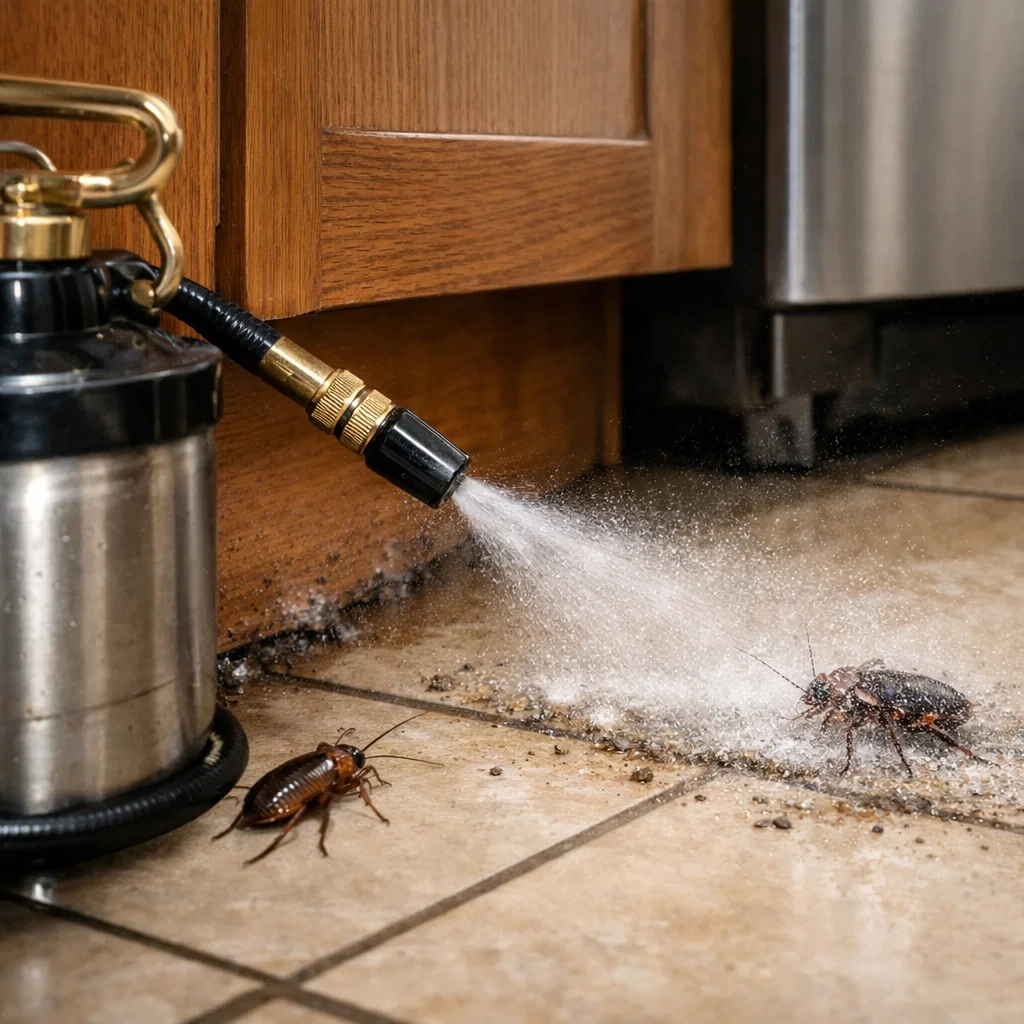
    When pests invade your home or business, finding the right method to control and eliminate them can be tricky. While there are various methods available, many people turn to pest control traps as an effective solution. Whether it’s for mice, roaches, ants, or other pests, using the right trap for the job can make a huge difference in how quickly you can resolve the infestation. In this guide, we’ll walk you through everything you need to know about pest control traps, from diagnosing the problem to troubleshooting common issues.

    Step 1: Diagnosing Your Pest Problem

    The first step in choosing the right pest control trap is identifying which pest you’re dealing with. Understanding your pest’s habits, habitat preferences, and behavior is key to selecting the most effective trap. Let’s break down a few common pests and how you can identify them:

    • Roaches: Look for dark-colored droppings or smear marks on surfaces. Roaches tend to hide in dark, moist areas like under sinks, inside cabinets, or behind appliances.
    • Mice: Mice are known for leaving droppings near baseboards, along walls, and inside cupboards. They may also chew through wires, insulation, and wooden structures.
    • Ants: If you see a trail of ants marching in a line, they are likely foraging for food. Follow their trail to find their nest, which may be located outdoors or in hidden spaces inside your home.
    • Rats: Rats often leave large droppings, gnaw marks, and trails along walls or edges. You might also hear scurrying or scratching noises at night.

    Using visual clues, such as droppings, chew marks, or nests, helps to narrow down which pest you’re dealing with and determine the best type of trap.

    Step 2: Choosing the Right Trap for the Pest

    Not all traps are created equal. Different pests have different preferences, and the trap that works best for one pest may not work for another. Let’s explore the most common types of pest control traps and how they work for specific pests:

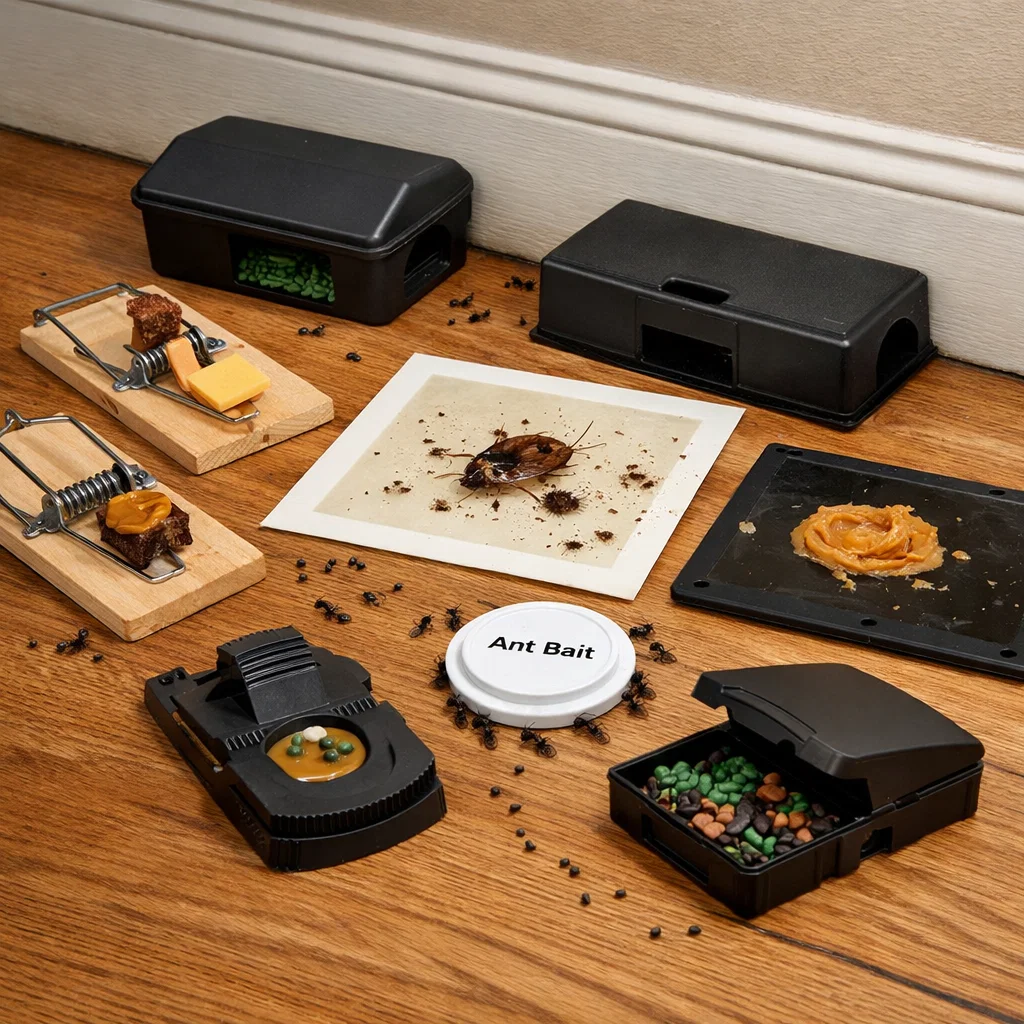
    Snap Traps

    Snap traps are one of the most common traps used for rodents, especially mice. These traps work by using a spring-loaded mechanism to quickly snap shut when triggered, killing the pest instantly. They are effective for mice because they are quick and easy to set up.

    Glue Boards

    Glue boards are often used for smaller pests, such as ants, roaches, or mice. These boards are coated with a sticky substance that traps pests when they step onto it. However, they can be a bit controversial because they don’t kill pests immediately and may cause unnecessary suffering.

    Bait Stations

    Bait stations are commonly used for both mice and rats. These traps use a food source that attracts the pests, and when they eat the bait, they either get trapped inside or consume a slow-acting poison. The latter option should be used with caution, especially in homes with children or pets, as the poison could be harmful if ingested.

    Comparison Matrix: Pros and Cons of Different Pest Control Traps

    Here’s a quick comparison of the most commonly used pest control traps, including their effectiveness, ease of use, and the “ick factor”:

    Trap Type Effectiveness Effort Level “Ick” Factor Pros Cons
    Snap Traps High (for mice and rats) Low (easy to set) High (blood and kill involved) Instant kill, effective for rodents, easy setup Requires proper placement, can be messy
    Glue Boards Moderate (works for small pests like ants and roaches) Low (easy to place) Moderate (pest is stuck, but alive) Cheap, non-toxic, easy to use Slow death, pests may suffer
    Bait Stations High (effective for larger rodents, but may take time) Moderate (requires monitoring and refilling) Low (no direct contact with pests) Effective for large rodents, simple to set Slow-acting poison, can be dangerous for pets or children

    Pro Tips for Using Pest Control Traps

    Now that you’ve decided on the right trap, it’s important to optimize its effectiveness. Here are some high-value pro tips:

    1. Optimal Bait Choices

    The bait you choose is critical in attracting pests. Here are some bait suggestions based on the type of pest:

    • Mice and Rats: Peanut butter, chocolate, seeds, or dried fruit.
    • Cockroaches: A mixture of sugar and peanut butter, or store-bought bait made for cockroaches.
    • Ants: Sugar water, honey, or peanut butter work well for attracting ants.

    2. Placement Logic

    The placement of your traps plays a huge role in their success. For mice and rats, place traps along baseboards and near where you’ve seen droppings or gnaw marks. Cockroaches, on the other hand, prefer dark, hidden corners. For ants, place traps near their entry points.

    3. Scent Masking

    Pests can be scared off by human scents. To avoid this, wear gloves when setting up traps and avoid touching the bait directly. Additionally, consider using a scent mask (like essential oils) to make the area less human-scented.

    4. Monitor and Refill

    For bait stations, make sure to monitor the traps regularly and refill them as necessary. Bait that is exposed for too long can become stale and ineffective.

    5. Trap Placement for Best Results

    For snap traps, place them perpendicular to the walls, with the trigger facing the wall. Mice tend to follow walls, so this placement increases the likelihood of them triggering the trap.

    Safety and Ethics: Child and Pet Safety

    While traps are essential for pest control, safety is paramount, especially if you have children or pets in your home. Ensure that traps are placed in areas that are not accessible to children or animals. Tamper-resistant traps are available for safety, and many professional pest control companies offer child and pet-safe options.

    If you’re concerned about using traditional traps, consider using humane alternatives like catch-and-release traps, which allow you to safely release the captured pests far from your home. These traps work best for smaller pests like mice and rats, though they require regular checking and releasing the pests within a reasonable time frame.

    Troubleshooting Common Trap Issues

    Sometimes traps don’t work as expected. Here are some troubleshooting tips:

    • Traps Not Firing: If snap traps are not firing, check to ensure the spring mechanism is set properly. Clean the trap from any debris that may prevent it from functioning.
    • Bait Is Taken Without Triggering: Make sure the bait is securely attached to the trap and that it’s fresh. Mice or rats may ignore old or stale bait.
    • Traps Not Catching Anything: If you’re not catching pests, try adjusting the trap placement. Mice, for example, tend to follow walls, so ensure the trap is placed along their typical path.

    When to Seek Professional Pest Control Help

    Traps are great for smaller, manageable pest problems. However, if the infestation is widespread or if your traps are not catching anything, it’s time to call in the professionals. Professional pest control services can identify the source of the infestation and offer more effective solutions that are tailored to the size and complexity of the problem.

    Conclusion

    Using the right pest control traps can effectively address many common pest problems. By understanding which traps are best suited for your specific situation, optimizing trap placement and bait, and being mindful of safety, you can handle pest infestations effectively. However, when DIY solutions don’t cut it, don’t hesitate to call in a professional pest control service to ensure your home or business is pest-free for the long term.
  • Pest Killer for Pest Control: Identifying and Eliminating Pests

    Pest Killer for Pest Control: Identifying and Eliminating Pests

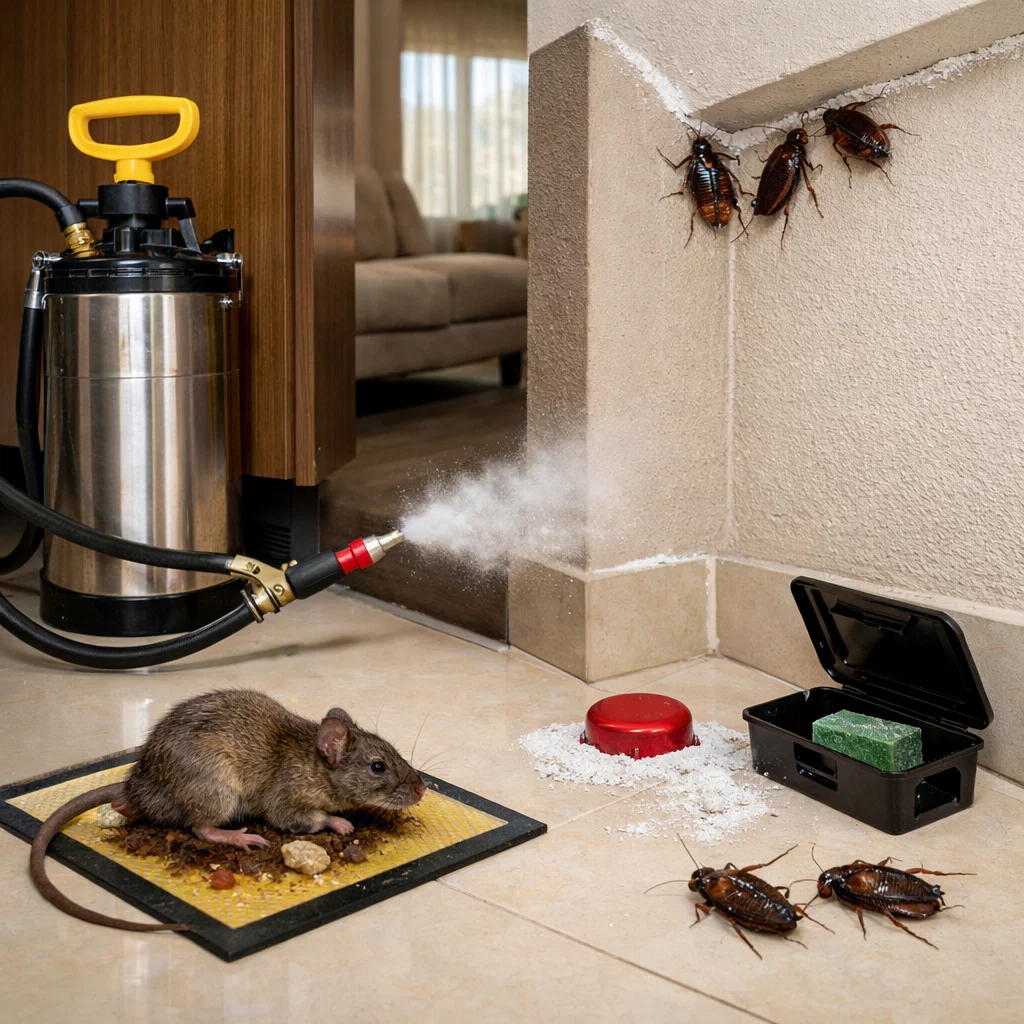
    When dealing with a pest problem, the first step is always identification. Understanding exactly which pest you are facing is crucial in choosing the right solution, whether it’s a pest killer for pest control or an eco-friendly alternative. A common issue many people face is the overwhelming range of options available, from instant kill sprays to baiting systems that take a little longer but are more targeted. Choosing the right method will depend on the type of pest, the level of infestation, and your specific goals. In this guide, we’ll walk through various types of pests, the best ways to eliminate them, and the safest methods for doing so.

    Bug ID: Identify Your Pests

    Identifying the pest correctly is essential before you reach for any pest control method. Different bugs require different treatment strategies. Below is a guide to some of the most common pests you might encounter and how to identify them.

    Carpenter Ants

    Carpenter ants are large black ants that often invade wooden structures, leaving piles of sawdust behind as they create nests. They do not eat wood but tunnel through it to build their nests.

    What you’ll see:

    • Large black or reddish ants (up to ½ inch long)
    • Wood shavings or sawdust near baseboards, door frames, and window sills
    • Exposed nests inside wood, especially damp or decaying wood

    Pest Killer Recommendation: For carpenter ants, use baiting systems or residual sprays that target the nests deep within the wood.

    Grease Ants

    Grease ants are tiny, light-colored ants that often invade kitchens in search of food, particularly greasy or fatty substances.

    What you’ll see:

    • Small, light brown ants (⅛ inch long)
    • Trails leading to kitchen sinks, counters, and food waste areas
    • Activity peaking in the warmer months

    Pest Killer Recommendation: Instant kill sprays or baiting traps that contain fats or proteins work best for grease ants.

    Other Common Pests

    • Termites: Often seen in the spring, termites are destructive pests that cause significant damage to wooden structures. Look for mud tubes and hollowed-out wood.
    • Cockroaches: Look for them hiding in dark, moist areas like kitchens and bathrooms. Their egg cases are often brown or black.
    • Rodents: Mice and rats leave droppings, urine marks, and chewed wires or insulation. They are active at night.

    Understanding the Causes of Infestation

    Before you decide on a pest killer, it’s important to understand why pests are coming into your home in the first place. Addressing the root cause can make your efforts more effective and reduce the likelihood of future infestations.

    Moisture

    Pests like carpenter ants, termites, and cockroaches are drawn to areas with high moisture levels. Leaky pipes, damp attics, or poor drainage systems create ideal environments for these pests to thrive.

    How to fix it: Repair leaks immediately and ensure proper ventilation and drainage around your home.

    Entry Points

    Small cracks and gaps around doors, windows, pipes, and walls are entry points for many pests. A small gap can be an open invitation for ants, rodents, and cockroaches to invade.

    How to fix it: Seal cracks and gaps with caulk or foam sealant. Make sure that screens on windows and vents are intact.

    Food Sources

    Food left out in the open or improperly stored is a primary attraction for pests. Grease ants, cockroaches, and rodents are particularly drawn to food waste and crumbs.

    How to fix it: Clean up crumbs immediately, store food in airtight containers, and dispose of waste regularly. Make sure that trash bins are tightly sealed and emptied often.

    Types of Pest Killers: Which One is Right for You?

    Once you’ve identified your pest and understood the root cause, the next step is selecting the right pest killer. Pest killers can be categorized by their “warfare type,” each of which works best for different situations.

    Instant Kill: The Fast Solution

    Instant kill sprays are ideal for immediate results. These products kill pests on contact and are often used for visible infestations. However, they are not as effective for nests or long-term prevention.

    Best For: Cockroaches, ants, mosquitoes, and flies

    Example Products: Aerosol sprays, electric zappers, and foggers

    Price Range: Around AED 20–AED 80 depending on the product size

    Residual Kill: Long-Term Barriers

    Residual products create a protective barrier that continues to kill pests long after application. These are ideal for preventing reinfestations or controlling hidden pest populations, such as termites or carpenter ants.

    Best For: Termites, carpenter ants, cockroaches

    Example Products: Residual sprays, gels, and dusts

    Price Range: AED 50–AED 150 depending on area treated

    Baiting: The Long Game

    Baiting systems work by attracting pests to a poison-laced bait that they carry back to their nest. Baiting is effective for pests that are not immediately visible, like ants and termites.

    Best For: Ants, termites, rodents

    Example Products: Bait stations, gel baits, and termite baits

    Price Range: AED 50–AED 200 depending on pest type and area size

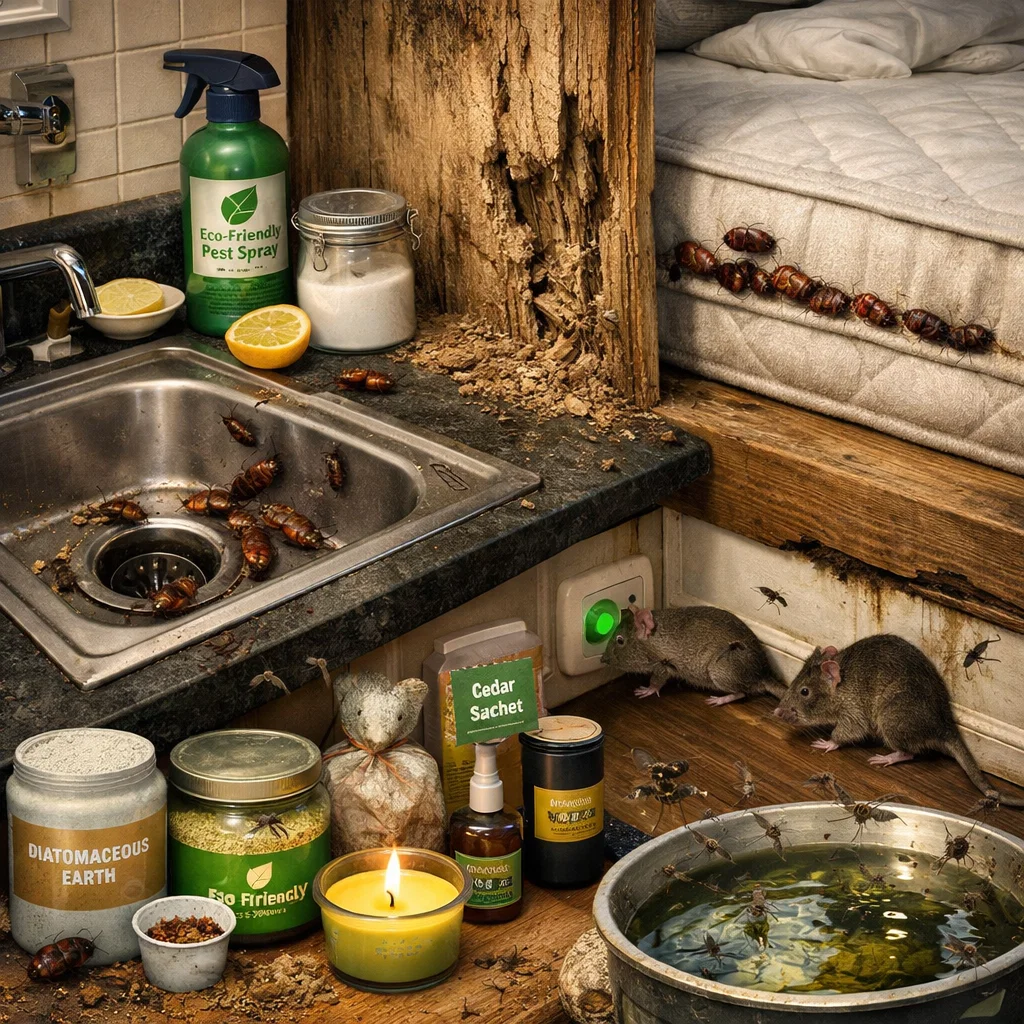
    Natural/Eco-Friendly Options

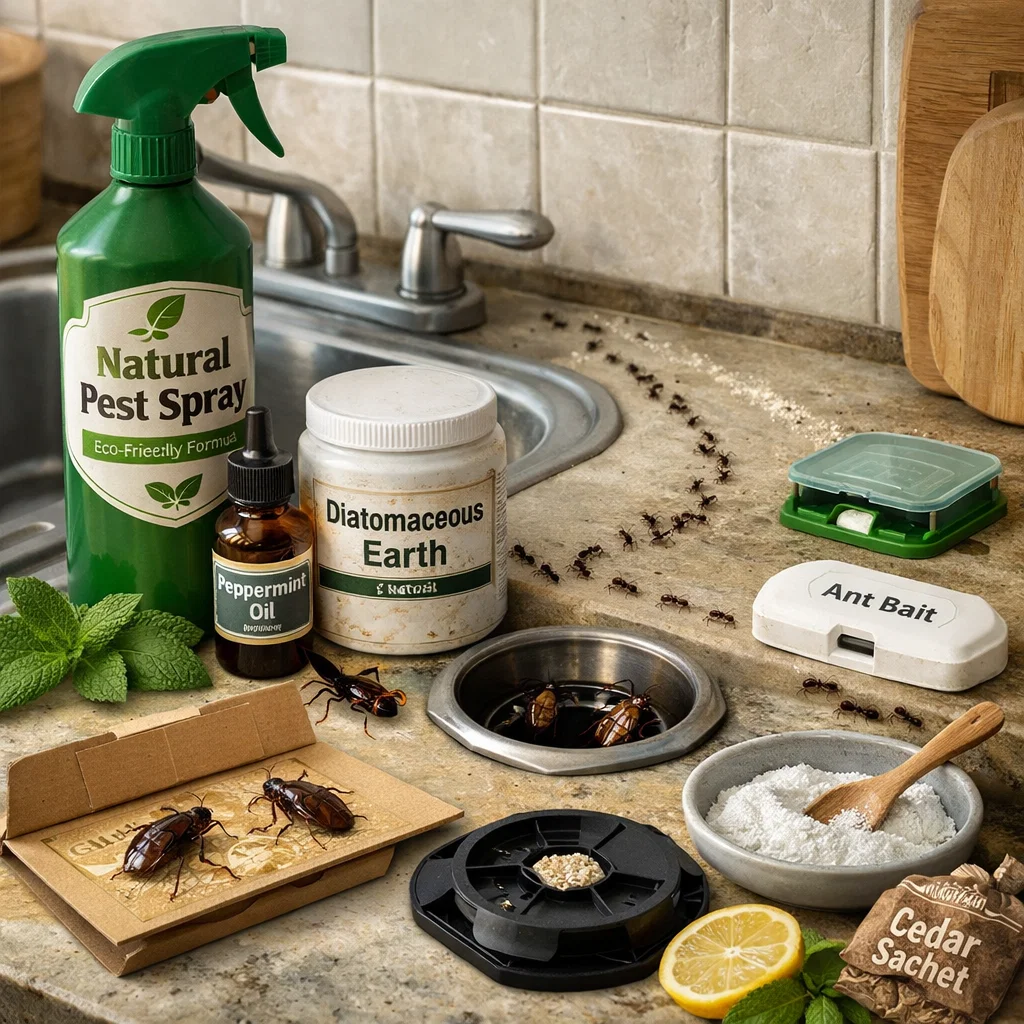
    Eco-friendly pest killers are non-toxic and use natural ingredients to deter or kill pests. These products are often preferred in homes with children, pets, or sensitive individuals.

    Best For: Ants, flies, mosquitoes, general pest control

    Example Products: Essential oil-based sprays, diatomaceous earth, organic baits

    Price Range: AED 30–AED 100 depending on product type

    Pro Tips: Integrated Pest Management (IPM)

    Integrated Pest Management (IPM) is a holistic approach that combines prevention, monitoring, and minimal chemical usage. It’s ideal for sustainable and effective pest control.

    IPM Tips:

    • Use traps and baits to monitor pest activity
    • Seal entry points to prevent pests from entering
    • Remove food and moisture sources
    • Rotate chemicals to avoid resistance
    • Maintain regular cleaning schedules and inspections

    IPM helps reduce the need for pesticides and minimizes environmental impact.

    Common DIY Mistakes to Avoid

    DIY pest control is popular, but it can often backfire. Some common mistakes include:

    • Spraying ants: Spraying ant trails without targeting the colony can cause “budding,” where the colony splits into multiple groups.
    • Overusing pesticides: Using too much pesticide can harm the environment and make pests resistant.
    • Incorrect treatment: Using the wrong pest killer for the wrong pest can make the problem worse.

    It’s important to understand that DIY methods are often only effective for minor, localized problems. For large infestations, or to prevent future issues, professional pest control is the safer and more effective choice.

    Safety Considerations

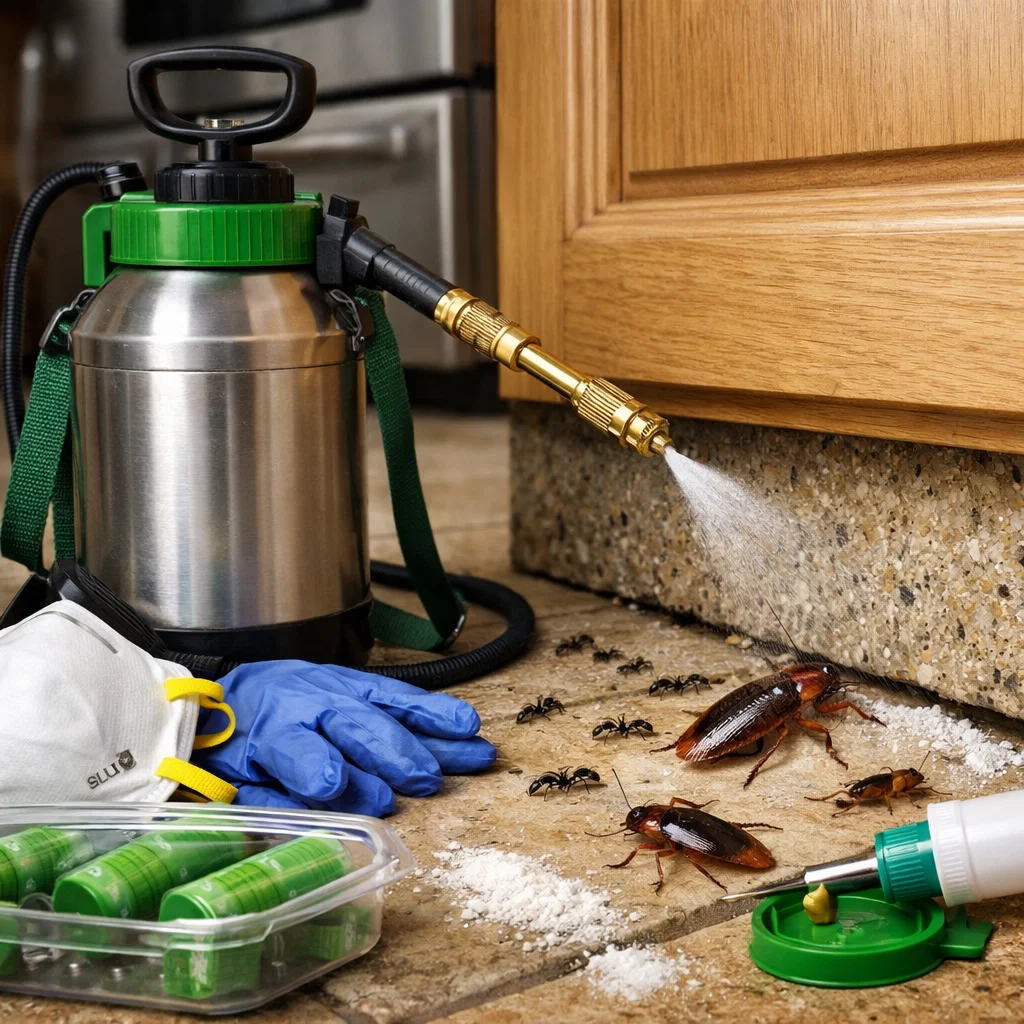
    When using pest killers, safety is paramount. Always ensure that you follow the instructions on the label, use the appropriate Personal Protective Equipment (PPE), and be aware of the risks associated with different treatments.

    Common Safety Tips:

    • Wear gloves, masks, and goggles when applying pesticides
    • Ensure pets and children are kept away from treated areas
    • Follow re-entry times to avoid exposure
    • Use outdoor chemicals only outdoors

    Improper application of chemicals, especially indoor chemicals used outdoors, can be dangerous and cause long-term health effects.

    Price Comparison Table: Choosing the Right Pest Killer

    Product Type Price Range Effectiveness Ease of Use
    Instant Kill (Sprays) AED 20–AED 80 Fast results, immediate impact Easy to use, but not long-lasting
    Residual (Barriers) AED 50–AED 150 Long-term prevention Moderate ease of use, requires more time
    Baiting (Long Game) AED 50–AED 200 Targeted control, slower effect Simple setup, but requires patience
    Natural/Eco-Friendly AED 30–AED 100 Eco-safe, mild effect Easy to apply, requires frequent use

    TL;DR (Too Long; Didn’t Read)

    • Identify your pest correctly to choose the best pest killer
    • Choose the appropriate pest killer based on infestation level and long-term goals
    • Instant kill sprays work quickly but are short-term solutions
    • Residual products are great for preventing future infestations
    • Natural and eco-friendly options are safe for families but may require more frequent reapplication

    Professional pest control should be considered when DIY efforts are ineffective, or when health and property are at risk. Using a combination of prevention and the right pest killers is the key to a pest-free environment.

  • Pest Control Contract for Long-Term Property Protection

    Pest Control Contract for Long-Term Property Protection

    When you’re looking for a solution to your pest control needs, whether for your home or business, signing a pest control contract often provides a structured and reliable approach. A contract ensures regular, professional monitoring, prevention, and treatment, all aimed at preventing infestations and protecting the property. However, pest control contracts come with their own set of terms, pricing structures, and legal clauses that you should fully understand before committing. In this article, we will dive deep into the key components of a pest control contract, including pricing, service frequency, exclusions, and more.

    Key Components of a Pest Control Contract

    A pest control contract usually involves several key elements that define the scope of service, frequency of visits, and the terms under which the service provider operates. Let’s break down the essential components of a typical contract:

    1. Frequency of Visits: Scheduled vs. Emergency

    One of the most important components of any pest control contract is the frequency of visits. Pest control companies generally offer two types of visit schedules:

    • Scheduled Visits: These are regular visits that occur at pre-agreed intervals (e.g., monthly, quarterly, or annually). Scheduled visits are ideal for both residential and commercial properties that are prone to regular pest activity.
    • Emergency Visits: Emergency visits are typically scheduled in response to a sudden pest infestation. These are not part of a regular maintenance schedule and are often more expensive due to the urgency of the situation.

    When entering into a pest control contract, make sure to clarify the service frequency. Scheduled visits help prevent pest issues before they escalate, while emergency visits, though useful, are reactive and may lead to higher costs if frequent.

    2. Re-treatment Guarantees

    Another important clause in most pest control contracts is the re-treatment guarantee. This clause ensures that if pests reappear within a specific time frame after treatment, the pest control company will return to re-treat the property at no additional cost. For example, if cockroaches or rodents resurface within 30 days, a reputable company will send technicians back to address the issue, without charging extra.

    It’s important to fully understand the terms of the guarantee, such as how long it lasts and any specific conditions under which it applies. A clear re-treatment guarantee demonstrates the pest control company’s commitment to effectiveness and customer satisfaction.

    3. Target Species Exclusions (e.g., Termites, Wildlife)

    Most pest control contracts will specify which pests are included in the coverage, and importantly, which are excluded. For instance, some contracts may exclude specific species like termites, bed bugs, or wildlife (e.g., raccoons, squirrels) due to the specialized treatment required for those pests.

    Be sure to ask about exclusions in your contract. If your property is vulnerable to certain types of pests (like termites in older buildings), you might need to consider a specialized contract or add an addendum that covers those pests specifically. Termite protection, for example, often requires specific treatments, such as soil treatment or wood treatment, which may not be covered under a standard contract.

    Important Clauses in a Pest Control Contract

    Beyond the service details, there are several important clauses in pest control contracts that protect both the provider and the customer. Understanding these clauses is essential for avoiding unexpected costs or legal issues.

    1. Price Escalation Clauses

    Price escalation clauses are one of the most contentious areas in pest control contracts. This clause specifies how and when the price of services can increase during the term of the contract.

    Some companies might include a clause that allows them to increase prices annually based on inflation or the cost of materials. While price increases are not unusual, it’s important to understand the limits of this clause. Does the price increase happen after a certain period, such as the second year of a contract? How much of an increase is allowed?

    To avoid surprise increases, ensure that the escalation clause is as specific as possible. Some pest control companies offer fixed-price contracts, which means your price will not change for the duration of the contract.

    2. Cancellation Clauses (with Notice Periods)

    Life happens, and sometimes you might need to cancel your pest control service. A cancellation clause in your contract outlines the terms under which you can terminate the agreement.

    Key factors to consider:

    • Notice Period: Most contracts require a certain notice period before you can cancel. This is typically 30 days but may vary. Be sure you understand how much time you need to give notice if you want to cancel the service.
    • Early Termination Fees: Some contracts may charge a fee for early termination, especially if you are canceling before the end of the agreed-upon term. Be sure to inquire if these fees apply.
    • Reason for Cancellation: Understand the conditions under which you can cancel the contract. For example, if the service is unsatisfactory or pests return after re-treatment, you may be able to cancel without penalty.

    3. Liability Limits (Who Covers Damages?)

    The liability clause in a pest control contract outlines who is responsible for any damage that might occur during treatment. For example, if pest control agents damage your walls or furniture while setting traps or applying treatments, who is responsible for fixing the damage?

    Make sure this clause clearly defines whether the pest control company is liable for damage to property, or if you, as the property owner, are responsible for any repairs. Most reputable companies will cover damages caused during the course of the treatment, but it’s always a good idea to clarify this upfront.

    Residential vs. Commercial Pest Control Contracts

    Pest control contracts for residential properties are often more straightforward than those for commercial properties. However, there are key differences that property managers and business owners should consider when signing a commercial contract.

    Residential Contracts

    Residential contracts are generally simple, covering routine visits, pest control treatments, and re-treatment guarantees. They are perfect for homeowners looking for ongoing pest prevention and control. These contracts typically offer annual coverage, with the option for extra visits in case of emergencies.

    Commercial Contracts

    Commercial contracts, however, often require more detailed specifications due to the complexity of the property and the types of pests that may be present. Businesses must maintain a pest-free environment to meet regulatory compliance and ensure health and safety standards. This means the contract might include:

    • Inspection logs and reports: Required for legal compliance and health inspections.
    • Increased frequency of visits: Due to higher pest activity in restaurants, warehouses, or offices.
    • Emergency response times: Often shorter than residential contracts to minimize business disruption.
    • Documented pest control practices: Required by health authorities or food safety regulations.

    For property managers, having a well-documented pest control contract ensures that the business is compliant and avoids health violations or tenant complaints. Regular inspections and reports are vital for keeping properties pest-free and meeting local regulations.

    The Total Cost of Ownership (TCO) in Pest Control Contracts

    When deciding whether to opt for a one-time service or a long-term pest control contract, it’s important to consider the Total Cost of Ownership (TCO). While one-time services may seem cheaper initially, a contract offers better long-term value.

    The TCO for a pest control contract includes:

    • Annual fees: A regular fee for ongoing pest management, often at a discounted rate compared to emergency services.
    • Service frequency: Scheduled visits, which can help prevent pest issues before they escalate, reducing the overall cost of emergency services.
    • Re-treatment guarantees: Most contracts offer free re-treatment if pests return within a specified period, saving you money on additional treatments.

    In the long run, a pest control contract offers a lower TCO than emergency treatments, which are often priced higher due to the urgency of the service and the need for immediate results. A contract helps prevent infestations before they grow into costly problems, making it a more cost-effective solution in the long term.

    Additional Value: Downloadable Resources and Interactive Tools

    Before signing a pest control contract, it’s always a good idea to review the terms carefully. First Station Pest Control offers a range of downloadable resources to help you better understand the contract and its terms:

    • Contract review worksheet: A handy tool to ensure all key clauses are included and clearly defined.
    • Exit strategy guide: A document that helps you understand how to end the contract if needed.
    • Interactive FAQ: A section covering the most common questions about safety concerns, pet safety, and other contractual details.

    By using these resources, you can make an informed decision and ensure you are fully aware of what the contract entails.

    Real-World Scenarios: How Specific Clauses Have Saved Customers Money

    In some cases, specific clauses in a pest control contract have helped customers avoid unnecessary expenses. For example:

    • Re-treatment guarantee: One customer had a recurring cockroach problem in their apartment. Thanks to the re-treatment guarantee clause, they received a free follow-up treatment within 30 days, saving them hundreds of dirhams.
    • Cancellation clause: A commercial client had to close their business temporarily due to renovations. The contract allowed them to cancel the service with proper notice, saving them from paying for services they couldn’t use.

    Conclusion

    In conclusion, a well-structured pest control contract provides ongoing protection, prevents pest issues from escalating, and offers better value over time compared to emergency services. Whether you’re a homeowner or business owner in Sharjah, understanding the key components of the contract, including service frequency, price escalation, cancellation clauses, and guarantees, will help you make the best decision for long-term pest control. Don’t forget to review the pricing carefully and consult with a licensed provider to ensure your contract provides the most value and protection.

  • Expert Pest Control in Dubai for Homes and Businesses

    Expert Pest Control in Dubai for Homes and Businesses

    When searching for expert pest control dubai services, it’s essential to understand the unique environmental factors that contribute to pest problems in the region. Dubai’s extreme heat, rapid urbanization, and status as a global transit hub create ideal conditions for various pest infestations. This article explains why these factors make professional pest control vital, how Dubai Municipality approval ensures safety, and why expert intervention is essential for serious infestations. It also covers key considerations such as safety protocols for families and pets, timelines for treatment, and the importance of using organic or low-toxicity treatments.

    Why pest control is a priority in Dubai

    Dubai’s warm climate and ongoing urban expansion significantly contribute to pest problems. High heat levels push pests indoors in search of cooler, more hospitable environments. Rapid urban development disturbs natural habitats, driving pests into buildings where they thrive undetected. The city’s status as a major international transit hub also makes it a hotspot for bed bug infestations, as travelers unknowingly carry pests between regions.

    The following environmental factors in Dubai make pest control even more critical:

    • Extreme heat: High temperatures force pests such as cockroaches and rodents into buildings in search of cooler spaces.
    • Urbanization: Construction and rapid development disrupt natural habitats, driving pests into newly built residential and commercial areas.
    • International travel: Dubai’s role as a global transit hub increases the likelihood of bed bug infestations, as travelers unknowingly spread them.

    As a result, pest issues in Dubai can escalate quickly and require professional expertise to resolve effectively.

    The importance of Dubai Municipality approval

    In Dubai, pest control services must adhere to strict regulations, with the Dubai Municipality setting standards for approved pest control chemicals and treatments. Choosing a provider that uses municipality-approved chemicals is vital for safety, effectiveness, and legal compliance. Unapproved or unsafe treatments can cause harm to residents, pets, and the environment.

    Dubai Municipality-approved pest control chemicals are:

    • Safe for children, pets, and food preparation areas when applied correctly
    • Approved for use in residential, commercial, and public spaces
    • Regulated to ensure effective pest control without long-term environmental harm

    Using municipality-approved services ensures that the treatment methods follow safety guidelines, reducing the risk of harmful side effects.

    Hidden pests: termites and bed bugs

    While many people think of visible pests like cockroaches or ants when considering pest control, there are other hidden threats in Dubai that require professional expertise. Termites and bed bugs are two such pests that often go unnoticed until significant damage has been done.

    Termites

    Termites are particularly concerning in Dubai because they can cause extensive structural damage to wood and buildings without being seen. They often infest walls, floors, and ceilings, feeding on the wood inside the structure. This type of damage is often only discovered when it’s too late. Professional termite inspections are necessary to identify signs of infestation early and apply effective treatment, such as fumigation or baiting.

    Termite treatment typically starts from AED 300 for a 1-bedroom apartment, with larger units and commercial spaces requiring additional assessment and higher costs due to the size and complexity of treatment.

    Bed Bugs

    Dubai’s status as a global transit hub makes it a hotspot for bed bug infestations. Bed bugs are notorious for hitching rides in luggage and moving between hotels, airports, and other public spaces. These pests are particularly challenging to eradicate because they hide in cracks and crevices in furniture, walls, and floors, requiring targeted treatment that only professional pest control can provide.

    Bed bug treatments generally start at AED 119 for smaller units, but prices vary depending on the infestation level and unit size.

    DIY vs. Professional Pest Control

    While DIY pest control methods may seem like a quick fix, they are often ineffective for serious infestations. Many people attempt to handle pest problems with off-the-shelf sprays, traps, or home remedies, but these solutions usually only address surface-level issues. Without addressing the root cause of the infestation, pests will likely return.

    Professional pest control services provide:

    • Targeted treatments: Professional technicians know the right chemicals and techniques to address the specific type of pest.
    • Long-term solutions: Experts don’t just eliminate pests—they identify breeding grounds and prevent future infestations.
    • Effective pest eradication: Professionals have access to more potent, effective treatments that aren’t available to the general public.

    While DIY methods might seem less expensive, they can lead to higher costs in the long run due to recurring infestations or damage that worsens over time.

    Safety considerations: using organic and low-toxicity treatments

    Safety is one of the primary concerns for residents when hiring a pest control service. Families, children, and pets need to be protected from harmful chemicals. Fortunately, many pest control providers in Dubai now offer organic or low-toxicity treatments that are just as effective as traditional chemicals but safer for the environment and living spaces.

    These treatments are:

    • Non-toxic and safe for children and pets
    • Biodegradable and environmentally friendly
    • Highly effective in controlling pests without causing harm to non-target organisms

    By choosing eco-friendly options, you can reduce the health risks while maintaining effective pest control. Always ask your provider about the safety protocols they follow and whether organic treatments are available.

    Trust signals: warranties, guarantees, and money-back options

    When hiring a pest control provider, trust is crucial. The service should offer clear guarantees, such as warranties or money-back policies, to ensure peace of mind that the job will be done correctly. Reputable companies will stand behind their work and offer solutions if pests reappear after treatment.

    Key trust signals include:

    • Warranties and guarantees: Look for companies that offer warranties, ensuring pests will not return within a certain period.
    • Transparent service: The provider should explain their methods and products and offer honest pricing.
    • Customer reviews: Positive reviews and testimonials from previous clients indicate the provider’s reliability and effectiveness.

    Reputable companies should also be licensed and registered with local authorities, offering peace of mind regarding the safety and legitimacy of their treatments.

    When to call an expert pest control provider

    While minor pest issues can sometimes be handled with DIY methods, expert intervention is necessary when the infestation is larger, when pests are spreading to multiple areas, or when health risks are present.

    Here are key signs that it’s time to call an expert:

    • Pests are active during the day or in multiple areas
    • You notice droppings, nests, or gnaw marks in walls, ceilings, or storage areas
    • Health issues like bites, rashes, or allergic reactions occur
    • DIY treatments have not worked, or the problem keeps returning
    • You can’t identify the type of pest or where it’s coming from

    Pre-treatment checklist for pest control in Dubai

    Before professional pest control arrives, there are a few steps you can take to ensure the process goes smoothly:

    • Clear the areas where pests are most active (kitchens, bathrooms, etc.)
    • Remove food, dishes, and pets from treated areas
    • Seal any cracks or gaps in doors and windows to prevent re-entry
    • Ensure all trash and waste is removed from the property
    • Provide access to hard-to-reach areas like basements, attics, or crawl spaces

    Pricing and costs for pest control in Dubai

    Pricing for pest control services in Dubai varies depending on several factors:

    • Type of pest: Some pests, like termites, require more intensive treatments and will cost more.
    • Size of the property: Larger homes or commercial properties will typically require more resources, affecting the price.
    • Severity of the infestation: If the infestation has spread extensively, it will require more time and effort to eliminate.
    • Frequency of visits: Ongoing treatments or maintenance plans may be priced differently from one-time treatments.

    For example:

    • Studio apartment: AED 119 for basic pest control treatment
    • 1-bedroom apartment: AED 139
    • 2-bedroom apartment: AED 179
    • 3-bedroom apartment: AED 211
    • 4-bedroom apartment: AED 238
    • 5-bedroom apartment: AED 287

    Commercial properties are generally priced by area:

    • Up to 50 sqm (500 sqft): AED 120
    • Up to 100 sqm (1,000 sqft): AED 180
    • Up to 150 sqm (1,600 sqft): AED 230
    • Up to 200 sqm (2,200 sqft): AED 275

    For specialized treatments like termites or mold, the cost is usually assessed after a professional inspection to ensure the treatment is tailored to your specific needs. No work is started until you are informed of the final price and approve the treatment plan.

    Conclusion

    Expert pest control in Dubai is essential for handling infestations effectively and safely. Whether you’re dealing with visible pests, health risks, or structural damage, professional treatment from a licensed, reputable provider ensures that pests are eradicated and that your home or business stays safe and hygienic. For long-term pest prevention, it’s always better to call an expert rather than rely on DIY methods, especially in a city with the unique environmental factors that Dubai presents.

  • Pest Control Powder Explained for Effective Insect Control

    Pest Control Powder Explained for Effective Insect Control

    When pests invade your home or business, many people turn to pest control powders as a method of control. These powders are a popular and effective way to tackle insect infestations, and they work by desiccating pests—essentially drying them out. Common types of pest control powders include Diatomaceous Earth (DE), Silica Gel, Boric Acid, Pyrethrin Dust, and Delta Dust, each with its own specific benefits, application methods, and safety considerations. In this article, we’ll explore how these powders work, the different types available, the best ways to apply them, and when it’s time to transition from DIY methods to professional pest control.

    How Pest Control Powders Work

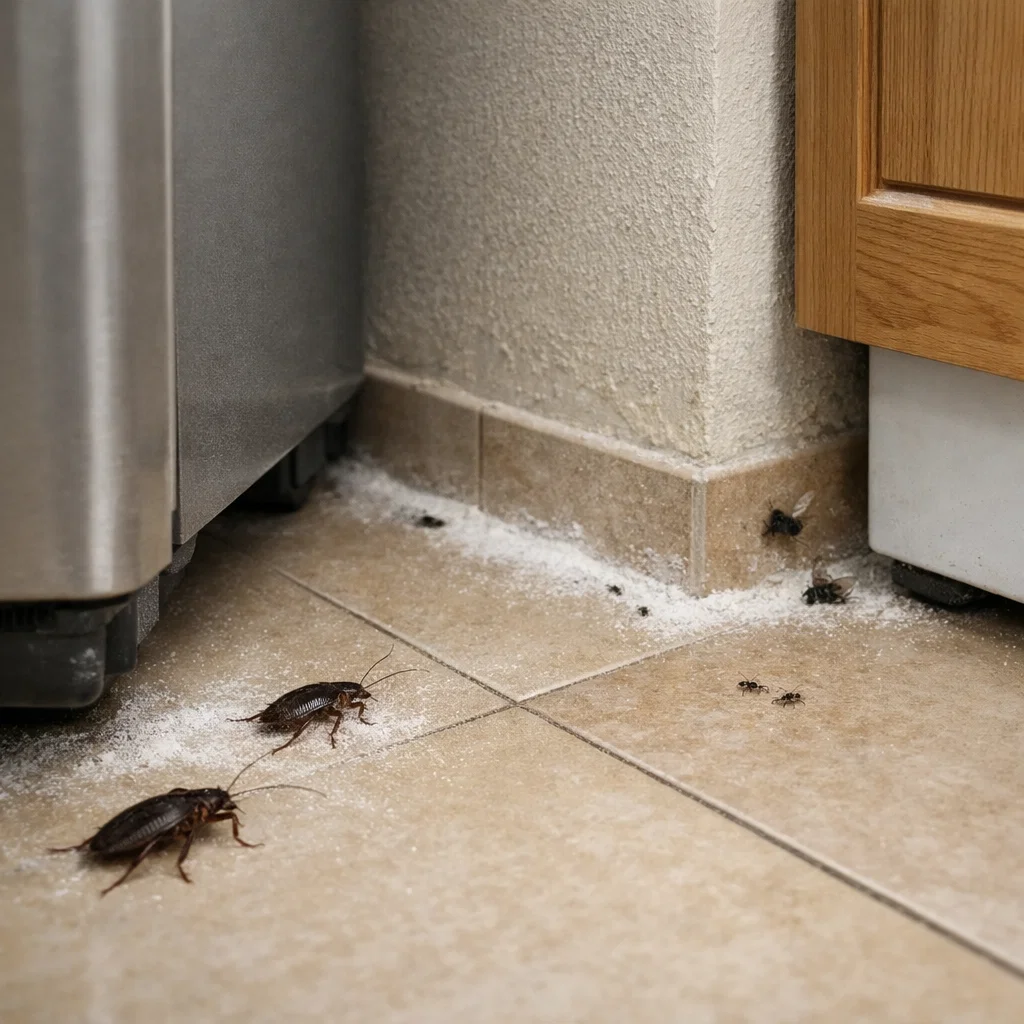
    Pest control powders are primarily designed to target the exoskeletons of insects. Many of these powders work by causing desiccation, which is the process of drying out the insect’s outer layer and ultimately causing it to dehydrate and die. This process is slow, so the powder acts as a residual treatment, providing ongoing protection against pests for days or even weeks after application.

    The key ingredients in many pest control powders are substances like Diatomaceous Earth (DE) and Silica Gel. These substances are made up of fine, powdery particles that can penetrate the exoskeletons of insects, causing tiny abrasions and making them lose moisture. As the insect continues to move around, the powder continues to work, leading to dehydration and death over time. This slow action is often more effective than fast-acting poisons, especially for pests that are hard to reach or hide in hard-to-access places.

    Common Types of Pest Control Powders

    There are various types of pest control powders available, each with its unique properties and safety profiles. Here’s a breakdown of some of the most commonly used pest control powders:

    Diatomaceous Earth (DE)

    Diatomaceous Earth is a naturally occurring powder made from the fossilized remains of diatoms (microscopic algae). It is one of the most popular and eco-friendly pest control powders due to its low toxicity and effectiveness against a wide range of pests, including ants, cockroaches, bedbugs, fleas, and even some types of mites.

    How it works: DE acts by physically damaging the exoskeleton of insects. It does not poison them but instead causes the insects to lose moisture from their body, ultimately leading to death from dehydration.

    Safety: Diatomaceous Earth is generally considered safe for pets and children. However, it can cause respiratory irritation if inhaled, so it’s essential to apply it carefully and avoid creating dust clouds. For the safety of your pets and children, it’s recommended to apply DE in places where they are less likely to come into contact with it.

    Boric Acid

    Boric Acid is another common pest control powder that targets the digestive systems of insects. It is effective against cockroaches, ants, termites, and other crawling insects.

    How it works: Boric Acid works by disrupting the digestive system of insects. When they ingest it, it affects their metabolism and causes them to die. It can also damage the exoskeleton, contributing to dehydration.

    Safety: Boric Acid is considered to have low toxicity. It is safe for use around pets and children, but it is still important to apply it in areas where pets and children cannot access it easily. If ingested in large quantities, Boric Acid can be harmful, so always apply it cautiously.

    Pyrethrin Dust

    Pyrethrin Dust is made from the crushed flowers of the pyrethrum daisy. It is an effective insecticide that targets a broad range of pests, including fleas, mosquitoes, ants, and cockroaches. Pyrethrin is widely used because it works quickly to kill pests.

    How it works: Pyrethrin works by disrupting the nervous system of insects. It paralyzes them and leads to death within a short period of time.

    Safety: While Pyrethrin is highly effective, it does require caution during application. It is toxic to both insects and humans in large doses, and it can also be toxic to pets if they ingest it. Always apply it carefully, avoid breathing it in, and make sure it doesn’t come into contact with food or water sources.

    Delta Dust

    Delta Dust is a type of dust insecticide that is most effective in outdoor environments or areas that are difficult to reach. It’s commonly used for pests like termites and ants.

    How it works: Delta Dust works similarly to other insecticidal powders by desiccating the exoskeleton of insects. It is slow-acting but very effective when applied correctly.

    Safety: Delta Dust is designed primarily for outdoor use and should be applied with care, especially in areas that pets or children frequent. It is best used in hard-to-reach outdoor areas such as under siding, along foundation cracks, and in attics.

    How to Apply Pest Control Powders Effectively

    Proper application of pest control powders is crucial to ensure that they work effectively without making a mess or causing exposure to humans, pets, or food sources. Here’s a guide to help you apply pest control powders precisely:

    1. Use the Right Tools

    To apply pest control powders without making a mess, use specialized tools such as a bellows duster or powder puffer. These tools help distribute a fine, even layer of powder, which is essential for effectiveness. A bellows duster allows you to control the amount of powder released, ensuring that you apply a thin, barely visible dust in the target area.

    2. Avoid Over-Application

    One of the most common mistakes people make when using pest control powders is over-application. A heavy layer of powder is not necessary and can create a mess. Too much powder can also reduce its effectiveness, as pests may avoid or bypass it entirely. Apply just enough to cover the affected areas lightly.

    3. Target the Right Hot Zones

    Certain areas in your home or business are more likely to harbor pests. When applying pest control powders, focus on the following “hot zones”:

    • Behind appliances such as fridges, ovens, and microwaves
    • Along baseboards and walls
    • In cracks and crevices around windows and doors
    • In storage areas and under furniture
    • At entry points like thresholds and window tracks
    • Under sinks and in plumbing areas

    These are common places where pests hide or travel, and they should be your primary focus when applying pest control powders.

    4. Avoid Applying in High-Traffic Areas

    Do not apply powders in areas with heavy foot traffic, especially in kitchens, dining areas, or places where pets may walk. Avoid applying powders directly on food prep surfaces or areas where children play.

    When to Give Up on DIY Pest Control Powders

    While pest control powders can be effective for minor infestations, there are times when they simply won’t be enough to solve the problem. If you find that DIY powders aren’t working or that the infestation is too large, it’s time to call in a professional pest control service.

    Signs that it’s time to give up on DIY powders and hire an expert:

    • Repeated sightings of pests despite powder application
    • Infestation has spread to multiple areas of the house or business
    • Pests are still active during the daytime
    • You’ve applied the powder multiple times with no noticeable effect
    • You notice that pests are avoiding the powdered areas

    At this point, a professional pest control service will have the tools, expertise, and experience to eliminate the problem more effectively. They’ll also use targeted treatments that go beyond powders to control pests more comprehensively.

    Safety First: Protect Yourself and Others

    While pest control powders can be effective, it’s important to remember that safety comes first. Even natural powders like Diatomaceous Earth (DE) can irritate the lungs if inhaled. Always wear a mask when applying pest control powders, especially in enclosed areas. It’s also a good idea to wear gloves and eye protection.

    For the safety of pets and children, avoid applying powders in places they frequent. Make sure all powdered areas are out of reach, and allow time for the powder to settle before re-entering the space.

    Conclusion: Using Pest Control Powders Wisely

    Pest control powders are an effective tool for managing insect infestations, but they require careful application to be both safe and effective. By choosing the right powder, using the correct tools, and applying it in the right places, you can address many pest problems yourself. However, if you encounter a larger infestation or if DIY methods aren’t yielding results, it’s time to call in the experts.

    First Station Pest Control Services is ready to help with any pest problems in Sharjah. Whether you’re dealing with an ongoing infestation or want to prevent one, our team of experts is here to offer safe, professional, and municipality-approved pest control solutions. Don’t hesitate to reach out for advice, inspection, or treatment tailored to your specific needs.

  • Pest Control Electric for Homes and Businesses

    Pest Control Electric for Homes and Businesses

    Pest control electric technologies are becoming increasingly popular for managing pests in homes and businesses. These devices offer a more eco-friendly approach to pest control, relying on electricity rather than chemicals. However, it’s important to understand the different types of electric pest control technologies, how they work, and their limitations. While these devices can be effective in repelling pests or supplementing other control methods, they typically do not eliminate active infestations on their own. This article will break down the most common types of electric pest control technologies, explain how to use them effectively, and offer a strategy for layering different methods for a comprehensive pest control approach.

    Types of Electric Pest Control Technologies

    Electric pest control devices are generally categorized into two main types: Active Killers and Passive Repellers. Each type works differently and serves distinct purposes in pest control.

    Active Killers

    Active Killers are electric devices that aim to eliminate pests actively. They often provide immediate results and are designed to kill pests on contact. Here are some examples:

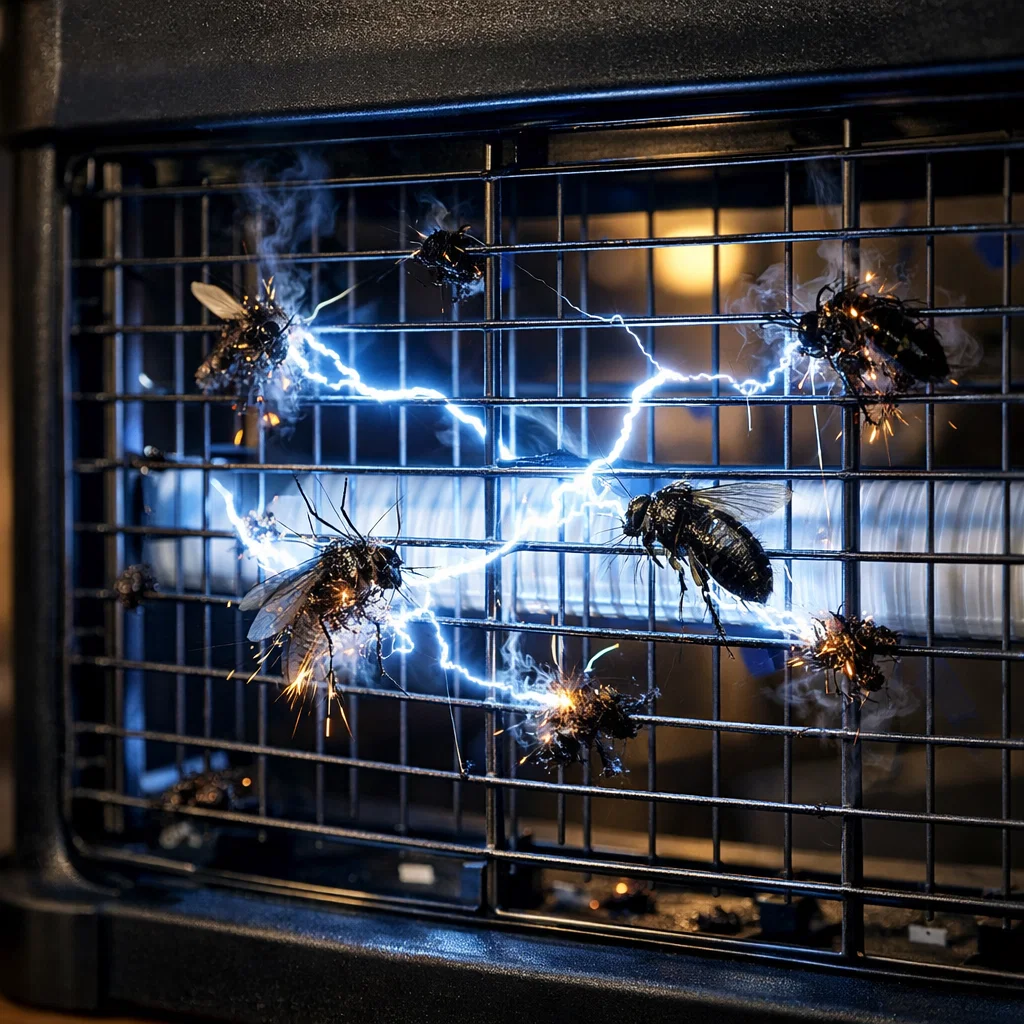
    • Electric Zappers: These devices use high-voltage grids to kill flying insects like mosquitoes, flies, and moths. Zappers attract pests with a light source and then electrocute them when they come in contact with the grid. They are particularly effective for outdoor spaces but can also be used indoors in areas where flying pests are a problem.
    • Heated Bed Bug Wraps: Bed bugs are notoriously difficult to eliminate, and traditional treatments often take time. Electric heated wraps or bed bug heaters target and kill bed bugs by raising the temperature of the area where pests are hiding. These devices are ideal for infested furniture or mattresses.

    Passive Repellers

    Passive Repellers use electric fields to repel pests rather than kill them. These devices are designed to create an environment that pests find unpleasant or unbearable, encouraging them to leave the area. While they are effective in preventing new infestations, they usually don’t work as quickly or as effectively for active infestations. Here are some examples:

    • Ultrasonic Devices: These devices emit high-frequency sound waves that are inaudible to humans but can be disruptive to pests. The sound waves are believed to interfere with the pests’ nervous system, driving them away. However, the effectiveness of ultrasonic devices is still debated. They can be effective for rodents like mice and rats, but not all pests are sensitive to ultrasonic sound.
    • Electromagnetic Devices: These devices work by sending electromagnetic waves through the wiring in a building, disrupting pests’ nervous systems. They are typically marketed for rodent control, and some users report success with them, although scientific backing is still limited.
    • Ionic Devices: Ionic pest repellers work by emitting negatively charged ions that disrupt pests’ electrochemical processes, often causing them to flee. These are typically used for insect control and are safe to use around children and pets.

    Effectiveness of Electric Pest Control Technologies

    While electric pest control technologies offer a range of benefits, it’s important to have realistic expectations. These devices are usually more effective as a **preventative measure** or a **supplementary tool**, but they are not a one-size-fits-all solution for every pest problem.

    Electric zappers can be very effective for flying insects like mosquitoes, flies, and moths. They kill pests on contact and provide immediate results. However, they do not solve underlying issues like nests or infestations in hard-to-reach areas.

    Ultrasonic repellers work by emitting sound waves that are meant to disrupt pests, but their effectiveness can vary. Soft surfaces like carpets and curtains can absorb these sound waves, weakening their ability to repel pests. Moreover, ultrasonic waves require a clear line of sight for maximum effectiveness, so they might not work well in large, cluttered spaces.

    Electromagnetic and ionic devices can work in some situations, but their effectiveness is often debated in scientific circles. They are generally not as reliable as other forms of pest control but can provide added support in combination with other methods.

    Placement and Physics of Electric Pest Control Devices

    For electric pest control devices to be effective, proper placement is key. Here’s a breakdown of where and how to place these devices for the best results:

    • Electric Zappers: These devices are best placed in areas where flying insects are most active. Outdoors, they should be placed in shaded areas away from bright lights that might attract pests away from the zapper. Indoors, place zappers near windows, doors, or light sources where flying pests are likely to enter.
    • Ultrasonic Repellers: These devices should be placed in central locations within rooms or hallways. Keep in mind that ultrasonic waves need line-of-sight to be effective. This means the device should not be obstructed by furniture, curtains, or walls. They work best in smaller rooms, as larger spaces may cause the sound waves to lose their strength.
    • Electromagnetic and Ionic Devices: These are typically plugged into electrical outlets and can cover multiple rooms, especially when they affect the wiring in a building. Placement near central wiring or power sources is important, as the electromagnetic or ionic waves will travel through the electrical system.

    Safety Considerations for Families, Pets, and the Environment

    One of the main advantages of electric pest control is that it provides an eco-friendly solution for pest problems. Unlike chemical treatments, electric devices do not introduce toxic substances into your home. However, there are still safety considerations that must be addressed:

    • Pet Safety: Ultrasonic repellers and electromagnetic devices are typically safe for pets, as the sound waves or electromagnetic fields do not directly affect them. However, it is important to ensure that pets are not in direct contact with electric zappers or heated bed bug wraps.
    • Children’s Safety: Ensure that devices are placed out of reach of young children. Electric zappers, in particular, should not be located where children might accidentally touch them.
    • Non-toxic Options: Most electric pest control devices are non-toxic and do not rely on chemicals. This makes them safer for families, pets, and the environment. They are an ideal solution for those seeking an eco-friendly alternative to traditional pest control methods.

    Comparing Electric Pest Control Technologies to DIY Methods

    While DIY pest control methods like sprays, traps, and baits are common, they often fail to solve the root cause of an infestation. Electric pest control offers an alternative that is less toxic and can supplement DIY efforts or even professional treatments.

    Here’s how electric pest control compares to traditional DIY methods:

    • Electric Zappers vs. Chemical Sprays: Zappers kill flying pests on contact, while chemical sprays may kill pests temporarily but do not address nests or hidden infestations.
    • Ultrasonic Repellers vs. Bait Traps: Ultrasonic repellers may deter pests from entering, while bait traps attract pests to a particular spot, which may not be effective for widespread infestations.
    • Electromagnetic Devices vs. Rodent Traps: Electromagnetic devices disrupt the pests’ nervous system, while rodent traps physically capture pests.

    In short, while DIY methods can provide temporary relief, electric pest control technologies offer long-term prevention and an eco-friendly alternative to harsh chemicals.

    Bug-by-Bug Cheat Sheet: Which Devices Work Best for Specific Pests

    Not all electric pest control devices are suitable for all pests. Here’s a quick reference to help you choose the right device for your pest control needs:

    • Electric Zappers: Best for flies, mosquitoes, moths, and other flying insects. The zappers are especially effective outdoors.
    • Ultrasonic Repellers: Best for mice, rats, cockroaches. They work best when there’s a clear line of sight.
    • Electric Traps: Best for rats and mice. These traps are 100% effective in capturing rodents.
    • Heated Bed Bug Wraps: Best for bed bugs. Effective at killing bugs by raising the temperature in infested areas.
    • Ionic Devices: Best for ants, spiders, and moths, providing a non-toxic way to drive them out.

    Layered Defense Strategy for Pest Control

    While electric pest control devices are effective tools, they are most effective when used as part of a comprehensive, layered pest control strategy.

    A layered defense strategy includes:

    • Physical Barriers: Seal cracks around windows, doors, and pipes to prevent pests from entering your home.
    • Sanitation: Remove food crumbs, clutter, and standing water that attract pests.
    • Electric Devices: Use zappers, ultrasonic repellers, and other electric devices to deter pests before they can establish an infestation.

    This approach ensures that pests are kept at bay while reducing the chance of recurring problems.

    Conclusion

    Pest control electric technologies offer an effective, eco-friendly way to manage pest problems in homes and businesses. Whether you choose active killers like electric zappers or passive repellers like ultrasonic devices, these tools can help you stay ahead of pests and prevent infestations. However, it’s essential to understand the limitations of these devices, especially when dealing with active infestations. For lasting results, combine electric devices with other pest control methods, and remember that sometimes professional intervention is necessary for severe or widespread problems.

  • Understanding What Is Pest Control: A Comprehensive Guide

    Understanding What Is Pest Control: A Comprehensive Guide

    What is pest control? At first glance, pest control might seem like something as simple as spraying chemicals to get rid of unwanted bugs. However, pest control goes far beyond just using pesticides. It involves a structured and methodical approach aimed at preventing, managing, and eradicating pests in an effective and sustainable way. This article explores the full scope of pest control, from traditional methods to the more integrated and eco-friendly approaches that ensure long-term results.

    The Importance of Pest Control

    Effective pest control is necessary to maintain both the health of residents and the integrity of the property. While pests might seem like a minor nuisance at first, their effects can lead to serious problems if left unchecked. Pest control involves a combination of preventive measures and eradication techniques designed to limit the presence of pests without causing harm to humans, pets, or the environment.

    Integrated Pest Management (IPM)

    One of the most effective ways to control pests is through Integrated Pest Management (IPM). IPM is a more holistic approach to pest control that uses a combination of biological, physical, and chemical methods to manage pests in a sustainable manner. IPM focuses on:

    • Preventing pest infestations before they start
    • Using less harmful chemicals only when necessary
    • Monitoring pest activity to ensure treatments are effective
    • Promoting environmentally friendly pest management techniques

    IPM is particularly useful because it minimizes the reliance on pesticides, making it safer for humans and pets, while also being highly effective in controlling pests.

    Prevention vs Eradication

    There is a fundamental difference between pest prevention and pest eradication. Prevention involves taking proactive steps to avoid infestations before they start, while eradication focuses on eliminating an existing pest problem. Both are equally important for maintaining a pest-free home or business.

    Prevention includes steps such as:

    • Sealing cracks and gaps where pests can enter
    • Keeping food sealed and properly stored
    • Proper waste management and cleaning routines
    • Regular inspections to detect early signs of pests

    Eradication is often needed when an infestation has already occurred. It involves treatments such as pesticide application, trapping, and exclusion to remove the pests and prevent them from returning.

    The Risks of Pest Infestations

    Pest infestations are more than just an inconvenience. They pose significant risks to health and property, making pest control an essential part of property maintenance. Here’s a breakdown of some of the risks pests can pose:

    Health Risks

    Some pests carry diseases that can spread to humans or pets. For example:

    • Roaches: Cockroaches are known to spread bacteria that can lead to illnesses like food poisoning, asthma, and allergic reactions.
    • Ticks: Ticks can carry Lyme disease, which can lead to severe health complications if left untreated.
    • Mosquitoes: Mosquitoes are responsible for diseases such as malaria, dengue fever, and Zika virus.
    • Rodents: Rats and mice can carry diseases like leptospirosis, salmonella, and hantavirus, all of which can be transmitted through droppings, urine, or saliva.

    Property Damage

    Pests don’t only affect human health—they can also cause significant property damage. Some common pests that destroy property include:

    • Termites: Termites feed on wood, and over time, they can cause extensive structural damage to homes, furniture, and other wooden structures.
    • Rodents: Mice and rats can chew through wiring, insulation, and even furniture, leading to costly repairs.
    • Ants: Certain species of ants, like carpenter ants, can cause damage to wooden structures and furniture.

    Common Pests and the Threats They Pose

    Insects

    Insects are the most common pests encountered in homes and businesses. Some of the most common and troublesome include:

    • Ants: Ants can invade food storage, and certain species like carpenter ants can damage wood.
    • Bed Bugs: Bed bugs are often found in bedding, furniture, and upholstery, and they cause itching, allergic reactions, and sleep disturbances.
    • Cockroaches: Roaches can be found in kitchens and bathrooms, spreading disease-causing bacteria and allergens.

    Rodents

    Rodents such as rats and mice are highly adaptable and reproduce quickly. They can chew through wires, insulation, and even furniture. They also pose significant health risks due to their potential to carry diseases.

    Wood-Destroying Pests

    Wood-destroying pests, most notably termites and carpenter ants, can cause severe damage to buildings. Termites alone are responsible for billions of dollars in damages every year. They often go unnoticed until substantial damage has already occurred.

    Wildlife

    Wildlife pests, such as raccoons, opossums, and squirrels, are often found in attics, basements, or wall voids. These animals can be very disruptive, and their droppings and nesting can create hygiene problems. They may also damage insulation, ducts, and wiring.

    DIY vs Professional Pest Control

    While DIY pest control methods can work for minor infestations, they often fall short when dealing with more severe or complex pest problems. Here’s a comparison between DIY and professional pest control:

    When DIY Works

    DIY pest control can be effective for:

    • Small, localized infestations
    • Preventive measures like sealing cracks and cleaning areas
    • Using traps for rodents or flies
    • DIY sprays for ants, cockroaches, and some insects

    When to Call a Professional

    Professional pest control is required when:

    • The infestation is widespread or severe
    • Hidden nests or breeding zones are present
    • Health risks (like those associated with rodents or bed bugs) are a concern
    • There is significant property damage or risk of further damage (e.g., termites)
    • DIY treatments fail to provide long-term relief

    Professional pest control services not only remove pests but also implement preventive strategies that help avoid recurrence. When you hire a licensed professional, you can rest assured that treatments will be applied correctly and safely.

    Steps Involved in a Professional Pest Control Visit

    A professional pest control service usually follows a structured process to ensure comprehensive treatment and long-term control. The steps involved typically include:

    • Inspection: The pest control technician conducts a thorough inspection of the premises to identify pest species, entry points, nests, and potential risks.
    • Treatment Plan: Based on the inspection, the technician develops a treatment plan that targets the pest species and infestation severity.
    • Treatment Application: Treatment is applied according to the plan using safe, effective methods and products.
    • Follow-up Visits: Depending on the situation, follow-up visits may be scheduled to ensure that the problem is fully eradicated and that pests do not return.

    Eco-Friendly and Non-Toxic Treatment Options

    For high-intent searches, it’s essential to mention that many pest control services now offer eco-friendly or non-toxic treatment options. These methods are designed to reduce health risks associated with chemical exposure while still being effective at controlling pests.

    Eco-friendly pest control often involves:

    • Targeted applications that reduce pesticide use
    • Non-toxic or low-toxicity products that are safe for families and pets
    • Integrated Pest Management (IPM) that emphasizes prevention and control over chemical spraying

    Typical Pricing for Pest Control Services

    The cost of professional pest control varies depending on factors such as pest type, property size, and infestation severity. Here’s a breakdown of typical pricing:

    • Residential Pest Control: For small apartments, pest control services start from AED 119 for studio units. Larger apartments or homes may cost up to AED 287 for 5-bedroom units.
    • Commercial Pest Control: Small commercial spaces start from AED 120 for areas up to 50 sqm, with prices increasing based on space size and complexity.
    • Specialized Pest Control: Services such as termite treatment, rodent control, or bed bug treatments are priced based on the infestation size. For example, termite treatment for a 2-bedroom apartment may start from AED 550, and rodent control starts from AED 79.

    All prices are for basic pest control treatment, and the final price is determined after a professional inspection to assess the specific needs of the property.

    For the most current pricing details, visit the official pricing page on First Station Pest Control’s website to confirm the latest rates and services.

    When to Seek Professional Pest Control

    DIY pest control is suitable for small, isolated problems, but larger infestations, health concerns, or extensive property damage require professional intervention.

    Professional pest control services are not just about removing pests—they involve identifying the root cause of the problem, treating it safely, and ensuring that pests do not return.

    Conclusion

    Effective pest control requires a combination of early intervention, professional expertise, and ongoing monitoring. Whether you’re dealing with an active infestation or preventing future problems, a trusted provider ensures safe and effective solutions for your home or business. Professional pest control services provide peace of mind, long-term control, and health protection for your family, employees, and pets. When in doubt, contacting a professional is the safest, most effective way to solve your pest problems for good.

  • National Pest Control Services for Homes and Businesses

    National Pest Control Services for Homes and Businesses

    National pest control is more than just a localized service—it’s an essential resource for protecting homes, businesses, and public spaces across the country. With the rise in global movement, changing climates, and evolving pest behaviors, the need for advanced, comprehensive pest control solutions has never been greater. This article delves into the national scope of pest control services, highlights the latest technological advancements, addresses regional-specific pest concerns, and showcases eco-friendly practices like Integrated Pest Management (IPM). Additionally, we will look at the shift toward subscription-based “home defense” services, ensuring year-round protection and peace of mind.

    The Importance of National Reach in Pest Control

    While pests are a universal concern, the ways in which they affect different areas can vary significantly. What works in one region may not be as effective in another. With national pest control services, the ability to respond to regional differences is critical. The key to this is the use of “Pest Forecasts” and hyper-local pest data that allow experts to anticipate outbreaks before they happen. With pest migrations on the rise, and climate changes affecting pest cycles, it’s crucial to have a service that can tailor its solutions based on where you live and the specific challenges your region faces.

    For example, pest activity in northern regions differs from those in southern climates. Coastal areas might face more humidity-related pests, such as mosquitoes and termites, while urban centers could see an increase in rodents and cockroaches due to population density and food availability. A national pest control service ensures that these regional needs are met with localized expertise, making them uniquely equipped to handle any situation.

    Advancements in Pest Control Technology

    Advancements in pest control technology have revolutionized how services are provided, making them more efficient, accurate, and environmentally responsible. Today’s top pest control companies are not just applying pesticides; they are utilizing cutting-edge tools like smart monitoring systems, IoT sensors, and AI-driven predictions to stay ahead of pest outbreaks.

    24/7 Smart Monitoring and IoT Sensors

    One of the most significant developments in the industry is the advent of smart monitoring systems. These devices are placed around a property and can detect pest activity in real-time. IoT sensors provide constant data on factors that attract pests, such as temperature, humidity, and movement. These sensors alert pest control teams whenever conditions become favorable for an infestation, allowing for early intervention.

    AI-Driven Predictions for Pest Outbreaks

    AI-driven predictions take pest control to the next level by analyzing historical data, weather patterns, and local pest migration trends. With AI, companies can predict pest outbreaks before they happen, making it possible to take proactive measures rather than waiting for an infestation to occur. This technology allows companies to stay one step ahead of pest problems, ensuring a faster, more efficient response.

    Eco-Friendly Pest Control Practices

    Eco-friendly practices are no longer a niche in the pest control industry; they are the future. National pest control companies have embraced solutions that protect the environment and reduce harm to non-target species, including pets, wildlife, and plants. Two of the most popular eco-friendly methods include Integrated Pest Management (IPM) and biopesticides.

    Integrated Pest Management (IPM)

    IPM is a holistic approach to pest control that focuses on long-term prevention. By combining biological, cultural, mechanical, and chemical control methods, IPM minimizes the impact on the environment and human health. It focuses on understanding the pest’s behavior, monitoring pest activity, and implementing strategies that prevent infestations from occurring in the first place. The goal is to use the least toxic solutions and apply them only when necessary, ensuring a safer and more sustainable outcome.

    Biopesticides

    Biopesticides are derived from natural materials such as plants, bacteria, or minerals. These products are designed to target specific pests without harming the environment or other living organisms. By using biopesticides, pest control companies can reduce the reliance on synthetic chemicals while still effectively managing pests.

    From One-Time Fixes to Subscription-Based “Home Defense”

    Gone are the days of one-off pest treatments that only address the symptoms. Today, many pest control companies offer subscription-based “home defense” services, where regular visits and ongoing monitoring ensure that pests are kept at bay year-round. This shift not only provides more consistent protection, but it also helps customers save money in the long run.

    Subscription services typically include:

    • Quarterly or monthly inspections to ensure that pest activity is kept under control
    • Routine treatments to prevent infestations from occurring
    • Emergency visits when immediate treatment is needed
    • Access to the latest pest control technologies, including AI-driven pest forecasting and real-time tracking

    This shift in the pest control industry also provides added peace of mind. With regular maintenance and monitoring, homeowners and businesses can rest assured that their property is always protected. Additionally, some pest control services now offer downloadable seasonal checklists, so homeowners can stay on top of their home defense throughout the year.

    Value Comparison Table: A Quick Scan for Key Concerns

    When choosing a pest control service, it’s important to compare factors like pricing, trust, expertise, and technology. Below is a value comparison table to help you evaluate different pest control companies and services based on key concerns.

    Key Concern National Pest Control Services Local / DIY Services
    Trust (EPA-certified methods) Certified and regulated, using the latest safety standards May not meet national standards or use unapproved chemicals
    Expertise (Case studies of large-scale infestations) Proven track record with case studies from various industries Limited experience or lack of resources for large-scale cases
    Cost Savings (Maintenance vs. emergency services) Subscription-based models provide long-term savings Emergency visits tend to be more expensive and less efficient
    Modern Technology (Real-time tracking and smart monitoring) Real-time monitoring, AI-driven predictions, IoT sensors Limited access to advanced technology for early intervention

    Using the comparison table above, it’s clear that national pest control services offer a more comprehensive, cost-effective, and reliable approach than local or DIY alternatives. The use of advanced technology, EPA-certified methods, and subscription-based services makes national pest control a smarter choice for long-term prevention.

    Social Proof: Connecting National Reach with Local Experts

    National pest control services can seem distant, but they’re deeply connected with local experts who understand the specific pest issues in your area. While the company may have a national scope, the technicians who come to your property are often local professionals familiar with the unique pests in your region. This blend of national resources and local expertise ensures that you’re getting the best of both worlds.

    By choosing a reputable, national pest control company, you get the benefit of cutting-edge technology and a proven track record, but you also tap into the deep local knowledge of the technicians who will be working directly on your property.

    Health and Wellness: Why Pest Control Is Essential for Your Family

    Health concerns related to pests are not limited to visible damage or discomfort. Pests are vectors for diseases, allergens, and bacteria that can affect your family’s health. Cockroaches, for example, carry allergens that can trigger asthma attacks, especially in children. Rodents carry diseases that can spread through droppings and urine. Bed bugs, while not known for spreading diseases, can cause severe skin irritation and stress. Termites can also damage structural integrity, leading to potential accidents.

    Furthermore, pests in the workplace or public spaces can introduce similar health risks to employees, customers, and visitors. Protecting your family and employees from these risks is a key reason pest control is essential for wellness.

    The Essential Next Step: Contacting a Pest Control Provider

    If you’re dealing with a pest problem in your home or business, waiting too long could result in more severe infestations, higher costs, and increased health risks. Whether you’re facing rodents, insects, termites, or mold, a professional pest control service will be able to provide a solution tailored to your needs.

    First Station Pest Control is equipped to handle pest problems across the country, offering nationwide services with local expertise. Our subscription-based models ensure you have continuous home defense, keeping pests at bay year-round. If you’re unsure about the extent of your pest problem or need an inspection, feel free to use the WhatsApp or Call button at the top of the page to reach out to our team directly.

    Conclusion

    National pest control services offer more than just one-time fixes. They provide long-term solutions tailored to your property and region. With the latest technology, eco-friendly practices, and a focus on health and safety, pest control is no longer an afterthought but an essential part of maintaining a healthy and safe environment. Whether at home or at work, ensuring pest control is up-to-date is crucial for long-term protection and peace of mind.

  • Affordable Pest Control and Cleaning Services: A Complete Guide

    Affordable Pest Control and Cleaning Services: A Complete Guide

    Dealing with pests in your home or business can be incredibly stressful, especially when you’re trying to maintain a clean and healthy environment. The idea of “affordable pest control and cleaning services” often raises concerns about cheap solutions that may be ineffective or dangerous. However, affordable doesn’t always mean low-quality or hazardous. In fact, combining both pest control and deep cleaning services can be a smart, cost-effective, and safe way to maintain your space without breaking the bank. This guide will explain how bundling pest control and cleaning services offers multiple benefits, how pricing works, and how to ensure the service provider you choose is trustworthy and reliable.

    The Stress of Pest Problems and Messy Homes

    Having a pest problem or dealing with a messy home can cause significant stress. Pests are not just a nuisance; they pose real health risks and can cause property damage. Whether it’s rodents gnawing on your electrical wires, cockroaches hiding in dark corners, or flies breeding near food sources, pests can disrupt your daily life in many unpleasant ways. For business owners, pests can also lead to compliance violations, customer complaints, and reputation damage.

    On top of this, a cluttered or messy home can act as a magnet for pests. Left unchecked, both the mess and the pests can quickly overwhelm your space. However, affordable pest control and cleaning services can be your solution, offering you the chance to take back control of your home or business while keeping it safe for you, your family, and your pets.

    Affordable Doesn’t Mean Cheap or Dangerous

    It’s common for people to think that “affordable” pest control must mean “cheap” or, worse, “dangerous.” But that’s not always the case. Many professional pest control companies offer affordable pricing without compromising on quality or safety. The trick is to find a provider that offers transparent pricing, safe practices, and environmentally friendly treatment methods. Ensuring that the pest control company you hire is licensed and follows local regulations is critical for guaranteeing your family’s and pets’ safety.

    When considering affordability, it’s important to recognize that the overall value of pest control should account for the quality of the service, the long-term effectiveness, and the safety of the methods used. Affordable pest control doesn’t just mean cheaper rates; it also means transparent services that work well and minimize risk to your loved ones and the environment.

    The Benefits of Bundling Pest Control and Cleaning Services

    Bundling pest control and cleaning services together offers both time-saving and cost-saving advantages. These two services complement each other well, as a clean home is less likely to attract pests in the first place. Deep cleaning removes debris, food particles, and organic waste that serve as attractants for insects and rodents. When you coordinate pest control with cleaning, the process becomes more effective as it addresses both the visible problem (the pests) and the root causes (the attractants).

    Moreover, bundling both services in a single appointment saves you time. Instead of scheduling two separate visits, a professional company can efficiently address your needs in one coordinated service. This is especially beneficial for businesses, where time is money, and quick turnaround is important. For homeowners, it also reduces the hassle of multiple scheduling conflicts, allowing you to enjoy a pest-free and cleaner environment sooner.

    Breaking Down the Pricing: What Affects Cost?

    One of the most common questions customers have is, “How much does pest control and cleaning cost?” The answer depends on several factors, including the size of your space, the severity of the infestation, and how frequently services are needed. Below, we break down the elements that influence pricing for both pest control and cleaning services:

    Square Footage

    The larger your space, the more it will cost to treat. Whether it’s a home, office, restaurant, or warehouse, the amount of space being treated directly impacts the cost. Typically, pest control pricing is charged based on square footage, and cleaning services are also priced accordingly.

    Infestation Level

    The severity of the pest problem affects the cost of treatment. A light infestation might only require minimal treatment, while a more severe or widespread infestation will require deeper treatment, more frequent follow-up visits, and possibly more specialized equipment or chemicals.

    Service Frequency

    Regular pest control visits can help prevent future infestations. If you’re looking for ongoing protection, you may need to sign up for a regular pest control service, which could reduce the overall cost over time. For cleaning, regular service (monthly, bi-monthly, or quarterly) can help maintain a cleaner space and prevent the buildup of attractants for pests.

    Type of Pests

    Different pests require different approaches. For instance, cockroach control might involve a different method or pesticide than rodent or termite control. The more specialized the treatment, the higher the cost. Similarly, cleaning methods can vary depending on whether you’re dealing with typical dirt, dust, or pet dander compared to deep cleaning that addresses mold, grime, or heavy stains.

    Eco-Friendly Treatments

    Eco-friendly pest control options, such as natural repellents or non-toxic chemicals, tend to cost more due to the quality and safety standards of the products used. However, these options are ideal for households with children or pets, and the increased cost is often worth the peace of mind.

    Pricing Table: Estimated Costs for Pest Control and Cleaning Services

    Service Price Range (AED)
    Residential Pest Control 119 – 287
    Commercial Pest Control 120 – 485
    Cleaning Services (Residential) 150 – 350
    Cleaning Services (Commercial) 300 – 600
    Pest Control + Cleaning Bundle 200 – 600 (Discounted Bundle Price)

    Note: These are estimated prices. The actual cost will depend on inspection, the level of infestation, and specific service needs. For an accurate quote, contact the provider for a detailed assessment.

    Red Flags: How to Identify Trustworthy Providers

    When choosing a pest control provider, it’s important to evaluate whether they are trustworthy. Here’s a quick “Red Flag” checklist to help you make an informed decision:

    • Licensing: Ensure the provider is licensed and accredited by local authorities to carry out pest control services.
    • Clear Contract Terms: Avoid companies that push vague or unclear contracts. Always ensure the scope of service, pricing, and guarantees are explicitly stated.
    • Guarantees: Reputable companies will offer guarantees, such as re-treatment if pests return within a certain timeframe.
    • Reviews and Reputation: Check online reviews and testimonials. A trustworthy provider should have positive feedback from satisfied customers.
    • Upfront Pricing: Transparent pricing without hidden fees is a key indicator of honesty and professionalism.

    Free DIY Maintenance Checklist

    To help prevent pests from invading in the first place, follow these simple but effective maintenance tips:

    • Seal Entry Points: Check for cracks and gaps around doors, windows, and foundations. Seal them with caulking or weatherstripping to prevent pests from entering.
    • Store Food Properly: Store food in sealed containers, and don’t leave food out overnight.
    • Maintain Cleanliness: Clean up crumbs and spills immediately. Regularly vacuum and dust, especially in kitchens and bathrooms.
    • Fix Leaks: Pests like roaches, ants, and rodents are attracted to water sources. Fix leaking pipes and remove standing water.
    • Remove Clutter: Clutter offers perfect hiding spots for pests. Keep storage areas clean and organized.

    Regularly following these practices reduces the likelihood of a pest infestation, but if you notice signs of pests, it’s time to call a professional.

    Conclusion: Take Action Early

    Having a pest-free home or business is essential for comfort, safety, and health. Affordable pest control and cleaning services can help you maintain a clean and pest-free environment. By bundling pest control and cleaning services together, you save time, money, and effort while addressing both current infestations and future risks. Always choose a provider that is licensed, offers transparent pricing, and guarantees their work. If you’re unsure where to start, contact First Station Pest Control and Cleaning Services to get a free inspection and consultation.

    Don’t let pests disrupt your home or business any longer—taking action early prevents bigger issues down the road.

  • Good Pest Control Services for Homes and Businesses

    Good Pest Control Services for Homes and Businesses

    Finding good pest control services can be a daunting task, especially when faced with the anxiety of dealing with an infestation. Whether you’re trying to remove a few ants, eradicate bed bugs, or handle a larger issue like termites, the key to a successful and lasting solution lies in selecting the right provider. This article will guide you through the process of vetting pest control services and help you make an informed decision that will ultimately save time, money, and stress.

    What Makes a Pest Control Service “Good”?

    Good pest control services are more than just a quick fix. They focus on identifying the root causes of the pest problem, using the right treatment methods, and providing long-term prevention. Choosing the right pest control company is crucial, not only for the immediate treatment of your home or business but also to ensure that the problem doesn’t return. Below, we’ll break down the most important factors to consider when hiring a pest control provider.

    1. Licensing and Insurance: The Foundation of a Good Pest Control Service

    Before engaging any pest control service, the first thing you should check is whether the company is licensed and insured. Licensing ensures that the provider has met local or national standards, while insurance protects you from liability in case of accidents or damage during the treatment process.

    In many regions, pest control services must be licensed by the government or a regulatory body. This ensures that the company adheres to health and safety regulations, uses appropriate treatment methods, and employs trained technicians. Always ask to see a company’s license and verify its legitimacy with local authorities if you’re unsure.

    Insurance is equally important because pest control treatments sometimes involve chemicals that could cause damage to your property or injure someone. A reputable company will carry both liability and workers’ compensation insurance to cover these potential risks.

    2. Free Inspection vs. Sales Pitch: What’s the Difference?

    One of the most common points of confusion for homeowners is understanding the difference between a free inspection and a sales pitch. Many pest control companies offer free inspections, which may seem like a great deal. However, it’s important to understand what’s actually being offered during this “free” inspection.

    A legitimate free inspection should involve a thorough assessment of your property to identify the types of pests, the extent of the infestation, and potential entry points. The inspector should take their time, ask questions, and explain their findings to you. You should walk away with a clear understanding of what needs to be done, how much it will cost, and what treatment options are available.

    On the other hand, if the inspection feels rushed, or the technician immediately starts pushing expensive treatments without offering a detailed explanation, it could be a sign of a sales-driven pitch. This is where many companies fall into unethical practices, offering unnecessary services or treatments at inflated prices.

    Be cautious if you feel pressured to make a decision during the inspection or if they provide an overly general quote. A good pest control company will provide transparency, allowing you to make an informed decision without feeling rushed or manipulated.

    3. Pricing Transparency: Initial Costs vs. Ongoing Maintenance

    When selecting a pest control provider, understanding pricing is crucial. It’s important to ask about both the initial treatment cost and any ongoing maintenance fees, as well as any other hidden charges that could arise during the course of service. Some companies may quote a low price for the first visit but charge significantly more for follow-up visits or monthly maintenance.

    Ask for a clear, written estimate that includes all costs. This should cover:

    • Initial inspection and treatment
    • Follow-up visits or maintenance (if applicable)
    • Any guarantees or warranties offered
    • Costs for re-treatment if necessary

    It’s also important to inquire about payment structures. Some companies offer a flat fee, while others may have a tiered pricing system based on the size of the property or the severity of the infestation. Ensure you understand the total price before signing any contracts.

    Finally, read the fine print in any contract or guarantee. A good pest control company will offer a clear guarantee for their work, often promising to return if the issue isn’t fully resolved within a certain time frame. Make sure that this guarantee is written into the contract and that you know what steps to take if the pests return.

    4. Generalist vs. Specialized Services: Choosing What’s Right for You

    When looking for good pest control services, you’ll come across both generalist providers and specialists. Generalist pest control companies handle a wide range of pest issues, from ants and cockroaches to rodents and mosquitoes. While these companies can provide a quick solution for common pests, they may not have the expertise needed to deal with more specialized problems like termites, bed bugs, or mold-related pests.

    On the other hand, specialized pest control providers focus on specific pests or types of infestations. For example, a termite control expert will have the knowledge, equipment, and methods needed to address the unique behaviors of termites, including how to treat infestations that can damage the structure of your home.

    Choosing between a generalist and a specialized service depends on the problem you’re facing. If you’re dealing with a common pest, a generalist company may be the right choice. However, for more complex issues such as termite damage or a bed bug infestation, it’s worth investing in a specialized provider who can provide tailored treatment.

    5. “Red Flags” for Pest Control Technicians: What to Watch Out For

    Even with the best of intentions, some pest control companies may not provide the level of service you expect. Here are some red flags to look out for when dealing with pest control technicians:

    • Lack of a thorough inspection: A technician should never rush through an inspection. If they don’t take the time to examine all areas of the property, it could mean they’re skipping over critical issues.
    • Unclear or vague pricing: Be wary of quotes that seem unusually low or high without clear justification. Always ask for an itemized breakdown.
    • High-pressure sales tactics: If a technician insists you sign a contract or buy additional services on the spot, it’s a red flag. A good technician will discuss your options, not push unnecessary treatments.
    • Inconsistent communication: If the company is hard to reach or doesn’t follow up after treatment, it’s a sign of poor customer service.
    • Failure to provide a written guarantee: A reputable pest control company will stand behind their work with a clear, written guarantee.

    6. Questions to Ask When Hiring Pest Control Services

    When evaluating potential pest control companies, it’s important to ask the right questions to ensure they’re the right fit for your needs. Here are some essential questions to ask:

    • Are you licensed and insured?
    • What types of pests do you specialize in?
    • Can you provide a written estimate that includes all costs?
    • How do you determine the type of treatment needed for my property?
    • What is your warranty or guarantee policy for treatments?
    • What is the expected timeline for resolving my pest problem?
    • Do you use eco-friendly or low-toxicity treatment options?
    • How do you ensure safety for pets and children during and after treatment?
    • What steps should I take to prepare my home or business for treatment?
    • Do you offer follow-up visits if the pests return?

    These questions will help you evaluate whether a company is trustworthy, experienced, and transparent in their approach.

    7. Local vs. National Pest Control Providers: Which Should You Choose?

    In your search for good pest control services, you may encounter both local and national providers. Both options have their pros and cons, depending on your specific needs.

    Local pest control providers often offer more personalized service and a better understanding of the local pest environment. They’re typically more responsive and flexible, especially for urgent cases. Additionally, local providers tend to be more invested in building a solid reputation within their community.

    National pest control companies can offer larger-scale solutions and may have access to a broader range of resources. They may also offer standardized pricing, which can help with consistency. However, their response times may not be as fast, and their service might feel less personalized.

    When deciding between a local or national provider, consider your specific needs, the urgency of the pest issue, and the company’s track record in your area.

    8. Pricing Considerations and Factors That Affect Cost

    Pricing for pest control services can vary depending on several factors, including the type of pest, the size of the property, the extent of the infestation, and the methods used to address the problem.

    Typical pricing for common pests like ants, cockroaches, and mosquitoes usually starts from around AED 119 for small residential units (e.g., studios or 1-bedroom apartments). The cost will increase based on the size of the property and the complexity of the treatment required. Larger spaces or businesses will generally see pricing starting at around AED 150 and increasing based on square footage.

    Specialized pests, such as termites or bed bugs, require more focused treatments and usually come with higher costs. For instance:

    • Termite treatment for a 1-bedroom apartment may start at AED 300
    • Bed bug treatment for larger units can start at AED 179

    Finally, many companies offer maintenance packages to prevent future infestations. These packages often include regular inspections and treatment visits, usually priced starting from AED 150 per quarter.

    Conclusion

    Choosing the right pest control provider is critical to resolving your pest problem quickly, effectively, and safely. By considering licensing, pricing, safety, guarantees, and specialized services, you can find a provider who meets your needs and keeps pests under control in the long term. With clear expectations, professional treatment, and proper follow-up, you can ensure that pest problems are handled without the risk of recurrence.

  • Pest Control Machines Explained for DIY and Professional Use

    Pest Control Machines Explained for DIY and Professional Use

    Pest control machines have become a popular choice for many homeowners and business owners looking for an efficient way to deal with pests. Whether it’s an ultrasonic device, a thermal fogger, or a CO2 trap, these machines claim to provide a quick and reliable solution to pest infestations. But before investing in one, it’s important to understand how these machines work, their limitations, and whether they are truly the right choice for your specific pest problem.

    This article will explore various types of pest control machines, discuss their effectiveness based on target pests, and provide an in-depth comparison between DIY pest control machines and professional services. We’ll also address safety concerns, including how to keep pets and children safe, and the advantages of using non-toxic methods. Additionally, we’ll look at the longevity and maintenance requirements of these devices, along with troubleshooting tips to enhance the user experience.

    The Science Behind Pest Control Machines

    One of the biggest concerns people have when it comes to pest control machines is whether they actually work. Many of these devices promise results, but their effectiveness often depends on the pest type, infestation severity, and the correct usage of the machine. Let’s break down the science behind some of the most popular pest control machines:

    Ultrasonic Pest Repellers

    Ultrasonic pest repellers are one of the most commonly used pest control devices. They work by emitting high-frequency sound waves that are unpleasant or disturbing to pests such as rodents, mosquitoes, and insects. The idea is that these sounds interfere with the pest’s ability to communicate, navigate, or feed, which drives them away from the area.

    While ultrasonic devices are generally effective for pests like rats, mice, and some insects, they are not a one-size-fits-all solution. Their range is limited by walls, furniture, and other obstructions, which means they may not work as effectively in large, open spaces. Additionally, ultrasonic machines may not affect all pests in the same way—termites, for example, are not deterred by sound waves.

    Thermal Foggers

    Thermal foggers are used for large-scale pest control, particularly for insects like mosquitoes, fleas, and flies. These machines generate a fine mist or fog made of insecticide or repellent, which spreads over a large area to target pests. Thermal foggers are especially useful in outdoor areas like gardens, yards, or open spaces where pests are commonly found.

    Thermal foggers are highly effective in killing pests upon contact, but they require careful handling. Since they use chemicals, it’s important to ensure that the chemicals used are non-toxic to pets and humans or that the area is properly ventilated after treatment. Overuse or incorrect application can also lead to environmental harm, so they should be used cautiously and in accordance with manufacturer instructions.

    CO2 Traps

    CO2 traps are commonly used for mosquitoes, particularly in areas where mosquitoes breed in large numbers. These machines use carbon dioxide to attract mosquitoes, mimicking the breath of humans or animals. Once the mosquitoes approach the trap, they are sucked into a collection chamber and trapped, preventing them from returning to the environment.

    While CO2 traps are highly effective for controlling mosquito populations, they do not target other pests, such as rodents or termites. Additionally, the effectiveness of CO2 traps may vary based on location, as environmental factors like wind or humidity can influence how well the trap works.

    Comparing DIY Pest Control Machines vs. Professional Services

    One of the main reasons people turn to pest control machines is to avoid the cost of professional pest control services. While machines can be a cost-effective option for some pest problems, it’s important to understand the differences in pricing and results.

    DIY Pest Control Machine Costs

    DIY pest control machines are generally less expensive than hiring a professional pest control service. Below is an approximate cost range for common pest control machines:

    Type of Machine Cost Range (AED) Target Pests
    Ultrasonic Repellers 100–500 AED Rodents, mosquitoes, insects
    Thermal Foggers 400–2,000 AED Mosquitoes, flies, fleas
    CO2 Traps 200–800 AED Mosquitoes
    Electric Fly Killers 100–600 AED Flies, moths

    These devices have the advantage of a one-time purchase cost and the ability to be used whenever needed. However, they also have limitations, including limited coverage areas, reduced efficacy against specific pests, and the need for frequent maintenance and monitoring.

    Professional Pest Control Services

    Professional pest control services, on the other hand, offer a broader range of pest solutions, including chemical, biological, and mechanical methods. These services are often tailored to your specific pest problem and provide guaranteed results.

    The pricing for professional pest control services varies depending on the type of pest and the size of the property being treated. Here’s a general pricing guide:

    Service Cost Range (AED)
    Cockroach Control 119–287 AED
    Bed Bug Control 119–287 AED
    Rodent Control 79–219 AED
    Termite Control 300–1300 AED
    Mosquito Control 119–287 AED

    While professional services are more expensive upfront, they typically offer guaranteed results, follow-up visits, and advice on prevention. Additionally, professionals use highly effective methods tailored to specific pests and provide longer-term solutions that DIY machines cannot offer.

    Safety Concerns: Pet and Child Safety in Pest Control

    One of the biggest concerns with pest control treatments—whether DIY machines or professional services—is the safety of pets and children. Many traditional pest control methods involve chemicals that can be harmful if not handled properly. However, non-toxic and eco-friendly options are becoming more widely available.

    For machines like ultrasonic repellers, the safety of pets and children is generally not an issue since these devices emit sound waves that do not harm humans or animals. However, thermal foggers and CO2 traps use chemicals that may require precautions to ensure safety.

    When using foggers or chemical treatments, always follow the manufacturer’s guidelines regarding re-entry times and ventilation. Professional pest control services in Sharjah often offer eco-friendly treatments using low-toxicity products, reducing the potential risks to pets, children, and the environment.

    Machine Maintenance and Longevity

    While pest control machines can be an effective solution, they require regular maintenance to ensure optimal performance. Here are some common maintenance tasks:

    • For ultrasonic devices, ensure they are placed in areas with minimal obstruction. Battery-operated models may need periodic battery replacement.
    • For thermal foggers, clean the nozzle regularly to prevent clogging. Ensure the machine is used in well-ventilated areas and follow safety guidelines regarding fuel storage.
    • CO2 traps need regular cleaning of the collection chamber, and the CO2 canister must be replaced periodically.

    Proper maintenance extends the life of the machine and ensures consistent results. If a machine is not performing as expected, check the maintenance instructions or consult with the manufacturer for troubleshooting tips.

    Real-World Scenarios: Case Studies and Common Mistakes

    Many people purchase pest control machines with high hopes, only to be disappointed when the machines don’t work as expected. Here are some real-world scenarios:

    Case Study 1: Mosquito Infestation

    A family in Sharjah purchased a CO2 trap for mosquito control. While the trap did capture many mosquitoes, the infestation persisted in other areas. After a professional inspection, it was discovered that the mosquitoes were breeding in a nearby water source outside the home. The family had neglected to treat the breeding grounds, which led to the continuous cycle of mosquito activity.

    Case Study 2: Rodent Control with Ultrasonic Repellers

    A business in Sharjah tried ultrasonic repellers to deal with a rodent problem in their warehouse. The devices worked initially, but after a few months, the rodents returned. It turned out that the ultrasonic waves were unable to penetrate thick walls and large shelving units, limiting the effectiveness of the repellers.

    These case studies highlight that while pest control machines can work for certain pests, they may not always provide a complete solution. For more complex infestations, professional pest control services that assess the root cause and offer tailored treatment are often more effective.

    Conclusion: Is a Pest Control Machine Right for You?

    Pest control machines offer a convenient, DIY approach to managing certain pest problems, but they come with limitations. For specific pests like mosquitoes, rodents, and insects, machines can provide a degree of control. However, for more serious or widespread infestations, professional pest control services are often the smarter and safer choice.

    When deciding whether to invest in a pest control machine or hire a professional service, consider factors such as the pest type, infestation size, treatment effectiveness, safety, and long-term results. If you are unsure, consulting a professional will help you make an informed decision and ensure your home or business remains pest-free.

  • Pest Control Liquid Guide for Homes and Businesses

    Pest Control Liquid Guide for Homes and Businesses

    Pest control liquid is one of the most effective ways to manage pest problems in homes and businesses. It offers a versatile solution that can be applied in various environments and can tackle a wide range of pests. Understanding how to use pest control liquids properly can save both time and money while ensuring effective results. In this article, we will dive into the cost benefits of concentrates over aerosol cans, provide a cheat sheet for dilution ratios, discuss the proper use of tank sprayers, introduce key active ingredients, and explore the environmental considerations associated with pest control liquids.

    The Cost Benefits of Pest Control Liquids: Concentrates vs. Aerosol Cans

    When choosing a pest control solution, the cost is an important factor to consider. While aerosol cans may seem convenient, they are often more expensive in the long run due to the limited amount of product in each can. On the other hand, concentrated pest control liquids offer a much more cost-effective option.

    A typical aerosol can of pest control spray may cost around $10, but it only lasts for a few minutes of application. In comparison, a bottle of pest control concentrate may cost around $40, but it can make more than 20 gallons of solution. This means that concentrates provide much better value for money, especially for larger infestations or routine maintenance.

    Here’s a quick cost breakdown:

    • Aerosol Can: $10 for 16 ounces (lasts a few minutes)
    • Concentrate Bottle: $40 for 32 ounces (makes 20+ gallons of product)

    Clearly, the cost per gallon of concentrate is significantly lower than the cost per application of aerosol cans, making it the better choice for long-term pest control.

    Dilution Ratios: A Cheat Sheet for Effective Application

    One of the key benefits of pest control concentrates is the ability to dilute the product to the appropriate strength based on the severity of the infestation. Too much concentrate can lead to waste and may be harmful to the environment, while too little may not be effective in controlling pests.

    Here’s a simple cheat sheet for dilution ratios:

    • 1 oz per gallon: Maintenance applications for light infestations
    • 2 oz per gallon: Heavy infestations or larger areas
    • 3 oz per gallon: Severe pest problems or outdoor applications

    Be sure to always follow the recommended dilution ratio on the product label for the best results. Mixing the right concentration ensures you are using the product efficiently and safely.

    Mixing Tips for Pest Control Liquids

    Proper mixing is crucial when working with pest control liquids. Incorrect dilution or improper application can lead to ineffective results or unnecessary harm to the environment. Here are a few tips to ensure you mix and apply your pest control liquid correctly:

    • Use clean water: Always mix pest control liquid with clean, cool water to ensure it dissolves fully.
    • Follow the label instructions: Always read and follow the manufacturer’s instructions regarding dilution ratios and mixing guidelines.
    • Stir or shake the mixture: Stir the mixture or shake the tank sprayer to ensure the concentrate is evenly distributed.
    • Use the right equipment: For larger areas, use a tank sprayer with an adjustable nozzle to control the application pressure and ensure even coverage.
    • Avoid over-mixing: Don’t mix more solution than you can use in a single application to avoid waste.

    By following these mixing tips, you can make sure your pest control liquid is applied effectively and safely.

    Understanding Tank Sprayers and Their Proper Use

    When applying pest control liquids, using the right equipment is just as important as using the right product. A tank sprayer is one of the most commonly used tools for pest control liquid application. It allows for a more controlled and even application across a variety of surfaces and areas.

    Here’s how to use tank sprayers properly:

    Pressure Control

    One of the key factors in achieving an even application is controlling the pressure. Too much pressure can result in overspray, leading to waste and potential environmental harm. On the other hand, too little pressure may result in uneven coverage and ineffective pest control.

    Always use the sprayer’s pressure settings according to the manufacturer’s recommendations. Typically, for most pest control liquids, a medium pressure setting is ideal for getting the right coverage without wasting the product.

    Cleaning the Sprayer

    Proper cleaning of your tank sprayer is essential for maintaining its effectiveness and ensuring that no residual chemicals contaminate your next application. After every use, rinse the sprayer thoroughly with clean water to remove any leftover solution. Let it dry completely before storing it to avoid corrosion or clogging.

    Key Active Ingredients in Pest Control Liquids

    One of the biggest advantages of using pest control liquids is the ability to choose from a wide range of products that contain different active ingredients. Each ingredient has specific strengths when dealing with different types of pests. Below, we’ve highlighted some of the most common active ingredients found in pest control liquids:

    Active Ingredient Pest Control Function Common Pests Treated
    Bifenthrin Insecticide that works by attacking the nervous system of insects Cockroaches, ants, termites, fleas, spiders
    Fipronil Broad-spectrum insecticide that works by affecting the central nervous system of pests Ants, termites, cockroaches, fleas, ticks
    Cypermethrin Fast-acting insecticide that paralyzes pests by affecting their nervous system Flies, mosquitoes, ants, cockroaches, beetles

    These active ingredients are often combined with other chemicals to create products that target specific pests. When selecting pest control liquid, make sure to check the active ingredients and ensure they’re effective for your needs.

    Repellents vs. Non-Repellents: Which Is Better for Your Pest Control?

    There are two main categories of pest control liquids: repellents and non-repellents. Both serve different purposes, and it’s important to understand the difference to make the right choice for your pest problem.

    Repellents

    Repellents work by making an area unattractive or uncomfortable for pests. These products drive pests away from treated areas, but they don’t necessarily kill them. They’re ideal for preventing infestations in areas where pests are not yet present, such as around windows, doors, and other entry points.

    Non-Repellents

    Non-repellent pest control liquids, on the other hand, do not drive pests away but instead attract them to the treated areas. Once the pests come into contact with the treatment, they are either killed immediately or carry the solution back to their nests, affecting other pests. These are often used for ongoing infestations.

    For example, non-repellents like Bifenthrin and Fipronil are commonly used to deal with existing infestations, especially when dealing with ants, cockroaches, or termites.

    Environmental Considerations and Responsible Pest Control

    While pest control liquids are highly effective, they must be used responsibly to avoid harming the environment. Here are some key considerations:

    • Avoid spraying before rain: Pest control liquids should not be applied right before rain as it can wash away the chemicals and reduce effectiveness.
    • Protect pollinators: Bees and other pollinators can be affected by pesticides, so it’s important to avoid spraying in areas where pollinators are active.
    • Follow application guidelines: Always follow the manufacturer’s guidelines to ensure you’re applying the correct amount in the right areas.
    • Use eco-friendly options when available: Many modern pest control liquids offer eco-friendly alternatives that reduce risks to non-target species.

    Conclusion: Effective, Safe, and Eco-Friendly Pest Control

    Pest control liquids are a powerful tool for keeping homes and businesses free from unwanted pests. Understanding the different types of products, how to mix and apply them correctly, and knowing the safety and environmental considerations will help you use these products effectively and responsibly. By investing in professional pest control solutions and choosing the right products for your needs, you can ensure that your pest problems are handled efficiently while minimizing health risks and environmental impact.